Thai Currency
Baht name, history, exchange rates, withdrawals, bank cards, and cost of living: a clear guide to managing your money, payments, and budget in Thailand during your trip.
What is Thai currency called?
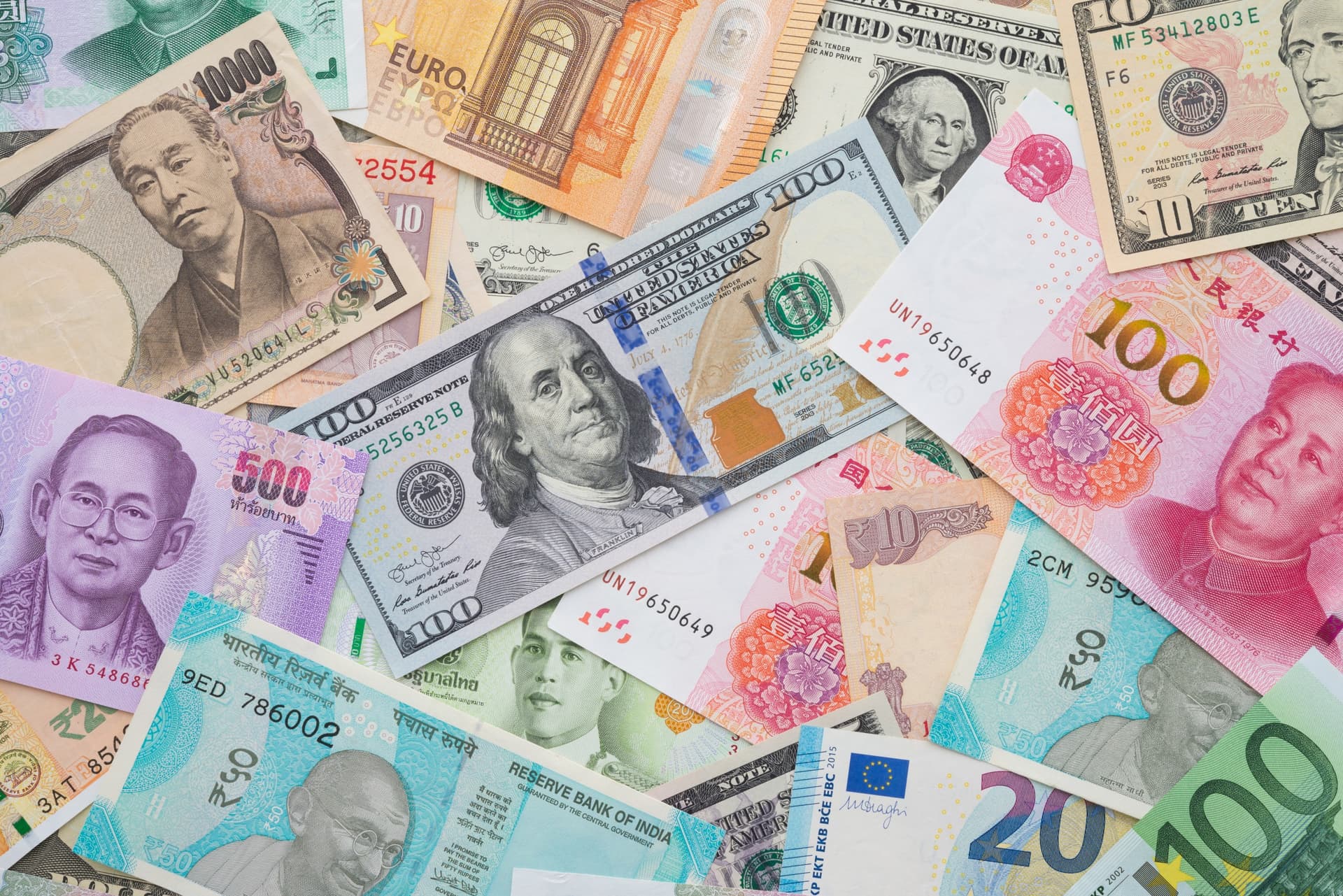
The monetary unit in Thailand is the baht. The baht is available in coins of ¼, ½, 1, 2, 5, and 10 baht, as well as banknotes of 20, 50, 100, 500, and 1,000 baht. The 10 baht banknotes, now replaced by coins, no longer exist. Banknote sizes are proportional to their value. Each features a portrait of King Rama X, with the exception of some older banknotes that bear the image of Rama IX.
A Brief History of the Baht
The Baht has a very ancient history, as it is linked to the currency of the Kingdom of Siam, the former name of Thailand.
The first Thai currency in coin form (as it previously existed as small boats or silver chickens) appeared in 1860 during the reign of Rama IV. At the time, coins were made of 15 grams of silver and the currency was called the Tical. The word Baht was originally a unit of mass representing 15.244 grams and quickly became the nickname for the Tical, but it wasn't until 1940 that the currency officially changed its name to the Baht.
What is the Thai currency exchange rate today?
Euro to Baht: What is the Thai currency exchange rate?
In January 2024, you need approximately 39 Baht for 1 Euro. This exchange rate allows travelers from France and other Eurozone countries to enjoy extraordinary purchasing power. Indeed, in Thailand, everything costs less except imported products.
How much is the Baht worth in US dollars?
After World War II, an economic agreement between Thailand and the United States linked their respective currencies at a rate of approximately 25 THB = 1 USD. Unfortunately, in 1997, the Land of Smiles experienced a financial crash due to the collapse of its real estate bubble. The Baht lost considerable value, reaching a rate of 32 THB = 1 USD on July 31 of that same year. In January 2024, 1 THB is worth approximately 0.027 USD (or roughly 37 THB = 1 USD).
To find the real-time value of the Baht against other world currencies, you can use online currency converters.
Tips for Exchanging Money in Thailand
During your trip to Thailand, you'll need to exchange your currency for baht. Here are some tips to help you get the best exchange rate and avoid unnecessary fees.
The best place to exchange money is a bank. Exchange rates are generally more favorable than at exchange bureaus, and fees are often lower. If you can't visit a bank, you can use an authorized exchange bureau. These are typically located in tourist areas and offer competitive rates.
Avoid unauthorized exchange bureaus. Unauthorized exchange bureaus often offer very attractive rates, but they may also be fraudulent. If you decide to use an unauthorized bureau, make sure to compare rates carefully and request a receipt.
You can withdraw cash from ATMs (automated teller machines) in Thailand. Visa and Mastercard are generally accepted, but fees can be high. In addition to your own bank's commissions, Thai ATM fees typically run 200 THB (around 5 euros) per transaction. If you need to withdraw from ATMs, try to withdraw the maximum amount in a single transaction to minimize fees.
Many shops, hotels, restaurants, and other tourist establishments accept credit and debit card payments. This will save you from having to carry large amounts of cash. However, it's always useful to have some cash on hand for everyday small purchases.
Is the cost of living expensive in Thailand?
Thailand is a popular tourist destination, but it remains a relatively affordable country. The cost of living does vary, however, depending on the region. In less touristy areas, it's possible to travel on a smaller budget. However, in the islands and beach resorts of the South, prices are higher, particularly for hotel rooms.
The favorable Baht rate allows you to enjoy a level of luxury that would likely cost you considerably more in France. It has also positioned Thailand as the third most visited tourist destination in Asia, after China and Turkey. Thus, while the Baht is a relatively weak currency, it enables attractive prices for tourists and is therefore particularly beneficial to the country's economy.
Depending on your choices, it's possible to travel in Thailand on a budget ranging from 10 to 20 euros per day per person. Here are some examples of average budgets, including accommodation, food, local transport, and some activities, for a 10-day trip to Thailand:
- Budget accommodation: 1,000 euros (20 euros per day per person)
- Mid-range budget: 1,500 euros (30 euros per day per person)
- Comfortable budget: 2,000 euros (40 euros per day per person)