
Complete Thailand Guide
Explore Thailand through our comprehensive guide, written by our local experts based in Chiang Mai. From Bangkok's golden temples to white sand beaches in the south, from the misty mountains of the north to the lush rice fields of Isan, discover every facet of the Land of Smiles. Our local team shares its best addresses, favorite finds, and practical tips to help you prepare an authentic journey. Whether you dream of trekking in the jungle, visiting ancient temples, savoring legendary street food, or diving in crystal-clear waters, this guide is your ideal companion to discover Thailand off the beaten path.
The regions of Thailand
Each region has its own personality: climate, landscapes, pace of life and ways of traveling. Our local team helps you choose the combination that suits you.
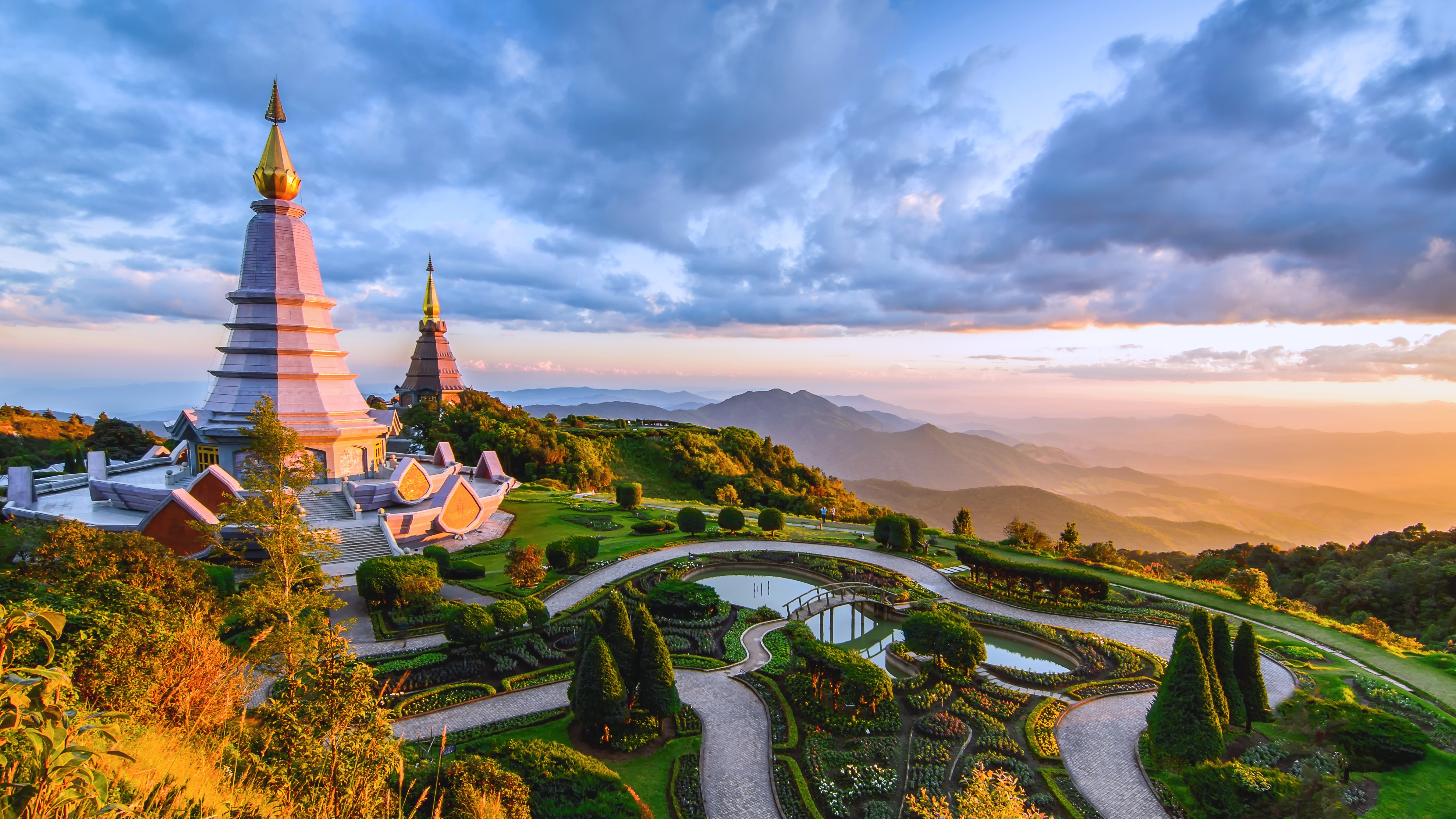
North and Chiang Mai
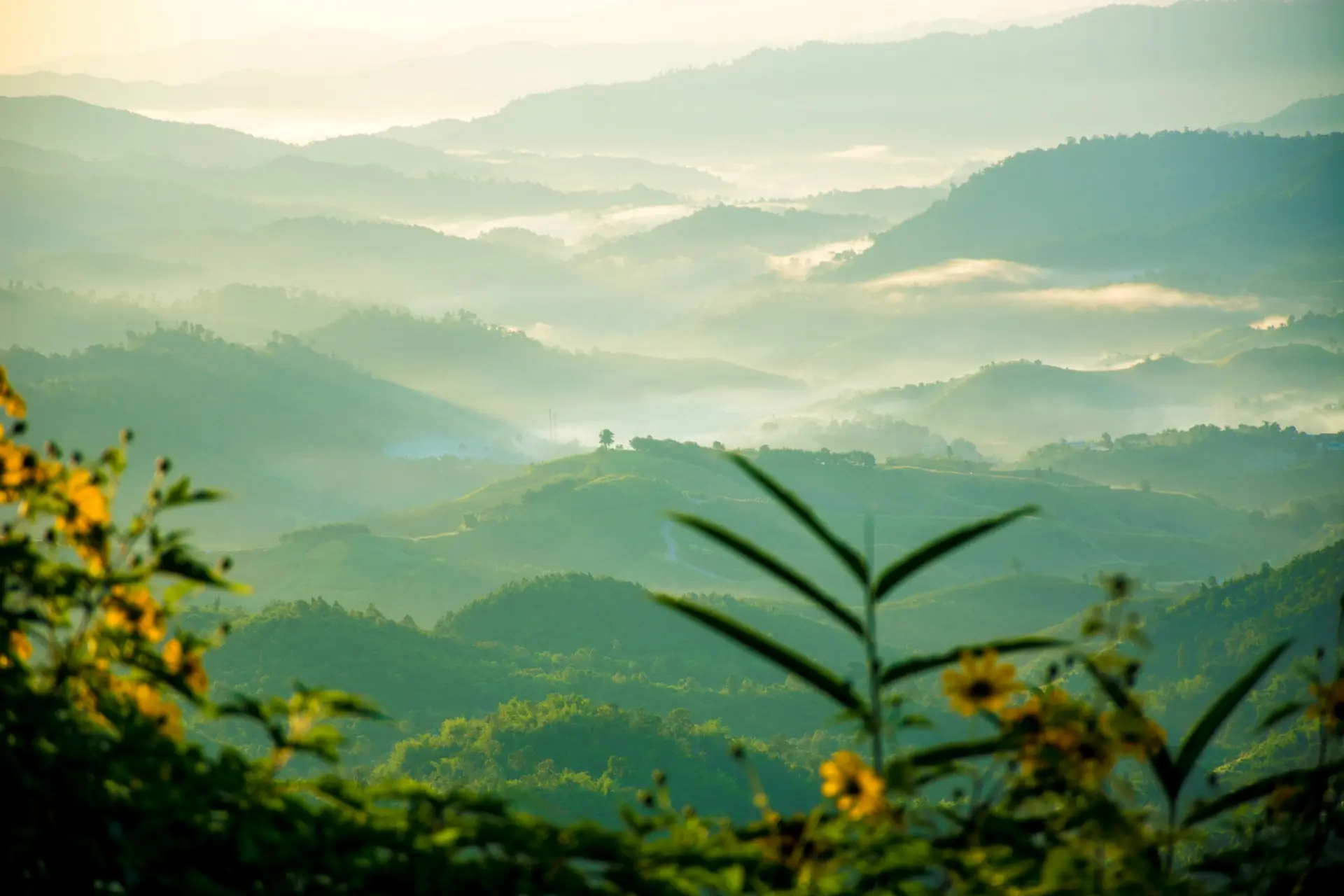
This is our region, the one we work from. Chiang Mai and its old squared city surrounded by moats, Chiang Rai and the white temple, Pai in its misty valley, Mae Hong Son and the loop of 1864 bends. The mountains peak at 2565 m at Doi Inthanon. Nights from December to February drop around 10-15°C, bring a fleece jacket. This is the region for treks with the Karen, cooking classes, ethical elephant sanctuaries around Mae Wang, and the Yi Peng lantern festival in November. Allow 4 to 6 days on site to grasp its spirit.
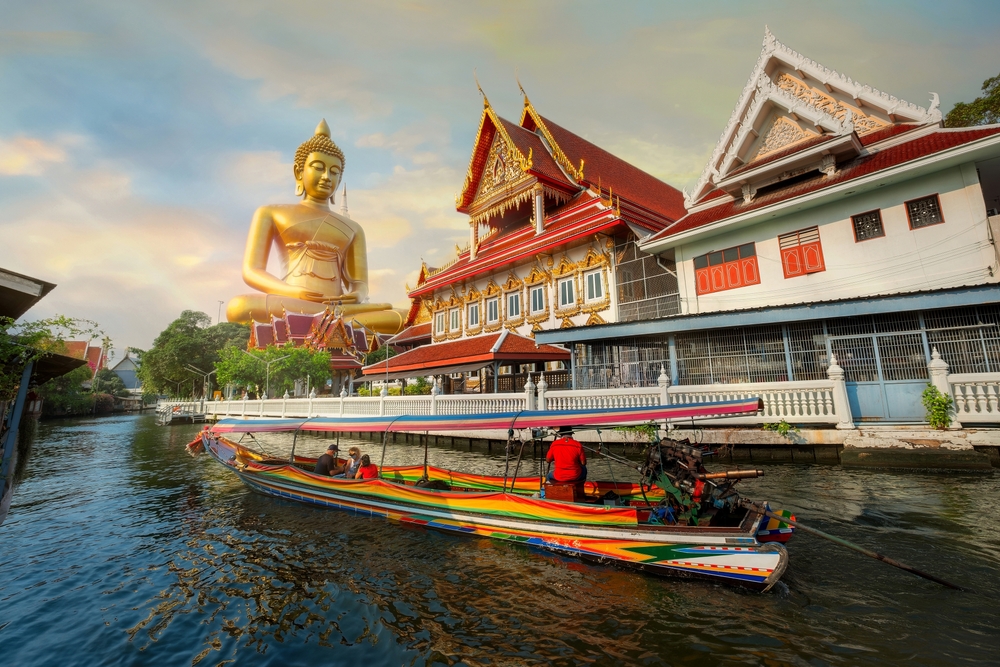
Bangkok and Central Plains
The capital and its river hinterland. Bangkok concentrates the Grand Palace, Wat Pho and its Reclining Buddha, Chinatown markets and Sukhumvit rooftops. An hour and a half north, Ayutthaya lines the ruins of the ancient Siamese capital on an island formed by three rivers. To the west, Kanchanaburi and the Bridge over the River Kwai lead to Erawan waterfalls and Sai Yok parks. The climate remains hot year-round, 30-35°C, with showers during the rainy season from May to October. Allow 3 to 4 days for Bangkok, plus 2 days for excursions.
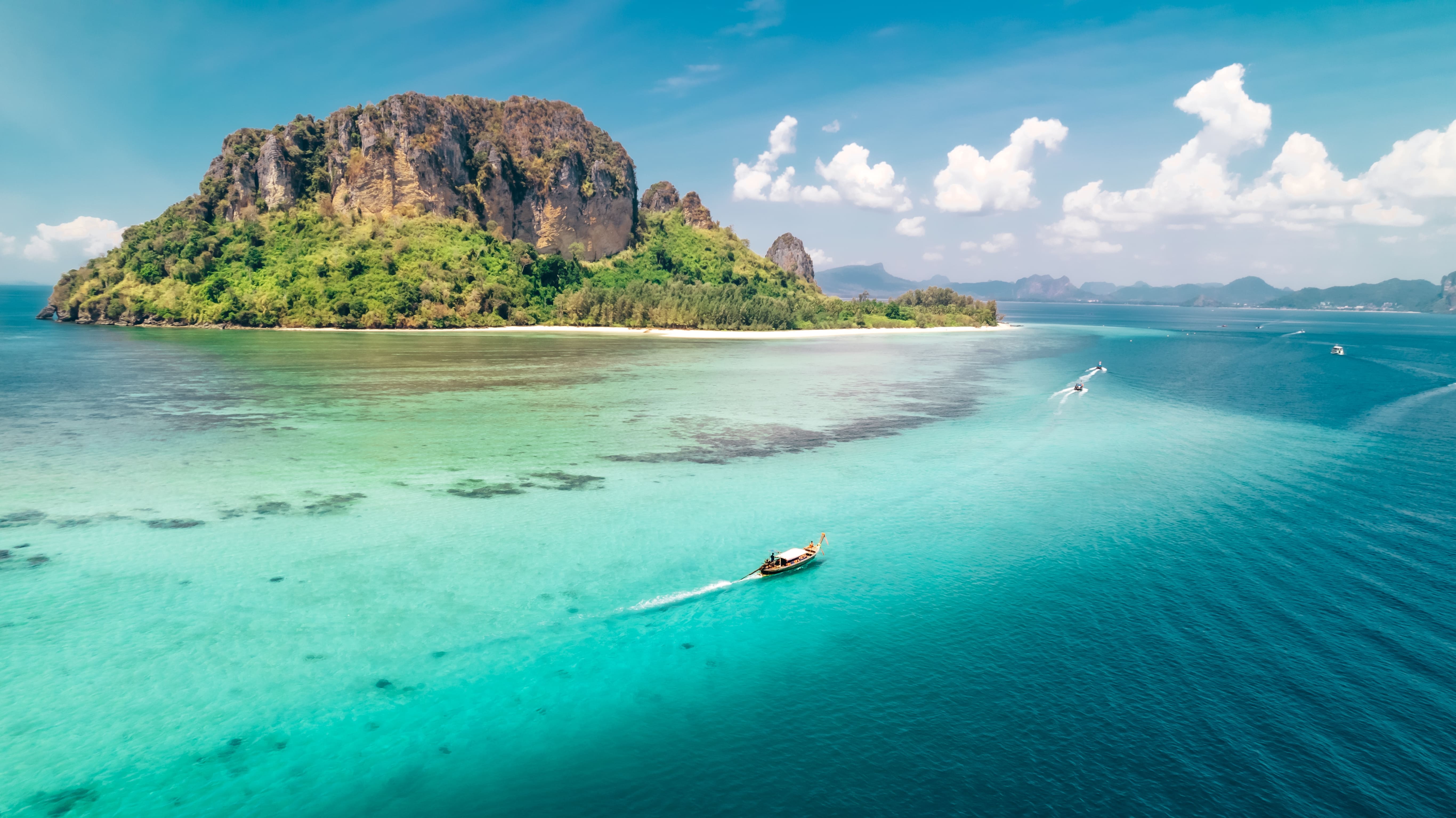
Andaman Coast
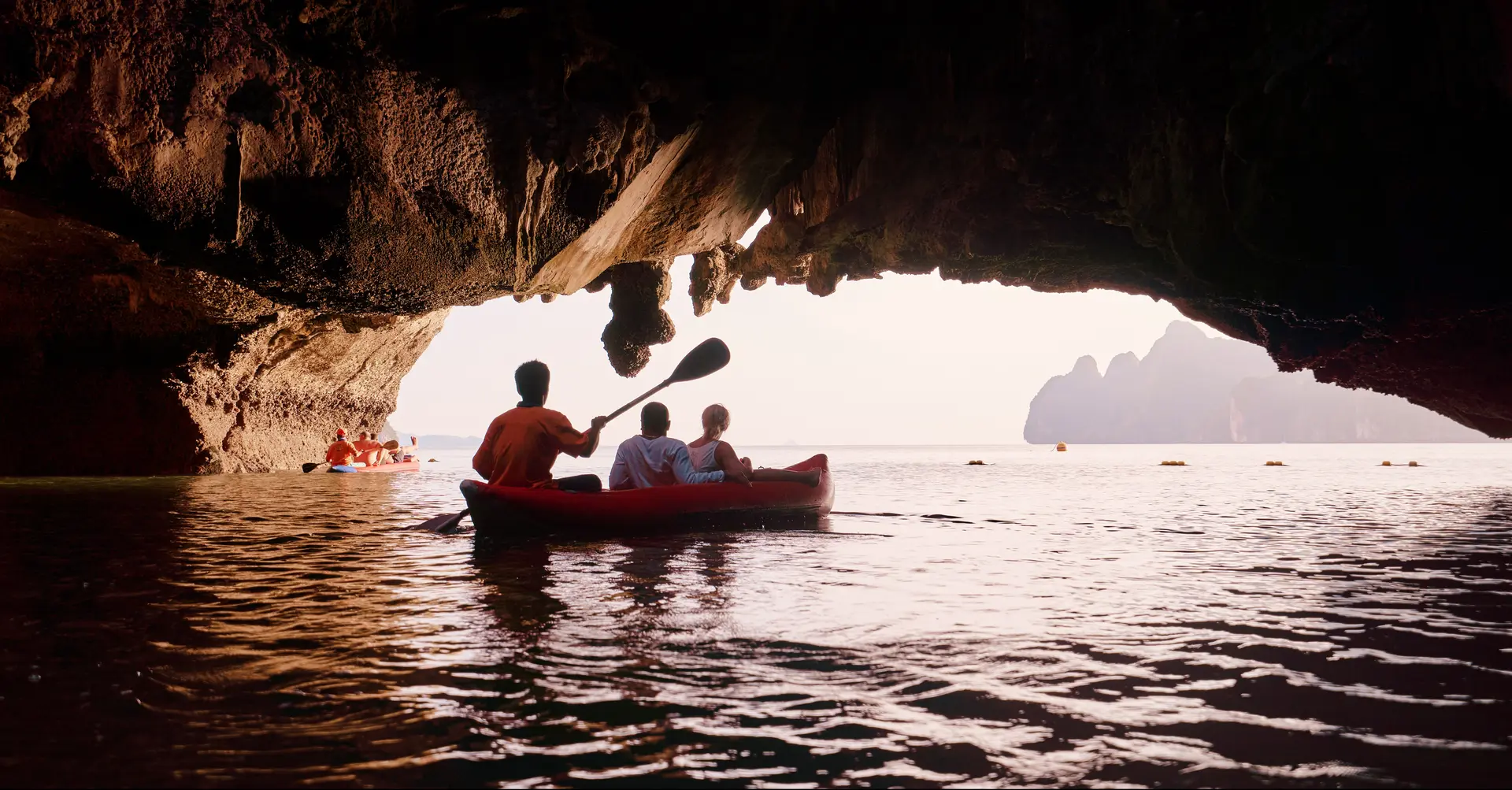
The western facade, facing the Andaman Sea. Krabi with its limestone cliffs plunging into the water, Phang Nga Bay and its karst islands, the quieter Koh Lanta, the Similan for diving. Phuket remains the main gateway with its international airport. The dry season runs from November to April, it's the ideal window. From May to October, the monsoon makes the sea rough and some islands close, notably the Similan. To make the most of it, plan for 5 to 7 days and combine a mainland base with an island.
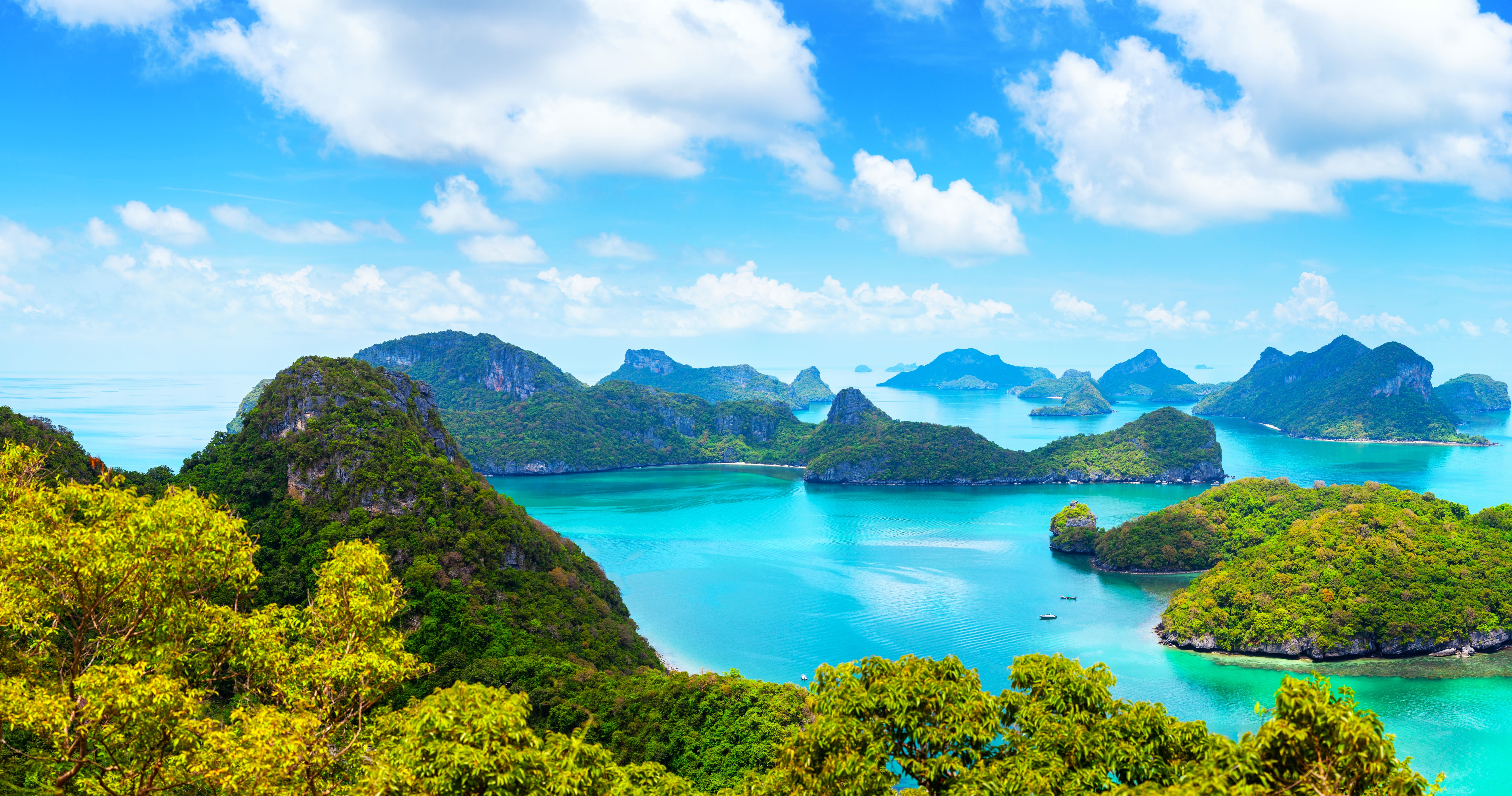
Gulf of Thailand
The other side of the South, on the China Sea. Three main islands: Koh Samui, well-equipped and family-friendly, Koh Phangan famous for its full moon parties but also for its quieter northern bays such as Bottle Beach, Koh Tao small and diving-oriented with some of the world's cheapest dive training centers. The climate calendar reverses compared to the Andaman: best period from February to September, with peak rainfall in October and November. Access by plane to Samui or ferry from Surat Thani. Allow 4 to 6 days by the sea.
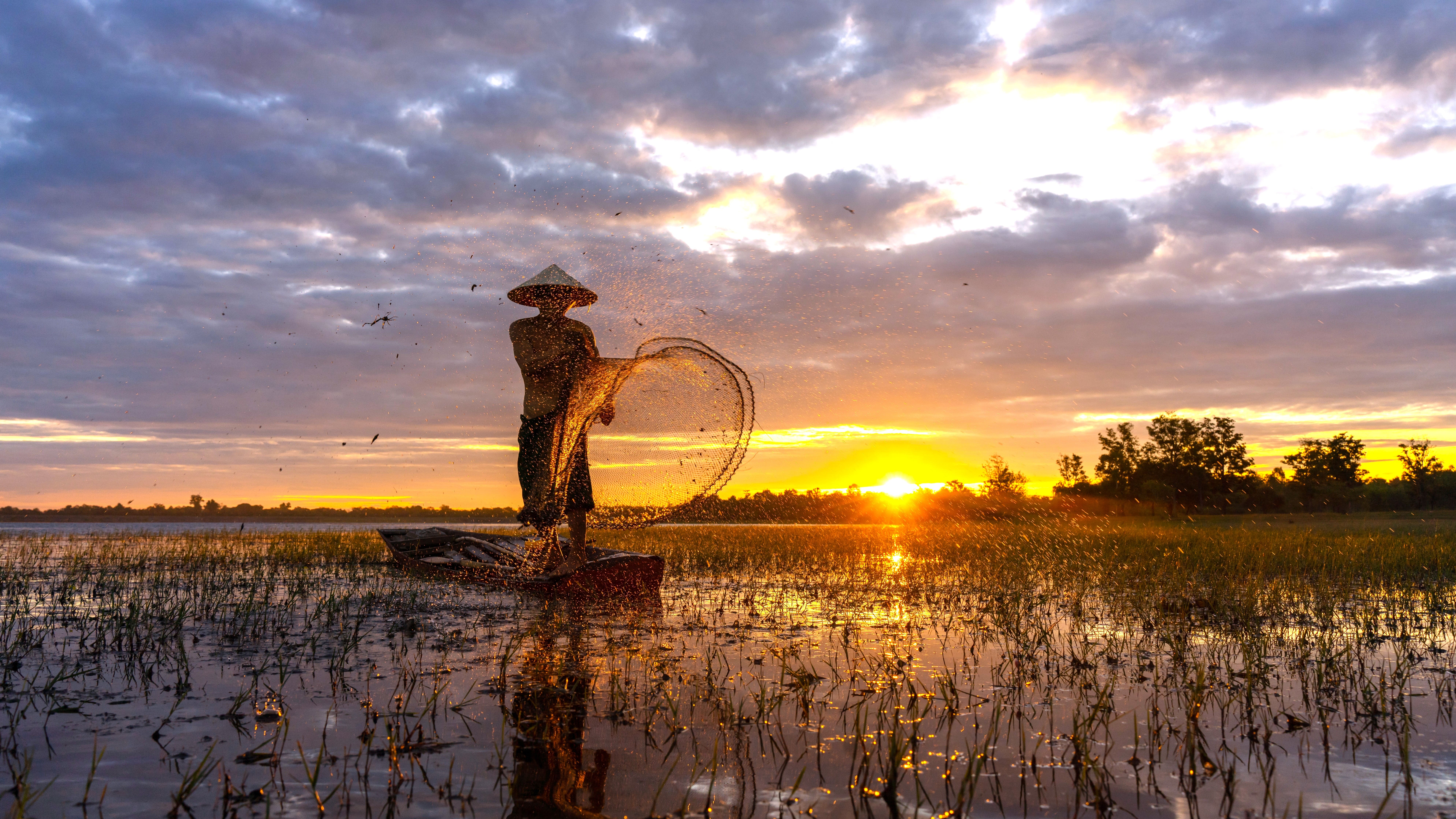
Isan, the Northeast
The great border plateau of Laos and Cambodia, rarely visited by international travelers. Khmer temples of Phimai and Phanom Rung that herald Angkor, the city of Khon Kaen, Sunday markets of Nong Khai on the banks of the Mekong, the Yasothon rocket festival in May. Surin silk and fragrant rice grow in a flat countryside, dotted with villages with red-tiled roofs. The climate here is drier and more marked than elsewhere, with cool winters in December-January. This is the region we recommend to those returning to Thailand for a second or third trip.
Explore by theme
Unique experiences tailored to every traveler.

We use cookies to improve your experience and measure our site's audience. You can choose what you accept. Learn more.