Thai Music and Dance
Traditional Thai music and dance reveal a rich cultural legacy, drawing from Asian influences, classical forms, learning centers, and performances that continue to thrive across Thailand.
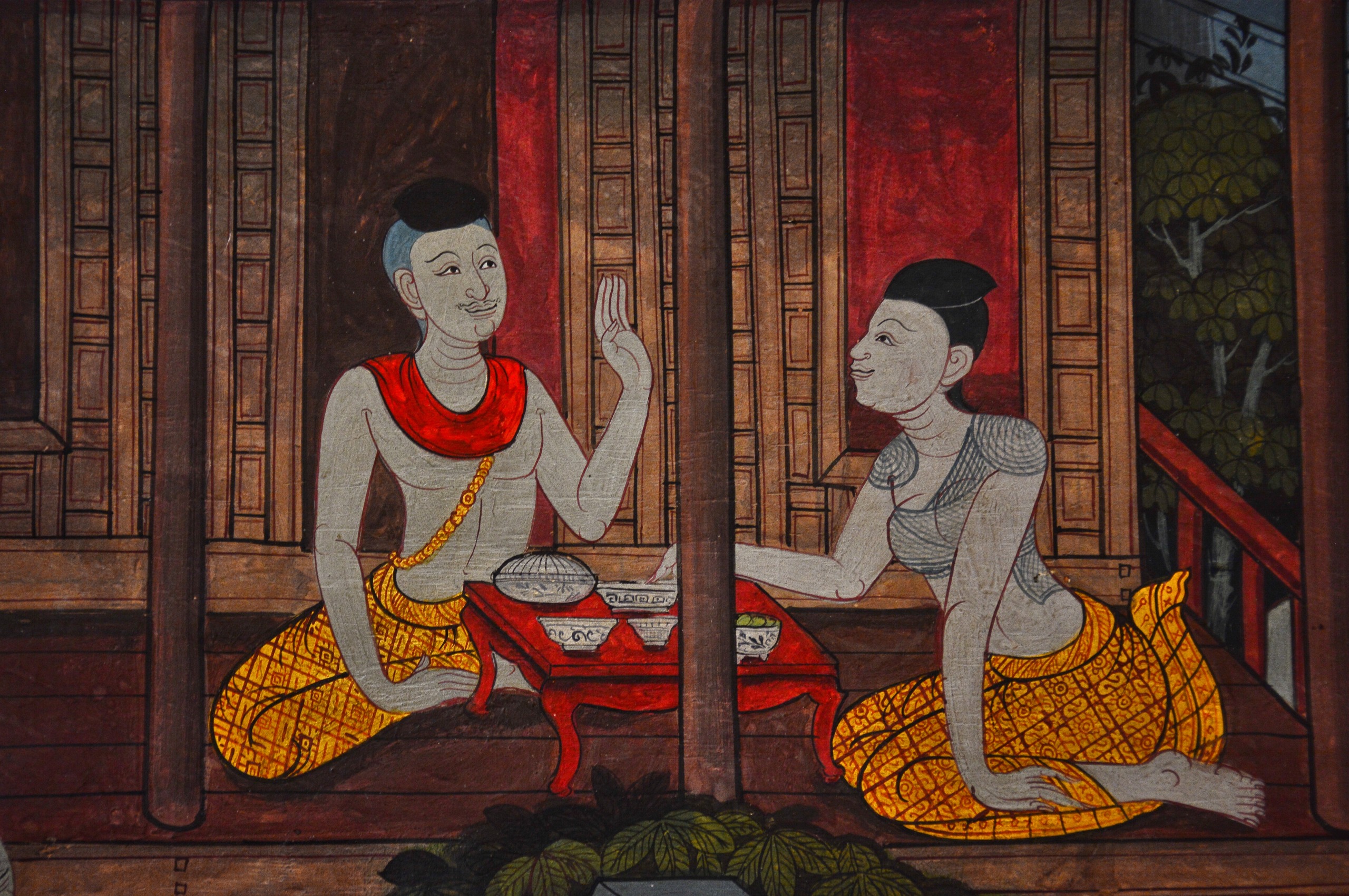
Traditional Thai music and dance draw their richness from Indian and Chinese civilizations. This is a cultural imprint left as a legacy by Buddhist culture and shared across China, India, Vietnam, Laos, Cambodia, and Thailand. For Thai people, music and dance represent an important form of expression and are part of the country's national heritage. They are generally intended either for the royal court, religious worship, or entertainment.
Traditional Thai Music
Luk thung and Mor lam rank among the most popular Thai music styles in Thailand. These two styles share similarities, as they are generally defined by the rhythmic and melodious sound of traditional musical instruments such as percussion, wind instruments, xylophones, large drums, and cymbals. Also known as Thai country music, Luk thung is championed by the celebrated local singer Pumpuang Duangjan, who is regarded as the pioneer of electronic Luk thung. Mor lam music is particularly popular in the Issan region, the northeastern part of Thailand. Unlike the other style, Mor lam is characterized by rapid vocal passages and funky percussion.
Traditional Thai Dance
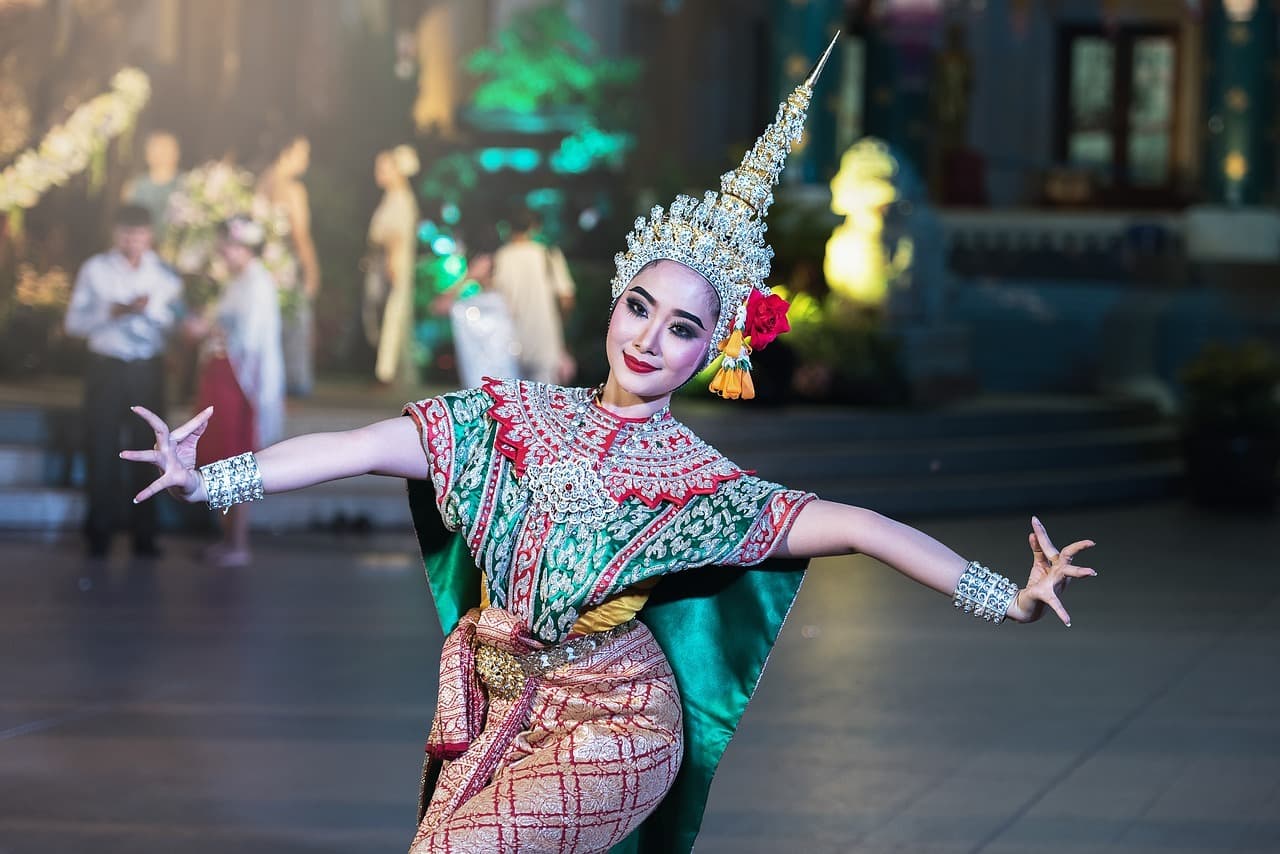
Traditional Thai dance draws inspiration from the lives of humble farmers and everyday scenes such as rice harvesting. It is performed in two highly popular classical styles: Khon and Lakhon. Regardless of the style, dancers wear striking and colorful costumes, outfits adorned with gold and vibrant hues. More stylized and based on the Ramakien, Thailand's national epic, Khon is more challenging to appreciate, especially for the uninitiated. The actors' gestures, though they do not speak, are highly symbolic as they follow a precise and coded system of movement. Lakhon, by contrast, is more varied than the first dance style and remains more accessible to the general public. Generally, it is a dance performed by a group of women portraying individual characters and personalities.
Where to Experience Authentic Traditional Thai Music and Dance?
Throughout Thailand, traditional music and dance continue to hold a prominent place. It is quite easy to follow the rhythm of the music and the dancers' steps.
In Chiang Mai, you can attend a Lanna music class held outdoors on Sundays in a temple and interact with students. Additionally, the dance classes at the National Natasin School are essential if you truly wish to engage in a meaningful cultural exchange.
When visiting the Bang Lamphu district in Bangkok, you will likely have the opportunity to meet the greatest traditional Thai music artists. This remains a highly enriching experience for music lovers. This activity can also be complemented by a visit to the workshops of instrument makers. With a bit of luck, the master craftsman may allow you to observe his class.
In the evening, you can attend a traditional puppet show at the Joe Louis Theater or watch one of the exceptional performances at the Chakrabhand Posayakrit Foundation.
The city of Samui is one of the prime destinations to truly appreciate traditional dance. Certain local restaurants organize spectacular performances at least twice a week, featuring local male and female dancers. The undeniable charm of these shows lies in the beauty and elegance of the dancers who execute graceful and refined movements.
Finally, the Amphawa region, located an hour's drive west of Bangkok, preserves the true authenticity of traditional Thai music and dance. By staying in a Thai guesthouse along the Maeklong River, you will discover small music schools. The famous traditional violin of Baan Phraya Sor is one of the specialties of these schools.
Impact of Modern Music and Dance
Thailand remains very open to foreign influences, despite never having been colonized by any Western power. Modern music and dance began to influence young Thai people from the 1930s onward. During that era, classical music such as jazz and tango were most prominent. Today, this style has given way to more contemporary music such as pop rock. Western music is now highly popular in Thailand. In nearly all trendy venues in major cities and Thai tourist destinations, mainstream music resonates.