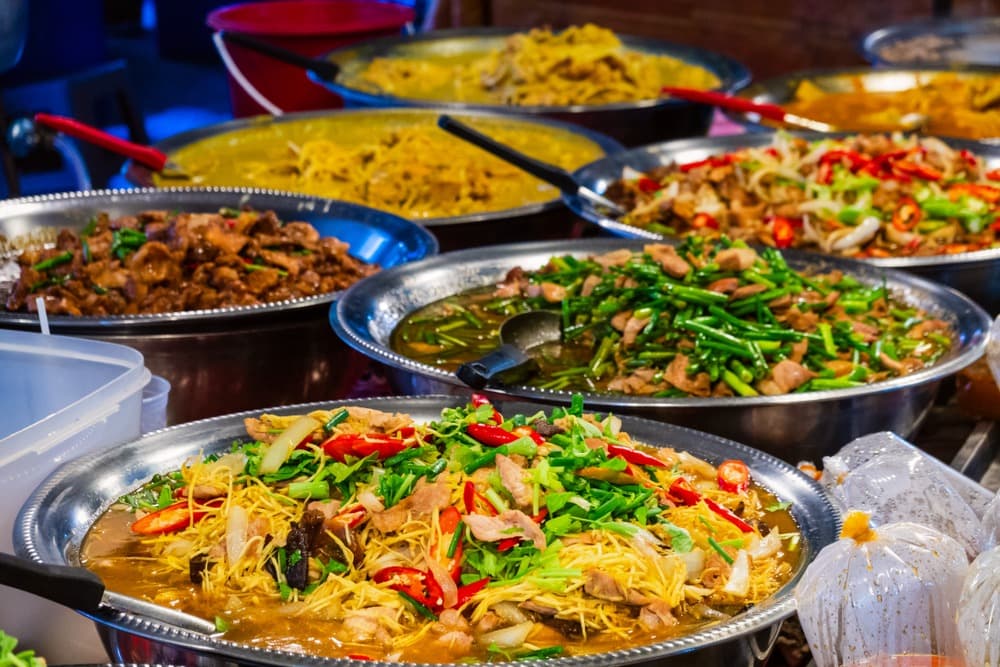
Thai Cuisine
Eating in Thailand is discovering a generous, social and contrasting cuisine, shaped by bold flavours, shared meals and numerous regional specialties.
Thai cuisine, although not particularly popular in the UK (which is a shame since British diners miss out on an excellent alternative to Chinese or Vietnamese cuisine), enjoys tremendous international popularity and an excellent reputation.
Thai cuisine has the distinctive quality of subtly combining and balancing flavours by blending bitter, sweet, salty and spicy ingredients. It is also particularly good for health since the preparation of various dishes involves the use of a multitude of fresh aromatic herbs and varied vegetables.
Eating in Thailand is a very important ritual that carries a special social dimension. The inhabitants of the Land of Smiles have a habit of never eating alone and always share different dishes during a meal.
In Thailand, a fork and spoon are mainly used for eating (rarely, if ever, a knife since everything is pre-cut during dish preparation). Chopsticks are used infrequently (and increasingly less) and are mainly reserved for eating noodles.
Thai Cuisine regional specialties
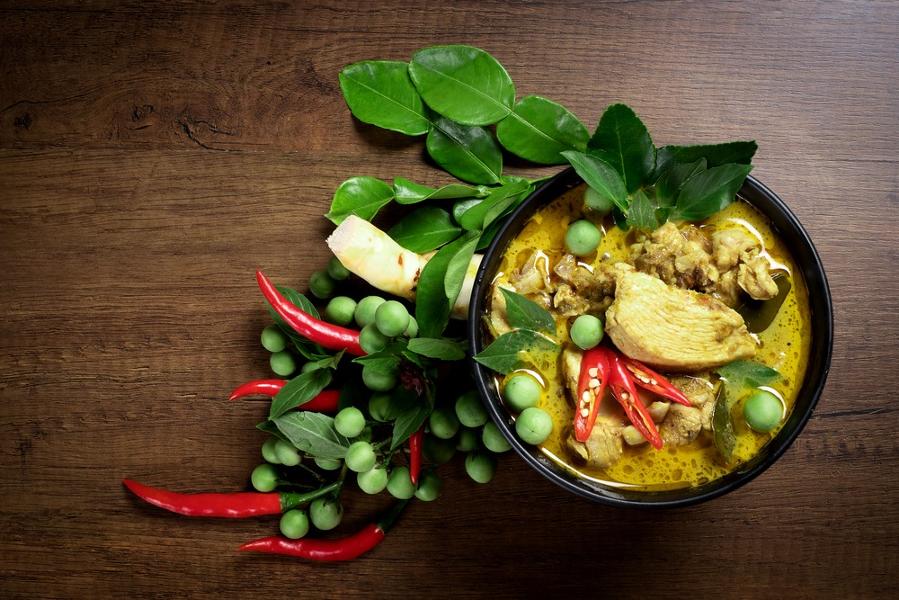
Thailand can (somewhat arbitrarily) be divided into four major culinary zones. Each of these areas is characterised by distinctive Thai cuisine based on locally produced ingredients as well as history and past cultural influences.
For example, southern Thai cuisine is heavily influenced by Indian and Malaysian traditions, with the use of coconut milk and curries. In Isaan, the cuisine is infused with expertise from neighbouring Laos: massive use of chilli and sticky rice as an accompaniment.
Here is a list of different local specialties of Thai cuisine by region. Feel free to taste them: sometimes you will be delighted, sometimes you will find yourself searching for a tall glass of water after the first bite!
Thai Cuisine: Northern dishes
Naem: Pork sausages with green chilli. They are usually served with rice.
Geng Hang Lay: A mild Burmese curry without chilli, made with pork and tamarind, normally eaten with sticky rice.
Khao Soi: Egg noodles served with curry sauce, meat, onions and lime.
Thai Cuisine: Isaan dishes
Som Tam: A spicy papaya salad. The sweet version comes with crushed peanuts and shrimp (Som Tam Thai). The salty version comes with crushed crab and fermented fish sauce (Som Tam Phoo Pha Ra).
Laap: Minced meat flavoured with chilli, onions, mint and lime juice.
Nam Tok: This dish is prepared the same way as Laap but uses meat grilled over barbecue and cut into fine strips.
Gai Yang: Marinated and grilled chicken.
Thai Cuisine: Central dishes
Tom Yam: A spicy/bitter soup flavoured with lemongrass, with chicken or seafood.
Tom Kha: A Tom Yam with coconut milk.
Geng Kiao Wan: A sweet green curry made with green chillies, Thai basil and meat or fish balls.
Thai Cuisine: Southern dishes
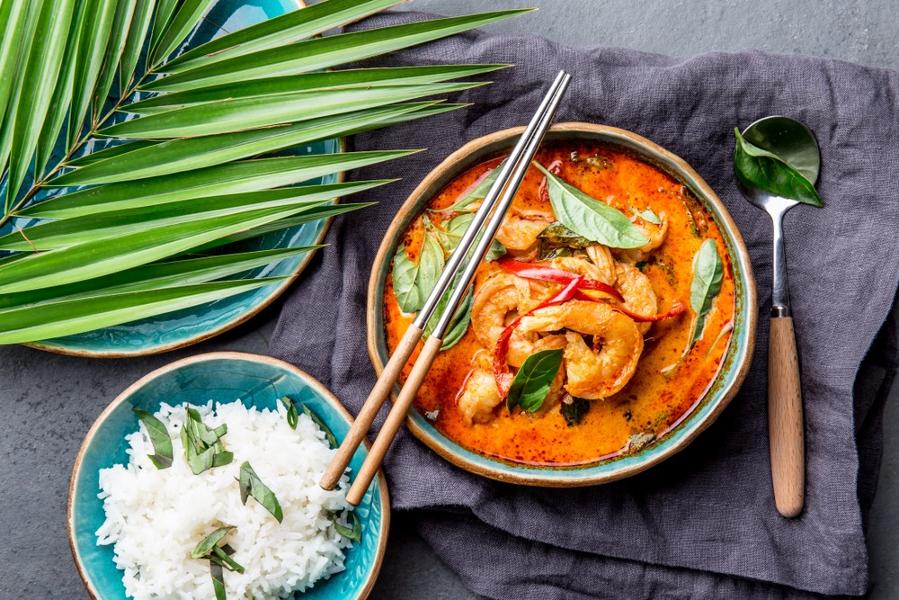
Geng Som: A spicy red chilli curry with a distinctive orange colour.
Roti: Somewhere between a crêpe and a tortilla, it is enjoyed sweet or savoury with various fillings.
Massaman: A sweet curry made with meat, coconut cream and peanuts.
Khao Yam: A spicy salad of fruits and vegetables served with fish sauce.
Fruits and desserts in Thai Cuisine
Thai cuisine certainly doesn't disappoint when it comes to desserts and exotic fruits. Visit a street stall specialising in desserts and taste everything. The colours are vibrant and the flavours exquisite!
There you have it! In just a few paragraphs, you've built yourself a lovely little Thai culinary education that is just waiting to be nurtured and developed.
Thai people love to eat. They eat at all hours of the day and night in a convivial atmosphere. Once you've tasted their delicious cuisine, you'll understand why!
Frequently asked questions
To discover Thai cuisine, start with Pad Thai, Tom Yam (spicy soup), green curry (Geng Kiao Wan) and Som Tam (papaya salad). These dishes offer a good overview of Thai flavours without being too spicy.
In Thailand, a fork and spoon are mainly used. Dishes are shared among diners and everything is pre-cut. Chopsticks are only used for noodles.
The Isaan region (north-east) is renowned for its very spicy cuisine, with massive use of chilli. Dishes such as Som Tam or Laap can be particularly fiery.
Yes, many dishes can be adapted for vegetarians. However, be aware of fish sauce which is often used. There are also vegetarian versions of curries and stir-fried vegetables.

