The Bumblebee Bat: The World's Smallest Mammal is Found in Thailand
Tiny, rare, and fascinating, the bumblebee bat inhabits a handful of caves in Thailand. Discover this remarkable little mammal and why it deserves such attention.
Did you know that Thailand is the only country in the world, along with Myanmar, to shelter the smallest mammal on Earth? It is the bumblebee bat, also called the Kitti's hog-nosed bat (or Kitti's pig-nosed bat). This miniature bat, no larger than a thumb, is found primarily in Kanchanaburi Province, on the Khwae Noi River basin, in west-central Thailand. Here's what you need to know...
What is the bumblebee bat?
The bumblebee bat, scientifically known as Craseonycteris thonglongyai, is a species of bat belonging to the order Chiroptera. It is the smallest bat in the world and the smallest mammal on the planet. Its name derives from its diminutive size—it resembles a flying insect.
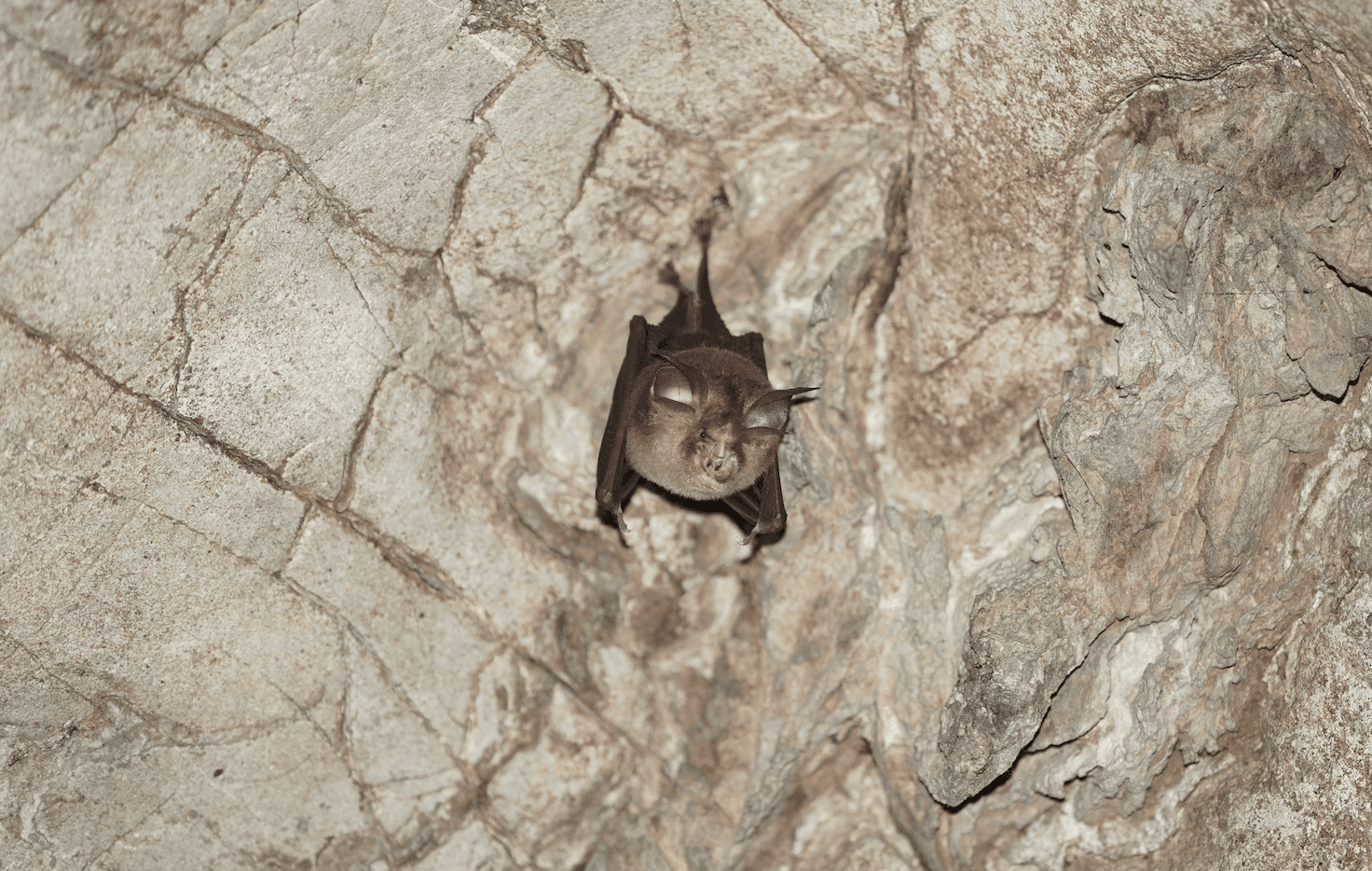
As explained by Soisook, curator of mammals at the Princess Maha Chakri Sirindhorn Natural History Museum in Thailand, these mammals are so tiny that they "look just like black dots on the cave walls; you might not realize they are actually bats unless you looked closely."
It is also nicknamed Kitti's hog-nosed bat (or Kitti's pig-nosed bat), a name inspired by the zoologist who discovered the species in 1973 in a limestone cave of Thailand's Sai Yok National Park: Thai zoologist Kitti Thonglongya. The term "hog-nosed" simply refers to its snout, which resembles that of a small pig.
Where is the bumblebee bat found in the world?
The bumblebee bat is a cave and cavern-dwelling species, like other Chiroptera. Its range is limited solely to Thailand and Myanmar, making it a rare species. According to studies conducted between 1997 and 2008, Kitti's hog-nosed bat has been recorded in only 44 caves in western Thailand and 5 caves in Myanmar.
What does the bumblebee bat look like?
The bumblebee bat is considered the world's smallest mammal due to its size: it measures just 2.9 to 3.3 cm and weighs around 2 grams. To give you an idea, it is smaller than a thumb! However, it is not the lightest mammal in the animal kingdom. For comparison, the Etruscan shrew, a European insectivore, measures 5.4 to 8.4 cm but weighs only 1.8 grams.
Beyond its tiny dimensions, Kitti's hog-nosed bat is characterized by a small head with tiny eyes largely hidden by fur and ears wider than its head. It has a swollen snout with fine, vertical nostrils whose shape resembles that of a pig's snout.
Its coat is brownish, reddish, or gray with paler undersides. It has broad wings with a wingspan of 7.5 cm, enabling it to glide and hover. It is notably lacking an apparent tail and a calcar.
What is its lifestyle?
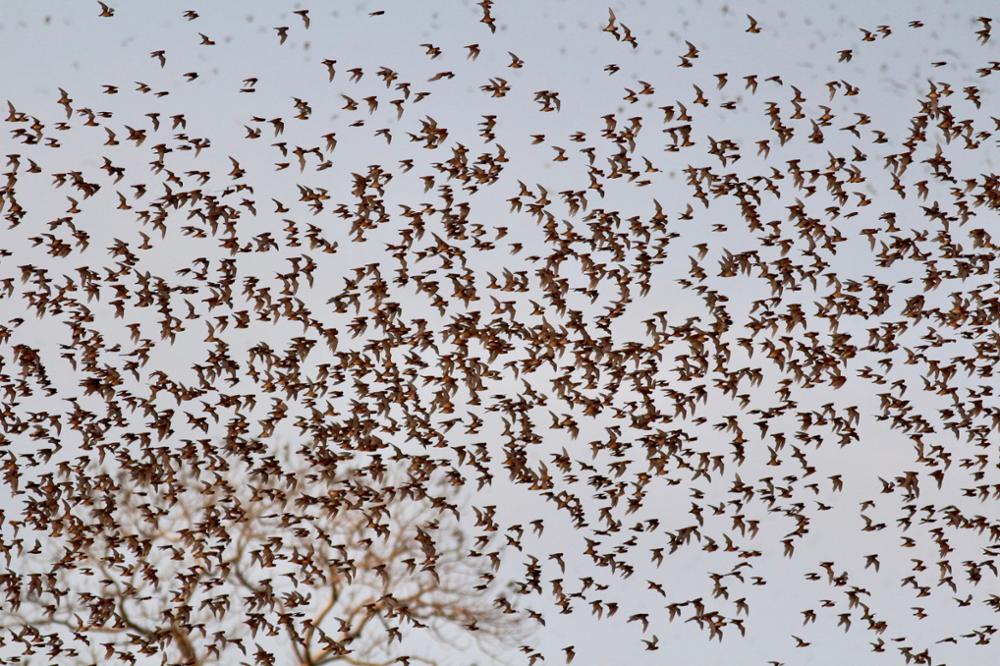
The bumblebee bat spends most of its time sleeping, suspended from the ceilings of caves and caverns by its claws. This nocturnal animal emerges only twice daily: roughly 20 minutes at dawn and 30 minutes in the evening after sunset. These brief forays allow it to feed.
To hunt insects, Kitti's hog-nosed bat uses echolocation. This technique, comparable to sonar, involves emitting sounds (often very high-pitched and inaudible to humans) and listening to their echoes to navigate and locate potential prey.
So what does the bumblebee bat eat? Its favorite meal consists of small flies (such as Chloropidae, Agromyzidae, and Anthomyiidae), hymenopterans, and psocopterans. It primarily catches them in flight, plucking them with its feet. It also occasionally consumes fruits, which gives it a role as a pollinator and seed disperser. In any case, it is known for regulating populations of pest insects.
The bumblebee bat typically lives in colonies of varying size. Colonies can number as few as 15 individuals or as many as 100 or more! After breeding, females give birth to just a single pup each year, typically in April.
Is the bumblebee bat endangered?
A rare species present in only two countries worldwide, the bumblebee bat was classified as endangered on the IUCN Red List for nearly 12 years. In 2008, following the discovery of new populations at the Thailand-Myanmar border, it was downlisted and has since been classified as vulnerable.
Nevertheless, the species remains vulnerable and is particularly sensitive to environmental disturbances. Among the threats facing the bumblebee bat are:
Habitat degradation: deforestation, urbanization, quarries, agriculture, and guano collection greatly affect the bats' resting and feeding areas;
Human activities: according to ecologists, human presence in caves (such as monks using caves for meditation and unregulated tourist visits) can have a significant impact on the species by disrupting their lifestyle;
Pesticide use: pesticides used to control pest insects contribute to reducing the bats' food sources;
Climate change.
In Thailand, the bumblebee bat is protected by law. Natural reserves and population monitoring programs have been established to ensure the species' survival.
Where can you see the bumblebee bat in Thailand?
Wondering where to find Kitti's hog-nosed bat in Thailand? The bumblebee bat population is limited to a single region: Kanchanaburi Province, specifically in caves and caverns located in the Khwae Noi River drainage basin. It is found primarily in caves within Sai Yok National Park and occasionally in Erawan National Park.
Excursions allow tourists to try to observe bumblebee bats up close. Examples include Khang Khao Cave, a limestone cave located just 2 km from the visitor center of Sai Yok National Park, and Lawa Cave.
How to see bumblebee bats without disturbing them?
As mentioned earlier, human presence can disrupt their equilibrium. Therefore, we recommend choosing an operator that respects animal ethics. Additionally, it is strongly recommended to stay outside the caves to avoid disturbing them.
The ideal approach? Plan an outing at dawn or dusk and remain about ten meters from the cave entrance so you can watch them leave and return during their feeding forays. Avoid sudden movements, keep noise to a minimum, and do not use camera flashes.
Finally, try to avoid visits during April and May, which correspond to breeding season.
Are Thai and Myanmar populations undergoing speciation?
Recent research suggests that bumblebee bat populations in Myanmar and Thailand could be two distinct species, or at least that they are undergoing speciation—an evolutionary process by which new living species form from common ancestors. While data is lacking to confirm this phenomenon, a study of echolocation call frequencies revealed notable differences between the two populations.
As Soisook explains: "We cannot designate them as different species, but at least we know they are currently in a process of speciation. This offers scientists a fascinating opportunity: they might be able to study a mammal in the process of splitting into two species, or subspecies. But for this to happen, ecologists must of course ensure that neither of these two populations disappears."
To explore more on the same topic, also discover:
Frequently asked questions
Yes, but it is very difficult due to its tiny size. Your best chances are at dawn or dusk near the caves of Sai Yok National Park, while maintaining a respectful distance.
Avoid April-May (breeding season). The dry season from November to February offers better conditions for cave access and visibility.
About 3 hours drive from Bangkok via Kanchanaburi. You can also take a train to Kanchanaburi and then a local bus or taxi to the park.
Kanchanaburi Province boasts rich biodiversity, including elephants, gibbons, and numerous bird species within its national parks.