Thailand Bans Coral-Harmful Sunscreen in Its Marine Parks
Thailand bans toxic sunscreens in its marine parks to safeguard coral reefs. Learn about this environmental measure and what it means for your travels in Thailand.
August 19, 2021
Great news for Thailand's coral reefs and marine ecosystems! The Thai government announced on August 4th the prohibition of sunscreens harmful to coral within its marine national parks. Here's what you need to know.
Sunscreen: A Hidden Threat to Coral Bleaching
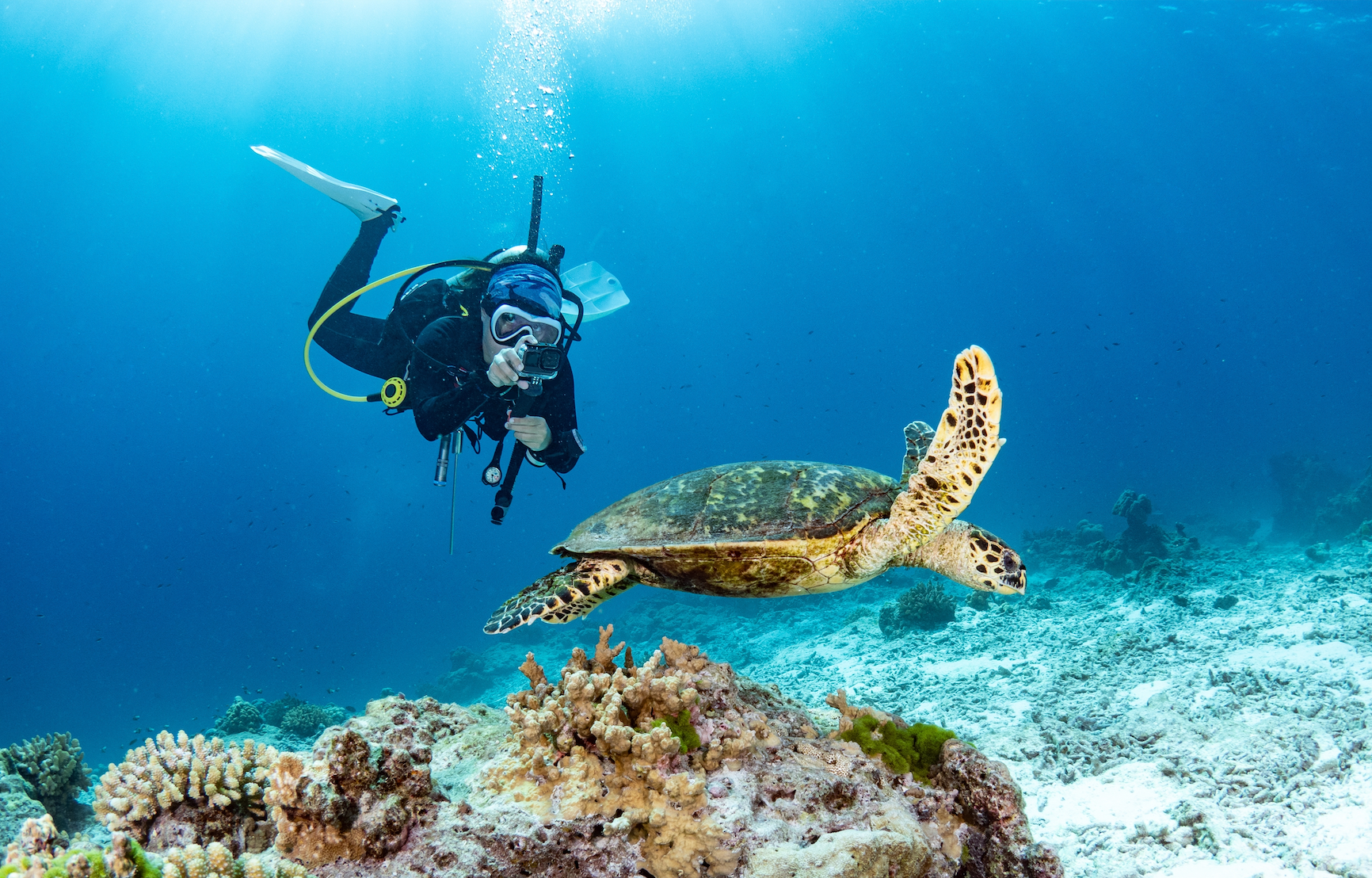
Renowned for their place among the world's most stunning beaches, Thailand's shorelines attract tens of millions of visitors each year. Yet this comes at an environmental cost. Beyond pollution and climate change, mass tourism has significantly contributed to the degradation of the country's seafloors and coral reefs. Recognizing this reality, Thai authorities—particularly the Department of National Parks, Wildlife and Plant Conservation (DNP)—have decided to ban sunscreens harmful to corals within marine national parks. A decree came into effect on August 4th, prohibiting sunscreen products containing chemical substances that damage coral reefs.
This measure specifically targets sunscreens containing chemical compounds such as oxybenzone, octinoxate, 4-methylbenzylidene camphor, and butylparaben. While these ingredients serve as filters protecting skin from the sun's rays, scientific studies (which informed this decision) have demonstrated that these chemicals "deteriorate coral reefs, destroy coral larvae, impair their reproductive systems, and cause coral bleaching". Although authorities have yet to detail enforcement mechanisms, they have confirmed that violators face fines of 100,000 Thai baht (approximately €2,500 at current rates).
Thailand Safeguards Its Marine Park Ecosystems
This is far from Thailand's first initiative to protect its environment, whether concerning coral reefs or the wildlife that depends on them. In the Phi Phi archipelago, Maya Bay beach—made world-famous by the film "The Beach"—has been closed to all visitors since 2018 to allow the ecosystem to regenerate. This initiative is set to expand to other natural parks, as announced by the Environment Minister, aiming to minimize tourism's environmental impact.
Regarding sunscreens, Thailand is not alone in taking such action. In 2018, the State of Hawaii announced plans to ban oxybenzone and octinoxate from commercially sold sunscreens in the archipelago. The measure has been in effect since January 1st of this year. On January 1st, 2020, the islands of Palau prohibited the sale and import of sun protection products containing 11 components deemed toxic to the environment. One thing is certain: Thailand and these other destinations are setting examples to follow in protecting marine ecosystems and biodiversity.
Florine Dergelet
Florine Dergelet
A web writer for over a decade, Florine Dergelet is a traveler driven by the desire to discover the world with an open heart. Each of her articles is an invitation to slow down, listen, and understand. For her, travel is not about ticking countries off a map, but about weaving connections—often invisible yet always powerful—with places, peoples, and all manner of creatures in the animal kingdom. Her philosophy? Advise travelers with integrity, awaken their consciousness about animal welfare and cultural respect, and emphasize the importance of humble, sustainable tourism. Because the most beautiful memories often arise far from the spotlight, in the shade of a hidden trail, within a quiet conversation, or in the gentle whisper of a world we finally take time to listen to…