In Thailand, the war on plastic begins...
Thailand fights plastic pollution: ban on free bags, mobilization of retailers and objective to reduce ocean waste.
Since January 1st, 2020, many Thai retailers have banned the free distribution of plastic bags at checkout counters. With plastic in its sights, Thailand has no intention of stopping there. And for good reason—the country ranks sixth globally in contributing to ocean pollution. Here's more to help you understand what's happening…
A baby dugong found dead with its stomach full of plastic as a wake-up call
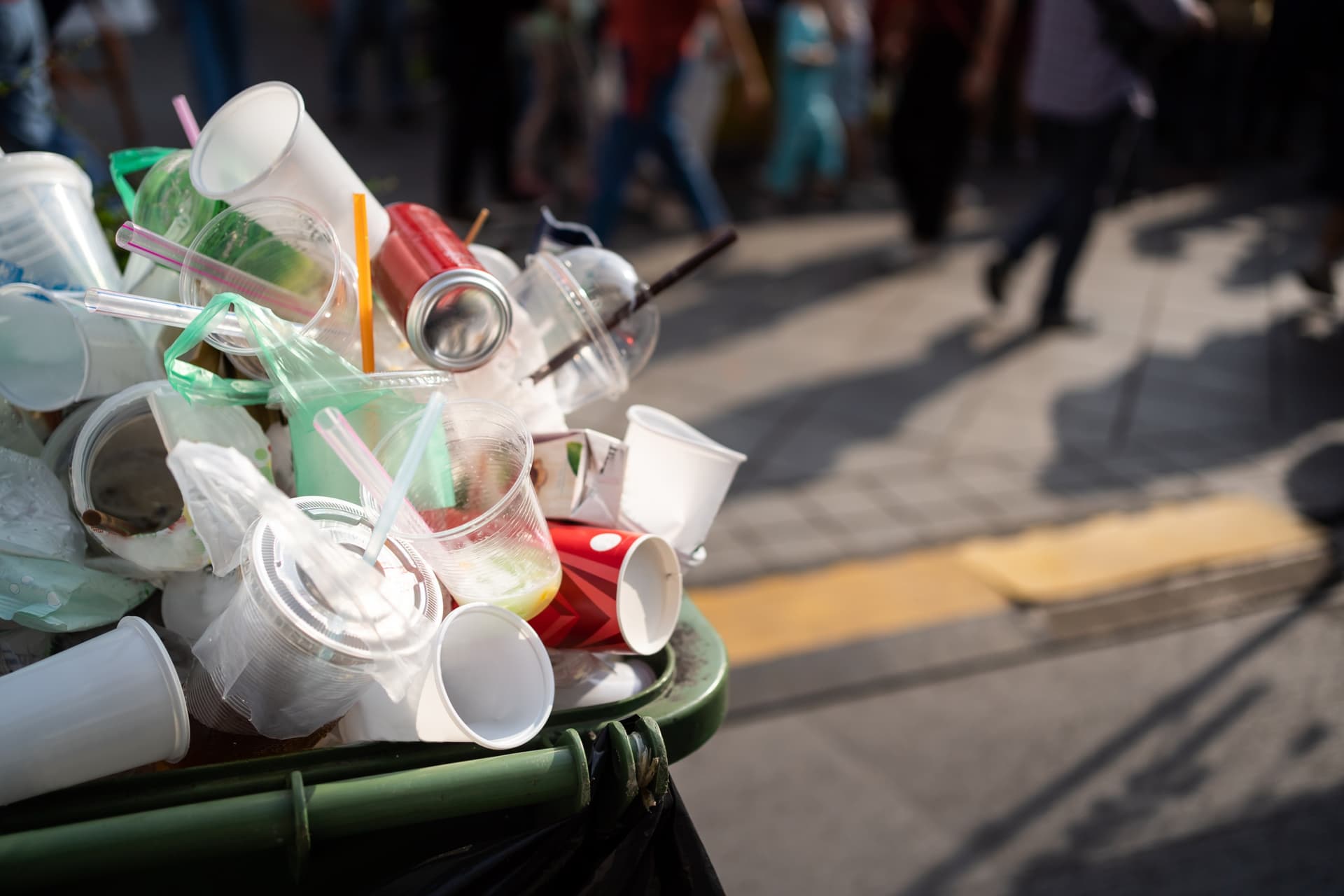
Each Thai person uses an average of 8 single-use packages per day. An enormous figure when you consider that most of this waste ends up in the ocean. In fact, in the summer of 2019, Thailand experienced a shocking moment when a baby dugong was found dead with its stomach full of plastic. Images that stirred emotions across the country and spread worldwide on social media.
Faced with the situation, many retailers decided to ban plastic bags in their stores. And this wouldn't happen without the help of Ralyn Satidtanasarn, Thailand's Greta Thunberg. After successfully convincing the previous year the Central Group, (one of Bangkok's largest supermarket chains), to stop giving plastic bags to its customers one day a week, her influence has helped add other retailers to the list…
The ban on free plastic bag distribution
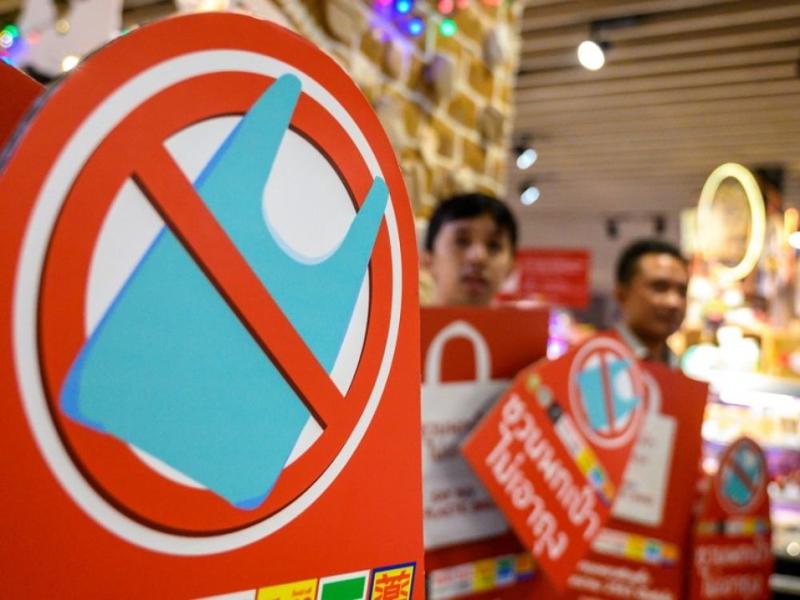
So 75 members of the Thai Retailers Association committed on January 1st to stop distributing plastic bags to their customers. To replace them, merchants are using reusable fabric bags.
The goal? To reduce 13.5 billion plastic bags used in Thailand each year. Knowing that out of 45 billion plastic bags used in Thailand annually, 40% come from fresh produce and 30% from shops, this restriction is far from insignificant. Among the most well-known retailers participating, you can mention the popular convenience store 7-Eleven or even operators of the Mall Group.
By 2022, the government has committed to completely ban the use of plastic bags, joining the 60 countries that have already prohibited the distribution of single-use plastic packaging. In the meantime, awareness and mobilization campaigns continue to be carried out. Television channels have even censored the appearance of plastic bags on screen by blurring them the same way they do with alcohol, cigarettes, or scenes of nudity.
Frequently asked questions
Travelers must now bring their own reusable bags to stores. It's an excellent opportunity to travel more responsibly and support local environmental efforts.
Retailers offer reusable fabric bags. Travelers can also find products made from bamboo, banana leaves, and other traditional natural materials.
Yes, with the gradual ban on plastic by 2022 and growing awareness, Thailand is moving toward more sustainable tourism.