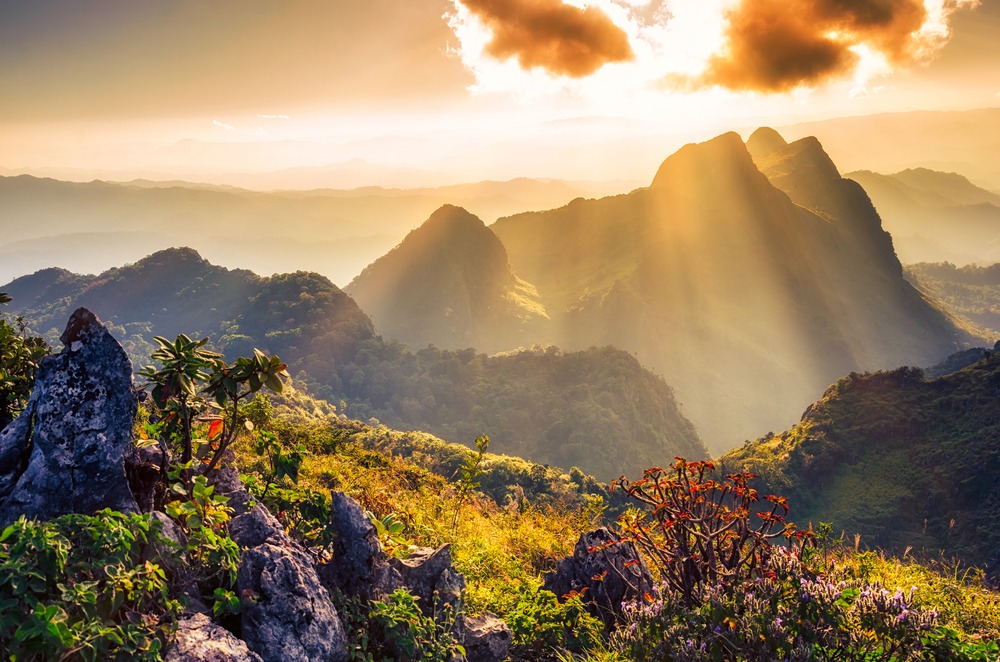
Thailand, land of 41 newly discovered living species
WWF announced the discovery of 157 new species in the Greater Mekong in 2017, with 41 found in Thailand, confirming the kingdom and region's extraordinary biodiversity.
International NGO WWF announced in its report published Wednesday, December 12th, the discovery of 157 new animal and plant species in the Greater Mekong region during 2017, encompassing Laos, Cambodia, Thailand, Vietnam, and Myanmar. The kingdom itself recorded the arrival of 41 new animal and plant species.
The Greater Mekong region, which flows through China, Myanmar, Laos, Thailand, Cambodia, and Vietnam, harbors a treasure trove of biodiversity. The fauna and flora include Asian elephants, tigers, leopards, several pangolin species, ibises, freshwater dolphins, and more. The Mekong alone is home to three times more fish species than the Amazon River. A total of 2.6 million tons of fish are caught annually, representing 25% of global freshwater catches.
Each year, scientists engage in describing and classifying new species present in the Greater Mekong region. Some are uncovered after meticulous fieldwork, sometimes spanning months in the field, and years of laboratory authentication.
The two-banded lizard!
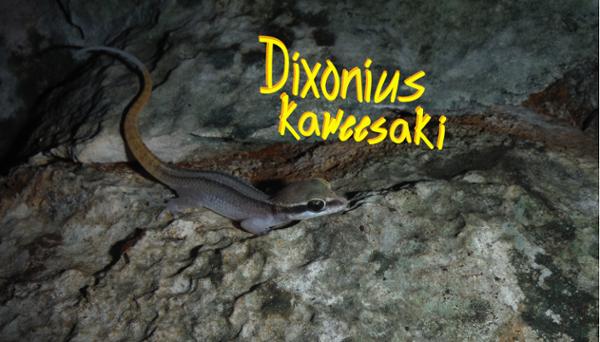
The report confirms that scientists discovered 41 new animal and plant species in Thailand. In total, there are 26 new plant species*, five frogs**, four fish***, two snakes****, and four lizards*****. Among the latter is dixonius kaweesaki, known as the Sam Roi Yot lizard. It takes its name from its genus (dixonius) and the famous mountain range of the same name (Sam Roi Yot) in Prachuap Khiri Khan Province, on the Thai Gulf coast—its natural habitat. This specimen was identified as a new species thanks to the two transverse bands running across it from snout to tail, sweeping from east to west across the eye diameter. None of the seven previous dixonius species possess this aesthetic trait. This family of geckos was first discovered in 1997 with two new specimens.
The dixonius Sam Roi Yot is the eighth specimen in the dixonius family of lizards ©WWF
* : thismia brunneomitroides / curcuma prasina / ceropegia digitiformis / dischidia kerrii / fimbristylis fusiformis / fimbristylis fusiformis / jasminum peninsulare / jasminum ranongense / phyllanthus kaweesakii / memecylon maxwellii / damrongia tribounii / kaempferia noctiflora / asplenium minutifolium / peperomia heptaphylla / peperomia masuthoniana / peperomia multisurcula / peperomia sirindhorniana / phanera larseniana / dorcoceras brunneum / dorcoceras glabrum / chimonocalamus elegans / pogostemon nudus / strobilanthes phyllocephala / rungia sinothailandica / begonia tenasserimensis / heteropanax thaiensis ** : fejervarya muangkanensis / rhacophorus feae / rhacophorus maximus / rhacophorus orlovi / rhacophorus rhodopus *** : acantopsis rungthipae / acantopsis dinema / acantopsis ioa / paracanthocobitis nigrolineata **** : oligodon saiyok / oligodon huahin ***** : dixonius kaweesaki / cnemaspis lineogularis / cnemaspis phangngaensis / cnemaspis thachanaensis
Frequently asked questions
Several Thai national parks are home to these species, notably Sam Roi Yot National Park for the dixonius kaweesaki lizard...
The dry season from November to April offers the best conditions for observing wildlife and flora...
It is essential to respect natural habitats, stay on marked trails, and engage certified English-speaking guides...