Thailand's Most Stunning Waterfalls
Thailand waterfalls: which are the most spectacular? Here are the must-see spots to marvel at stunning cascades in the country's finest parks.
What could be more spectacular than the roar and raw power of a cascade surrounded by lush vegetation? We invite you to discover Thailand's most stunning waterfalls for an unforgettable immersion into the natural heart of the Land of Smiles.
Erawan Waterfalls, Erawan National Park
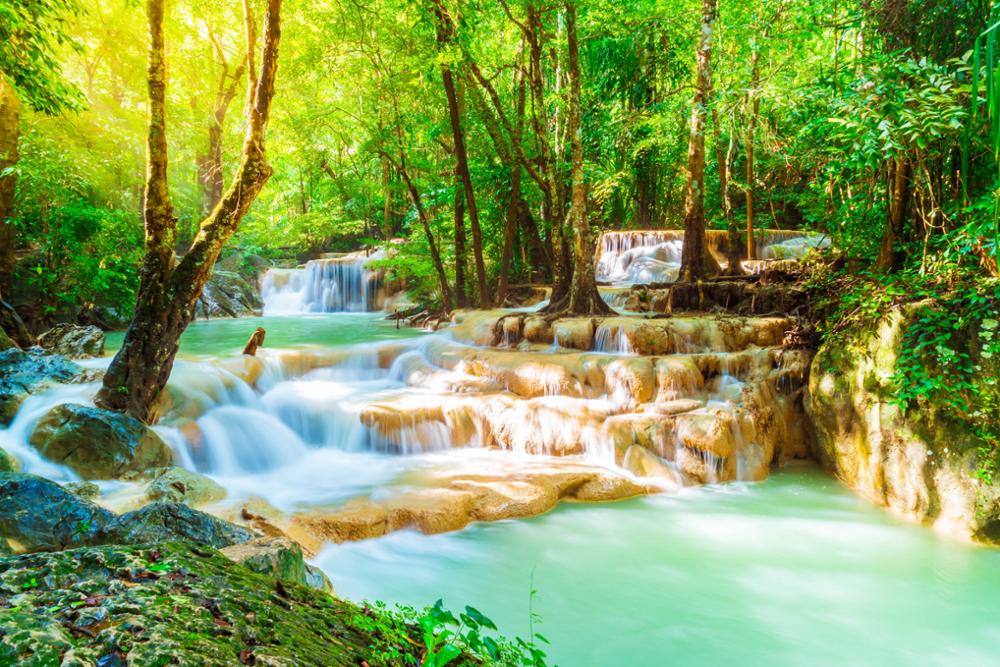
Located just two hours from Kanchanaburi, the Erawan National Park ranks among Thailand's most celebrated and visited protected areas. Its appeal lies in more than pristine wildlife and flora—it's home to one of Thailand's most impressive cascades.
The Erawan Waterfalls are distinguished by a spectacular seven-level descent. Each natural basin serves as a swimming pool, its waters glowing turquoise. A hiking trail grants access to all levels, leading to the uppermost pool. At the summit, you'll command sweeping park views and encounter the park's crowning jewel: Khao Phang cascade (meaning "three-headed elephant"), which gave the park its name due to its striking resemblance to this majestic creature.
Thi Lo Su Waterfall, Umphang Wildlife Sanctuary
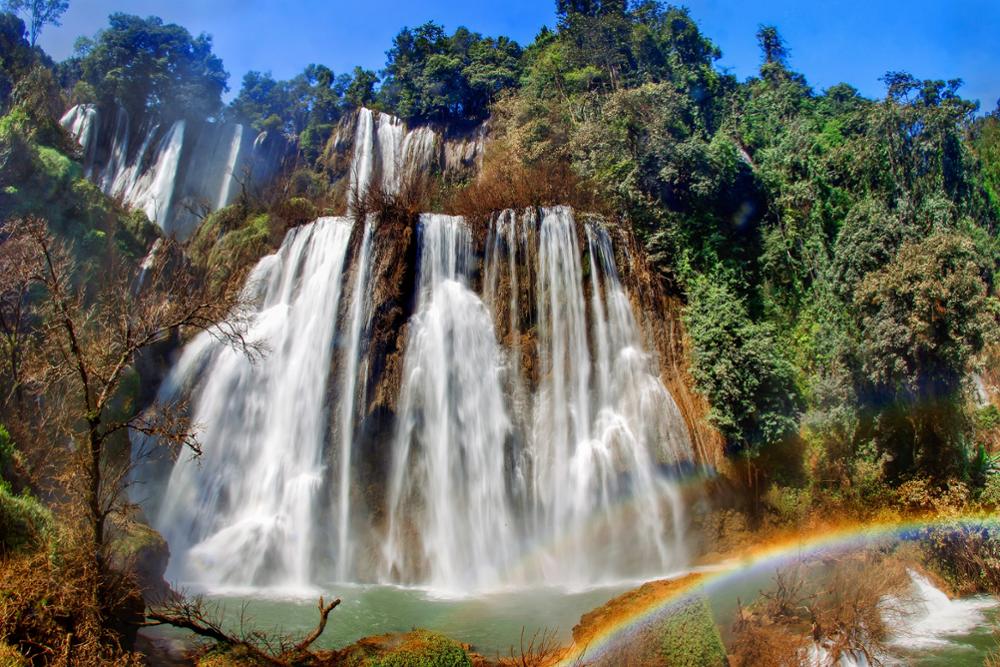
Here lies Thailand's largest waterfall: Thi Lo Su. Located within the Umphang Wildlife Sanctuary in Tak Province, northwestern Thailand, and designated a UNESCO World Heritage site, this titan measures nearly 250 meters high and approximately 450 meters wide.
Ensconced deep within jungle, reaching it requires effort. For convenient access, opt for a 4x4 excursion. Alternatively, combine rafting on the Mae Klong River with a guided trek or 4x4 ride to the cascade. For the truly adventurous, embark from the Huai Nong Luang forestry station on a challenging 25-kilometer trekking trail.
Haew Narok Waterfall, Khao Yai National Park
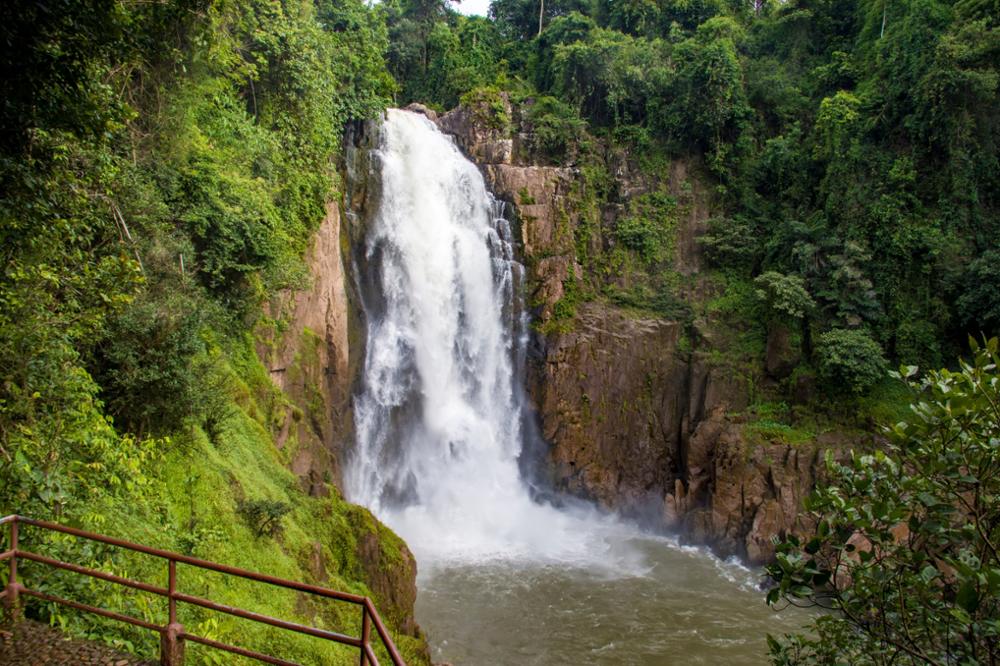
Head to Khao Yai National Park (also a UNESCO World Heritage site) to witness another must-see Thai cascade: Haew Narok. Towering at 150 meters, it's the park's highest waterfall. Reaching it means descending—and then climbing—substantial staircases, so arrive in good form.
Worth noting: the park hosts other cascades including Tad Pa Phu, Pa Tabak, Salika, Wang Bong, Haew Sai, Haew Pratoon, and Haew Suwat. Though less dramatic at just 20 meters, Haew Suwat gained fame as a filming location for the blockbuster "The Beach."
Mae Sai Waterfall, Mae Kok National Park
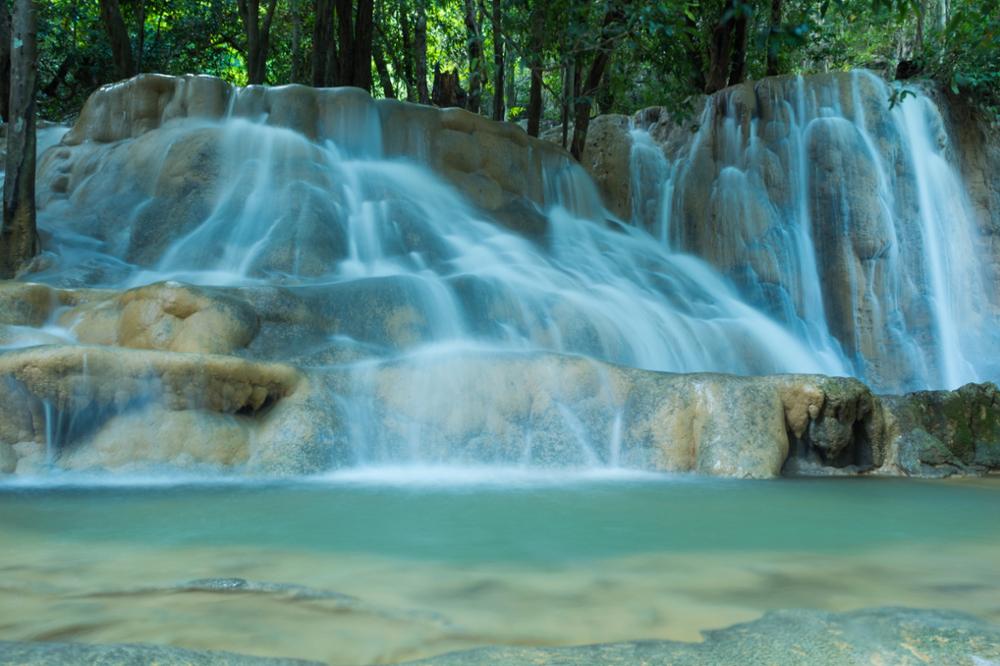
The Mae Sai waterfall is an essential stop when exploring Chiang Rai, Thailand's far north. Located near the town of Mae Sai, this cascade descends in two tiers at roughly 15 meters high. Both levels constitute separate stages, spaced 100 meters apart.
Access via hiking paths winding through tea and coffee plantations, terraced rice paddies, and dramatic hillsides. After exertion comes reward! Once you've witnessed both cascade tiers, we recommend pausing at the second level to picnic and swim. This tier attracts more swimmers thanks to its deeper waters.
Krung Ching Waterfall, Khao Luang National Park
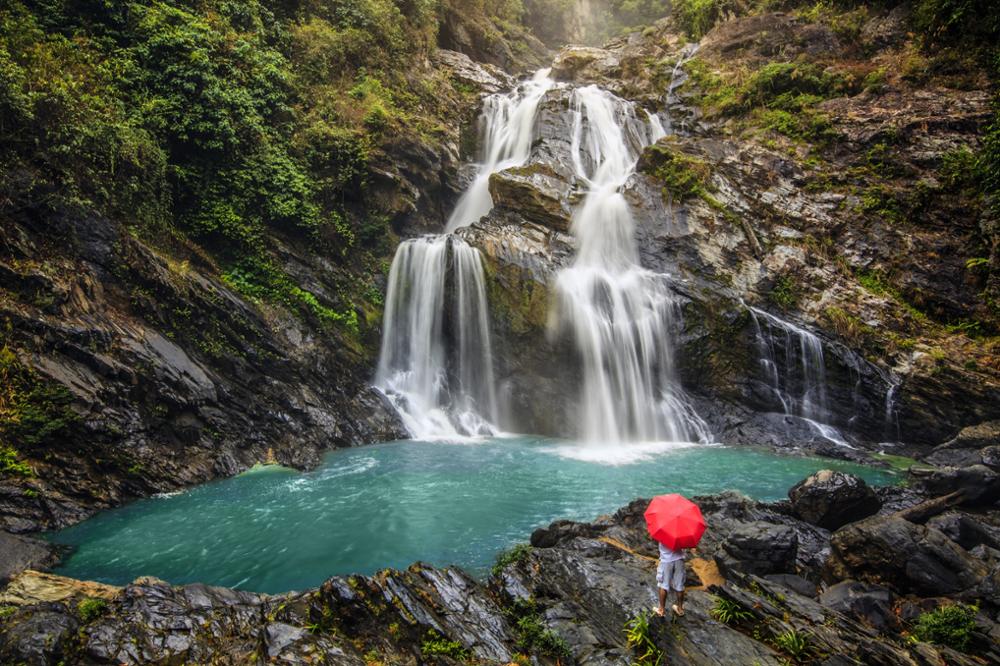
Within Khao Luang National Park, nestled in the Tenasserim Hills mountain range in Thailand's south, lies one of the country's finest waterfalls. Relatively untouched by tourism, the park offers an ideal escape for off-the-beaten-path trekking.
The Krung Ching waterfall reveals itself at the end of a 3.7-kilometer trek comprising multiple stages across the cascade's seven levels. The most striking section is Nan Fon Saen Ha, where a hundred-meter torrent plunges down the cliff face, creating spectacular water curtains. Throughout your journey, keep watch for the park's abundant wildlife, making it particularly cherished by birdwatchers.
Good to know: while not classified as difficult terrain, solid fitness helps.
Bua Thong Waterfall, Si Lanna National Park
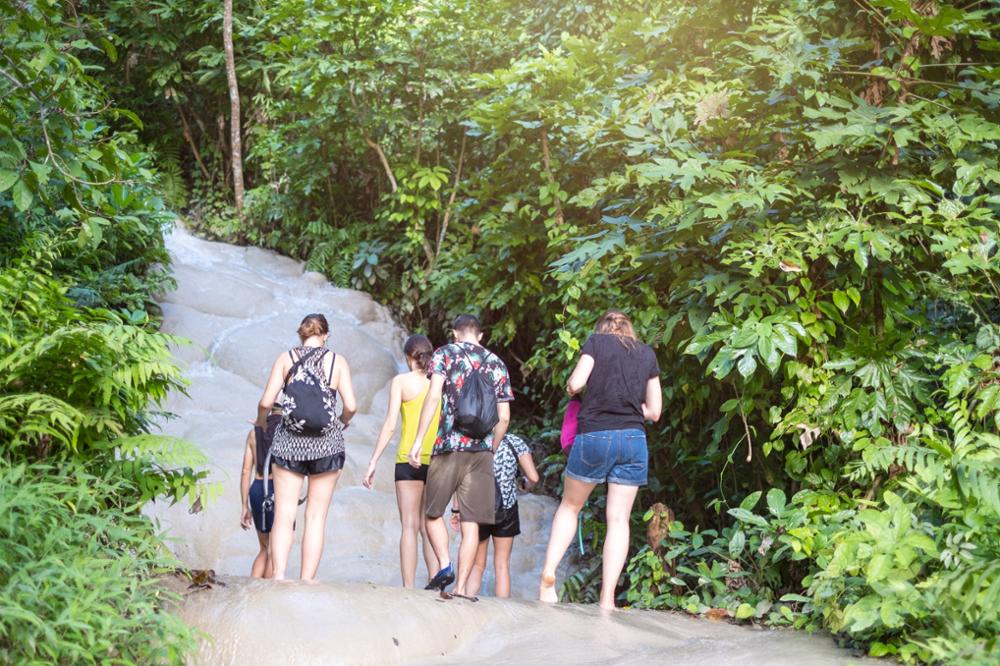
We conclude with an extraordinary cascade: Bua Thong. Situated in Si Lanna National Park, roughly 30 kilometers from Chiang Mai, this waterfall is truly one-of-a-kind. Nicknamed the "sticky waterfall,