Mor Lam
Mor Lam
Spanning multiple variations, mor lam is a musical genre that emerged in northeastern Thailand. Here's what you need to know.
Spanning multiple variations, mor lam is a musical genre that emerged in northeastern Thailand. Here's what you need to know.
The Land of Smiles boasts a rich musical heritage. If you don't believe it, ask to hear a piece of mor lam during your next escape to a rural village in Isan. As evening falls, when the family gathers around a wood fire, resting from the hard labor of the rice fields, the melody brings comfort like a gentle and tender friend.
Part of folklore, mor lam is a form of music through which peasants express their nostalgia, their anxieties, or their religious fervor. Once played with a rudimentary string guitar, it now employs electric instruments while fully retaining its symbolic and identity value. Listening to a mor lam song is one of the must-do experiences during a cultural journey to the heart of Isan! And every traveler who has lived this experience will agree.
The origins of Mor Lam: a musical style shared between Isan and Laos
Mor lam or molam—both spellings are accepted—is a music genre born in Isan, the northeastern region of Thailand at the gates of Laos. More precisely, it was introduced by ancient Siamese tribes who migrated from Yunnan Province to move southward. These migrants passed on to their descendants the knowledge of rice farming and a love of music.
In its early days, molam was confined to the religious domain. The singer played the phin, an ancestral three-string guitar. The song lyrics dealt with the story of Buddha: his meditation at the foot of the Bodhi tree, his victorious battle against the demon Mara, his ascension to paradise, his earthly life among his people, and more. As recently as 1920, young talents spread mor lam throughout northeastern Thailand. Continuing its rise, the musical style found success in other regions of Siam, eventually conquering the cabarets and nightclubs of Bangkok by the mid-1970s. Rural exodus was the source of this diffusion: hoping to escape poverty and the hardship of agricultural work, many Isan farmers moved to the capital, where they continued to play the melodies of their ancestors.
Mor lam in Thailand today
A musical style characteristic of Isan, mor lam now extends beyond Buddhist temples to resonate in all public spaces. Renowned artists such as Sawai Kaewsombat and Kammao Perdtanon have embraced mor lam, becoming ambassadors of Thai music on the international stage. Some have even performed concerts in Paris, London, Berlin, Warsaw, Amsterdam, and many other European capitals… The Paradise Bangkok Molam International Band is just one example.
Composers have given mor lam a modern edge. Moving away from Buddhist tales, they highlight secular themes. Moreover, blending with Indian, Chinese, Khmer, and Malay cultures has given rise to regional variations, causing mor lam to lose some of its original sound.
Musical instruments accompanying mor lam
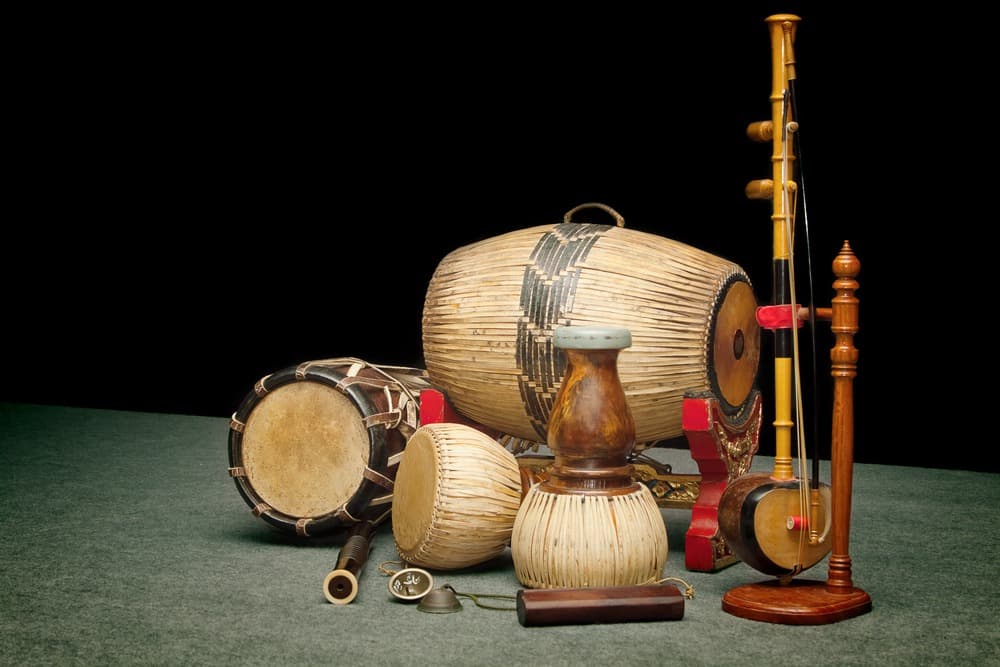
The melody is played with traditional musical instruments:
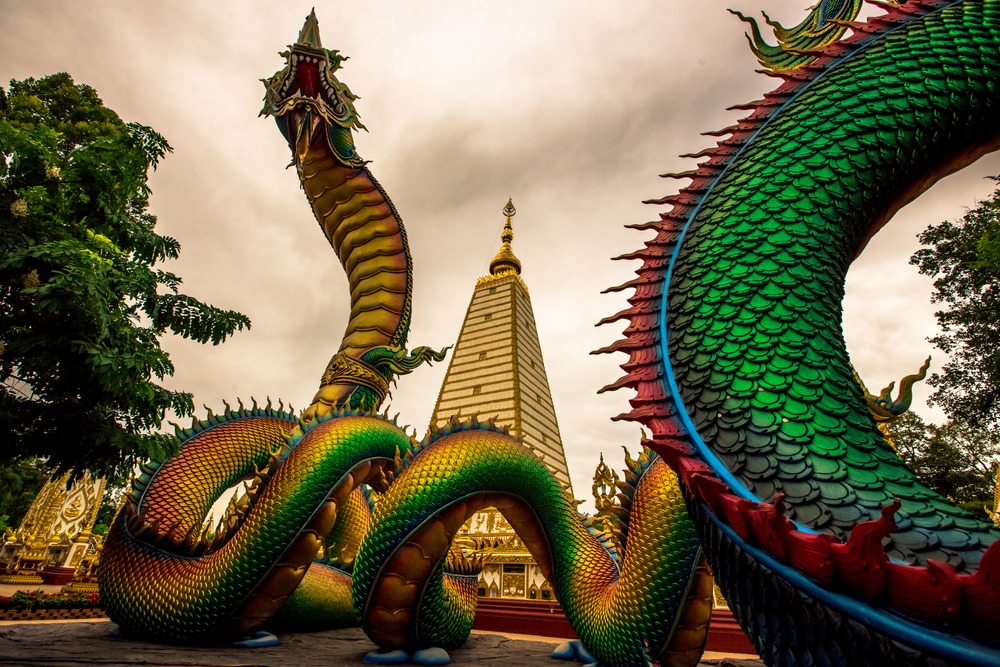
The phin: a three-string guitar with a naga tail, a serpent-like creature popular in Buddhist texts;
The nimp: a lute composed of three or more strings;
A flute, drums, and medium-sized bells in the shape of cymbals.
Newer generations of singers increasingly turn to professional guitarists, saxophonists, and drummers to complement traditional musical equipment.

Photos
Give it a go!
Our local experts arrange this activity for you.