
Scams and Pitfalls to Avoid in Thailand
What scams should you avoid in Thailand? Here are the main tourist scams to be aware of before departure so you can travel with greater peace of mind.
Although Thailand is a safe destination for travelers, you may encounter scams, particularly in the country's most touristic areas. To avoid any tourist fraud, it's best to be aware of them before you leave. Discover the main pitfalls and scams to avoid during a trip to Thailand.
Touts who offer to take you to shops
This is one of the pitfalls you should absolutely avoid during your stay in Thailand: letting a tout take you somewhere without knowing where you're going. This type of scam occurs mainly in large cities like Bangkok.
These can be pedestrians (who typically pose as hotel security or shopping center staff) or tuk tuk drivers. They'll offer you great deals and take you to shops (usually gemstone shops) in exchange for a commission if you spend money.
The sales pitches are highly polished: they propose buying precious stones at unbeatable prices, telling you that you can resell them for much more in your home country. The problem? Not only are the precious stones worth far less than the stated price, but once you're caught in this trap, you'll have difficulty getting out of the situation.
How to avoid it?
Never let a tout (whether in a tuk tuk, on a motorbike, or on foot) take you to any shop. Politely tell them you're not interested, remain calm, and move on.
Moreover, unless you're an expert in precious stones, stay away from gem-cutting shops.
The custom tailor scam
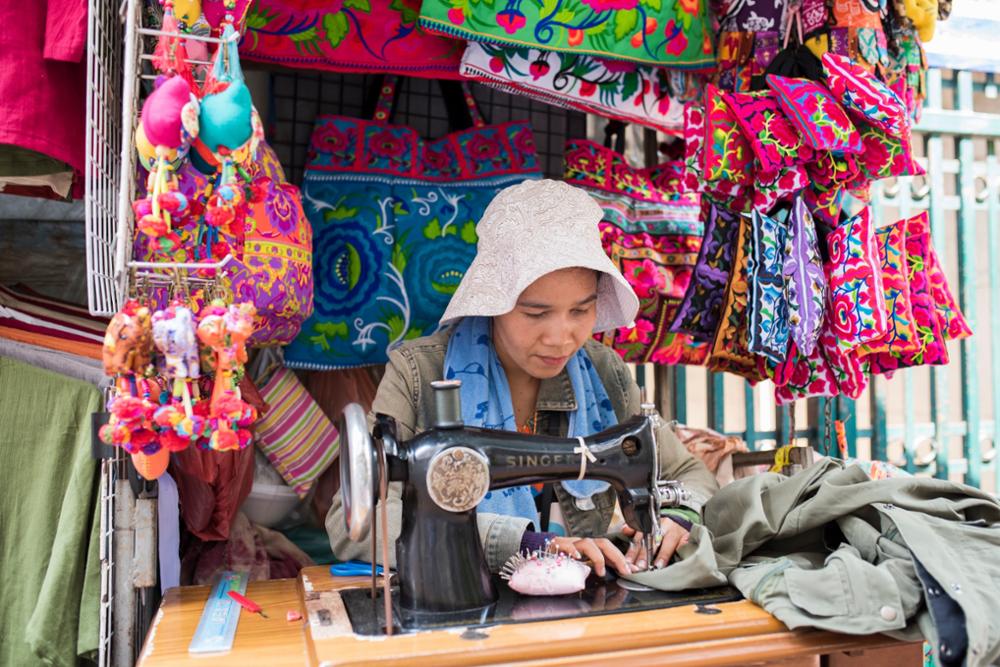
Thailand is known for its numerous custom tailors. At ultra-attractive prices, you can get custom-tailored suits and clothing! While most tailors are true professionals, some are not always trustworthy.
Indeed, it can happen that the final result doesn't match what was agreed upon initially: the fabric isn't right, the quality is much worse than expected, or the garment doesn't fit your measurements properly.
Note that this type of scam is more common in major cities and tourist areas like Bangkok, Pattaya, Koh Samui and Phuket.
How to avoid it?
First, always research before choosing a custom tailor and prioritize shops recommended by third parties.
Furthermore, never pay the full price of your suit when ordering. You can pay a deposit (usually half the final price) and pay the rest once you're satisfied with the result.
It's best to place your order upon arrival so you have time to make adjustments along the way if necessary.
Tuk tuks that inflate their prices
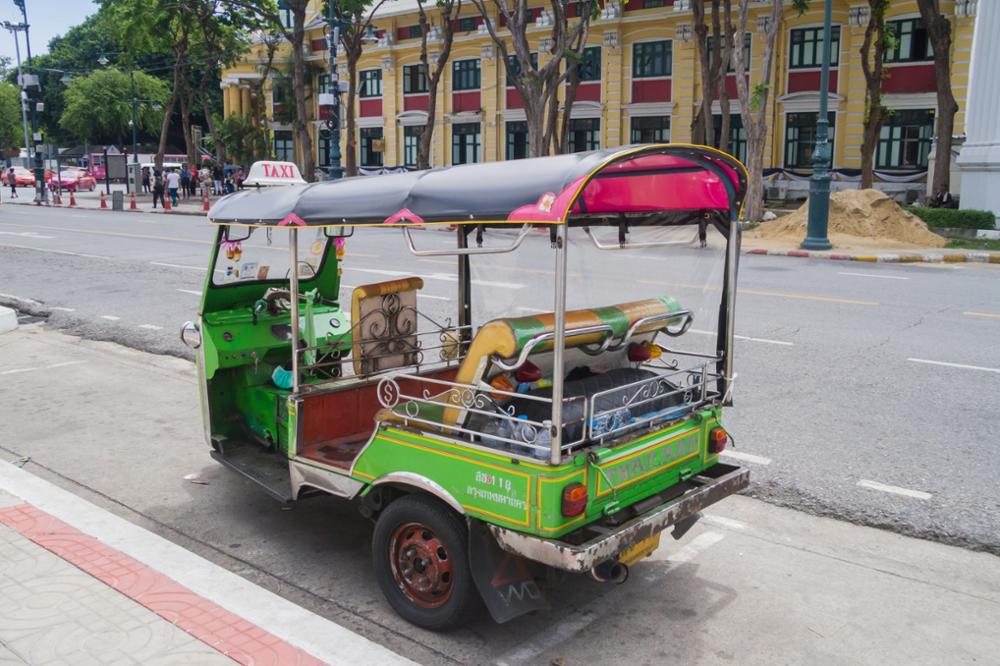
Taking a tuk tuk is an experience to have at least once during a trip to Thailand. But be careful not to get ripped off: while tuk tuk fares aren't fixed, many drivers try to cheat tourists by inflating their prices.
How to avoid it?
To avoid paying excessive amounts for short trips, you must absolutely negotiate the price before getting in the tuk tuk. The price should account for the total number of passengers. Also, make sure the fare is shared and not individual.
Here's a helpful tip: to get an idea of fair pricing, you can always check trip prices on the Grab app to mention when negotiating with the tuk tuk driver.
Temples that claim to be closed
This is one of the most common scams when traveling in Thailand. As you approach temples, locals may tell you they're closed for various reasons. To "compensate for your disappointment," they'll offer to take you to see other temples that are supposedly open.
In reality, temples are rarely closed. The real goal of this scheme is to make you spend money by selling you a tuk tuk ride or taking you to a partner shop (like custom tailors or gemstone shops).
Good to know: this scam often happens at the main temples of Bangkok such as Wat Pho or the Grand Palace.
How to avoid it?
Never judge by appearances—perpetrators of this scam don't hesitate to dress as security officers, officials, or tour guides to seem more credible.
If you're told a temple is closed, ignore it and check for yourself. You can also ask your hotel or someone you trust whether the temple is really closed.
Taxis without meters
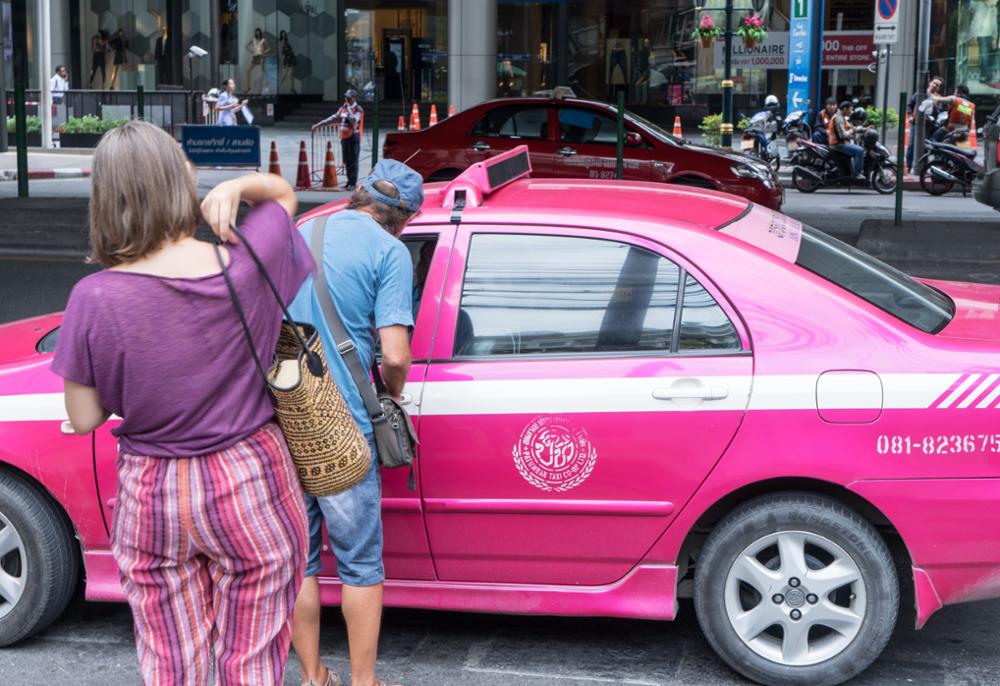
Here's another common scam in Thailand. In most large cities and tourist areas, you'll find numerous taxis. To increase their earnings, many drivers exploit tourists' naivety and the language barrier.
How? By not using a meter or claiming it's broken. Sometimes the driver will even stop the meter mid-ride. The result? They end up charging you an exorbitant sum that doesn't reflect market rates at all.
How to avoid it?
Always prefer taxis with meters (taxi-meter) and make sure the driver intends to activate it for your ride. If he stops it mid-trip, you can politely ask him for an explanation and take photos of his identification, mentioning you'll report him to the police. This should discourage him from cheating you.
Vehicle rental scams (scooter, car)
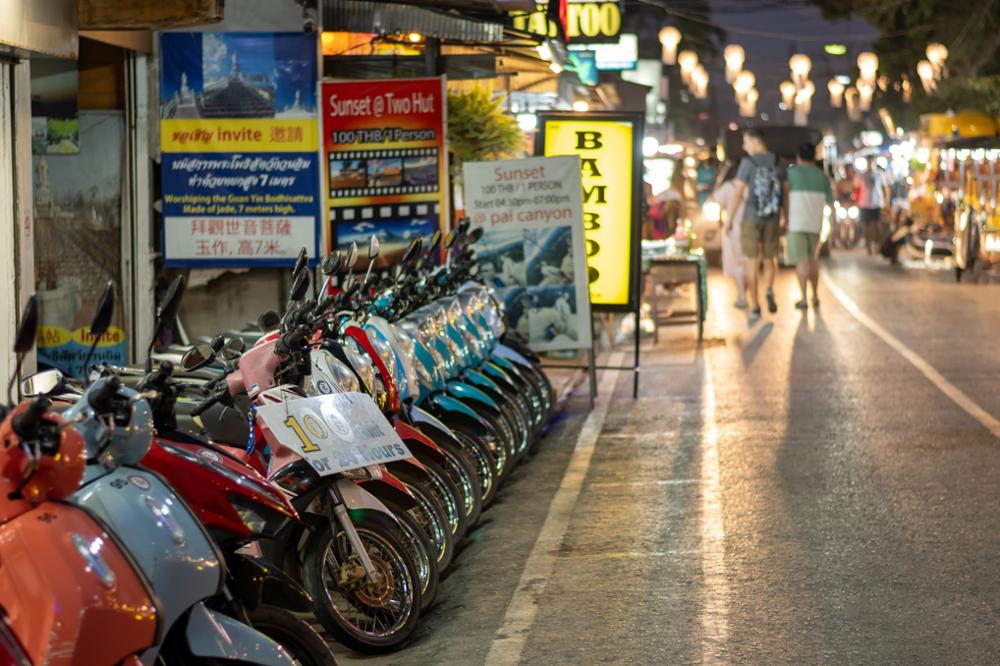
Planning to rent a scooter or car during your stay in Thailand? Then you should take precautions before leaving with your vehicle! Indeed, some rental companies can scam you by accusing you of damaging the scooter or car when you had nothing to do with it.
The problem? Besides keeping your money, they can threaten to keep your passport (which you gave as collateral when renting) or even take you to the police, who may be in on the scam. You could end up helpless and forced to pay a large sum of money to get out of the situation.
How to avoid it?
To avoid this scam, you must absolutely take photos of the vehicle in detail. If the vehicle has scratches or other issues, point them out to the rental company, which must note them on the rental contract.
We also recommend choosing a rental company with good online reviews or asking your hotel for a reliable option.
Jet ski scams
In the country's most touristy areas, such as Pattaya and Phuket, jet ski rental companies frequently scam tourists who want to take a sea ride. The scam works exactly the same way as vehicle rentals. Once the activity is over, the jet ski rental operator can accuse the traveler of damaging the equipment, demanding astronomical sums to repair it. Again, they may threaten to keep your passport or call the police to force you to pay.
How to avoid it?
As with any vehicle rental, take photos of the jet ski before using it. Ask to see it out of the water so you can inspect the submerged parts.
To avoid unpleasant surprises, choose recommended rental companies or check reviews online before committing.
"Forgetting" to give you all your change
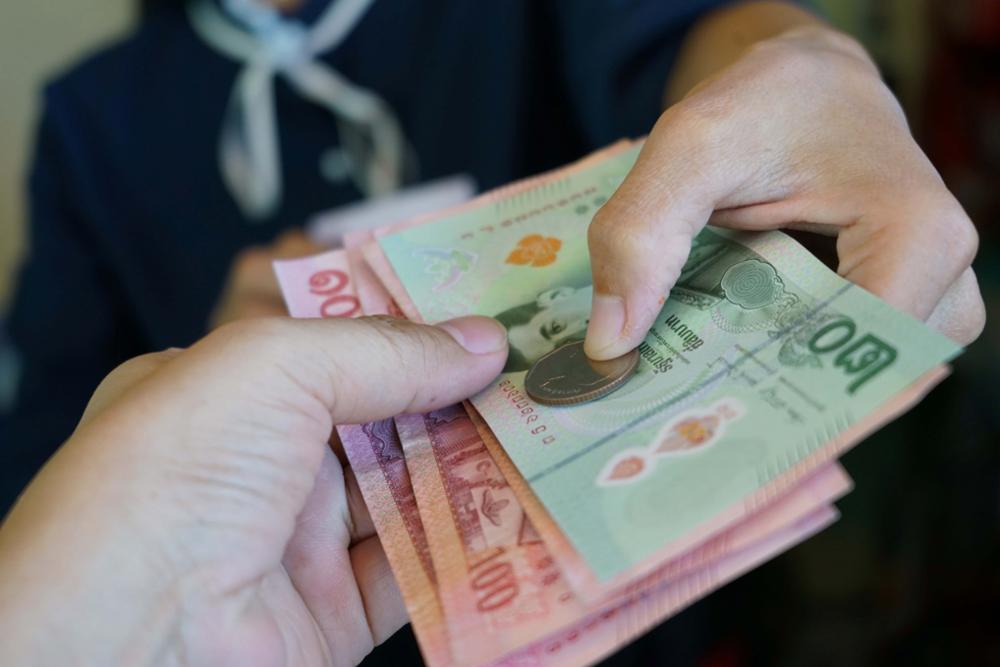
While human error happens, it frequently occurs that vendors don't give you all your change. And even if these are sometimes small amounts, they can add up over a week or two of travel.
How to avoid it?
Simply be attentive when you receive your change by counting it to verify everything is correct! If it's not, point it out politely while keeping your smile (getting upset with a Thai person will only make things worse).
Essential numbers to know in case of problems

Are you a victim of a scam? You can contact the Tourist Police by dialing 1155 from a Thai phone. Always prioritize the Tourist Police, which was created to assist travelers and protect tourists' interests, rather than local police who can sometimes be corrupt.
Here are other emergency numbers to know and call:
Tourist Information Center: 672
Local Police: 191
Ambulance: 1669 or 1646
For an unforgettable and hassle-free trip, also discover our article on things to do and not do in Thailand.
Frequently asked questions
Contact the Tourist Police immediately at 1155. Stay calm, take photos if possible, and don't give in to intimidation.
Most scams in Thailand target your money, not your safety. Stay firm but polite, and don't hesitate to leave if you feel uncomfortable.
Always ask to see official identification. If in doubt, call 1155 to verify or ask to be taken to a police station.
Avoid it if possible. Prefer leaving a cash deposit or a photocopy. If mandatory, choose a rental company recommended by your hotel.