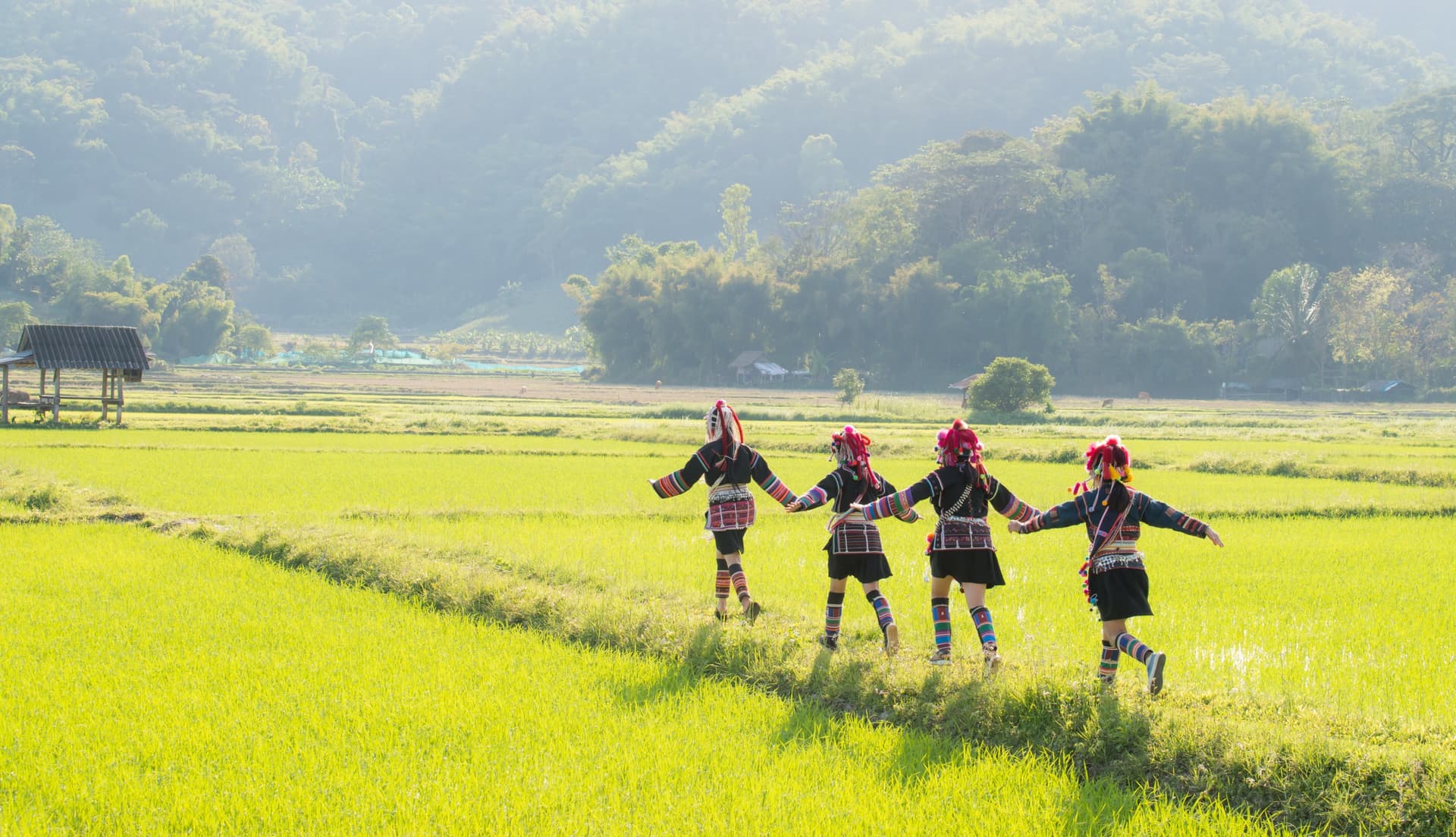
Thailand's Ethnic Minorities
Karens, Hmongs, Akhas, Lisus, Lahus: discover Thailand's main ethnic minorities, their origins, rites and traditions in the mountainous north of the country.
Little known in Thailand, ethnic minorities represent only around 2% of the country's population. Most originate from China, Myanmar, Tibet, Laos or Vietnam. Nearly all have found refuge in the mountains of northern Thailand. There are around thirty communities in total, each subdivided into several sub-groups. Among the most well-known are the Hmongs, the Karens, the Lahus, the Lisus and the Akhas. An overview of these Thai ethnic minorities with their ancestral and spiritual rituals…
1. The Karens
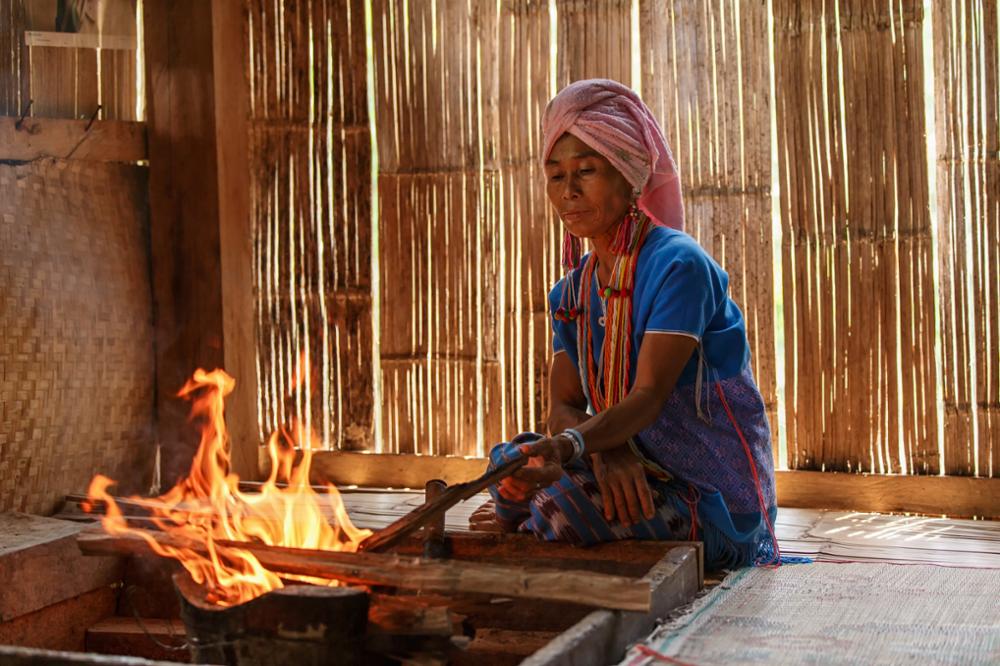
They are the largest ethnic minority in Thailand and the one that has lived longest in the country. They are known worldwide especially for their long-neck women (the Padaung)! Of Tibeto-Burmese origin, the Karens have been fleeing persecution and executions in Myanmar for over 50 years. They have their own dialects and religious traditions. Some are Buddhist but most have converted to Christianity. In any case, the Karens all share a belief in the power of spirits, which is expressed in all their daily rituals…
2. The Hmongs
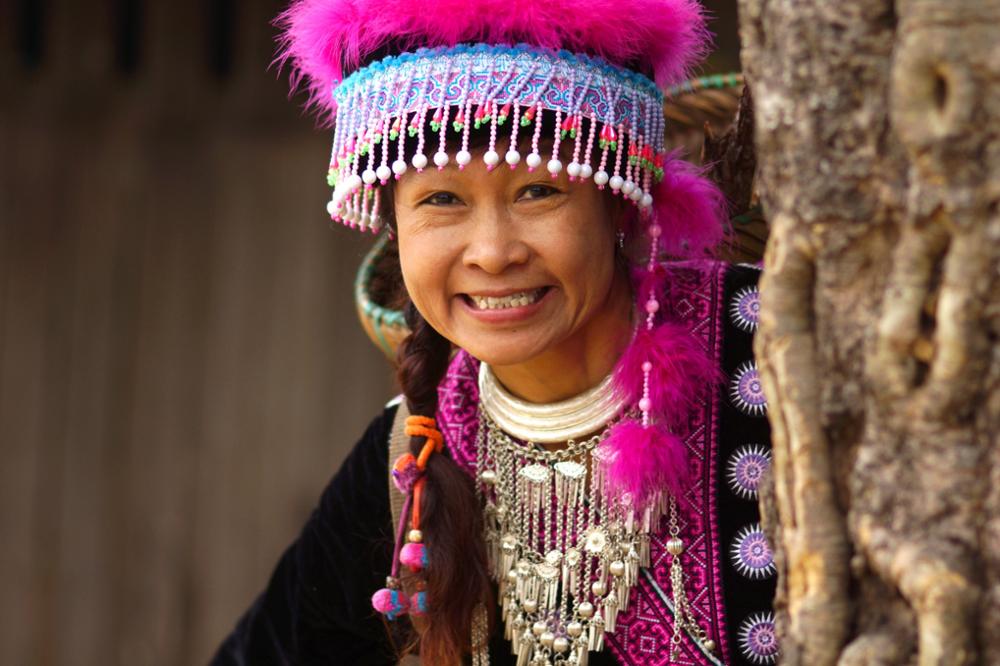
People originating from the mountainous regions of China, Laos and Vietnam, the Hmongs form a semi-nomadic ethnic group. They fled during the Indochina and Vietnam Wars and were hunted for having helped the French and Americans. They are divided into several ethnic sub-groups, namely White Hmongs, Black Hmongs, Pua Hmongs, and Leng Hmongs. They all have their own languages and are distinguished by their dress codes. They follow a set of spiritual rituals where elders and shamans hold the most power within the community.
3. The Akhas
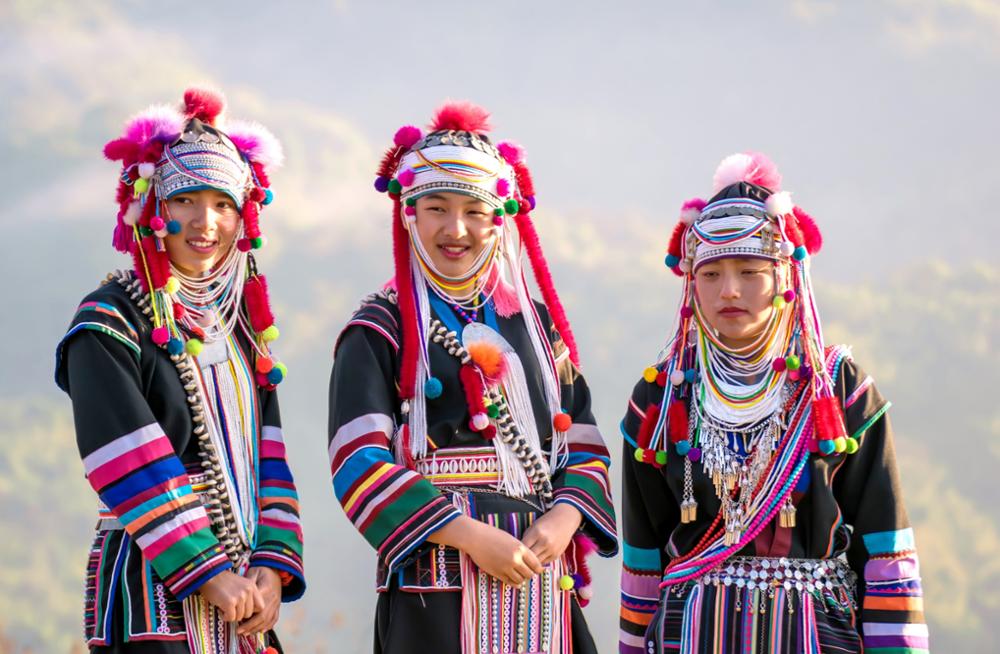
The Akhas are among the poorest ethnic minorities in Thailand. They inhabit high-altitude villages that are difficult to access where they cultivate rice, corn and other vegetables. Like the Hmongs, they are known for having cultivated opium during the Golden Triangle era. They are an animistic people, meaning they believe in souls and spirits. At the entrance to villages, it is not uncommon to see gates for spirits. Generally speaking, the Akhas are easily identifiable by the impressive embroidered headdresses worn by the women, which consist of beads, feathers, and silver coins…
4. The Lisus
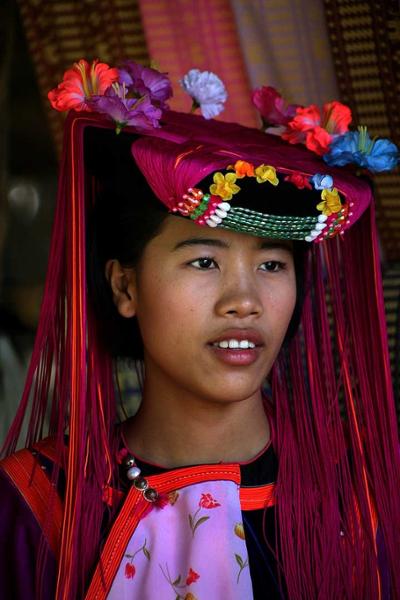
Like the Akhas, the Lisus are animistic. In other words, they worship souls, spirits and ancestors. Of Tibetan origin, this ethnic group stands out once again thanks to their outfits in joyful colours. Long tunics for women and wide-legged trousers for men. What particularly characterizes them is their method of transmitting their cultural heritage. Generation after generation, the Lisus teach themselves songs to pass on knowledge and values. If you have the chance to attend one of the Lisu ceremonies, you will be completely captivated by the grandeur of this vocal spectacle!
5. The Lahus
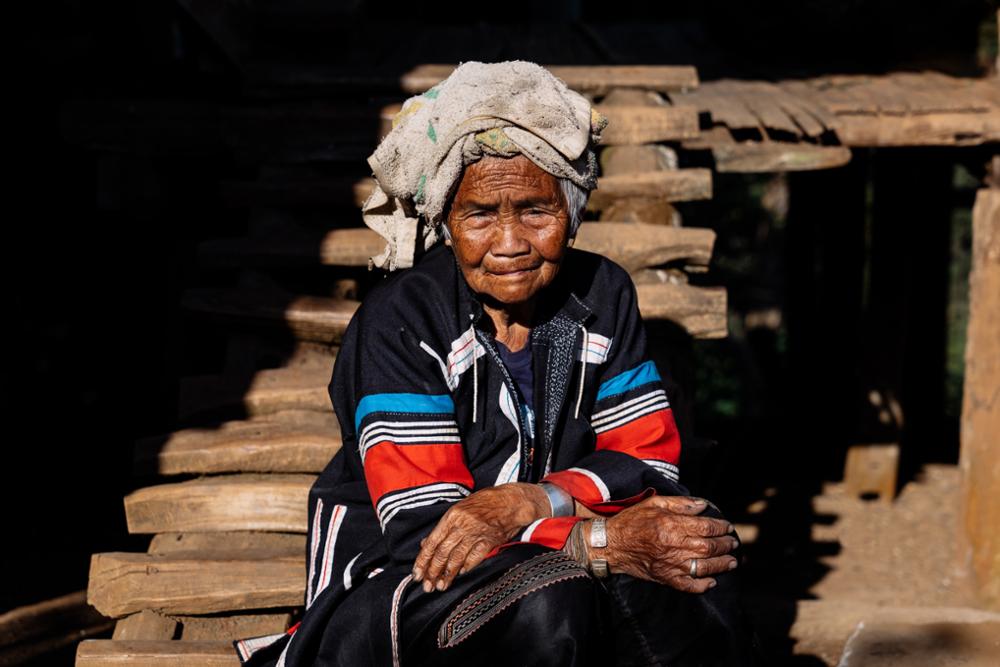
An ethnic group officially recognized by the People's Republic of China, the Lahus also originate from Tibet. Present in China, Myanmar and Thailand, they are known as being excellent hunters (with rifles and crossbows) and for their knowledge of herbalism. The Lahus are divided into several groups including Black Lahus, Yellow Lahus, Shehleh Lahus… Each affiliation is expressed through their clothing. Originally animistic, the Lahus have been influenced by many other religions such as Tibetan, Indian or Chinese Buddhism and Christian theology influenced by the British. In any case, it is said that they are a very welcoming ethnic minority to travellers.
Frequently asked questions
Ethnic minorities are found mainly in the mountains of northern Thailand, near Chiang Mai and Chiang Rai. Many villages are accessible through organized treks.
Yes, several Karen villages welcome visitors, particularly near the Myanmar border. It is recommended to choose ethical tours that respect these communities.
The dry season from November to March is ideal, with cooler temperatures in the mountains and less rain for travel.
Prioritize local guides, respect photography restrictions, buy local crafts and choose tours that return a share of profits to the communities.