What to Eat in Thailand When You Don't Like Spicy Dishes
Learn how to eat well in Thailand when you don't enjoy spicy dishes, with a selection of non-spicy specialties and tips for ordering with ease.
You can't tolerate spices and you're worried about not being able to eat well during a trip to Thailand? Rest assured, it's entirely possible to eat non-spicy food in Thailand. We'll walk you through all the non-chili Thai dishes and share our best tips for avoiding spices during your stay.
Is Thai cuisine always spicy?
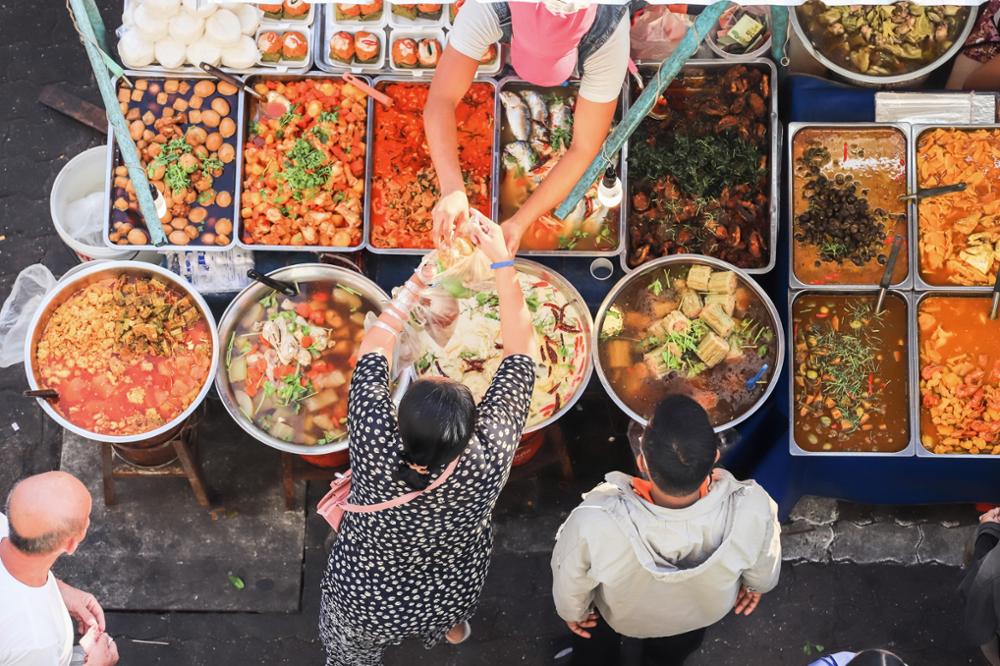
It's true that Thais eat very, very, very spicy food. However, Thai cuisine offers a wide variety of flavors and dishes that aren't always heavily spiced. Indeed, you'll find plenty of fresh herbs and aromatics (such as galangal, lemongrass, and kaffir lime) that flavor dishes without adding any chili heat.
Moreover, Thai cuisine is always fresh and prepared to order. What's more, it's possible to adjust the spice level for certain dishes. It's also worth noting that locals are aware that most travelers don't eat spicy food. They're accustomed to adapting and use significantly less spice in dishes for Western visitors.
Good to know
Generally speaking, Thais typically ask tourists what spice level they prefer in their dish. You can request a dish without spice, with the exception of a few dishes that will always have some heat (we're thinking of curry soups like panang curry, Tom Yum, or green curry, which are made with a spicy curry paste). For those wanting to venture into spicier territory, we recommend starting gently before increasing the heat. Note that Thais may ask your spice level: 1 chili (mild), 2 chilis (medium), and 3 chilis (very spicy).
What are the non-spicy Thai dishes?
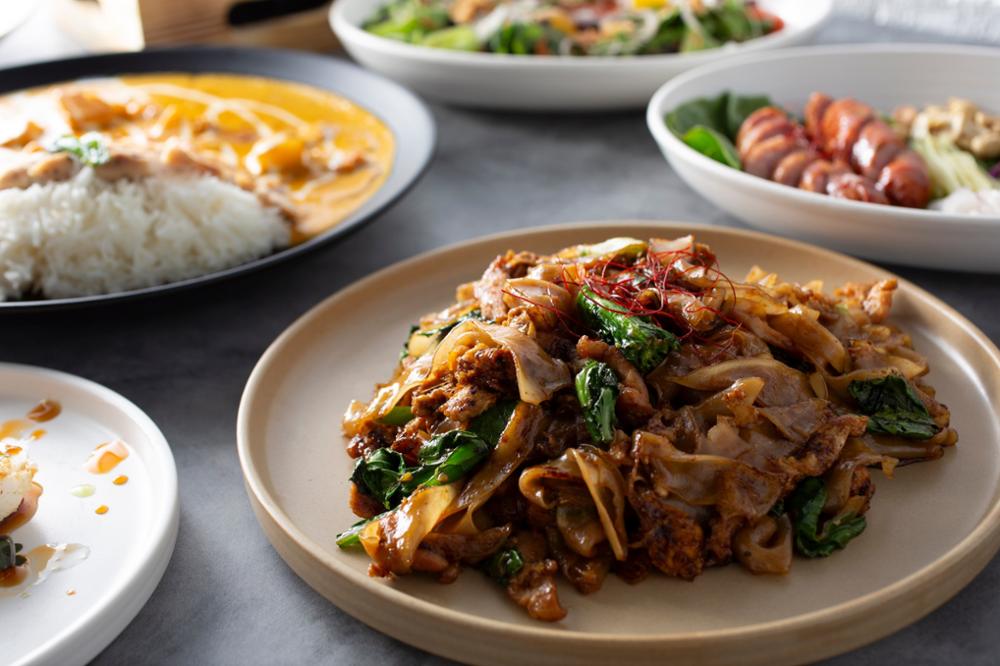
You don't eat chili at all and you're worried about not knowing what to eat during a trip to Thailand? Don't worry, there are plenty of Thai dishes that aren't spicy. Here are the main ones:
Pad Thai: considered the national dish, pad Thai is among Thailand's iconic culinary specialties. It consists of stir-fried rice noodles with eggs, vegetables, peanuts, and tamarind sauce, accompanied by meat (chicken, pork, beef), seafood (shrimp, mixed seafood), or tofu.
Khao Pad (or Kao Phat): fried rice served with egg, vegetables, meat, seafood, or tofu.
Pad See Ew: a dish of stir-fried noodles with black sweet soy sauce, garlic, and vegetables. Again, you can add meat, seafood, or tofu.
Tom Kha: a soup made with coconut milk, galangal, lemongrass, and mushrooms. The most common version is with chicken (Tom Kha Kai), but there are other variations (beef, pork, fish, tofu, vegetables...). Mild and slightly sweet, it's among the rare Thai soups that isn't spicy.
Pad Med Mamuang (more commonly called "Cashew Nuts" on restaurant menus): vegetables stir-fried with cashew nuts in a delicious sweet and salty sauce. Once again, you can choose to add meat, seafood, or tofu.
Pad Gratiem Prik Thai (more commonly called "Garlic & Pepper" on restaurant menus): a stir-fried dish with protein of your choice, crispy fried garlic chunks, and plenty of pepper.
Kai Jeow: Thai omelette. Made with eggs, fish sauce, soy sauce, herbs, and can be enhanced with vegetables or pieces of meat.
Warning
While these dishes are generally not spicy, we still recommend telling servers that you don't eat spicy food at all. To do this, a quick language lesson helps to know basic Thai vocabulary: simply say "Mai Ped" (pronounced "Maï Phet"), which simply means "not spicy".
Beyond these non-spicy dishes, other Thai dishes that are normally spicy can be prepared without chili. Just mention it when ordering. Among them, consider:
Som Tam: the famous green papaya salad garnished with tomato, lime, peanuts, and fish sauce. Although it usually contains very hot peppers, some restaurants can prepare it without chili.
Laab: laab dishes are minced meat salads (cooked or raw) mixed with fish sauce, shallots, lime juice, and fresh herbs (mainly coriander and mint) and fresh chili (which you can simply omit). There's laab kai for chicken and laab moo for pork. Note that there are also versions with minced tofu for vegetarians.
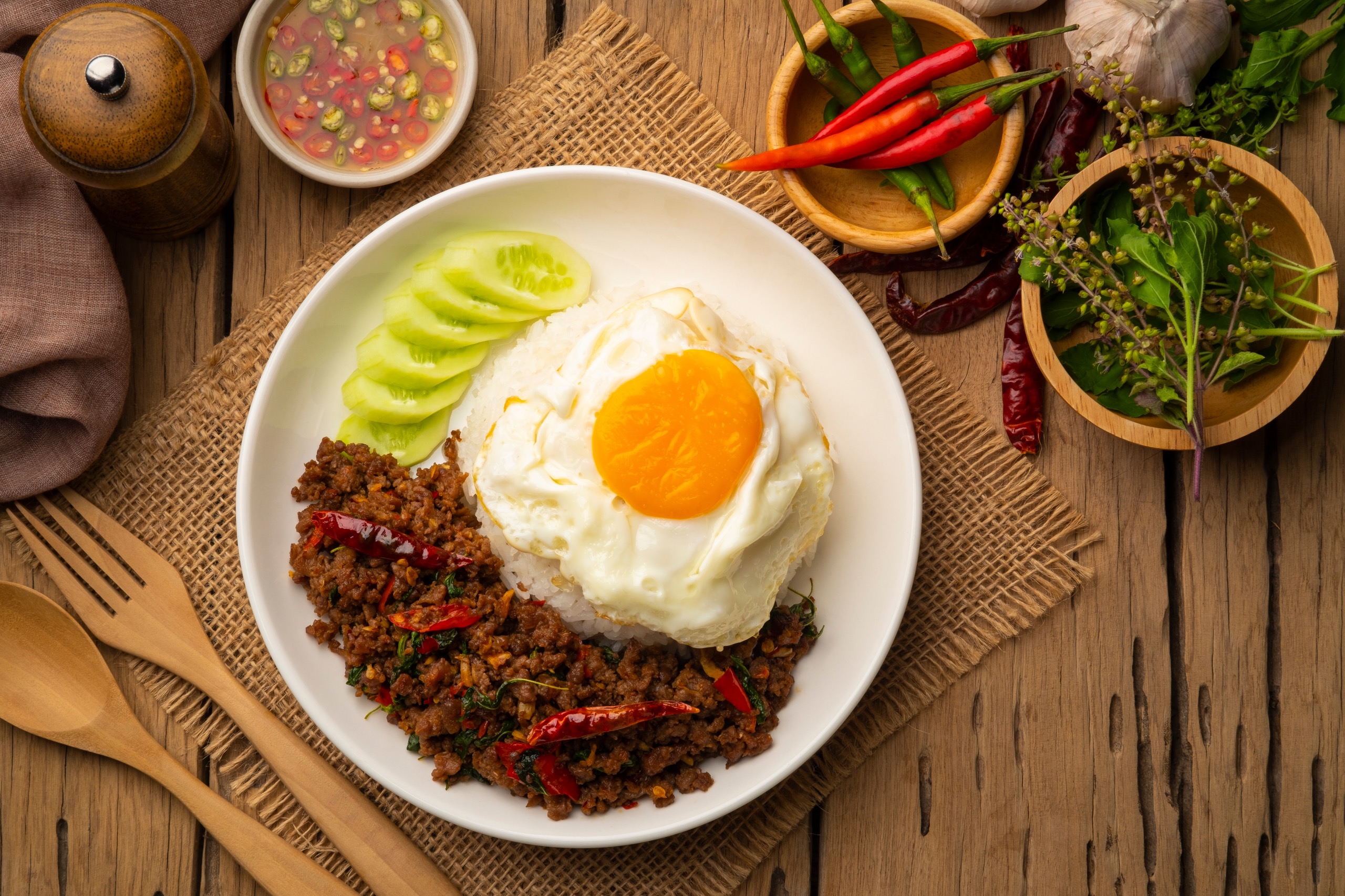
Pad Gaprao (or Pad Kra Pao): a stir-fry of meat (or shrimp, mixed seafood, or tofu) flavored with Thai basil leaves and soy sauce and oyster sauce. Again, locals love to enjoy it with fresh peppers, but you can request it without chili.
Morning Glory: a dish very much appreciated by locals at any time of day. It consists of water spinach with garlic, peppers, and a sweet-salty sauce. Once again, you can request a version without chili.
What should you do to soothe your taste buds if you eat too much spice?
You ordered a dish and it turned out to be spicier than expected? Here are our tips for soothing a "mouth on fire" from chili:
Don't try drinking cold water—it will make things worse. Contrary to popular belief, cold water doesn't soothe the burning effect of chili. It actually tends to spread capsaicin (the molecule responsible for the peppery sensation) throughout your mouth.
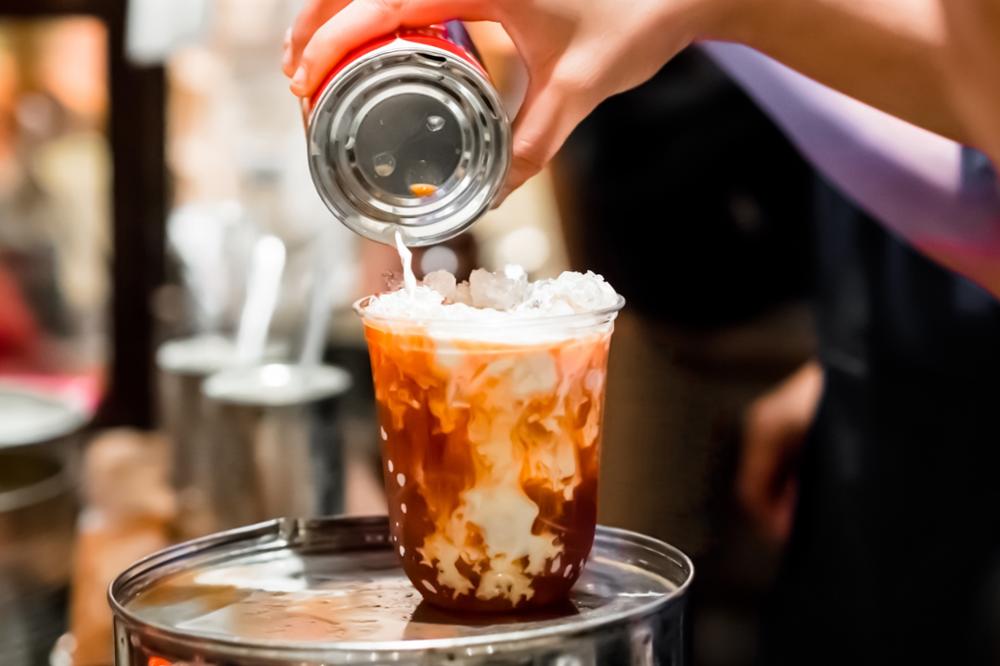
Consume dairy-based foods and drinks, as well as acidic beverages. These can reduce the sensation of heat in your mouth. Think particularly of smoothies, milkshakes, and yogurts made with cow's milk, ice cream, lime juice, or tomato juice.
Have a portion of rice with your meals. Indeed, carbohydrates (and sugar in general) help reduce the burning sensation from chili.
Rinse your mouth with oil: this trick may sound unappetizing, but it's ultra-effective! Indeed, capsaicin is fat-soluble, meaning it only dissolves in fatty substances. That's why rinsing your mouth with oil helps relieve the burning sensation from chili.
Now that you know all about spice levels in Thai dishes, we can only wish you excellent meals ahead!
Frequently asked questions
Simply say 'Mai Ped' (pronounced 'Maï Phet'), which means 'not spicy'. Servers will immediately understand your request.
Traditional Pad Thai is generally not spicy, but it's recommended to specify 'Mai Ped' when ordering to ensure no chili is added.
Consume milk, yogurt, rice, or sweet beverages. Avoid cold water, which makes the burning sensation worse.