Dengue, the Mosquito-Borne Disease in Thailand
What are the symptoms of dengue in Thailand and how can you protect yourself? Here's what you need to know to recognize the disease and avoid mosquito bites.
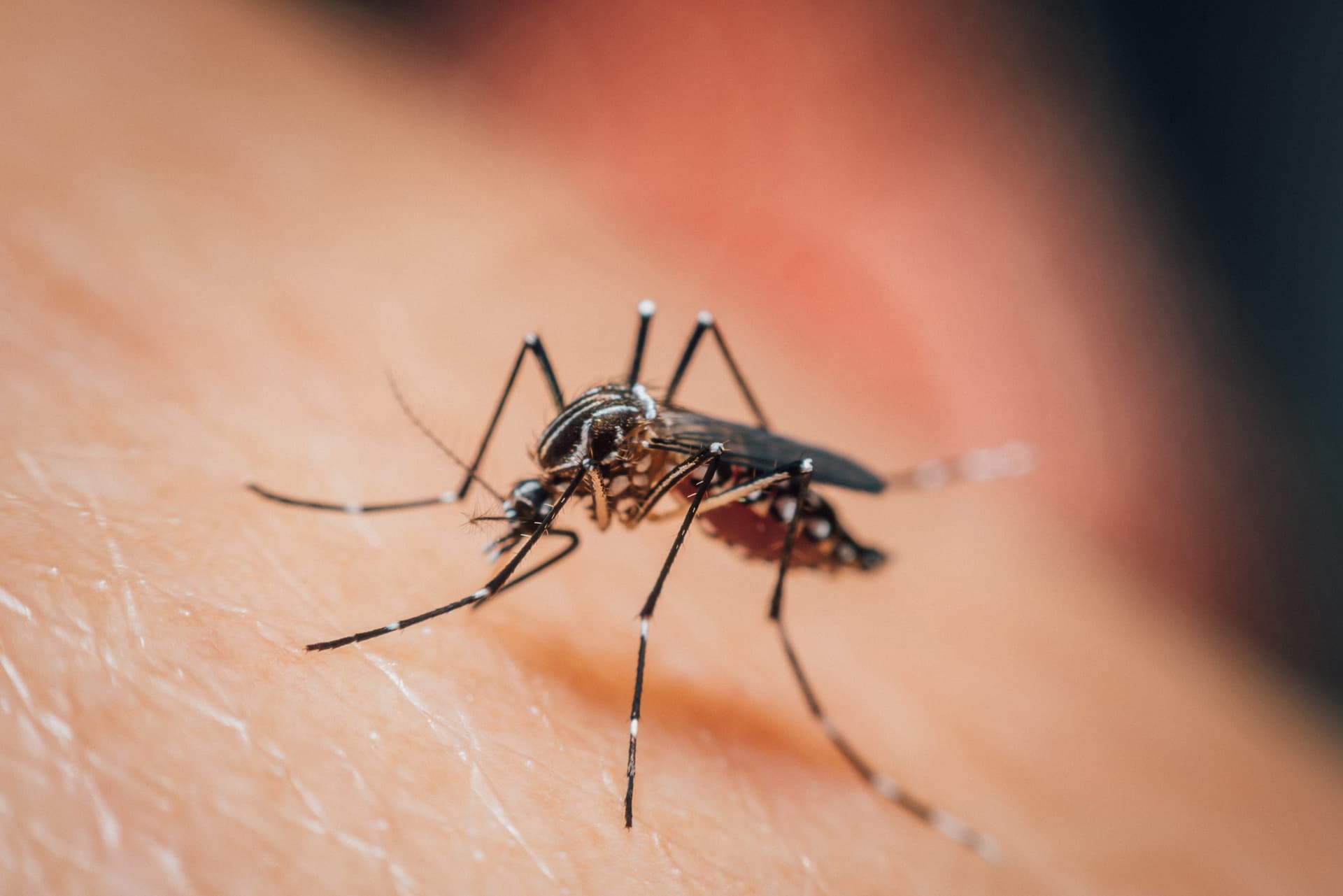
Who said small creatures can't cause harm to the biggest ones? A viral disease transmitted by mosquitoes, dengue is a genuine scourge in Thailand! Let's take a closer look at the symptoms of this disease and share all our recommendations to avoid catching the virus!
A tiny pest, major symptoms…
Dengue is an arbovirus because it's transmitted from mosquito to human. This viral disease can take the form of four serotypes (DEN-1, DEN-2, DEN-3, and DEN-4). Its incubation period is 3 to 15 days depending on the case, and recovery can take much longer. The most common symptoms resemble those of flu: extreme fatigue, fever, muscle pain, headaches, nausea, vomiting, diarrhea, and sometimes rashes…
In the worst cases, dengue can progress to hemorrhagic dengue. In addition to persistent fevers, victims suffer from internal and/or external hemorrhaging. While this is the most serious form, recovery is largely possible. However, complications can develop and prove fatal for individuals who have already contracted another type of dengue. It's called 'dengue with shock syndrome'. Also know that there is a form of asymptomatic dengue. As the name suggests, the virus goes unnoticed in this case!
In any event, you must consult a doctor quickly at the slightest suspicion. Indeed, by detecting dengue as early as possible, you'll have less chance of developing complications. Remember that fatal cases are often linked to late diagnosis!
A viral disease that keeps spreading

Once confined to Southeast Asia, dengue continues to expand. In Thailand, the problem is so significant that the dengue-carrying mosquito is believed to have mutated. According to studies, the dengue transmission period has increased. The mosquito is thus gaining ground outside the rainy season as it adapts increasingly to drought. All of these factors explain the alarming increase in dengue cases in Thailand in recent months.
Last June, authorities even declared that the number of dengue cases in Thailand was twice that of the previous year. To give you an idea, between January and June 2019, approximately 20,000 cases of dengue were recorded!
How to avoid it?
Unlike other viral diseases transmitted by mosquitoes, dengue has no preventive treatment. The only way to avoid it is to protect yourself from mosquito bites. To do this, we recommend:
- Wearing covering clothing: long-sleeved t-shirts, pants… Especially during sunrise and sunset.
- Applying mosquito repellent to exposed areas of your skin. You can also use repellents designed for clothing.
- Using a mosquito net at night and don't forget to close it before 6 PM. If you have a fan, that's also a good way to disrupt the flight of insects!
- Using special outdoor repellents: such as mosquito coils or using natural alternatives (essential oils, cloves…)
- Avoid stagnant water: since they are breeding grounds for mosquitoes!
- Avoid foods with high acid secretion such as potatoes, bread, or highly salted products that attract mosquitoes.
- Favor foods that deter mosquitoes: such as garlic, lemon, chili peppers, rosemary, basil, or citrus fruits. Thais also claim that bananas are effective. Of course, simply consuming these won't be enough to avoid bites—it's just an additional way to keep them at bay!
Important note:
If you have dengue symptoms, be sure to drink plenty of fluids to avoid dehydration. Your doctor will know how to give you appropriate medication to relieve your pain, but one thing is certain: it is strongly advised against taking aspirin as this can cause severe bleeding…
To learn more about dengue, visit the Pasteur Institute website https://www.pasteur.fr/fr/centre-medical/fiches-maladies/dengue.
Frequently asked questions
Medical costs for treating dengue in Thailand vary depending on the hospital chosen. In the public sector, expect 1,000-3,000 baht; in private hospitals, 5,000-15,000 baht depending on severity.
Traditionally, the dry season (November-April) presented fewer risks. But mosquitoes are now adapting to drought, making vigilance necessary year-round.
Yes, there are 4 types of dengue. A second infection by a different type can be more severe and cause hemorrhagic dengue.