The Manaslu Circuit Trek
In the heart of the secret valleys of Manaslu, far from the crowds of Annapurna.
Duration
15 days
From
€1,415/pers.
Ideal seasons
Mar, Apr, May, Oct, Nov
Style
Expeditions
Comfort
budget
Travelers
Solo, With friends, Couple
The spirit of travel
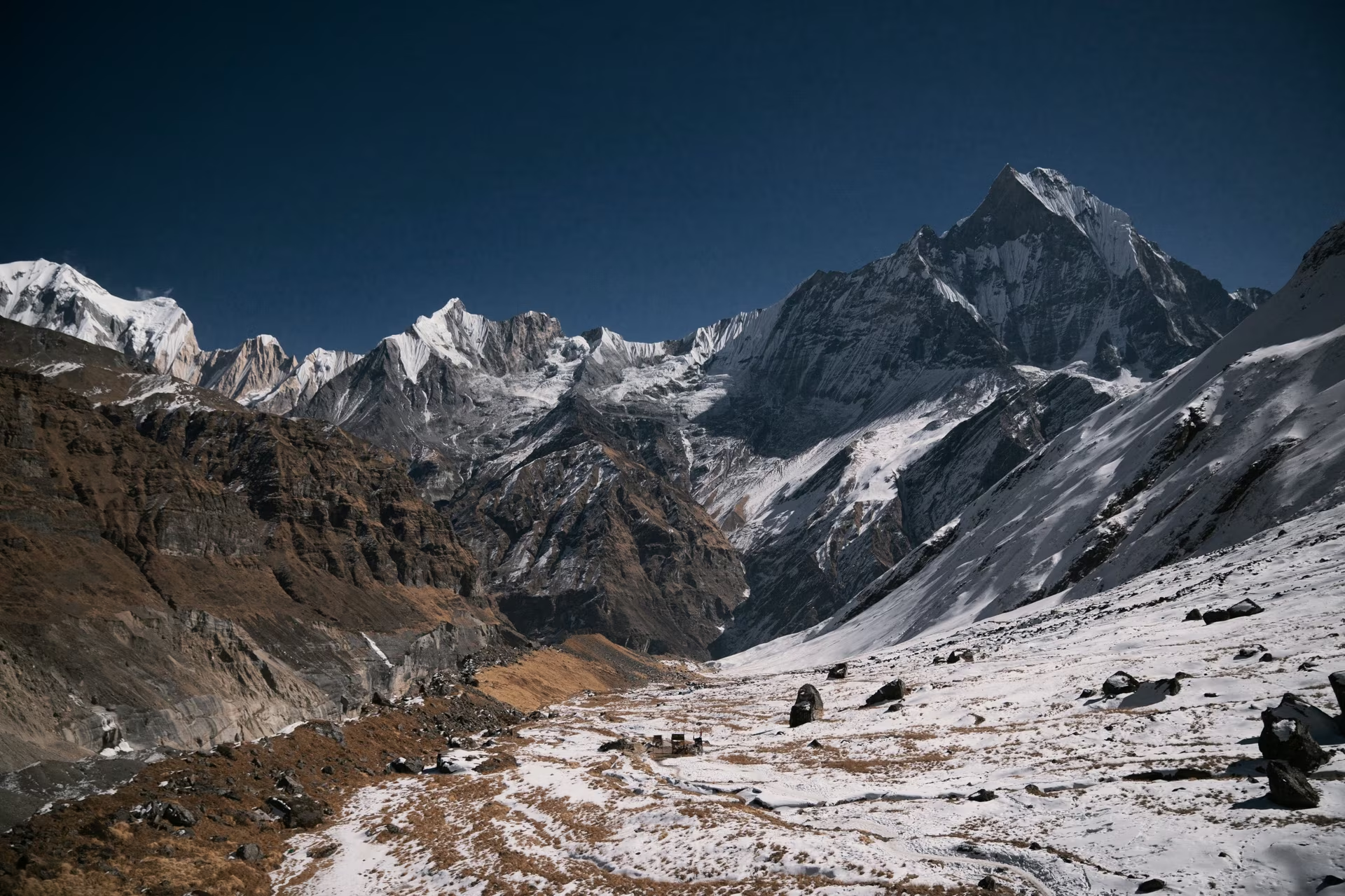
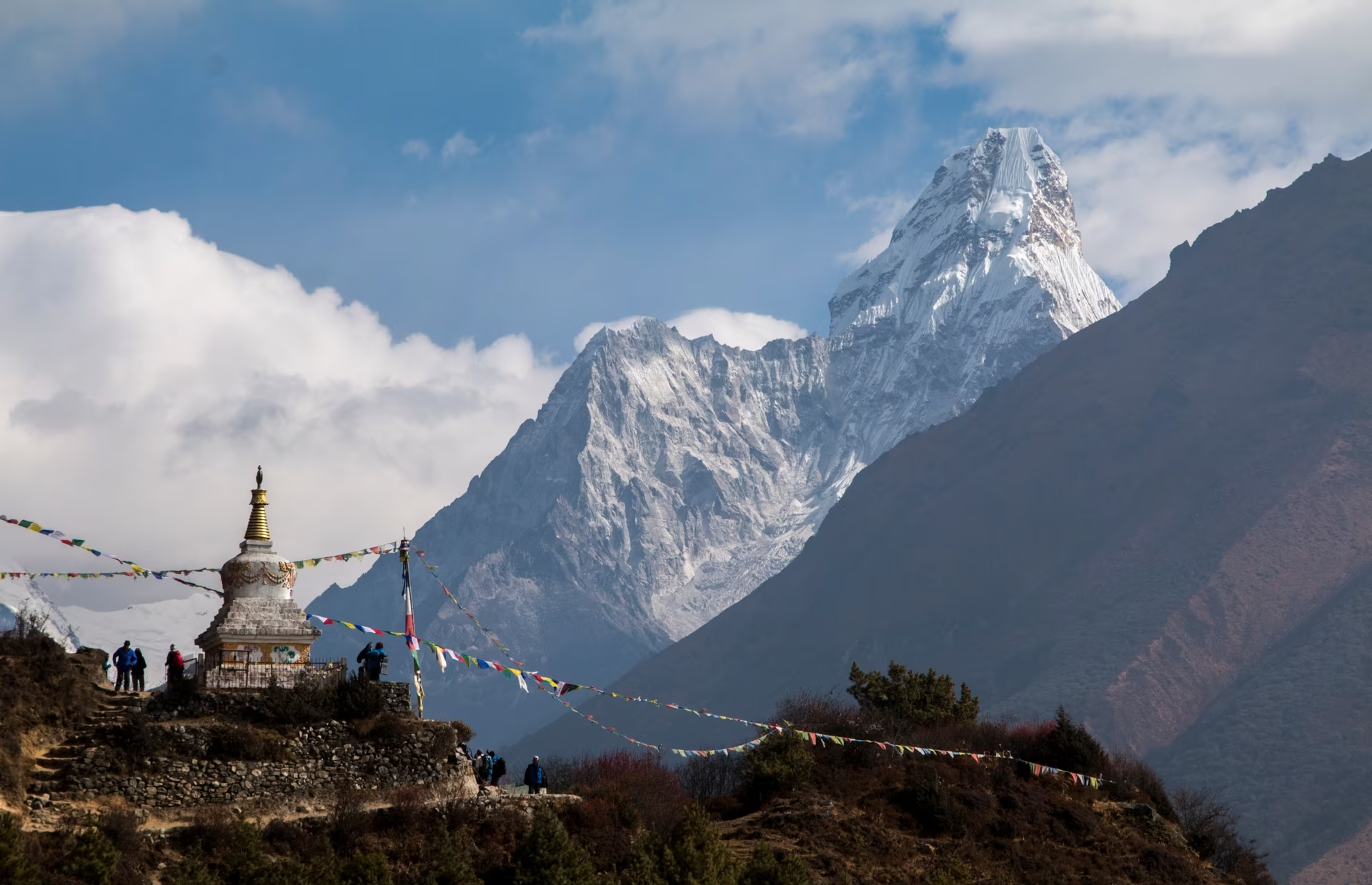
The Manaslu, whose name means "Mountain of the Soul", holds a special place in the history of mountaineering. While Everest is associated with the British and Annapurna with the French, Manaslu is considered the mountain of the Japanese since its first ascent in 1956 by a Japanese expedition. Since then, many climbers have reached its summit, while others have lost their lives attempting to climb it. An imposing granite mountain covered in eternal snow, Manaslu reaches 8,163 meters in altitude, making it the 8th highest peak in the world. During around fifteen days of trekking around Manaslu, you travel far from the mass tourism of Annapurna. The route crosses valleys covered with lush rice fields, picturesque villages punctuated by Buddhist chants, and runs along rivers and snow-capped mountains.
The stages of your journey
Highlights
Day-by-day itinerary
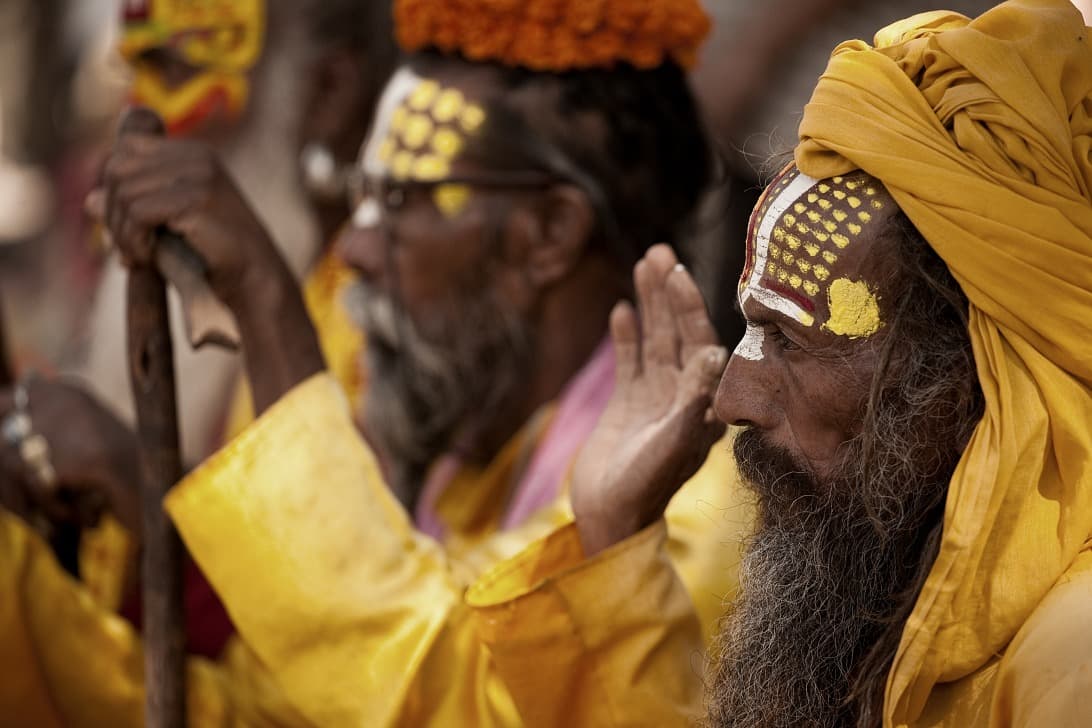
Arrival in Kathmandu
Upon your arrival at Tribhuvan International Airport in Kathmandu, you are welcomed and assisted by our local representative.
A short car journey then takes you to your hotel, where you can settle in and take a few moments to rest after your journey.
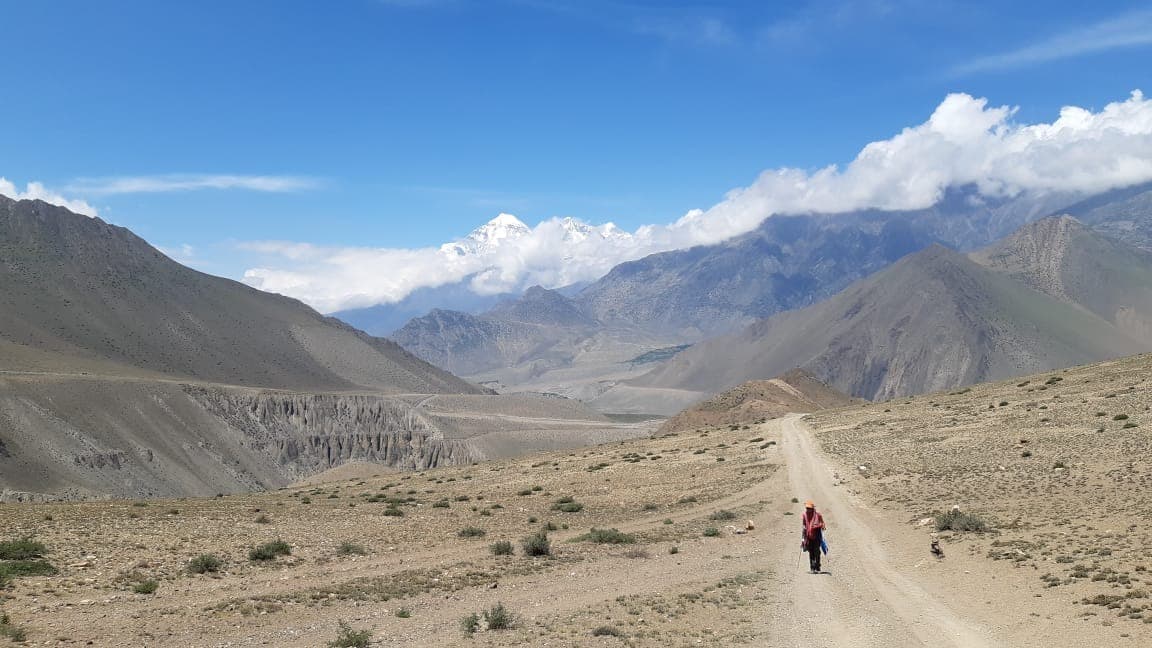
Route to Barpak Through the Nepalese Valleys
Meet at 6:30 AM to head towards Barpak. After several hours of driving, you stop around 9 AM at a picturesque restaurant, where you enjoy the setting, service and gastronomic choices on offer. You then continue on the road through lush valleys dotted with small villages. After about four hours, you leave the main road to take a rugged track in a four-wheel drive vehicle.
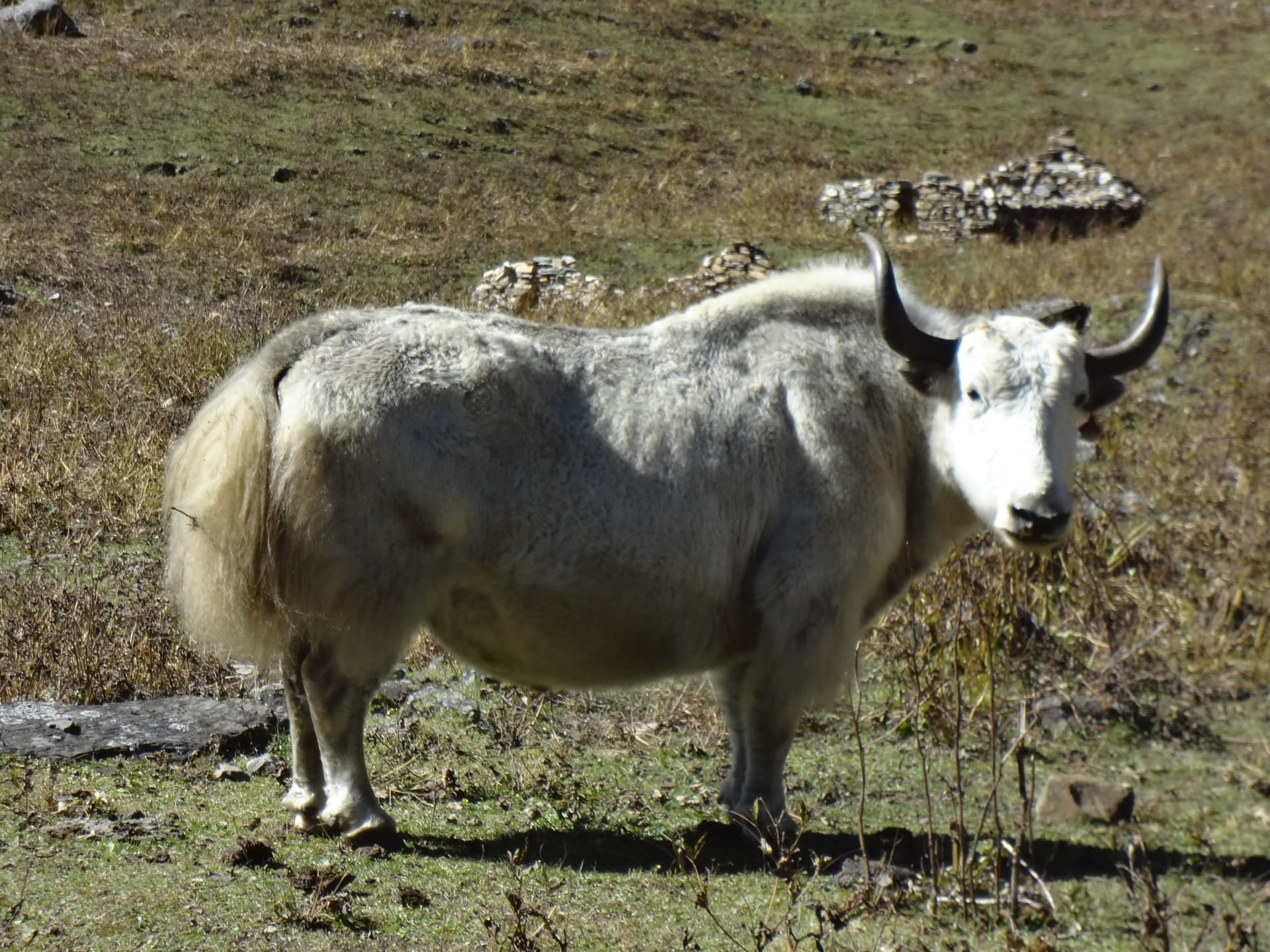
Barpak to Laprak between mountains and rice fields
After breakfast, you begin a steep ascent into the heart of the mountain landscape. On your left, the Buddha Mountain reflects the morning light on its snow-covered slopes, while on your right stretch rice fields cultivated by Nepalese women. After approximately 3 hours of climbing, you reach 2,800 meters altitude and enjoy the view before starting the descent. You then cross the village of "Laprak 2", devastated by the earthquake, where soldiers are participating in the reconstruction of houses alongside the local population.
In the late afternoon, you arrive in the old village of Laprak, situated at 2,100 meters altitude. From your room, you enjoy a beautiful view over the cultivated valley
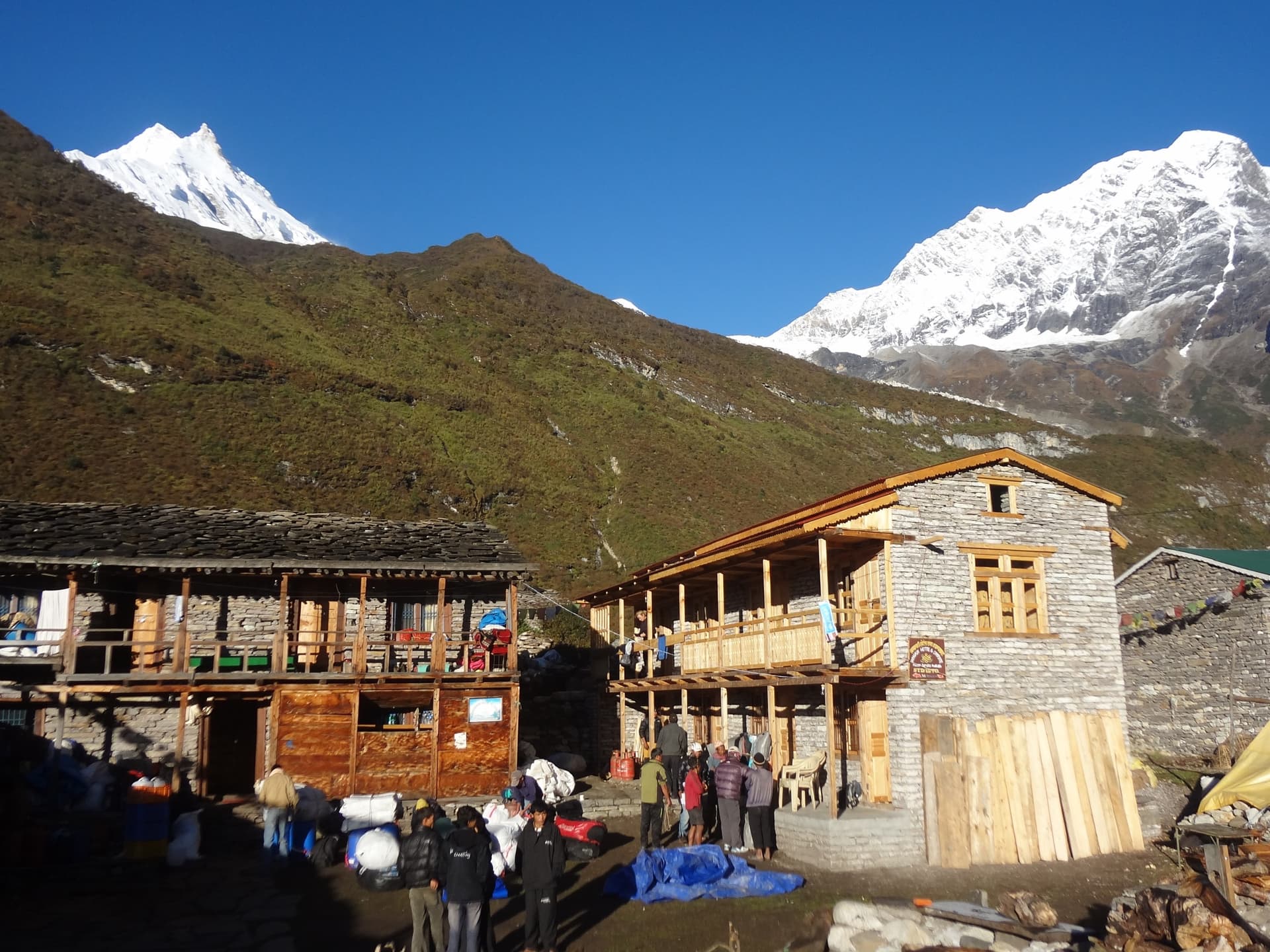
Laprak - Khorlabesi
This day constitutes one of the most demanding stages of your trek. You descend to the bottom of the valley to cross a metal suspension bridge, then continue your walk along a vast hill. After crossing Sing La, you begin a new descent by a steep staircase down to Khorlabesi, situated at 900 meters altitude. The village is accessible after crossing two suspension bridges. After this long day of walking, you enjoy a moment of rest at the riverside, accompanied, if you wish, by an Everest Beer.
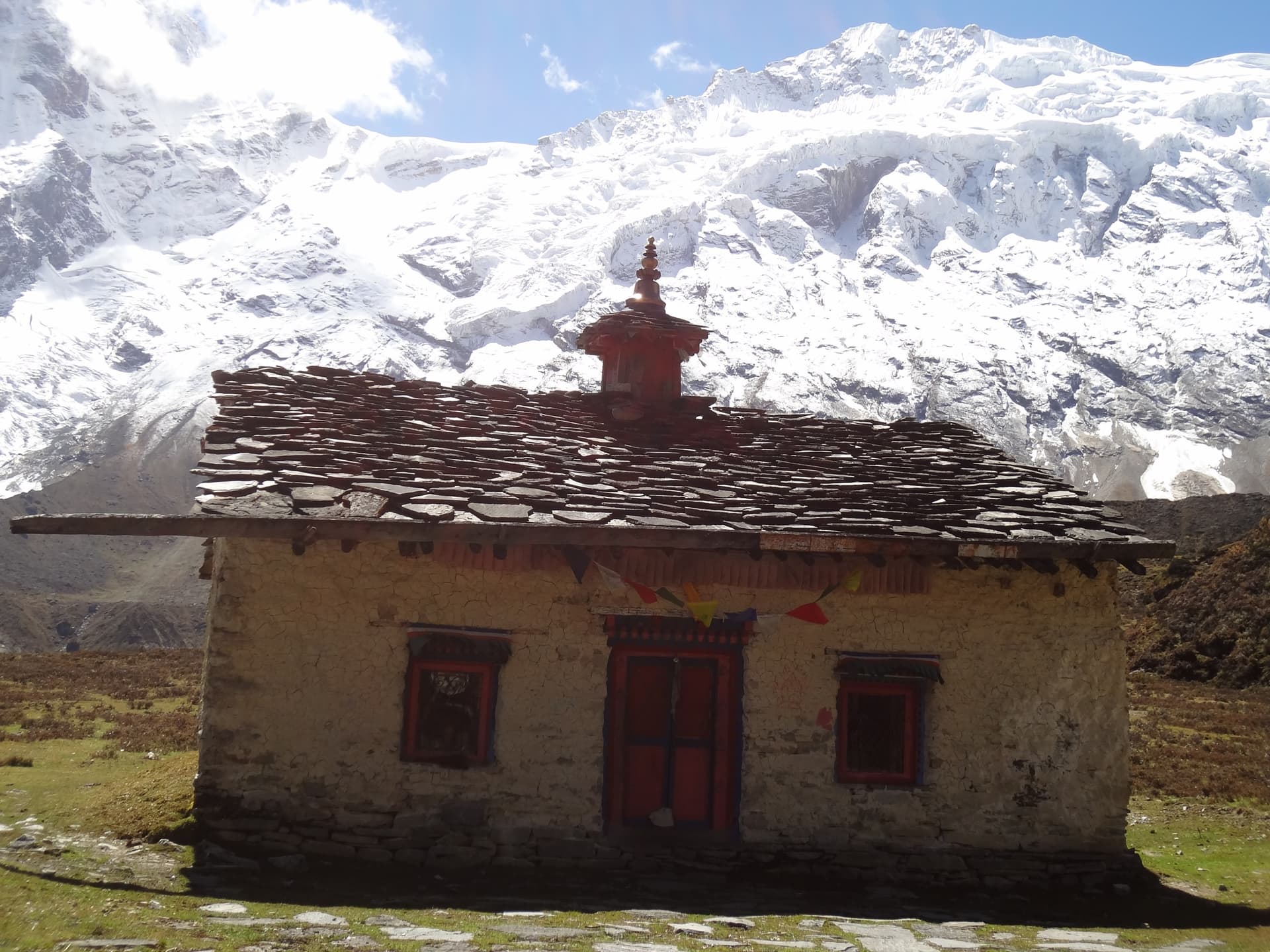
From Khorlabesi to Jagat via the hot springs of Tatopani
Awakened by your sherpa, you set off without having breakfast to reach the village of Tatopani, located just one hour's walk away. The village has a hot spring and heated swimming pool, set between the river and the limestone cliff face. The mist rising from it and the lush vegetation surrounding the facility contrast with the surrounding landscapes. You then resume your walk and encounter many mule convoys along the way. A stop at Yuru Khola allows you to regain your strength with a Dal Bhat, a dish particularly appreciated at this restaurant according to guides.
The trek continues pleasantly with little elevation gain. In late afternoon, you reach Jagat, located at 1,340 meters altitude. The village is larger than those crossed during the previous stages.
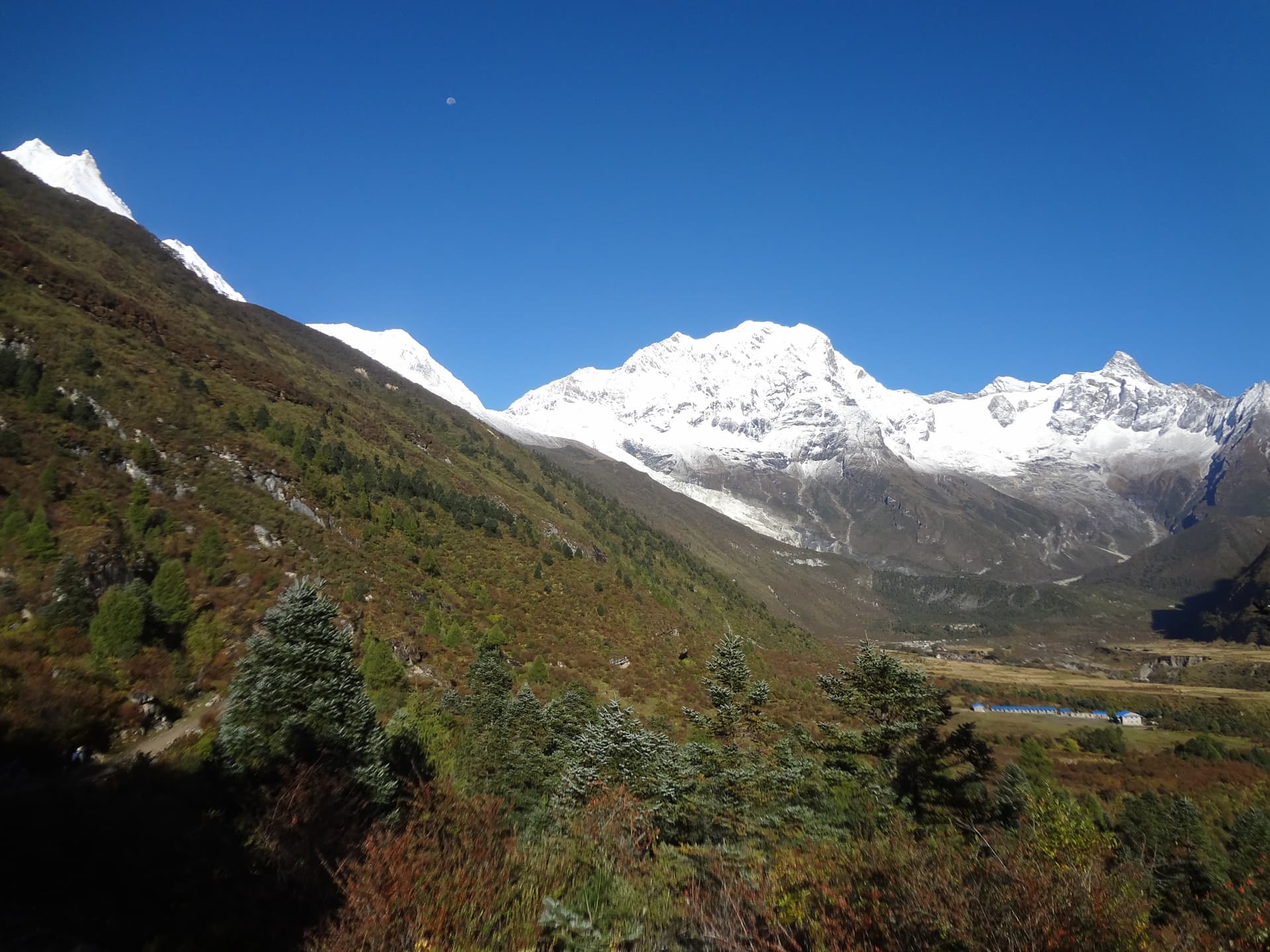
Trek from Jagat to Deng facing Ganesh Himal
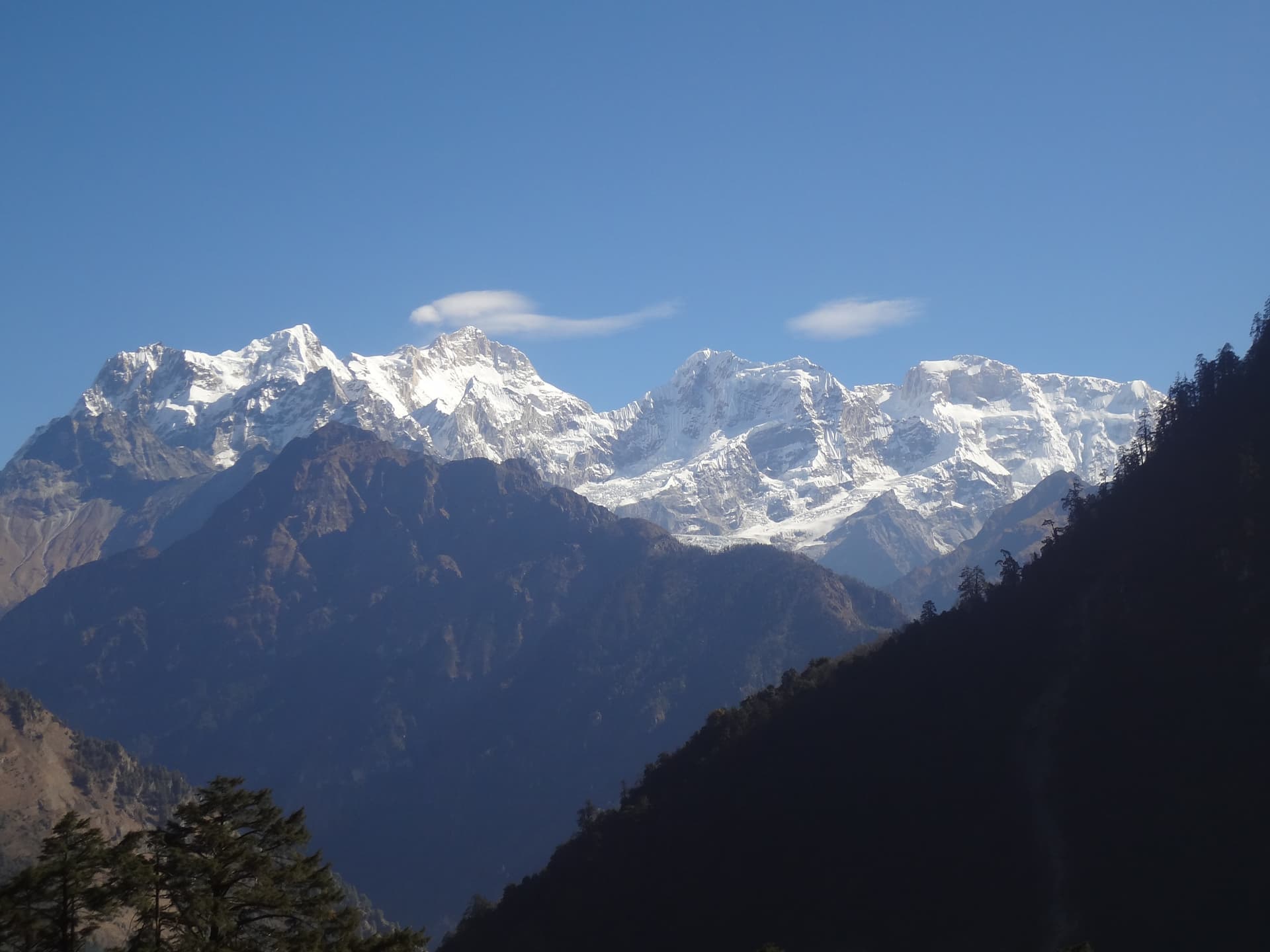
In Gurungs country
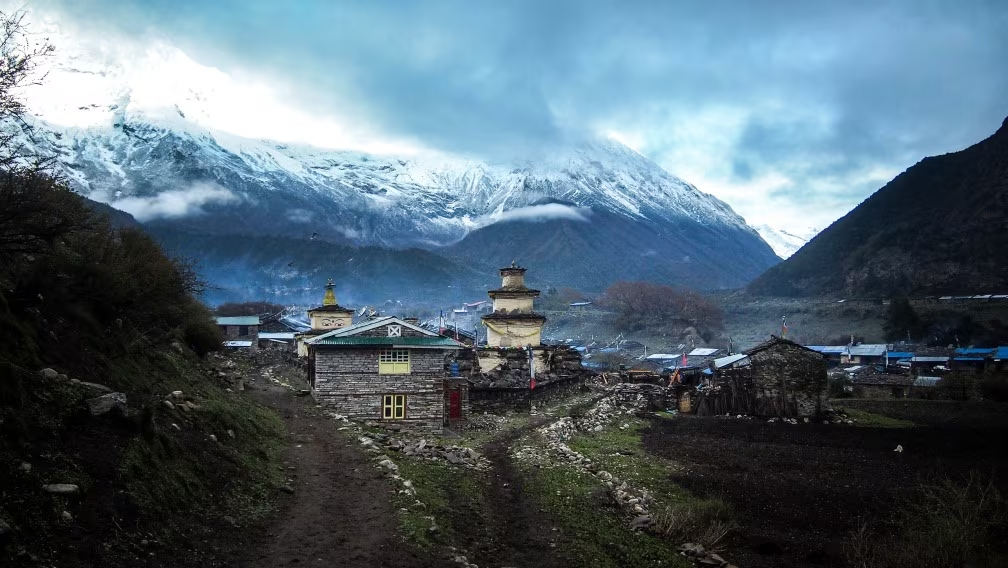
Today, you cross the threshold of 2,000 meters altitude and continue your progression through Gurung country. Gradually, the gorges widen and the horizon opens towards Tibet. Along the way, you pass through several authentic villages, formerly used as stops on the salt trade route, witnesses to the history of this mountainous region.
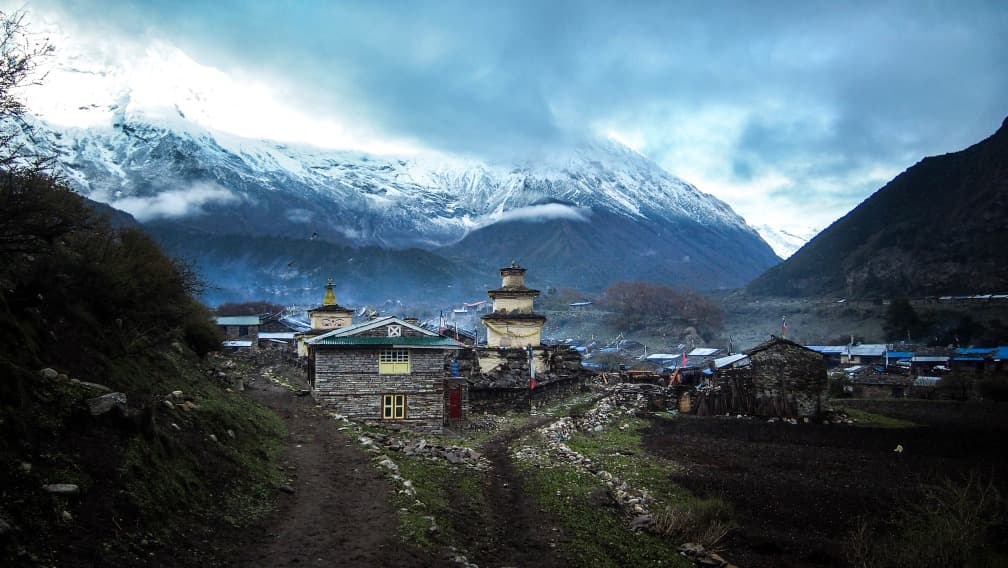
Trek at the foot of Manaslu to Samagaon
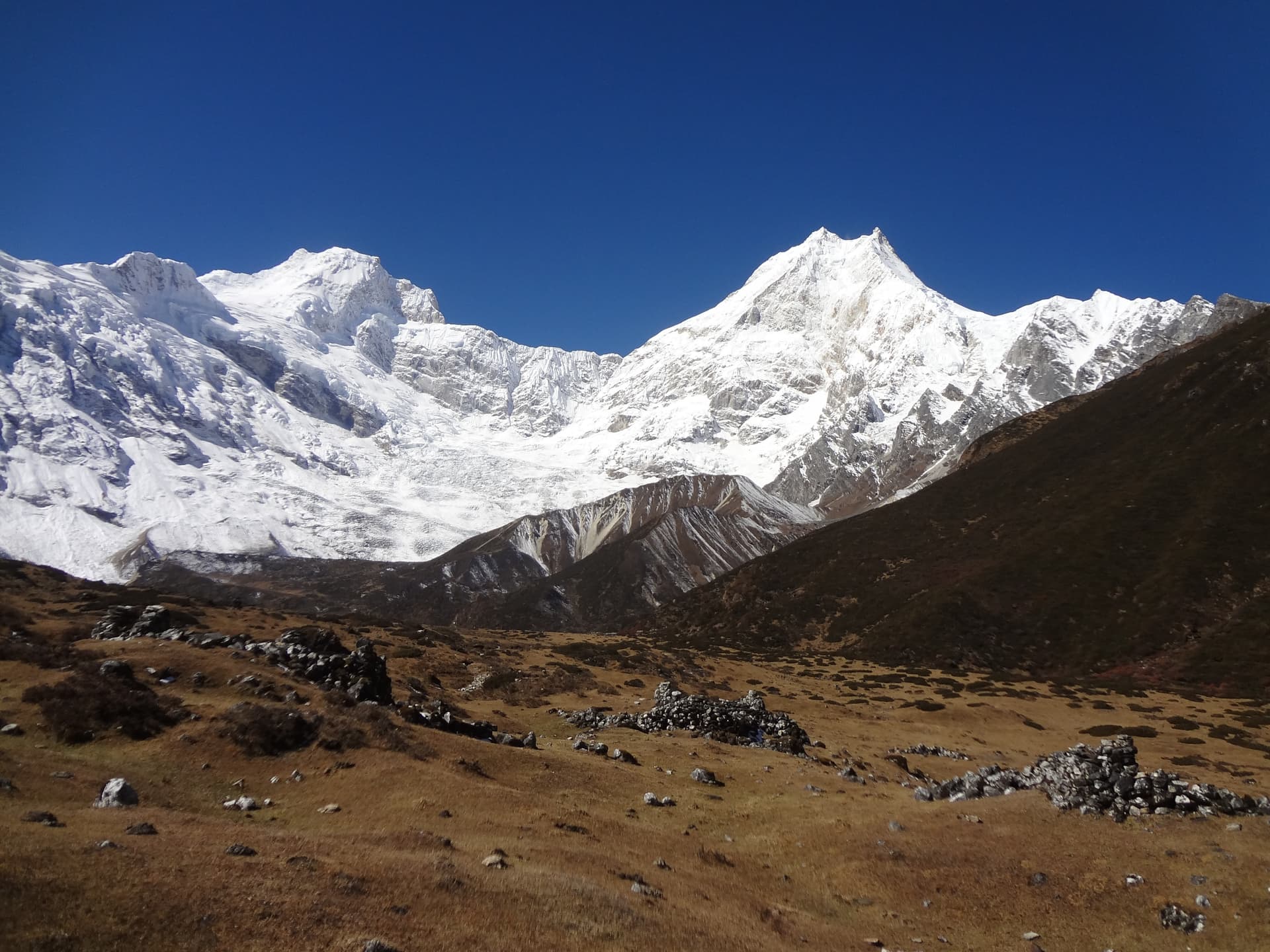
Punggyeong Excursion
Today, you can choose to enjoy a rest day in Samagaon or set out with your guide towards Punghyen, the former name of Manaslu. This hike offers you a face-to-face encounter with Manaslu, a highlight of the trek, marked by proximity to this iconic peak.
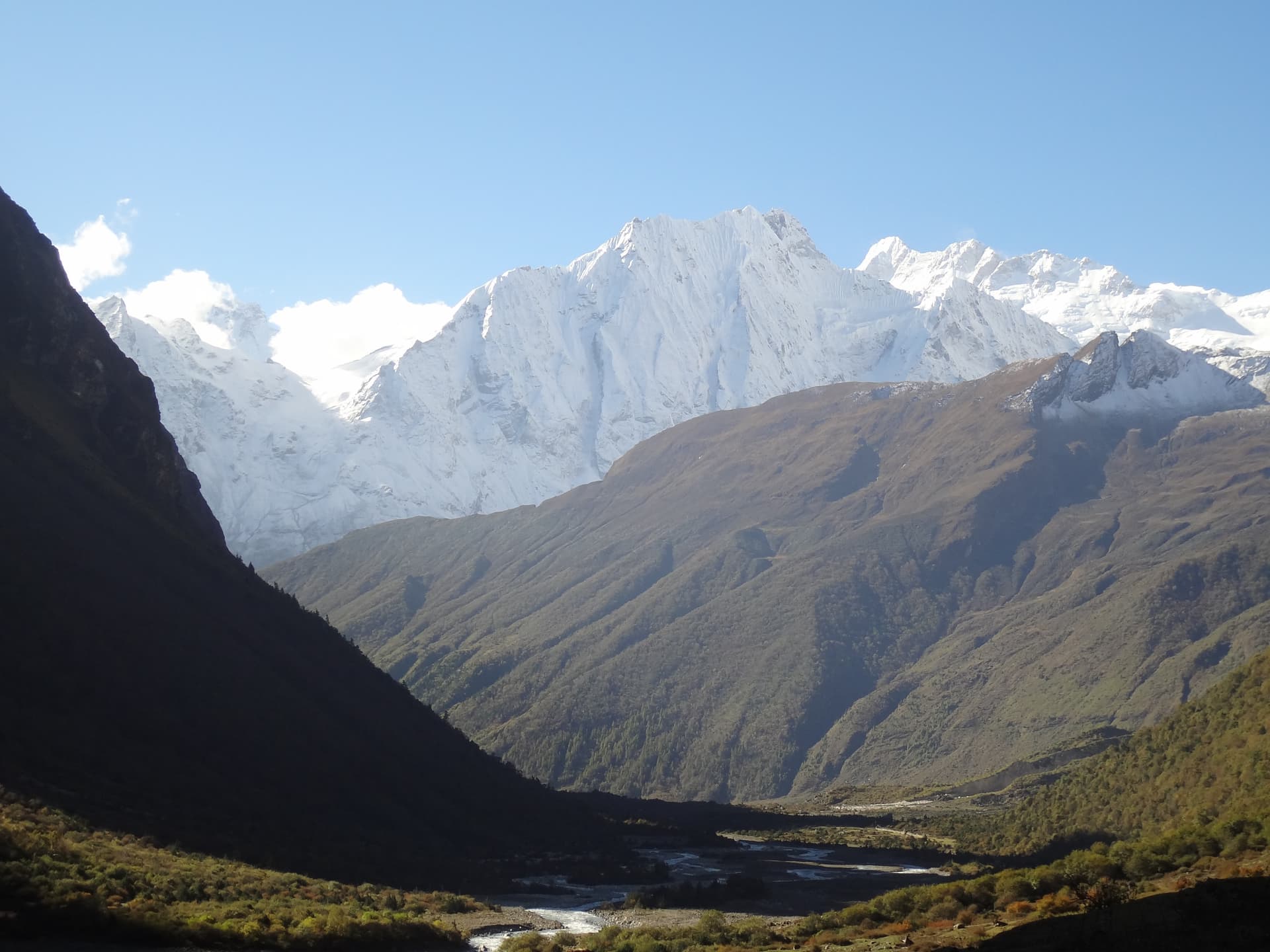
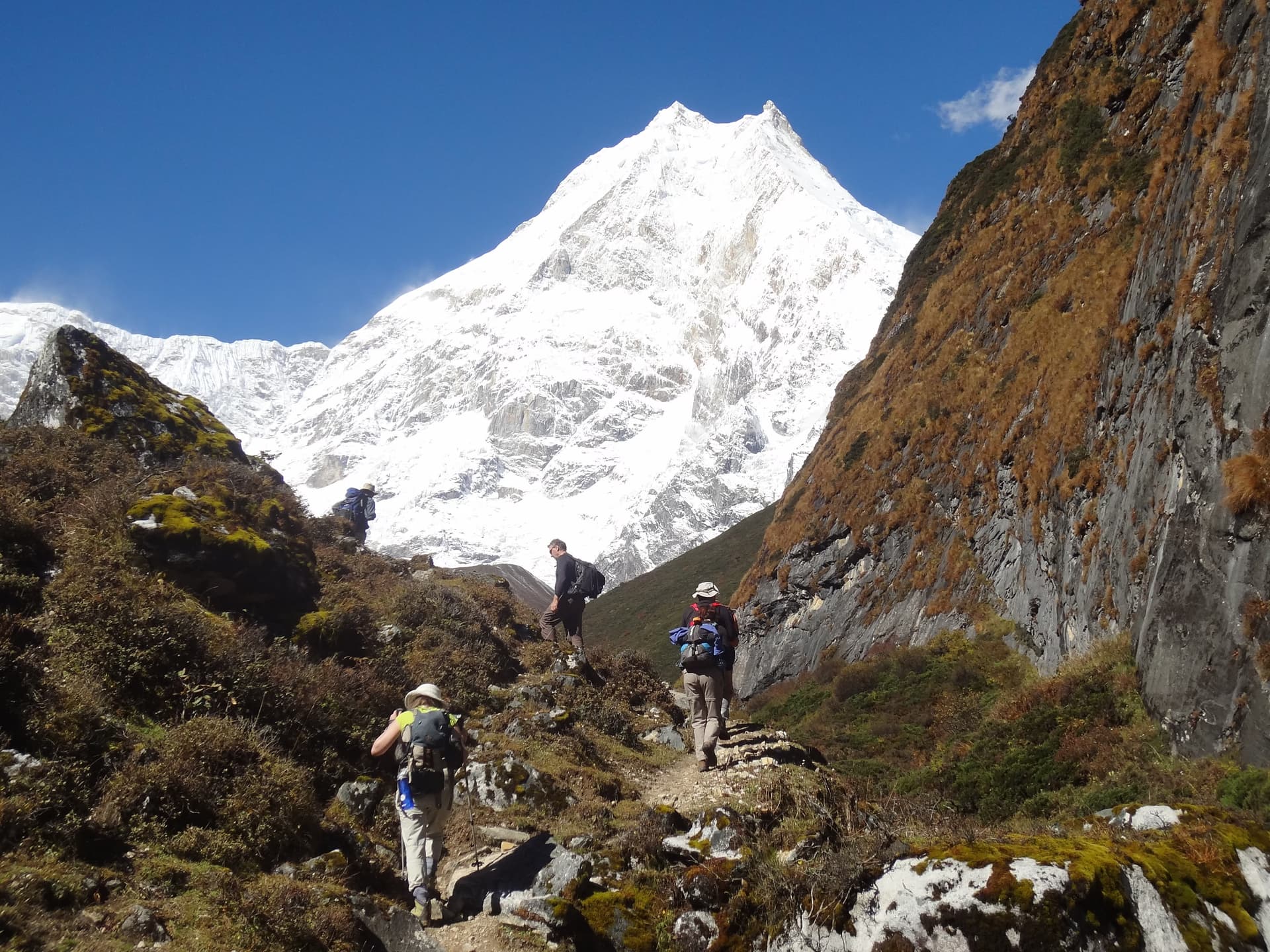
Beyond 4,000 meters
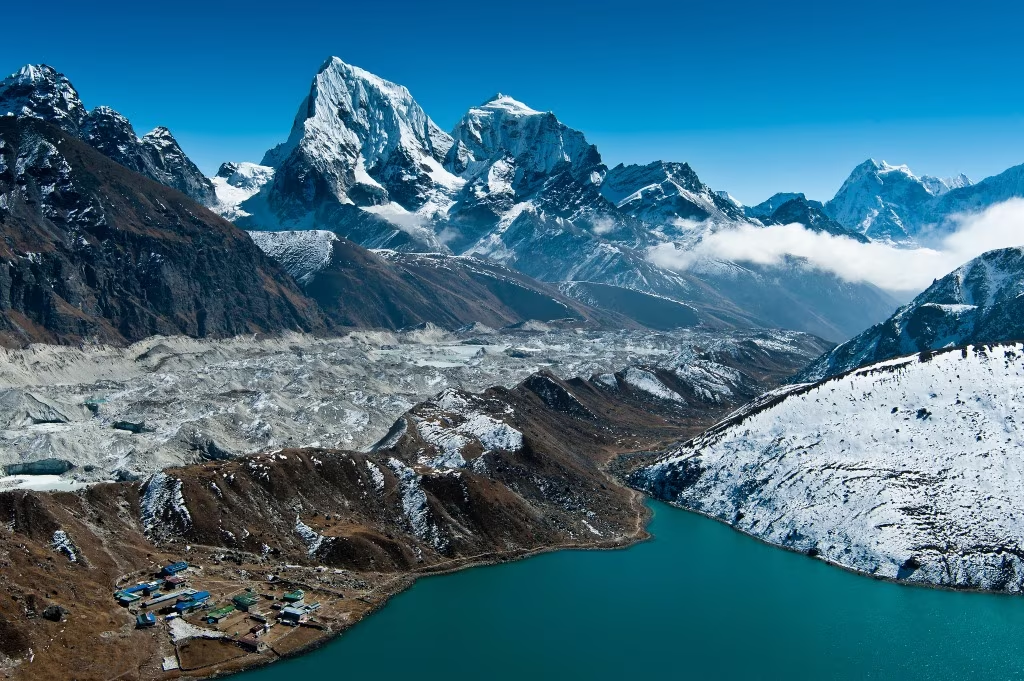
This short day of trekking allows you to cross the 4,000 meters altitude mark. You then enjoy a well-deserved rest period to prepare for the mountain pass crossing scheduled for the next day.
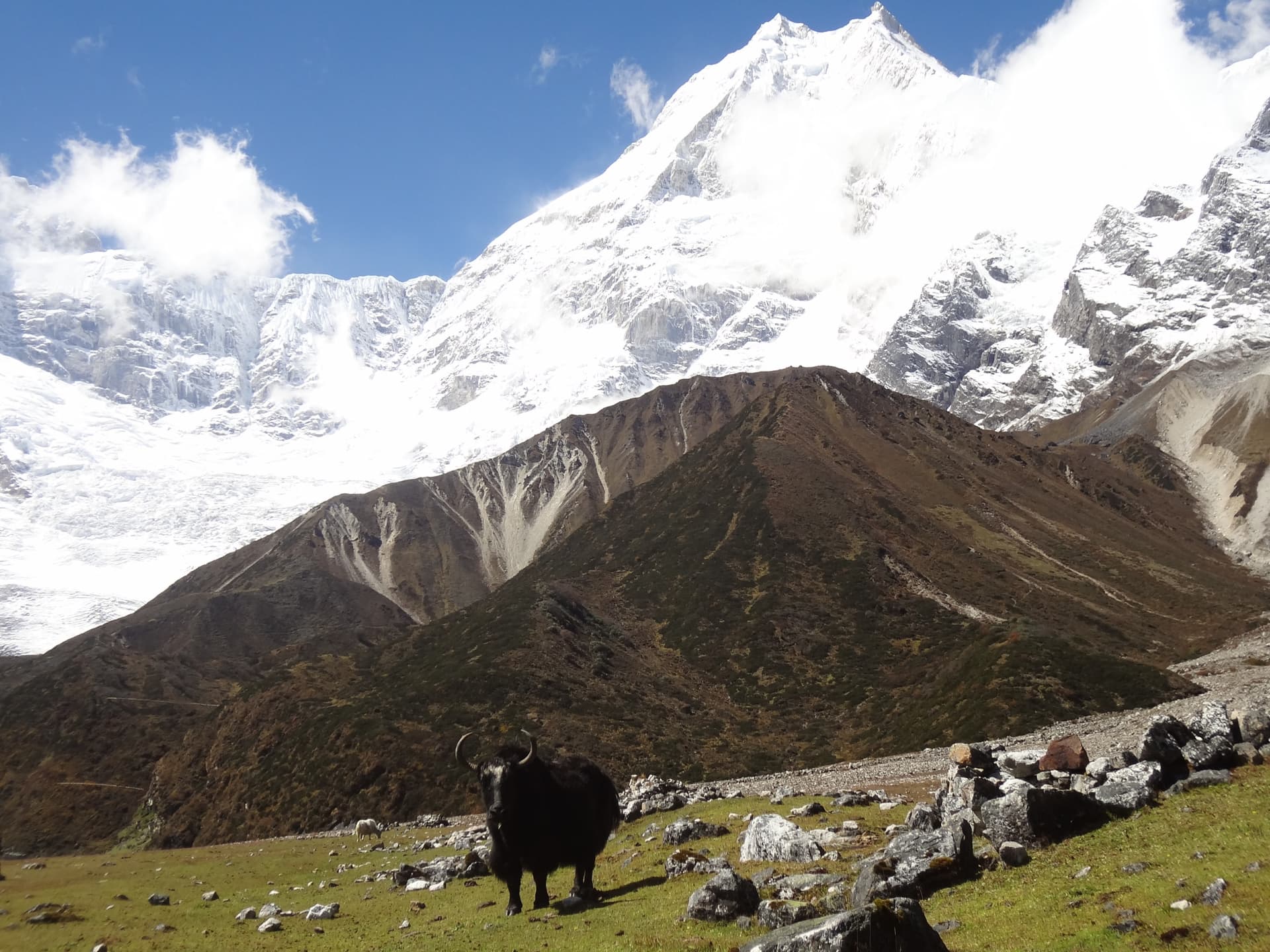
Larkya La Pass
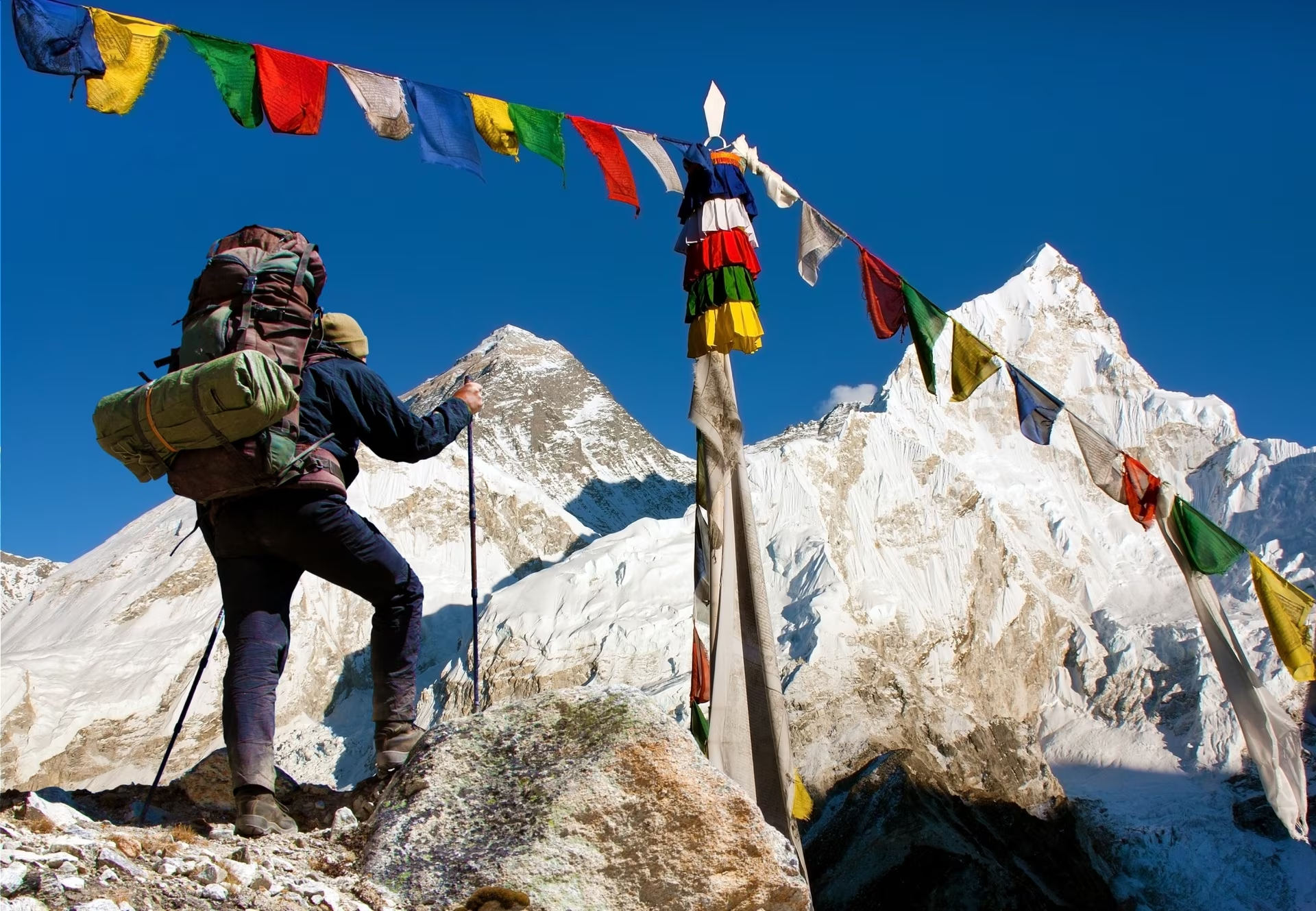
Early morning wake-up for this long day of trekking. You begin the climb towards the Larkya Pass, without major difficulty, and reach its summit at 5,125 meters altitude. After crossing the pass, you begin a long descent to the village of Bhimtang, where this stage ends.
Last day of trekking between Manaslu and Annapurna
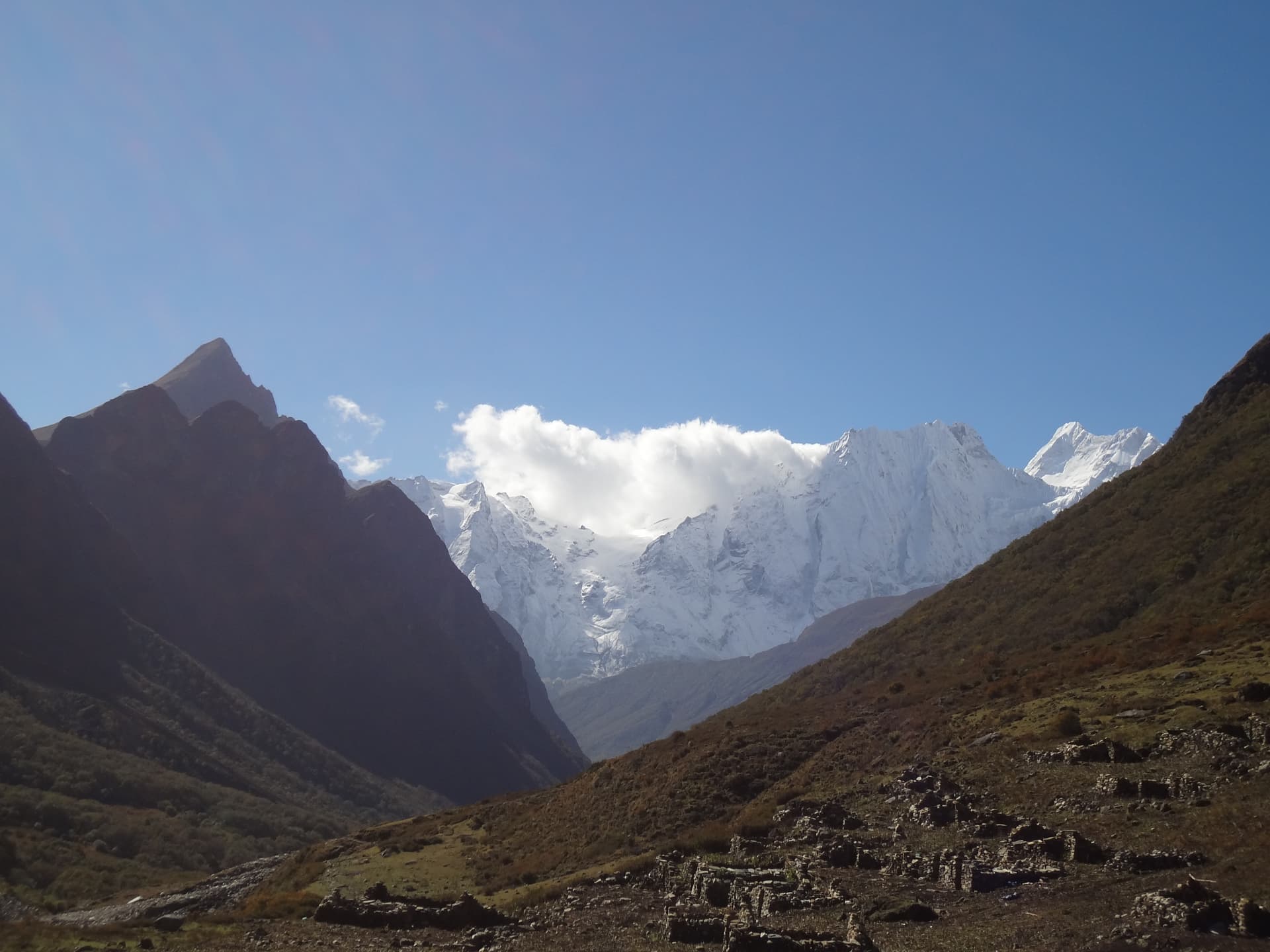
The most demanding part is now behind you and your trek is coming to an end. You start your last full day of hiking while enjoying the peaks that stand out around you. To the east rises Manaslu, while to the west appear the Annapurna, accompanying this final stage of your trek.
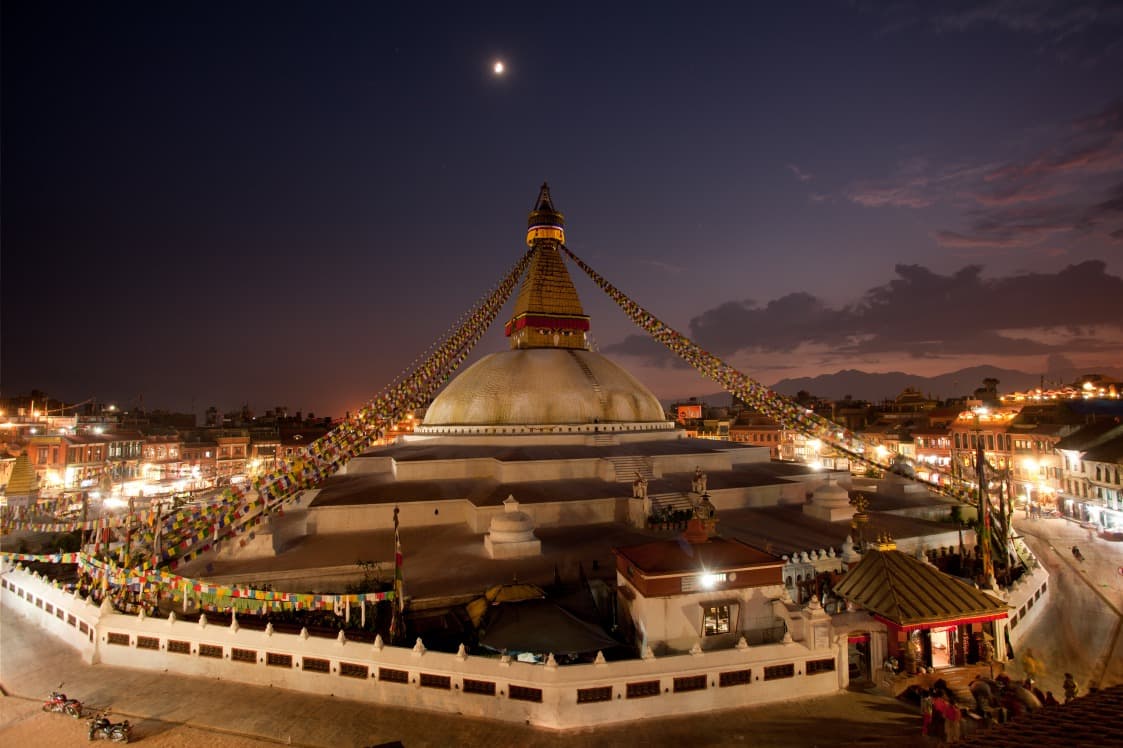
Last steps of the trek and return to Kathmandu
Departure
According to your flight schedule, transfer to the international airport approximately 3 hours before your departure for your return flight.
Price per person
Indicative price per person, based on double room. Each trip is customized according to your preferences.
This trip can be tailored to your preferences
This itinerary provides an excellent foundation for discovery, but it can be fully customized. Our local advisors build each trip tailored to your budget, dates and preferences.
Not included
- International Flight
- Nepal Entry Visa (50$ US on arrival)
- Lunches and dinners in Kathmandu
- Beverages (Alcoholic and Non-Alcoholic)
- Personal trekking equipment
- Tips
- Travel insurance (mandatory)
- All services not mentioned in the program
Included
- All airport transfers in private vehicle
- 3 nights at Nomad hotel in BB (breakfast included)
- Kathmandu → Barpark
- Transport Tilje → Besisahar → Katmandou
- Experienced English-speaking sherpa guide
- 1 porter for 2 people
- All meals in lodge (full board in the mountains)
- All accommodations (hotel and lodge)
- Annapurna Permit and Manaslu Restricted Area Permit
- TIMS Permit (Trekkers Information Management System)
Practical Information
Registration is considered firm and final after payment of a deposit of 30% of the total price and acceptance of the specific terms of sale.
The balance must be paid no later than 45 days before the departure date.
See our specific terms of sale for full details.
In the event of cancellation by the traveller, the following fees apply:
- Plus de 60 jours avant le départ : 40 % du prix total (acompte retenu)
- Entre 60 et 30 jours avant le départ : 50 % du prix total
- Moins de 30 jours avant le départ : 100 % du prix total
We strongly recommend taking out cancellation insurance. See our specific terms of sale for full details.
The information below concerns travelers who are nationals of the European Economic Area (EEA), Switzerland, and Canada traveling to Nepal for a tourist stay. Since entry rules may change, we recommend that you verify this information with the official authorities before your departure.
Passport
To enter Nepal, your passport must be valid for a minimum of six months from the date of entry into the country and must have at least two blank pages for immigration stamps.
The document must be in good condition (no damaged, torn, or altered pages).
Tourist visa
Unlike some destinations, Nepal does not grant visa exemptions to nationals of the European Economic Area, Switzerland, and Canada. A tourist visa is mandatory to enter the territory.
This visa can be obtained in two ways:
On arrival (visa on arrival): available at the main entry points, notably Tribhuvan International Airport in Kathmandu and certain land border crossings. It is strongly recommended to complete the application form online before departure to facilitate procedures on site.
Online before departure: via the official online visa system of the Nepalese government (online visa application), allowing you to obtain prior authorization to present upon arrival.
Official rates are as follows:
15 days: 30 USD
30 days: 50 USD
90 days: 125 USD
Payment is generally made in cash (USD, EUR, or other accepted currencies) or by credit card depending on the entry points. It is advisable to have US dollars in cash for payment on site.
The authorities may also request:
an exit ticket from the territory (return flight or onward journey),
proof of sufficient financial resources for the duration of your stay.
Online arrival form
Before your arrival, it is recommended to complete the online arrival form available on the official portal of the Nepalese government. This form allows you to provide immigration authorities with:
passport information
flight details
the address of your first accommodation in Nepal
A digital confirmation or a reference code may be requested when passing through immigration or at the visa issuance counter upon arrival.
Special permits for trekking areas
Certain regions of Nepal require additional permits in addition to the tourist visa:
the TIMS (Trekkers' Information Management System): mandatory for most trekking itineraries,
national park or conservation area permits (e.g., Sagarmatha for Everest, Annapurna Conservation Area),
restricted zone permits for certain specific destinations such as Mustang, Dolpo, or Manaslu.
These permits are generally obtained in Kathmandu or Pokhara from the relevant offices.
Health and vaccinations
No vaccine is mandatory to enter Nepal, except in case of arrival from a country at risk of yellow fever. However, several vaccinations are strongly recommended by health authorities:
hepatitis A and B,
typhoid,
diphtheria-tetanus-poliomyelitis (DTP),
rabies (especially for extended stays or in remote areas),
Japanese encephalitis (depending on areas and season).
Preventive antimalarial treatment may be recommended for certain low-altitude regions (Terai). It is advisable to consult a doctor or international vaccination center at least four to six weeks before departure.
Traveling with children
Minors must hold their own valid passport covering the duration of the stay, as well as their own tourist visa.
In certain European countries, when a minor travels without one of their parents, an exit authorization from the territory may be required according to the regulations of the country of residence.
Other nationalities
Entry conditions may vary depending on nationality. Travelers concerned should inquire with the embassy or consulate of Nepal in their country of residence.
To participate in our trips, it is strongly recommended to be covered for emergency assistance, repatriation and foreign medical expenses.
Your local agency encourages you to review the specific policy developed with our partner CHAPKA ASSURANCES and AXA ASSISTANCE.
To subscribe to insurance, learn about coverage and rates, follow the link below.
CAP EXPLORER: The complete insurance solution designed for a worry-free trip!
Choose the plan that suits you best:
Explorer'Multirisque
Explorer'Annulation
Explorer'Assistance
Explorer' Complémentaire Carte Bancaire
Specific to our trips, we strongly recommend subscribing to one of these plans.
If you choose to subscribe to one of these formulas, the full policy detailing all coverage and claims reporting procedures are available on the insurer's website.
Your local agency will be aware of it, but only the participant is responsible for complying with claims reporting procedures. The participant must therefore keep this policy with them throughout their trip.
Chapka — Cap Explorer
Our insurance partnerTravel with peace of mind with our partner Chapka. Cancellation, repatriation, medical expenses, baggage… All the coverage for a worry-free trip.
Travel with peace of mind — I'll handle the insuranceFrequently asked questions
Yes, a tourist visa is required, issued upon arrival at Kathmandu airport or at land borders (USD 30 for 15 days, USD 50 for 30 days, USD 125 for 90 days). A valid passport for at least 6 months beyond entry and an identity photo are required.
Go to the My Trips section to find all your projects.
You can send a message to your host directly from the Tea Lounge.
For a tailor-made quality trip, plan between 110 and 190 euros per day per person, including accommodation, meals, internal transportation and English-speaking guide. International flights (700-1100 euros return) are additional. Himalayan treks require a dedicated budget (permits, porters, lodges).
Your documents are accessible in the Documents tab of your trip.
Absolutely. We adapt each itinerary to our travelers' profiles. For families, we prioritize relaxed paces, family-friendly accommodations, fun and educational activities, and comfortable private transfers. Our English-speaking local guides know how to capture children's attention with age-appropriate anecdotes.
It's simple. You exchange with our local team to define your wishes, your budget and your dates. You receive a detailed itinerary proposal within 48 hours. You refine every detail together until you reach the perfect version. You confirm and travel with peace of mind. Your local agency remains available 7 days a week throughout your trip.
In case of emergency, contact your local agency immediately.
Payment is generally made in two installments.
Our agency is part of the Nomadays network, registered in France. You benefit from APST (Association Professionnelle de Solidarité du Tourisme) guarantee which covers 100% of your funds. Secure payment, repatriation insurance included, and English-speaking assistance 24/7 on the ground throughout your stay.
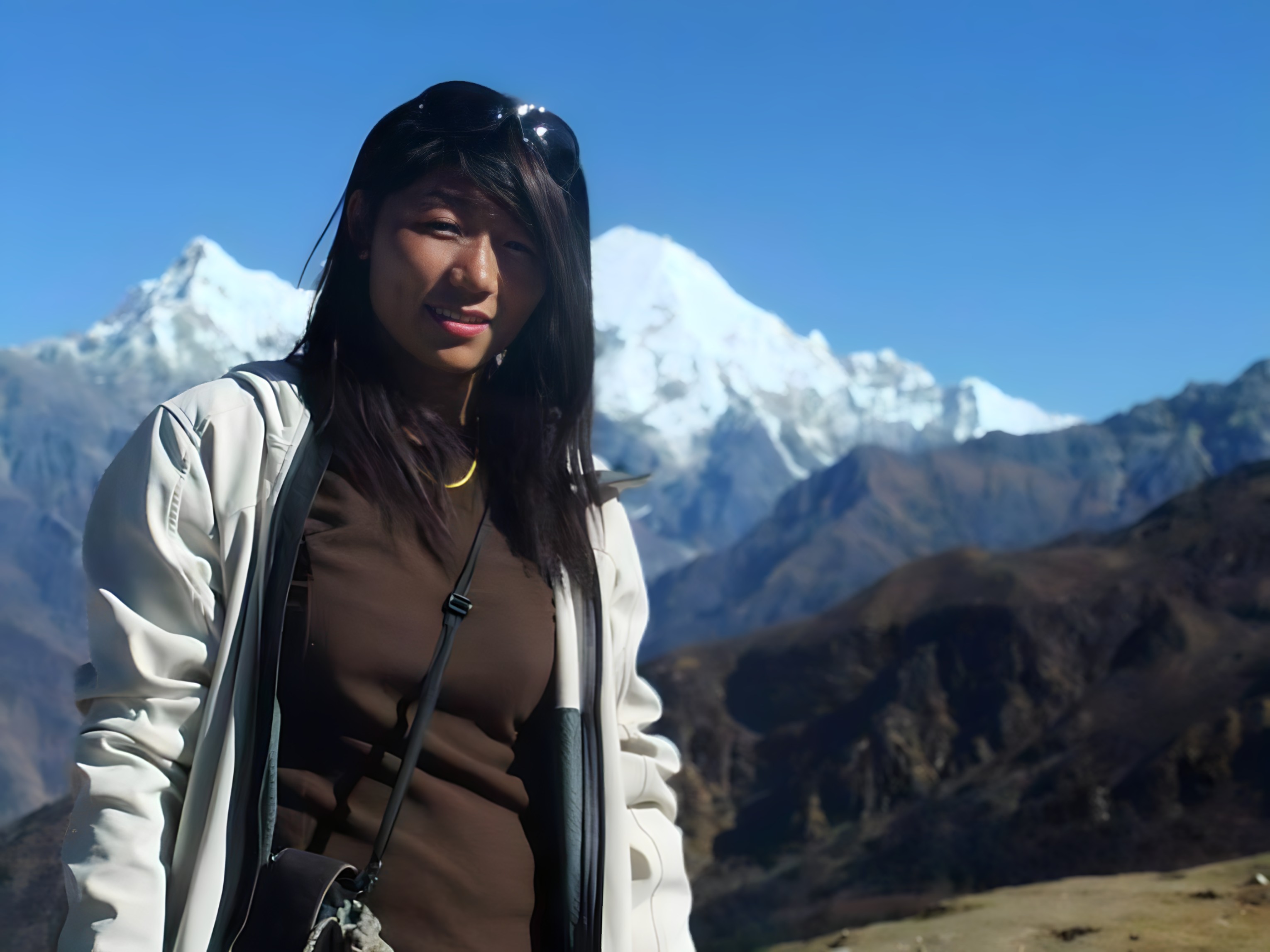
Let's talk about your adventure — Kathmandu Valley
Himalayan pathfinder, based in Katmandou (Naxal)
Nepal is a country that naturally teaches patience and humility. Even a simple trip can become a very profound experience there.
— Nirmala