The Annapurna Circuit
In the heart of the Annapurnas massif, a legendary trek between Tibetan villages and mythical passes
Duration
15 days
From
€1,185/pers.
Ideal seasons
Mar, Apr, May, Oct, Nov
Style
Expeditions
Comfort
budget
Travelers
Solo, With friends, Couple
The spirit of travel
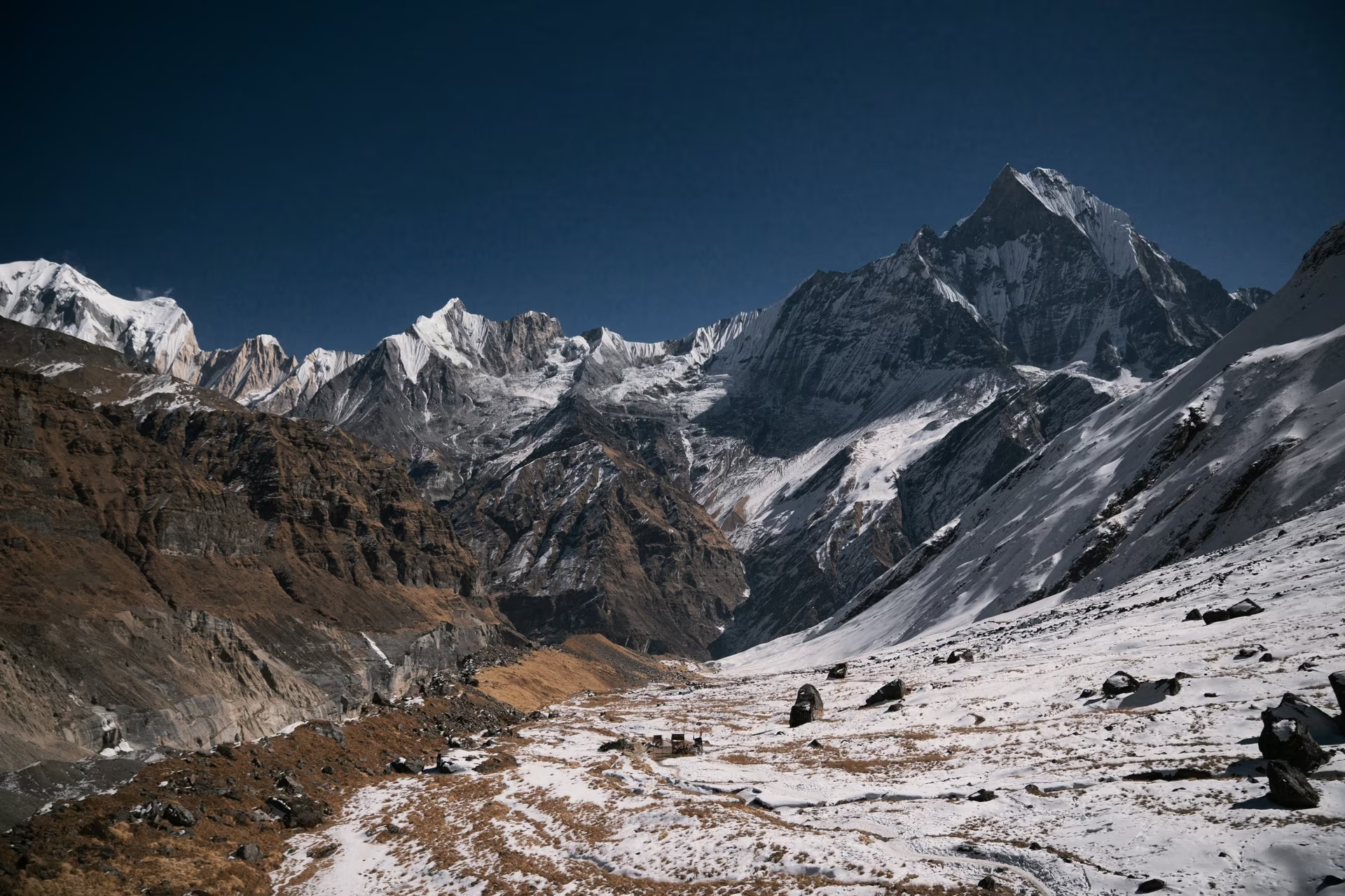
This trek is considered one of the most beautiful in the world.
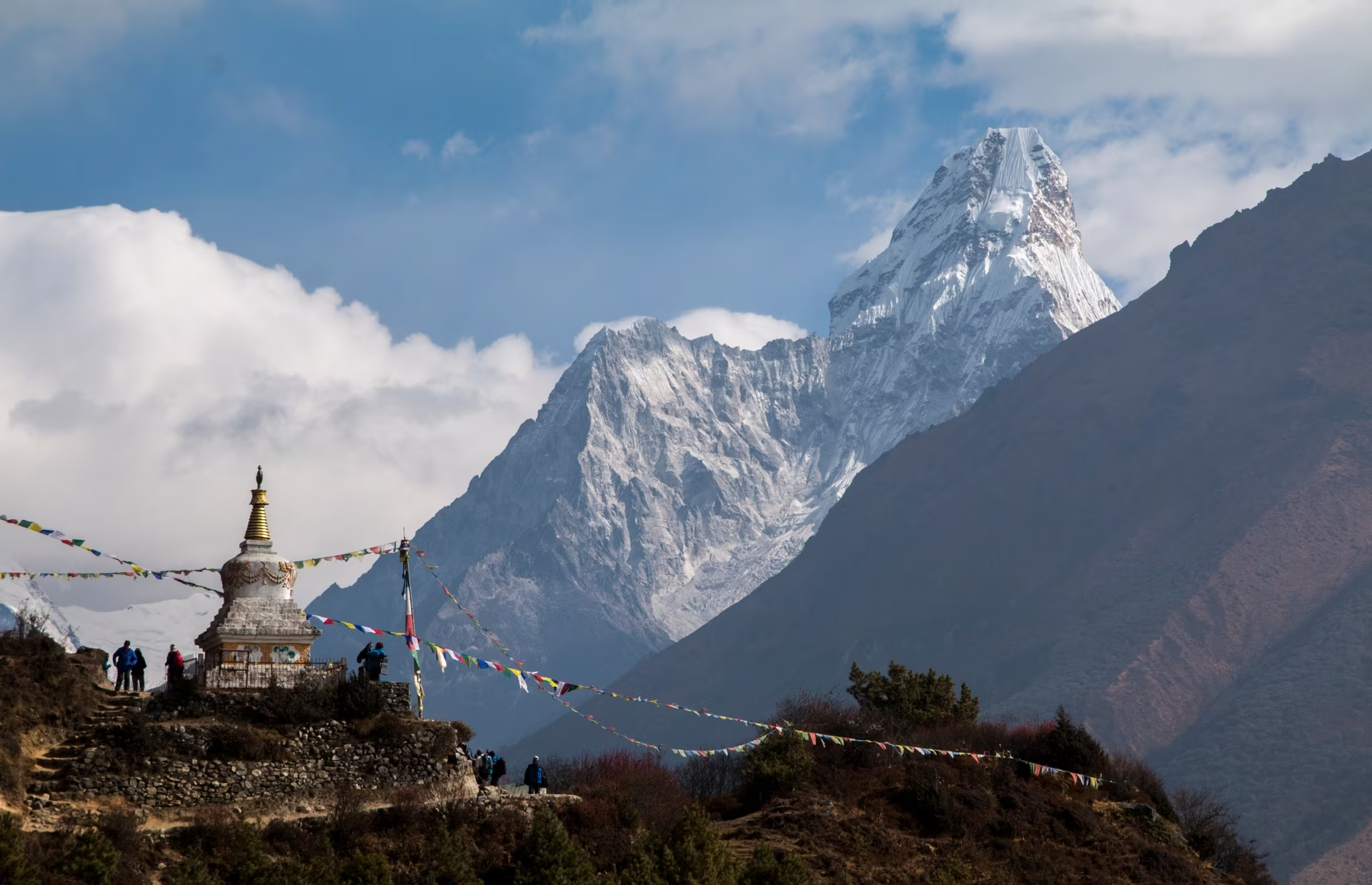
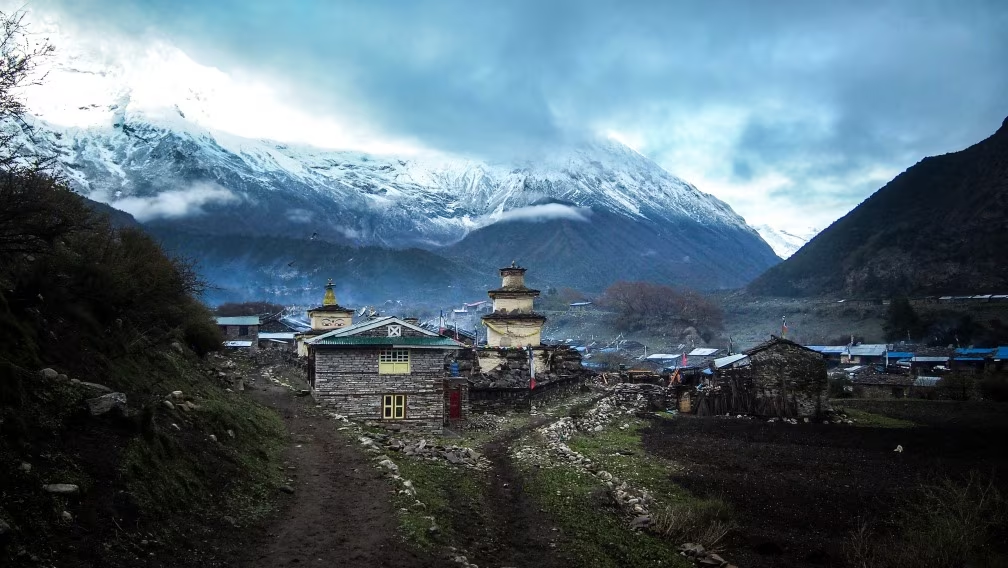
Between small villages with Tibetan architecture surrounded by terraced crops, pine forests and blooming rhododendrons, mountain ranges covered in eternal snow, it is a palette of colors that adorns the sumptuous landscape of the Manang valley.
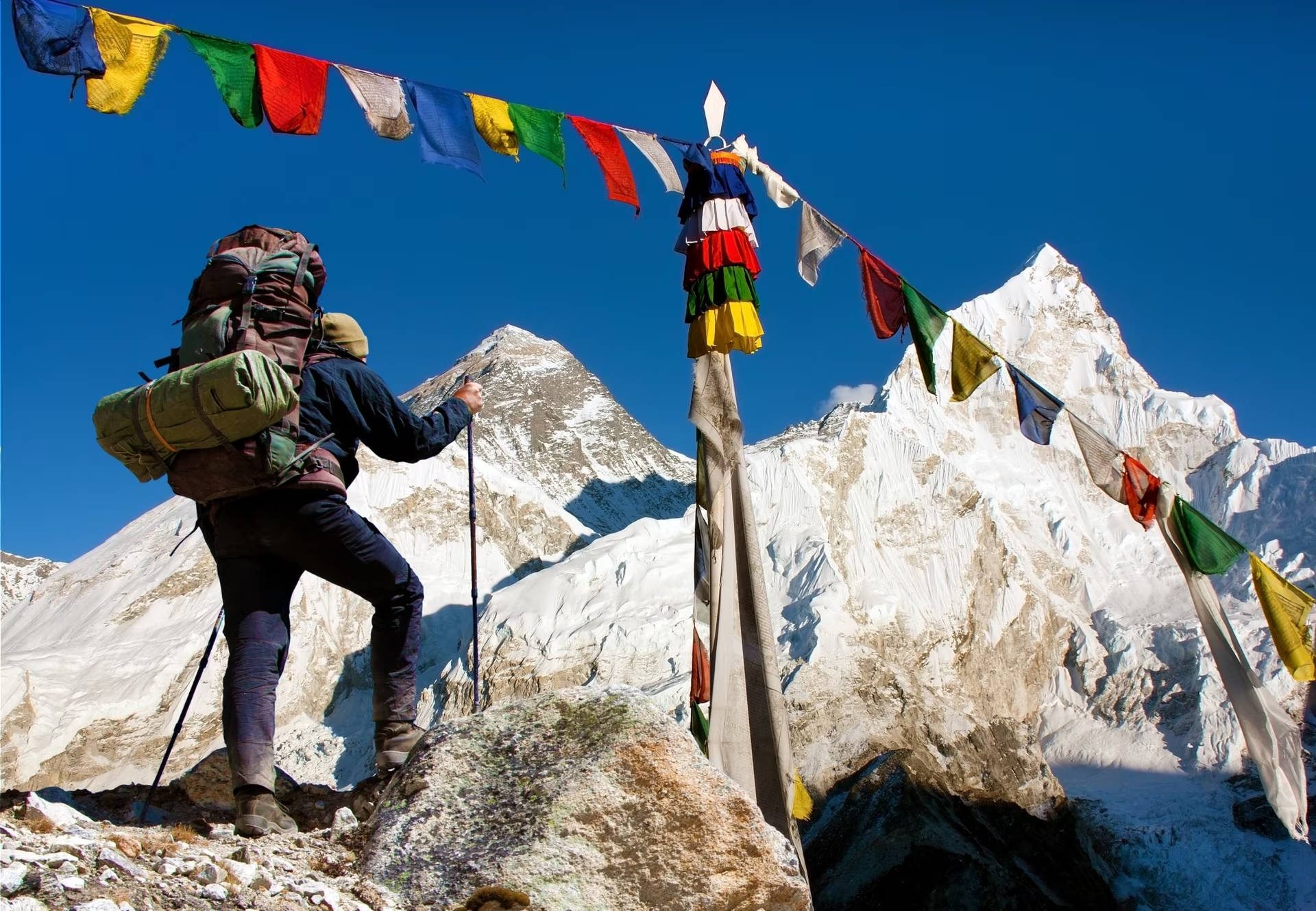
After climbing Thorong La (5416m), catch your breath facing the panorama unfolding before your eyes :
from Dhaulagiri, the red ridges of Mustang to the distant Hindu temples of Muktinath, dive into the heart of an unforgettable journey, as rich culturally as emotionally.
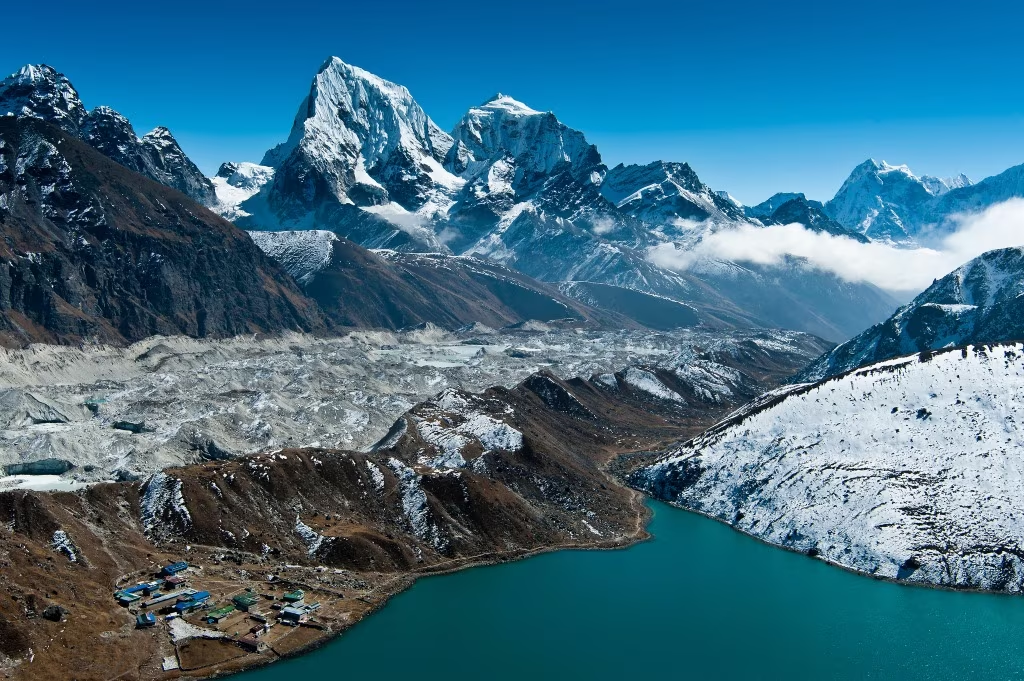
As the stages progress, the landscapes change constantly, shifting from lush valleys to vast high-altitude plateaus dominated by the giants of the Himalaya. Encounters with local populations, Buddhist monasteries and traditional villages offer an authentic immersion in Himalayan cultures. Thanks to regular progression favoring acclimatization, this circuit allows you to fully enjoy the exceptional panoramas and the unique atmosphere of the Annapurnas. A mythical trek that combines sporting challenge, cultural discovery and wonder at every moment.
The stages of your journey
Highlights
Day-by-day itinerary
Welcome to Népal
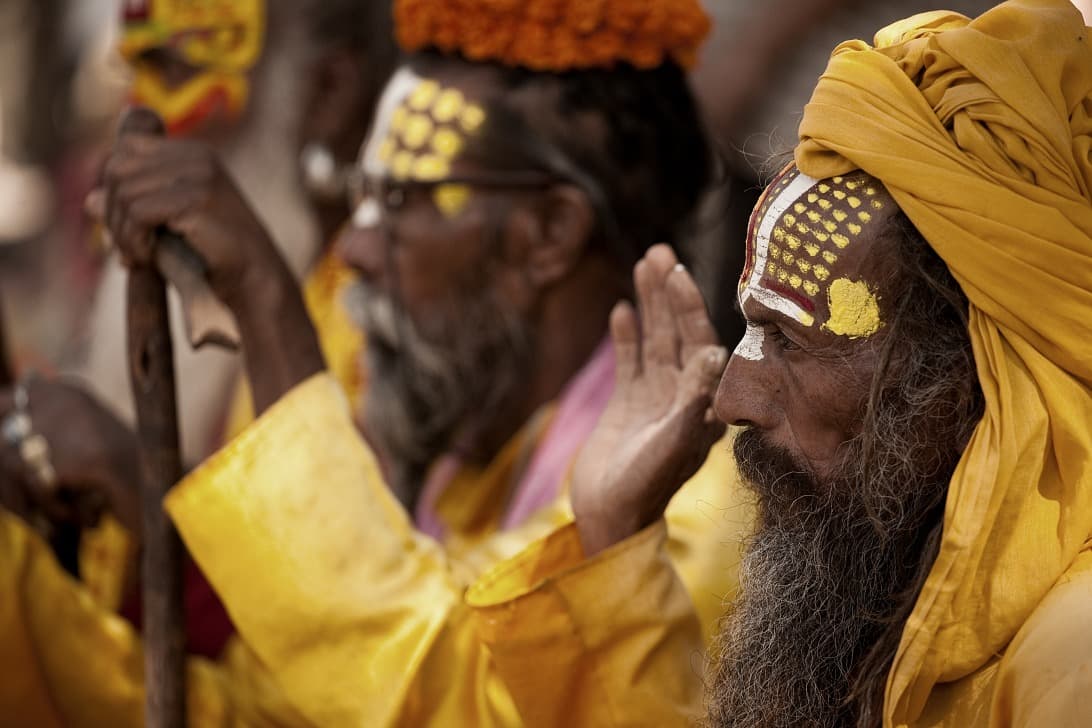
Welcome and assistance by our representative at Tribhuvan International Airport, in Kathmandu. A short car ride takes you to your hotel where you can rest for a few moments.
Start of the trek
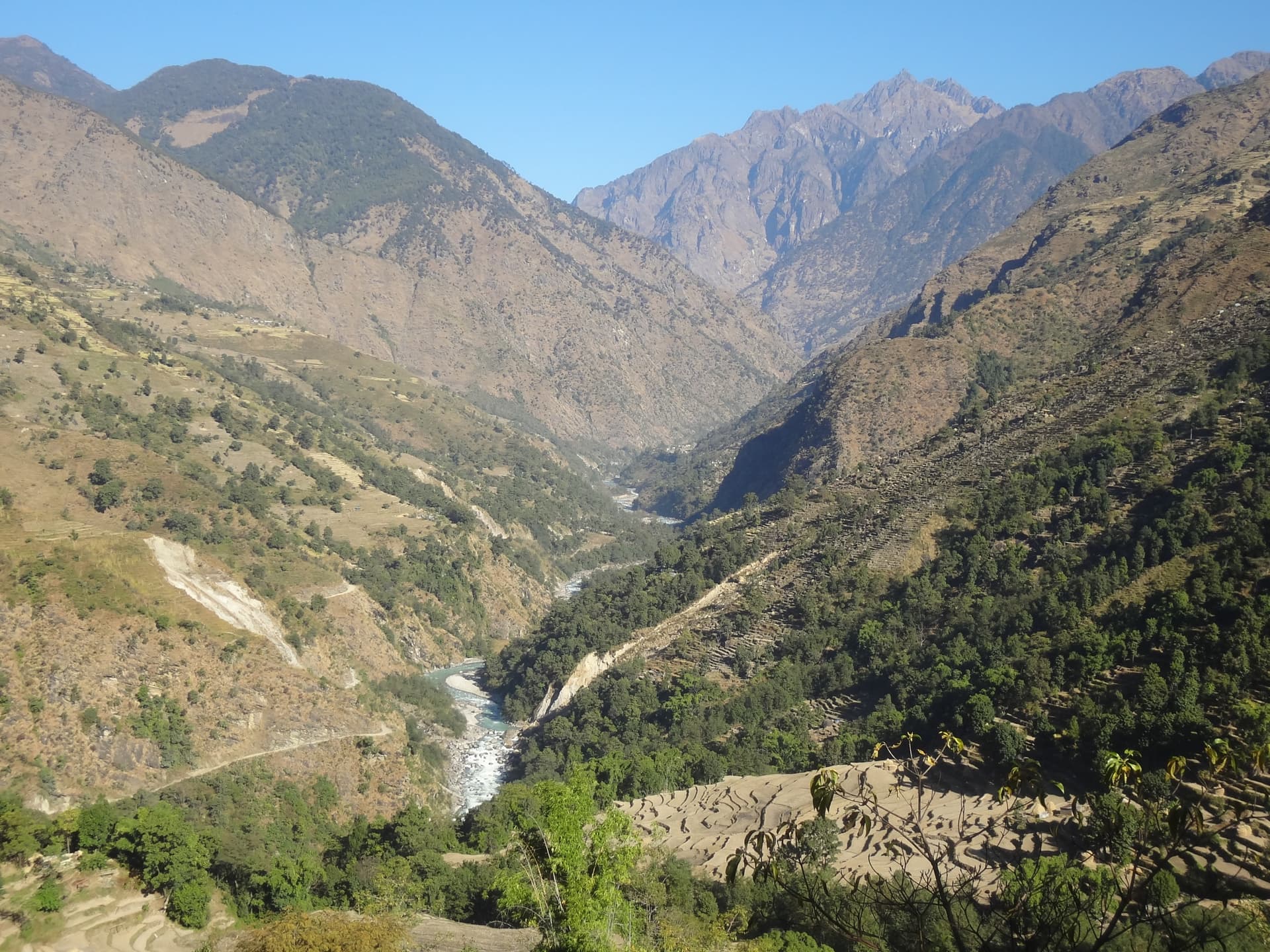
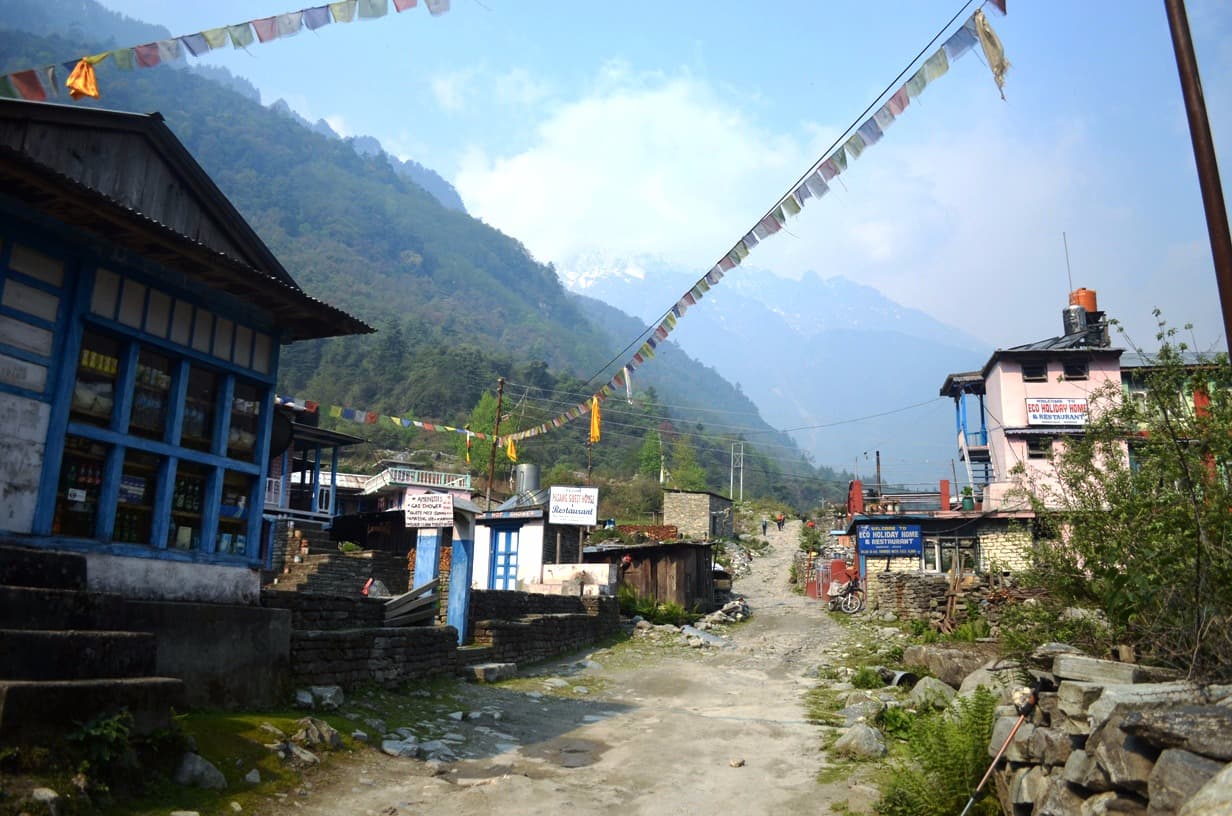
Today, you begin your trek around the Annapurna massif. Although the road continues to the valley, its poor condition forces you to continue on foot. You then take an old hiking trail away from the road, leading to the village of Tal (which means lake in Népal). This village marks the entrance to the Manang region.
Beyond Tal, the trail crosses the river again and continues for 4 km towards Dharapani.
Chame, capital of Manang district
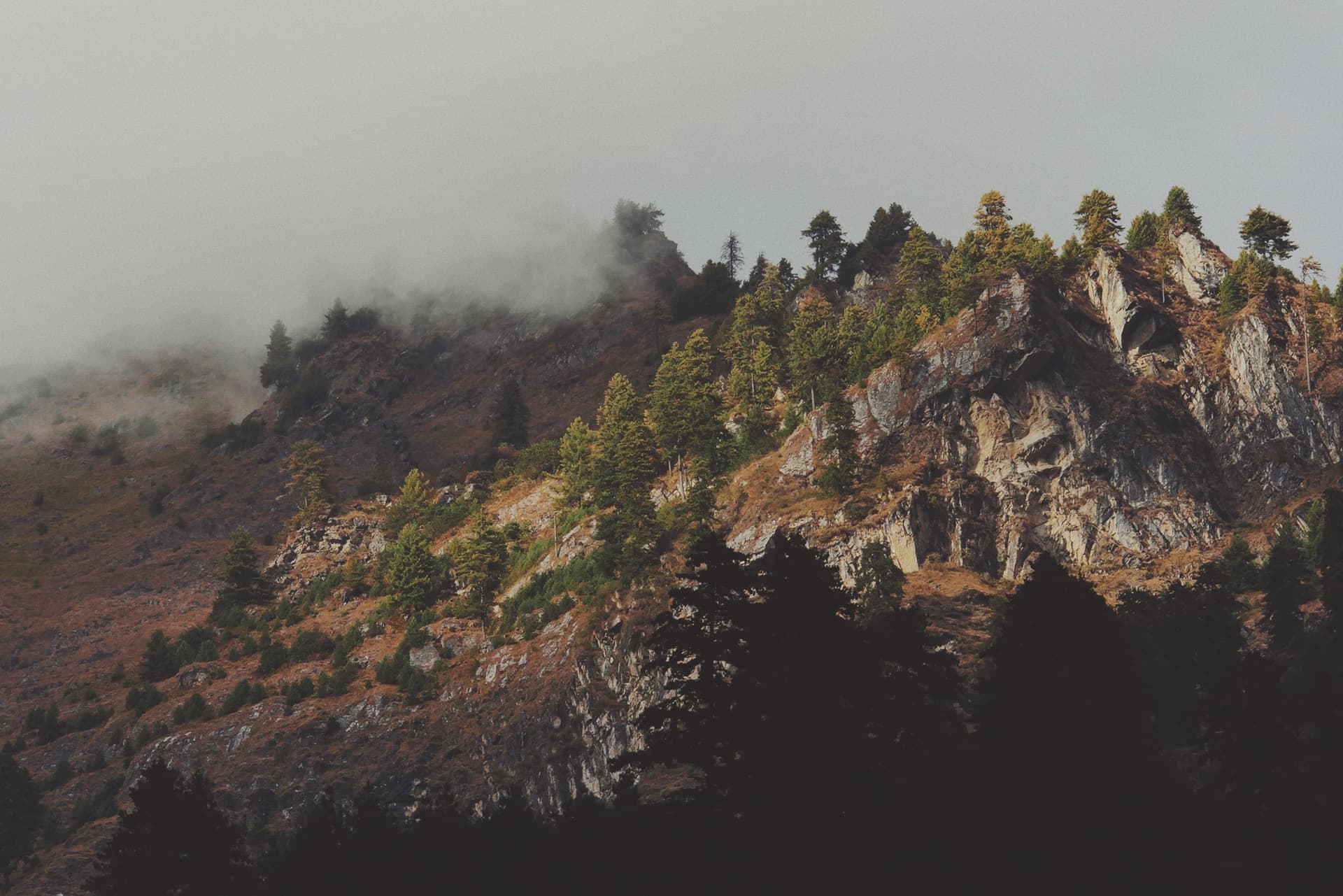
As you cross the Buddhist village of Bagarchap lit. "riverbank", the valley now turns to the west from where Manaslu is visible behind you. Annapurna II appears from time to time in the south.
You will be forced to follow sections of the new road, which you pass through pine forests before arriving at Chame, the administrative center of the Manang region. You will find shops, a bank and a school there.
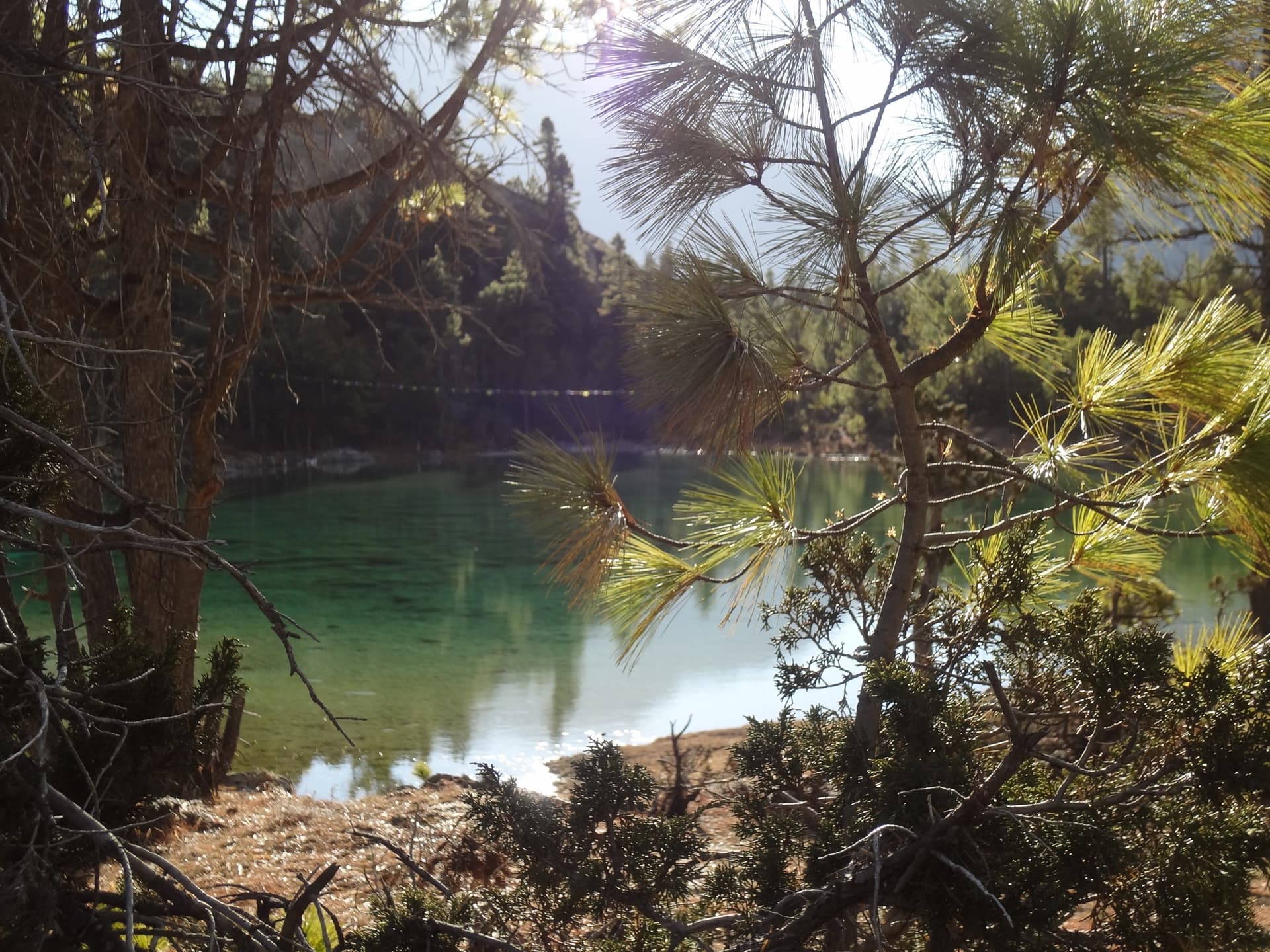
Pisang, village of Tibetan influence
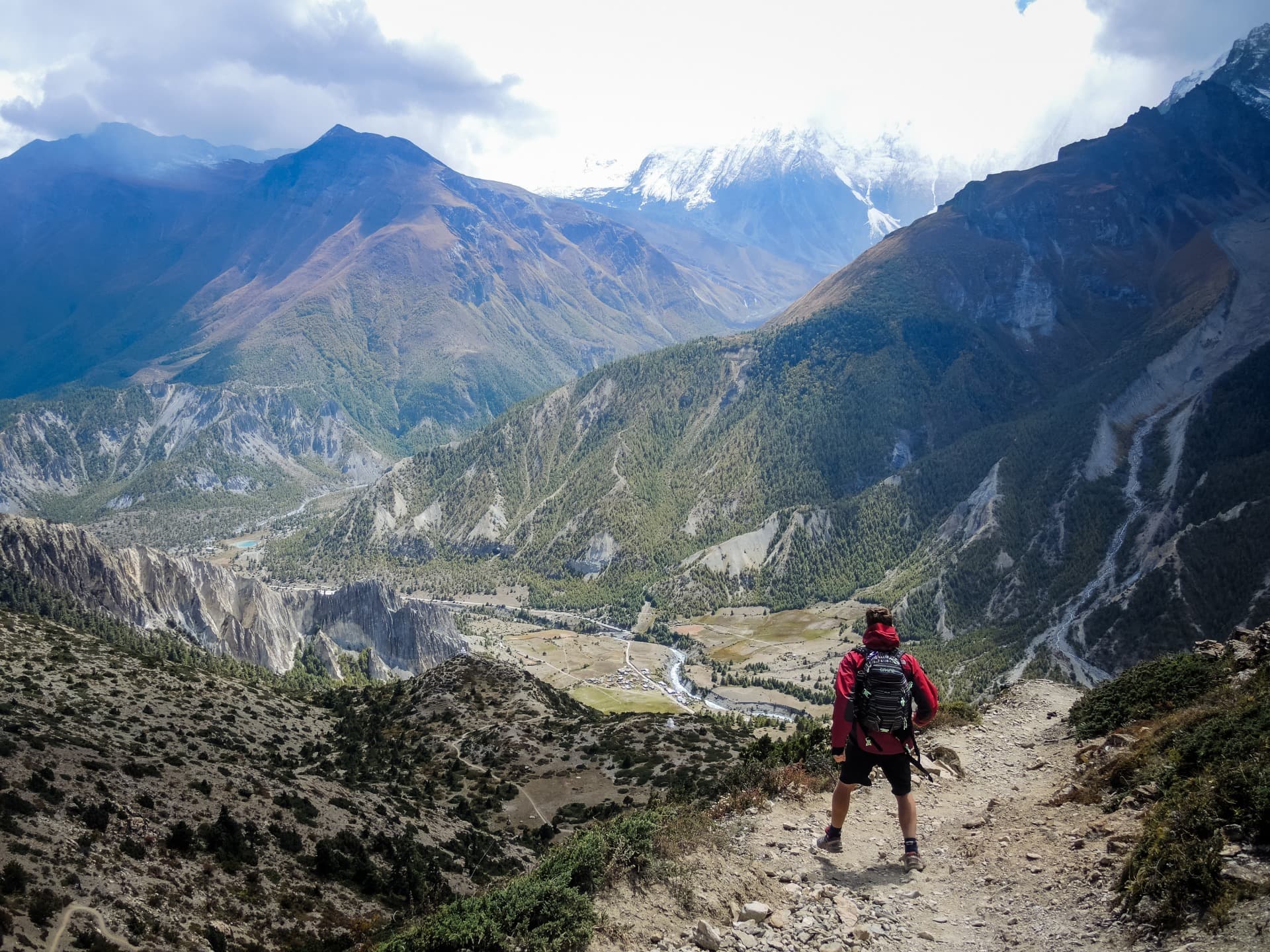
Two nights in Manang to acclimatize
Two options are available to us today:
Either take the main trail that leads you to your next destination. For this, you follow the river on its west bank, which takes you to the village of Hongde where there is a landing strip. Beyond Hongde, you cross the river before reaching Braga, where there is an interesting monastery. The latter is located at the top of high cliffs that overlook the village. From there half an hour's walk to reach Manang village.
Or, go through Gyaru and Ngawal, but requires more effort. You should allow approximately 7 to 8 hours of walking to reach Manang.
We must climb above the river on the northeast side and cross the villages of Ghyaru (3720m) and Ngawal (3680m) before finding the river below again. You rejoin the main trail at Braga. This route, which offers splendid views of the Annapurnas, is worth the detour, but is however more difficult.
This day is dedicated to acclimatization.
A calm and beautiful walk in the surroundings of Manang, one of the most beautiful villages in the valley, in an exceptional setting. You can walk to a small Gangapurna lake not far from your hotel. Those who want to walk more can climb up to the Chongkor viewpoint.
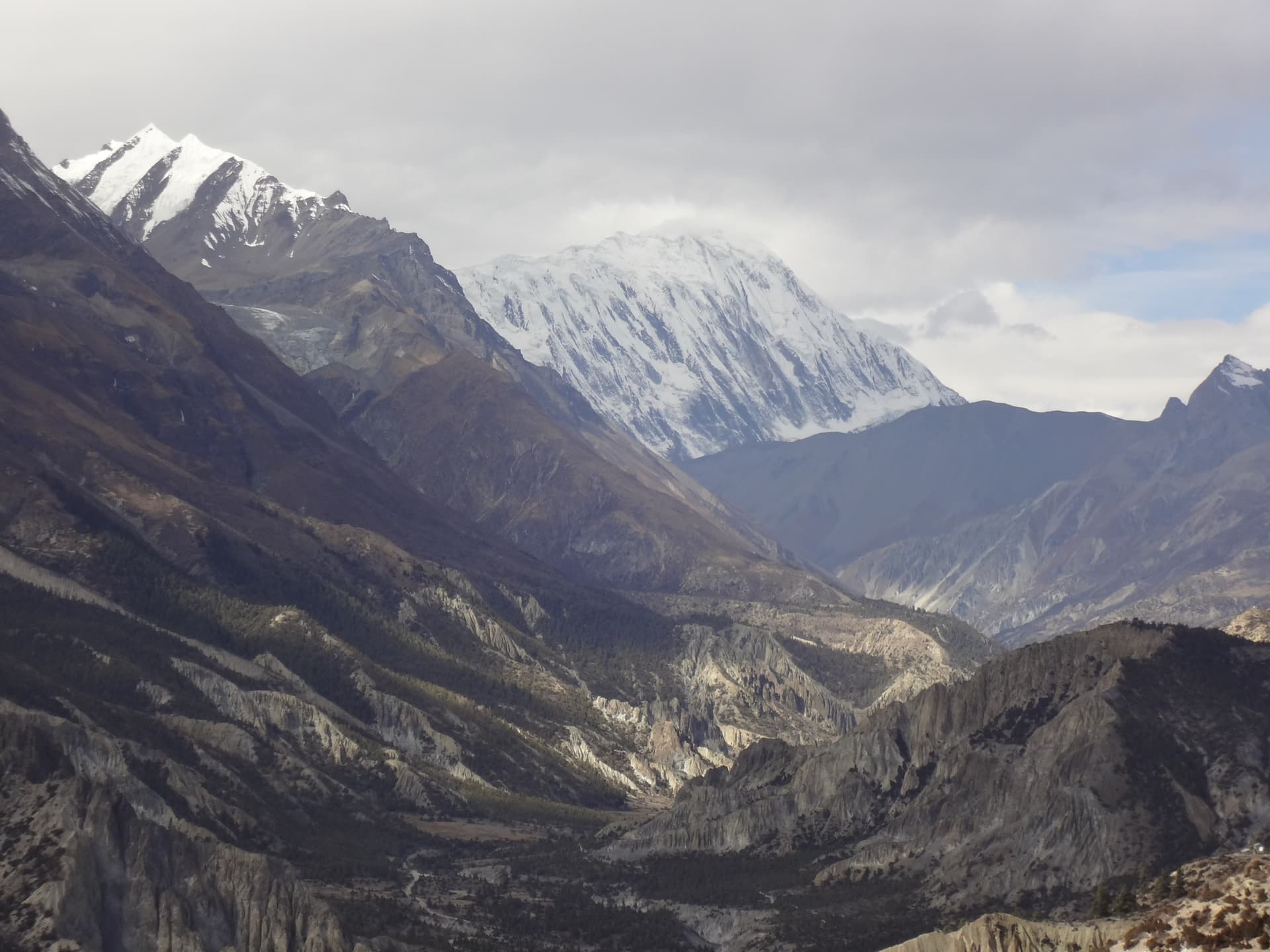
Beautiful village of Ledar
In accordance with your acclimatization program, you must climb progressively, making this day a relatively short hiking duration. You continue towards Thorung La. During the climb in the Marsyangdi valley, superb views of Manaslu, the Annapurnas and Tilicho Peak unfold before you. You head northwest, towards Ledar.
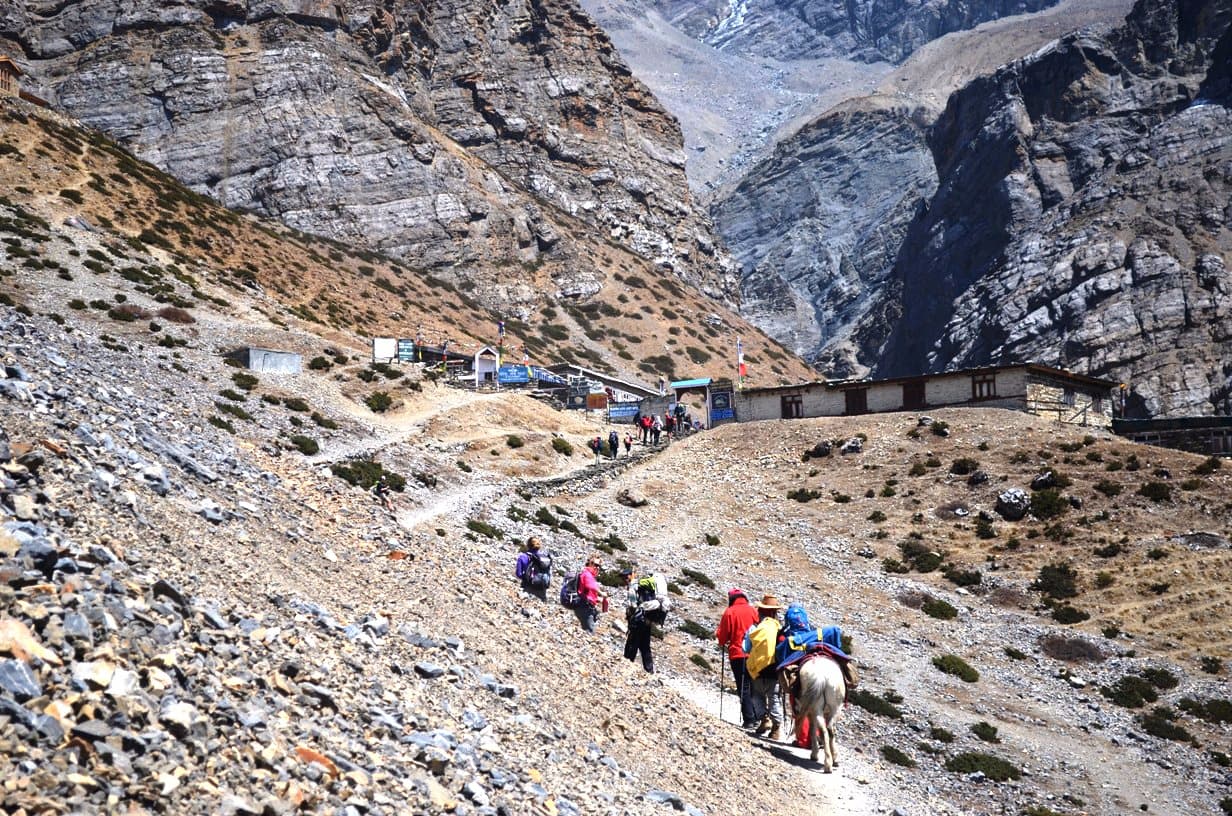
The short stage to the foot of Thorong La Pass
Today, an easy trekking day until Thorong Phedi literally "foot of Thorong La pass". In the afternoon, climb to Thorong High Camp (4925 m) to acclimatize and return to Phedi.
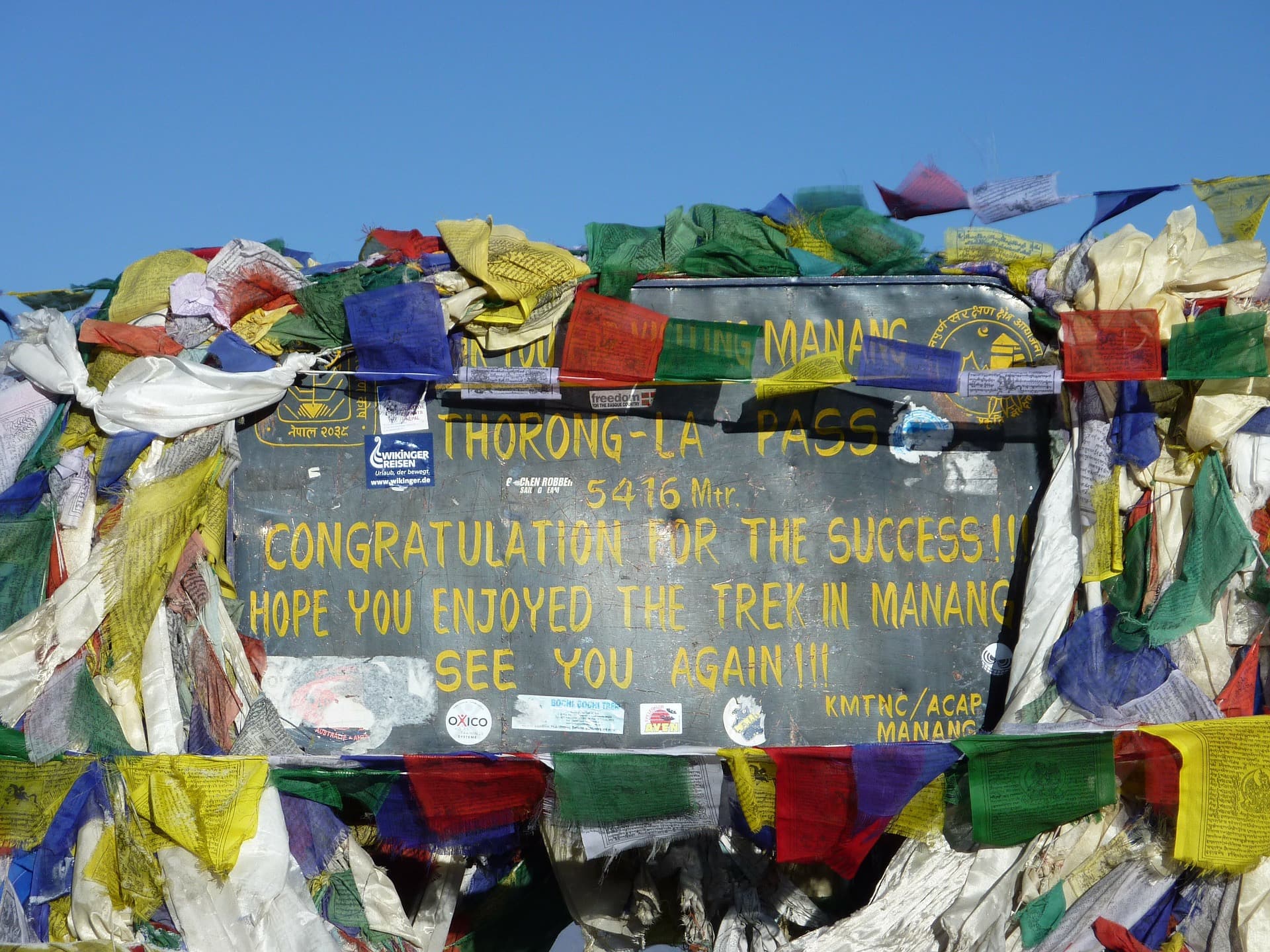
Thorong La Pass (5,416 m)
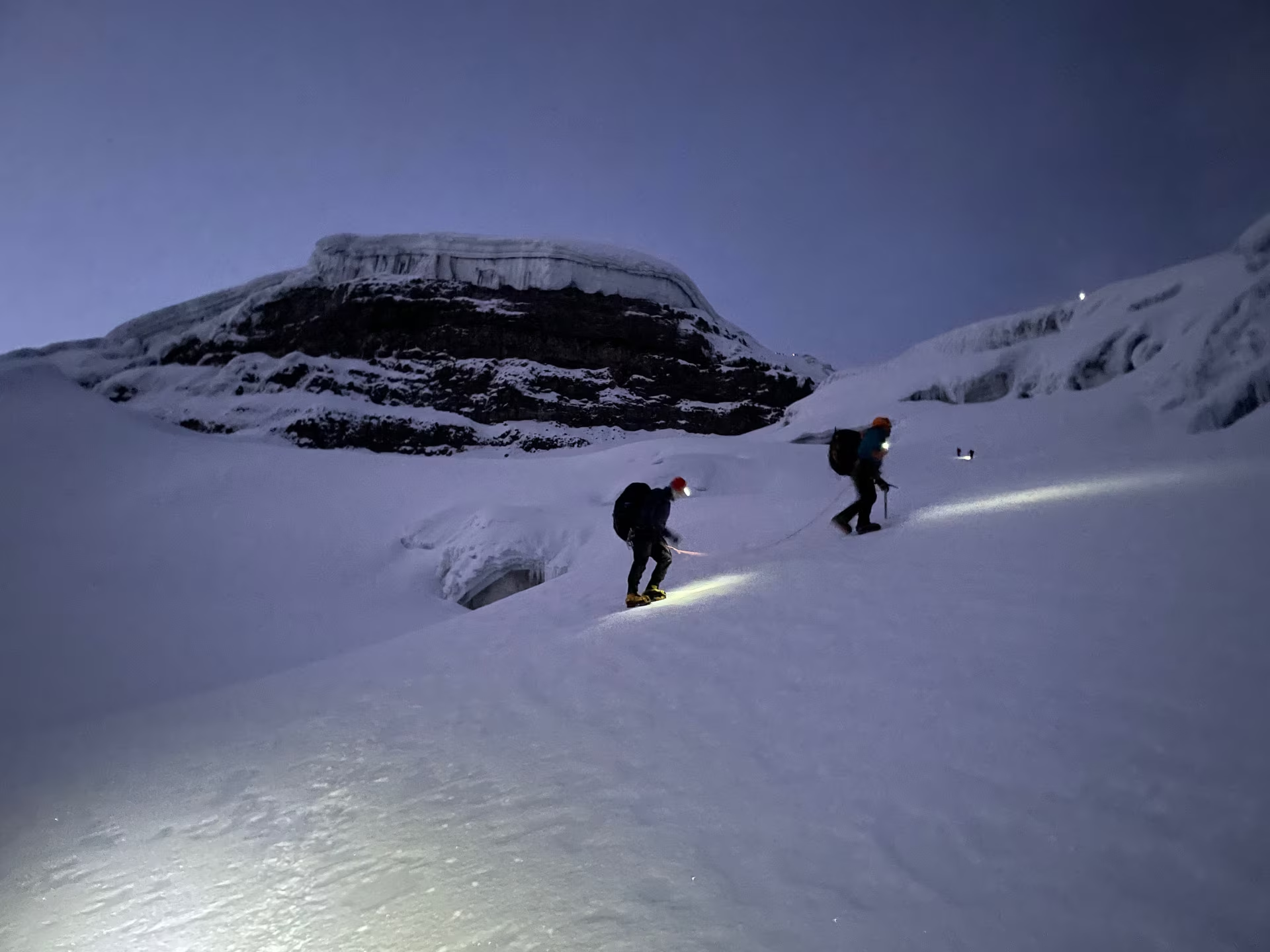
Early morning departure for a long climb on the trail and moraines up to Thorong La Pass. There, you stop to take photos. You won't stay long because the wind blows particularly strong from 9am onwards.
Steeper descent than the climb to Muktinath, a magnificent complex of Hindu and Buddhist sanctuaries.
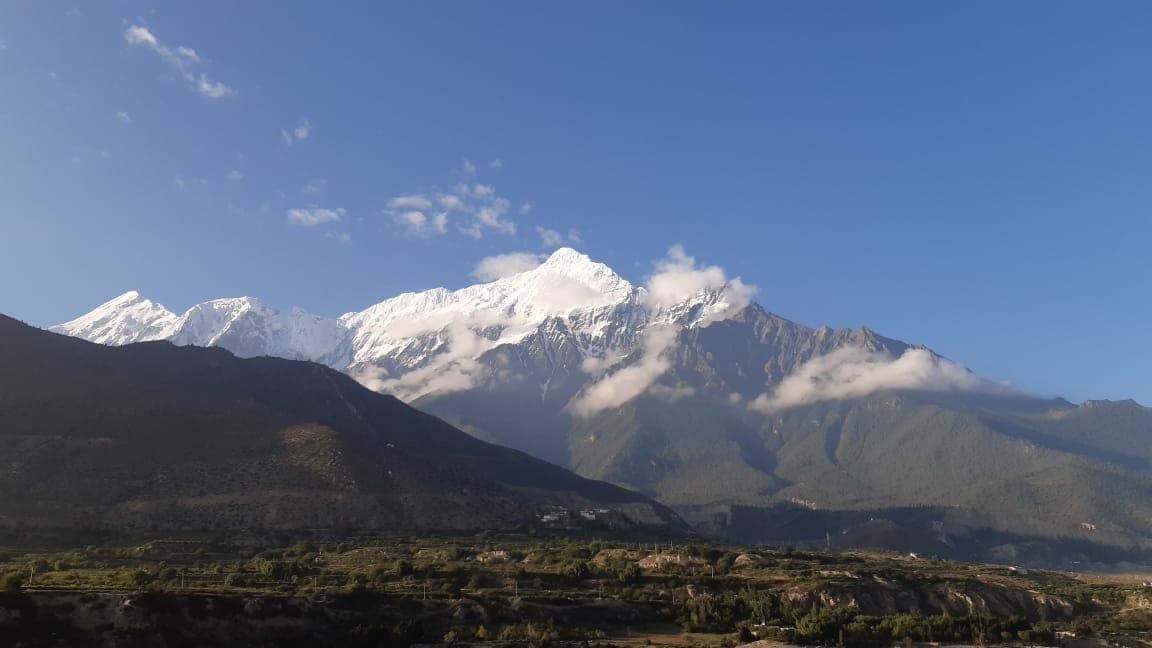
Jomsom Valley
Today, you pass through the beautiful village of Lupra to avoid the trail.
Short climb to a pass (4000 m), exceptional views of Dhaulagiri. Descent to Lupra, the only Bön village on our itinerary. Bön religion is the Tibetan religion that predates Buddhism.
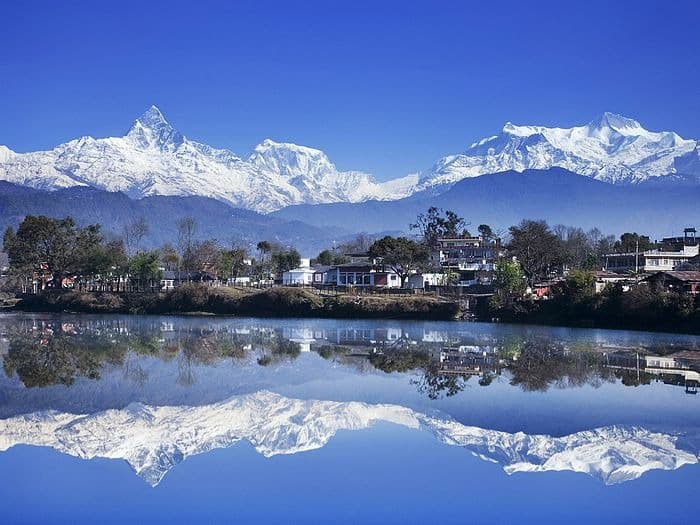
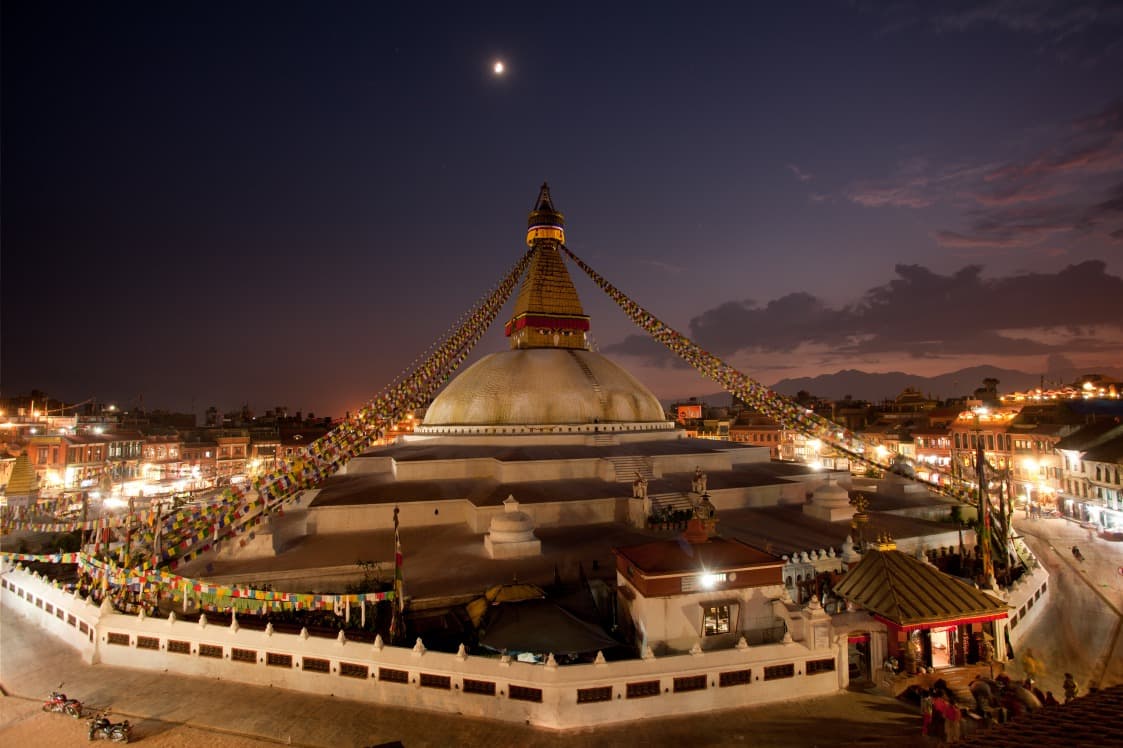
Return to Kathmandu
You now take a flight back to Katmandou. Another short flight that offers you one last time views of the Himalaya. Spend the rest of the day shopping for souvenirs or take part in a Bluesheep Journeys experience! Night at the hotel.
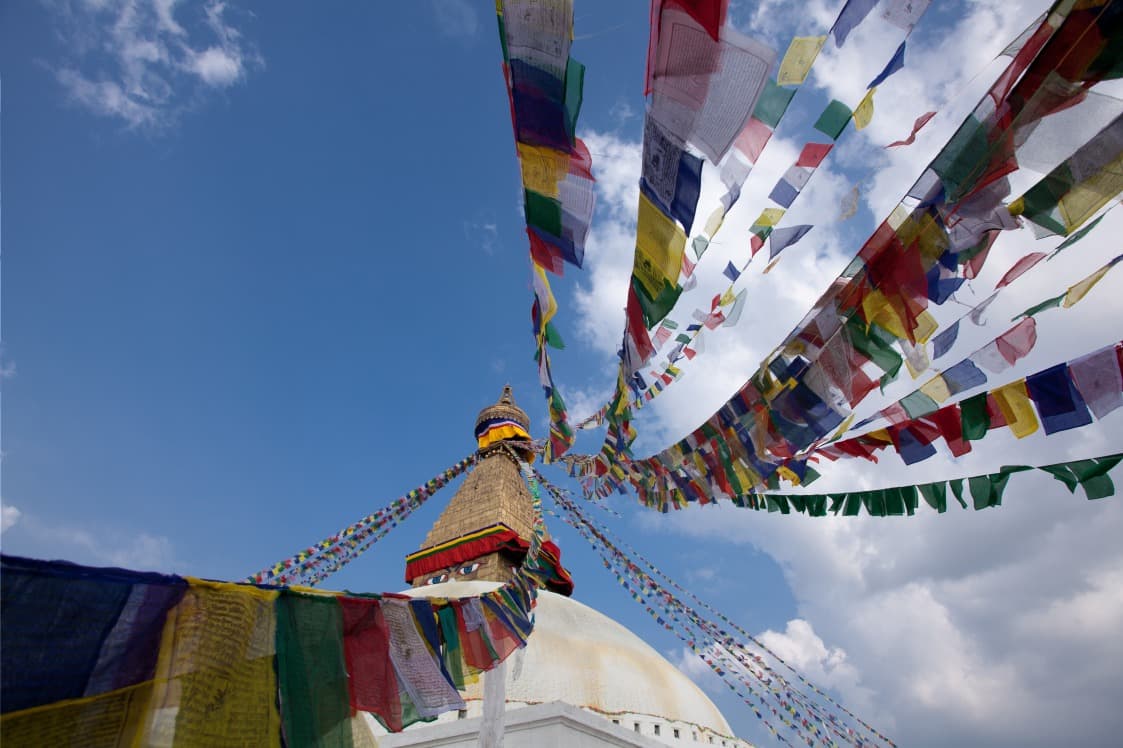
Free day in Kathmandu
Today you have the choice, you can spend the day strolling through Katmandou or ask us for a guided tour of the city's main sites.
We offer you the opportunity to participate in an immersive and exclusive activity with a traditional craftsman. On the program of your choice: cooking classes, sculpture, painting, music and much more. A fun activity for the whole family. The best souvenir you can take back!
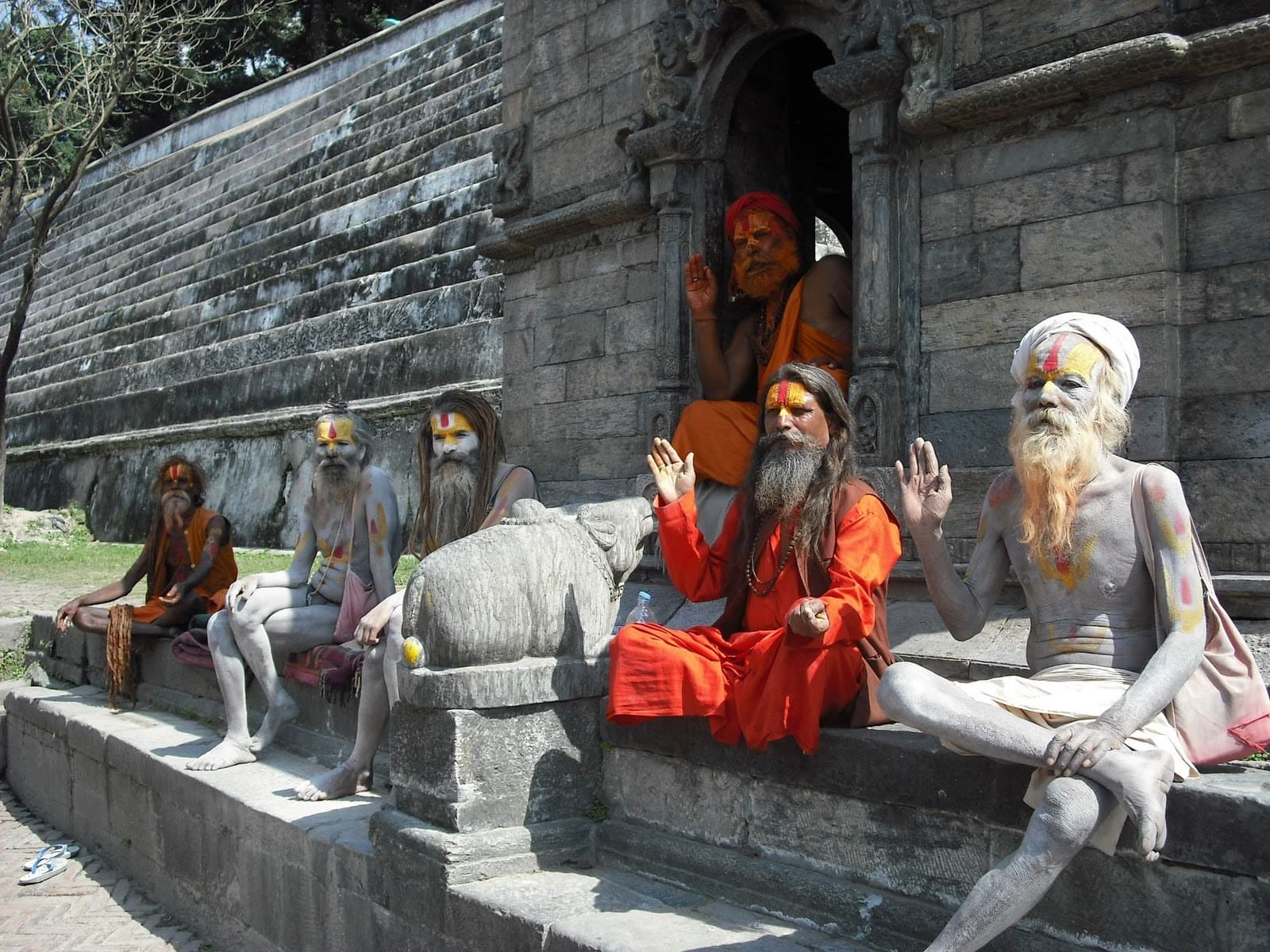
Safe travels and see you soon!
Price per person
Indicative price per person, based on double room. Each trip is customized according to your preferences.
This trip can be tailored to your preferences
This itinerary provides an excellent foundation for discovery, but it can be fully customized. Our local advisors build each trip tailored to your budget, dates and preferences.
Not included
- Travel Insurance: Cancellation / Repatriation / Trip Interruption / Baggage Loss
- International flights
- Visa fees 30 USD for 15 Days
- Personal expenses: souvenirs, drinks, spa, telephone, etc.
- Tips
- 220 euros per person for domestic flights
Included
- Ground transfers described in the program
- Accommodation in local lodges during the trek with 3 meals per day
- Guidance by an English-speaking Nepalese guide during the trek (English-speaking guide from 4 participants onwards)
- One porter for 2 people (max 25kg)
- Trek permits and special permits
- Daily fees and insurance for local Népal teams
- 3-star hotel accommodation in Kathmandu (3 nights) and Pokhara (1 night) with breakfast
- Your travel advisor's assistance 24/7
Practical Information
Registration is considered firm and final after payment of a deposit of 30% of the total price and acceptance of the specific terms of sale.
The balance must be paid no later than 45 days before the departure date.
See our specific terms of sale for full details.
In the event of cancellation by the traveller, the following fees apply:
- Plus de 60 jours avant le départ : 40 % du prix total (acompte retenu)
- Entre 60 et 30 jours avant le départ : 50 % du prix total
- Moins de 30 jours avant le départ : 100 % du prix total
We strongly recommend taking out cancellation insurance. See our specific terms of sale for full details.
The information below concerns travelers who are nationals of the European Economic Area (EEA), Switzerland, and Canada traveling to Nepal for a tourist stay. Since entry rules may change, we recommend that you verify this information with the official authorities before your departure.
Passport
To enter Nepal, your passport must be valid for a minimum of six months from the date of entry into the country and must have at least two blank pages for immigration stamps.
The document must be in good condition (no damaged, torn, or altered pages).
Tourist visa
Unlike some destinations, Nepal does not grant visa exemptions to nationals of the European Economic Area, Switzerland, and Canada. A tourist visa is mandatory to enter the territory.
This visa can be obtained in two ways:
On arrival (visa on arrival): available at the main entry points, notably Tribhuvan International Airport in Kathmandu and certain land border crossings. It is strongly recommended to complete the application form online before departure to facilitate procedures on site.
Online before departure: via the official online visa system of the Nepalese government (online visa application), allowing you to obtain prior authorization to present upon arrival.
Official rates are as follows:
15 days: 30 USD
30 days: 50 USD
90 days: 125 USD
Payment is generally made in cash (USD, EUR, or other accepted currencies) or by credit card depending on the entry points. It is advisable to have US dollars in cash for payment on site.
The authorities may also request:
an exit ticket from the territory (return flight or onward journey),
proof of sufficient financial resources for the duration of your stay.
Online arrival form
Before your arrival, it is recommended to complete the online arrival form available on the official portal of the Nepalese government. This form allows you to provide immigration authorities with:
passport information
flight details
the address of your first accommodation in Nepal
A digital confirmation or a reference code may be requested when passing through immigration or at the visa issuance counter upon arrival.
Special permits for trekking areas
Certain regions of Nepal require additional permits in addition to the tourist visa:
the TIMS (Trekkers' Information Management System): mandatory for most trekking itineraries,
national park or conservation area permits (e.g., Sagarmatha for Everest, Annapurna Conservation Area),
restricted zone permits for certain specific destinations such as Mustang, Dolpo, or Manaslu.
These permits are generally obtained in Kathmandu or Pokhara from the relevant offices.
Health and vaccinations
No vaccine is mandatory to enter Nepal, except in case of arrival from a country at risk of yellow fever. However, several vaccinations are strongly recommended by health authorities:
hepatitis A and B,
typhoid,
diphtheria-tetanus-poliomyelitis (DTP),
rabies (especially for extended stays or in remote areas),
Japanese encephalitis (depending on areas and season).
Preventive antimalarial treatment may be recommended for certain low-altitude regions (Terai). It is advisable to consult a doctor or international vaccination center at least four to six weeks before departure.
Traveling with children
Minors must hold their own valid passport covering the duration of the stay, as well as their own tourist visa.
In certain European countries, when a minor travels without one of their parents, an exit authorization from the territory may be required according to the regulations of the country of residence.
Other nationalities
Entry conditions may vary depending on nationality. Travelers concerned should inquire with the embassy or consulate of Nepal in their country of residence.
To participate in our trips, it is strongly recommended to be covered for emergency assistance, repatriation and foreign medical expenses.
Your local agency encourages you to review the specific policy developed with our partner CHAPKA ASSURANCES and AXA ASSISTANCE.
To subscribe to insurance, learn about coverage and rates, follow the link below.
CAP EXPLORER: The complete insurance solution designed for a worry-free trip!
Choose the plan that suits you best:
Explorer'Multirisque
Explorer'Annulation
Explorer'Assistance
Explorer' Complémentaire Carte Bancaire
Specific to our trips, we strongly recommend subscribing to one of these plans.
If you choose to subscribe to one of these formulas, the full policy detailing all coverage and claims reporting procedures are available on the insurer's website.
Your local agency will be aware of it, but only the participant is responsible for complying with claims reporting procedures. The participant must therefore keep this policy with them throughout their trip.
Chapka — Cap Explorer
Our insurance partnerTravel with peace of mind with our partner Chapka. Cancellation, repatriation, medical expenses, baggage… All the coverage for a worry-free trip.
Travel with peace of mind — I'll handle the insuranceFrequently asked questions
Yes, a tourist visa is required, issued upon arrival at Kathmandu airport or at land borders (USD 30 for 15 days, USD 50 for 30 days, USD 125 for 90 days). A valid passport for at least 6 months beyond entry and an identity photo are required.
Go to the My Trips section to find all your projects.
You can send a message to your host directly from the Tea Lounge.
For a tailor-made quality trip, plan between 110 and 190 euros per day per person, including accommodation, meals, internal transportation and English-speaking guide. International flights (700-1100 euros return) are additional. Himalayan treks require a dedicated budget (permits, porters, lodges).
Your documents are accessible in the Documents tab of your trip.
Absolutely. We adapt each itinerary to our travelers' profiles. For families, we prioritize relaxed paces, family-friendly accommodations, fun and educational activities, and comfortable private transfers. Our English-speaking local guides know how to capture children's attention with age-appropriate anecdotes.
It's simple. You exchange with our local team to define your wishes, your budget and your dates. You receive a detailed itinerary proposal within 48 hours. You refine every detail together until you reach the perfect version. You confirm and travel with peace of mind. Your local agency remains available 7 days a week throughout your trip.
In case of emergency, contact your local agency immediately.
Payment is generally made in two installments.
Our agency is part of the Nomadays network, registered in France. You benefit from APST (Association Professionnelle de Solidarité du Tourisme) guarantee which covers 100% of your funds. Secure payment, repatriation insurance included, and English-speaking assistance 24/7 on the ground throughout your stay.
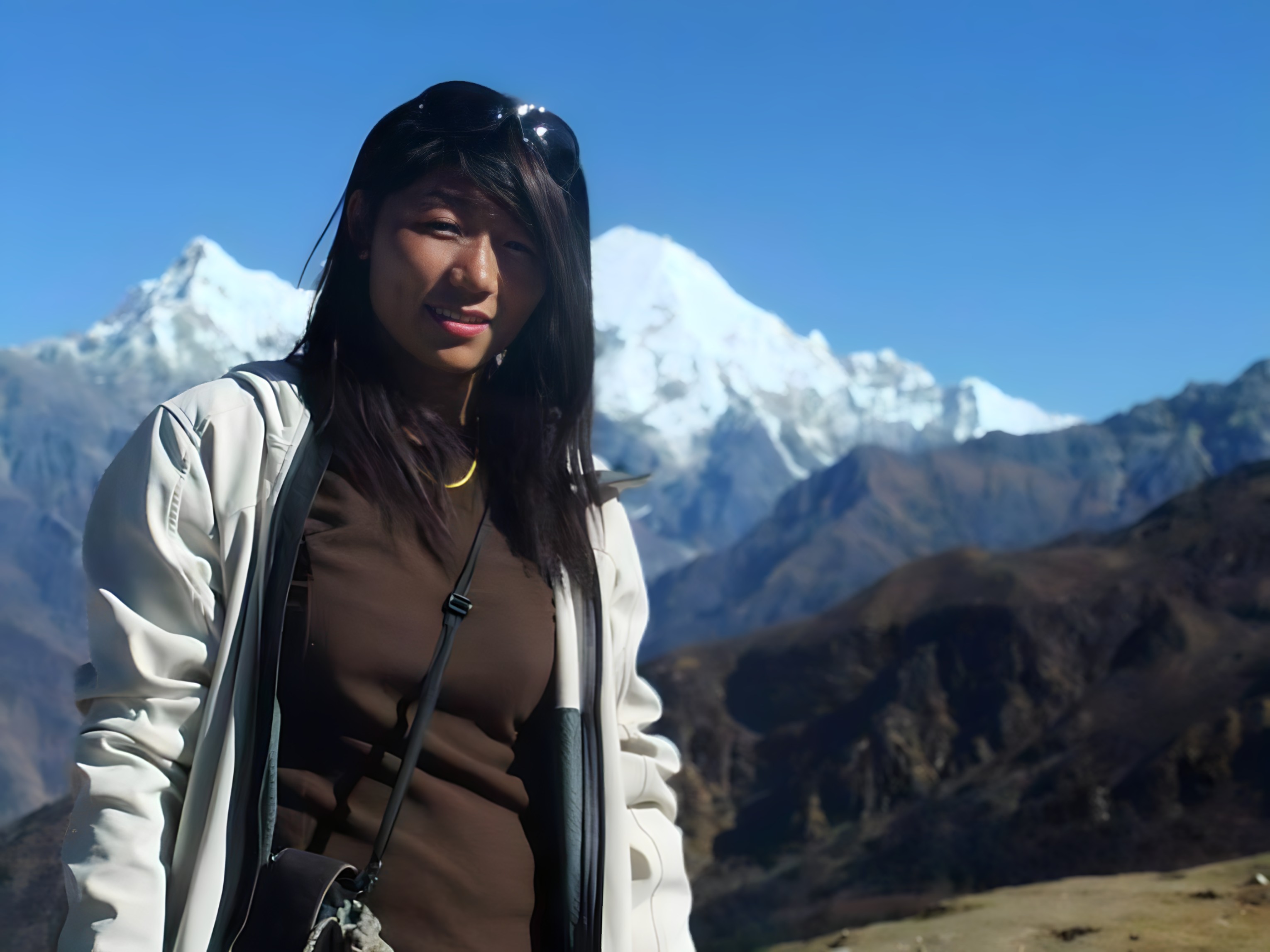
Let's talk about your adventure — Annapurna Massif
Himalayan pathfinder, based in Katmandou (Naxal)
Nepal is a country that naturally teaches patience and humility. Even a simple trip can become a very profound experience there.
— Nirmala