Everything You Need to Know About Thai Batik
Discover Thai batik, an artisanal wax-resist dyeing technique on fabric, its history in Thailand, its motifs, colors and manufacturing stages.
Though originating in Indonesia, Batik holds a significant place in Thai culture. Used in the creation of traditional garments, this textile printing technique demands unique craftsmanship. Definition, process, workshop visits and hands-on initiation... Here's everything you need to know about Thai batik.
What is Batik?
Batik definition
Batik is an artisanal textile printing technique. The origins of Batik worldwide trace back over a thousand years. Also called "resist dyeing" technique, it involves creating patterns on fabric using wax. The fabric is then colored before being immersed in boiling water to extract the wax and reveal the patterns.
Originating in Indonesia, specifically Java, batik (derived from Javanese "titik" meaning "dot") is also practiced in numerous countries worldwide including China, India, Sri Lanka, Malaysia, Thailand, Burkina Faso, Côte d'Ivoire, Togo...
The History of Batik in Thai Culture
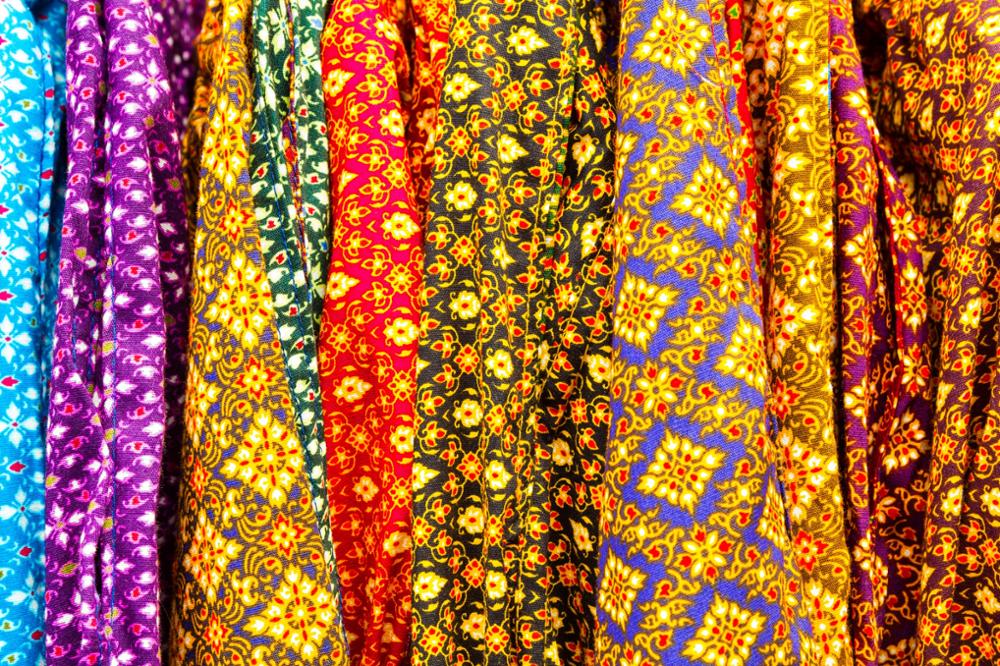
In Thailand, the art of Batik is said to have appeared during the Ayutthaya era (1350-1767). During this period, batik was primarily imported from India and China. It was mainly used by the royal court. Batik production in Thailand began in the 19th century. It was chiefly used to create traditional garments and ceremonial attire (such as the famous sarong).
Emblematic figures of the kingdom enabled the expansion of batik technique throughout the country. This includes King Rama VI, who founded the Royal Academy of Drawing and Painting in the early 19th century, and the creation of the Thai Craft Center in the 1960s by painter and artist Kamol Tassananchalee (one of the greatest Thai batik painters). These two institutions greatly contributed to promoting Thai Batik technique and establishing it as a national source of pride.
Good to know:
Dedicated to promoting Thai traditional craftsmanship and preserving Thai textile arts, Her Majesty Queen Sirikit obtained permission in 2003 to use the Ratsadakorn-Bhibhathana building on the Grand Palace grounds to open a museum dedicated to textiles: the Queen Sirikit Museum of Textiles. This museum also contributed to promoting batik and establishing this technique on the international stage.
You can see magnificent batik fabrics there (among the most elaborate and refined), traditional textiles from around the world, collections of the Queen's dresses and attire (including pieces created by renowned French designer Pierre Balmain). The museum also offers educational programs and workshops for visitors.
Practical information:
Admission: 150 baht per adult and 50 baht for children.
Hours: Open daily from 9 a.m. to 4:30 p.m. (last entry at 3:30 p.m.).
The Characteristics of Thai Batik
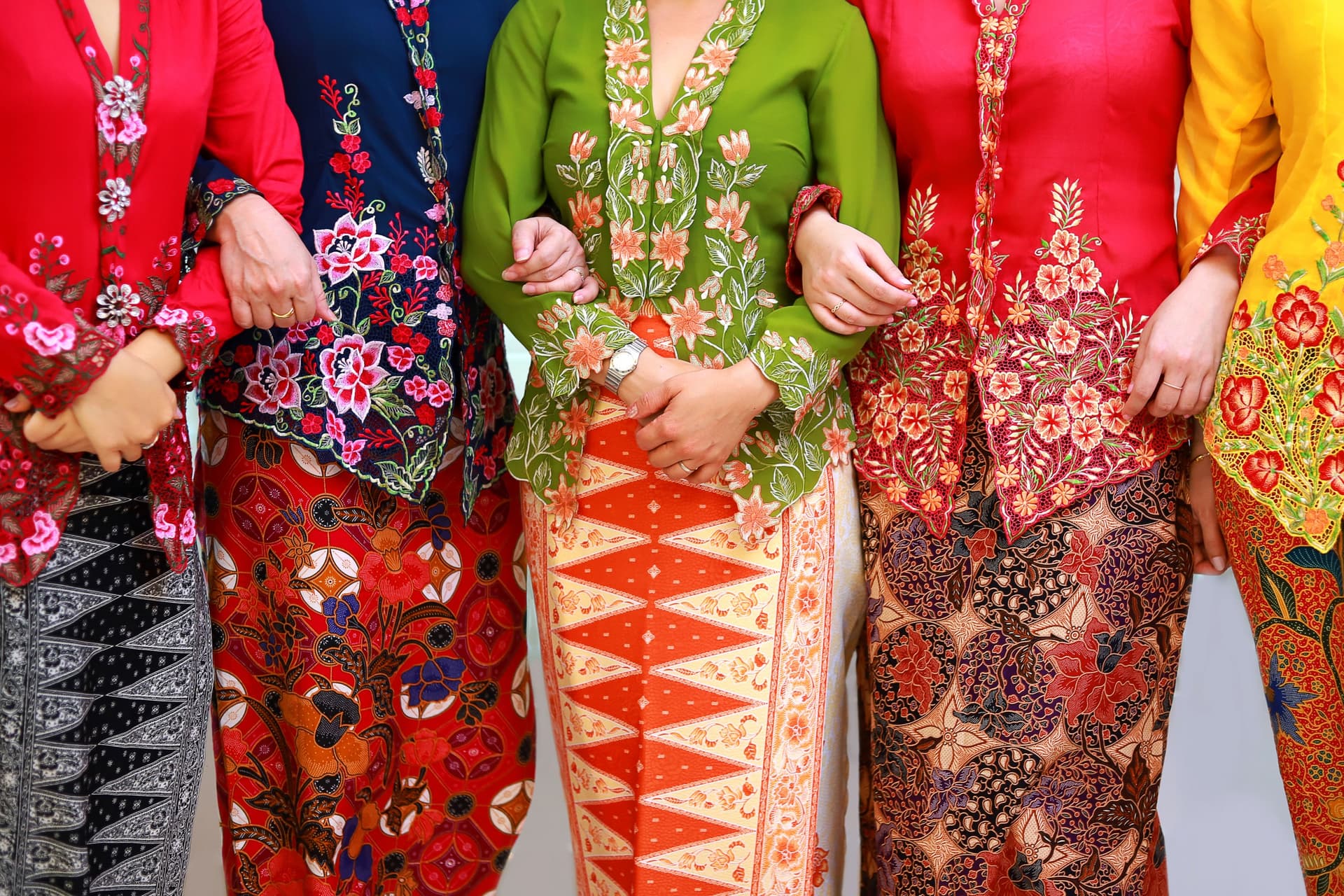
Unlike Indonesian batik which uses relatively muted tones, Thai batik is known for its vibrant and bold hues such as intense red, gold, yellow, green and blue.
As for patterns, Thai batik is generally inspired by nature and traditional Thai symbols. You'll find numerous floral motifs (notably lotus flowers), animal motifs (such as the elephant or the Garuda, the divine bird considered the emblem of the Chakri dynasty, the Thai royal family) as well as Buddhist motifs.
Another distinctive feature of Thai batik: the use of natural dyes (derived from plants, flowers, spices, etc.) rather than chemical dyes to color the fabrics.
Batik Technique: How Does It Work?
Creating Patterns with Hot Wax
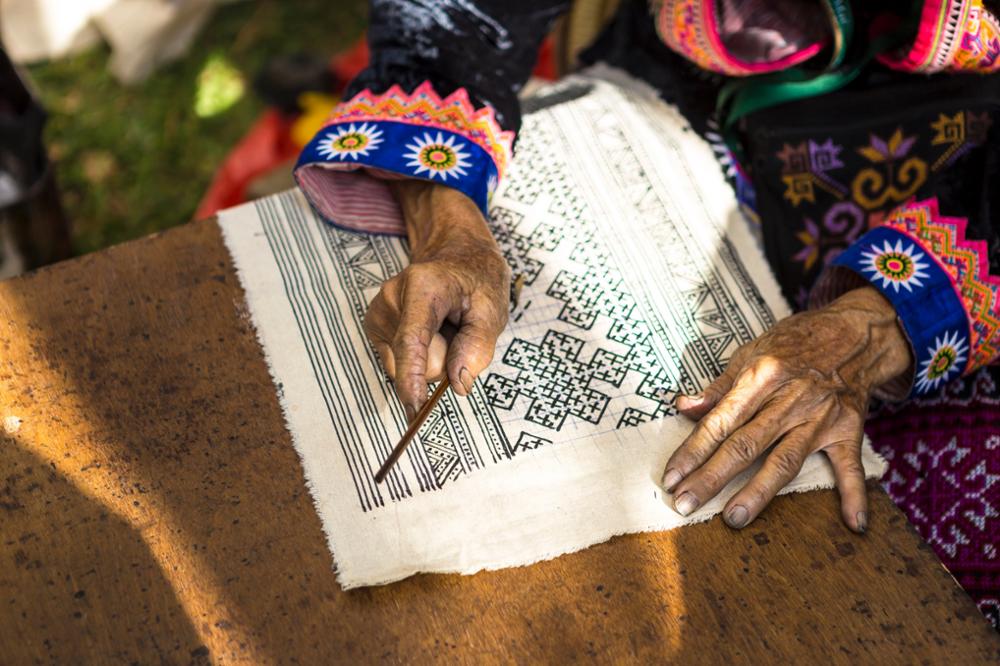
Thai batik is performed on white fabrics, generally Thai silk or cotton. The fabrics are stretched on specially designed tables so they can be worked without moving.
The first step of the process involves creating patterns using hot wax (traditionally beeswax or more rarely paraffin). To do this, artisans use stamps or a canting, a copper tool fitted with a pouring spout from which wax flows to create patterns (it's held like a fountain pen). The wax creates patterns by protecting the fabric from the next stage: coloring.
Fabric Coloring and Drying
Once the wax patterns are created, artisans use natural dyes to color the fabric. This can be done by immersing the fabric in a dye bath or by applying dyes with a brush or roller.
To create gradient effects, artisans sometimes use coarse salt and/or fertilizer pellets which they place on the fabric. This technique allows the fabric to be bleached.
When coloring is complete, the fabric is sun-dried.
Wax Removal
When the dyes are dry, comes the final step: wax removal by immersing the fabric in a basin of boiling water. In some cases, the wax is removed using an iron. Only after this step is the final result revealed. The parts of the fabric that were previously covered with wax retain the fabric's natural color while the rest of the fabric is fully colored.
Note:
The batik technique requires precise craftsmanship and patience. It can take several days, sometimes weeks, to create a piece of batik fabric, particularly for the most elaborate designs.
Visiting a Batik Workshop and Learning the Techniques
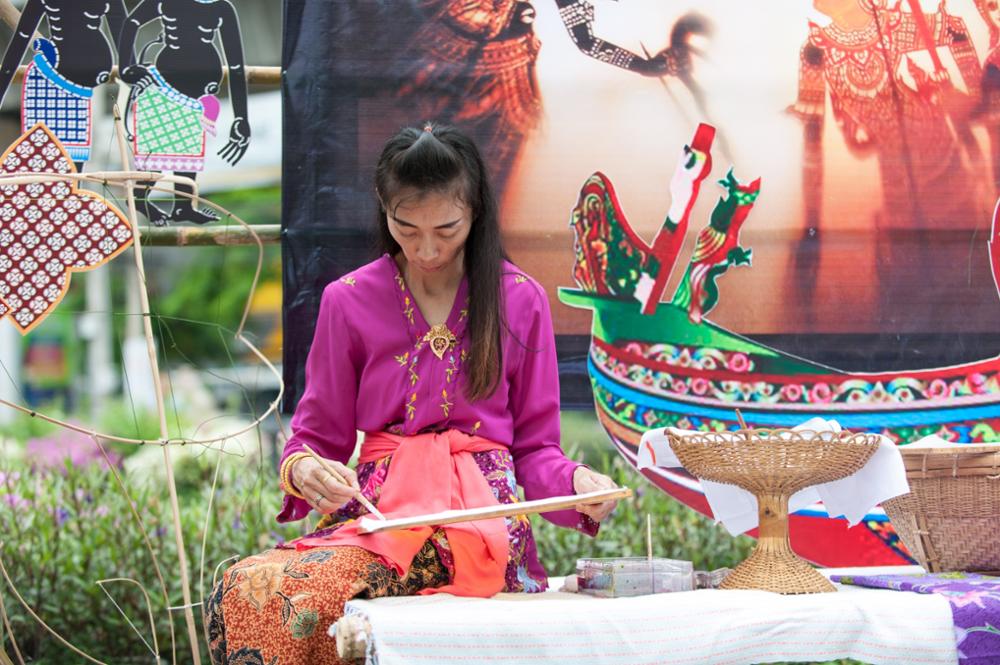
Interested in discovering the batik manufacturing process during your trip to Thailand? We can connect you with or organize a batik workshop visit during your stay. An opportunity to see artisans at work and learn about the different stages and techniques! In most cases, you'll even be able to leave with your own batik creation.
Depending on which region you're visiting, you can even combine the artisanal experience with an encounter with an ethnic minority in Thailand. Indeed, many tribal communities, such as the Hmong, continue the art of batik.
And if you don't have time to participate in a workshop, we still recommend visiting a workshop. In addition to learning more about the process, you can purchase some batik pieces as a travel souvenir to bring back from Thailand.
Frequently asked questions
Batik workshop prices generally range from 500 to 2,000 baht depending on duration and project complexity.
Authentic batik can be found in artisanal workshops, local markets like Chatuchak in Bangkok, or directly from tribal communities.
Creating batik can take anywhere from a few hours for a simple pattern to several weeks for the most elaborate pieces.
It is recommended to wash batik in cold water, dry it in the shade and avoid harsh chemical products.