Burning Season in Thailand: When Does It Happen and How to Avoid It?
Burning season in Thailand: causes, health risks, periods to avoid, most affected areas, and destinations to escape the pollution.
You may have already heard that the city of Chiang Mai is considered, at certain times of the year, one of the most polluted areas in the world. While pollution is a global scourge, the burning season plays a significant role. What is it exactly? What causes it? How can you avoid it and protect yourself? When does it occur and where should you go to escape the fire season during a trip to Thailand? Follow our guide.
What is the burning season in Thailand?
Also known as the smoke season, fire season, burning season, or smog in English, Thailand's burning season corresponds to the most polluted period of the year in northern Thailand. During this time, the sky turns gray, the air becomes heavy and difficult to breathe. A thick haze transforms landscapes and reduces visibility...
But what causes it? Here are the main causes of Thailand's burning season:
Slash-and-burn agriculture
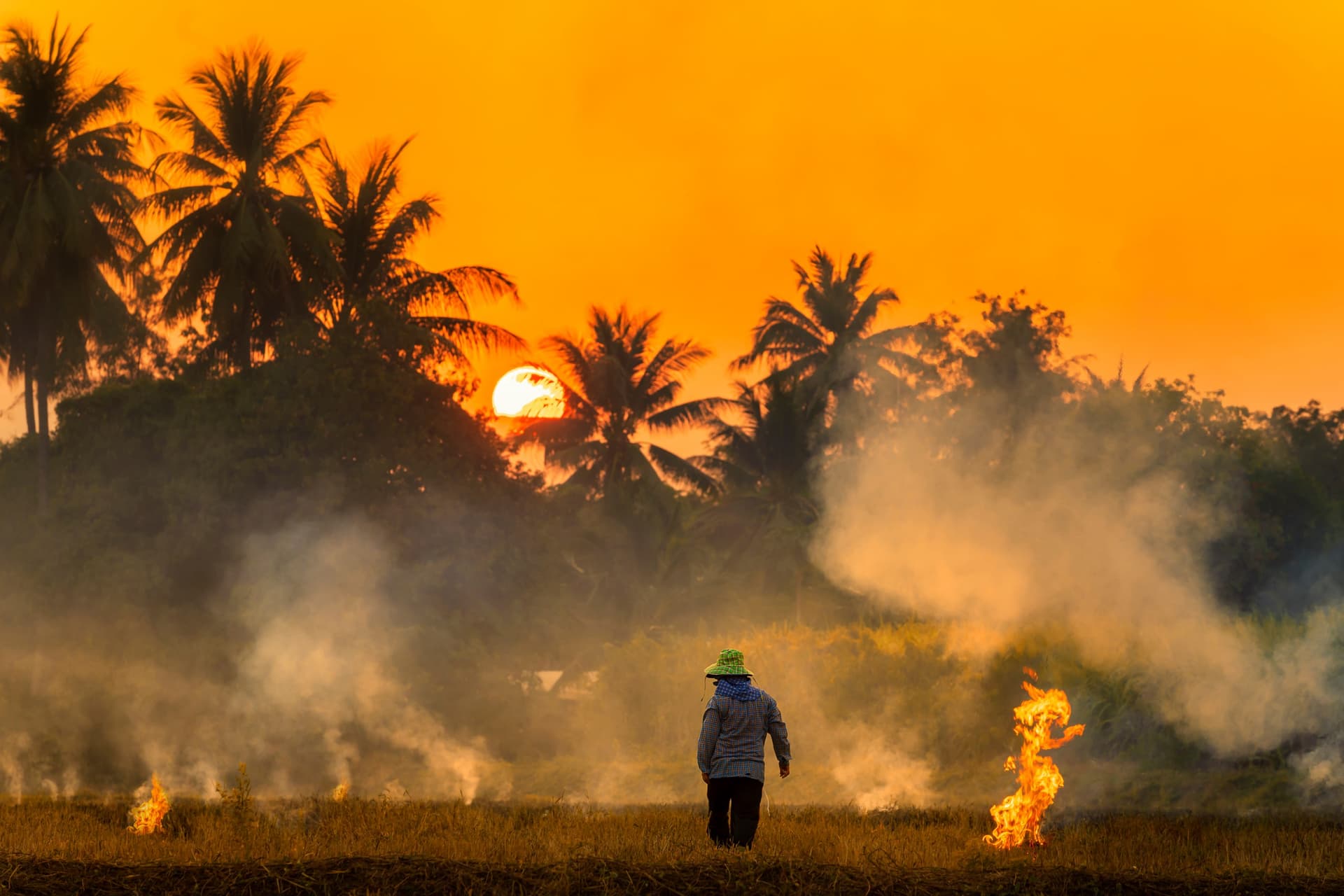
Slash-and-burn agriculture is an ancient farming technique that involves burning land to clear an area and fertilize the soil using the ash generated by the fire.
While this practice is banned and illegal in many countries worldwide due to the damage it causes (pollution and health hazards, environmental damage and wildlife impact), it is still widely practiced in tropical countries like Thailand. Why? Because it is very effective at eliminating agricultural waste and preparing land for quick replanting at minimal cost.
As you can see, slash-and-burn agriculture is the main cause of Thailand's smoke season. It is practiced by many farmers who take advantage of the dry season to burn their sugarcane, rice, or corn fields. The smoke generated by agricultural burning spreads into rural areas, but also urban zones, creating atmospheric pollution for several weeks.
Unintentional fires
With rain disappearing from northern Thailand several weeks after the monsoon ends, the soil becomes dry, which facilitates slash-and-burn farming. The problem? Fires can spread rapidly and other unintentional fires occur, amplifying the pollution and smoke phenomenon.
Other sources of pollution
While fires constitute the main causes of Thailand's smoke season, other elements add to the list of pollution sources:
road traffic and vehicle emissions,
industrial activity, and
human activities in general.
Good to know:
Thailand is not the only Asian country that uses slash-and-burn agriculture. This practice is also used in neighboring countries, such as Laos, Cambodia, Vietnam, Malaysia, and Indonesia.
What areas are most affected by Thailand's smoke season?
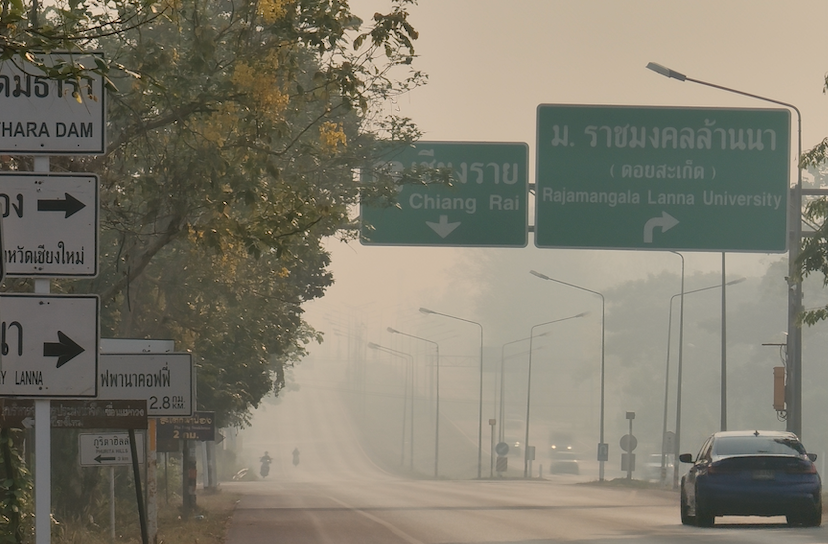
Slash-and-burn farming is primarily employed by farmers in northern Thailand. Therefore, the north of the country is the most affected by the fire season. The city of Chiang Mai is often considered the epicenter of the phenomenon and even one of the most polluted cities in the world!
Among the areas most affected by Thailand's smoke season, we can mention:
Chiang Mai Province,
Chiang Rai Province,
Lampang Province,
Lamphun Province,
Mae Hong Son Province,
Phayao Province.
Smog: What health risks?
The burning season significantly impairs air quality and causes pollution levels that reach record highs.
To give you an idea, the fine particle rate in the city of Chiang Mai often exceeds 290 µg/m³, more than 60 times the maximum threshold set by the World Health Organization (WHO). For this reason, the city was classified as the world's most polluted city during the last smoke season in 2024.
The catch? As the WHO explains, fine particles (PM2.5) produced by air pollution can cross the lung barrier and enter the bloodstream, which can lead to "strokes, heart disease, lung cancer, and acute and chronic respiratory diseases".
Children, the elderly, and individuals with respiratory problems (such as asthma and allergies) are the most affected by the phenomenon, but everyone is at risk from inhaling fine particles.
Among the main symptoms observed during the fire season in northern Thailand, we find:
Eye, nose, and throat irritation,
Eye itching,
Cough,
Congestion and chest pain,
Breathing difficulties...
According to a study conducted by the Faculty of Medicine at Chiang Mai University, pollution in the northern region has worsened over the last decade, leading to an increase in patients suffering from lung diseases (including lung cancer).
When does Thailand's smoke season occur?
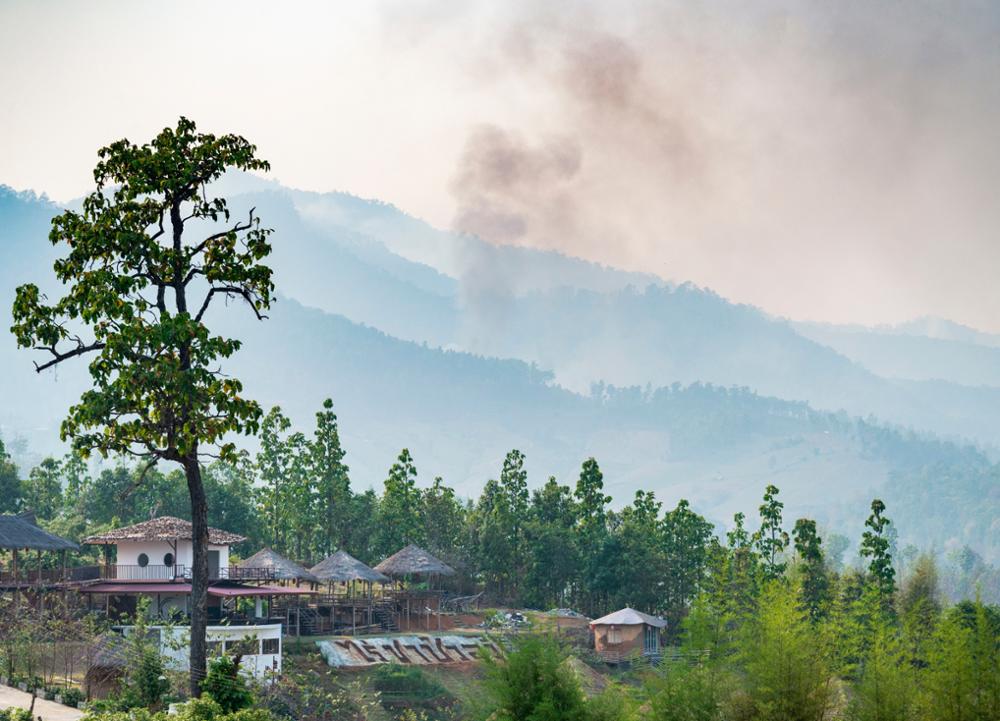
The burning season takes place each year during the dry season in northern Thailand. There are no official dates (everything depends on seasons and farmers), but it generally begins in January and ends in April. A peak is often observed in March, during which the highest levels of fine particles are recorded. The end of the fire season coincides with Songkran, Thai New Year.
What to do to avoid Thailand's burning season?
Not only is the smoke season extremely harmful to your health, but it can also hinder any trip to northern Thailand. Indeed, the pollution creates a thick fog that obstructs visibility. The result? Landscapes are less attractive and trekking can even prove dangerous (difficult breathing during hikes).
So if you have planned a trip to Thailand during the burning season, here are our tips:
Steps to take to protect your lungs
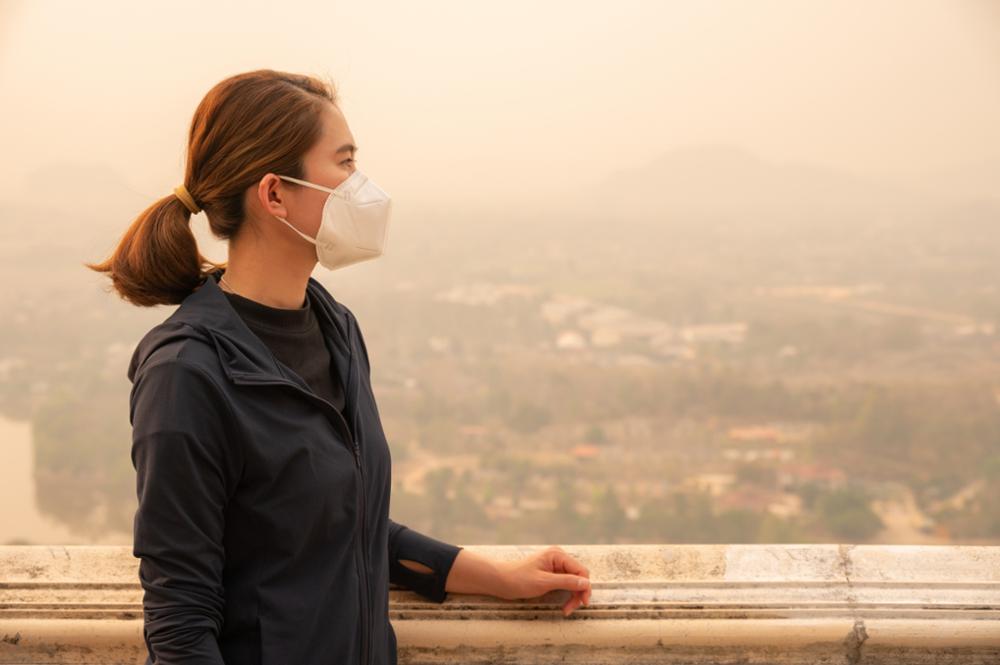
Are you in Chiang Mai or any other must-see destination in the north of the country? Then you should take precautions:
Wear an appropriate mask
To avoid inhaling fine particles and protect your airways, we recommend wearing a mask. There's no need to opt for a standard surgical mask that will be only slightly effective. Instead, consider an N95 mask capable of filtering 95% of particles in the air.
Avoid physical activities and treks
During the smoke season, it is not recommended to engage in outdoor physical activities. If possible, avoid trekking and return at another time to discover the most beautiful hiking trails to explore around Chiang Mai or in the region.
Stay indoors
Limit your outdoor outings as much as possible and stay indoors to minimize exposure to fine particles. Ideally, choose accommodation equipped with an air filtering system.
Monitor air quality in real time
To plan your stay, visits, and activities, we recommend following Air Quality Index (AQI) levels on a website or application like iqair.com or aqicn.org.
Where to go in Thailand during the burning season?

If you can, the best option is to avoid any stay in northern Thailand between January and April (especially in March). You're wondering where to go during Thailand's burning season? Know that central Thailand can be slightly affected depending on weather conditions (winds...) and that Bangkok remains, in any case, polluted year-round.
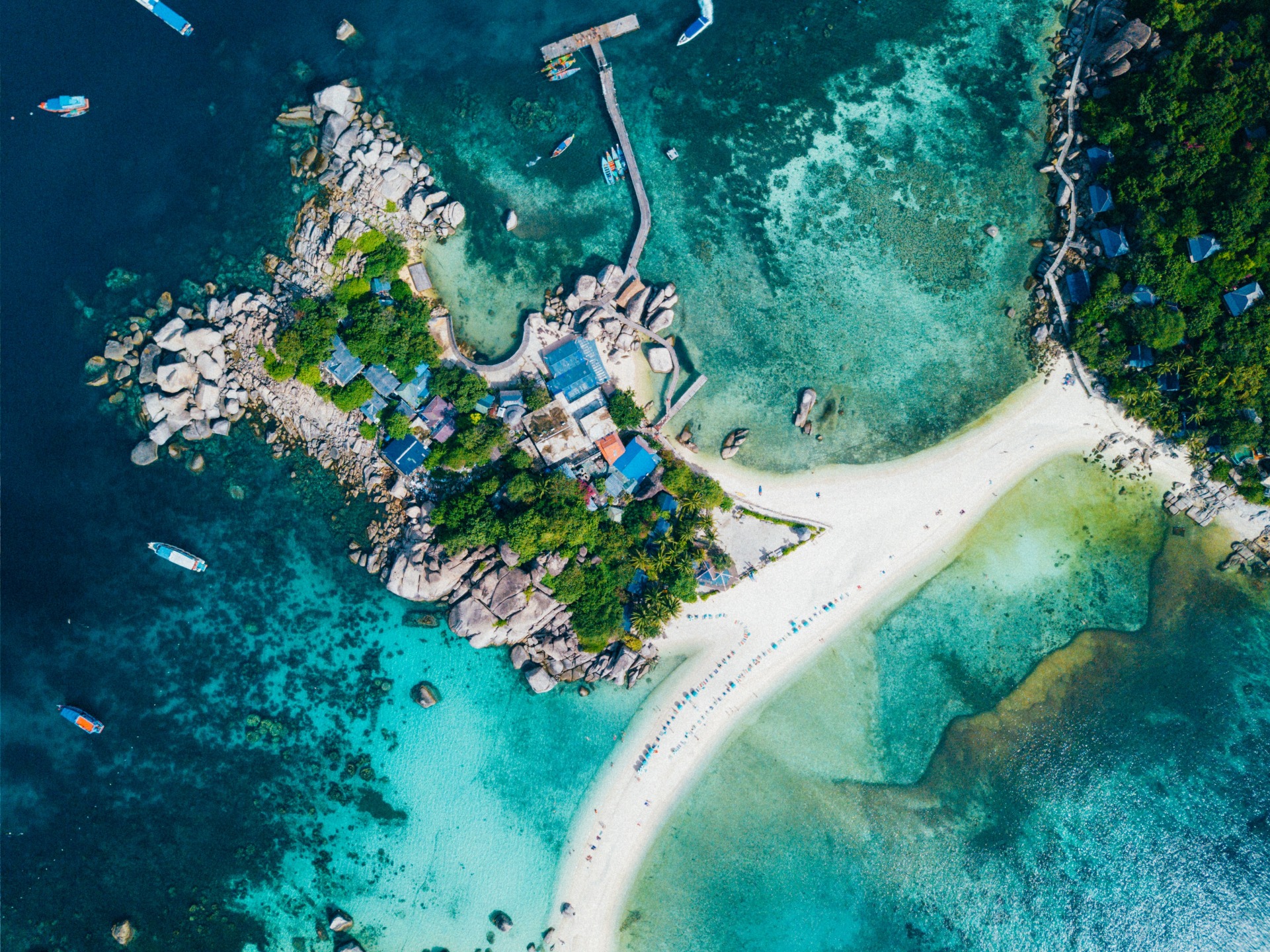
The ideal choice? Head to the south of the country, which is much less affected by the burning season. You'll notice that many Thai people and expatriates living in northern Thailand spend a few months in the south to escape the pollution.
Among the destinations to discover in the South of Thailand in January, February, March, and April, we recommend:
Koh Kood (Koh Kut),
Also discover our tours of southern Thailand:
Frequently asked questions
Depending on your travel insurance conditions and the severity of pollution, some cancellations may be covered. It is recommended to check your insurance clauses before departure.
It is strongly discouraged to travel with children in northern Thailand during this period, as children are more sensitive to fine particles.
N95 masks cost between 50 and 150 baht (€1.4 to €4) depending on quality and where you buy them. They are available in pharmacies and specialized shops.