Muay Thai, Everything You Need to Know About Thai Boxing
Discover Muay Thai, Thailand's national martial art, exploring its history, rules, combat techniques, the Wai Khru Ram Muay ritual and the great legends of Thai boxing.
While English boxing is characterized by fists, French boxing by feet and fists, Thai boxing, on the other hand, has a reputation for allowing all types of strikes. Well, that was before it redefined its rules. Here's more about this ancestral martial art and all its secrets…
A national martial art in Thailand
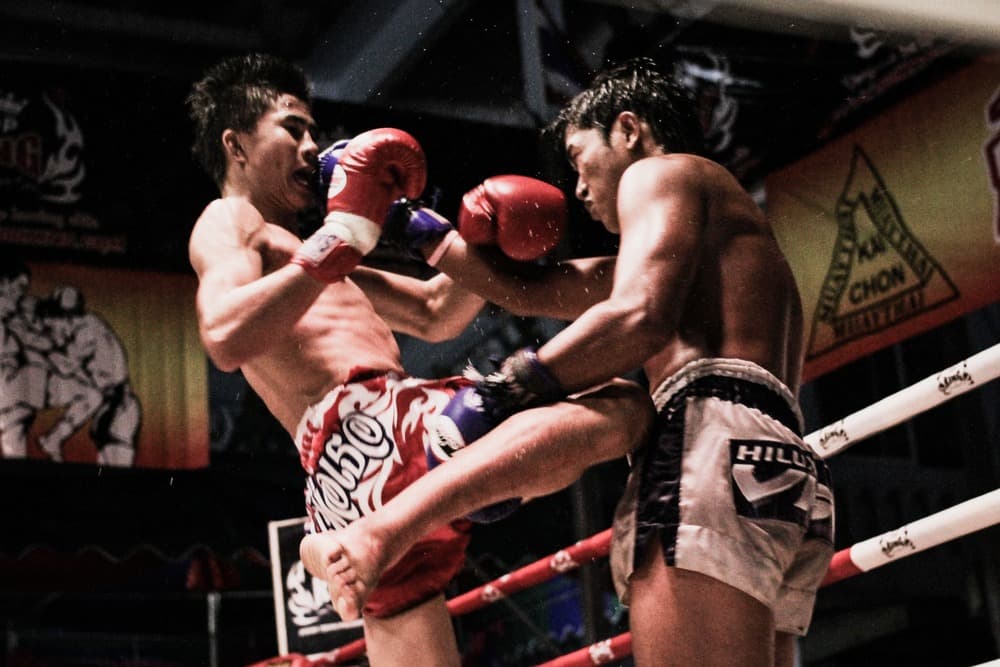
Muay Thai is a martial art that draws its origins from the ancestral practices of Muay Biran (traditional boxing) and Krabi Krabong (weapons practice). In the West, this combat sport is characterized as a kickboxing discipline. To fight, the nak-muay (the boxer) uses punches, kicks, elbows, knees and shins. It is the most popular form of boxing in Southeast Asia. And for good reason—it was the first to receive the title of professionalized national discipline.
Long considered too violent with lethal potential, Thai boxing was completely banned in 1921. It reemerged in 1930 with new rules inspired by those of English boxing. The wearing of gloves became mandatory, as did the ring as a fighting enclosure. Headbutts are now forbidden, as are blows to the groin. Furthermore, judges must also pay particular attention to the technique, agility and fighting spirit of the boxers in order to score them. Professional Muay Thai today includes 13 weight categories. Fights are conducted over 5 rounds of 3 minutes each.
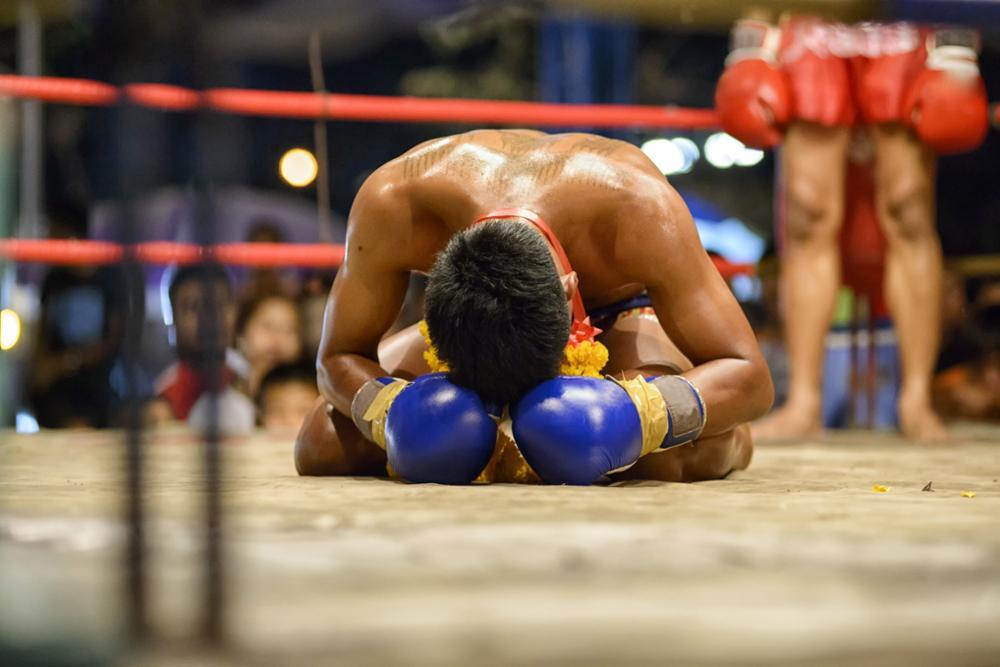
The Ram Muay, a ritual dance before the fight
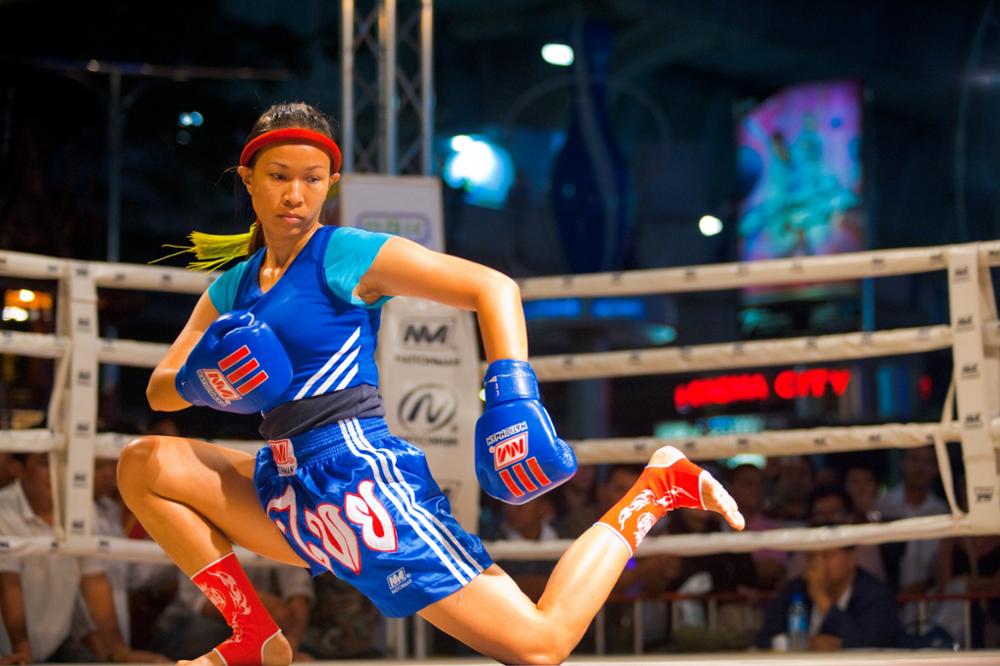
If you go to watch a Thai boxing match, you will surely see the boxers perform a traditional dance before starting the fight. This is a ritual called the Wai Khru Ram Muay. Taking turns, the fighters execute a series of gestures while wearing the mongkon, a piece of fabric worn around the head that shows respect to their trainer and the Thai people. Traditionally, each Muay Thai school teaches its own dances. Among the most well-known are the bird dance, the sword dance and the Hanuman dance. A small orchestra accompanies the dance and sets the rhythm for the different rounds of the fight.
Between traditions and legends…
Muay Thai did not become the national martial art by chance. It is a practice rooted in Thai culture and has been for generations. Indeed, this martial art has been part of military training since the 15th century! It is believed to have been adopted following the Ayutthaya Kingdom's victory over the Angkorian Khmer. Its popularity reached its peak in the early 18th century under the reign of Pra Chao Sua. Being a boxer himself, he enjoyed challenging the champions of the time. This naturally inspired the people and made Thai boxing a favorite activity for Thai people.
Thai boxing also has its share of legends, such as that of Naï Khanom Tom, a Thai soldier and boxer captured by the Burmese in 1767, who reportedly knocked out ten of their champions! Since then, he has been a national hero to whom Thai people pay tribute every year on the occasion of Boxers' Night.
As you can see, Muay Thai is an integral part of everyday Thai life. And when they're not practicing it, Thai people often gather in stadiums or with family to watch matches broadcast on television.
Interested in attending a Thai boxing match during your stay in Thailand? Discover the best Muay Thai stadiums.
Frequently asked questions
The most renowned stadiums are Lumpinee Stadium and Rajadamnern Stadium in Bangkok, as well as Max Muay Thai Stadium in Pattaya.
Prices range from 500 to 2000 baht depending on the seating category and the reputation of the stadium.
Yes, many training camps welcome beginners for courses lasting from a few days to several weeks.
Fights take place year-round, but the most important ones occur during traditional Thai festivals.