Is It Possible to Use a Drone in Thailand?
Traveling with a drone in Thailand requires careful planning. Discover the rules you need to know, registration procedures, and precautions to take before you fly.
How tempting it is to travel with a drone to capture Thailand's natural treasures... But before you dive in headfirst and take unnecessary risks, it's worth taking time to research the regulations. Indeed, drones are classified as aircraft and cannot fly freely. Discover everything you need to know about using a drone in Thailand.
Do I need to register my drone with Thai authorities?
The answer is yes! The first thing to know before traveling to Thailand with a drone is that you must register it with the relevant Thai authorities, which are:
Registration with the NBTC and CAAT
Thai law requires that all drones equipped with a camera be registered with two designated authorities before they are permitted to fly over the territory:
The National Broadcasting and Telecommunications Commission (NBTC),
The Civil Aviation Authority of Thailand (CAAT)
Without approvals from the NBTC and CAAT, it is illegal to operate a drone in Thailand.
Steps to register a drone in Thailand
Registration and enrollment with the NBTC
To register with the NBTC, you have two options:
Do it online on the official NBTC website or
Visit in person at the head office in Bangkok or one of the various NBTC regional offices in Thailand (Chiang Mai, Chumphon, Hat Yai, Nakhon Si Thammarat, and Phuket).
Registration and enrollment with the CAAT
You can only register with the CAAT once you have obtained NBTC approval. Registration with the CAAT can be completed free of charge online on the official CAAT website.
The good news? If your registration is successful, it is valid for two years.
Good to know
Since obtaining NBTC and CAAT approvals can take some time, we recommend you plan ahead—at least one month before your departure date.
Documents required for registration
To register a drone with the NBTC and CAAT, you will need several documents, namely:
A signed copy of your passport,
A photo of the drone,
The drone's serial number,
Proof of residence in Thailand,
Two copies of the completed registration form,
A copy of your civil liability insurance.
What are the rules to follow when operating a drone in Thailand?
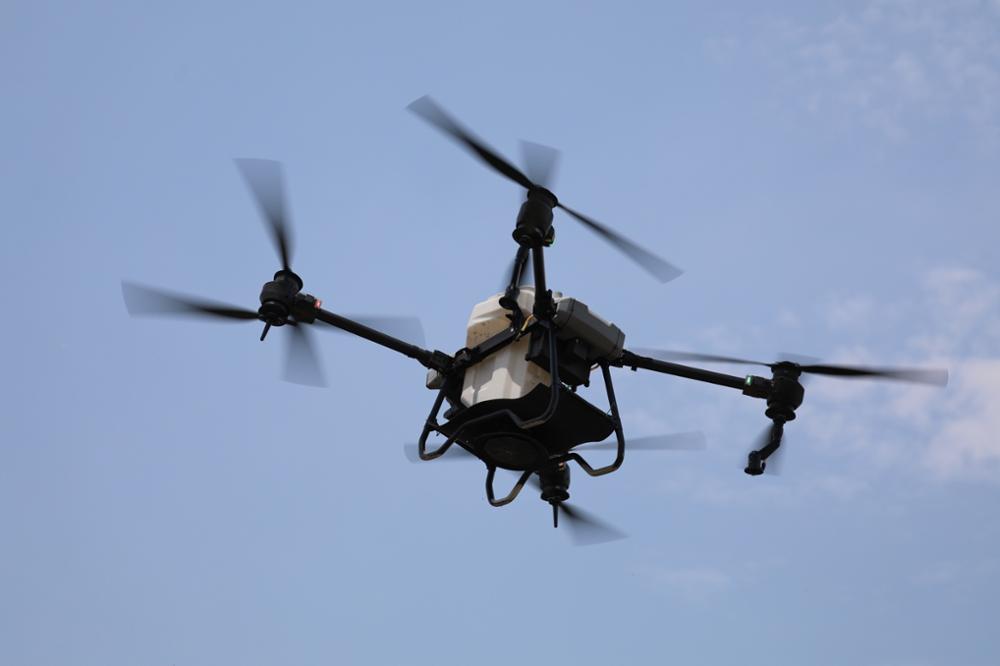
In addition to registering your drone with the NBTC and CAAT, several rules must be observed when operating a drone in Thailand.
Documents you must carry
Not only must you always keep your drone's registration documents certified by the NBTC and CAAT with you, but you must also obtain civil liability insurance. This is mandatory and must cover a minimum of 1 million baht. The civil liability insurance must be written entirely in English and must include your name and the drone's serial number.
Rules to follow
Once you have obtained your approvals, you must adhere to the rules for operating a drone in Thailand. Here are the rules to know before flying a drone over Thai territory:
Drone pilots must be at least 18 years old;
Drones are authorized to fly only in designated zones (see further in the article);
Drones must not fly closer than 30 meters (98 feet) to any person, vehicle, structure, or building;
Drones cannot fly higher than 90 meters (295 feet);
Drones must not fly at a certain distance from manned aircraft;
Airports must be maintained at a distance of 9 kilometers (5.6 miles);
Drones must not fly over cities and villages;
Drones must not fly near crowds;
Drones must keep away from government buildings and hospitals;
Drones may only fly during daylight hours: between sunrise and sunset;
Pilots must always maintain visual line of sight with their drones.
No-fly zones and restricted zones for drones
Drones cannot fly freely throughout Thai territory. There are:
No-fly zones: airports and airfields, military zones and national security areas, government offices, public buildings, and hospitals…
Restricted zones: national parks, historical and cultural sites, private land, densely populated areas.
Without authorization, drones cannot fly in these areas.
What penalties can be imposed for violating the rules?
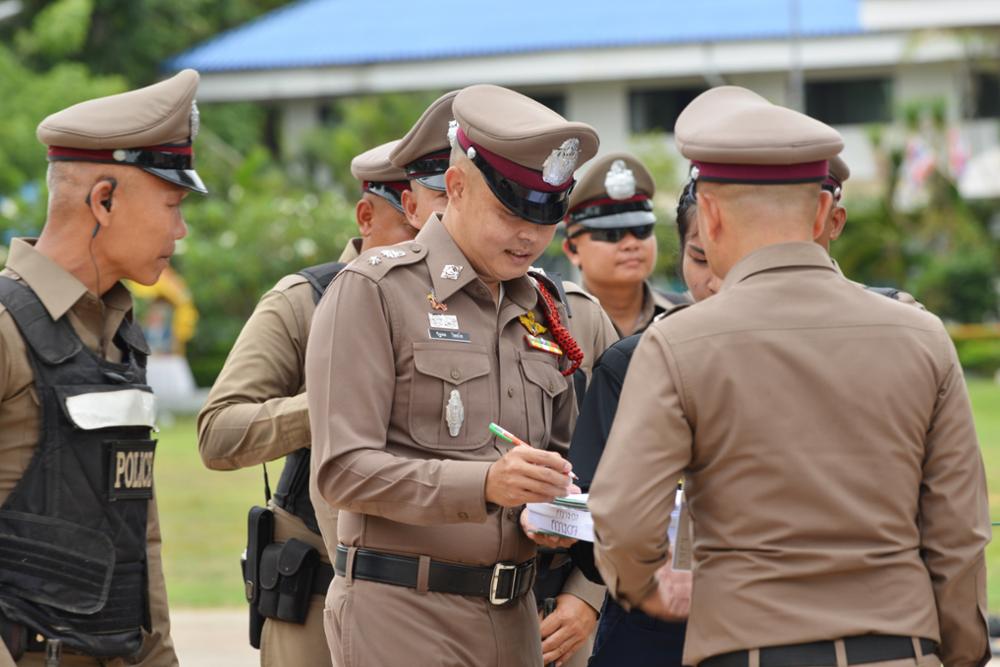
Failing to comply with drone regulations in Thailand can result in serious penalties.
Indeed, individuals operating drones without proper authorization or failing to follow the rules may face fines ranging from 40,000 to 100,000 baht. They may also face imprisonment of 1 to 5 years.
This is why it is strongly recommended to inform yourself about all the rules to follow when using a drone in Thailand.
Practical Info
All rules are provided for informational purposes and are subject to change. We advise you to stay informed and verify the latest regulations on the NBTC and CAAT websites. You can also contact the embassy if you have any questions.
Frequently asked questions
Registration with the CAAT is free, but fees may apply for the NBTC. You must also budget for mandatory insurance of a minimum of 1 million baht.
No, national parks are restricted zones where drone use is prohibited without special authorization from the relevant authorities.
Penalties range from 40,000 to 100,000 baht in fines and may include a prison sentence of 1 to 5 years.