Did You Know? There Are Around a Dozen Different Smiles in Thai Culture
In Thailand, a smile can say almost everything. Discover why the country deserves its nickname as the Land of Smiles and what the different Thai smiles reveal.
In Thailand, a smile is never "just" a smile. It's a language unto itself, born from a culture that values harmony and respect at the heart of society. It's no wonder the kingdom is nicknamed the Land of Smiles. And there isn't one but around a dozen smiles! Discover why smiles are so omnipresent in Thailand and what the different types of Thai smiles are and what they mean.
Why So Many Smiles in Thailand?
The Smile, a Genuine Language in Thailand
In Thailand, the smile isn't just a facial expression: it's a true non-verbal language. While Europeans tend to rely on words, Thai people more readily choose a smile to say "thank you," "sorry," "I disagree," or even "never mind." This subtlety stems from an essential value: preserving harmony.
Good to know
Indeed, openly displaying anger, sadness, or frustration is frowned upon by Thai people, as it disrupts collective harmony. In a society that avoids direct confrontation, a smile can thus replace a sharp retort, defuse tension, or express embarrassment or kindness.
It's this social philosophy—the art of smoothing over disagreements—that explains why the smile is so omnipresent in Thai culture. It's not merely an expression of joy, but rather a subtle language that conveys a mindset: to remain pleasant and respectful, whatever the circumstances.
The Notions of Jai and Kreng Jai
In Thailand, the smile obeys shared codes: it reflects the state of jai and the concern for kreng jai. Let's look at these notions more closely to understand this smile culture:
Jai (ใจ): this word means both "heart" and "mind." Omnipresent in vocabulary, it appears in many expressions denoting emotional states such as jai dee ("good heart"), jai yen ("cool heart," calm), jai ron ("warm heart," angry). The smile reflects this inner state and serves to maintain balance.
Kreng Jai (เกรงใจ): difficult to translate, this word expresses respect tinged with modesty. It conveys the desire to avoid bothering others, to spare them embarrassment, and to preserve serenity around oneself. It's a central value in Thai culture, rooted in Buddhism, in hierarchical relationships, and social harmony. Smiling thus becomes an active tool of politeness: it softens speech, masks annoyance, or discreetly signals disagreement without offense.
Good to know
Understanding these two notions means discovering a country and a culture where politeness is expressed not only through words, but through a grammar of the face, subtle and benevolent, where social harmony outweighs blunt honesty.
What Are the 13 Thai Smiles and What Do They Mean?
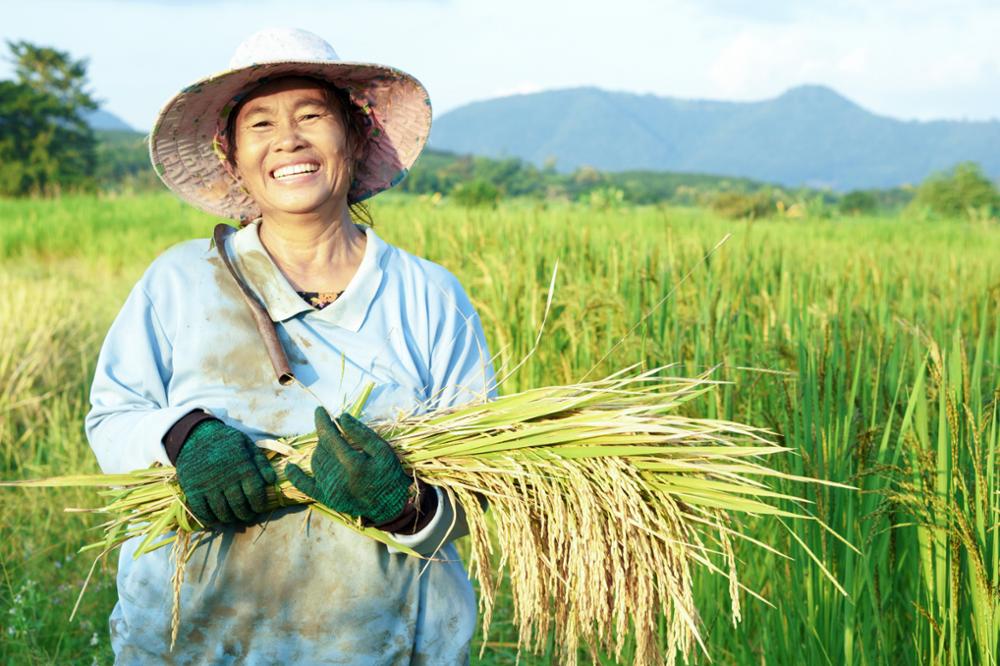
Thai people distinguish, informally, a mosaic of smiles. Around 13 are typically identified:
Smile (Transliteration) | Common Meaning |
|---|---|
yim yó (ยิ้มเยาะ) | Teasing smile, like an "I told you so." |
yim chéun chom (ยิ้มชื่นชม) | Discreet admiration and restraint, a form of pride. |
yim mâi òk (ยิ้มไม่ออก) | A smile that marks contained pain or sorrow. |
yim mii lésanai (ยิ้มมีเลสนัย) | A smile conveying distrust or suspicion. |
yim chüat chüan (ยิ้มเชือดเฉือน) | A smile expressing slightly cruel triumph. |
yim tòo-tâan (ยิ้มต่อต้าน) | A smile signaling polite disagreement. |
yim sâo (ยิ้มเศร้า) | A sad smile. |
yim hɛ̂ɛng (ยิ้มแห้ง) | An embarrassed, forced, awkward but polite smile. |
yim sùu sùu (ยิ้มสู้ ๆ) | An encouraging smile, "we'll get through this." |
yim yór-yàe (ยิ้มเหยาะแหยะ) | A smile to put things in perspective. |
yim thâng nám-taa (ยิ้มทั้งน้ำตา) | Smile through tears, joy or sorrow. |
fǔun yim (ฝืนยิ้ม) | A forced, conventional smile. |
yim tâk-thaai (ยิ้มทักทาย) | A smile in greeting, the most common. |
Note: this descriptive framework is quite useful for understanding, but doesn't come from an official manual...
How to Decipher Different Thai Smiles as a Foreigner?
Observe context rather than the smile alone...
Look at the eyes...
Always pair your smile with a word...
Don't try to "understand everything"...
Why Is Thailand Nicknamed the "Land of Smiles"?
The nickname is rooted in a cultural reality... and also in official tourism promotion.
At Sawa'Discovery, we don't simply introduce you to Thailand; we also help you read the invisible smiles.
To learn more, also discover:
Frequently asked questions
Thai people traditionally distinguish 13 different types of smiles, each with its own cultural and social significance, from the greeting smile to the polite disagreement smile.
The smile is an integral part of Thai culture because it helps preserve social harmony and avoid direct confrontation, values central to this Buddhist society.
You must observe the context, look at the eyes that accompany the smile, and understand that even a polite smile is part of Thai cultural respect.