You dream of a moment of silence, a breath of fresh air away from the hustle and bustle of the city, a suspended moment to reconnect with yourself? What if travel became the perfect excuse to discover yoga or meditation, right where these practices originated? Intensive retreat, spiritual retreat or simple discovery: here are the destinations we recommend for those looking to combine escape and inner reconnection.
Table of Contents
- India, the cradle of yoga and Ayurveda
- Bali, a sanctuary of holistic wellness
- Thailand, between Buddhist temples and meditation schools
- FAQ
1. India
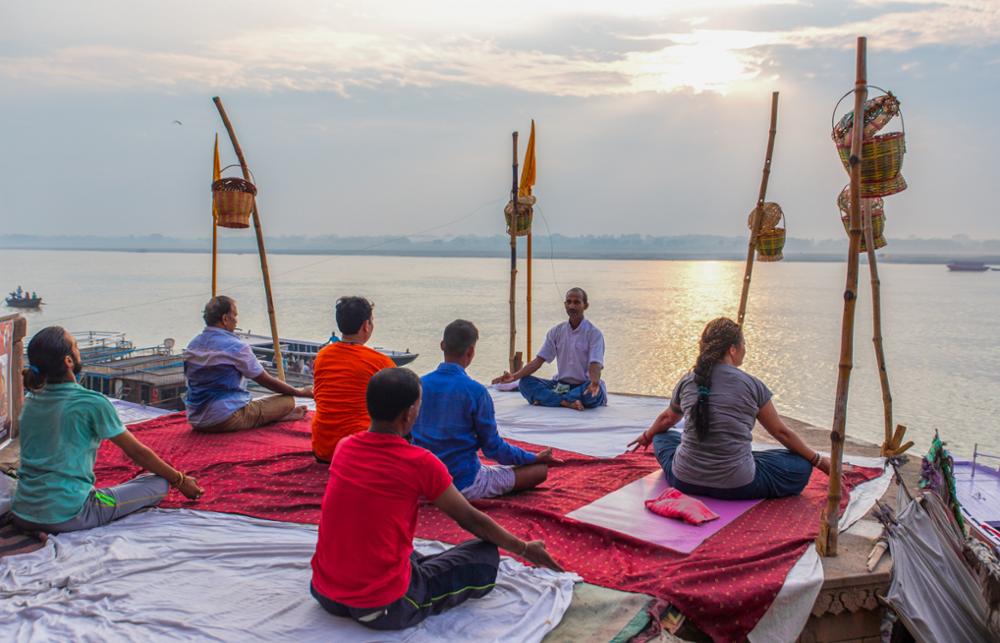
It's impossible to talk about yoga without starting with India. It was here, more than five thousand years ago, that this discipline took root, blending philosophy, posture (asana), breath (pranayama) and meditation. Even today, yoga remains a true Indian way of life, practiced as much in ashrams as on the ghats at sunrise.
A stay in India is also an opportunity to discover Ayurveda, considered the world's oldest holistic medicine. Herbal remedies, massages with hot oils, diets adapted to your constitution: this ancient approach brings body and mind into dialogue. Meditation enthusiasts will find their path through Buddhist and Tibetan traditions, with many centers dedicated to vipassana, an attentive technique attributed to Buddha himself.
What we recommend
The altitude station of Dharamsala, nestled in the foothills of Himachal Pradesh, as well as the nearby village of McLeod Ganj, which is home to the Dalai Lama's residence and a large Tibetan community in exile. Further south, the sacred cities of Haridwar and Rishikesh, situated on the banks of the Ganges, remain the world epicenters of yoga – Rishikesh even hosts an international festival every year that attracts practitioners and teachers from all five continents.
The itinerary we recommend: At the heart of the plains of Punjab and Himachal Pradesh
2. The island of Bali
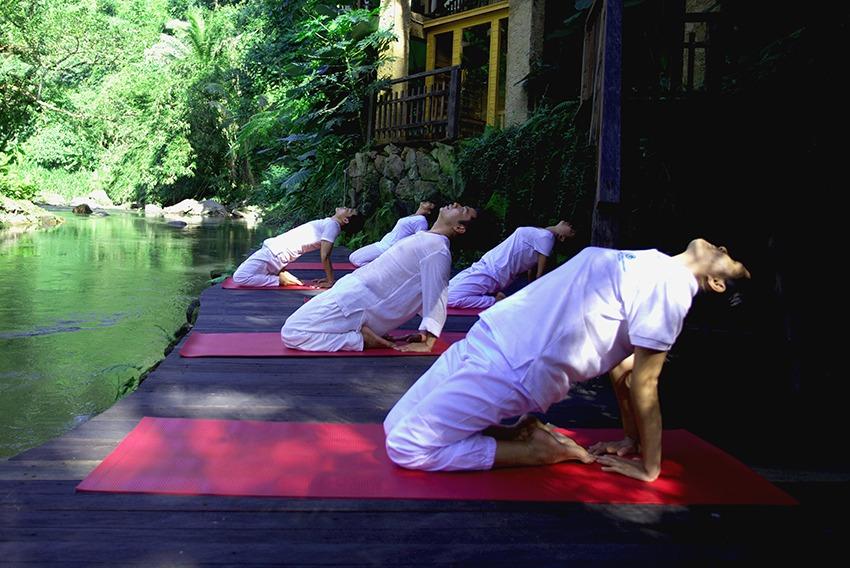
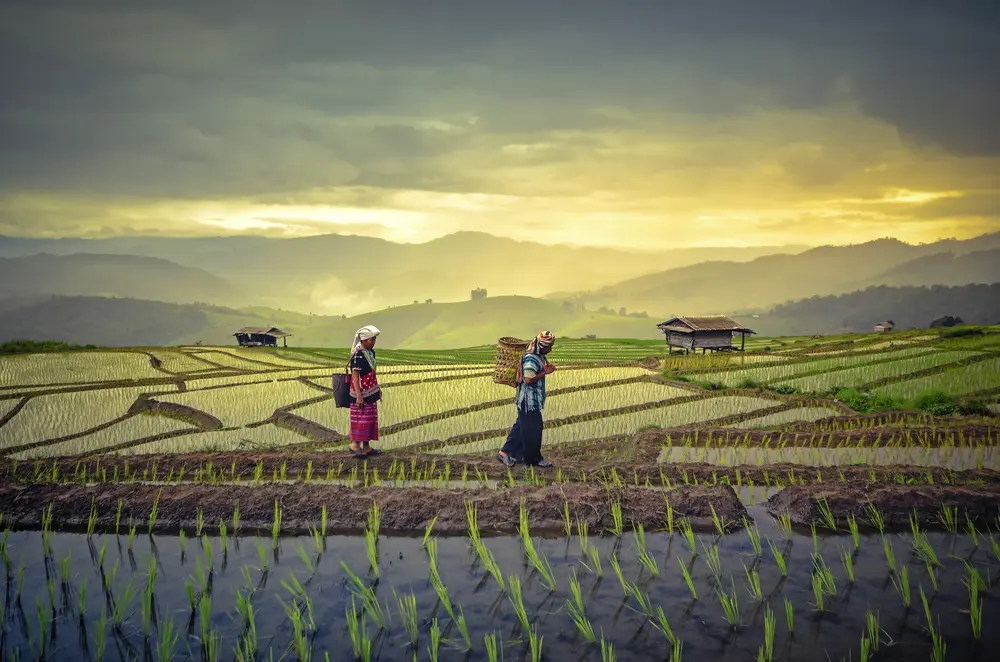
The sole Hindu-majority island in the Indonesian archipelago, Bali maintains a particular relationship with the sacred. Daily offerings placed in front of every house, colorful processions and temples nestled among rice paddies create an atmosphere conducive to inner reflection. This is perhaps why the island has become, over the decades, one of the world's great capitals of yoga and personal development.
Around Ubud, considered the spiritual heart of the island, wellness centers are counted by the dozens. Yoga is practiced in all its forms, but also holotropic breathing, reiki, gong and Tibetan bowl baths, traditional Balinese massage, and ecstatic dance. The diversity of approaches allows everyone, whether a beginner or experienced practitioner, to find a path that suits them.
What we recommend
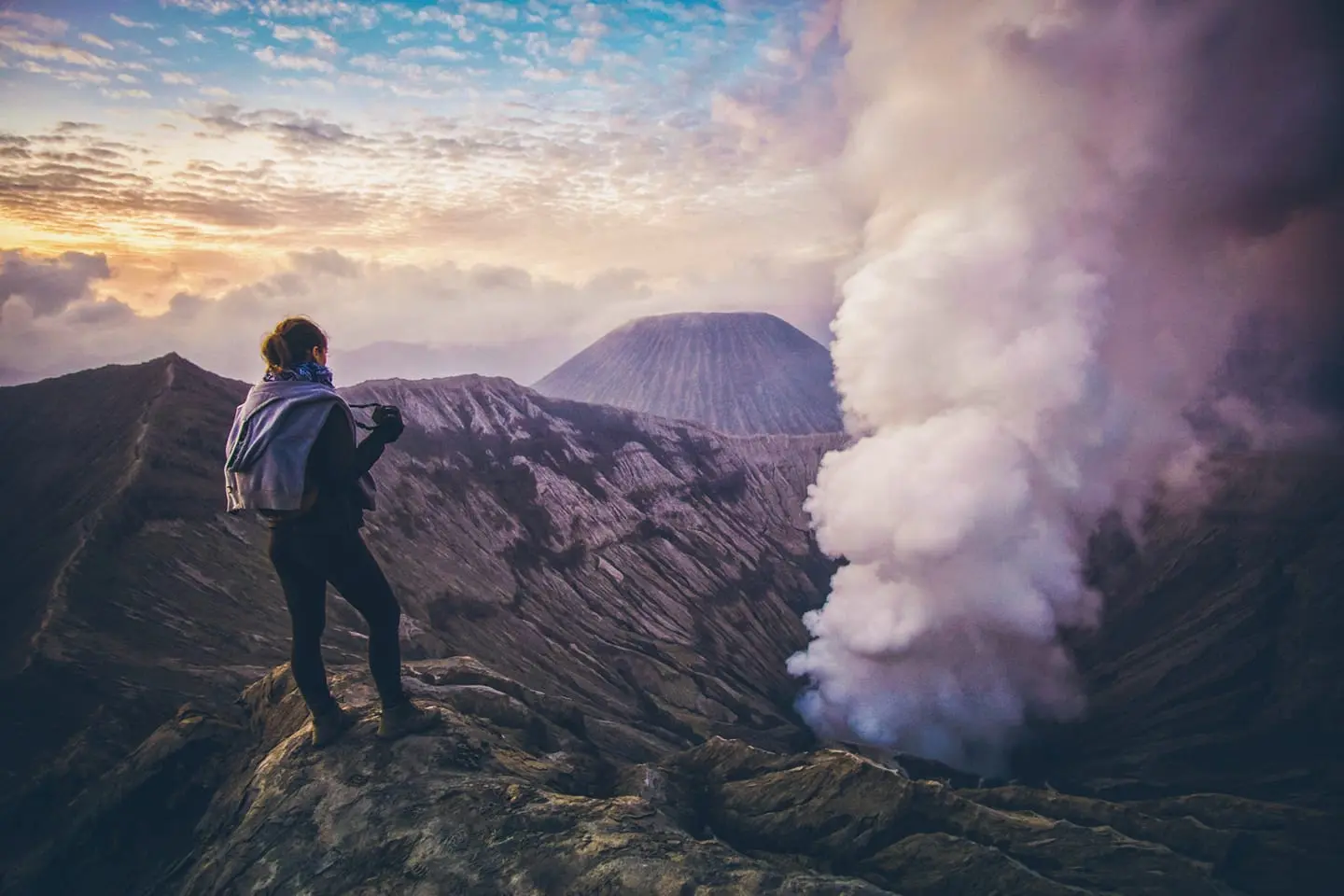
The Radiantly Alive studio, whose reputation extends far beyond the island's borders. Teachers from around the world guide you toward deep reconnection, working on both the body and mindful listening to life. To extend the experience, an excursion to the Tegallalang rice terraces or a sunrise walk on the slopes of Mount Batur offer an unforgettable meditative setting.
Our yoga circuits in Bali: Bali, yoga and gods – Holistic wellness retreat in Bali (5 days)
3. Thailand
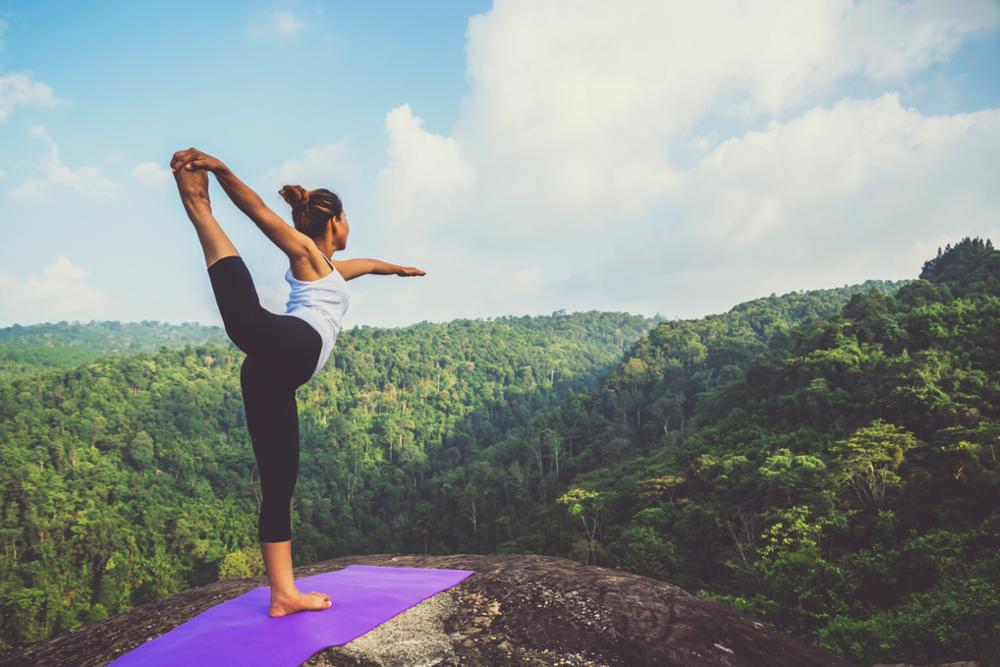
Deeply marked by Theravada Buddhism, Thailand offers a particularly rich field of practice for those wishing to slow down and explore meditation. The country has hundreds of monasteries that open their doors to travelers, and several internationally recognized centers offer silent retreats lasting from a few days to several weeks.
Traditionally, two main paths are distinguished: Samatha meditation, which aims to calm the mind and cultivate concentration, and Vipassana meditation, more introspective, focused on observing sensations and thoughts. To complement this inner exploration, Thai massage – originally practiced in temples to ease monks after long hours of sitting – offers precious muscular relief.
What we recommend
Head to Koh Phangan, in the Gulf of Thailand. Far from the festive image of the Full Moon Party, the island is home to an established yoga community, with centers like Agama or The Sanctuary that set the standard. In the north of the country, the towns of Chiang Mai, Chiang Rai and Pai charm with their more peaceful atmosphere and proximity to jungle temples. Several monasteries, particularly around Chiang Mai, welcome travelers for meditation retreats led by the monks themselves – an experience as humble as it is intense.
To go further: Getting started with meditation in Thailand
FAQ
Do you need to already practice yoga to go on a retreat?
No. Most of the centers mentioned (in Bali, India or Thailand) welcome beginners, with classes adapted to all levels. A retreat can be the ideal opportunity to discover the discipline under good conditions, guided by experienced teachers.
What's the difference between Samatha and Vipassana meditation?
Samatha meditation seeks to calm the mind and develop concentration, often starting from a single point of focus such as breathing. Vipassana, on the other hand, is an observational practice: it invites you to perceive sensations and thoughts as they appear, without judgment, to develop self-awareness.
What is the best time to travel to India or Southeast Asia?
For northern India (Rishikesh, Dharamsala), the most pleasant season runs from March to June and September to November. Bali can be visited year-round, with an ideal dry season from April to October. Thailand offers the best conditions from November to February, when temperatures are milder and the sky is clear.
How long should you plan for an effective retreat?
A 5 to 7-day retreat is already enough to break away from daily life and feel notable benefits. For a deeper transformation, especially when discovering Vipassana, traditional programs typically last 10 days in complete silence.
Can Ayurveda be combined with yoga?
Absolutely. Yoga and Ayurveda are considered two sides of the same Indian tradition. Many ashrams, particularly in Kerala and northern India, offer combined stays that blend yoga classes, meditation sessions, Ayurvedic treatments and meals adapted to your constitution (dosha).
Florine Dergelet