
What if the secret to an unforgettable trip simply came down to when you travel? Some places can be discovered year-round, but others take on a special dimension when a major event, celebration, or natural phenomenon comes to transform the experience.
Attending a national festival in the heart of the steppes, climbing a sacred mountain at sunrise, or witnessing one of the planet's greatest animal spectacles… These moments only happen a few days or weeks each year, and it's often they that give a trip its true flavour.
At Nomadays, we love taking travelers to the right place, at the right time, to experience these rare moments as close as possible to local cultures. Here is our selection of major summer 2026 events around the world. Experiences to live at least once in a lifetime and which could well become the starting point for your next trip...
1. The Naadam Festival in Mongolia: the great celebration of nomadic traditions
When? July 11-13, 2026
Where? Throughout the country, with the main festival in Ulaanbaatar
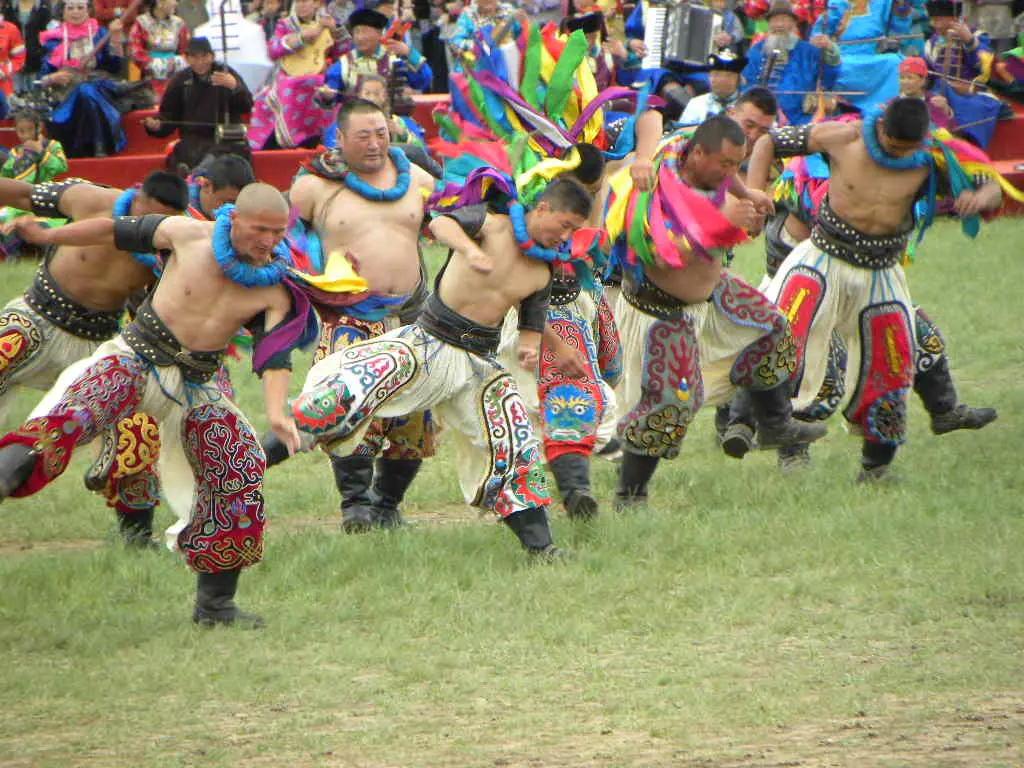
Every summer, in July, during the national celebration on July 11-13, Mongolia vibrates to the rhythm of Naadam, the country's largest national festival. For several days, the country transforms into a theater of celebrations where nomadic traditions, sporting competitions, and popular fervor come together.
In Ulaanbaatar, the opening ceremony sets the tone: colorful traditional costumes, riders proudly mounted on their horses, and ancestral music pay tribute to Mongolian history. Very quickly, the famous "three manly games," inherited from the warlike traditions of Mongolian riders, take center stage: Mongolian wrestling, archery, and horse racing.
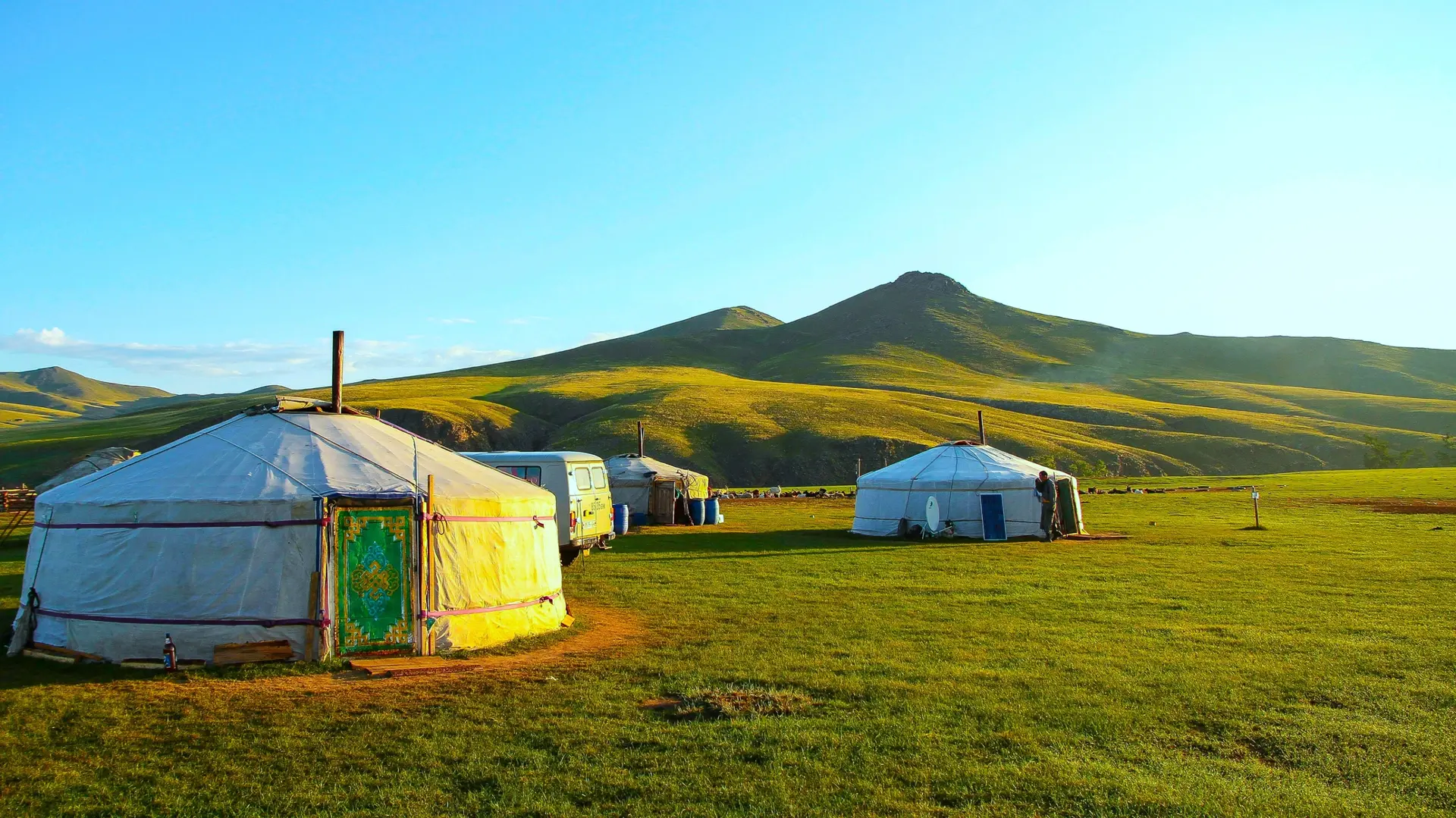
But the Naadam festival is also experienced outside the stadiums. In makeshift camps, Mongols set up their gers, share traditional dishes, sing, and dance. For travelers, the experience is unique: attending the festival allows you to immerse yourself in nomadic culture while discovering Mongolia's magnificent landscapes.
That's the spirit of our Naadam circuit in Ulaanbaatar, which allows you to experience Naadam before exploring Mongolia's vast expanses.
The Naadam horse races don't take place on a racetrack but across the country's steppes. The riders, often children aged 6 to 13, sometimes cover 20 to 30 kilometers across the plains!
Contact Horseback Mongolia, our partner agency in Mongolia, to learn more.
2. Mount Fuji climbing season in Japan: a mythical experience
When? Early July to early September
Where? On the island of Honshu in Japan
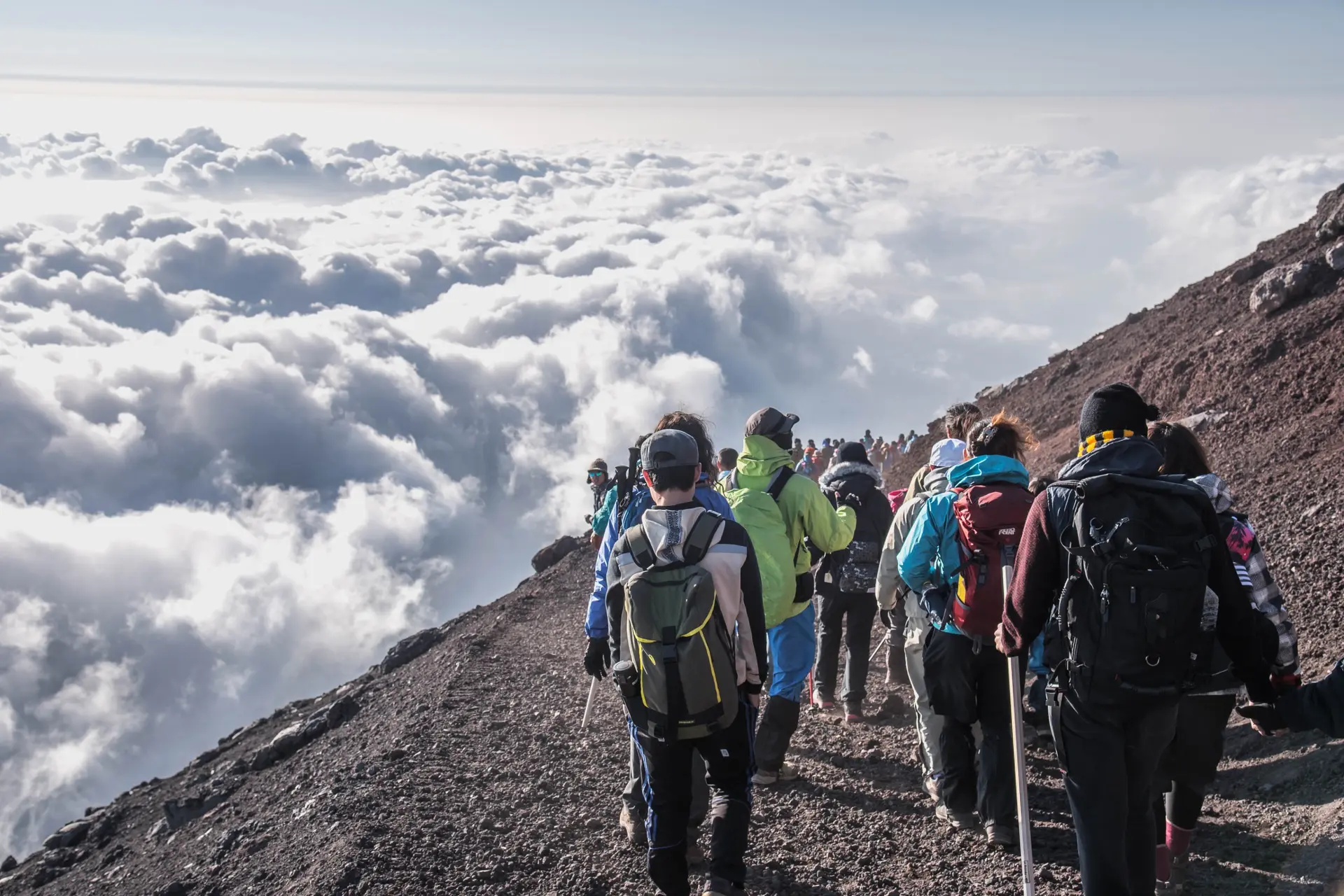
At 3,776 meters altitude with its almost perfectly symmetrical volcanic cone, Mount Fuji is one of Japan's most emblematic landscapes. A spiritual and cultural symbol of the country, it attracts thousands of travelers from around the world each summer to climb its summit.
But the experience doesn't happen just anytime: climbing Mount Fuji is only possible during a short period, generally from early July to early September. This is when mountain shelters are open and trails are safe.
Most hikers start climbing in the late afternoon, spend the night in a refuge or continue walking to reach the summit before dawn. They can then witness the sunrise above a sea of clouds, a sacred moment in Japan called "goraiko".
After several hours of walking, the reward is unforgettable: a spectacular panorama of the mountains and lakes of Honshu island. Climbing Mount Fuji is a highlight of a trip to Japan: a mixture of effort, contemplation, and spirituality in the face of one of the world's most iconic landscapes…
Mount Fuji has been considered a sacred mountain for centuries. In the past, only pilgrims could undertake the ascent of the volcano, which is now part of the UNESCO World Heritage as a cultural site.
Contact Au fil du Japon, our partner agency in Japan, to learn more.
3. The great migration in Tanzania and Kenya: Africa's greatest animal spectacle
When? June to September
Where? Between Serengeti National Park in Tanzania and Masai Mara National Reserve in Kenya.
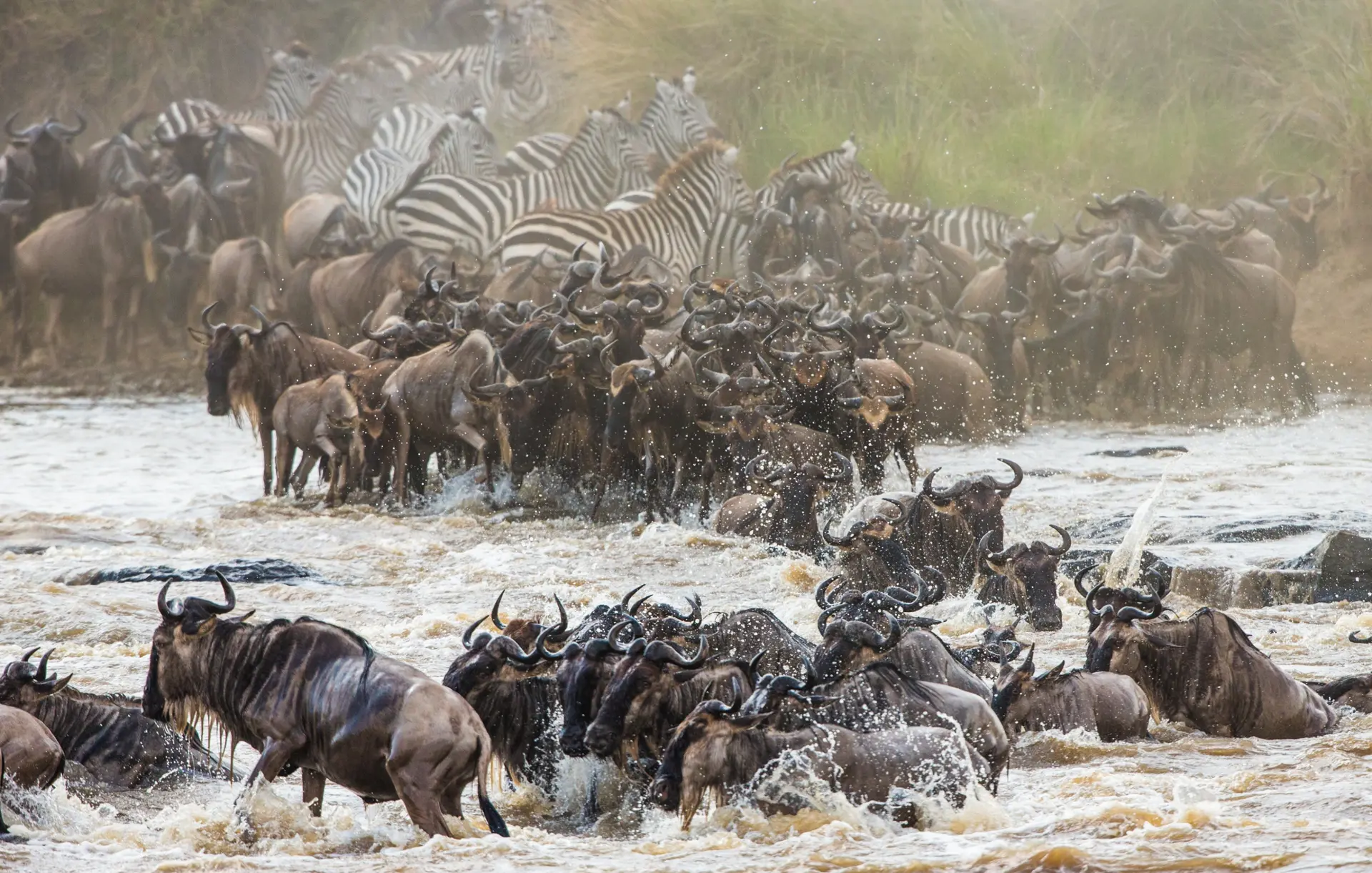
Each year, the vast plains of Serengeti National Park in Tanzania and Masai Mara National Reserve in Kenya become the stage for an exceptional natural spectacle: the great migration. Millions of wildebeest, accompanied by zebras and gazelles, travel across the plains in search of greener pastures.
After the calving season which takes place between January and March in the southern Serengeti, the immense herds begin their journey northward in early summer.
Starting in June, the herds gradually move north through the Serengeti. Between July and September, the most spectacular scenes occur during river crossings of the Mara River, at the border between Tanzania and Kenya. Thousands of wildebeest then plunge into the water in an impressive chaos, while crocodiles lie in wait for their passage...
After these crossings, the animals reach the vast plains of Masai Mara, where they spend several weeks feeding before heading south again when the rains return in October.
Our special circuit for the great migration in Tanzania allows you to follow the herds in the heart of the Serengeti and observe this unique natural phenomenon up close.
The great migration involves more than 1.5 million wildebeest, accompanied by approximately 200,000 zebras and gazelles. Together, they travel nearly 3,000 kilometers each year, creating a continuous movement visible even from the air.
Contact our partner agencies to learn more: Détours Kenya and Détours Tanzania.