

Table of Contents
- When the plate becomes a travel story
- Insects and arthropods: protein from afar
- Small animals, big traditions
- Living seas and fish perspectives
- Fermentations and offal: bold choices
When the plate becomes a travel story
Traveling also means accepting that your points of reference shift, even in your own stomach. What surprises a French table is often everyday elsewhere: a grilled insect becomes a street snack, a rodent becomes a festive dish, a cheese that moves becomes family heritage. Before judging these strange specialties, it's worth understanding where they come from — from necessity, from climate, from memory.
The eight dishes that follow are not gathered to shock. They tell, each in their own way, how eight cultures adapted to what nature put within reach, and how they made it a source of pride.
Insects and arthropods: protein from afar
Fried tarantulas — Cambodia
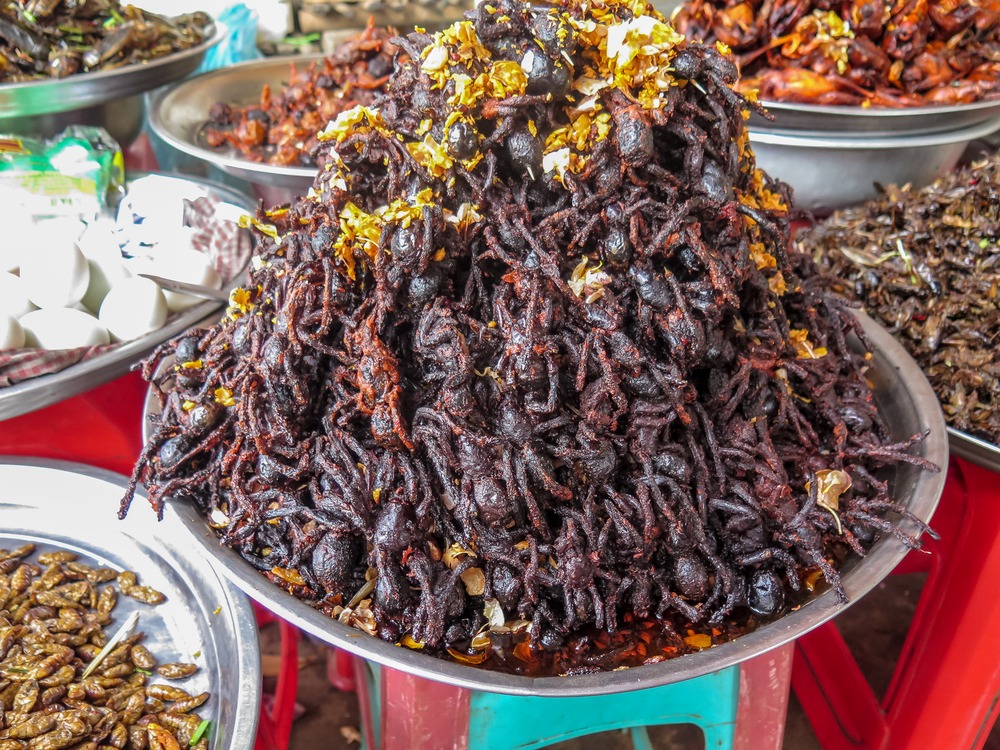
In Skuon, a stopover town on the road between Phnom Penh and Siem Reap, fried tarantulas are sold individually on aluminum trays. The recipe is simple: a bath of hot oil, a little salt, garlic, and you wait until the legs become crispy. They are then picked up with your fingers, like you would a gray shrimp. The belly, more tender, divides opinions; the legs are unanimously enjoyed.
Water bugs — Indonesia
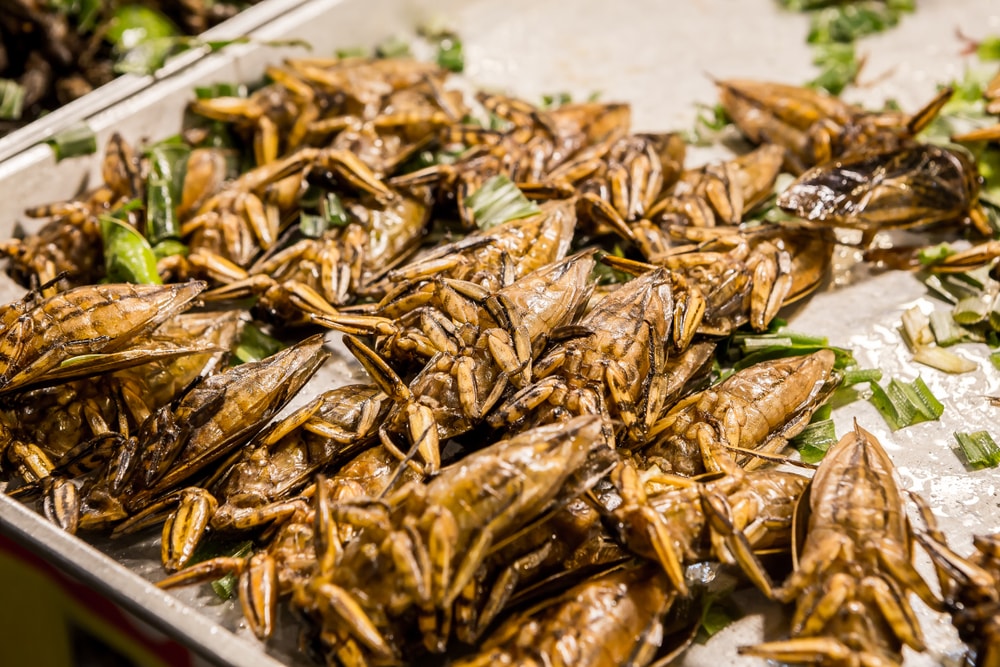
In Indonesian night markets, water bugs are sold in small piles, sometimes grilled, sometimes fried. Their olfactory reputation precedes them, but the taste surprises with its roundness, almost briny. Nutritionists see above all an abundant and inexpensive source of protein — an argument now shared by many Southeast Asian cuisines, where entomophagy was never a taboo but a habit.
Grilled grasshoppers — Mexico
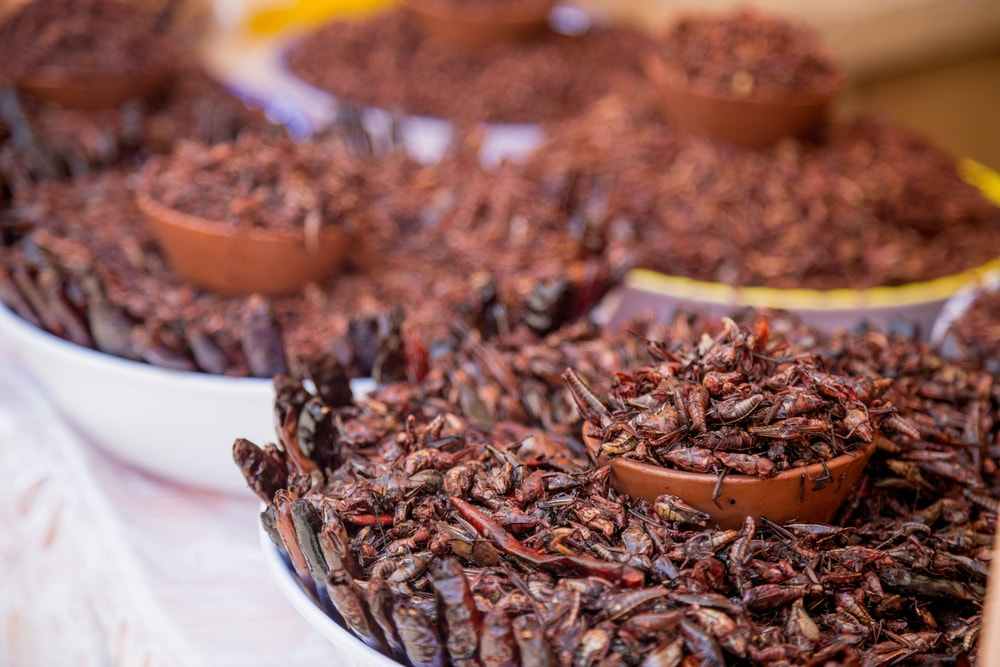
In Mexico, they are called chapulines. Grasshoppers, skewered on thin wooden picks, are dusted with salt and chili before spending a few minutes over hot coals. The result is crispy, very lightly smoky, with an aftertaste reminiscent of dried shrimp. Served in tacos or nibbled as an appetizer, they have been part of Oaxaca's culinary heritage since pre-Hispanic times. This is probably the most accessible of the specialties in this selection.
Small animals, big traditions
Guinea pig — Peru
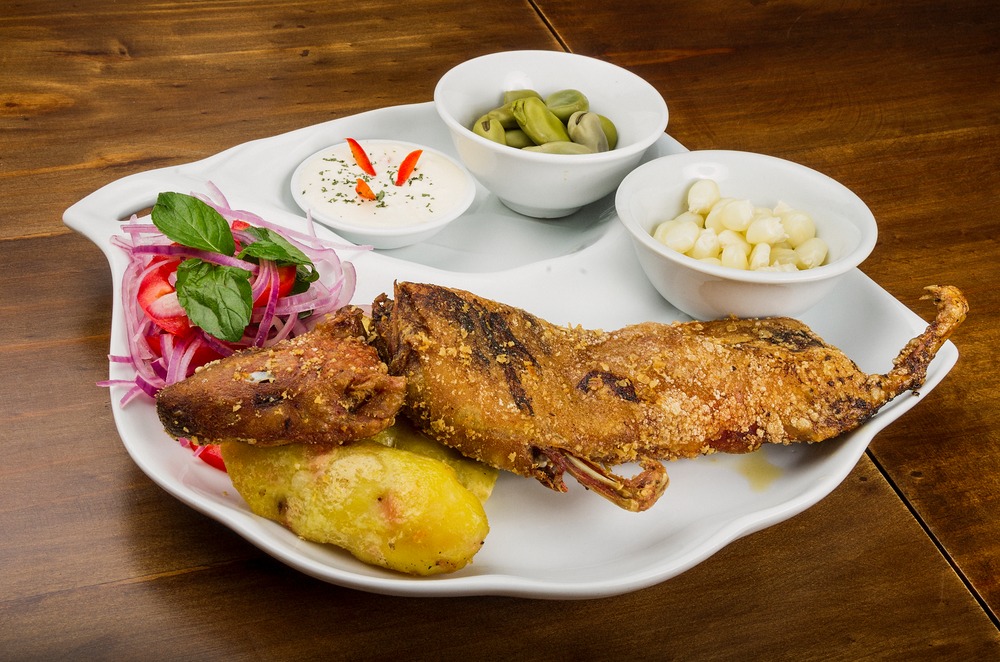
In the Peruvian Andes, the cuy is not a pet: it is a ceremonial dish. Raised at home, it is served at weddings, patron saint festivals, and major family occasions. The most common preparation remains roasted in the oven or over coals, the whole animal opened in a cross. The meat, fine-textured, indeed reminds one of chicken or rabbit. Beyond the visual shock — the head is usually left on — it is a dish deeply rooted in Andean cuisine, present since Incan civilization.
Chicken feet — China
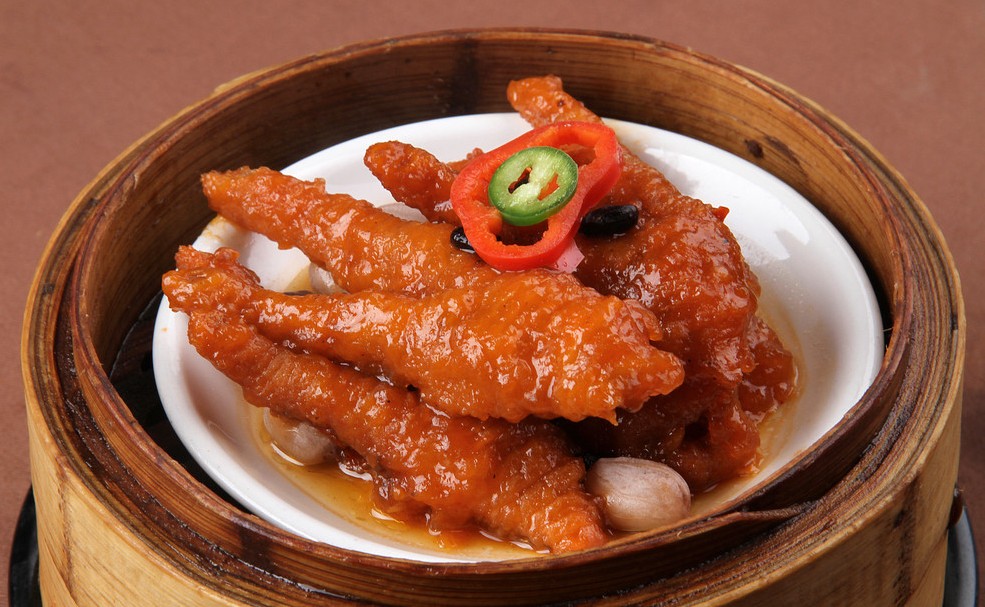
It's hard to reduce Chinese cuisine to a single unusual dish, given the regional variations the territory offers. Chicken feet, however, are everywhere: marinated in a dark sauce with star anise, steamed in bamboo baskets of Cantonese dim sum, or fried with chili in the southern provinces. They are nibbled like you would nibble peanuts, while chatting. The gesture is nothing exceptional: it belongs to everyday culture.
Living seas and fish perspectives
Live octopus — South Korea
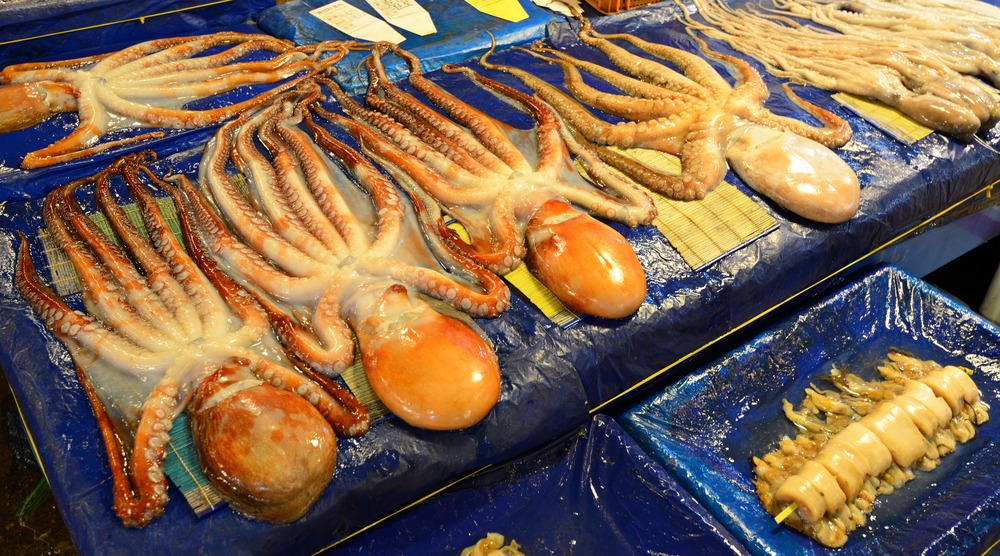
San-nakji is an experience more than a dish. Small octopuses are cut into pieces just before serving; the tentacles continue to move on the plate, due to the nervous system. They are dipped in sesame oil and seeds, then chewed firmly and at length before swallowing — an essential precaution, as the suction cups can adhere to the throat. It is a dish for connoisseurs, mainly consumed in the fish markets of Seoul and Busan.
Giant tuna eye — Japan
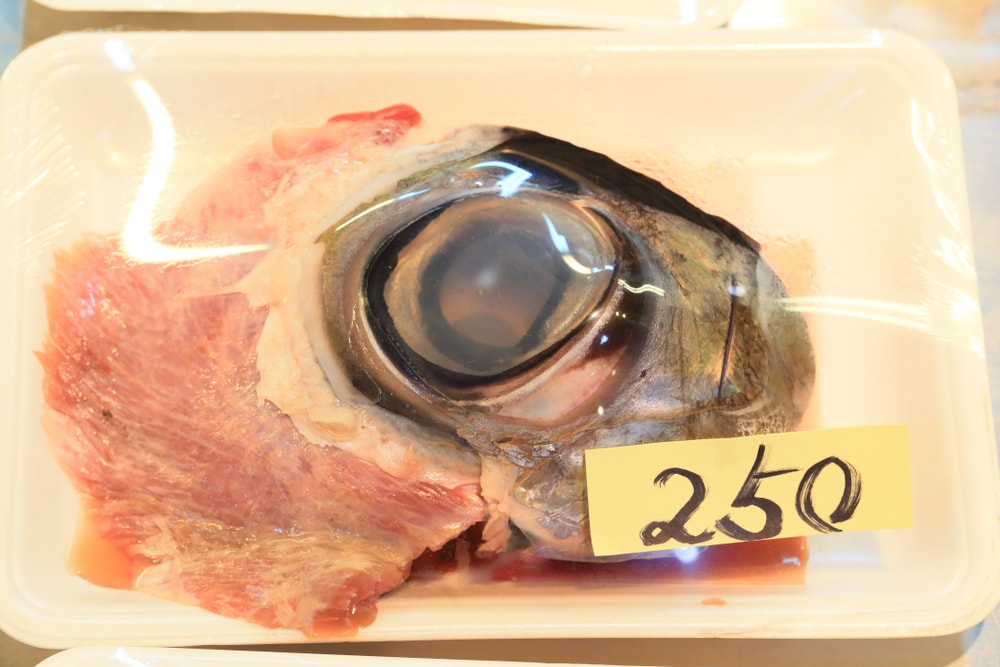
In Japan, nothing is wasted, especially not from the sea. The tuna eye — sold for a few hundred yen in Japanese supermarkets — is most often prepared simmered in a broth of soy sauce, mirin, and ginger. A more direct variation consists of pan-frying it in sesame oil. The texture, between fatty and gelatinous, surprises more than the taste itself, which is rather mild. It is a popular dish, more working-class than gastronomic, and a fine example of the anti-waste ethic of Japanese cuisine.
Fermentations and offal: bold choices
Casu marzu — Sardinia
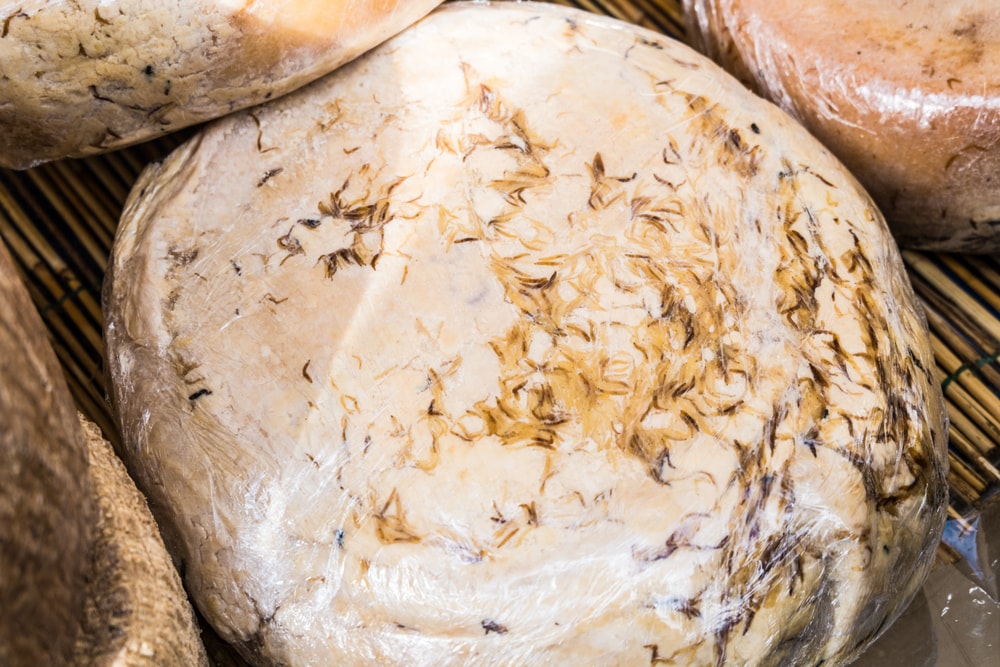
Casu marzu is probably the most radical in this selection. This Sardinian cheese made from sheep's milk is intentionally left in the open air for a fly, Piophila casei, to come and lay its eggs. The larvae digest the paste, transform it, and give it this creamy, almost runny texture that makes it a sought-after delicacy. According to local producers, it is when the larvae are still moving that the cheese is ready to be tasted — officially banned from sale in the European Union, it survives thanks to a tenacious pastoral tradition.
These eight dishes are so many invitations to reconsider what we call "unusual." The word mainly speaks to the distance between our cuisines. For travelers ready to taste, it's often at the table that the real encounter begins.