
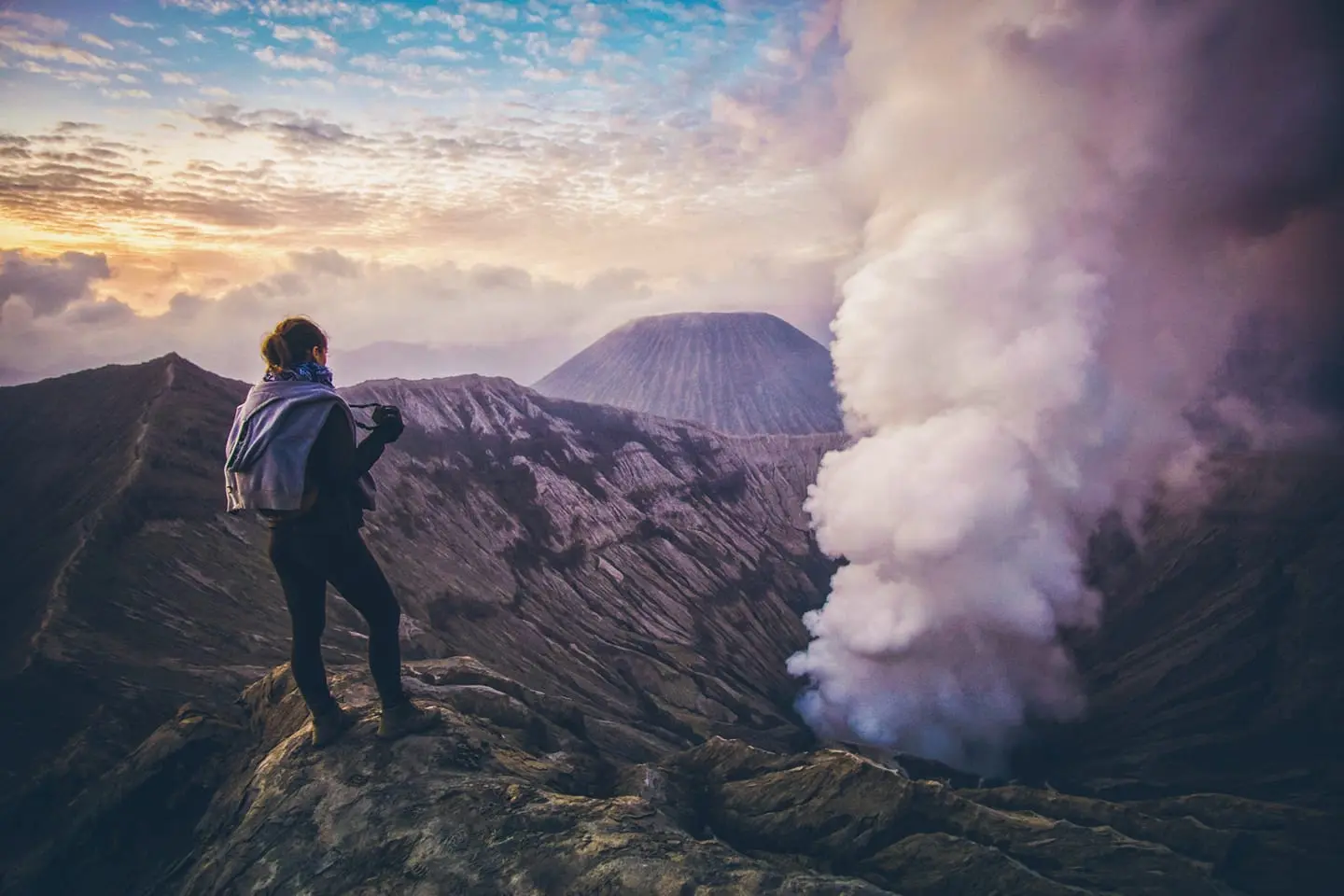
Do the vast wild spaces call to you? Do you dream of meeting a lion's gaze at dawn, watching a family of elephants cross the savanna, and sharing these suspended moments with your children? To help you imagine the journey that will leave a lasting mark on your loved ones, here is our selection of the three African safaris best suited for a family stay.
Contents
- Kruger National Park, South Africa
- Manyeleti Private Reserve, South Africa
- Ngorongoro Crater, Tanzania
- FAQ: preparing your family safari
1. Kruger National Park, South Africa
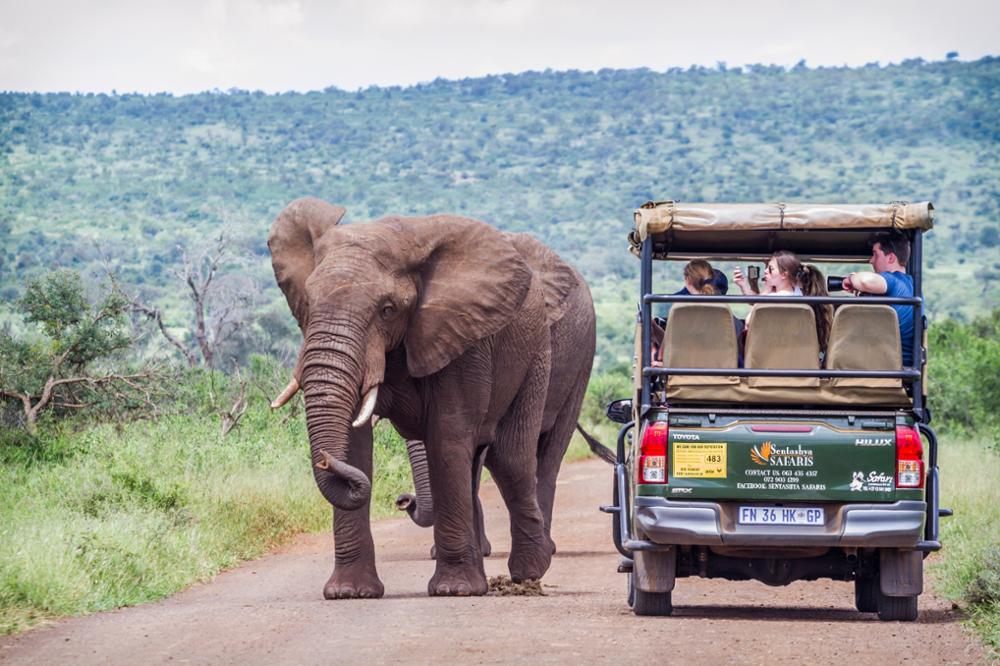
It's hard to talk about safari without mentioning Kruger National Park. Created in 1898 and opened to the public in 1926, it is one of Africa's very first protected areas and, still today, one of the world's leading destinations for observing wildlife. With its 20,000 km², it extends over an area comparable to that of Israel or Wales, occupying all of northeastern South Africa, up to the borders of Mozambique and Zimbabwe.
Visitors come above all for the legendary Big Five – lions, elephants, buffalo, rhinoceroses and leopards – but the park is home to many other inhabitants: giraffes, zebras, cheetahs, hippopotamuses, as well as over 500 bird species. The density of animals and well-established infrastructure (paved roads, fortified camps, family-friendly rest camps) make it a particularly reassuring destination for a first safari with children.
Kruger is not just an animal sanctuary: it is also an open-air history book. Over 130 rock art sites have been recorded there, nearly 300 archaeological sites related to the Stone Age, as well as traces left by the San peoples. Enough to fuel the curiosity of the youngest beyond mere animal observation.
2. Manyeleti Private Reserve, South Africa
Just a few kilometers from Kruger's western border, nestled between the famous Timbavati and Sabi Sands reserves, lies a much more confidential private concession: Manyeleti. Its name, borrowed from the Shangaan language, means "place of stars" – a nod to the purity of its night skies, far from any light pollution.
People often speak here of virgin bush, and the phrase is not exaggerated: the reserve has only three lodges, which guarantees very limited visitor numbers and almost solitary 4x4 outings. For families seeking a more intimate experience, away from tourist crowds, this is undoubtedly one of the best options on the sub-continent. The guides, often from local communities, take time to explain how to read tracks, animal behavior and bush ecology – a real plus with curious children.
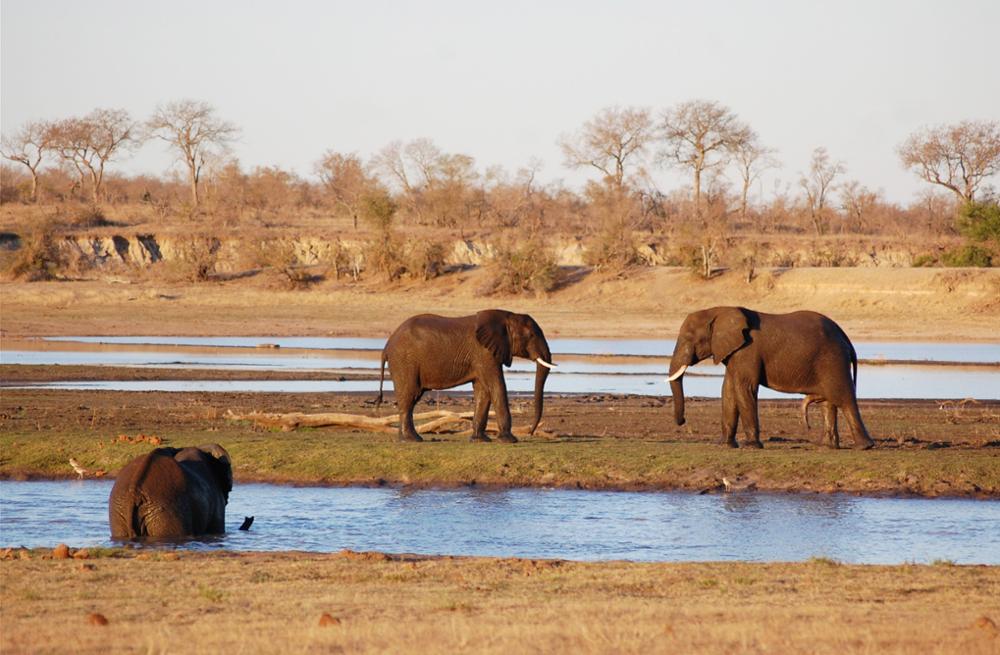
Across its 23,000 hectares, Manyeleti is home to 146 mammal species, including a large population of elephants and white rhinoceroses (which are readily observed in marshy areas), 120 reptile species and over 520 bird species. Since the concession is not fenced on the Kruger side, large predators roam freely there.
Discover the natural treasures of Manyeleti with your family on our Family Safari circuit in Kruger
3. Ngorongoro Crater, Tanzania
Heading north to Tanzania to reach one of the continent's most spectacular natural settings: the Ngorongoro Crater. Formed nearly three million years ago by the collapse of a volcano, this caldera of 260 km², approximately 600 meters deep, is the largest intact and flooded caldera in the world. Listed as a UNESCO World Heritage Site, it is often called the crown jewel of East Africa.
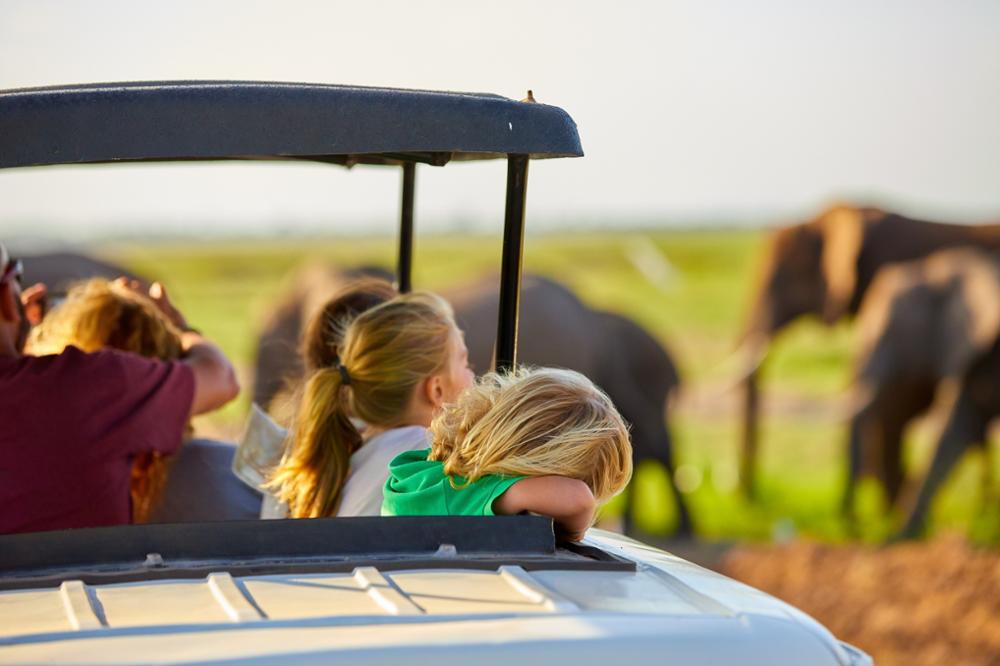
For families, the advantage is twofold: the crater acts as a vast ecosystem closed in on itself, where wildlife concentrates within a relatively restricted perimeter. In a single day of game drive, it is not uncommon to observe elephants, black rhinoceroses (very rare elsewhere), lions, leopards, buffalo, zebras, warthogs, wildebeest, Grant's and Thomson's gazelles, hyenas, jackals, not to mention nearly 400 bird species. The ratio of "wonder / children's fatigue" is unbeatable there.
As for accommodation, there is a wide choice between lodges perched on the crater's rim (with a plunging view over the caldera) and more rustic camps. The region also lends itself to complementary activities: meeting with Maasai communities in their traditional villages, or excursions to Olduvai Gorge, famous for the hominid fossils uncovered by the Leakeys – a detour that will delight families passionate about paleontology.
FAQ
From what age can you take children on safari?
Most lodges accept children from 6 or 8 years old for game drives, but some family-friendly establishments welcome younger guests with adapted activities. Beyond age, the essential thing is the child's ability to remain focused and quiet during observation outings, which often last several hours.
What is the best time for a safari in South Africa or Tanzania?
In South Africa, the dry season, from May to September, offers the best viewing conditions: vegetation becomes sparse and animals concentrate around water points. In Tanzania, Ngorongoro can be visited year-round, but the period from June to October remains the most popular for wildlife and climate.
Kruger or Manyeleti: what to choose with children?
Kruger is particularly suitable for families who wish to organize their trip independently, with well-equipped camps and roads passable by rental car. Manyeleti is better suited for those who prioritize exclusivity, accompaniment by a private ranger and a more immersive bush atmosphere – a format often more educational for children.
Should you plan antimalarial treatment?
Most of Kruger National Park, the Manyeleti area and the Ngorongoro region are located in an area at risk of malaria, especially during the rainy season. Consultation with a doctor specialized in travel medicine before departure is essential, particularly for children.
How much time to plan for a first family safari?
A stay of 7 to 10 days allows you to fully enjoy a safari without exhausting the children. It is ideal to alternate morning and late afternoon game drives with rest time at the lodge, and to combine the safari with a few days on the coast (Indian Ocean in Tanzania, Cape Town in South Africa) to vary the settings.
Florine Dergelet
