Agrotourism and Green Tourism in Thailand
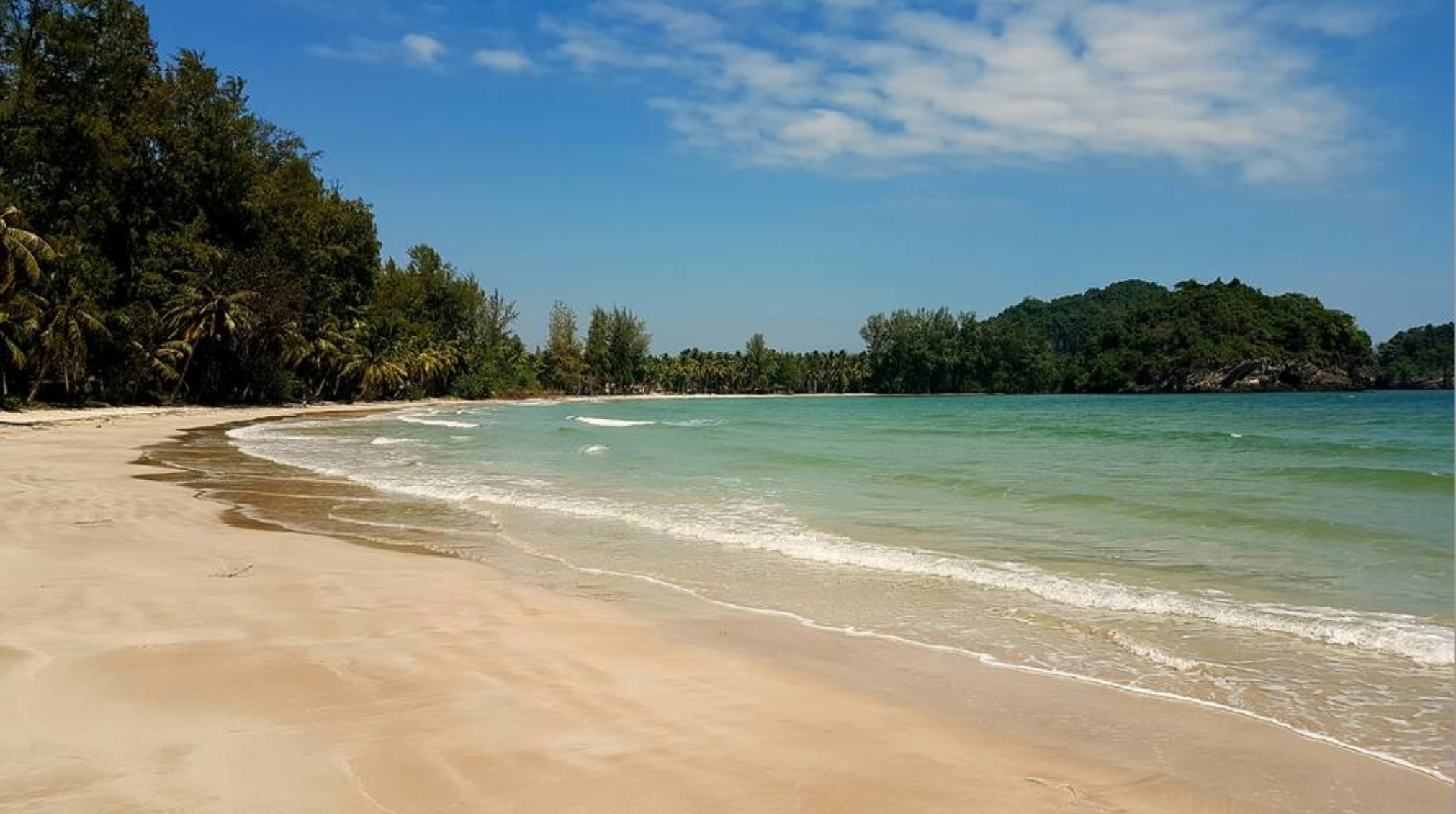
Thailand is far more than its beaches: discover a country nourished by its rice paddies, fruits, flowers, and an agricultural culture intimately tied to local traditions.
Thailand enjoys a remarkably diverse climate, fauna, and flora.
It has often been said that anyone willing to work will never go hungry in Thailand. The tribute paid by a 13th-century king is thus engraved on a stele and in the memory of schoolchildren: "there is rice in the fields, and fish in the rivers." Even in difficult times like today, the country's natural riches sustain hope and provide livelihoods for its people.
By virtue of its geographical location in Southeast Asia, Thailand stretches over 1600 kilometers—its climate, fauna, and flora are characterized by remarkable diversity. Tropical plants, subtropical vegetation, and temperate-region species flourish here, serving both domestic needs and export markets. Rice has always been the most important crop, but since the 1950s Thai farmers have also turned to commercially viable harvests such as rubber, cassava, corn, soybeans, tobacco, sugar cane, and pineapple. The country is one of the world's leading producers of foodstuffs and has also earned recognition as a flower producer. While the orchid may be synonymous with Thailand, cut flowers—from anthurium to roses to lilies—are studied and cultivated for commercial purposes as well. (The orchid can be considered a symbol of Thailand, but other flowers, from anthurium to lily of the valley, also thrive here).
It is impossible to discuss agriculture in Thailand without mentioning the royal projects. The first was undertaken in the early 1970s with the aim of improving living standards for the hill tribes of the North. Fruits and vegetables from temperate regions were introduced as a substitute for opium cultivation. This project, like those that followed, has been remarkably successful in eliminating opium production and fostering new farming methods in the northern provinces: Chiang Mai, Chiang Rai, Lamphun, and Mae Hong Son. The Foundation for Royal Projects operates 4 research centers and 34 development centers that work to support farmers in selecting crops, improving farm management, and helping to preserve the environment.
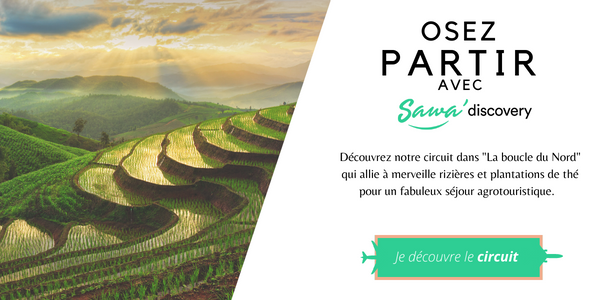
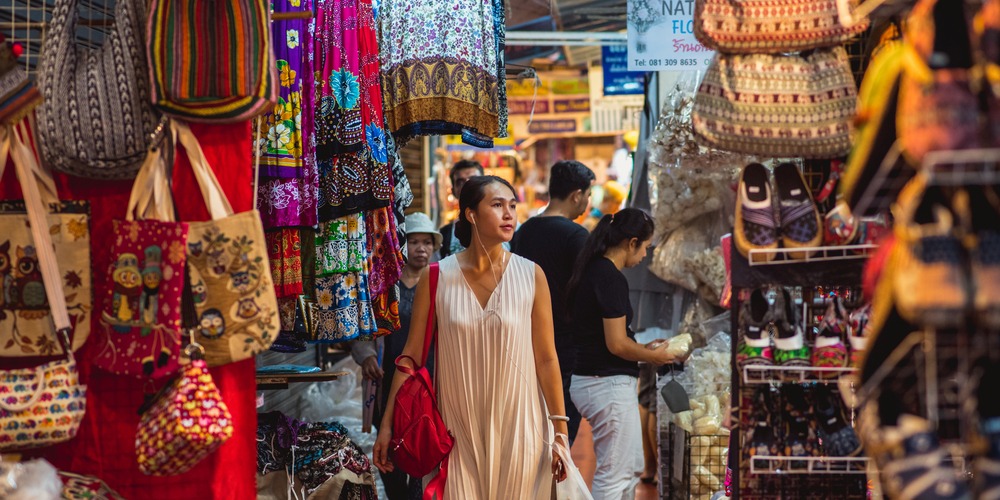
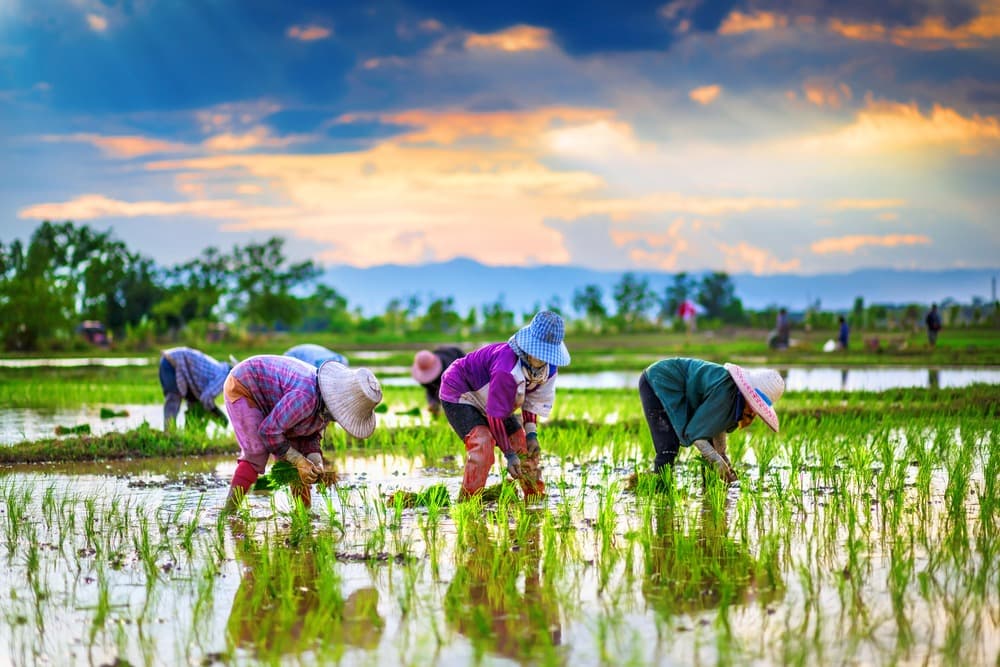
The Foundation also assists in marketing, packaging, and processing products bearing the brand name Doi Kham, available in supermarkets and at the Farmers Market near Chatuchak Park in Bangkok. Traditional farm life varies by region. The central plains are known as the country's rice bowl, but rice cultivation is widespread everywhere. Part of the work has been mechanized, yet manual labor remains widely used, from planting through harvest. Fascinating rituals surround each stage, and harvest time is the best moment to pause and watch farmers at work, particularly in villages employing traditional methods. It is possible to visit rice paddies during harvest season, and at certain institutions such as Maejo University in Chiang Mai, you can try your hand at planting or harvesting in demonstration fields. Orchards and salt marshes extend across provinces bordering both coasts of the Gulf of Thailand. The eastern provinces—Chonburi, Rayong, Chanthaburi, and Trat—receive the southwest monsoon, which makes them greener and more humid than the rest of the country. They produce rambutans, mangosteens, and some of the world's finest durians, for both local markets and export. The southwestern provinces near Bangkok also yield fruit. Ratchaburi is as celebrated for its grapes as Phetchaburi is for its rose apples. Prachuap is known for its pineapples, while Samut Songkhram is renowned for its lychees. In these provinces, you will also find the small-scale industries created to absorb surplus production. A visit to these charming factories offers the chance to taste their products and take home some of the finest local specialties.
In Thailand, agrotourism and green tourism cannot be separated, as rural life continues to follow ancestral traditions and customs.
Agrotourism in Thailand shares common ground with ecology and cultural tourism—life in the countryside follows customs and traditions passed down through generations. The Department of Agricultural Extension offers farm visits and village stays. Some of these destinations make for pleasant stops after a long journey, offering opportunities to visit, learn, and shop all at once.
Frequently asked questions
The harvest season (November to February) is ideal for observing agricultural activities, particularly in the rice paddies of central Thailand.
Yes, certain farms such as those at Maejo University offer planting and harvest activities for visitors.
Doi Kham products are available in supermarkets and at the Farmers Market near Chatuchak Park in Bangkok.
Images restored from source site — reposition manually if needed.