
Frequently Asked Questions
Vos questions sur la Turkey
23 réponses préparées par notre agence locale francophone en Turkey — préparation, sur place, au retour.
The most frequently asked questions
Do I need a visa to travel to Turkey?
No visa is required for French, Belgian, and Swiss citizens for a tourist stay of less than 90 days in 180 days. A valid passport or identity card for at least 150 days after entry is sufficient.
Lire la réponse 2How do you say hello and thank you in Turkish?
In Turkey, "hello" is said "Merhaba" (mehr-ha-ba) and "thank you" is said "Teşekkür ederim" (té-chèk-ker è-dé-rim) or more commonly "Teşekkürler" (té-chèk-kür-ler).
Lire la réponse 3How to get around in Turkey?
Turkey offers numerous transportation options: domestic flights for long distances, comfortable trains between major cities, well-developed intercity buses, efficient public transport in metropolises, ferries in Istanbul, car rentals for rural areas, and taxis/Uber availability.
Lire la réponseAll questions
How to use your phone and internet in Turkey?
You can use your phone in Turkey with international roaming, but it's expensive. More economical: buy a Turkish SIM card (Turkcell, Vodafone, Türk Telekom) with your passport. Wi-Fi is available everywhere and apps like WhatsApp work perfectly.
Lire la réponseDo I need a specific vaccine to travel to Turkey?
No vaccines are mandatory for Turkey, except yellow fever if you're coming from sub-Saharan Africa or Latin America. Universal vaccinations (DTP, MMR) and hepatitis A are strongly recommended.
Lire la réponseIs Turkey a safe destination?
Turkey is generally safe for travelers in tourist areas such as Istanbul, Cappadocia, and Mediterranean coasts. Only the southeast near Syrian and Iraqi borders presents significant security risks.
Lire la réponseAre hot air balloon rides in Cappadocia safe?
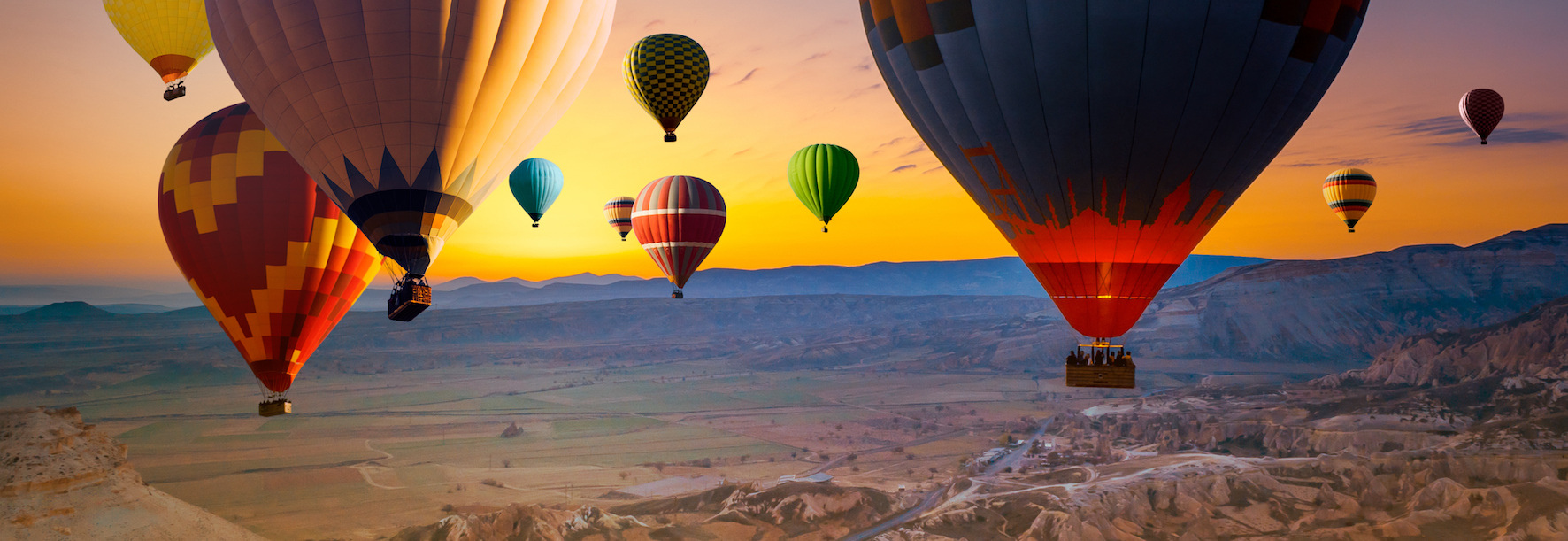
Hot air balloon rides in Cappadocia are safe. Companies adhere to strict standards, pilots are experienced, and flights are cancelled if weather conditions don't permit.
Lire la réponseCan women travel alone safely in Turkey?
Yes, women can travel alone safely in Turkey, particularly in major cities and tourist areas like Istanbul, Cappadocia, and Antalya. Standard precautions are recommended as in any destination.
Lire la réponseWhen should I travel to Turkey?
The best times to visit Turkey are spring (April to June) and autumn (September to November), when the climate is ideal. Summer can be very hot, especially in the south, and winter is perfect for mountain skiing enthusiasts.
Lire la réponseWhat is the climate in Turkey by region?
Turkey features four distinct climates: Mediterranean along the south and west coasts (hot summers, mild winters), oceanic in the north (cool summers, rainy winters), and continental inland (hot summers, sometimes snowy cold winters).
Lire la réponseWhat is the time difference between Turkey and France?
Turkey is 2 hours ahead of France in winter and 1 hour ahead in summer. Turkey remains on UTC+3 year-round, unlike France which observes seasonal time changes.
Lire la réponseWhat is the population of Turkey?
Turkey has approximately 85.3 million inhabitants according to 2023 estimates, making it the 19th most populated country in the world.
Lire la réponseWhat type of government leads Turkey?
Turkey has been a presidential republic since 2018. The president holds both the positions of head of state and head of government, exercising extensive executive powers without a prime minister.
Lire la réponseWhat is the capital of Turkey?
Turkey's capital is Ankara, located in central Anatolia. This city of 5.7 million inhabitants has been the country's political and administrative center since 1923, replacing Istanbul in this role.
Lire la réponseWhat is the currency in Turkey and its exchange rate?
The official currency of Turkey is the Turkish lira (TRY), symbol ₺. Exchange rates fluctuate constantly: check current rates before departure as they vary daily according to market conditions.
Lire la réponseWhat is the main religion practiced in Turkey?
Turkey is predominantly Muslim, with approximately 90% of the population practicing Islam, primarily Sunni. The remaining 10% practice Sufism, Christianity, Judaism, or other faiths.
Lire la réponseWhat is the area of Turkey?
Turkey spans an area of 783,562 km², making it the 36th largest country in the world and the largest in Europe after Russia.
Lire la réponseWhat language is spoken in Turkey?
The official language of Turkey is Turkish, spoken throughout the country. English is widely understood in tourist areas and major cities such as Istanbul and Ankara.
Lire la réponseWhat are the popular water activities in Turkey?
Turkey offers numerous water activities: scuba diving in Kas and Bodrum, kitesurfing and windsurfing in Alacati, traditional gulet cruises in Fethiye and Marmaris, snorkeling along the Aegean coast, and water sports in Antalya and Kemer.
Lire la réponseWhat are the main traditions and customs in Turkey?
Essential Turkish traditions include legendary hospitality, the tea ritual served to guests, respect for elders, convivial family meals, daily religious practice, and celebrations like Ramadan and Eid al-Adha.
Lire la réponseWhat are the most popular culinary specialties in Turkey?
Turkish must-try specialties include kebabs (döner, şiş, Adana), meze (hummus, baba ganoush, cacık), pide, köfte, çorba soups, and for dessert baklava and simit. Black tea and Turkish coffee traditionally accompany meals.
Lire la réponseWhat are the must-see sites to visit in Turkey?
Turkey's must-see sites include Istanbul (Hagia Sophia, Blue Mosque), Cappadocia (fairy chimneys, hot air balloons), Pamukkale (travertine terraces), Ephesus (ancient ruins), Antalya (Mediterranean coast), and the Aegean coast with its archaeological sites.
Lire la réponseWhat types of accommodation can be found in Turkey?
Turkey offers a wide range of accommodation options: luxury 5-star hotels, budget-friendly hostels, all-inclusive resort villages on the coasts, vacation rentals, campsites, family-run guesthouses, and unique stays such as cave hotels in Cappadocia.
Lire la réponseVous ne trouvez pas votre réponse ?
Our local agency en Turkey answers all your questions directly.questions personnalisées sous 24-48 h. Pas de formulaire générique, une vraie réponse d'expert.
Poser ma questionNous utilisons des cookies pour améliorer votre expérience et mesurer l'audience de notre site. Vous pouvez choisir ce que vous acceptez. En savoir plus.