
Frequently Asked Questions
Vos questions sur la Senegal
16 réponses préparées par notre agence locale francophone en Senegal — préparation, sur place, au retour.
The most frequently asked questions
How many inhabitants does Senegal have?
Senegal has approximately 18 million inhabitants in 2025, making it one of the most densely populated countries in West Africa after Nigeria and Ghana.
Lire la réponse 2How long should I plan for a trip to Senegal?
A week is enough to discover Dakar, Gorée Island, and a nature reserve. For a complete stay combining beaches, nature (Sine-Saloum, Casamance), and culture, plan 10 to 14 days.
Lire la réponse 3How to stay connected in Senegal?
Senegal's mobile network is good quality with Orange, Free, and Expresso. A local SIM card is recommended for reduced-price Internet, and Wi-Fi is available in most hotels.
Lire la réponseAll questions
How to get around in Senegal?
To get around Senegal, use taxis by negotiating the price, long-distance coaches and Ndiaga Ndiaye (affordable shared transport), car rental with driver for longer journeys, or domestic flights to reach Casamance.
Lire la réponseIs Senegal a safe country to travel to?
Senegal is one of the most stable and welcoming countries in West Africa. Tourist areas such as Dakar, Saly, Saint-Louis and Casamance are generally safe for family, couple and solo travel.
Lire la réponseWhat budget should I plan for a trip to Senegal?
In Senegal, expect €40-60/day for a budget stay, €80-120/day for mid-range accommodation with comfortable hotels, and €150-300/day for luxury trips with charming lodges and premium services.
Lire la réponseWhat is the climate in Senegal?
Senegal enjoys a tropical climate with two distinct seasons: the dry season from November to May and the rainy season from June to October. Average temperatures range between 24°C and 32°C year-round.
Lire la réponseWhat is the capital of Senegal?
Senegal's capital is Dakar, a dynamic city located on the Cape Verde peninsula, at the far west of the country overlooking the Atlantic Ocean.
Lire la réponseWhat is the best time to visit Senegal?
The best time to visit Senegal is from November to May, during the dry season. Pleasant temperatures and minimal rainfall make it ideal for exploring the country.
Lire la réponseWhat is the religion practiced in Senegal?
Senegal is predominantly Muslim, with approximately 95% of the population practicing Islam, mainly Sufi tradition. The country stands out for its remarkable religious tolerance, with a Christian minority coexisting harmoniously.
Lire la réponseWhat language is spoken in Senegal?
In Senegal, the official language is French, used in administration and education. In daily life, Wolof predominates, spoken by over 80% of the population, alongside other national languages such as Pulaar, Serer, and Diola.
Lire la réponseWhat festivals and traditions can you discover in Senegal?
In Senegal, discover the Magal of Touba (major Sufi pilgrimage), Gamou (Prophet's birthday), Tabaski (Eid al-Adha), the Saint-Louis International Jazz Festival in May, plus New Year celebrations and Christian festivities.
Lire la réponseWhat typical dishes should you taste in Senegal?
In Senegal, taste thiéboudienne (fish and rice), the national dish, yassa chicken or fish, and mafé (peanut sauce stew). For drinks, savor bissap (hibiscus), ginger juice, and bouye (baobab fruit).
Lire la réponseWhat are the must-see attractions to visit in Senegal?
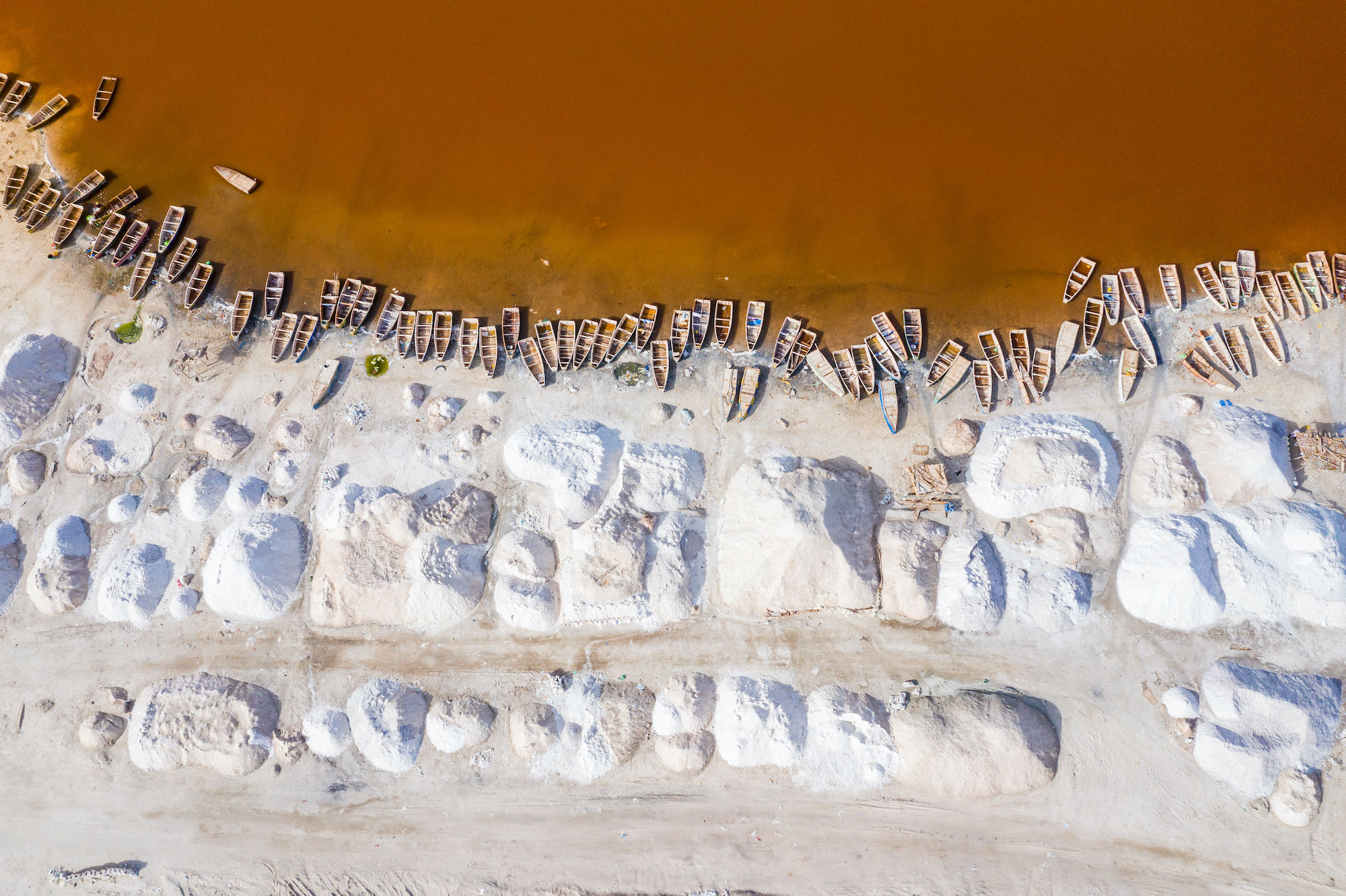
Senegal's must-see highlights include Dakar and Gorée Island (UNESCO), Lake Rose, the Sine-Saloum delta with its mangroves, Casamance for its beaches and culture, and Niokolo-Koba National Park (UNESCO).
Lire la réponseWhat souvenirs should I bring back from Senegal?
From Senegal, bring back colorful wax fabrics, handmade batiks, precious wood sculptures, silver jewelry and pearls, local spices, and baobab-based cosmetic products.
Lire la réponseWhat vaccinations and health precautions are needed for Senegal?
Yellow fever vaccination is mandatory for Senegal. Hepatitis A and B, typhoid, and meningitis vaccines are recommended. Antimalarial treatment is advised along with mosquito repellents and bottled water.
Lire la réponseVous ne trouvez pas votre réponse ?
Our local agency en Senegal answers all your questions directly.questions personnalisées sous 24-48 h. Pas de formulaire générique, une vraie réponse d'expert.
Poser ma questionNous utilisons des cookies pour améliorer votre expérience et mesurer l'audience de notre site. Vous pouvez choisir ce que vous acceptez. En savoir plus.