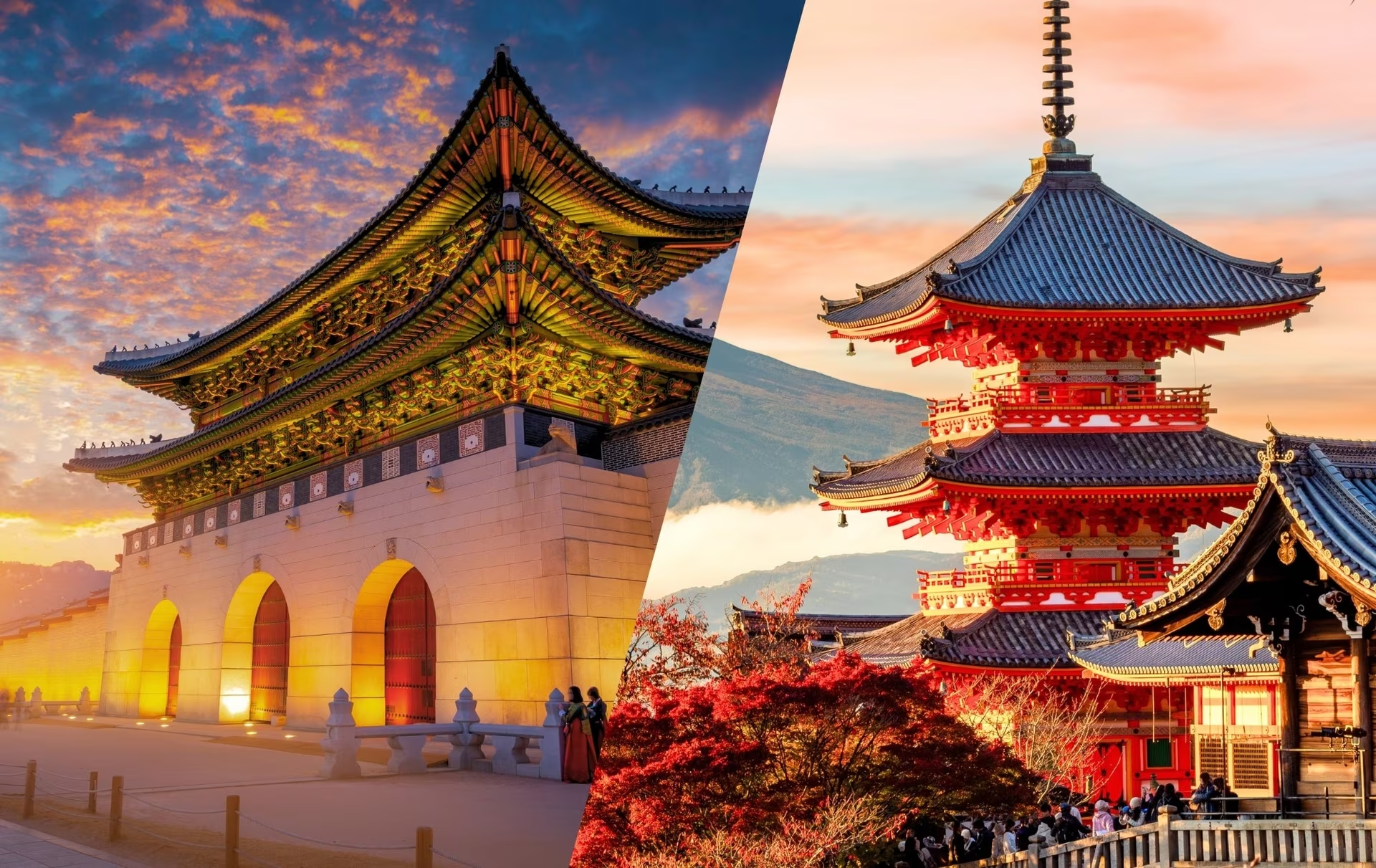
Combined Korea Japan
Between Joseon dynasty palaces and golden pavilions, a 15-day journey through the thousand-year-old traditions of two civilizations.
Duration
15 days
From
€3,790/pers.
Ideal seasons
Mar, Apr, May, Sep, Oct, Nov
Style
Guided tour
Comfort
Charm & Character
Travelers
Couple, Solo, senior, With friends
The spirit of travel
This 15-day and 14-night stay will allow you to discover in a single trip South Korea and Japan.
In South Korea, visit Seoul, the modern capital, Gyeongju ancient capital of the Silla kingdom, rich in history and historical monuments listed as UNESCO World Heritage Sites, and finally Busan and its warm and lively seaside city atmosphere.
Then head to Japan, to meet Kyoto, ancient capital, brimming with historical monuments, and Nara, a major spiritual center. Continue your journey towards Mount Fuji and its incredible landscapes and end with Tokyo, the capital, and incredible metropolis.
A trip between tradition and modernity, don't miss any of the emblematic places of these two countries!
The stages of your journey
Highlights
Day-by-day itinerary
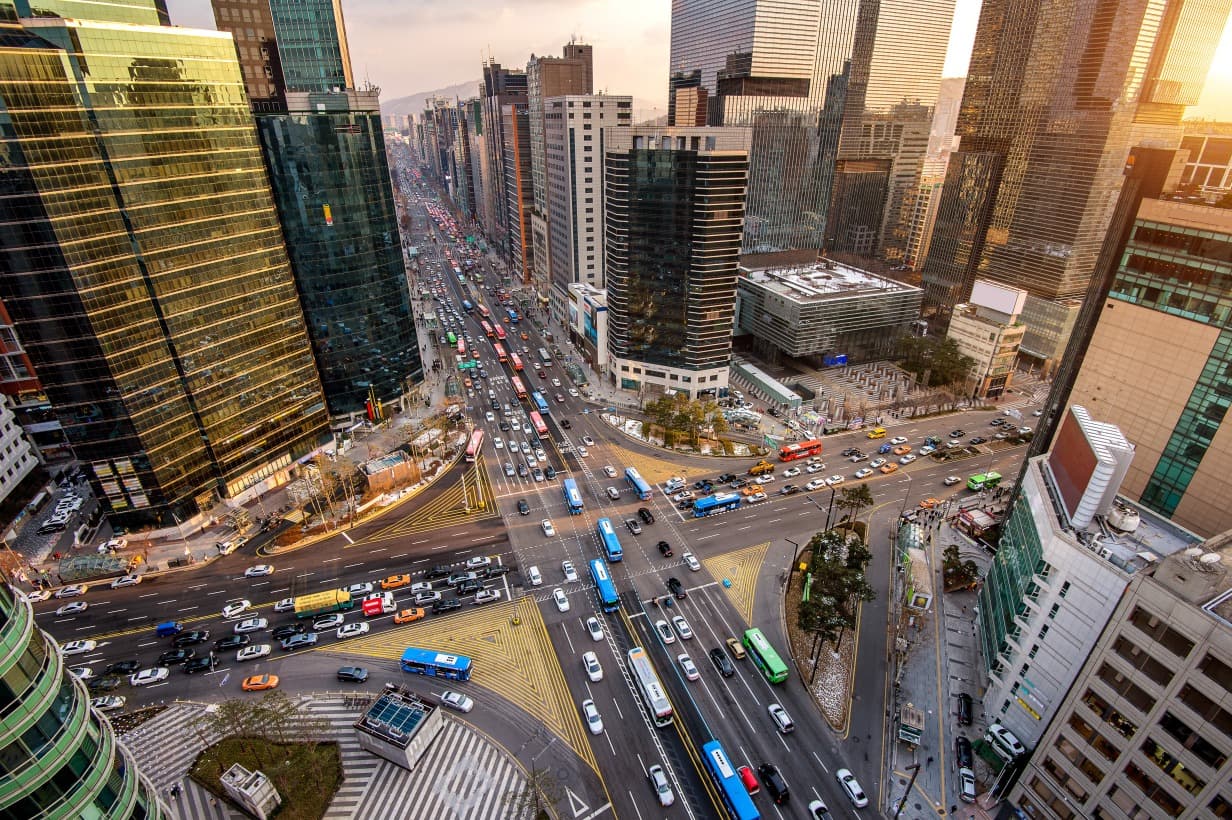
Seoul, the megacity of a thousand contrasts.
Welcome to South Korea! After clearing customs and collecting your luggage, you will be welcomed by your private driver who will take you to your accommodation (approximately 1 hour from the airport).
Upon arrival at your accommodation, you will have a travel briefing with a member of the team and receive your travel documents, including our Roadbook (sightseeing ideas) and presentation of the digital program via our application (information about accommodations, routes between cities, and various activities). You will also receive your T-Money transport card and other essential documents for traveling safely. We will also of course answer all your questions.
Then set off to discover Seoul.
Founded two thousand years ago by one of the three kingdoms of South Korea (Baekje), Seoul was the capital of the Joseon kingdom for more than five hundred years. At the end of the 19th century, breaking with a long tradition of isolation, Seoul opened up to foreigners and notably to the United States: it is the first city in East Asia to have electricity, running water, telephone and a tram network in circulation. Severely affected by a heavy past of conflicts, it recovered in record time thanks to a courageous, devoted and supportive people, carried along in a wave of modernization that makes it a source of strength today. Namsan Seoul Tower, perched on its hill is a true central landmark, and offers the best panoramic views of the Seoul megacity.
North and south of the Han River, technology and local customs harmonize perfectly across the districts, displaying authentic Korean film settings with unique atmospheres. The experience is completely different and everyone finds something they love! If a few days are not enough to fully discover the capital, you will be immediately immersed in the bright universe of this dynamic and welcoming country.
First discoveries at Jongmyo Shrine, a Confucianist sanctuary listed as a UNESCO World Heritage site followed by the traditional Gwangjang market to taste typical Korean specialties on the spot. Local atmosphere guaranteed!
Evening stroll along Cheonggyecheon waterway, formerly an express road converted into a very pleasant watercourse.
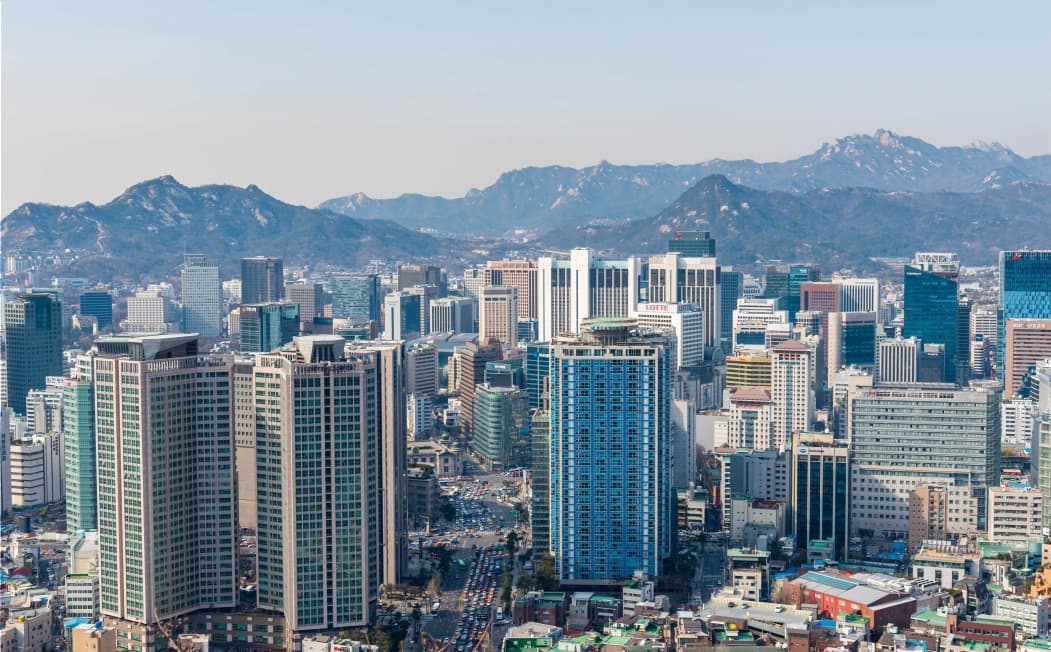
Seoul, at the heart of traditions
The Changdeokgung Palace and its secret garden (inscribed on the Unesco World Heritage List) make for a wonderful first discovery of the Joseon period.
The second royal residence, severely damaged by the fire that occurred during the Japanese invasion at the end of the 16th century, was perfectly reconstructed and immediately served as the seat of the dynasty for two hundred and fifty years. It exerted great influence on the development of architecture, garden design, landscapes and related arts in Korea for many centuries. It bears witness to sophisticated architectural values, in harmony with its natural surroundings.
Just a few meters away, continue your immersion in the famous Buckchon hanok village where around a hundred traditional period houses called « Hanoks » now serve as cultural centers, guesthouses, restaurants and tea rooms. Nearby, the grand Jogyesa Temple and its three golden buddhas constitute the Seoul hub of Korea's largest Buddhist branch and deserve a visit, before heading to the traditional street of art galleries and shops selling Korean handicrafts, Insa, a prime location for some souvenir shopping.
Recommended option: Full-day with a local friend on a custom basis: share this day with an English-speaking expatriate who will introduce you to Korean culture and tell you about their daily life there. You can also take advantage of this day to enjoy a tea ceremony.
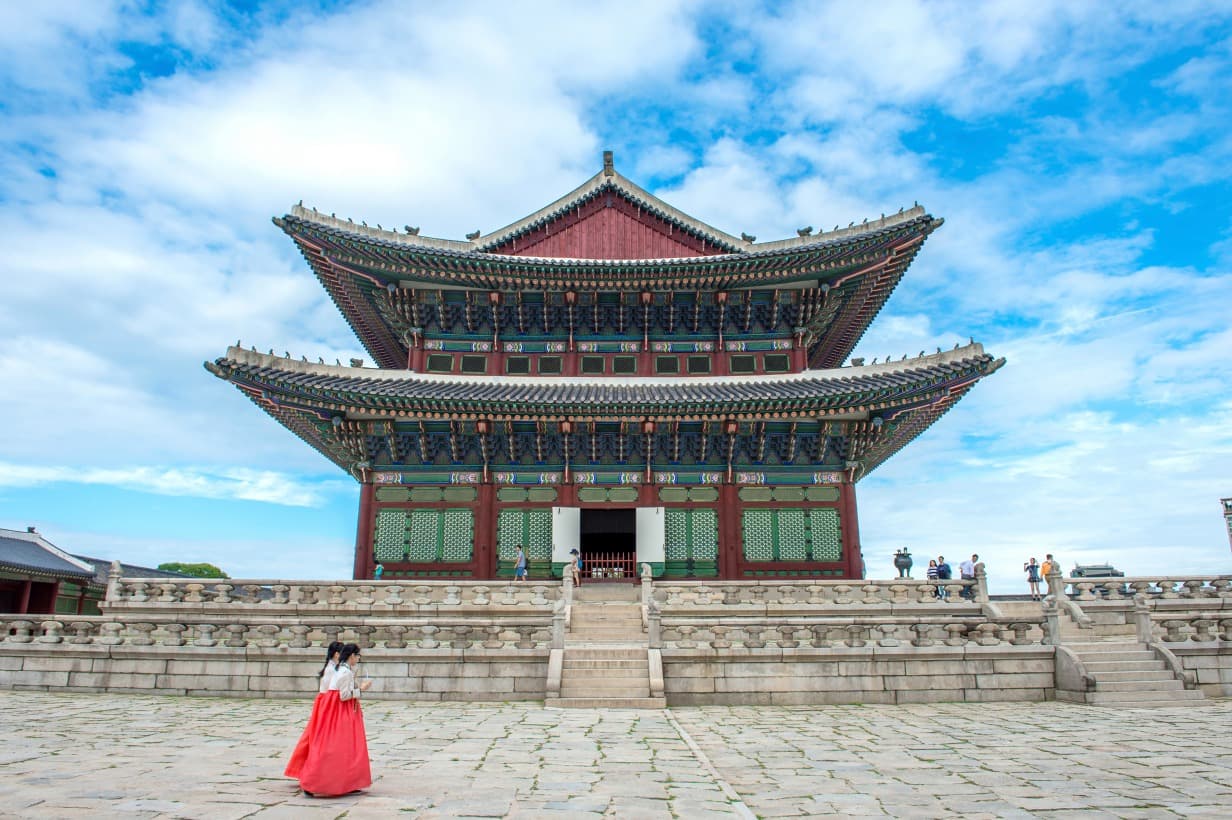
Seoul, Immersion in the Joseon Dynasty
Gyeongbokgung Palace is the most complete and most impressive of the five palaces of the Joseon Dynasty. The morning Royal Guard Changing Ceremony takes us without transition to the golden age of the 15th century. A true outdoor spectacle open to the public, it is faithfully recreated according to custom, combining beautiful royal uniforms, weapons and other traditional instruments.
Then just a few minutes' walk is enough to reach the great square of Gwanghwamun, still accompanied by its two famous statues erected at the ends of the avenue, in front of the great mountain of Bukhansan – King Sejong and Admiral Yi-Sun-Shin.
The change of scenery continues towards Namdaemun – one of the eight gates of Seoul's city wall – whose main attraction is its immense Namdaemun Market, the oldest and largest in Korea. Here, 1,700 types of products are displayed and a few small local restaurants hidden between the stalls offer the warm atmosphere we love so much.
Continue your visits in a nearby neighborhood, that of Myeongdong Market, the "city of lights" where shops of all kinds rub shoulders, street food is renowned for being excellent and varied, an opportunity to test your taste buds!
Recommended end of day at Namsan Seoul Tower, located at the top of a hill that overlooks the entire city, it offers an exceptional view of the city and its surrounding mountains.
Recommended option: Why not end this beautiful day with a fitting of Hanbok (traditional Korean costume) with a professional photo session?
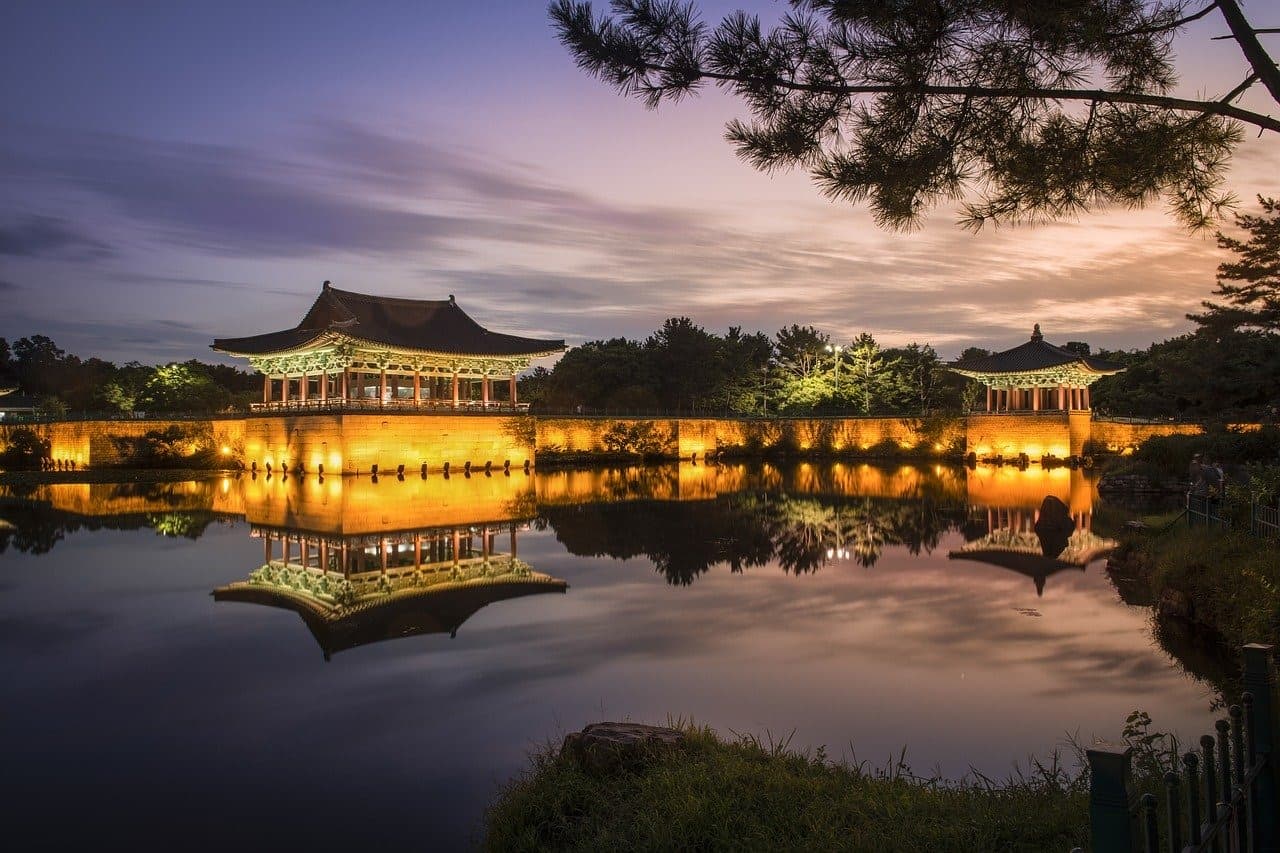
Gyeongju, the open-air museum
Gyeongju is a charming city, located in the south-east of the Korean peninsula, scattered with small mountains and bordered by the Hyeonsang River. Former capital of the Kingdom of Silla founded in 57 BC, it is one of the oldest historic cities in the world, a unique place for its cultural heritage and inscribed on the UNESCO World Heritage List.
Upon arrival in Gyeongju, installation in your hanok, a traditional Korean house.
The center of Gyeongju is enough to satisfy a full day of visits, on foot or by bike, starting with the famous Tumuli Park, unique in the world, with its mounds that serve as royal tombs and its enchanting trees that provide here and there a little shade and colors.
Nearby stands the Cheomseongdae Observatory, Asia's oldest astronomical observatory. The Gyeongju Hyanggyo Confucian school served to educate members of the Joseon Dynasty with the Confucian principles of the time and the Choi's Old House is actually the first house of the Choi clan, which has been present in the region for 400 years, and which today gives its name to almost 5% of Koreans!
The ancient fortress and the Anapji pond mark the last points of visit at nightfall.
Gyeongju, UNESCO Wonders
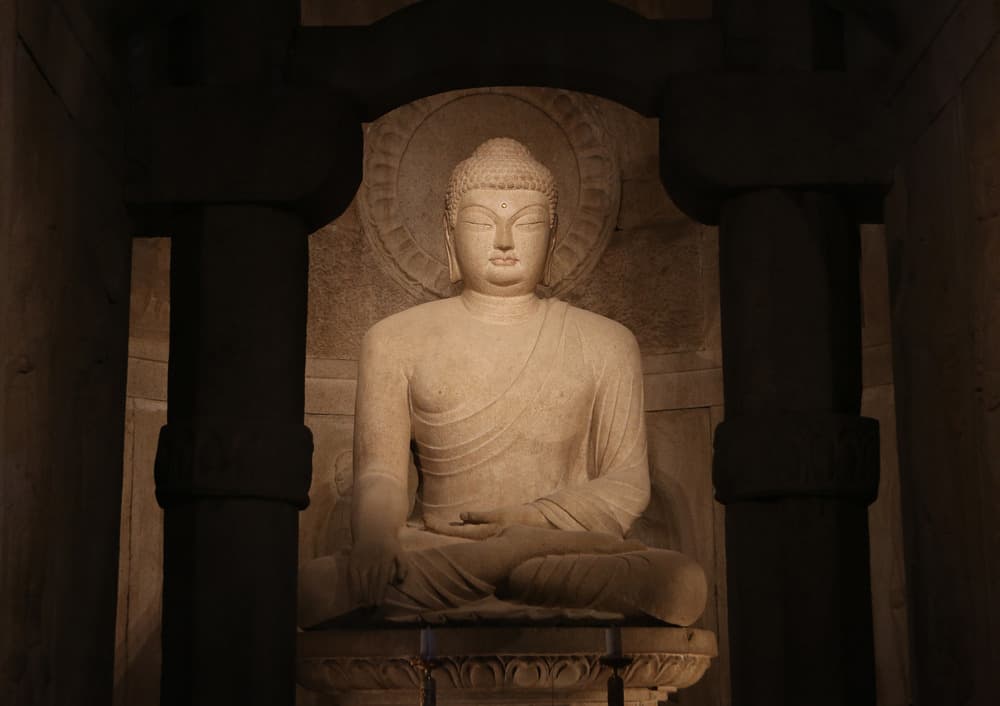
Slightly set apart in the surrounding mountains are the Temple Bulguksa and the Seokguram grotto which are two exceptional sites of Korean heritage, listed on the UNESCO World Heritage List. The beautiful walk connecting the two sites offers magnificent natural landscapes and is well worth the detour.
Nicknamed the "Temple of the Lands of Buddha" and symbol of the Silla kingdom, Bulguksa holds an important place in Korean Buddhism. Its complex geometric construction reminds visitors that they are leaving the earthly realm and entering the sacred realm of Buddha. Its distinctive architecture is therefore one of the main sources of Bulguksa's fame.
Seokguram is considered a masterpiece of Buddhist art in the Far East. This artificial grotto is made of several hundred granite rocks (very difficult to carve) and is accessible through a tunnel that leads to a rectangular antechamber representing the Earth, then to a vestibule with two columns that frame the entrance to the large circular inner chamber which symbolizes the sky, with Buddha at its center.
Busan, warm metropolis of the south
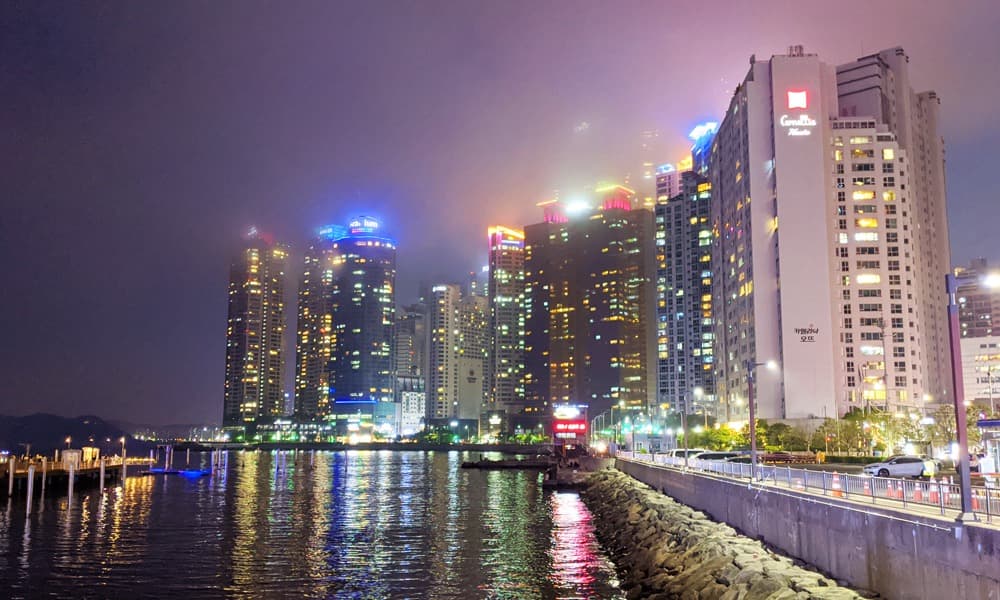
A leading international city, Busan is connected by sea to Asia, Europe and North America. This geopolitical port city adjacent to the strait located between South Korea and Japan, is a place of tourism and commercial exchange.
The prosperity of its port activities thus ranks Busan among the world's third largest maritime port by the American Association of Port Authorities. Appreciated for its long stretches of fine sandy beaches, Busan also seduces us with its vibrant dynamism and diverse population recognized by that warm, melodic accent. Nestled between numerous mountains and bordered by the Sea of Japan, this city enjoys many assets making it an unmissable destination in the country.
Exposed on the coastline, Jagalchi is the country's largest seafood market, where all kinds of fish and shellfish offered for sale and tasting (raw and fresh) awaken the senses. It's impossible to miss nearby Busan Tower which offers a sweeping view of the great luminous coast. BIFF Square street is the former venue where the Busan International Film Festival took place until 2011 (relocated to Haeundae), and visitors enjoy recognizing the handprints left on the ground by local and international celebrities.
Perched on the mountains, the Gamcheon Cultural Village was a shelter for Korean War refugees. Subsequently, a significant solidarity renovation movement earned it the status of the city's most colorful and artistic district, arranged to welcome the most curious visitors.
Recommended option: Night yacht tour in Gwangalli Bay
Busan, seaside stroll
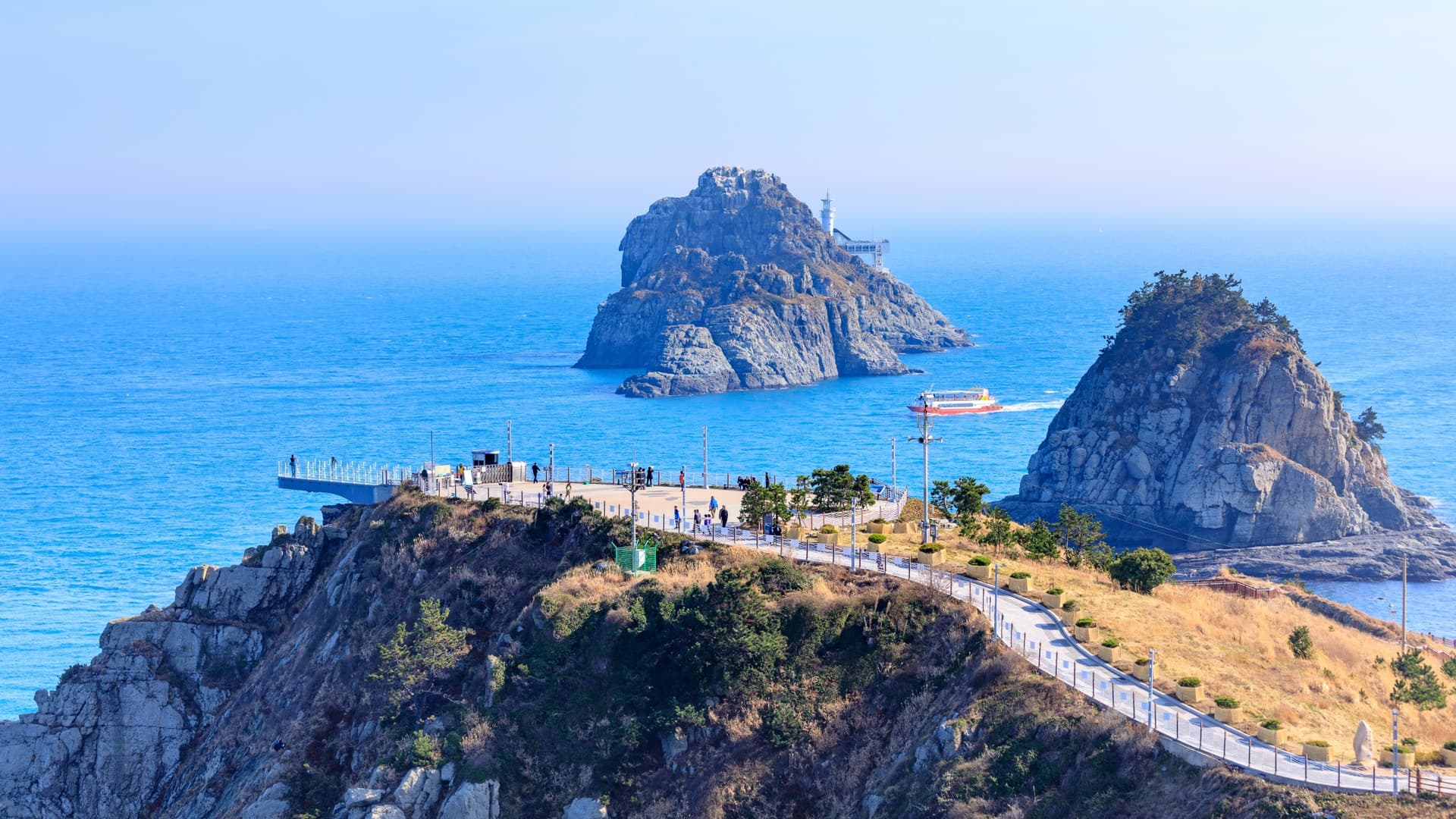
Built on a cliff face in the rocks on the northeast coast of Busan, the Haedong Yonggungsa Temple offers a magical setting. The clear view of the sea from the temple, which echoes with moving Buddhist chants, is truly worth the trip.
As a coastal city, Busan is very sunny throughout the year and records temperatures much higher than the rest of the Korean peninsula. Its large sandy beaches are therefore naturally a privileged place for relaxation.
The Haeundae Beach, is the most renowned in the country and stretches for nearly 1.5 km, at the end of which begins a beautiful walk on the verdant island of Dongbaek. Very lively, the beach welcomes numerous groups of artists, singers and musicians or magicians, who come to perform until late into the night, atmosphere guaranteed!
On the shore, the entrance to the Busan Grand Aquarium invites you to discover the richness of the world's marine depths, ideal for families.
Recommended option: Local Friend Day: share this day with an English-speaking expatriate who will introduce you to Korean culture and tell you about their daily life there. Also try your hand at decorating objects in Hanji (Korean decorative paper).
Kyoto, Guardian of Thousand-Year Traditions
Kyoto, one of the jewels of Japanese history, was founded in 794 under the name of Heian (Capital of Peace) in order to escape the overly great Buddhist influence that reigned at the court of Nara. It retained its status as imperial capital for more than a millennium, until the emperor decided to transfer the seat of his power to Tokyo.
Spared from the bombings of the Second World War, it has 17 sites inscribed on the UNESCO World Heritage list and brings together approximately 1,600 Buddhist temples as well as 400 Shinto shrines.
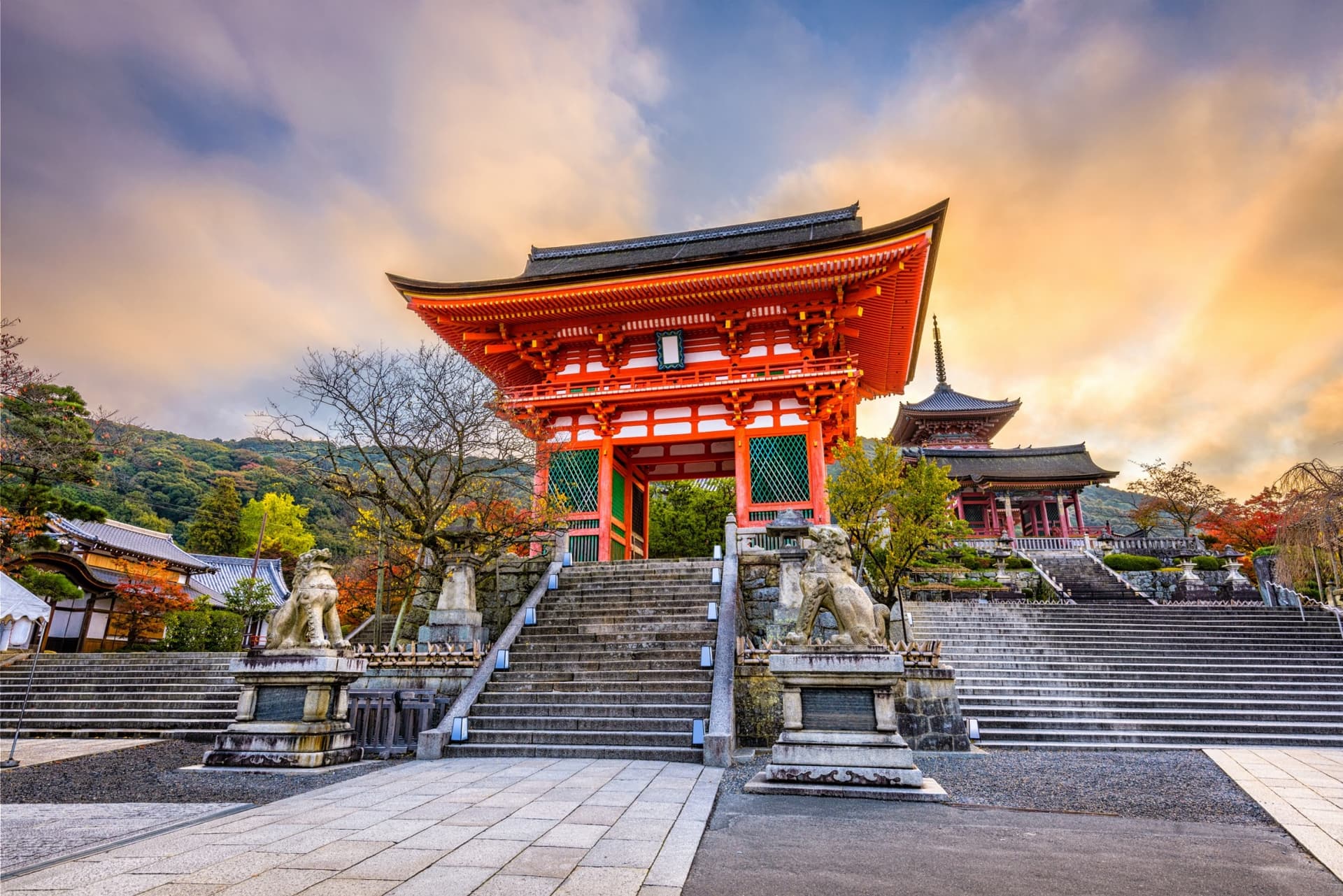
Some of the must-see sites that shaped Kyoto's history: the temple of pure water The Kiyomizu Temple, which overlooks the city, or the The Higashiyama district and its many shops scattered throughout the shopping streets of Ninenzaka and Sannenzaka.
Further down, the great Yasaka shrine, dedicated to the Shinto deity of the sea, Susano, marks the border with the Gion district, known for its traditional alleys and the geishas, its children of the arts.
In the evening, head to the Pontocho Street in Kyoto, parallel to the Kamo River, which offers a wide choice of excellent traditional restaurants and which offers the opportunity to some lucky visitors to cross paths with maikos, the young apprentice geishas of Kyoto.
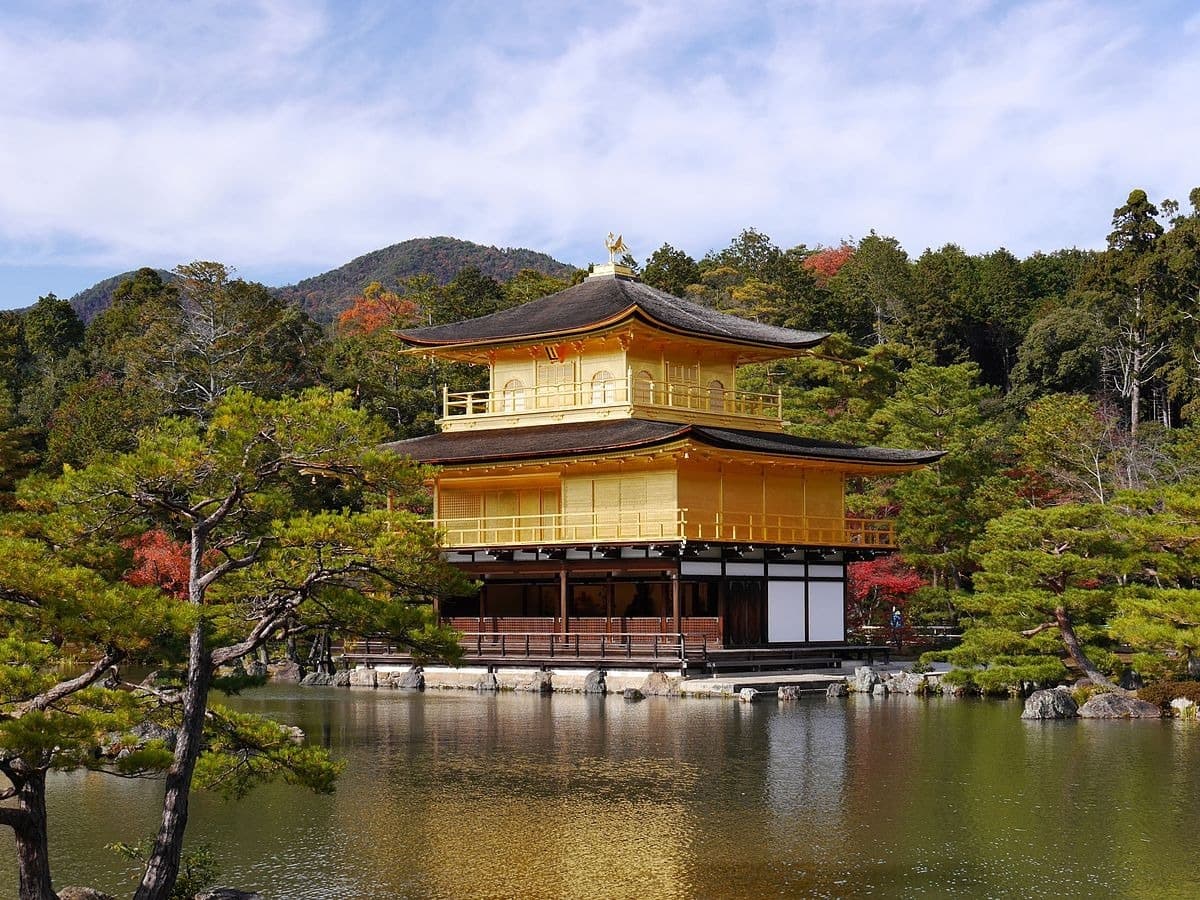
Grand Temples and Zen Walk
Kyoto is full of buildings and cultural or religious sites, the most important of which have made it renowned throughout the entire world.
The must-sees are to be explored first and foremost, such as the golden pavilion Kinkaku in Japanese. Originally built as the retirement villa of the shogun Ashikaga Yoshimitsu at the end of the 14th century, it was consecrated upon his death by his successor and son, Yoshimochi, under the name of Rokuon-ji: the imperial temple of the deer garden.
Just a few steps away lies Ryoan-ji temple, famous for its dry garden, a masterpiece of Zen culture. Its particularity is that it features 15 stones arranged in such a way that the observer, from wherever they stand, can never view all of them at once.
To the east of the city, the silver pavilion (Ginkaku temple, or Ginkaku-ji in Japanese, was built by Yoshimitsu's grandson, Ashikaga Yoshimasa to rival his ancestor. However, during a period of war, it remained unfinished and never received its silver coating.
It is by following the path of philosophy, a small trail of approximately 2km lined with cherry trees, that one reaches at the end of the walk the temple Nanzen Temple, literally southern Zen temple, nestled in full vegetation at the foot of the eastern mountain. It is one of the 5 great Zen temples of Kyoto and the seat of the Rinzai branch of Buddhism.
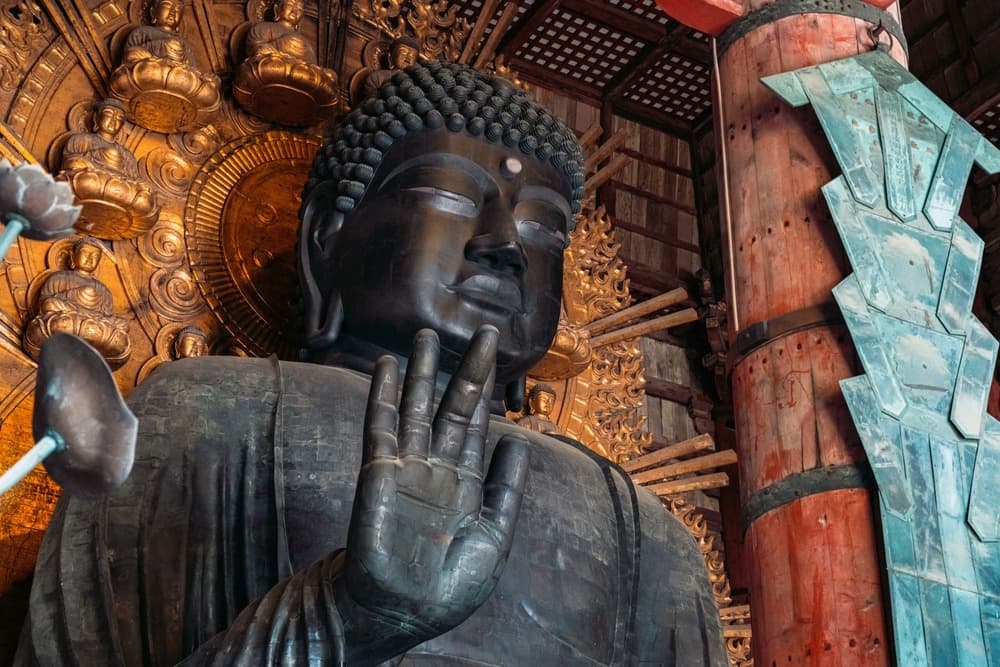
Treasures of Nara and Shinto Deities
Impossible to miss the majestic building of the great Tōdai Temple, which stands in a park where hundreds of deer live in complete freedom – your companions for the day. The emperor of the time, Shomu, implemented a centralization policy to strengthen the unity and power of the State, and saw an identical strategy in Buddhist religion by founding this temple which was to occupy a central place.
Other points of interest include the borrowed landscape garden of Isuien, much more recent since it dates from the Meiji era in the early twentieth century. The Kasuga-taisha Shrine is the tutelary sanctuary of the powerful Fujiwara family who shaped medieval Japan by providing numerous regents to Japanese emperors before the era of the shogun.
On the way back to Kyoto, a stop at the place of worship of the fox deity, the Fushimi Inari Shrine, is worth considering. So enchanting that it transports the traveler into a mystical atmosphere thanks to its thousands of vermillion torii gates arranged across the mountain.
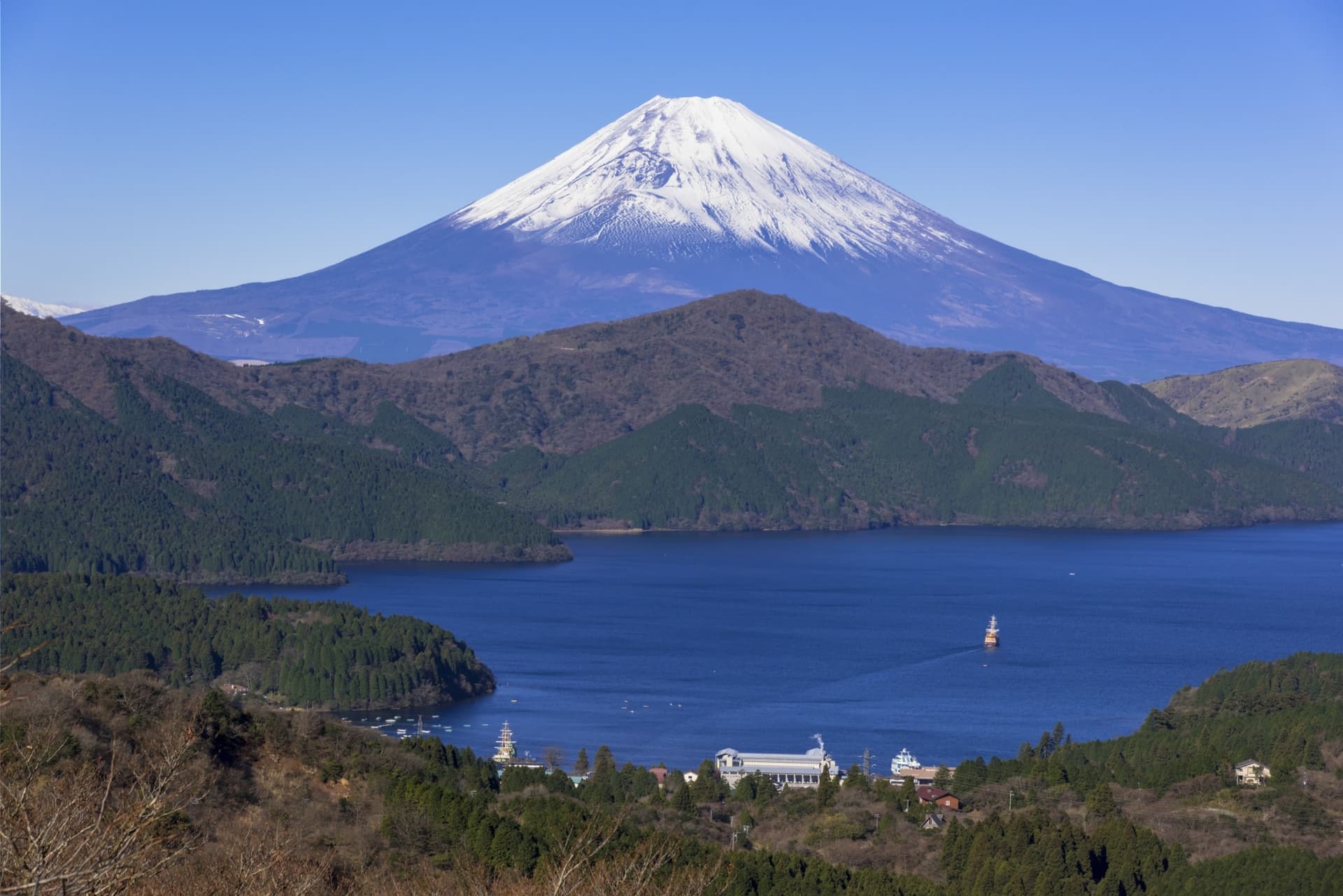
Hakone, a nature getaway at Mount Fuji
The Hakone region, due to its proximity to Mount Fuji and its numerous natural hot springs, is the ideal destination for those who wish to relax and admire the beauty of Japanese landscapes. After a visit to the Hakone Shrine, crossing Lake Ashi by boat offers breathtaking views of Mount Fuji.
The journey will continue by cable car to reach the fumaroles of Owakudani station, Hakone, without missing the Geo Museum, which explains the volcanic characteristics of the region. For those wishing to discover more of Hakone, we recommend your choice between the open-air museum showcasing harmony between nature and art, or the Hakone Yunessun bath complex, which offers all kinds of baths, some of which are scented.
The evening will be an opportunity to enjoy well-deserved rest in a ryokan, traditional Japanese inn par excellence, while discovering the onsen, hot springs, as well as tasting an excellent kaiseki, seasonal dinner, and finally experiencing traditional Japanese bedding: futons on tatami mats for everyone!
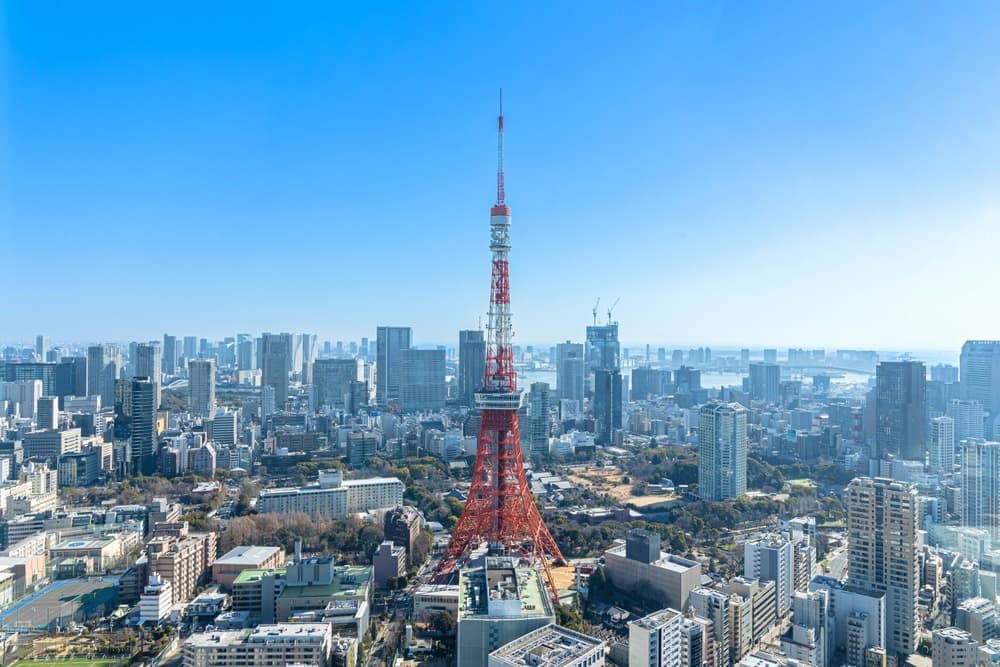
Tokyo, a country in its own right
The great Tokyo, with 42 million inhabitants, is the world's largest megapolis. Striking in its excess, it will be possible to discover it by strolling through its many neighborhoods – each presenting a unique atmosphere and particular attractions.
Originally, a small fishing village named "Edo", it was the military base of the famous Tokugawa Ieyasu at the end of the 16th century, then its capital when he became shogun and finished unifying Japan. It was not until 1868 that the Emperor recovered his powers and decided to move his capital from Kyoto to Edo, which he immediately renamed "capital of the East" – in Japanese: Tokyo.
The city opens its arms to its many visitors through its incredible and extremely efficient public transport network. It is pleasant to be enchanted by the glass and steel buildings of its Tokyo's neighborhoodslively, with varied atmospheres. Thanks to the Yamanote circular line, it is possible to easily move from one place to another without missing any of the must-see places that are the pride of the city.
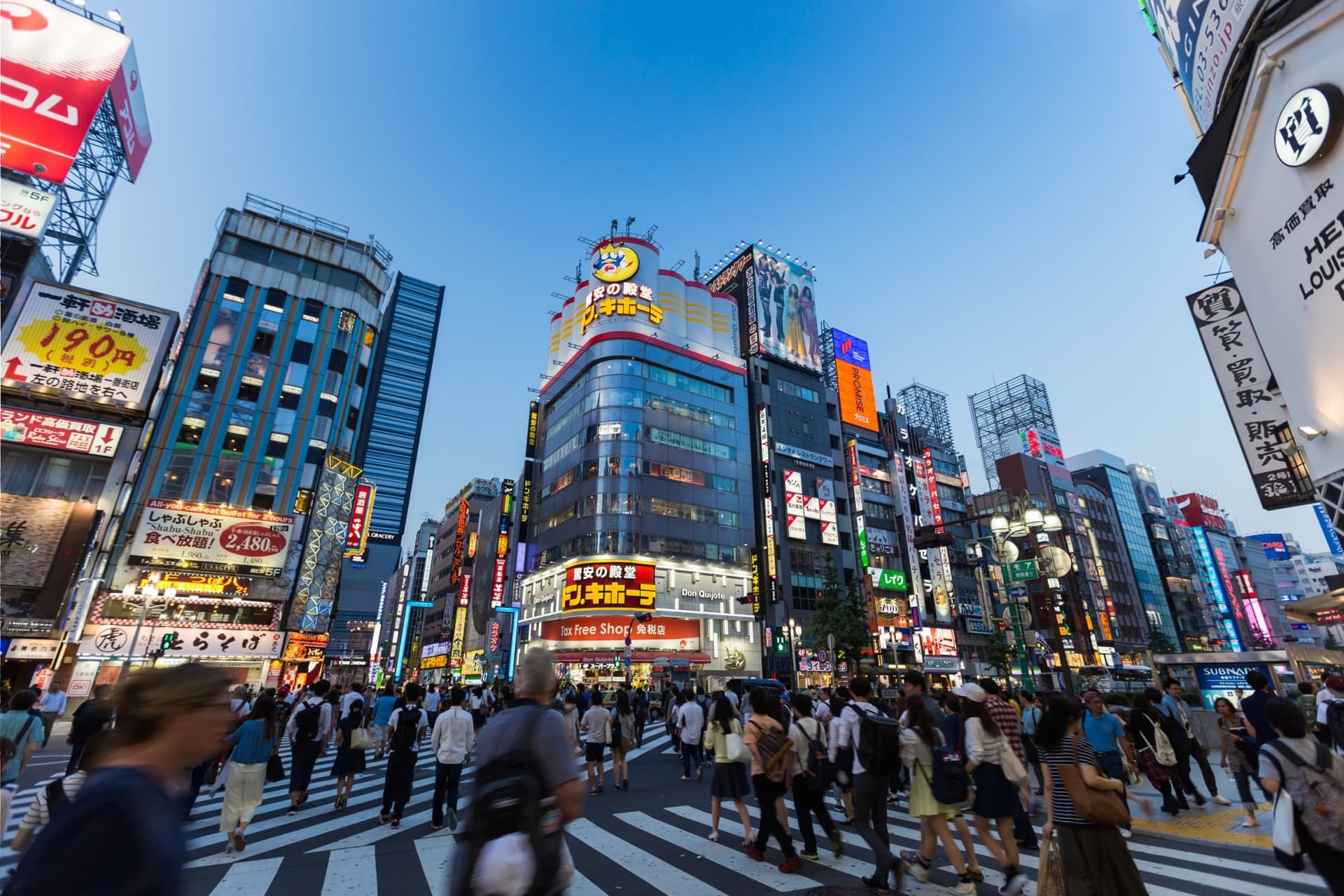
Tokyo, gigantic and futuristic
Shinjuku, central and popular district, is a must-see in the capital through which it is ideal to start discovering the city. Its station is the most frequented in the world and drains no less than 4 million users per day. The district itself is divided into several distinct zones: to the west the buildings of large Japanese companies, to the east the department stores and, to the north, Kabuki-cho, more lively in the evening.
A change of atmosphere at the Meiji-jingu shrine, dedicated to the divine souls of Emperor Meiji and his wife. It is located in the center of a park with more than 170,000 trees of 245 different species – originally offerings from throughout the archipelago.
Exiting the park to the east, the famous Harajuku appears, fashion district, which, to soak up its atmosphere will require strolling through the eccentric street of Takeshita-dori where Tokyo's youth gather, then on Tokyo's Champs-Élysées, Omote-Sando.
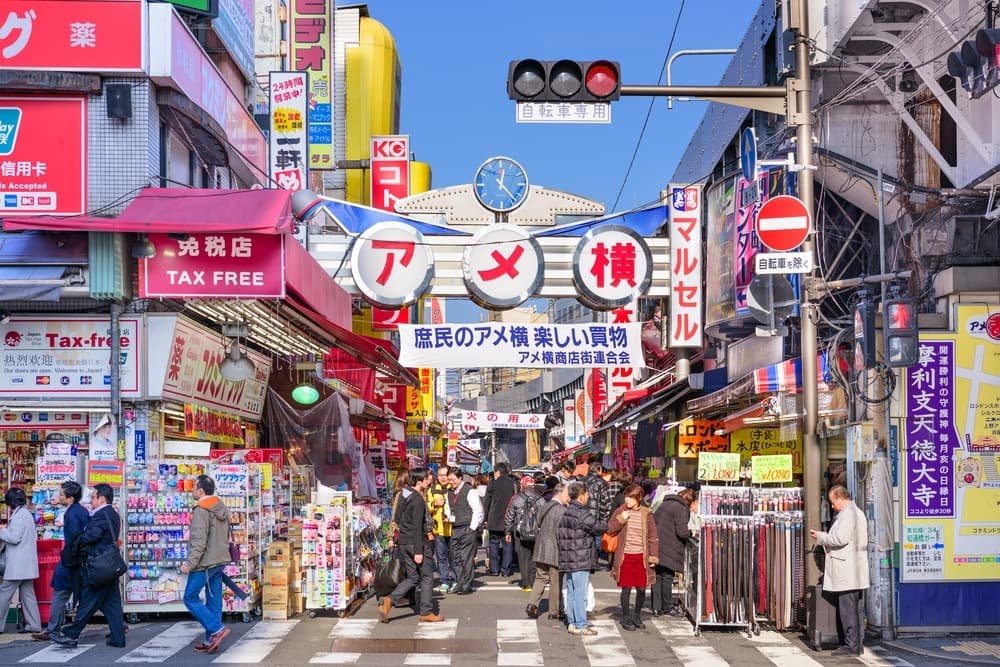
Tokyo, Return to the Edo Period
To better understand the capital, it is interesting to go back in time for an introduction to the Edo period. Located in the sumo district of Ryogoku, the Edo Museum covers the history of the city through numerous models, animations and interactive activities for complete immersion.
Continuing the immersion, this time into local life, by visiting the Ameyoko Market, a large eclectic bazaar of the capital where traders dazzle passing shoppers.
Nearby is the Asakusa District, a traditional neighborhood featuring the Senso-ji Temple, dedicated to the goddess Kanon, which you reach via the shopping street of Nakamise-dori.
Finally, in the south of the city, the World Trade Center observation deck offers from its 40th floor and in a hushed atmosphere a breathtaking 360° view over the sprawling megapolis. This will be an opportunity to admire the beauty of Tokyo, sparkling with a thousand lights when night falls.
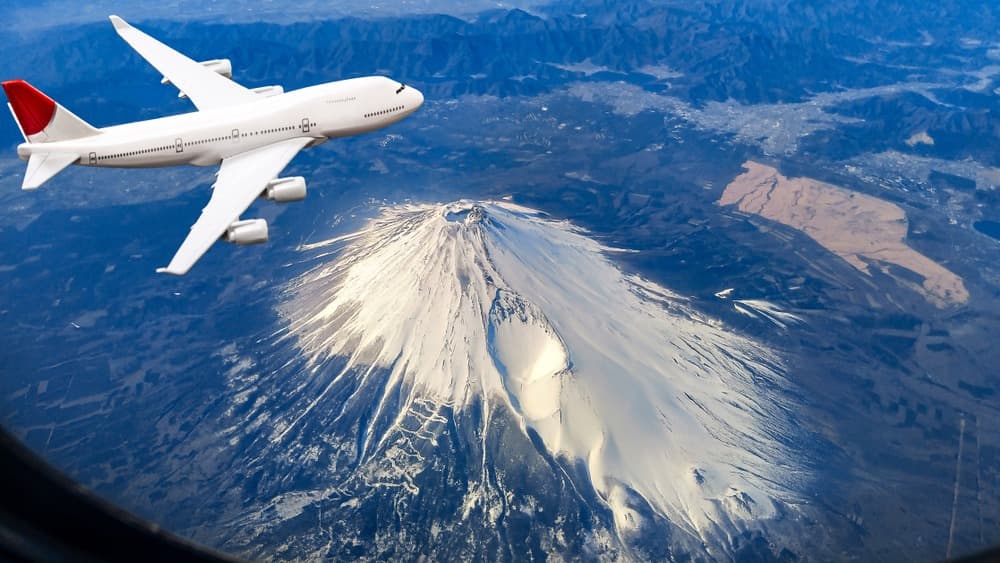
Tokyo, end of the trip
It is time to leave this archipelago with its unparalleled harmony of traditions and modernity, and depart with the teachings of Japanese civilization.
Depending on your flight time, you will want to take advantage of your last travel moments to find the perfect gift, before heading to the return airport and boarding the plane.
While contemplating the magnificent photos taken during the trip, it is not uncommon for travelers to find themselves thinking about a possible return to Japan sooner than planned…
Price per person
Indicative price per person, based on double room. Each trip is customized according to your preferences.
This trip can be tailored to your preferences
This itinerary provides an excellent foundation for discovery, but it can be fully customized. Our local advisors build each trip tailored to your budget, dates and preferences.
Not included
- Meals (budget -20 euros per day per person)
- Your personal expenses (water, food, souvenirs…)
- International flights (but we can advise you)
- Insurance (we are in partnership with Chapka: ask us for our rates!)
- Entrance tickets to sites (except palace pass in Seoul)
- The options you could add to your trip (shows, Hanbok fitting, days with a guide…)
- Japan: Round-trip journeys using local transport to suggested stops / on free visits (Kamakura, Nara, Kurama), payment on site with IC card (Suica) for greater flexibility
- Japan: Luggage forwarding by private carrier between different stages (recommended, approximately 2,000 yen/item)
- Japan: The tourist accommodation tax, approximately 100 ~ 500 yen per night per person, collected only on-site, for the cities of Tokyo and Kyoto
- Japan: The thermal tax, approximately 150 yen per night per person, collected only on site in cities with official hot springs (Hakone)
Included
- Round-trip airport transfers from airports to city centers, by public transport (tickets)
- English-speaking welcome and travel points upon arrival at accommodation in Seoul and Osaka.
- Double room accommodation with breakfast (when available).
- Pass Palais: access to the 4 main palaces of Seoul + Jongmyo sanctuary
- A contactless payment card for public transport use, preloaded (for both countries)
- The KTX journey, the Korean TGV between Seoul and Gyeongju and Gyeongju and Busan
- The bus: Gyeongju - Busan
- The Shinkansen journey (Japanese TGV) between Kyoto & Odawara (Hakone), reserved seats in second class (tickets)
- A 2-day Hakone Free Pass, covering all types of transportation in Hakone, up to Shinjuku
- South Korea: A digital program via application, accessible on tablet, computer or phone at any time, with details on accommodation, transportation and activities. A detailed summary of your stay's transportation.
- South Korea: Various brochures and tourist maps that we have selected for you.
- Japan: A Complete Travel Journal (Day-by-day and step-by-step guidance for independent travel with maximum support, including Japanese translations when needed)
- South Korea: Unlimited data SIM card for the duration of your stay, so you can stay connected at all times
- Japan: Renting a portable Wi-Fi router for the duration of your stay, so you can stay connected at all times
- Our expertise
- 24/7 assistance
- Our trilingual services French/English/Korean
Practical Information
Registration is considered firm and final after payment of a deposit of 30% of the total price and acceptance of the specific terms of sale.
The balance must be paid no later than 45 days before the departure date.
See our specific terms of sale for full details.
In the event of cancellation by the traveller, the following fees apply:
• More than 45 days before departure: 30% of the total price of the trip and/or the canceled service;
• Between 45 and 22 days before departure: 50% of the total price of the trip and/or the canceled service;
• Between 21 and 8 days before departure: 75% of the total price of the trip and/or the canceled service;
• Less than 8 days before departure and after the departure date: 100% of the total price of the trip and/or the canceled service.
We strongly recommend taking out cancellation insurance. See our specific terms of sale for full details.
The information below applies to travelers who are nationals of the European Economic Area (EEA), Switzerland, and Canada traveling to South Korea for tourism purposes. Entry regulations may change, so we recommend verifying information with official authorities before your departure.
Passport
To enter South Korea, your passport must be valid for the entire duration of your planned stay and have at least one blank page for immigration stamps.
The document must be in good condition (no damaged, torn, or altered pages).
Visa-exempt tourism stay
Nationals of the European Economic Area, Switzerland, and Canada are eligible for visa exemption for tourism stays.
This exemption allows stays of up to 90 days on South Korean territory. This period is generally not extendable on site for tourism purposes.
Authorities may also request:
an outbound travel ticket (return flight or onward travel),
proof of sufficient financial resources for the duration of your stay,
an accommodation address in South Korea.
Korea Electronic Travel Authorization (K-ETA)
Nationals eligible for visa exemption must in principle obtain a K-ETA (Korea Electronic Travel Authorization) before departure.
However, South Korea has implemented a temporary suspension of the K-ETA requirement for many countries eligible for visa exemption, including EEA member states, Switzerland, and Canada. This suspension has been extended multiple times; you should verify its current status before departure on the official South Korean authorities website.
When K-ETA is required, the application is submitted online and requires:
passport information,
a recent photograph,
flight and accommodation details in South Korea.
The application must be submitted at least 72 hours before departure. A digital confirmation is issued upon approval.
Traveling with children
Minors must hold their own valid passport covering the duration of the stay.
In some European countries, when a minor travels without one of their parents, an authorization to leave the territory may be required according to the regulations of the country of residence.
Other nationalities
Entry conditions may vary depending on nationality. Affected travelers should contact the embassy or consulate of South Korea in their country of residence.
To participate in our trips, it is strongly recommended to have evacuation and repatriation assistance and medical expense coverage abroad.
Your local agency encourages you to review the specific policy developed with our partners CHAPKA ASSURANCES and AXA ASSISTANCE.
To subscribe to insurance, learn about coverage and rates, follow the link below.
CAP EXPLORER: The comprehensive insurance solution designed for a worry-free trip!
Choose the plan that best suits you:
Explorer'Multirisque
Explorer'Annulation
Explorer'Assistance
Explorer' Complémentaire Carte Bancaire
Specific to our trips, we strongly recommend subscribing to them.
If you choose to subscribe to one of these plans, the policy outlining all coverage and claim reporting procedures is available on the insurer's website.
Your local agency will be aware of it, but only the participant is responsible for complying with claim reporting procedures. The participant must therefore keep this policy with them throughout their trip.
Chapka — Cap Explorer
Our insurance partnerTravel with peace of mind with our partner Chapka. Cancellation, repatriation, medical expenses, baggage… All the coverage for a worry-free trip.
Travel with peace of mind — I'll handle the insuranceFrequently asked questions
For a tourist stay, you must obtain a K-ETA authorization online before departure (approximately 10,000 won). Your passport must be valid. Before booking your trip, check the entry requirements applicable to your nationality with the consular authorities of your destination.
Go to the My Trips section to find all your projects.
You can send a message to your host directly from the Tea Lounge.
For a tailor-made quality trip, budget between 180 and 280 euros per day per person, including accommodation, meals, internal transportation and activities. International flights (700-1100 euros round-trip) are additional. South Korea combines urban modernity and rural authenticity at reasonable rates.
Your documents are accessible in the Documents tab of your trip.
Absolutely. We tailor each trip to match your travel profile. For families, we prioritize relaxed pacing, family-friendly accommodations, fun and educational activities, and comfortable private transfers. Our English-speaking local guides know how to capture children's attention with age-appropriate anecdotes.
It's simple. You exchange with our local team to define your wishes, budget and dates. You receive a detailed itinerary proposal within 48 hours. You adjust every detail together until it's perfect. You confirm and travel with peace of mind. Your local agency remains available 7 days a week throughout your trip.
In case of emergency, contact your local agency immediately.
Payment is generally made in two installments.
Our agency is part of the Nomadays network, registered in France. You benefit from APST (Association Professionnelle de Solidarité du Tourisme) coverage, which protects 100% of your funds. Secure payment, repatriation insurance included, and English-speaking assistance 24/7 on-site throughout your stay.

Let's talk about your adventure — Seoul Region
Travel Consultant, based in Séoul
What I love about Korea is this constant contrast between Seoul's energy and the serenity of places like Jeju. You can experience several journeys in just one trip.
— Maud