
Practical information Thailand
Preparing a trip to Thailand requires some organization to make the most of this exceptional destination. Our local team, based in Chiang Mai for over 25 years, has gathered all the essential information to facilitate your planning. From visas to recommended vaccinations, from average daily budget to customary tipping, from the best season to visit each region to local transportation: each article has been written by our experts who live the Thai daily life. You'll find here practical advice on climate and monsoon season, customs to respect in temples, health precautions, currency and exchange, as well as tips for getting around by tuk-tuk, train or bus. Whether you're traveling for the first time or you're an experienced traveler, this preparation center guides you step by step for a serene, authentic and unforgettable stay in the Land of Smiles.
Plan your trip by theme
Explore our practical guides organized by category to quickly find the information you need.

Before You Go
60-day visa exemption for French nationals, passport validity, recommended vaccinations and travel insurance to arrange for Thailand.
6 articles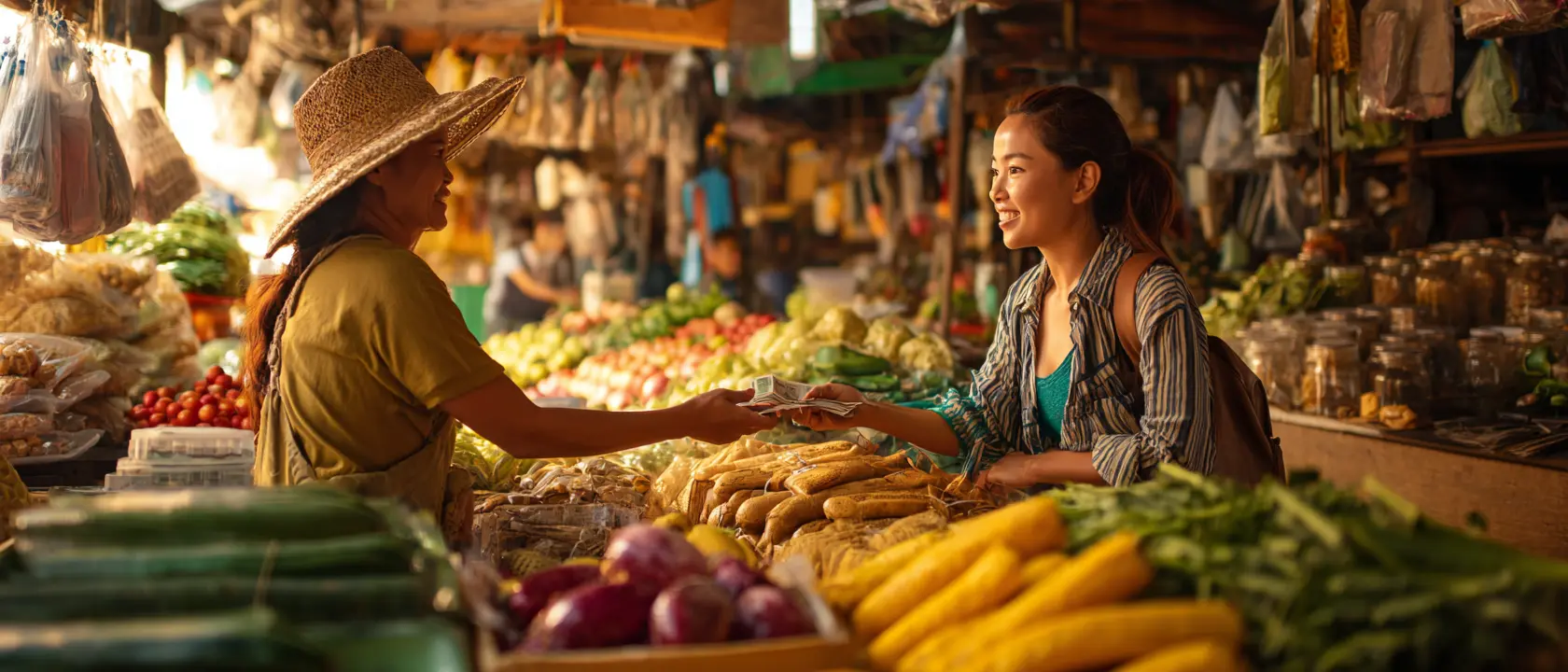
Money Budget
Thai baht, exchange rate around 38 THB per 1 euro, daily budget 50 to 90 euros, payments and tips.
1 article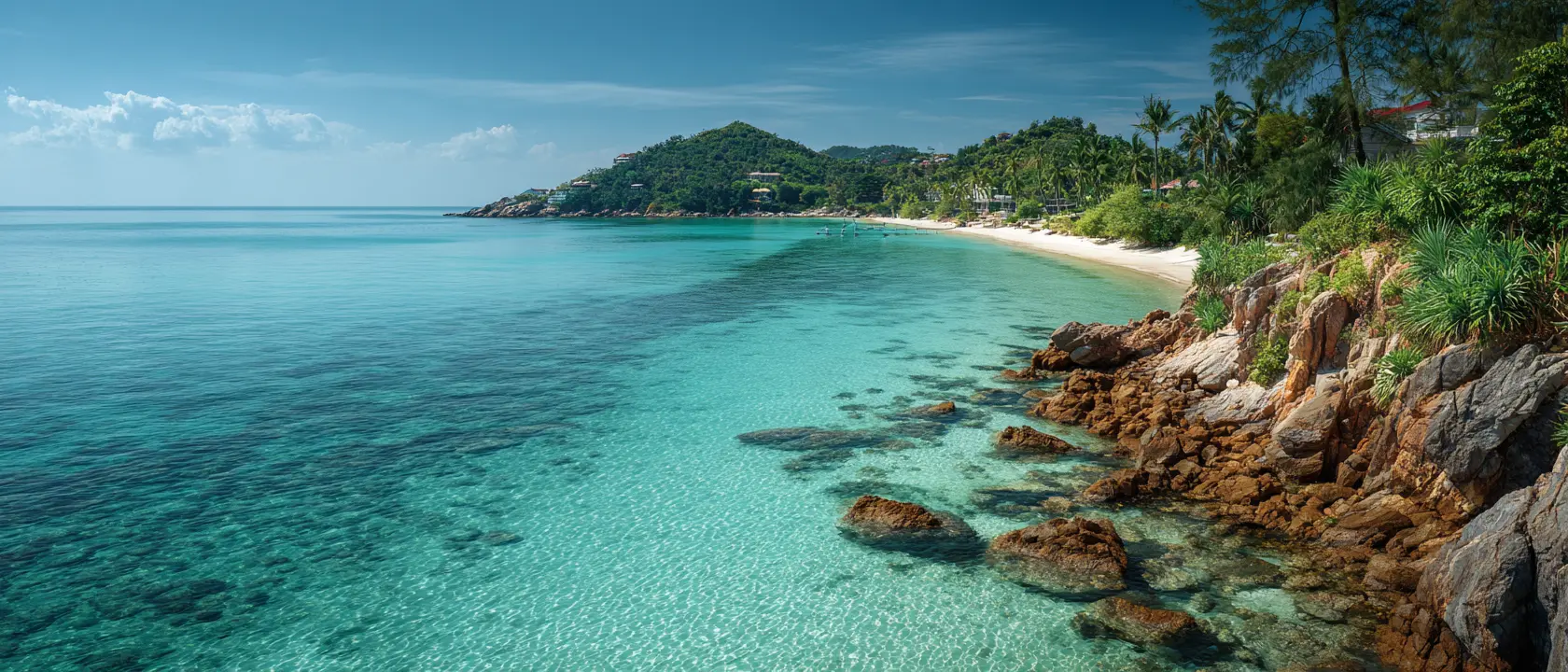
Climate & Season
Dry season November–April in the North, reversed calendar between Andaman Coast and Gulf, monsoon from May to October.
2 articles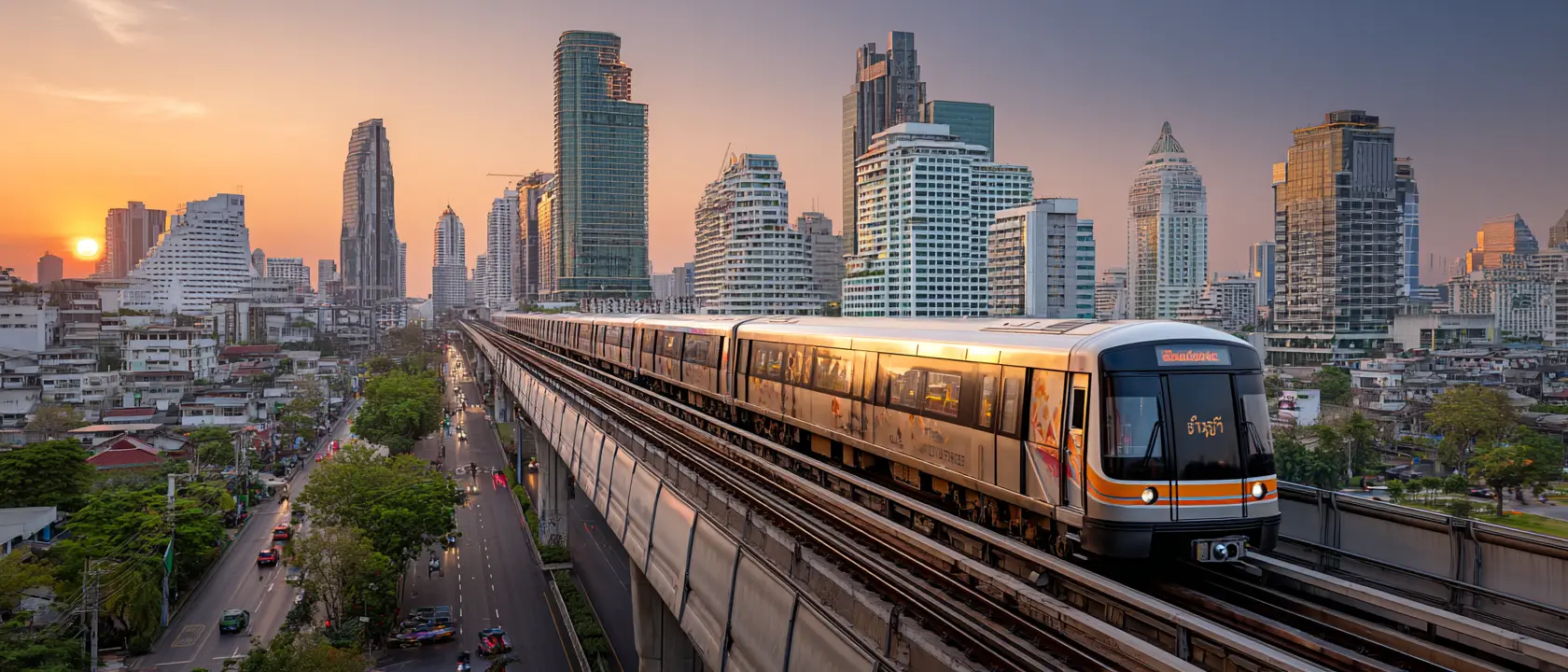
Transports
Domestic low-cost flights, overnight trains, VIP buses, local songthaews, island ferries and left-hand driving.
2 articles
Culture
Theravada Buddhism, temple dress codes, wai greeting, respect for monarchy and sacred head.
16 articles
Useful Tips
Bottled water, type A/B/C outlets, easy eSIM, good overall safety and advice from our on-ground team.
6 articlesAll practical guides
Search and filter among 33 articles





18 of 33 results
Frequently asked questions
The answers to the most frequently asked questions from our travellers.
Since July 2024, French nationals benefit from a 60-day visa exemption for tourist stays, extendable once for 30 additional days at local immigration offices. No prior procedures, no fees: a stamp is issued upon arrival at all international airports such as Bangkok Suvarnabhumi, Phuket, or Chiang Mai. Your passport must be valid for at least six months from your entry date and have two blank pages. For longer stays or specific purposes (retirement, studies, marriage), you must apply for an appropriate visa at the Thai consulate in Paris before departure. Proof of a return ticket may be requested at check-in by the airline.
No vaccination is required upon entry, except yellow fever if you are transiting through a country where it is circulating. We recommend being up to date with DTP, and considering hepatitis A and typhoid for most stays. Hepatitis B and rabies should be discussed with your doctor for long stays or rural itineraries. Japanese encephalitis mainly concerns travelers in prolonged rice-growing areas. Malaria remains confined to a few remote border zones that are rarely visited (Burma, deep Cambodia), with no systematic treatment needed for a standard itinerary. Dengue circulates year-round, with no widely available vaccine: prevention is based on repellents and covering clothing at dusk.
Excluding international flights, budget 50 to 70 euros per day per person for a comfortable trip in 3-star hotels with local meals, transport included and some activities. For 4-star accommodation with a private guide and dedicated vehicle transfers, plan for 90 to 140 euros per day. Luxury with boutique resorts easily exceeds 200 euros. As for meals, a street food dish costs 50-80 baht (1.50-2 euros), a meal at a local restaurant 150-250 baht, a menu at a good restaurant around 600-900 baht. A local beer costs 80-120 baht. Main attractions such as the Grand Palace in Bangkok charge 500 baht for entry.
The ideal period for combining North and South Andaman runs from November to February: dry weather, pleasant temperatures of 25 to 30°C during the day, cool nights in the North. March-April becomes very hot (up to 40°C in the central plains) and marks the agricultural burning season in the North, with degraded air quality in Chiang Mai. From May to October, monsoon season hits the Andaman (Phuket, Krabi), but the Gulf of Thailand (Koh Samui, Koh Tao) remains accessible until September. October and November concentrate rainfall over the Gulf. For Isan and the Northeast, the dry window stretches from November to March.
For long distances, low-cost domestic flights (Thai AirAsia, Nok Air, Thai Lion) connect all major cities for €30 to €70. Bangkok-Chiang Mai and Bangkok-Surat Thani overnight trains offer a comfortable experience with air-conditioned berths for €30-50. VIP buses cover the entire country with excellent value for money. In cities, Bangkok has the BTS and MRT, while Chiang Mai operates with red songthaews (shared minibuses at 30 baht). For the islands, ferries are frequent from Krabi, Phuket, Surat Thani and Chumphon. We systematically arrange private vehicles with drivers for tailor-made tours, offering greater flexibility for stops.
Thailand remains a safe destination for travelers, with a low crime rate against tourists. Precautions are those of any trip: watch out for pickpockets in Bangkok's crowded markets, be vigilant with luggage on night buses, exercise caution when renting a scooter (frequent accidents, helmets are mandatory, verify insurance). Common scams revolve around Bangkok tuk-tuks offering tours at very low prices that lead to tailor or jewelry shops. The southern border areas (Yala, Pattani, and Narathiwat provinces) are not recommended for political reasons. Our team in Chiang Mai remains available 24/7 throughout your stay for any questions or unexpected situations.
Ready to travel to Thailand?
Discover our tailor-made itineraries, designed by our local team. Each route adapts to your pace, your preferences and your travel season.
See our toursWe use cookies to improve your experience and measure our site's audience. You can choose what you accept. Learn more.