Koh Phangan
Koh Phangan
Koh Phangan, a tropical island in Thailand's Gulf, where Full Moon Party, yoga retreats in Srithanu and secluded coves coexist within remarkably wild nature.
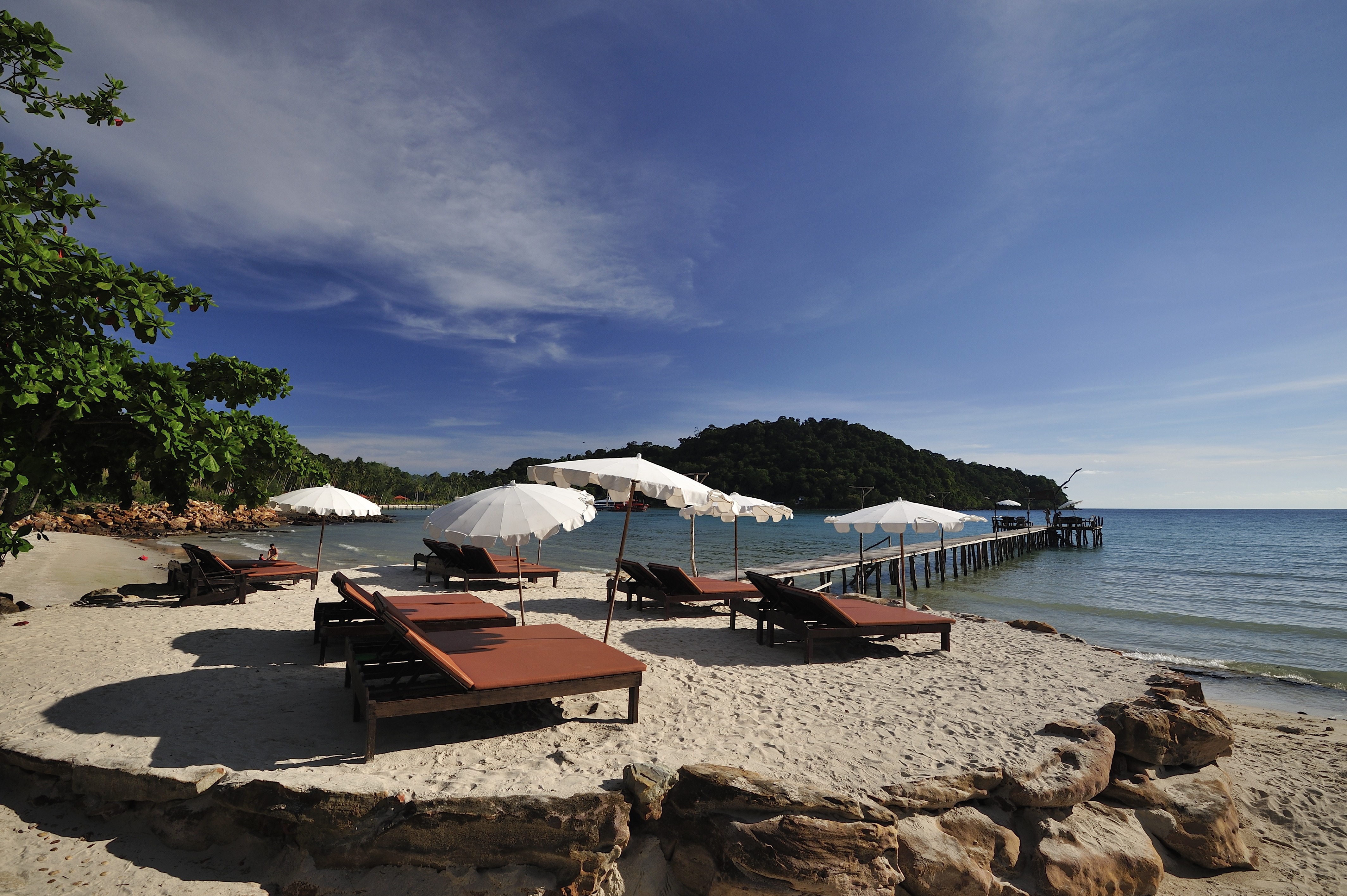
Koh Phangan Island, nestled in Thailand's Gulf between Koh Samui and Koh Tao, is a destination cherished by backpackers worldwide. Renowned for its legendary Full Moon Party, Koh Phangan offers far more than this singular spectacle. Still refreshingly authentic, Koh Phangan has developed thoughtfully, preserving its natural landscapes and magnificent fine-sand beaches. The island is dominated by the Than Sadet National Park, which protects its lush terrain and the incredible fauna and flora within. Here, revelers enjoy the southern celebrations, yet the island's true soul lies in the serene beauty of its western and northern coasts.
History
The name Koh Phangan derives from the word "Ngan," which literally translates to "sandbank" in southern Thai dialect. The island's earliest visitors were Malay sailors from the Malay Peninsula.
The first structure built on Koh Phangan was a temple erected by monks approximately 600 years ago. Later, Chinese immigrants arrived and settled, beginning tin mining operations and coconut trade, which became central to the island's economy.
Koh Phangan holds a special place in Thai royal history. Numerous monarchs have visited to rest on the island. King Rama V, for instance, visited Koh Phangan more than a dozen times, particularly enjoying adventures to the Than Sadet Waterfall.
Staying on Koh Phangan
Koh Phangan is a small island north of the larger Koh Samui, in Thailand's Gulf. It has approximately 13,500 residents, a figure that doubles or triples during high season (December to February) or during the Full Moon Party. Famous for this international gathering that occurs monthly under the full moon, Koh Phangan transcends its party reputation.
More than half the island is designated as a National Park, allowing it to remain wild and preserve its tropical character. Development projects, such as an airport on the eastern side, were cancelled to protect the environment.
While the entire western coast, from north to south, is inhabited, tourism infrastructure harmonizes with the landscape without diminishing its stunning beaches. From Chaloklum, a family-friendly fishing village in the north, to Haad Rin, the island's party epicenter in the south, and Srithanu, a laid-back village with yoga centers, Koh Phangan knows how to enchant its visitors.
A saying frequently echoed among expatriates and regular travelers captures the island's appeal: "Once you've set foot on Phangan, you'll always return."
Everything seems possible on Koh Phangan; an incredible energy radiates from the island, explaining why visitors feel at home. The beaches boast unparalleled beauty, tropical forests conceal superb waterfalls and hiking trails leading to panoramic vistas, the marine life remains rich with promise for snorkeling discoveries, hotels, resorts and restaurants maintain consistently high standards, and hidden temples scattered throughout offer welcome cultural pauses.
With time and a spirit of adventure, you can play castaway on small beaches accessible only by boat. Bottle Beach and Haad Tian are perfect examples.
What to Do?
A Beautiful Adventure on Koh Phangan's Beaches
Haad Mae Had
This beach is located on the island's west side, near the islet of Koh Ma. At low tide, a sand spit emerges and connects the beach to the islet, allowing you to walk across. Haad Mae Had is also renowned for its rich marine life. Snorkeling or diving near Koh Ma reveals magnificent coral and abundant tropical fish.
Haad Khuad or Bottle Beach
This beach sits on the island's north coast and is accessible only by taxi boat from the small fishing village of Chaloklum.
For the adventurous, a jungle trail offers an alternative route. Along the way, you'll likely encounter a small monkey family and numerous lizards and geckos. The trek is not particularly strenuous, but hiking shoes are recommended.
Thong Nai Pan Yai and Thong Nai Pan Noi
These charming beaches are located on Koh Phangan's east coast. This area borders the national park and remains notably wild. The jungle extends behind them, awaiting adventure-seeking hikers.
The beaches' remoteness from the rest of the island ensures their tranquil atmosphere.
Haad Salad
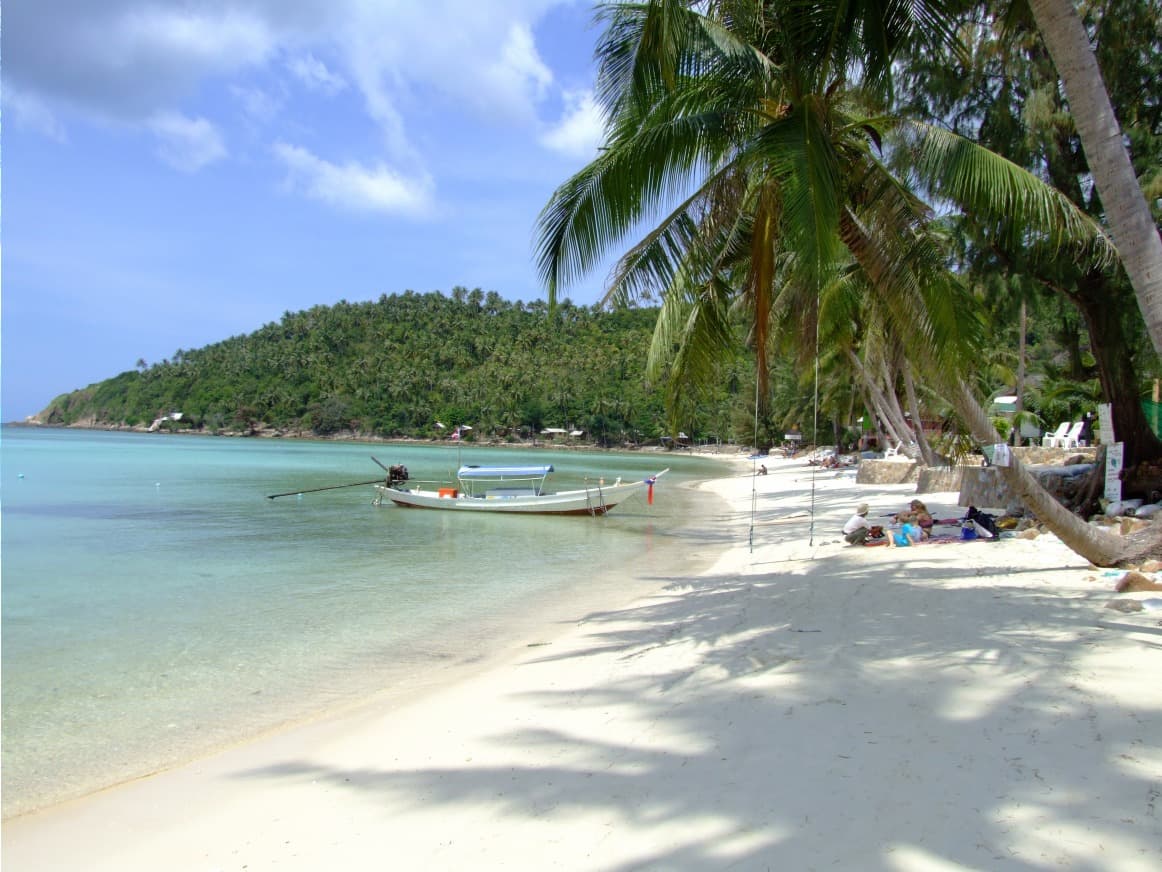
Situated on the island's northwest, Haad Salad captivates with its white sand, coconut palms and striking emerald waters. The beach shelters a lovely coral reef accessible via snorkel or diving. It's particularly popular with families.
A Journey Through the Waterfalls
Beyond the paradisiacal beaches, Koh Phangan harbors jungle terrain and several beautiful waterfalls.
Than Sadet
Located on the island's east coast, Than Sadet is known for its small palm-fringed beach and water cascades. The falls comprise a succession of pools and streams stretching approximately 3 kilometers. It ranks among the island's most celebrated waterfalls.
Paradise Waterfall
The cascade's beauty truly emerges after the rainy season (October to March). Swimming is possible, though be cautious on slippery rocks. During the dry season, the waterfall may dry completely—a perfect opportunity to follow a small trail to a superb island viewpoint.
Wang Sai
This waterfall, surrounded by tropical vegetation, sits on the island's northwest, near Haad Mae Had beach. Visit after the rainy season for optimal beauty.
The Full Moon Party Experience
The Full Moon Party is an internationally recognized event. Travelers from around the globe converge to dance through the night to music pulsing from countless beachfront bars.
Occurring monthly during the full moon on Haad Rin beach in the south, the party transforms the small village into a celebration. Temporary tattoo stands using fluorescent ink and makeshift bars line the streets and beach.
It's strongly advised to arrive by taxi and avoid driving a scooter during such festivities.
Entry costs 100 baht. Collected funds go toward comprehensive beach cleaning after each event.
Those uninterested in this world-famous party should avoid the southern coast. The island's remaining areas retain their calm, relaxed atmosphere.
Climate
Koh Phangan enjoys a tropical humid climate nearly year-round. Like Koh Samui and Koh Tao, it experiences three seasons: rainy season (September to November), cool season (December to March) and hot season (April to June).
October and November bring frequent rains and occasional flooding. December and January, the busiest tourist months, also record considerable rainfall, particularly overnight.
During the dry season, temperatures easily reach 40°C. The sea recedes, water becomes very warm, making swimming less enjoyable.
When to Visit Koh Phangan?
Optimal periods to visit Koh Phangan are January through early April and mid-June through September.
How to Reach Koh Phangan Island?
Koh Phangan lacks an airport, making boat access the only option. Several routes are available.
Getting to Koh Phangan from Koh Samui
The simplest route: fly to Koh Samui Airport, then take a ferry to Thong Sala, Koh Phangan's main port. From Koh Samui, you can also reach Haad Rin directly—convenient when visiting solely for the Full Moon.
The crossing takes approximately 30 minutes and costs 300 baht. Multiple operators offer service: Lomprayah, Seatran, Raja Ferry, and others.
Getting to Koh Phangan from Bangkok
From Bangkok, several alternatives exist:
- Fly Bangkok-Surat Thani, then bus to Dongsak port. Board Raja Ferry to Thong Sala.
- Bus from Bangkok to Champon, then ferry to Thong Sala with a Koh Tao stop.
- Fly Bangkok to Nakhon Si Thammarat, then bus to Dongsak port. Lomprayah's catamaran reaches Thong Sala with a Koh Samui stop.
Getting Around Koh Phangan
Renting a Scooter or Motorbike
Motorbikes and scooters offer the best island exploration. Rental shops appear at every corner.
However, despite common practice, we strongly advise wearing helmets. Roads are sandy in places, often riddled with potholes, and street dogs don't always check before crossing. Stay vigilant. Helmets and moderate speeds are essential.
Before departing, check brakes, lights and indicators. Document existing scratches in photos to avoid dishonest rental practices (increasingly rare).
Daily rentals typically cost 200 baht. During high season, the Full Moon Party or New Year, prices may increase slightly.
Renting a Car
For families or groups, car rental often proves more economical and safer. Options range from sedans to small jeeps and large pick-ups. We recommend smaller vehicles like jeeps—easier for parking and navigating the island's winding roads.
Daily rates range from 800 to 2,000 baht depending on vehicle type.
Songthaew
This shared taxi system is ubiquitous throughout Thailand, including Koh Phangan. Songthaews are convenient for reaching popular areas. Outside the port, drivers indicate their destinations, with pre-set fares for major routes or Full Moon events. Otherwise, negotiate. Using only songthaews can become costly; they're best for long trips or festive evenings when avoiding drink-driving.
Motorcycle Taxi
Less developed than on the mainland but available. Practical for solo travelers and more economical than songthaews, though they're concentrated in busy zones like Thong Sala and Ban Tai.
Taxi Boat
Essential for reaching less accessible beaches like Bottle Beach or Haad Tian. Taxi boats display "Taxi boat" signs, making them easy to spot. Simply ask locals and negotiate price.
Photos
Accommodation in Koh Phangan
See all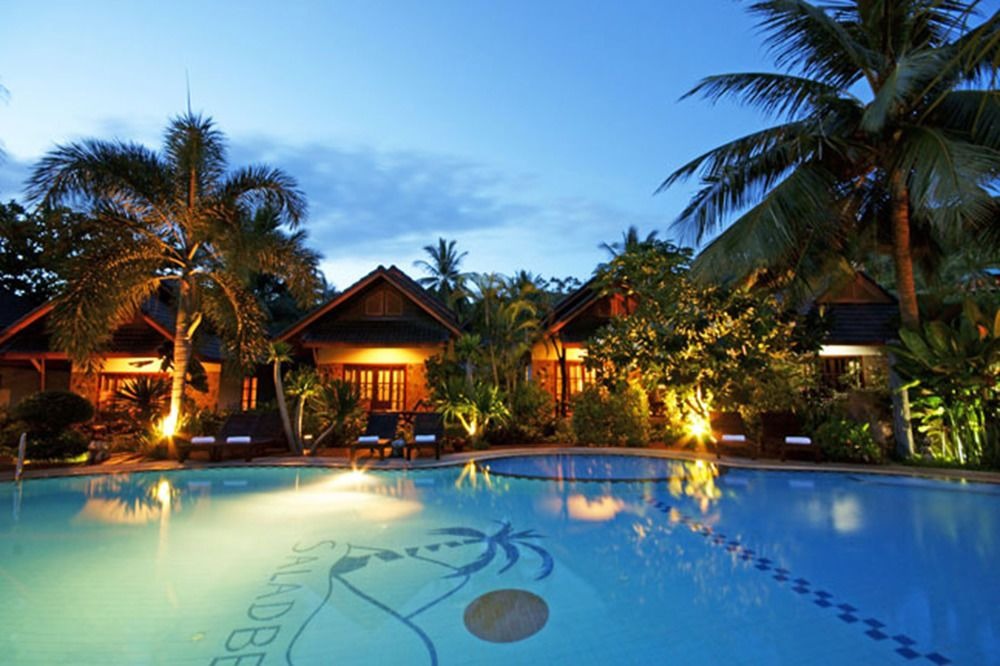
Salad beach resort
Resort 3 étoiles sur la plage de Haad Salad, au nord-ouest de Koh Phangan. Chambres et bungalows avec vues jardin, piscine ou mer, restaurant Cuttaleeya en bord de plage.
Chantaramas Resort
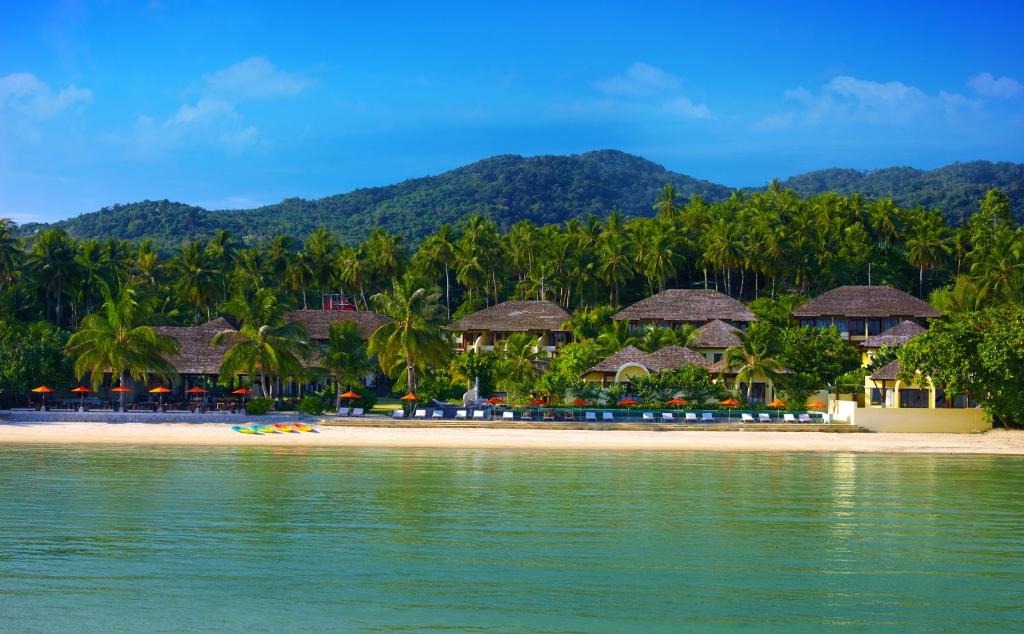
Resort en bord de plage au sud-ouest de Koh Phangan, structuré autour du concept Chantaramas (« lune dorée ») : 4 villas, 46 chambres, restaurant face mer.
Maehaad Bay Resort
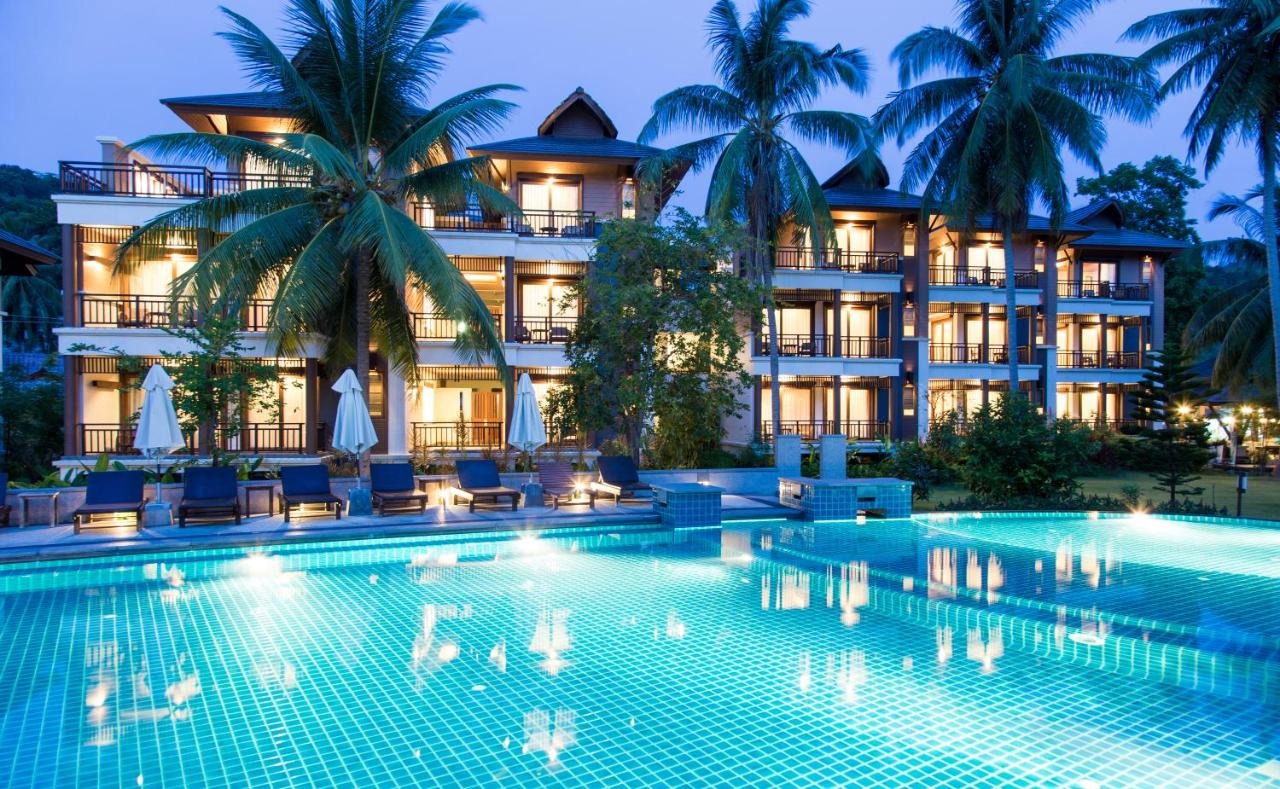
Resort balnéaire au nord-ouest de Koh Phangan, à 10 min à pied de la plage de Mae Haad. 48 chambres, piscine de 700 m² et accès à Ko Maa à marée basse.
Also discover
Ang Thong Marine National Park
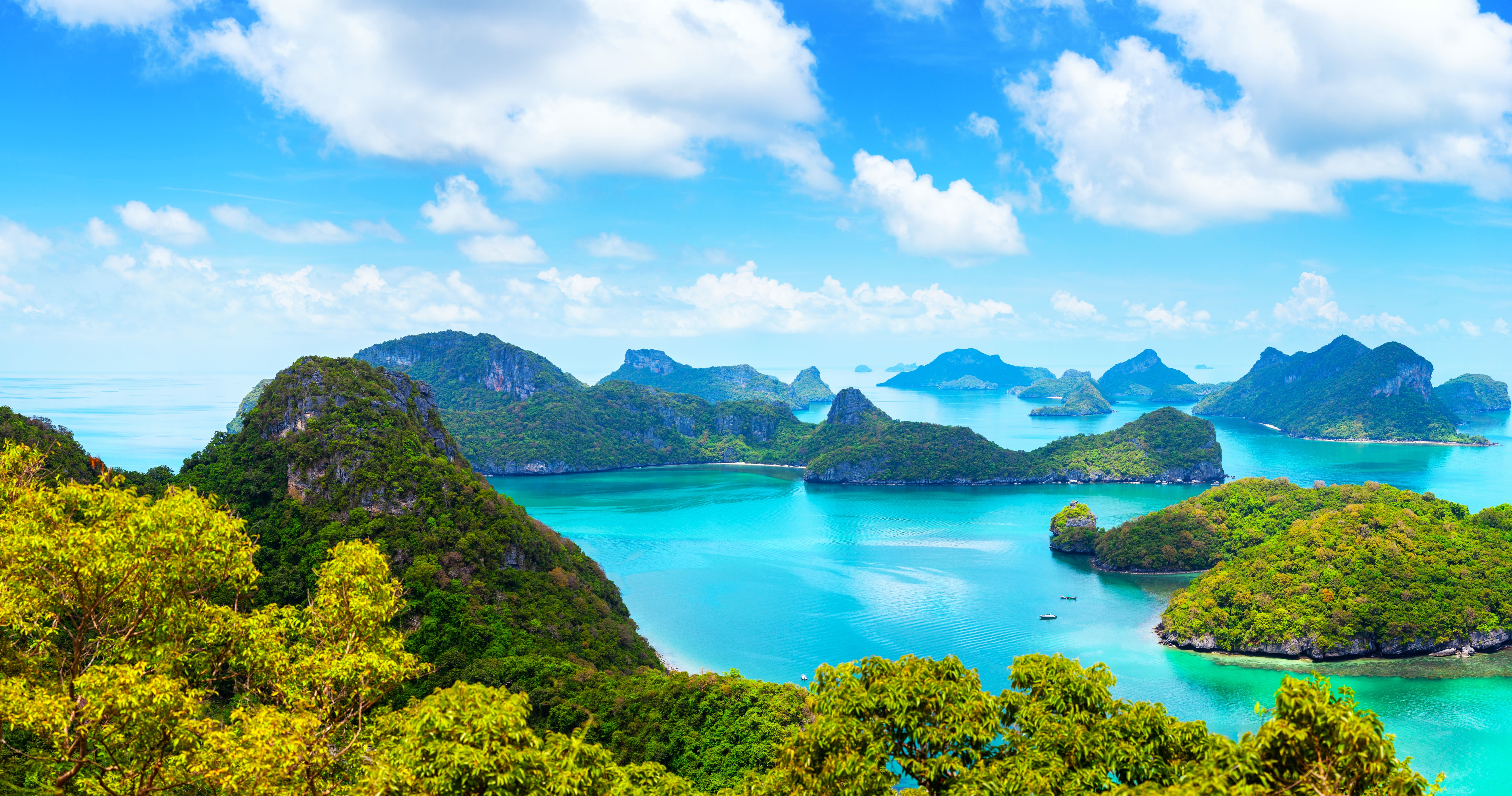
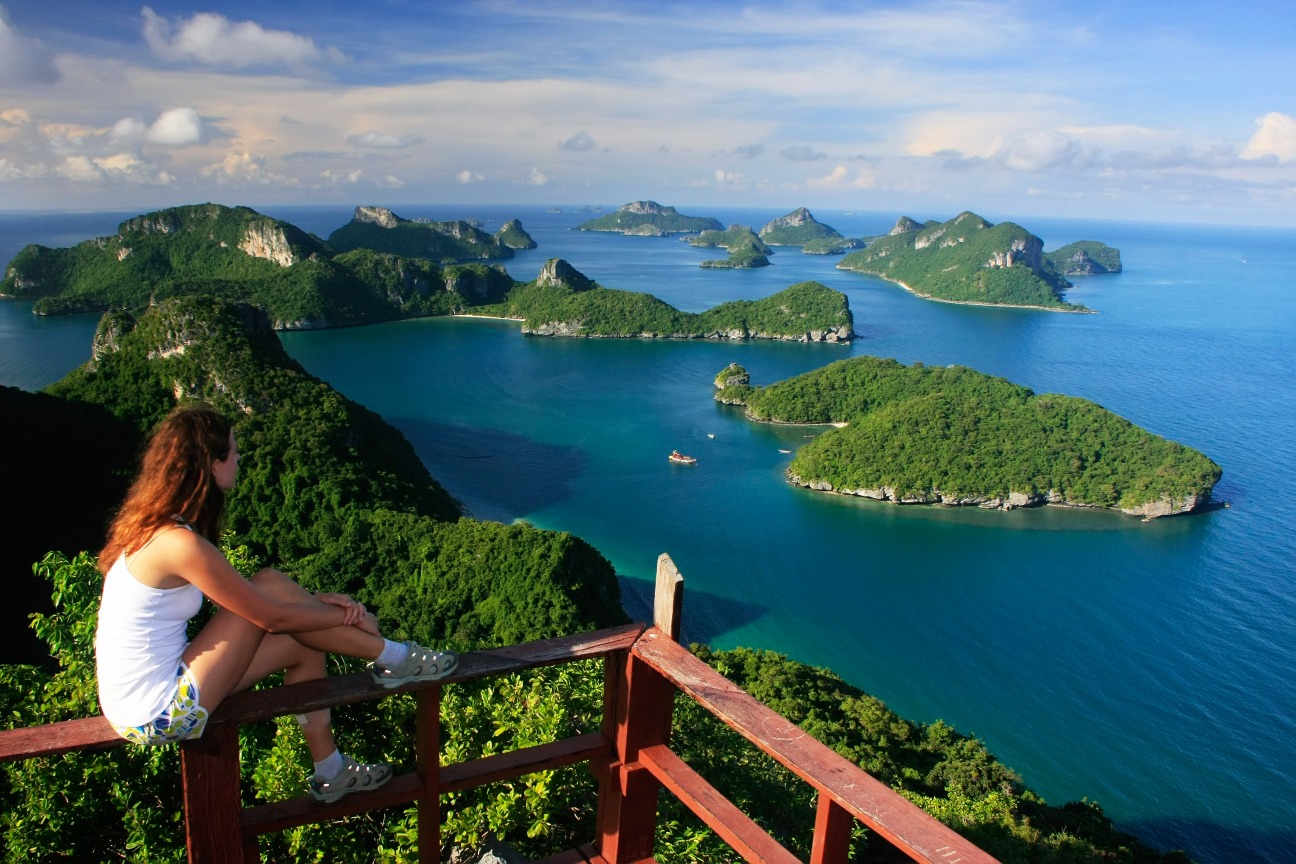
A protected archipelago of 42 islands in the Gulf of Thailand, accessible as a day excursion from Koh Samui, Koh Phangan, or Koh Tao. Lagoons, beaches, and stunning viewpoints.
Eden Bungalows
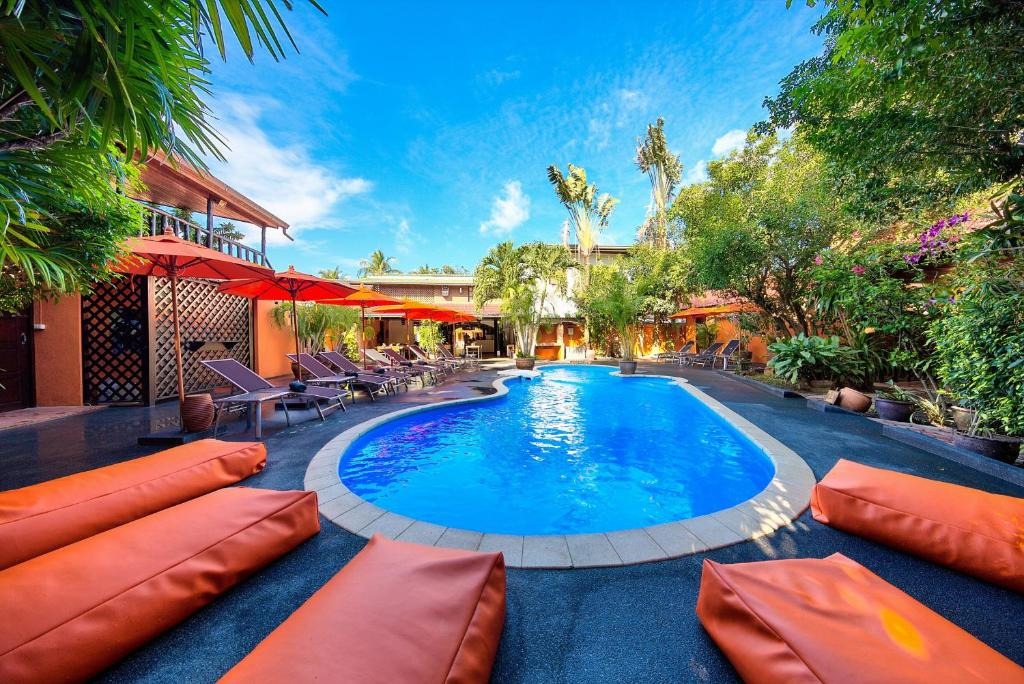
English-speaking 3-star hotel in Fisherman's Village, Bophut, just twenty meters from Koh Samui's beach: bungalows and apartments built in traditional Thai wood.
Want to discover this destination?
Our local advisors design your tailor-made trip.