Wat Rong Sua Ten: The Blue Temple of Chiang Rai
Wat Rong Sua Ten: The Blue Temple of Chiang Rai
306 หมู่ที่ 2 Maekok Rd, Tambon Rim Kok, Amphoe Mueang Chiang Rai, Chang Wat Chiang Rai 57100, Thaïlande
Wat Rong Sua Ten, or the Blue Temple, is one of the most distinctive sanctuaries in Chiang Rai, created by a disciple of the architect behind the White Temple.
North of the city of Chiang Rai, Wat Rong Sua Ten, still too little known to visitors, reveals the splendor of Buddhist art.
Located in the heart of the village of the same name, north of the Thai city of Chiang Rai, the temple is a cherished destination for those passionate about sculptures and religious art.
The Buddha statues in lotus position and demon figures will captivate your attention. Though less frequented than the White Temple and rarely featured by travel operators, Wat Rong Sua Ten nonetheless has much to offer those who make the journey.

A Brief History
Wat Rong Sua Ten literally means "the temple of the dancing tigers" due to tigers that once lived near the Kok River in ancient times. Yet tigers are not represented within the temple grounds.
About a century ago, an abandoned temple stood at the current site. In 1996, as the temple grew increasingly dilapidated, villagers unanimously decided to construct a new place of worship to safely accommodate both pilgrims and visitors. It was a disciple of architect Chalermchai, the mastermind behind the White Temple's design, who took on the project.
Construction began in October 2005. The ordination hall was finally inaugurated in 2016, housing an impressively large white Buddha statue that arrived at the site in 2008.
Visiting Chiang Rai's Blue Temple
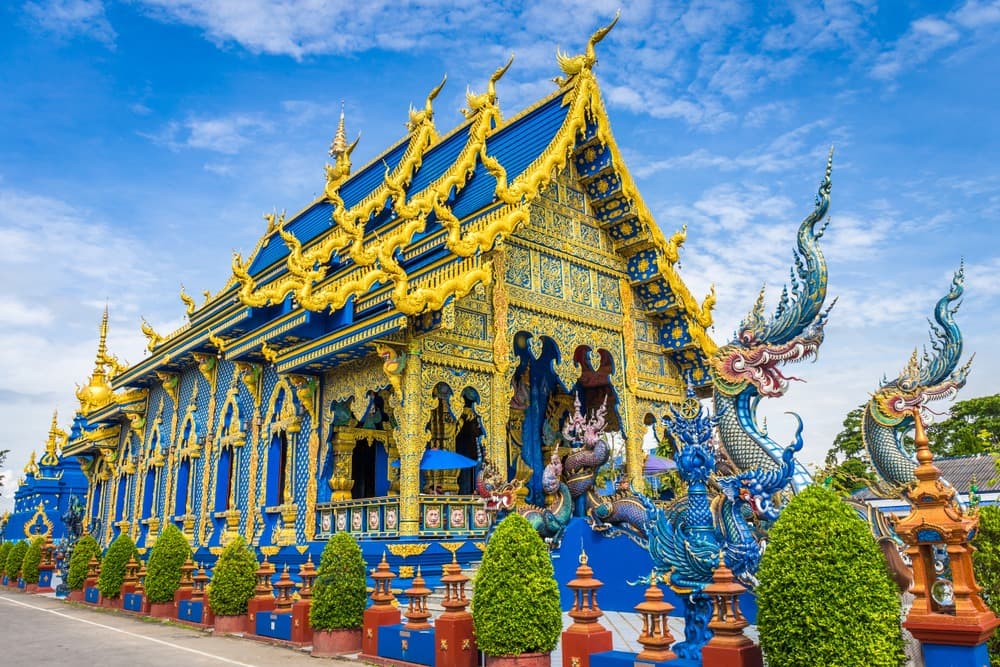
In northern Thailand, the city of Chiang Rai continues to dazzle visitors with its multicolored temples: the Black Temple, the White Temple, and the Blue Temple—a nickname for Wat Rong Sua Ten, referring to the distinctive midnight-blue color that adorns both its exterior and interior architecture.
The indigo and gold Ubosot is arguably the most striking architectural element upon entering Wat Rong Sua Ten. It is guarded by blue and violet Nagas (legendary creatures that are part dragon, part serpent). Behind them stands a large white standing Buddha and the chedi Phra That Ked Kaew Chula Mani. Inside, the seated white Buddha statue at the far end of the hall inevitably commands your attention. The blue walls, gracefully adorned with traditional drawings and paintings, tell stories of ages past.
While the Blue Temple may be considered less spectacular than the White Temple in terms of sheer size and execution quality, its unique architecture and distinctive color make a visit nearly essential if you find yourself in Chiang Rai Province.
Before You Visit the Blue Temple
Entry to the Blue Temple is free for all visitors. While on the grounds, please observe these basic rules of conduct to respect the faith of worshippers:
- Wear appropriate clothing (avoid lightweight garments that expose the legs and shoulders);
- Maintain silence;
- Remove your shoes before entering the prayer hall;
- Refrain from displays of physical affection;
- Never point your feet toward a Buddha statue;
- Do not smoke;
- Avoid sitting on the raised platforms, as these are often reserved for monks.
Getting There
The Blue Temple sits on the banks of the Kok River, a few kilometers outside Chiang Rai's city center. From the King Mengrai Monument, take Route 1 out of the city and, after crossing the river, turn left following the directional sign.
While the address is easily identifiable, the temple is not served by public transportation. It is therefore essential to rent a private vehicle in Chiang Rai. Many locals offer their cars, scooters, bicycles, and motorcycles to tourists.
When traveling with Sawa Discovery, simply let your guide and driver lead the way—they will bring you directly to the Blue Temple.
Photos
Nearby
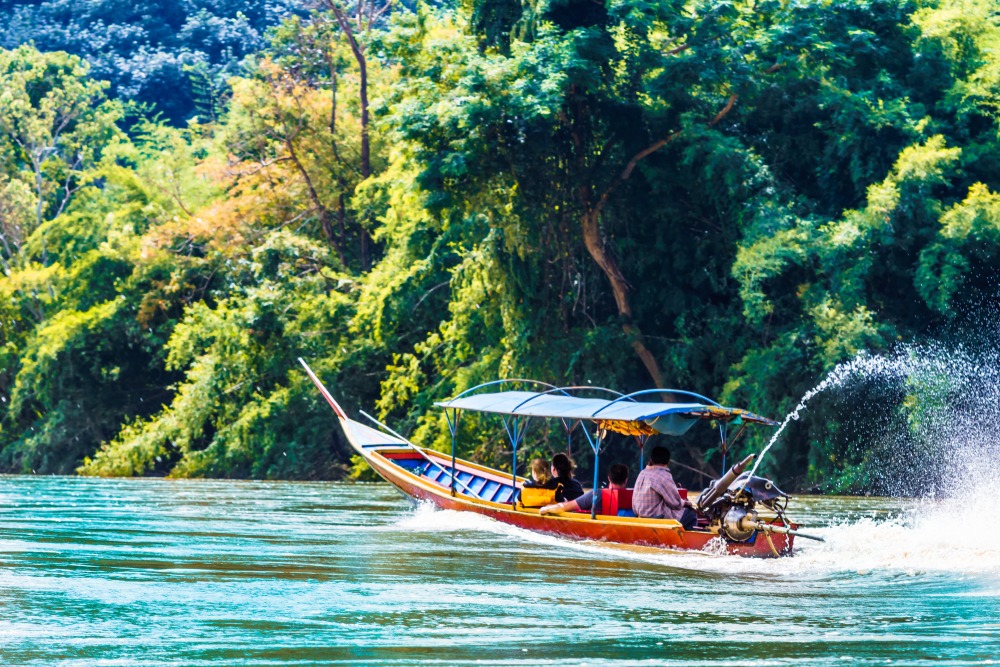
Also discover
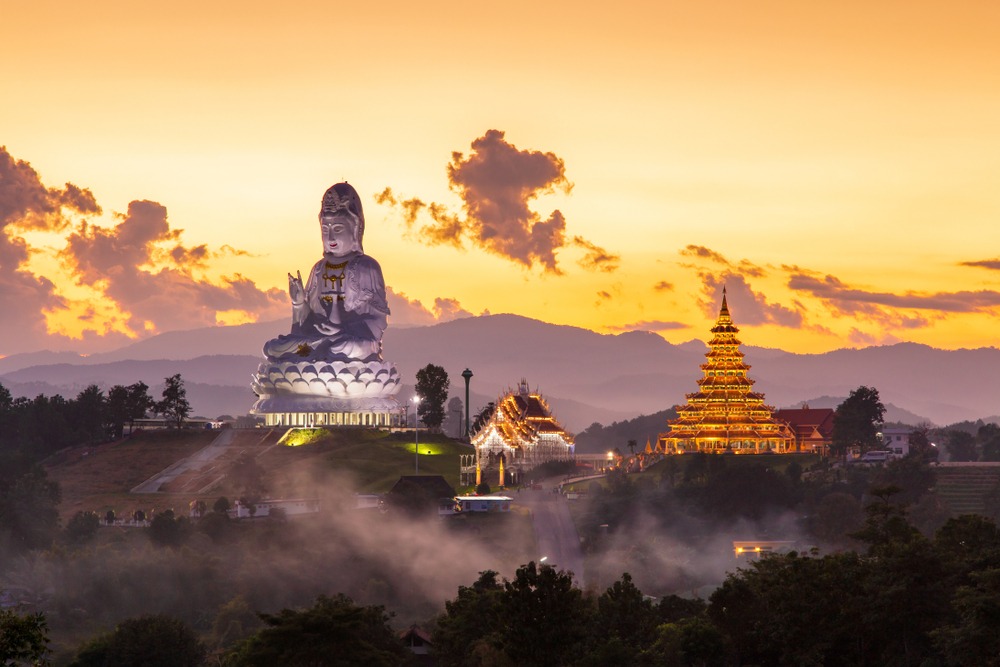
Wat Huay Pla Kang
Located 6 km from Chiang Rai, Wat Huay Pla Kang combines a giant Guanyin statue, a nine-tiered chedi, and a white Ubosot in a rare Mahayana syncretism found in Thailand.
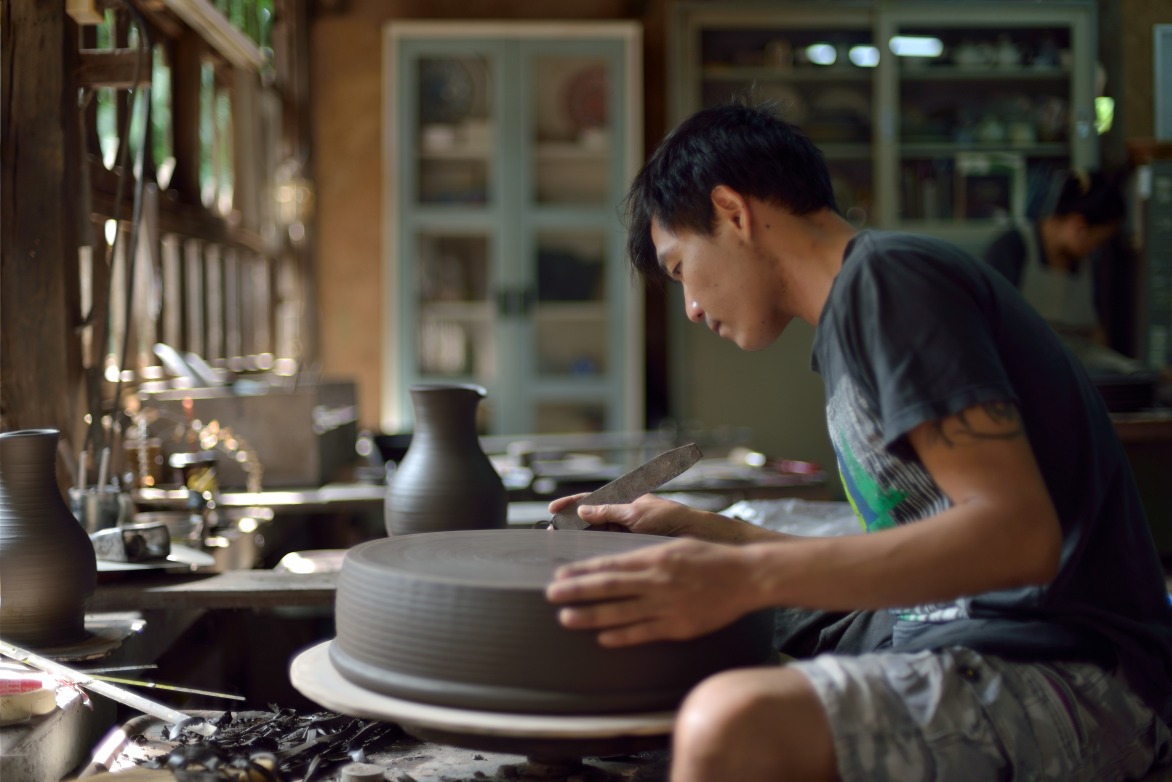
Doi Din Dang Pottery Studio
Located 12 km from Chiang Rai, Doi Din Dang studio—home to ceramicist Somluk Pantiboon—preserves a craft tradition blending Japanese mastery with raw materials from northern Thailand.
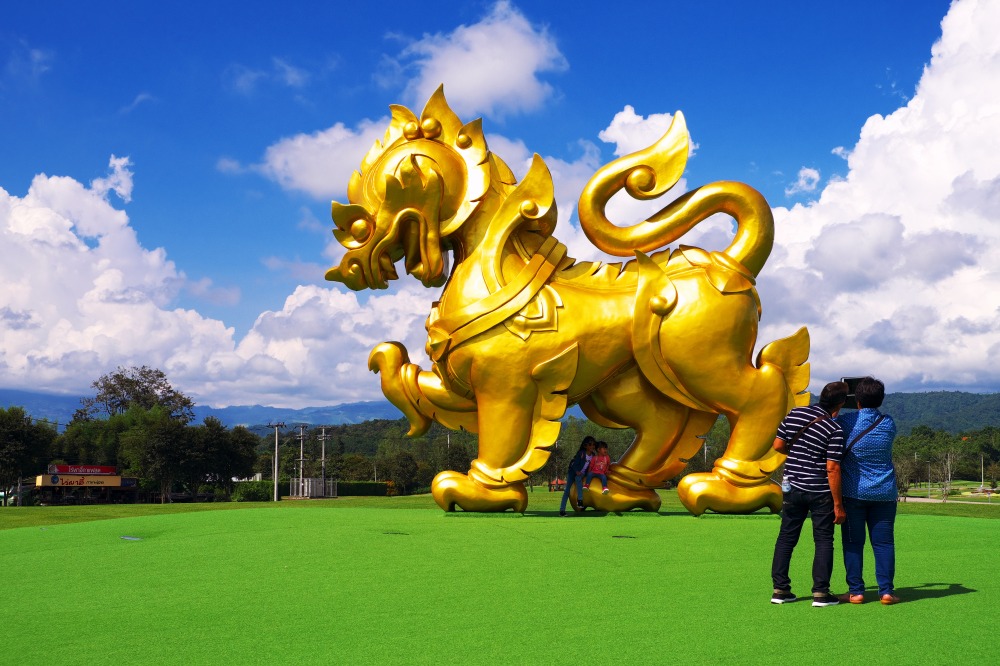
Singha Park (formerly Boon Rawd Farm)
Once known as Boon Rawd Farm, Singha Park combines Oolong tea plantations with outdoor activities just a short distance from Chiang Rai.
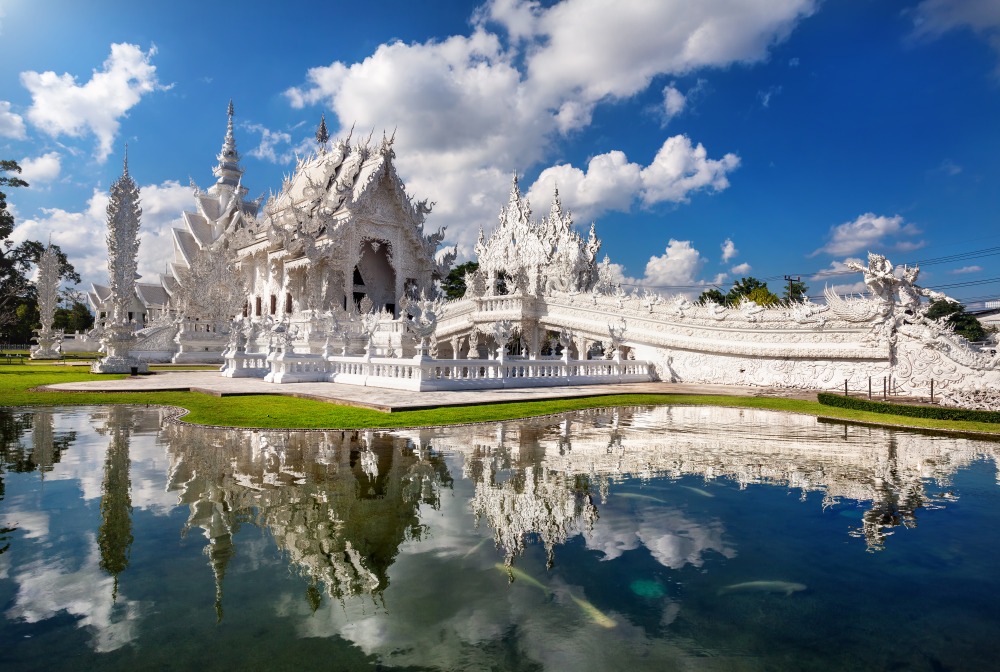
Chiang Rai
Former capital of the Lanna kingdom, Chiang Rai captivates with its contemporary temples, vibrant markets, and access to the Golden Triangle. Your complete guide to an unforgettable stay.
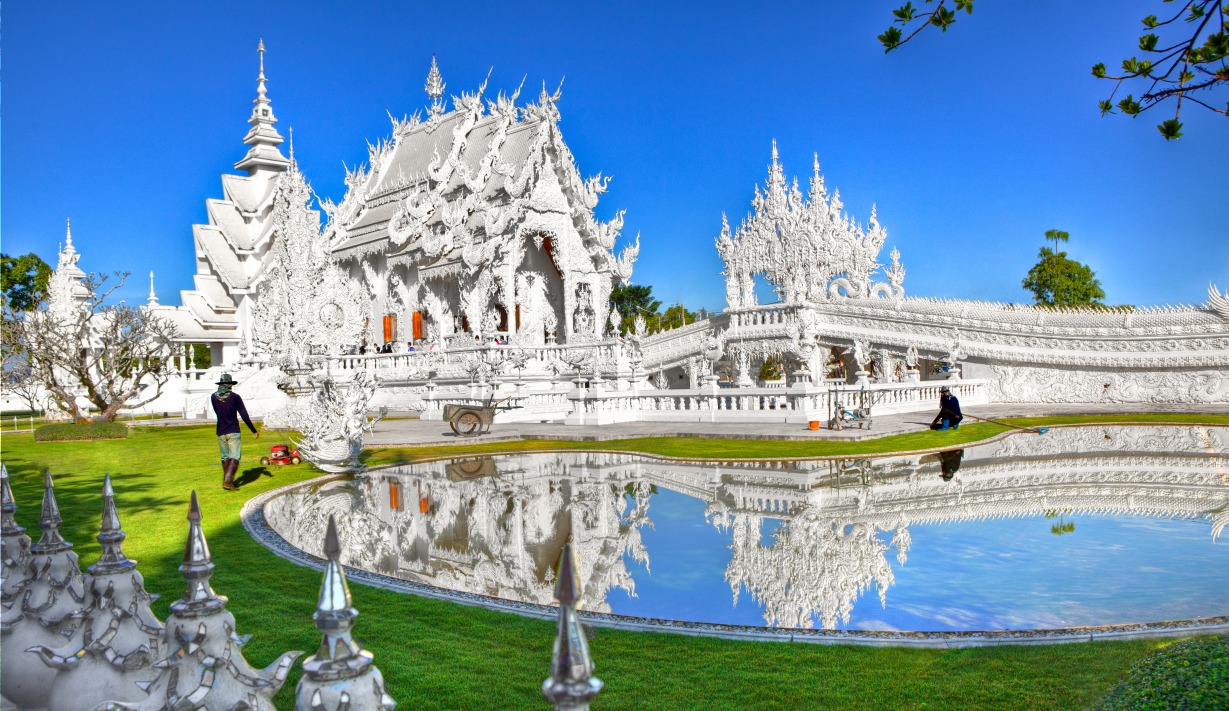
Wat Rong Khun
Chiang Rai's White Temple, a masterwork by Chalermchai Kositpipat, blends Lanna architecture, pristine white and pop culture references within a complex devoted to Buddhist art.
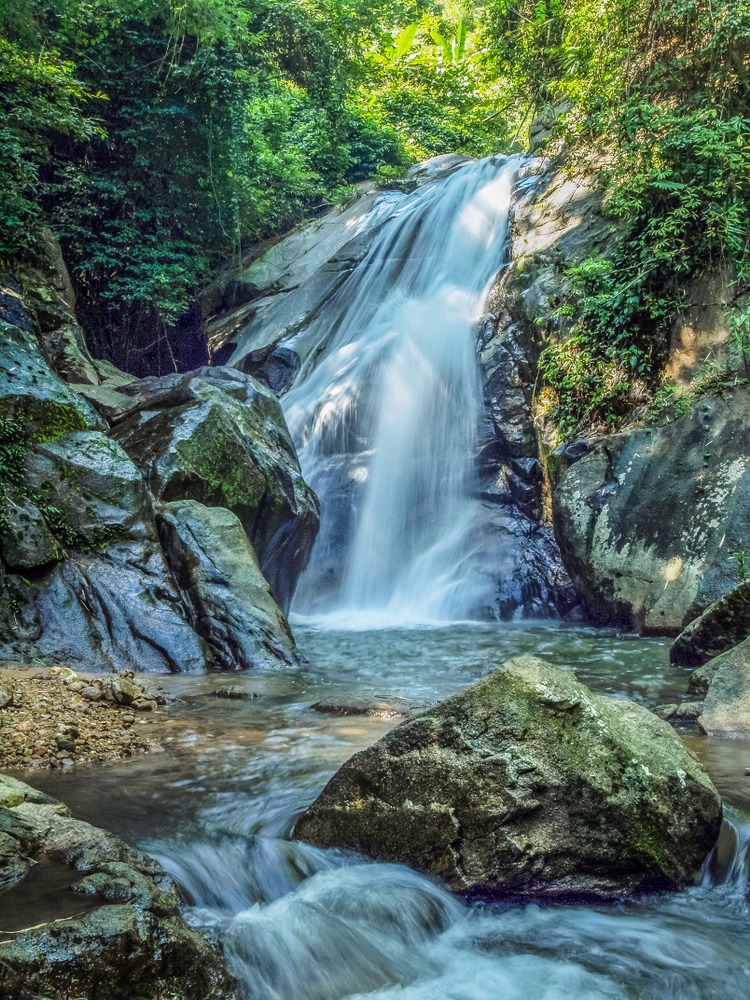
Mae Sai Waterfall
Twenty kilometers north of Chiang Rai, Mae Sai Waterfall unfolds across two tiers of 15 meters within Mae Kok National Park, at the heart of the Golden Triangle.
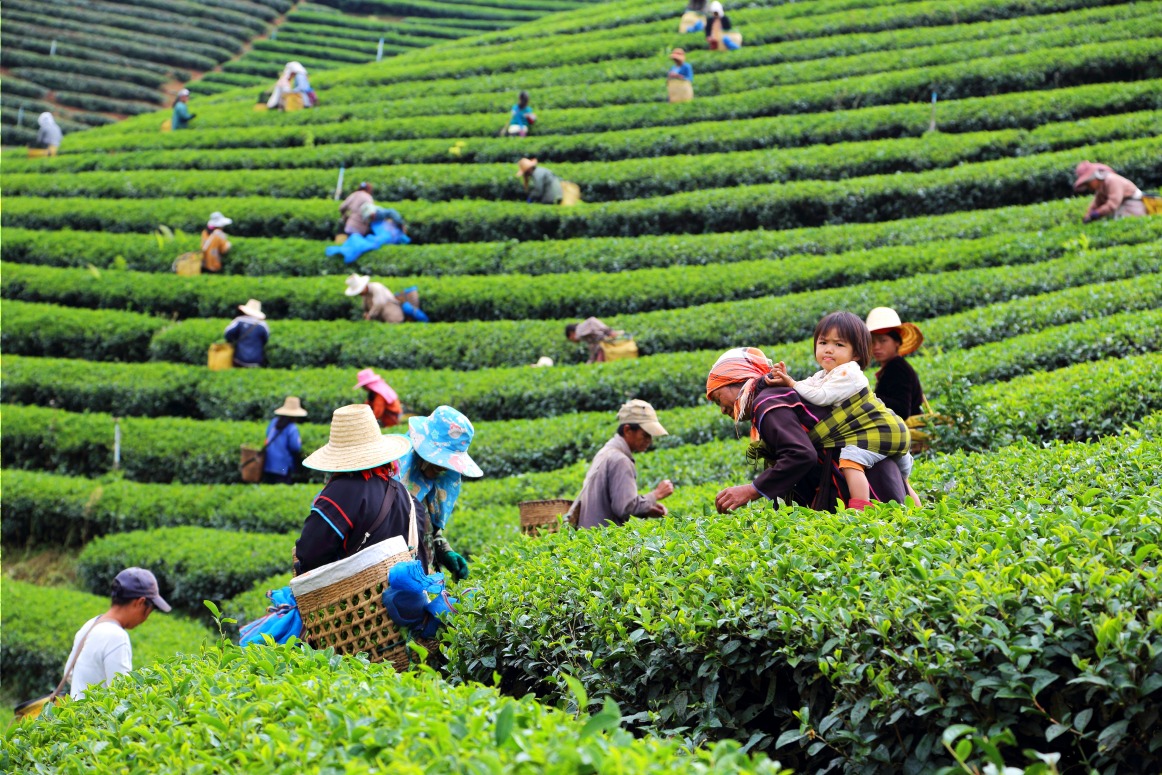
Ban Tham Pha Tong
A rural village in Chiang Rai province, 15 km from the city and its airport, Ban Tham Pha Tong offers a serene stopping point to explore northern Thailand.
Interested in this visit?
We can include it in your personalised itinerary.