

Table of Contents
- Significantly lower prices
- Iconic sites without the crowds
- More choices and freedom on the ground
- More genuine local encounters
- Timing that works for everyone, even your employer
- FAQ
Traveling against the grain is a bet on peace and quiet. Far from the summer hustle and overwhelmed sites, traveling off-season opens up another way to experience travel: reduced rates, uncrowded sites, more genuine exchanges with locals, an itinerary that builds itself as you go. Five concrete reasons to step off the beaten path of the tourist calendar.
1. Significantly lower prices
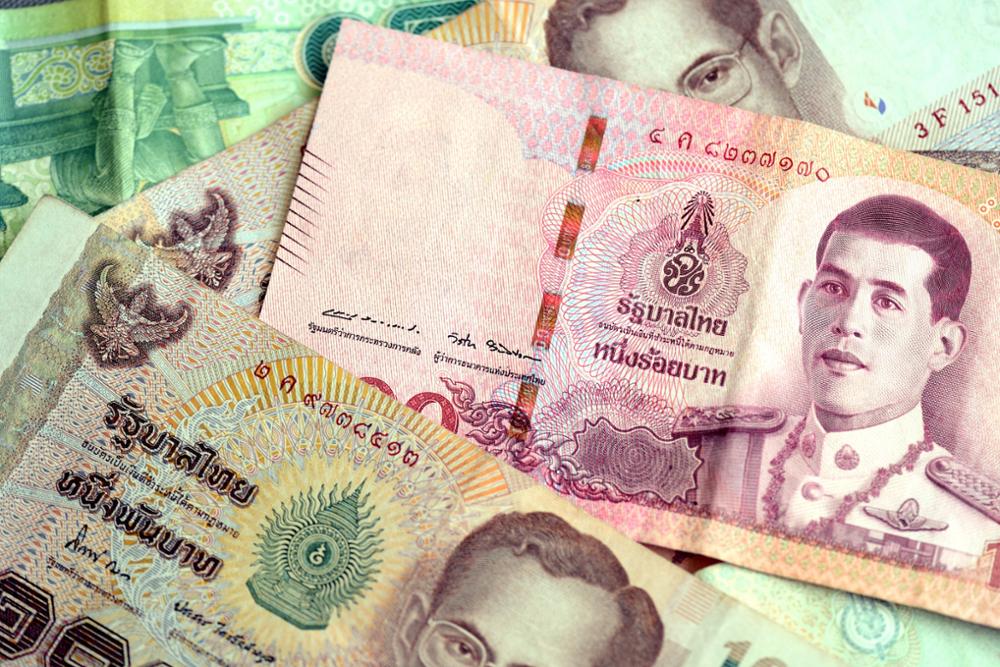
It's arguably the most immediate argument: traveling off-season slashes your budget. Flights, trains, accommodations, car rentals, guided excursions—the differences between high and low season often range from double to triple. On certain highly seasonal destinations, leaving in September instead of August, or in May instead of July, radically changes your budget.
It's also an opportunity to consider countries previously seen as out of reach. Iceland, for example, ranked among the world's most expensive destinations, becomes far more affordable once the bright summer lights fade. Japan in winter, the Cyclades outside July-August, Costa Rica in green season: all windows where the experience remains full, but the entry ticket is far more reasonable.
Add to this occasional promotions, free nights offered by hotels seeking occupancy, and airlines more flexible with changes. Traveling for less doesn't mean traveling on the cheap: it simply means choosing the right time.
2. Iconic sites without the crowds
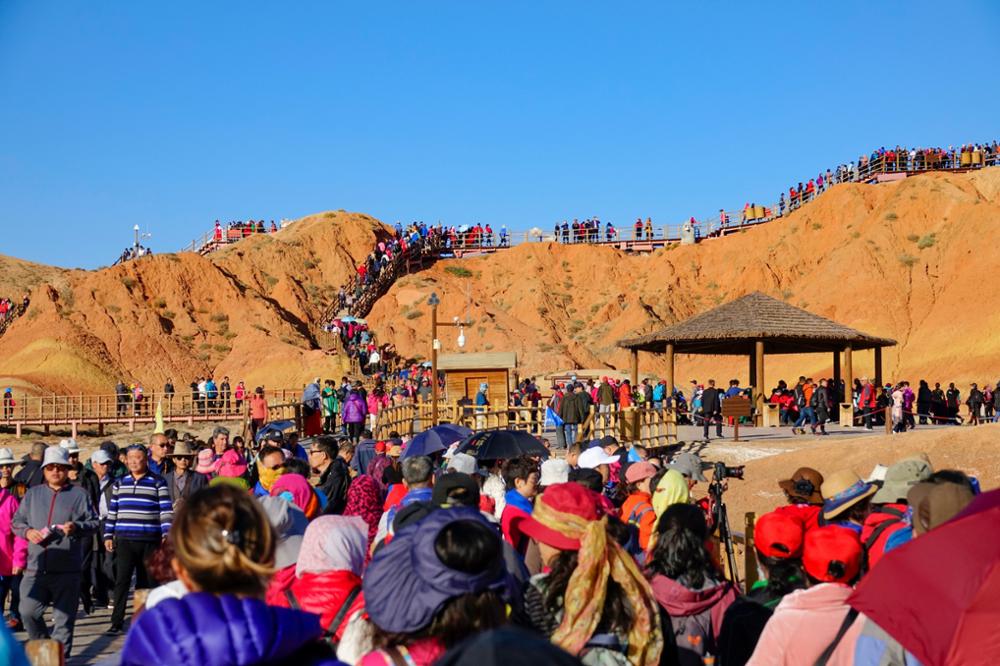
The other gift of low season is space. Visiting a landmark without trudging behind a group of a hundred people, taking time to observe a fresco, listening to a guide all the way through, looking up without a selfie crossing your frame: that's what smoothed-out attendance lets you rediscover.
Imagine Machu Picchu wrapped in an almost-empty morning mist, the pyramids of Giza without lines of tour buses, the temples of Angkor at dawn when only a few pilgrims walk the walkways. These moments still exist, provided you shift your calendar.
Beyond visual comfort, it's also a more peaceful approach to travel: fewer queues at ticket offices, less traffic on coastal roads, beaches where you can lay your towel without elbowing your way through, restaurants you can enter without a reservation two weeks in advance. Guided tours take on a different, more measured pace, conducive to questions and digressions.
3. More choices and freedom on the ground
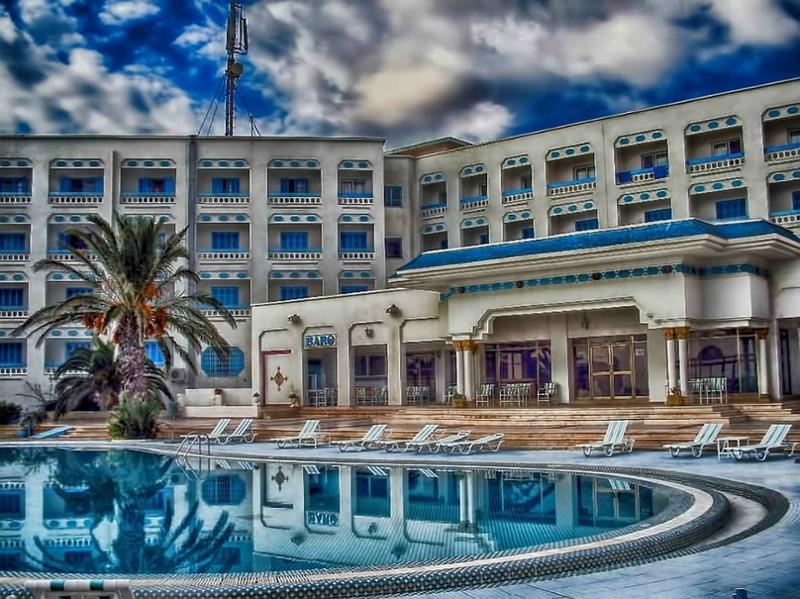
Fewer crowds mechanically means more options. In high season, accommodations are fully booked months in advance, popular restaurants are besieged, limited-capacity excursions fill quickly. Your room for maneuver shrinks, and with it a share of travel's pleasure: the element of surprise.
Off-season, the equation reverses. Hotels have available rooms, independent guides have time for you, boats and 4x4s aren't all rented. You can decide the day before to extend a stop, to detour on a whim, to try a shortcut suggested by a local. It's travel the way we love it: free, flexible.
It's also the right time to treat yourself to an upgrade. A night in a discreet eco-lodge, a villa with a view, the privatization of a sailboat for two or three days… Many premium services become accessible at prices that would be out of reach in July-August. Low season is sometimes high-end travel at gentle prices.
4. More genuine local encounters

During peak tourism, locals often live at a hectic pace of arrivals and departures: services one after another, days without rest, accumulated fatigue. It's difficult under these conditions to take time for a real conversation. Off-season, the pace slows. Hotel owners have coffee with their guests, guides gladly linger, shopkeepers chat.
This recovered availability gives rise to a different quality of encounter. You hear family stories, you're recommended a fisherman cousin or a grandmother who still cooks pre-war recipes, you're invited to a meal, a village festival, a ceremony no guide mentions. Travel stops being consumption and becomes a relationship again.
It's also the period when local culture is lived at the height of locals: markets without tourist stands, festivals on a family scale, seasonal traditions (autumn harvests, seasonal migrations, religious celebrations outside summer). A detail perhaps, but often what you remember once home.
5. Timing that works for everyone, even your employer
The last argument is more pragmatic: traveling off-season simplifies things on the professional side. Many companies see their activity slow between mid-July and late August, when a large portion of employees—particularly parents bound by school calendars—take their vacation. Schedules become a puzzle, replacements are improvised.
If your situation allows, suggesting your vacation days in May, June, September, or October is giving your team a helping hand: less scheduling tension, no need to find replacements in a rush, continuity assured during the summer crunch. A useful argument to slip in when submitting your dates, and one that can tip the scales if there's negotiation involved.
Shifting your vacation also means returning refreshed while others return tired from the back-to-school rush. A discrete comfort, but a real one.
FAQ
Which months generally correspond to low tourist season?
It depends on the destination, but as a rule, low season in Western Europe covers November to March (outside holidays), and shoulder seasons—April-May and September-October—offer a good compromise between pleasant weather, moderate crowds, and reasonable rates. In the tropics, rainy season (often called green season) plays an equivalent role.
Does traveling off-season necessarily mean enduring bad weather?
Not necessarily. Many destinations have a "shoulder season" that's meteorologically quite pleasant, just before or just after the tourist peak. Greece in May, Morocco in October, Vietnam in March: examples where you enjoy pleasant weather without the crowds.
Do all sites and accommodations stay open off-season?
This is the main thing to watch for. Some beach resorts, mountain shelters, or small establishments close for several months a year. It's best to check opening calendars in advance, particularly in highly seasonal areas like Mediterranean islands or high-altitude sites.
Is off-season travel suitable for families?
For families with school-age children, options are limited to school breaks (fall, winter, spring), which are often less crowded than summer. For others, it's an ideal travel mode: quieter, more economical, more flexible.
How do you find the best rates in low season?
Set up price alerts on flight comparison sites, book early for long-distance destinations, but also watch for last-minute offers from hotels trying to fill rooms. For custom trips, speaking directly with a local agency often gets you better conditions than high season.
Florine Dergelet
