Table of Contents
- Why Asia remains the top choice for world travelers
- South America, a playground for adventure and thrills
- Oceania, the call of wide open spaces
- FAQ
Planning a round-the-world trip is rarely a matter of chance. As the project takes shape — notebooks opened, budgets recalculated, seasons studied — travelers on long journeys reach the same conclusion: certain countries almost impose themselves on itineraries. Not by trend, but because they embody what you seek in this type of travel: unfamiliar surroundings, human connection, and that rare sensation of having witnessed something extraordinary. A look at the destinations that appear most frequently in travel journals, continent by continent.
Why Asia remains the top choice for world travelers
If you observe the itineraries shared by globe-trotters, Asia nearly always takes the lion's share. Affordable cost of living, cultural density, diversity of landscapes over short distances: the continent brings together many arguments for those traveling for several months.
Thailand, the gateway to first big travels
Often chosen as a first stop by travelers venturing far from home for the first time, Thailand combines southern beaches, northern jungles, Buddhist temples, and street food whose reputation speaks for itself. The Kingdom of Siam remains, despite its popularity, an ideal learning ground for those discovering Asia.
Vietnam, from mountainous north to southern deltas
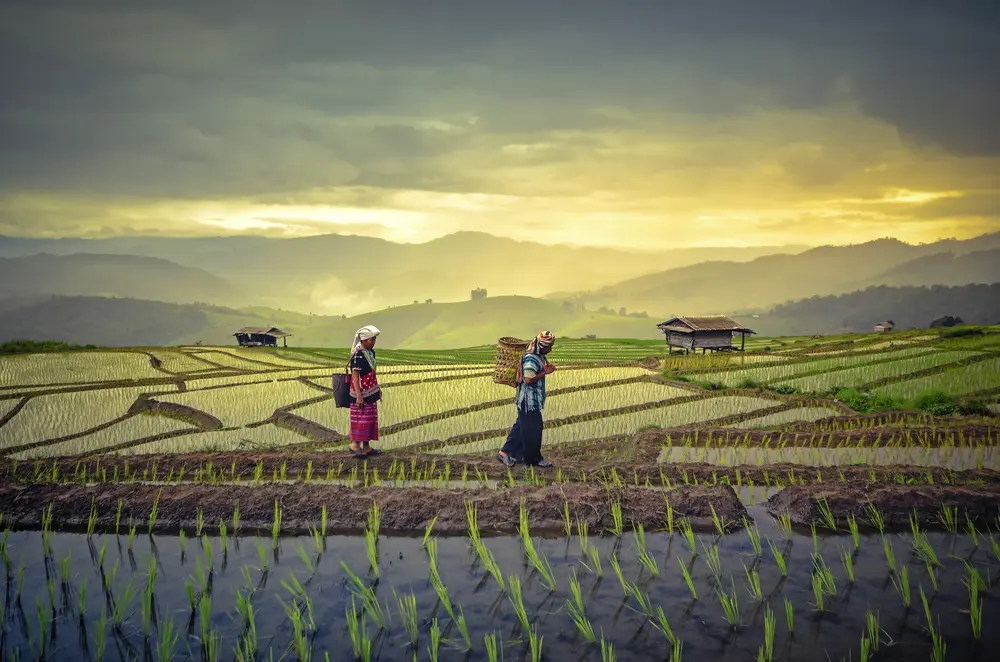
Vietnam unfolds like a long ribbon of landscapes. In the north, Halong Bay and the terraced rice fields of Ha Giang region; in the center, the imperial serenity of Hue; in the south, the arms of the Mekong and beaches facing the open sea. Hanoi, dense and vibrant, is often the anchoring point. The refined and inventive cuisine and the warmth of the locals complete the picture.
Indonesia, the archipelago of a thousand volcanoes
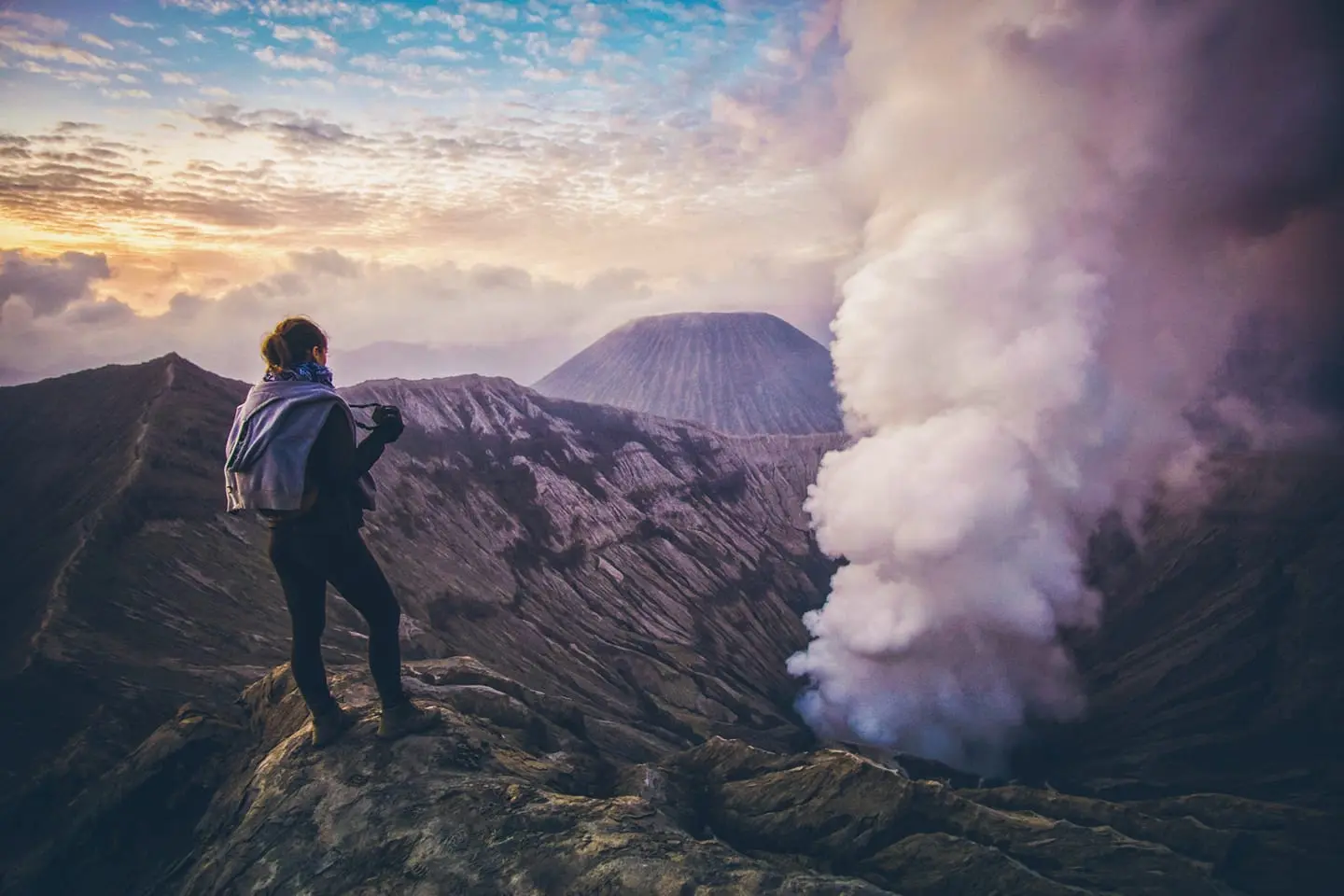
With more than 13,000 islands, Indonesia is the world's largest archipelago — an almost inexhaustible terrain for those who love volcanoes, marine life, and cultures that reinvent themselves from one island to another. Java, Bali, Sumatra, Flores: so many worlds, so many reasons to extend your stay.
Cambodia, beyond Angkor
People come to Cambodia for the temples of Angkor, that's understood. But what holds travelers' attention is rather the warmth of Khmer villages, the slowness of secondary roads, and further south, white sand beaches bordered by turquoise waters. A stop that always surprises with its humanity.
China, the Empire of contrasts
A world unto itself at bewildering scales, China is as intimidating as it is fascinating. Between its megacities racing toward the future, its timeless countryside, and its natural landscapes — Yunnan, Guilin, Sichuan — the Middle Kingdom offers contrasts that few round-the-world tours can afford to ignore.
India, the crossing of a continent unto itself
India leaves no one indifferent. The size of a continent itself, it reveals itself in a thousand facets: palaces of Rajasthan, beaches of Kerala, heights of the Himalayas. A journey you rarely leave the same way you began it, punctuated by encounters and images that take time to process.
Nepal, altitude and the sacred
The birthplace of Buddha, Nepal is a land of peaks and spirituality. The Himalayan range, perched monasteries, the trails of Annapurna or Everest: you come to trek, you stay for the gentleness of a people known for their hospitality and the richness of their traditions.
South America, a playground for adventure and thrills
Further along the map, South America imposes its scales. It's the stage where travelers seek grand landscapes, major archaeological sites, and that sensation, unique to the continent, that everything here is larger than life.
Peru, following the trails of the Incas
Land of the Incas, Peru is home to the highest concentration of pre-Columbian archaeological sites on the continent — Machu Picchu at the forefront. But the country is more than just its stones: its national parks make up nearly 14% of the territory and hold one of the world's richest biodiversities, from the Amazon to the high Andean plateaus.
Chile, from the Atacama Desert to Patagonia
Stretching over 4,000 kilometers between the Andes cordillera and the Pacific, Chile serves as a geographic laboratory: deserts in the North, vineyards in the center, virgin forests, glaciers, and volcanoes further south. Few countries offer such a range of landscapes along a single axis.
Argentina, adventure on a grand scale
From the pampas to the glaciers of Patagonia, passing through Iguazu Falls and the vineyards of Mendoza, Argentina pushes the scenery to its maximum. Multiethnic and deeply cultural, it's also the land of tango and an intense urban scene in Buenos Aires.
Oceania, the call of wide open spaces
More rare in shorter itineraries, Oceania appears almost systematically in round-the-world trips. It's the "breathing" stage, where you drive, where you camp under the stars, where you rediscover a simple relationship with nature.
New Zealand, two islands, a thousand landscapes
Whether you travel through New Zealand by van, car, or bus, the result is the same: you return marked by it. Active volcanoes, snow-capped mountains, fjords, primeval forests — the country has become a reference for those seeking accessible wild landscapes and a certain nomadic way of life.
Australia, the continent-country
Land of kangaroos and koalas, Australia offers immense terrain: deserts in the center, tropical forests of Queensland, beaches counted among the most beautiful in the world. Diving and surfing along the coast, trekking in the outback: you'll stay longer than expected, almost always.
And if Africa remains more discreet in round-the-world itineraries, it's likely less due to lack of appeal — the diversity of its landscapes says otherwise — than by collective habit. A habit that, little by little, is changing.
FAQ
What is the ideal duration for a round-the-world trip?
Most travelers depart for between 6 and 12 months. Below that, you travel through rather than truly travel; beyond that, the pace and budget require different organization. One year remains the most common format to combine Asia, South America, and Oceania without rushing.
Why does Asia appear so often in itineraries?
Three main reasons: a cost of living that allows you to sustain travel over time, great cultural and geographic diversity over reasonable distances, and well-developed travel infrastructure — particularly in Thailand, Vietnam, or Indonesia.
Should you prioritize a continent by season?
This is one of the keys to a successful round-the-world trip. Southeast Asia is generally scheduled for the dry season (November-March), South America for the austral summer for Patagonia, and Oceania for the same window. Reversing these logics exposes you to monsoons, extreme cold, or impassable roads.
Is India recommended for a first major trip?
Rather as a second stage. India requires a certain level of adaptation, and many travelers prefer to approach it after Southeast Asia, which serves as preparation. That said, traveled well-prepared, it remains one of the most memorable experiences of a round-the-world journey.
How to choose between Peru, Chile, and Argentina if you can only do one South American country?
For archaeological sites and Andean culture, Peru. For landscape diversity along a single axis, Chile. For vast open spaces and urban culture, Argentina. Many combine Chile and Argentina via Patagonia, which can be crossed from both sides of the border.