The Must-See Attractions in Monténégro
Between Adriatic fjords and Durmitor peaks, reveal the hidden treasures of the Balkans.
Duration
15 days
From
€1,500/pers.
Ideal seasons
May, Jun, Sep, Oct
Style
Self-drive tour
Comfort
classique
Travelers
Couple, Solo, With friends
The spirit of travel
Between the Adriatic Sea and wild mountains, this journey to Monténégro invites you to explore a country of striking contrasts, where preserved nature, cultural heritage and local immersion blend together. From the Bay of Kotor to the peaks of Durmitor, from stone villages to the peaceful shores of Lake Skadar, each stage reveals a different facet of this still confidential destination. You traverse varied landscapes, between the Tara canyon, primary forests, Adriatic beaches and mountain villages, while discovering emblematic sites such as Perast, Budva, Cetinje or Ostrog monastery. This 16-day circuit combines adventure, hiking, rafting, sailing and encounters with Montenegrin traditions, for a complete, authentic and deeply transformative experience.
The stages of your journey
Highlights
Day-by-day itinerary
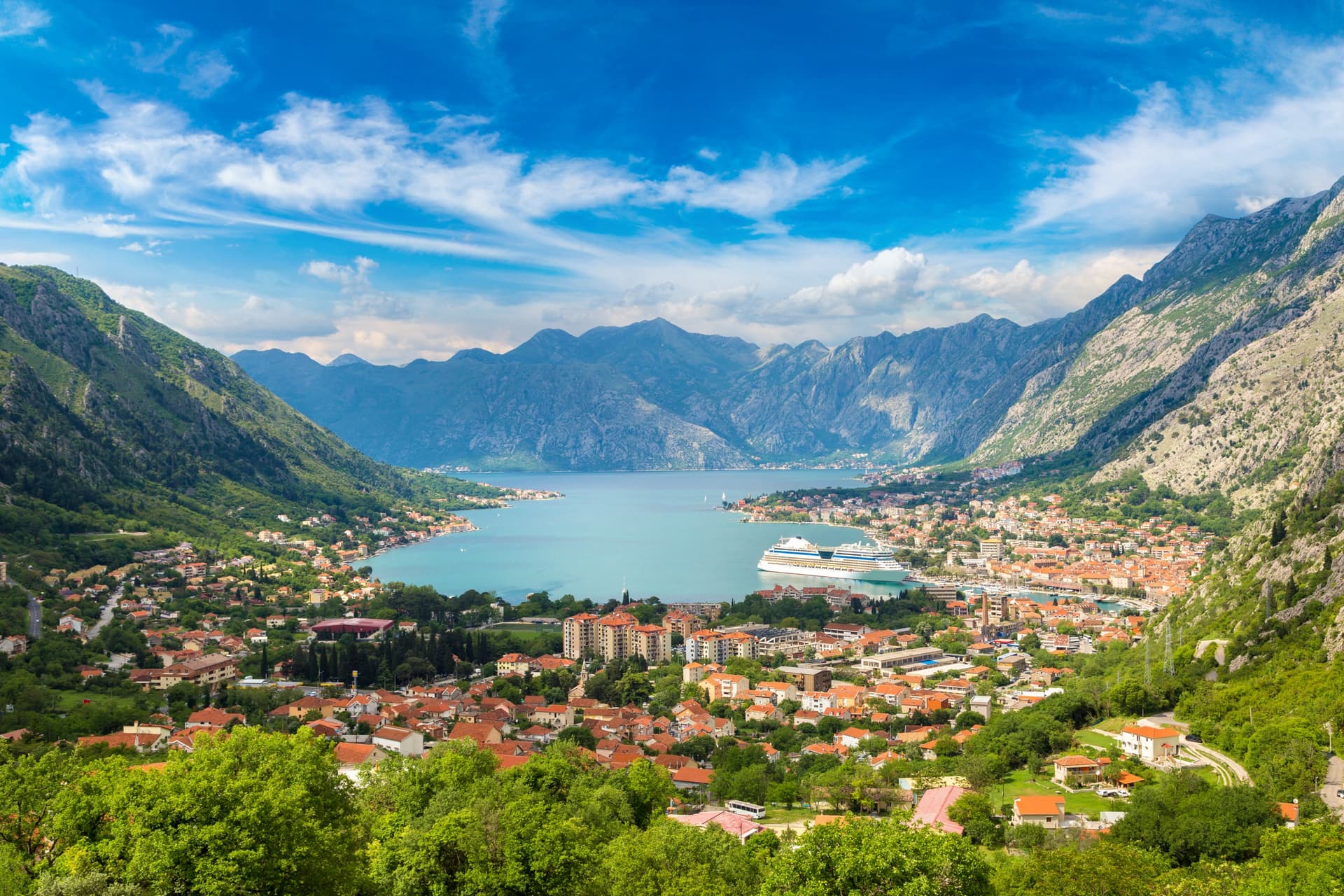
Arrival in Kotor
Aéroport de Podgorica → Kotor
Arrival at Podgorica or Tivat airport.
Upon arrival, collect your rental car directly at the airport, then head towards Kotor. This journey allows you to freely reach one of Montenegro's iconic cities, nestled between sea and mountains.
Check-in at your hotel.
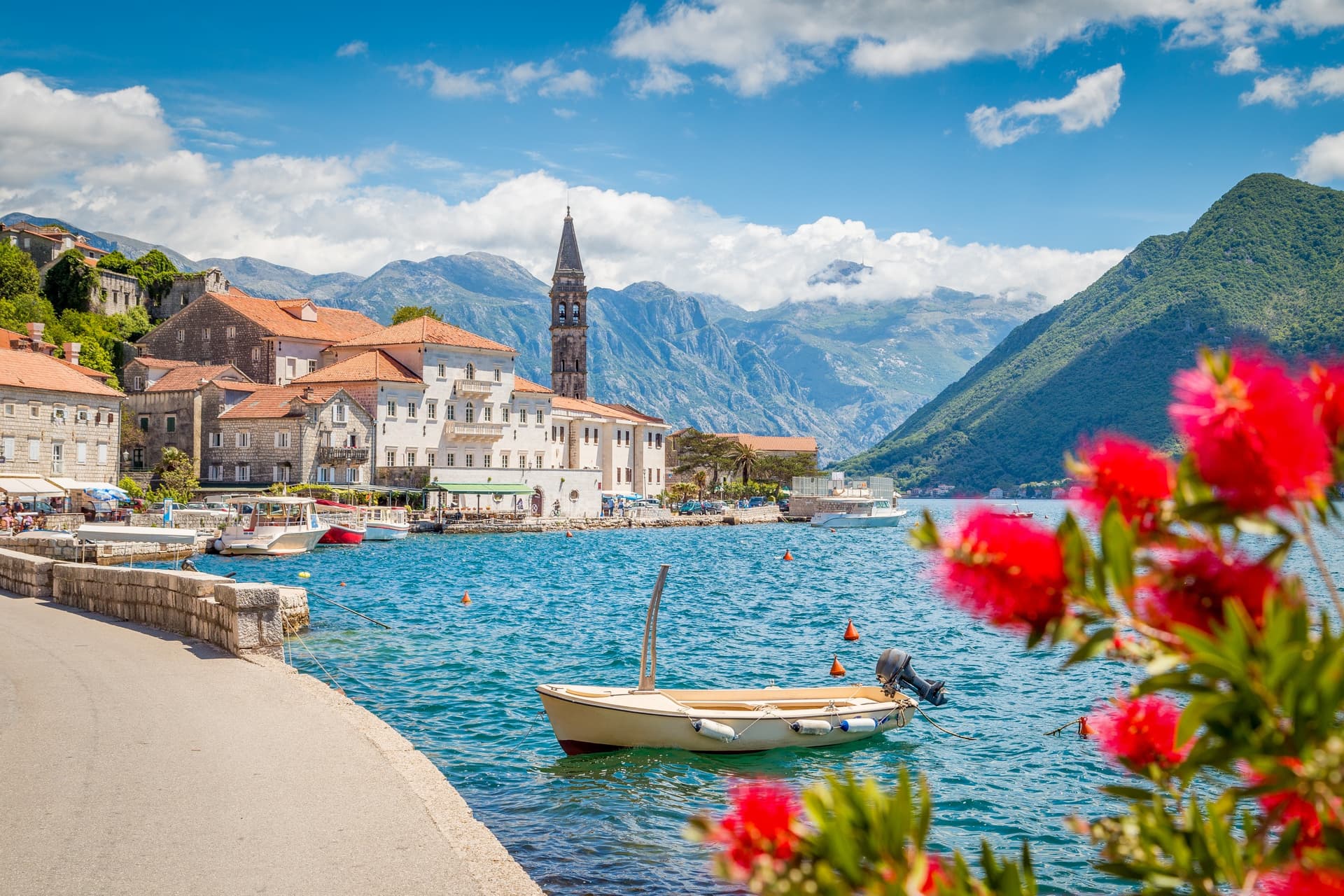
Kotor and Perast must be discovered
Discover the old town of Kotor, listed as a UNESCO World Heritage Site for the richness of its natural and cultural heritage. As you visit, you will discover a city marked by many influences, reflecting the peoples who succeeded one another over the centuries.
Its architecture tells this complex story through its emblematic monuments, such as the Cathedral of Saint Tryphon, its picturesque streets and its ramparts spanning 4.5 kilometers that surround the city. A former major port and important commercial center of the Adriatic, Kotor today preserves a remarkably well-preserved medieval ensemble. Founded in Roman times, the city has borne its current name since the 7th century.
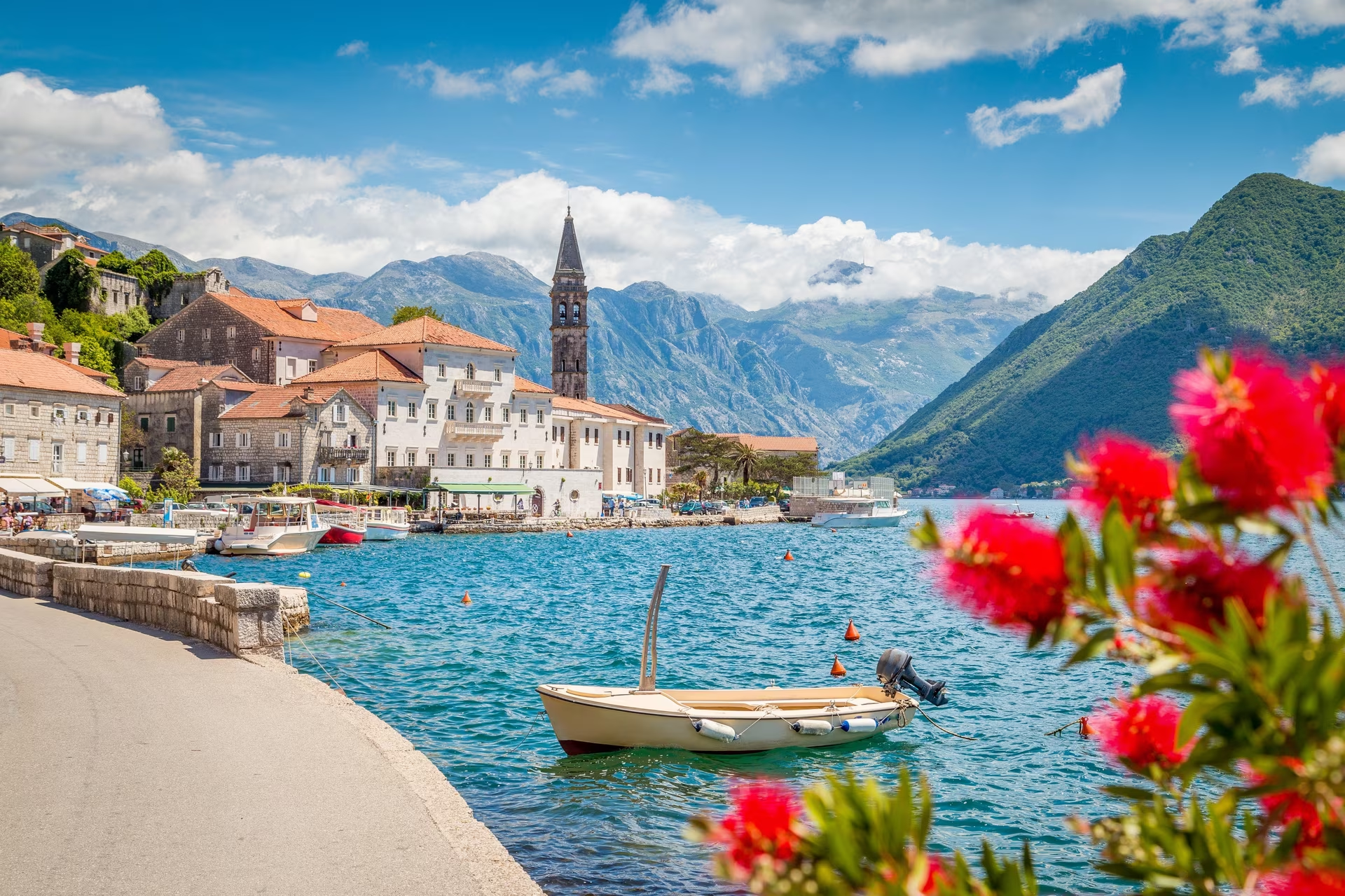
Not far from Kotor, continue your discovery towards Perast, a charming Baroque town whose elegant buildings from the 17th and 18th centuries recall its prosperous past. At that time, Perast had more than a hundred merchant ships sailing the seas, and its most renowned captains had beautiful residences built there that still testify to this flourishing period today.
Once, the town was also home to a naval training center, where young Russian aristocrats came to train in maritime arts. Facing Perast, two small islets shaped by the inhabitants stand in the bay. You can embark on a boat crossing to the Island of Our Lady of the Rocks, where you will find its church and museum.
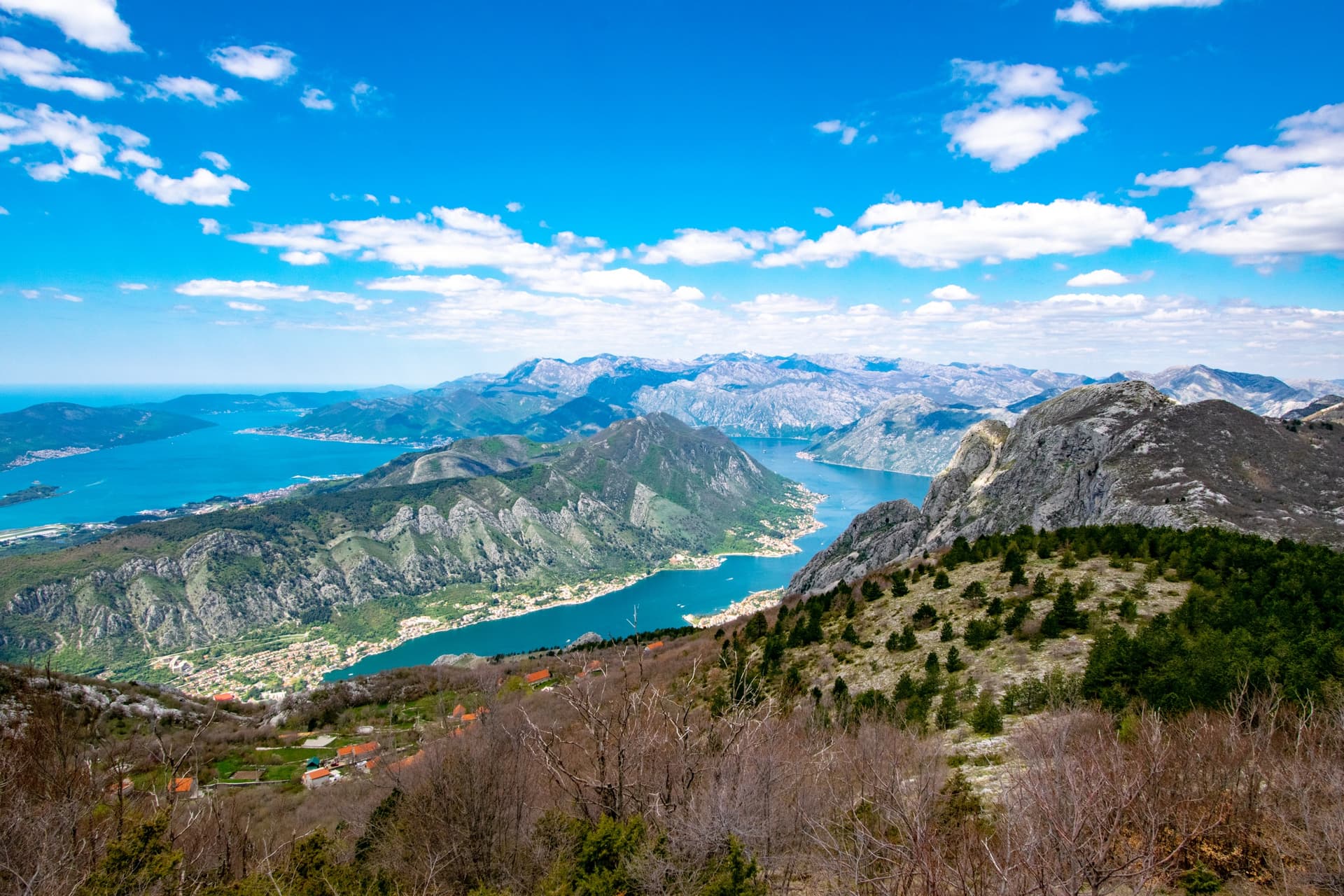
Njeguši, Lovćen Mausoleum and Cetinje
Leave Kotor heading towards Njegusi, the birthplace of the last Montenegrin dynasty of the Petrovic, taking the old winding road, famous for its thirty bends. Narrow and winding, this route impresses with its successive hairpin turns, but it is one of the emblematic roads of Monténégro. Throughout the ascent, magnificent views open up over the Bay of Kotor and the city below.
At Njegusi, take a break in one of the village inns to have lunch and discover some traditional specialties of Monténégro. You can taste the local smoked ham, Njegusi cheese or honey, emblematic products of this region renowned for its gastronomic expertise.
Then continue towards the Njegos Mausoleum, located in the heart of the Lovćen National Park. Perched on one of the highest peaks of Mount Lovcen, this iconic site offers a remarkable panorama over nearly 80% of Montenegrin territory. To reach the mausoleum, you will need to climb its 461 steps, an ascent rewarded by a clear view of the surrounding mountains and landscapes.
Then take the road towards Cetinje, the former royal capital of Monténégro, today known as the museum-city due to its numerous museums and art galleries. This small town with singular charm seduces with its characteristic architecture, made of modest houses of one or two stories, surrounded by abundant vegetation.
Once, Cetinje hosted twelve embassies and held a central place in the country's history. It was here that the first book of the Balkans was printed, and where the first hospital and the first hotel of Monténégro were built. The city also saw the birth of the country's first government palace, while it now houses the residence of the President of the Republic. During your visit, the King Nikola Museum deserves a stop.
Continue your itinerary towards Budva, one of the most well-known coastal towns in Monténégro. As you explore its old town, you will notice how much its architecture bears the imprint of Venetian influences, visible in the layout of the streets, the stone facades and the atmosphere of its historic center.
Take advantage of your visit to explore this beautiful old town surrounded by ramparts, whose narrow streets invite you to stroll. First mentioned in the 4th century BC, Budva developed on a peninsula that gives it its singular character. Its stone houses and churches, its small streets and its walled gardens create the typical atmosphere of a medieval seaside town.
Not far from Budva is Sveti Stefan… It is an old fortified fishing village, built in the 15th century on a rocky islet. Sveti Stefan was originally a refuge for locals fleeing Turkish incursions. The fortified town was built with the wealth that the Pastrovic tribe amassed by attacking Turkish galleys at the Jaz location. The islet is connected to the coast by a strip of sand. An impressive and original architectural atmosphere contributes to the beauty and distinctive character of the city. The Sveti Stefan peninsula was transformed into a luxury hotel town in the 1960s. Access to the site is nonetheless possible, but requires an entrance fee.
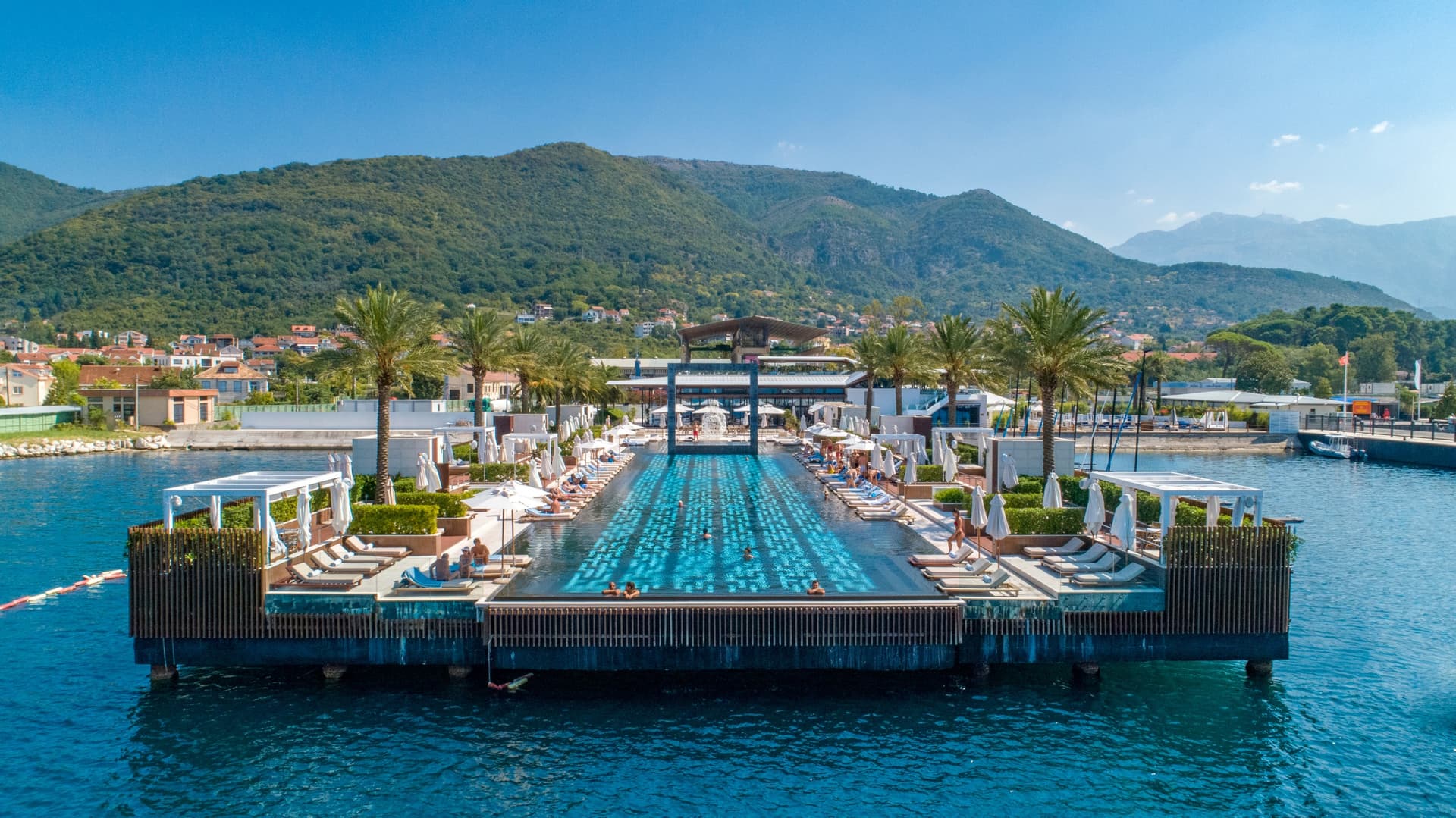
Discovering the Pearl of Tivat Bay
Porto Monténégro, located in Tivat, is a luxury marina dedicated to yachts and a renowned nautical resort on the Adriatic coast. This modern complex has 450 berths capable of accommodating vessels from 12 to 180 meters long, making it one of the most prestigious marinas in the Adriatic.
From Tivat, you can also reach the Lustica peninsula to discover a farm producing organic olive oil. On site, you will visit its old mill and be able to taste local specialties, subject to prior reservation.
Budva to Kolasin, landscapes of Montenegro
After checking out of your hotel, leave Kotor to head north to Monténégro via the capital, Podgorica, then travel through the spectacular Morača canyon.
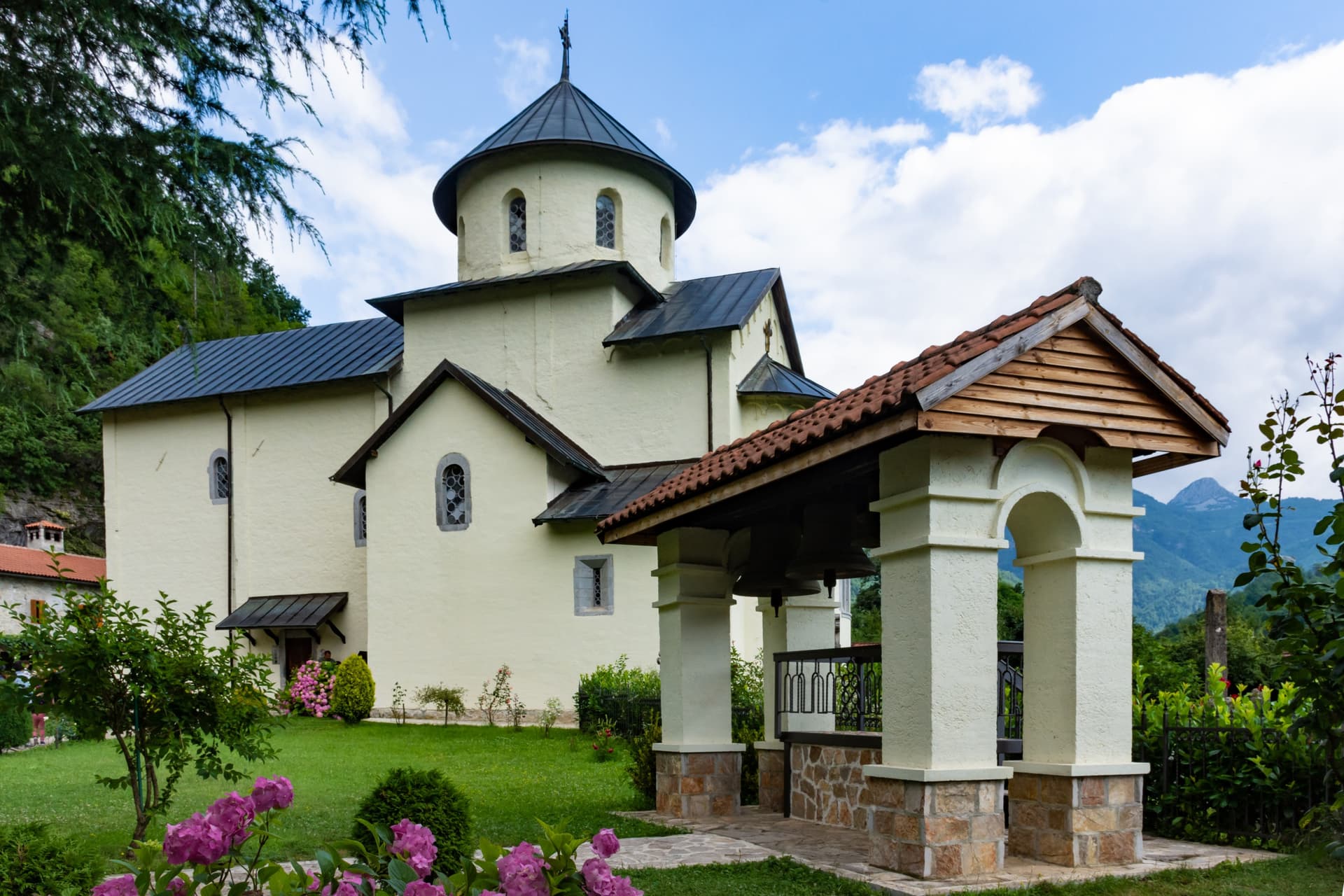
Along the way, stop to visit the Morača Monastery, built in 1252. This religious site holds an important place in Monténégro's spiritual, historical and cultural heritage, and is one of the country's emblematic monuments.
Moracha Monastery → Parc national de Biogradska Gora
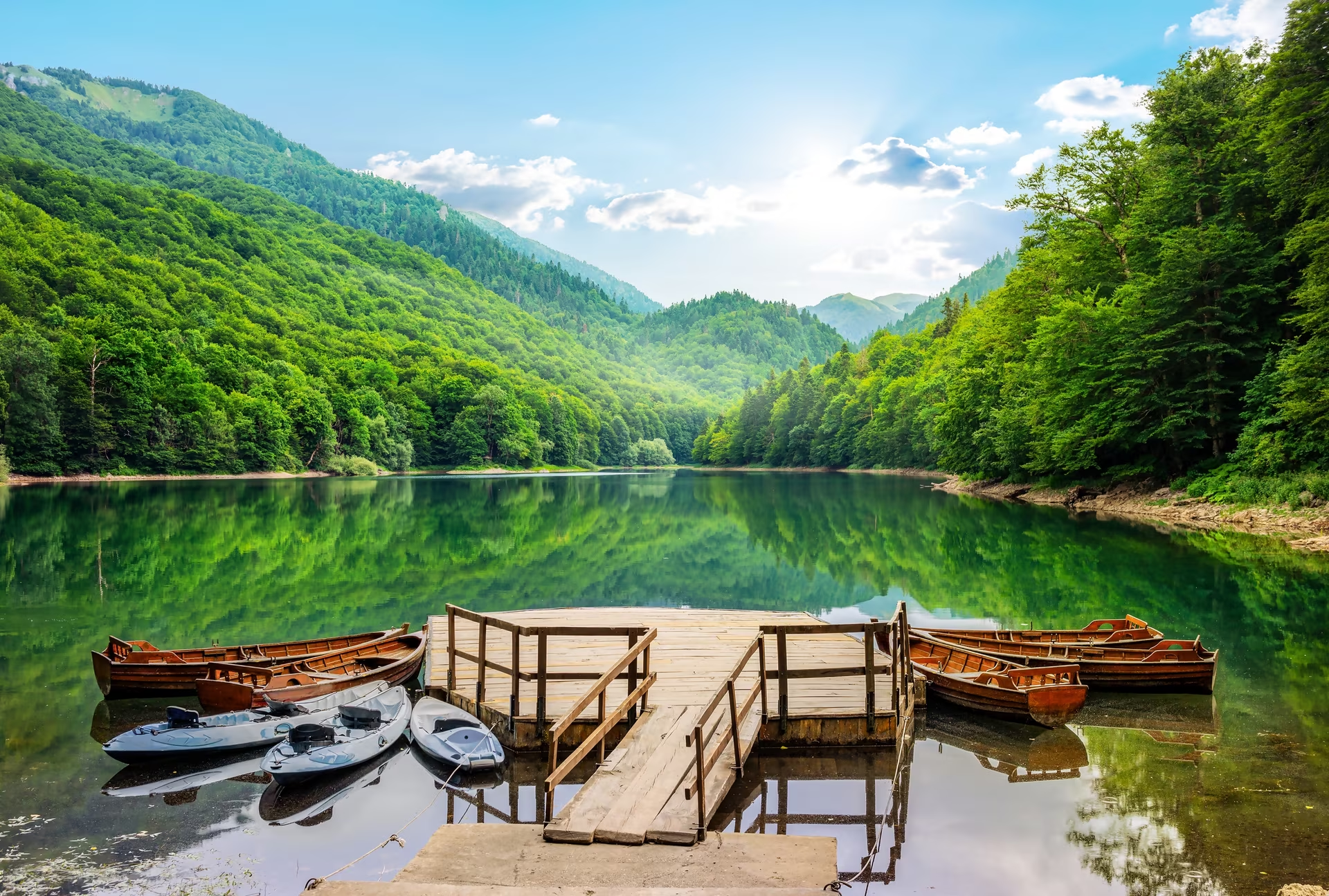
Continue your journey to the Biogradska Gora national park, which is home to one of the last three primary forests in Europe. You will discover preserved nature, surrounded by centuries-old trees that make this protected site so rich.
The Biograd lake, located at 1,094 meters altitude in a former glacial basin, is fed by the Biogradska river and the Bendovac stream. Its crystal-clear water invites you to take a walk: a trail of approximately three kilometers allows you to walk around it. You can also take the path leading to the Bendovac summit to enjoy a clear view of the lake and the surrounding landscapes. Measuring 1,100 meters long and 410 meters wide, the lake offers beautiful reflections in its emerald-tinted waters.
Parc national de Biogradska Gora → Kolasin
About twenty kilometers from Biogradska Gora, you will reach Kolasin, a small mountain town located at 960 meters altitude, which becomes a ski resort in winter.
Living Differently at the Eco Village
Kolasin → Eco Village
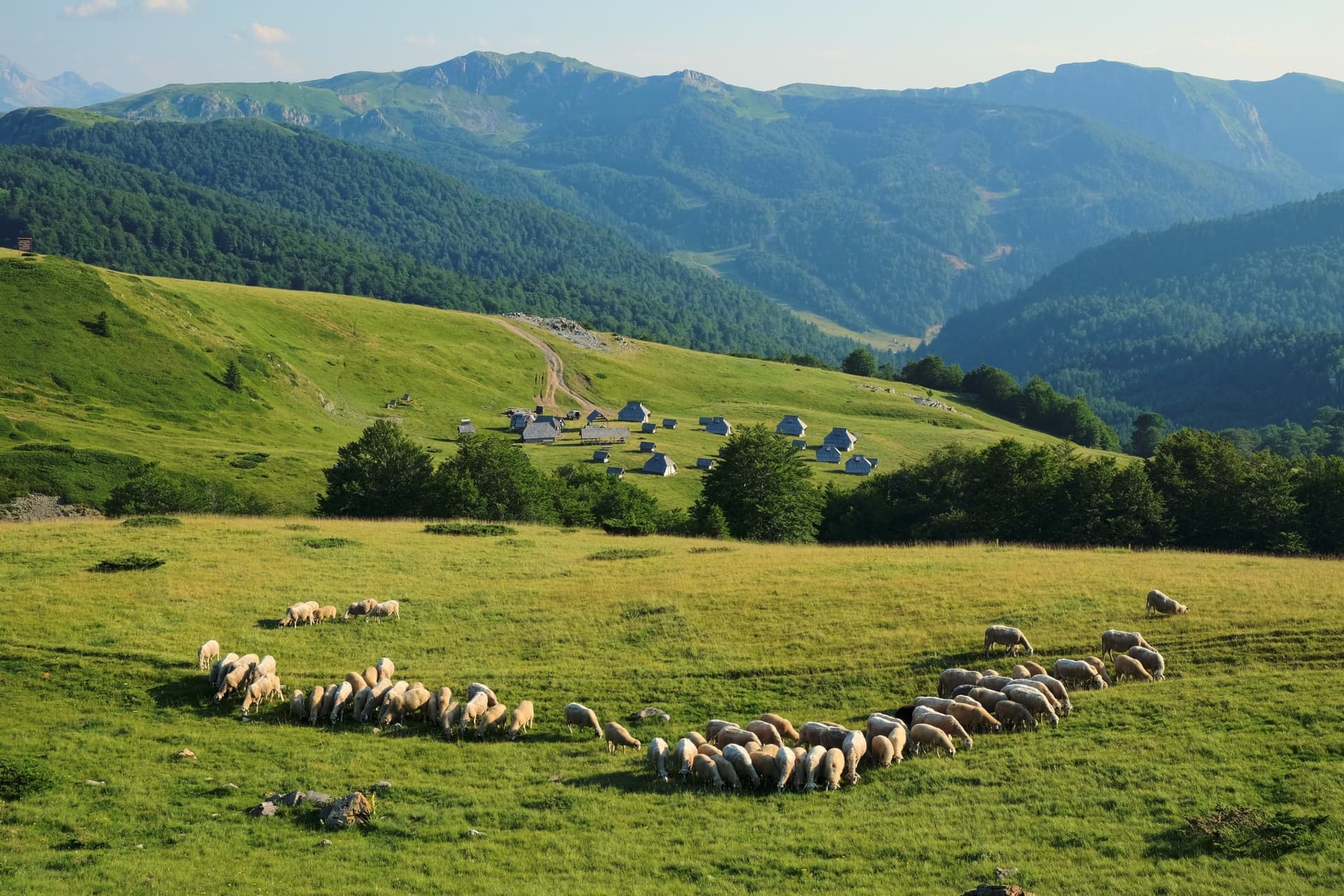
After checking out of your hotel, continue your journey with a 4x4 transfer to the Eco Village, located at 1,780 meters altitude on the heights of Bjelasica mountain, in a preserved environment, away from the hustle and bustle. This former shepherd village offers immersion in an authentic mountain setting.
On site, it is possible to organize a mountain walk or horseback riding, depending on your preferences. You will also have the opportunity to discover traditional Montenegrin cuisine, notably cheese made on site, reflecting local expertise.
Discovery of the mountains of Kolasin to Zabljak
Eco Village → Djurdjevica Tara
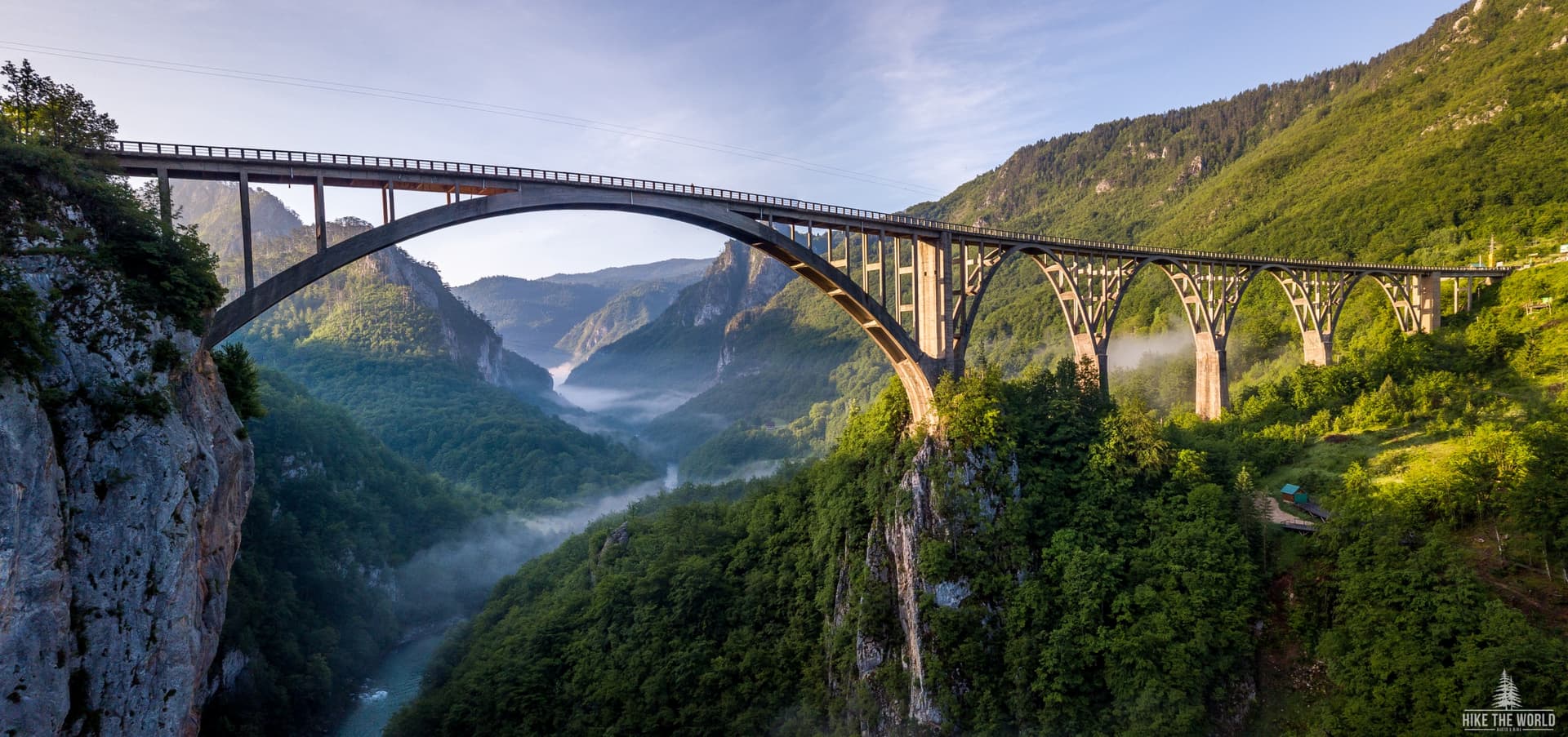
After breakfast, leave the village heading towards Zabljak. The road runs alongside the Tara River canyon, renowned as one of Europe's purest rivers. Its canyon, 1,300 meters deep, is the deepest on the continent and the second deepest in the world after the Colorado Canyon. Classified by UNESCO, this natural site accompanies your journey through impressive landscapes.
Make a stop at the Djurdjevica Tara bridge, an emblematic crossing point offering a beautiful view of the canyon and river below. For travelers seeking thrills, it is possible to cross the canyon by zipline over the Tara.
Continue to Zabljak, then check-in at your hotel.
Discover Durmitor and Black Lake
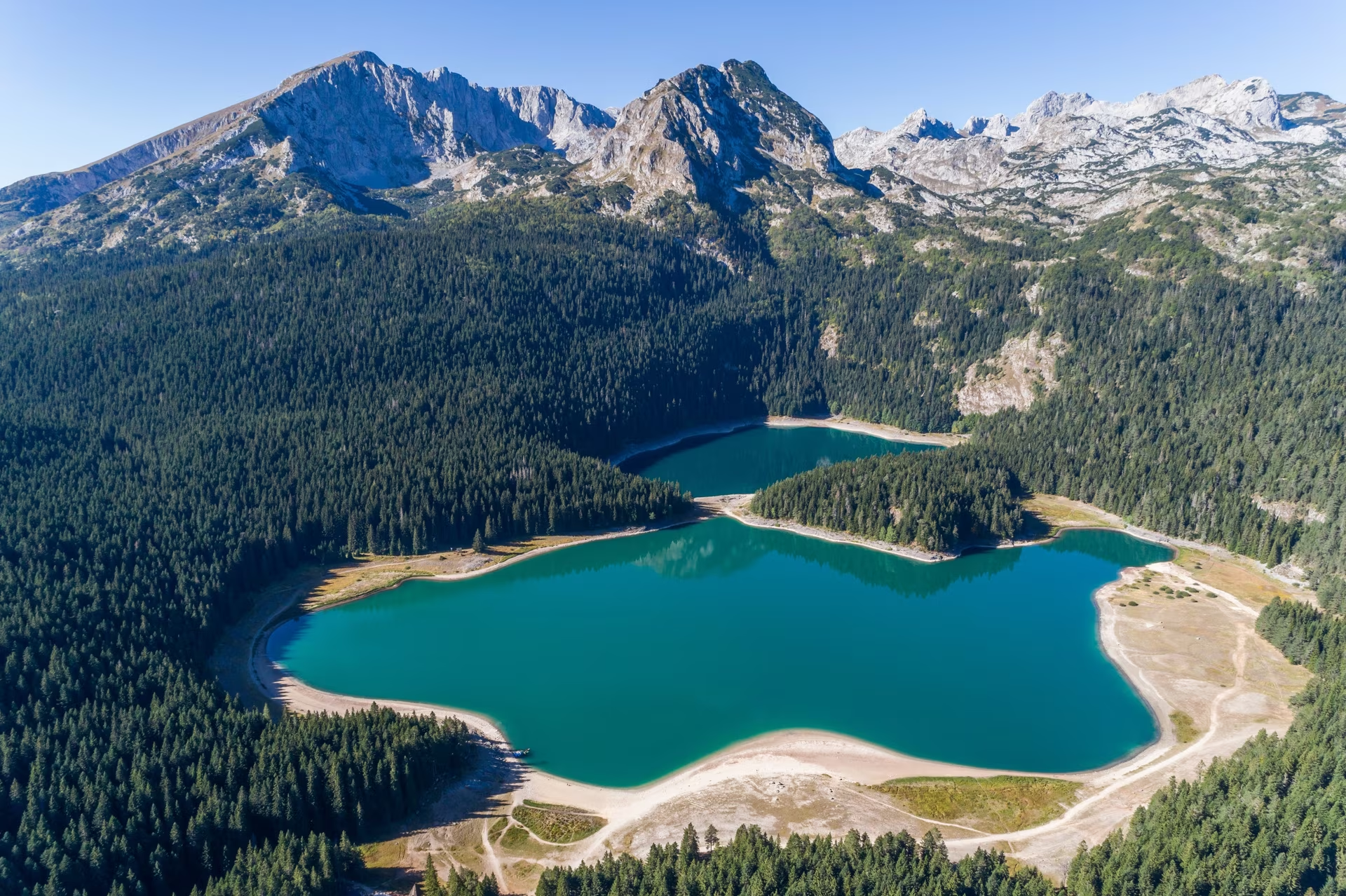
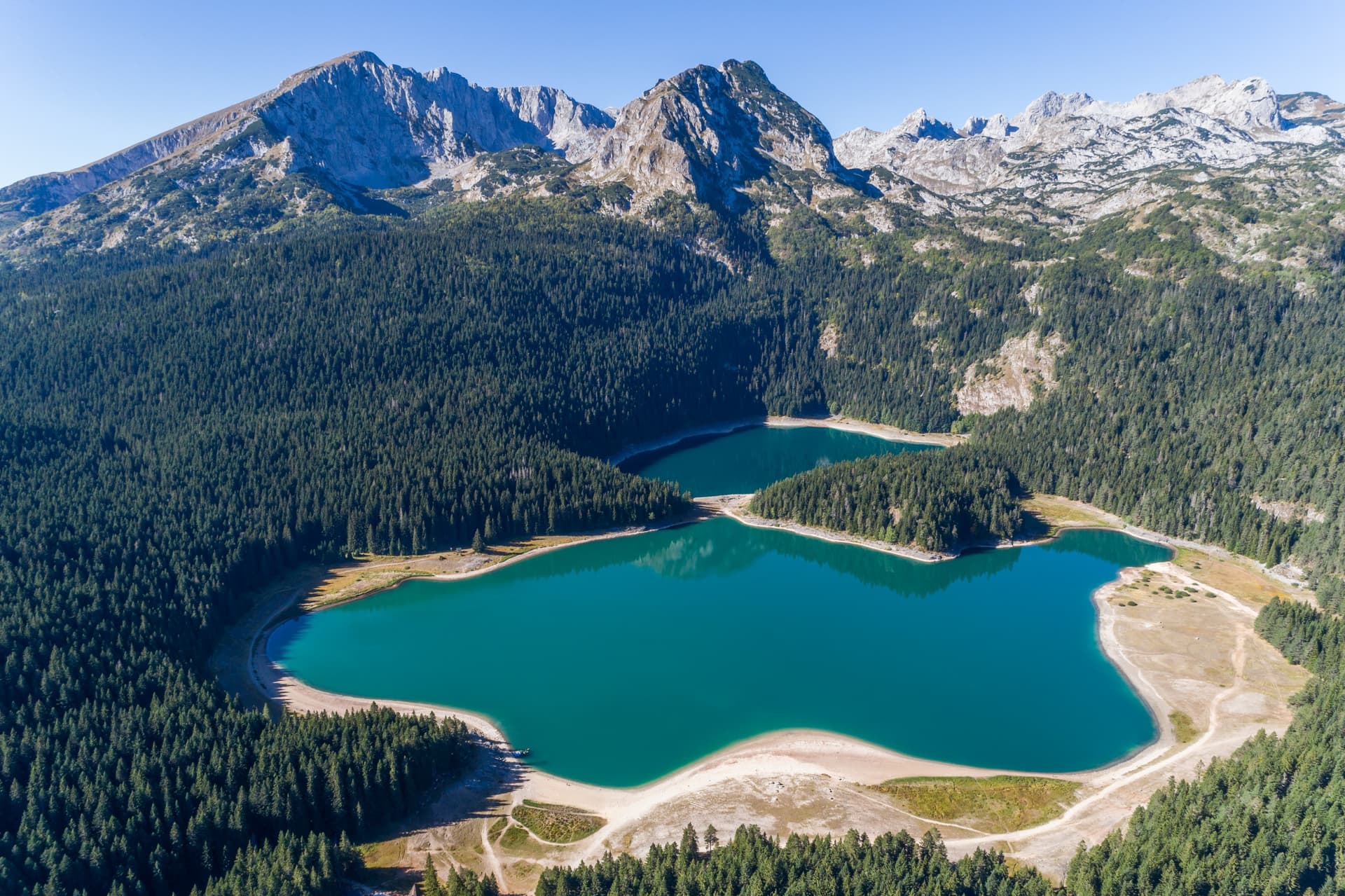
Discover the Durmitor National Park and the Black Lake, located at over 1,400 meters above sea level, in a preserved mountain environment.
Listed as a UNESCO World Natural and Cultural Heritage site since 1980, Durmitor Park covers 39,000 hectares. It is home to numerous peaks exceeding 2,000 meters, vast coniferous forests, caves and several glacial lakes that shape its landscapes. On site, you can take a walk around Black Lake or drive to Momčilov Grad, from where the view opens onto the whole of Žabljak and the surrounding mountain ranges. To admire a beautiful panorama of the Tara canyon, the Curevac viewpoint is also a great option, accessible after approximately 25 minutes of hiking.
It is possible to organize this discovery with a mountain guide.
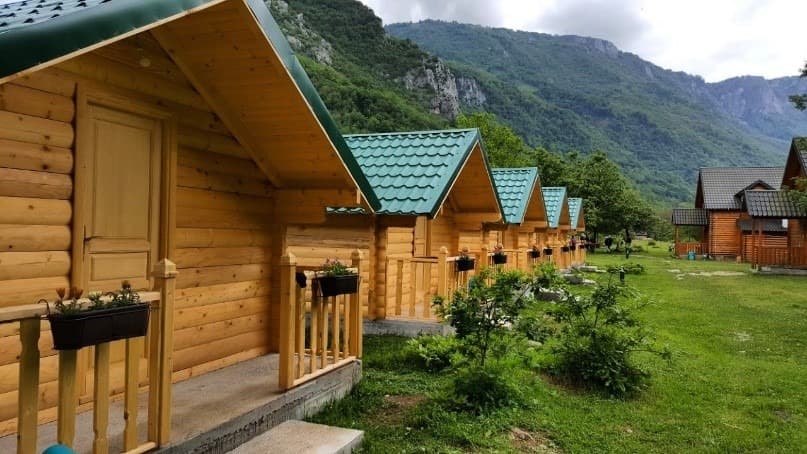
The Natural Beauty of Modra Rijeka
Leave your hotel and head towards Modra Rijeka camp. As you reach the border between Montenegro and Bosnia and Herzegovina, on the Scepan Polje side, you will follow the Tara river to Modra Rijeka camp, where you will spend the next two nights, in a natural setting by the water.
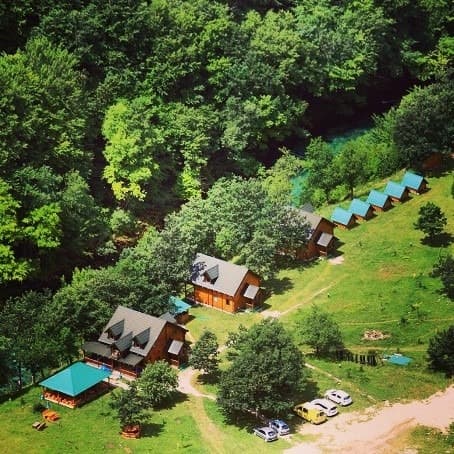
Rafting Experience at Camp Modra Rijeka
Rafting, organized by the Modra Rijeka camp team, will allow you to discover the landscapes of the Tara River under ideal conditions, accompanied by professional skippers. All necessary equipment for this supervised activity is provided on site.
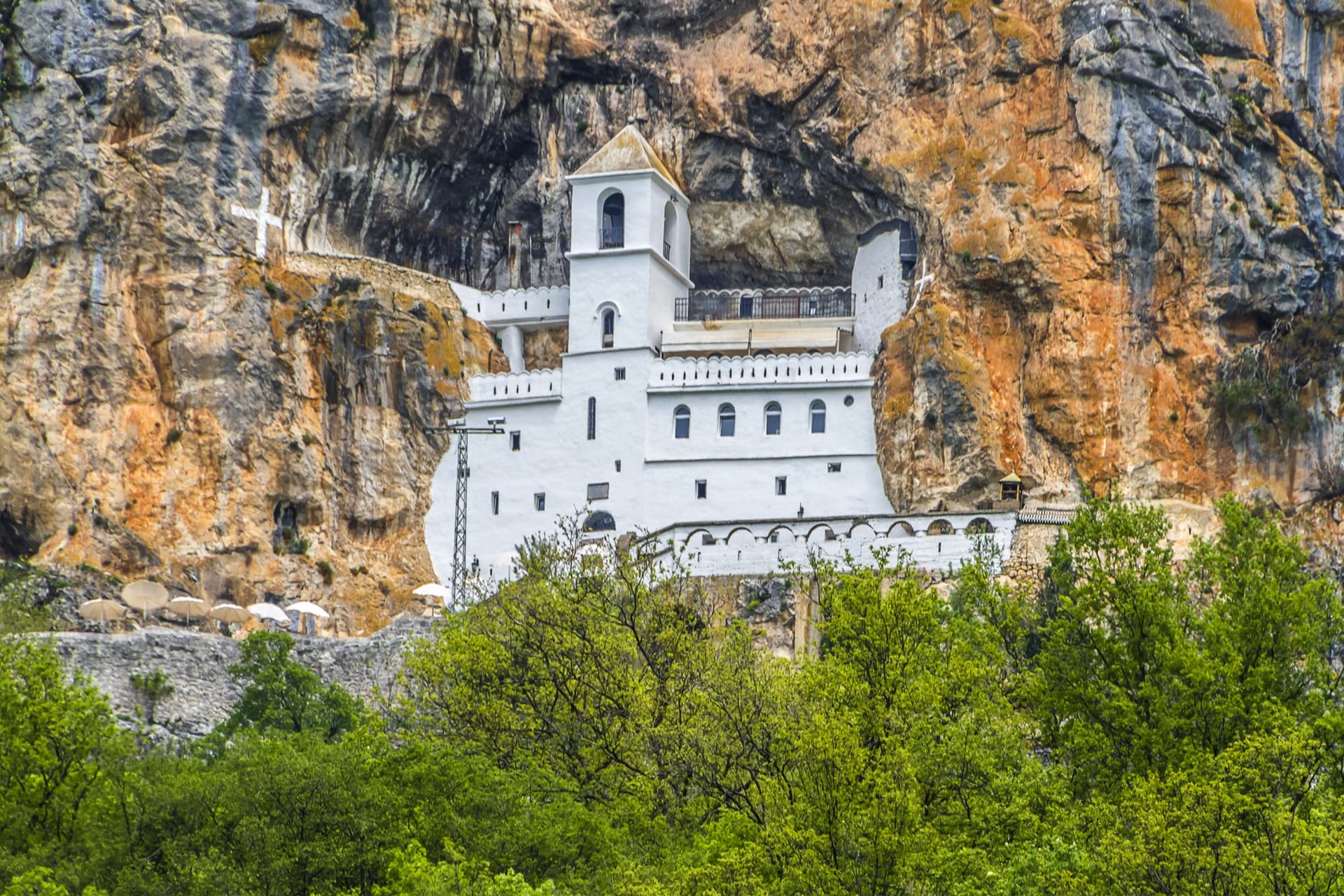
Ostrog, sanctuary and incredible panoramas
Camp Modra Rijeka → Ostrog Monastery
After breakfast, leave the camp and take the road to Budva via Savnik and Niksic. On the way, visit the village of Bogetici to discover the Ostrog Monastery, a major pilgrimage site in Monténégro.
Built in 1665, this monastery is the country's most important religious site. It is dedicated to Saint Basil of Ostrog (Sveti Vasilije Ostroški), whose relics, preserved on site, are associated with healing virtues. Although it is an Orthodox monastery, Ostrog welcomes visitors and pilgrims of all faiths.
At the end of the day, arrival in Budva and check-in at your hotel.
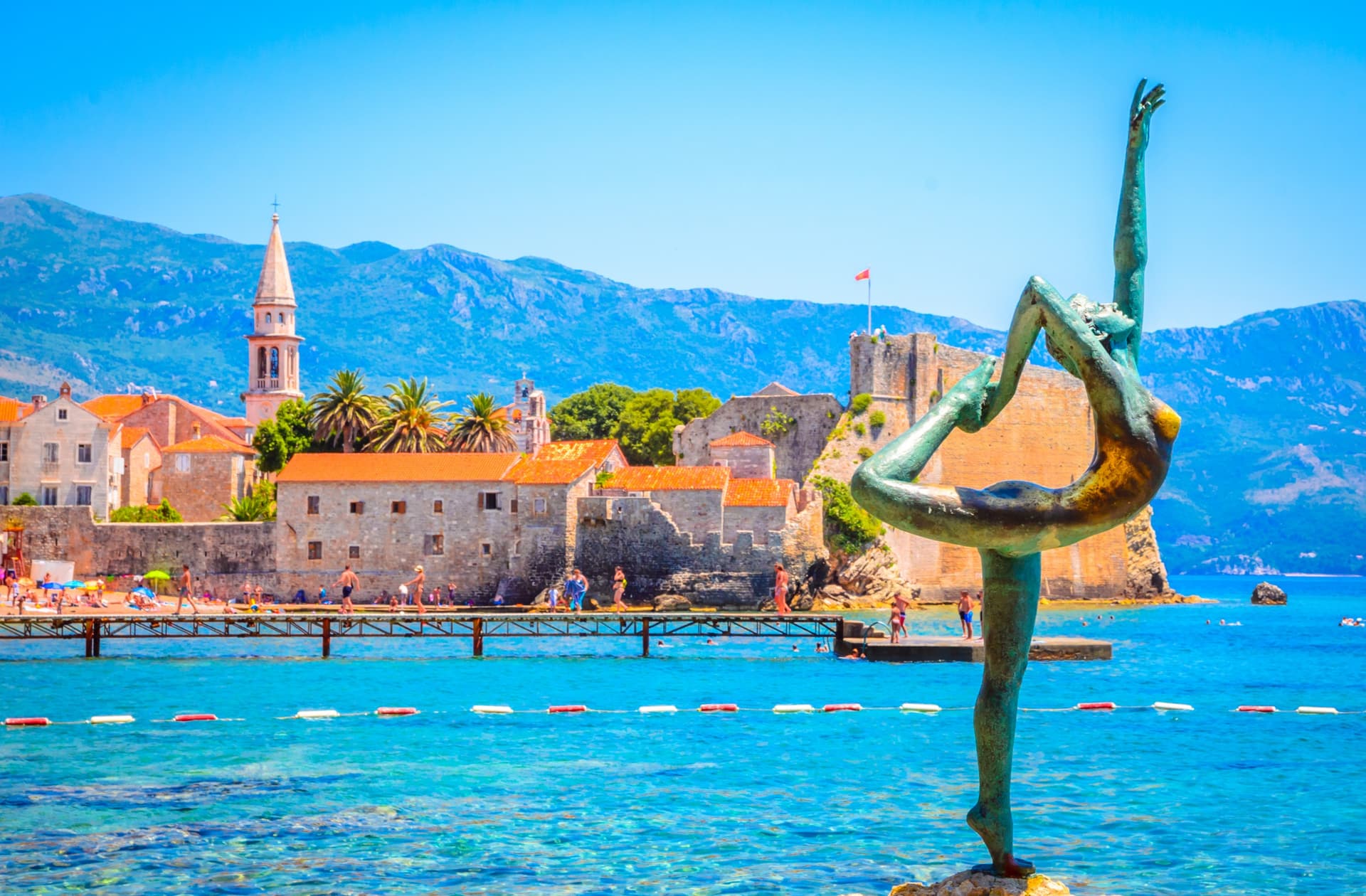
The historical sites of Budva and Sveti Stefan
The architecture of the old town of Budva bears the marked imprint of Venetian influences. Take time to discover this city surrounded by ramparts, whose small streets invite you to wander. First mentioned in the 4th century BC, Budva was built on a peninsula that reinforces its singular character. Its stone houses and churches, its narrow streets and small walled gardens make up the charm of a typical medieval seaside town.
Not far from Budva, discover Sveti Stefan, a former fortified fishing village built in the 15th century on a rocky islet. Originally, this place served as a refuge for inhabitants fleeing Turkish incursions. The fortified town was built thanks to the wealth accumulated by the Pastrovic tribe after their attacks against Turkish galleys at the place called Jaz.
Connected to the coast by a narrow strip of sand, Sveti Stefan is distinguished by its singular architecture, which fully contributes to the identity of the site. Transformed into a luxury hotel town in the 1960s, the peninsula retains its historical character today. Access to the site remains possible, subject to an entrance fee.
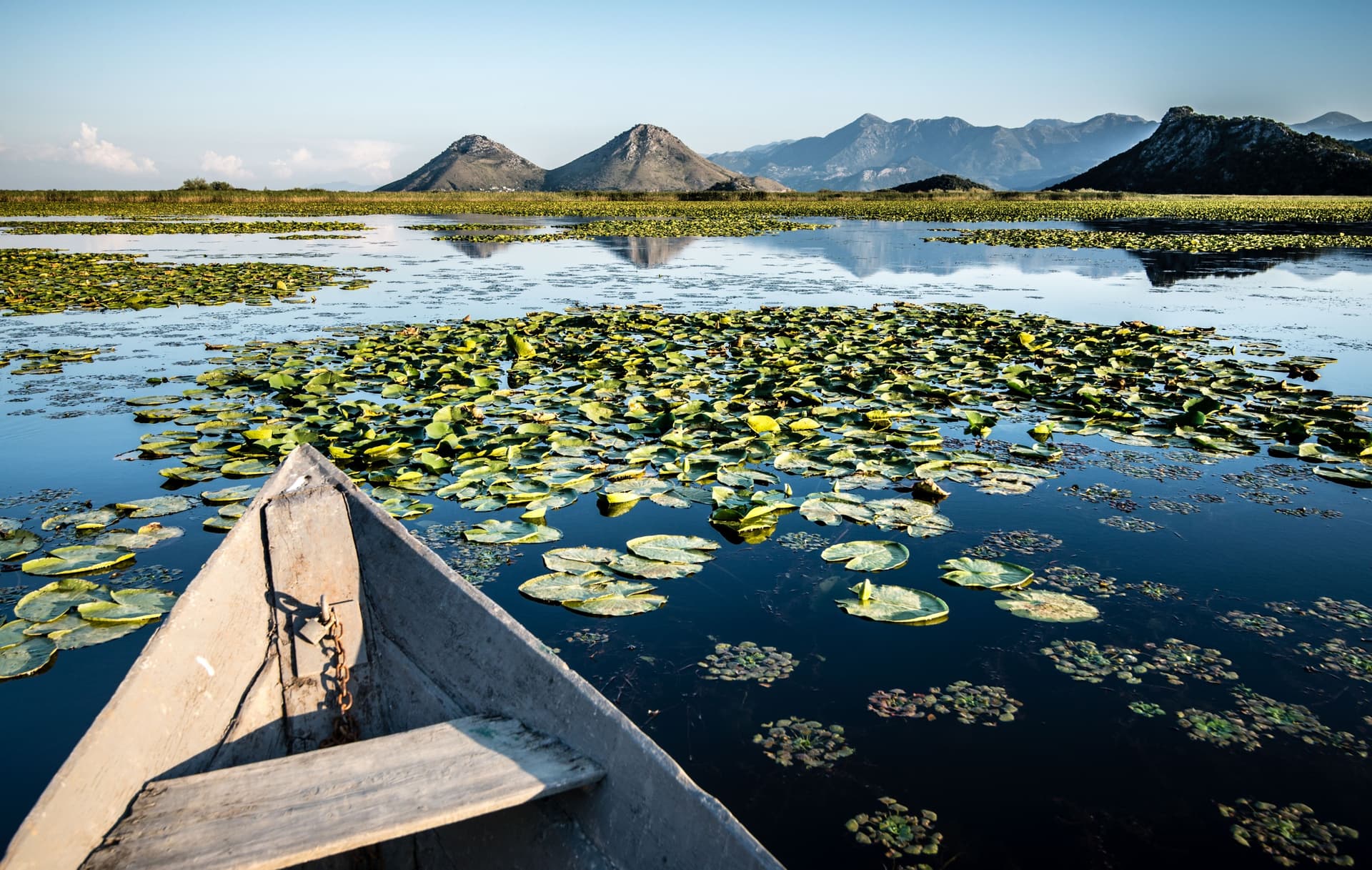
Escape to the Heart of Montenegro at Lake Skadar
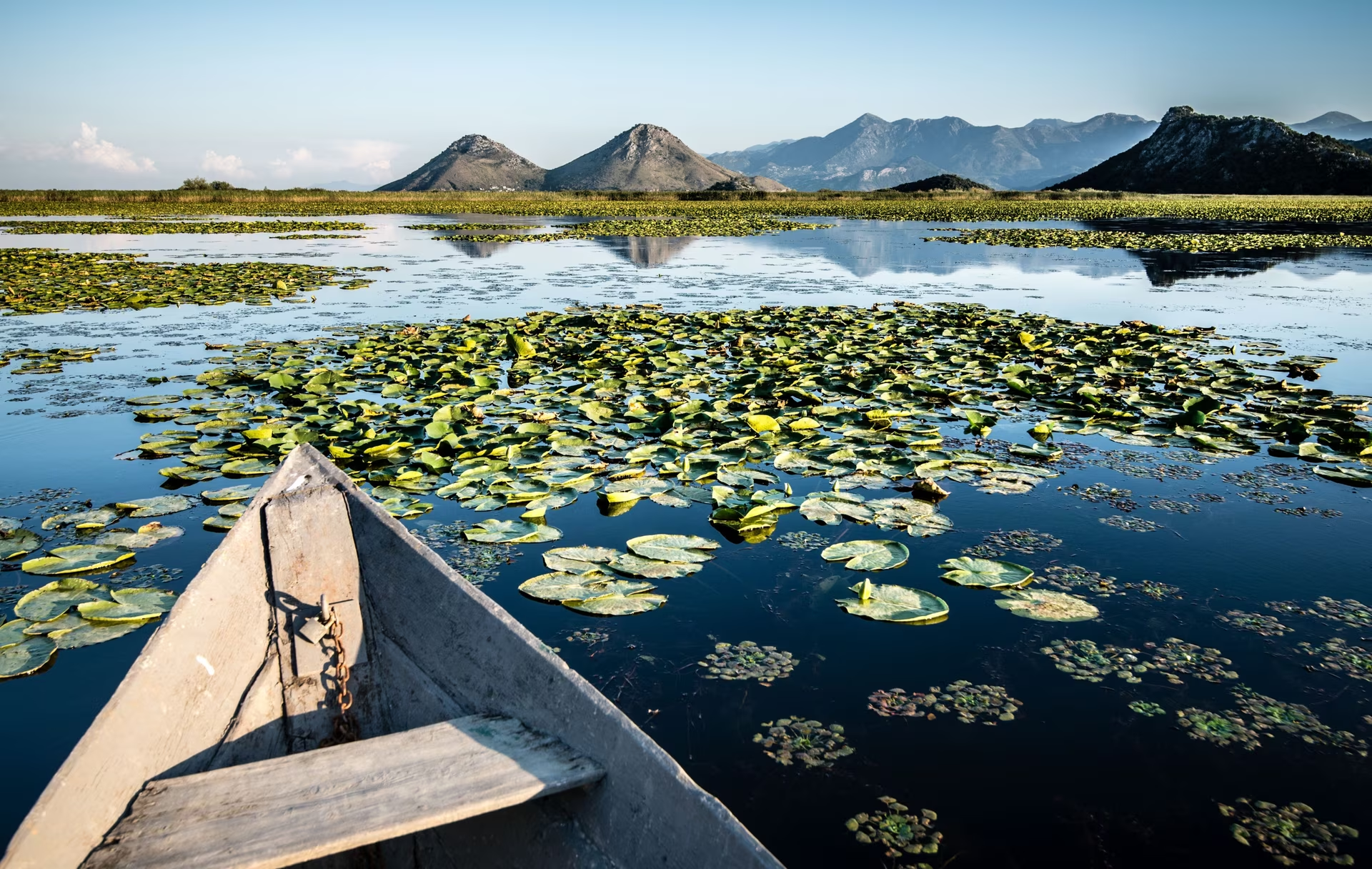
Take the road to the small fishing village of Virpazar, located on the shores of the Lake Skadar, the largest lake in the Balkans. From this charming village, enjoy a boat trip to discover the islets, natural landscapes and observe the many birds that inhabit this vast wetland area.
Lake Skadar is an important reserve for migratory birds and represents one of the main bird migration sites in Europe. This body of water is part of a national park of 44,000 hectares, whose marshes, particularly remarkable, are listed on the Ramsar list. Also rich in fish, the lake is recognized internationally for the ecological value of its wetlands.
Stay in Bar and Ulcinj
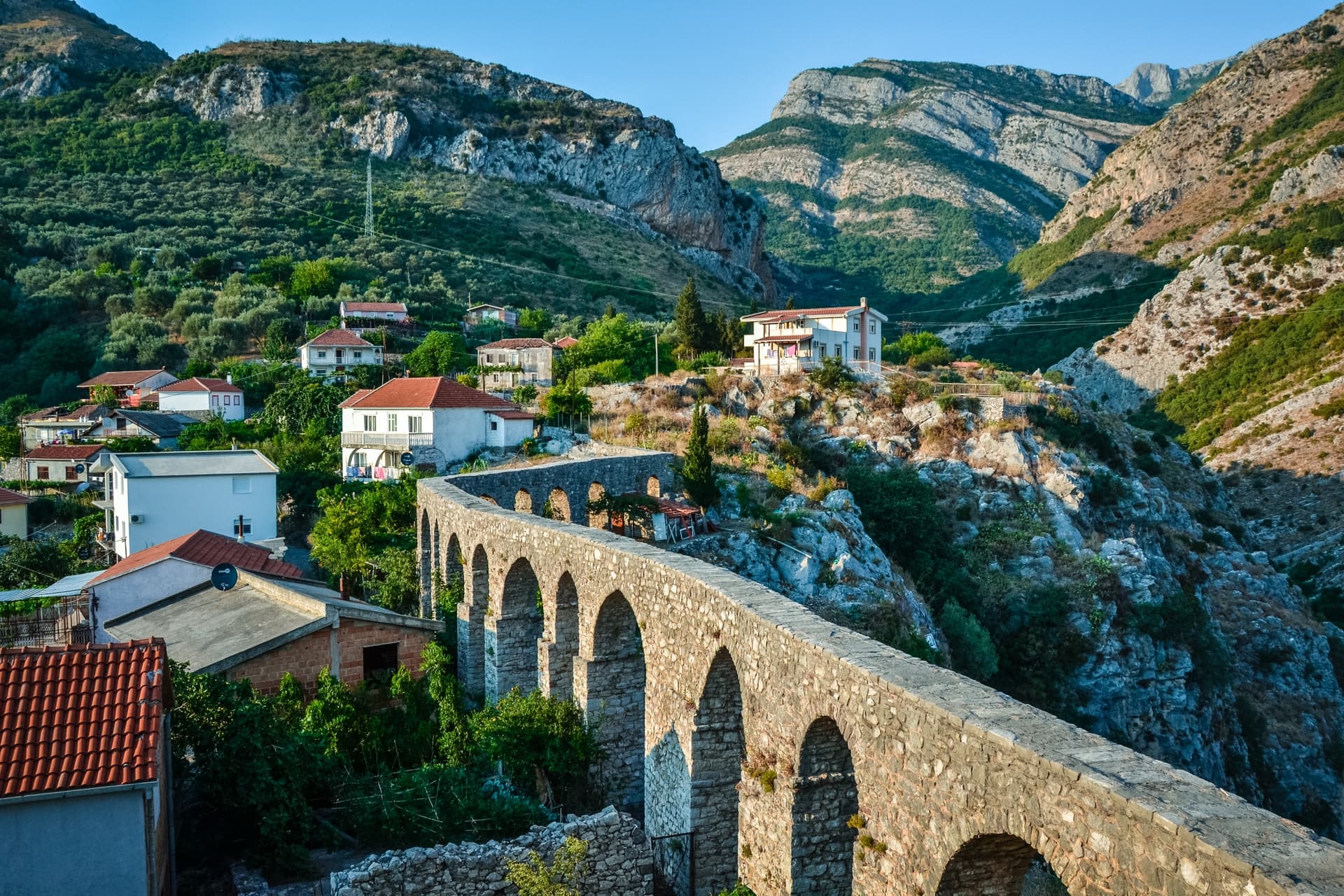
Head to Stari Bar ("stari" meaning old), an ancient town steeped in history. You can leave your car in the parking lot below, then walk up to this abandoned site via a picturesque and lively pedestrian street. Along the way, take a break on one of the terrace cafes in the alley to enjoy your first Turkish coffee, a tradition deeply rooted in the Balkans.
Explore the remains of the old town, a city that has known many rulers over the centuries, from Byzantium to the Venetian Republic, and then to the Ottoman Empire. Each of these periods has left its mark on the site's appearance and architectural heritage.
Among the buildings still visible are the hammam, the powder magazine, the clock tower, and the aqueduct built during the Ottoman era, which supplied Stari Bar with drinking water. Built in an unusual location for a coastal town, several kilometers from the sea, Stari Bar extends across a hill at the foot of Mount Rumija.
Before heading on to Ulcinj, you can stop in Bar to discover the old olive tree, a remarkable tree over 2,000 years old, considered one of the oldest in Europe.
In Ulcinj, discover the old part of the city, where narrow and winding streets immediately immerse you in the atmosphere of past centuries. Successively Illyrian, Byzantine, Serbian and then Ottoman, the city has retained a unique character shaped by these multiple influences. Dominating the whole, the citadel-fortress offers a beautiful panorama over the sea, while the proximity of the Albanian border is felt in the local atmosphere.
Mentioned since Roman times, Ulcinj still preserves vestiges from this period as well as from Byzantine administration. Among its major monuments is the complex located near the North Gate: this church, built in 1510 and then rebuilt in 1569, was transformed into a mosque by the Ottomans in 1693 before becoming the current archaeological museum of Ulcinj. Approximately 5 kilometers south begins the Great Beach, 13 kilometers long, the largest in the Adriatic. Weather permitting, take the opportunity to make a detour to this expanse of fine sand.
Goodbye!
Budva → Aéroport de Podgorica
Breakfast, then check-out of your hotel.
Depending on your departure flight, travel to Tivat or Podgorica airport, where you will return your rental car before your departure.
Price per person
Indicative price per person, based on double room. Each trip is customized according to your preferences.
This trip can be tailored to your preferences
This itinerary provides an excellent foundation for discovery, but it can be fully customized. Our local advisors build each trip tailored to your budget, dates and preferences.
Not included
- International flights
- Entrances to sites and museums
- National Parks Taxes
- Meals and drinks
- GPS
- Additional Insurance
Included
- 4 nights in Kotor, 3-4* hotels on a bed and breakfast basis
- 1 night in Kolasin, 3-4* hotels on a bed and breakfast basis
- 1 night at the Eco Village on half board with 4x4 transfer
- 2 nights in Zabljak, 3-4* hotels on bed and breakfast basis
- 2 nights at Modra Rijeka camp on half board
- Rafting on the Tara River with lunch included – day 10
- 4 nights in Budva (or in the Budva region), 3-4* hotels on a bed and breakfast basis
- Car rental category B (Toyota Yaris or similar) for 15 days with pickup and return at Tivat or Podgorica airport
- Tourist taxes
Practical Information
Registration is considered firm and final after payment of a deposit of 30% of the total price and acceptance of the specific terms of sale.
The balance must be paid no later than 45 days before the departure date.
See our specific terms of sale for full details.
In the event of cancellation by the traveller, the following fees apply:
- Plus de 60 jours avant le départ : 40 % du prix total (acompte retenu)
- Entre 60 et 30 jours avant le départ : 50 % du prix total
- Moins de 30 jours avant le départ : 100 % du prix total
We strongly recommend taking out cancellation insurance. See our specific terms of sale for full details.
The information below concerns travelers who are nationals of the European Economic Area (EEA), Switzerland and Canada traveling to Montenegro for a tourist stay. Entry rules may change, so we recommend verifying the information with the official authorities before your departure.
Passport
To enter Montenegro, your passport must be valid for the entire duration of your stay and have at least one blank page for immigration stamps.
The document must be in good condition (no damaged, torn or altered pages).
Nationals of the European Union may also enter Montenegro with a valid national identity card.
Visa-free tourist stay
Nationals of the European Economic Area, Switzerland and Canada benefit from a visa exemption for tourist stays.
This exemption allows a stay of up to 90 days within a 180-day period from the date of first entry into Montenegrin territory.
The authorities may also request:
a departure ticket from the territory (return or onward flight),
proof of sufficient financial resources for the duration of the stay,
a accommodation reservation or a residential address during your stay.
Registration with local authorities
Any traveler staying in Montenegro must register with the local authorities within 24 hours of arrival.
In practice, this is usually done automatically by the hotel or accommodation. In the case of staying with a private individual (private rental, private home), it is the host's responsibility to carry out this registration. It is advisable to ensure that this formality has been completed, otherwise you may face a fine.
Traveling with children
Minors must hold their own travel document (passport or identity card depending on nationality) valid for the duration of the stay.
In some European countries, when a minor travels without one of their parents, an authorization to leave the territory may be required according to the regulations of the country of residence.
Other nationalities
Entry conditions may vary depending on nationality. Travelers concerned should check with the embassy or consulate of Montenegro in their country of residence.
To participate in our trips, it is strongly recommended to have evacuation assistance and foreign medical expenses insurance.
Your local agency encourages you to review the specific policy developed with our partner CHAPKA ASSURANCES and AXA ASSISTANCE.
To subscribe to insurance, learn about coverage and rates, follow the link below.
CAP EXPLORER: The complete insurance solution designed for a worry-free trip!
Choose the plan that suits you best:
Explorer'Multirisque
Explorer'Annulation
Explorer'Assistance
Explorer' Complémentaire Carte Bancaire
Specific to our trips, we strongly recommend subscribing to them.
If you choose to subscribe to one of these plans, the policy detailing all coverage and claim procedures is available on the insurer's website.
Your local agency will be aware of it, but only the participant is responsible for complying with claim notification procedures. The participant must therefore keep this policy with them throughout their entire trip.
Chapka — Cap Explorer
Our insurance partnerTravel with peace of mind with our partner Chapka. Cancellation, repatriation, medical expenses, baggage… All the coverage for a worry-free trip.
Travel with peace of mind — I'll handle the insuranceFrequently asked questions
To stay in Montenegro, a valid passport is required for at least 3 months after entry (an identity card may be accepted in certain cases). No visa is necessary for short-term tourist stays. Check the conditions applicable to your nationality with the Montenegrin consular authorities before your departure.
Go to the My Trips section to find all your projects.
You can send a message to your host directly from the Tea Lounge.
For a tailor-made quality trip, expect between €130 and €220 per day per person, including accommodation, meals, internal transport and activities. International flights (€200-450 return) are additional. The Budva and Sveti Stefan coastlines are more expensive in summer.
Your documents are accessible in the Documents tab of your trip.
Absolutely. We tailor each itinerary to suit traveler profiles. For families, we prioritize relaxed paces, family-friendly accommodations, engaging and educational activities, and comfortable private transfers. Our local English-speaking guides know how to capture children's attention with age-appropriate anecdotes.
It's straightforward. You exchange with our local team to define your wishes, budget and dates. You receive a detailed itinerary proposal within 48 hours. Together you refine every detail until it's perfect. You confirm and depart with peace of mind. Your local agency remains available 7 days a week throughout your trip.
In case of emergency, contact your local agency immediately.
Payment is generally made in two installments.
Our agency is part of the Nomadays network, registered in France. You benefit from APST (Association Professionnelle de Solidarité du Tourisme) guarantee which covers 100% of your funds. Secure payment, repatriation insurance included, and English-speaking assistance 24/7 on site throughout your stay.

Let's talk about your adventure — Adriatic Coast
Guide to Montenegrin Mountains and Traditions, based in Budva
Montenegro is a small country, but it constantly changes its face. In just a few hours, you can go from mountains to stone villages and then to the Adriatic Sea.
— Lidija