Escape & Traditions
From the sacred masks of the Somba people to the royal palaces of Abomey, nine days in the heart of the cradle of Voodoo.
Duration
9 days
From
€1,300/pers.
Ideal seasons
Jan, Feb, Mar, Nov, Dec
Style
Guided tour
Comfort
classique
Travelers
Couple, Solo, With friends, groupe
The spirit of travel
This tour allows you to enjoy the multiple attractions of Bénin, but focuses mainly on discovering its culture and traditions.
From one locality to another, we get acquainted with the tribes and Beninese customs. A rich human experience full of emotions!
This African country is the cradle of vodoun. Many of its communities are fervent animists and practitioners of ancestor worship. Whether in a large city like Ouidah or in a small village in Somba country, witnessing one of their rituals where dances and songs blend together remains one of the most captivating adventures
The stages of your journey
Highlights
Day-by-day itinerary
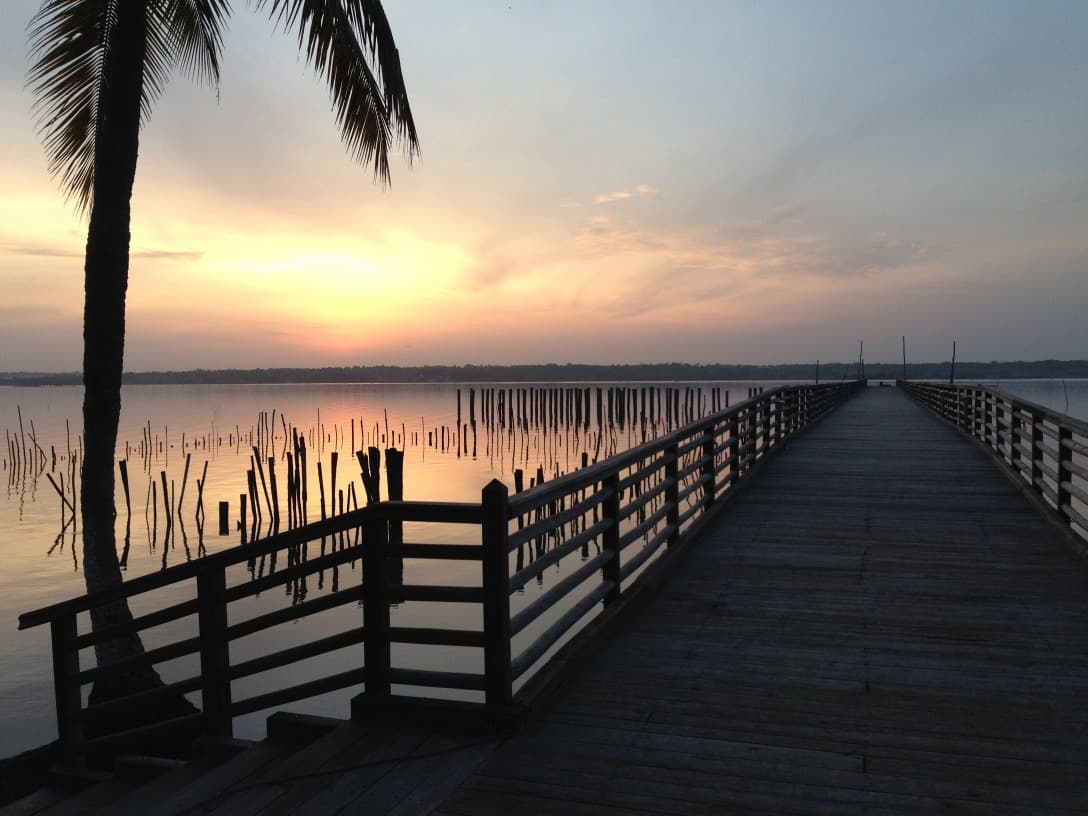
City visits and road to Pobè
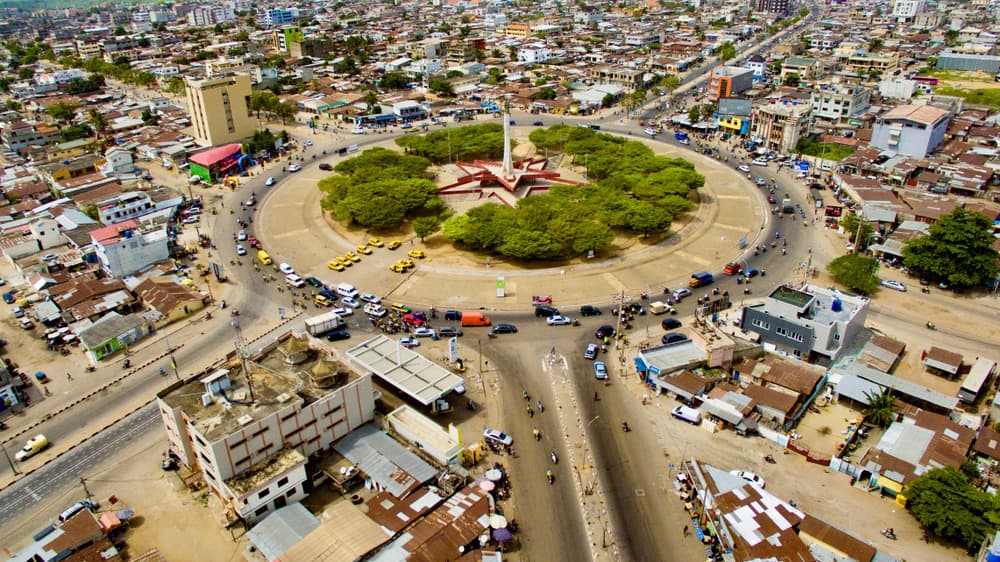
We begin our first day of exploration with a visit to the open-air international market of Cotonou: the Dantokpa market.
This vast space has the gift of turning our heads with its diverse and multiple items: amulets, fabrics, cloths, cult objects, etc. Also, food products, handicrafts and industrial goods rub shoulders there.
Many merchants come from all corners of Africa to set up their stalls, hoping to close a golden deal. Each day, this great bazaar brings together thousands of customers and vendors.
Then we take the road to Porto, the administrative capital of Bénin. It is also the capital of the Oueme Department. This beautiful and charming port city is distinguished by its multiethnic character and especially by the colonial architecture of its buildings, classified as a UNESCO World Heritage Site (such as its Grand Mosque).
An African city known as the heart of the worship cults of the god Orisha, three distinct religions predominate there: Christianity, the Yoruba religion and Voodoo, and Islam.
Stroll around the lagoon bordering the "Red City", another UNESCO World Heritage Site. A city bearing the marks of architecture brought by repatriated Afro-Brazilian slaves.
We continue with some history and culture at the ethnographic museum. You can admire various indigenous artifacts such as Guelede identity celebration, weapons and musical instruments.
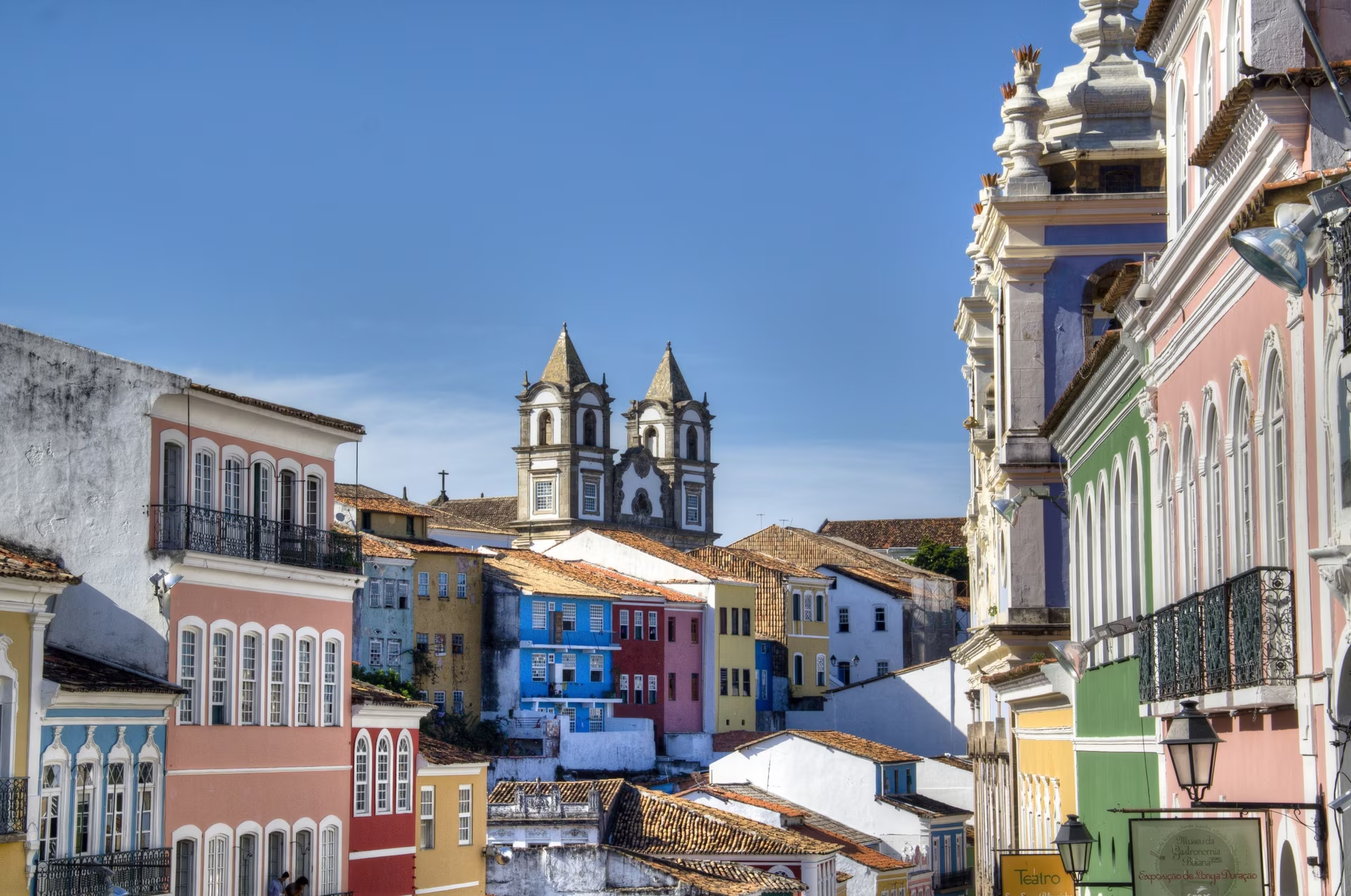
Contemplation of the Grand Mosque of Porto. This building proves to be a real treat for the eyes. Its multicolored facades and architectural style are reminiscent of those of the churches of Salvador da Bahia in Brazil.
We finish with a tour of the old quarter of the city. The colonial houses that line its streets immerse us in a completely different world.
We head towards Pobé. This small town already sparks our curiosity while we're still on our way.
We heard that Holi groups have settled here. They fascinate us with their traditional tattoos and their python scarification.
We're also told that with a bit of luck, we'll see their Guèlèdè dance.
We arrive late in the evening and prepare ourselves to spend the night in the heart of the jungle of the village of Pobe.
On the way to the North
We have breakfast quickly so we can head towards the interior of the Agonlin region around the town of Covè.
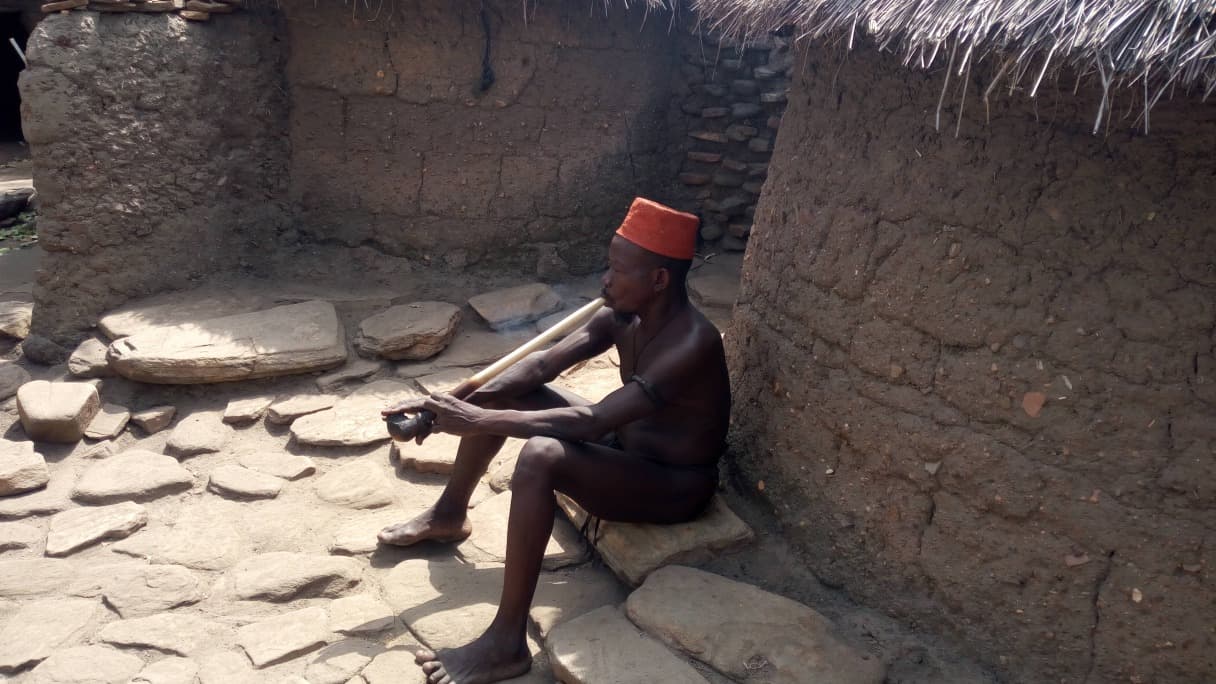
We plan to use this day to witness firsthand the ancestral way of life of the local population. Customs based on subsistence farming, hunting and the worship of ancestors.
We then take the long track connecting Gbaname and Parakou.
Along the way there is a Woodabe encampment. These nomads originally from Nigeria are particularly striking for their Géréwol festival, a celebration featuring a beauty and seduction competition between young members of the tribe. The men groom themselves and the women make themselves desired. These festivities take place every year, just after the rainy season.
We, however, will simply soak in the atmosphere floating through the camp and exchange with these nomads.
Then, we will go to rest in a local house nearby.
Traditions and Mysteries of Northern Benin
Our day's program begins with a tour of the old town of Djougou. Other highlights to see there include: the royal palace, the market and the craft workshops.
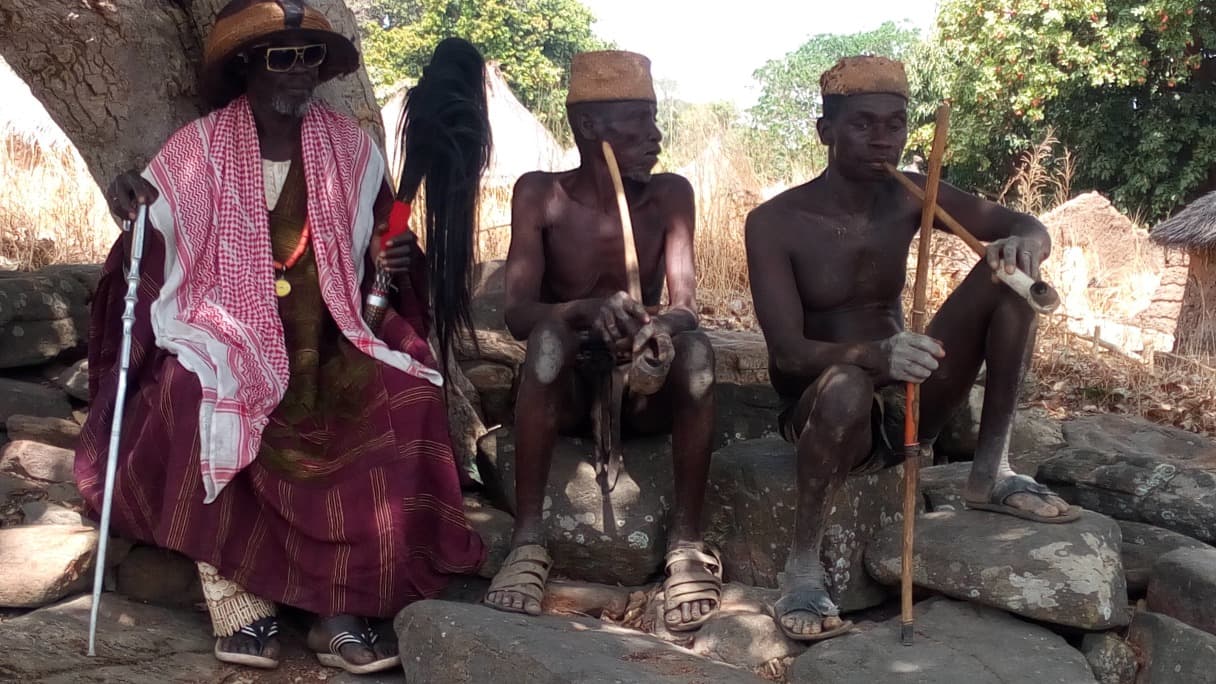
We continue our journey to the Tanéka-Koko region. This area is inhabited by animist hunters and millet producers.
From there, we reach Yaka camp where a purely animist tribe lives. This tribe was spared from the major Islamic "crusades".
We will discuss with the sorcerers and keepers of their traditions to learn more about them and understand their rituals and cult of the dead. They will take this opportunity to detail the incredible circumcision initiation rituals for males.
In the land of Somba: journey to the heart of a preserved culture
Upon waking, we savor a hearty breakfast and then set our course for the Somba region.
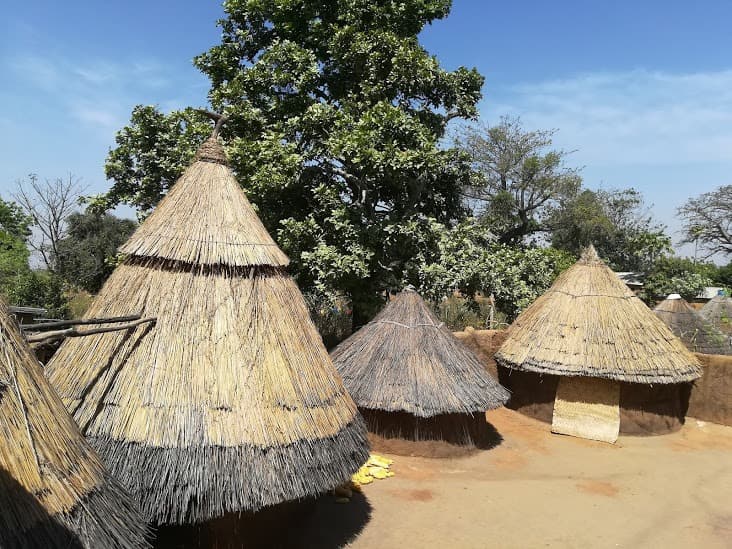
But who are the Sombas? They are a tribe of pagans who practice python scarification on their young people. Before 1960, these indigenous people were inveterate nudists and refused the country's reforms.
The arrival of Catholic missionaries and state representatives in this Sahelian region corrected these habits. Schooling and Western civilization put an end to their practice of nudity. Nevertheless, they preserved their animist culture and their traditional tattoos.
We tour the area on foot and enjoy encounters with the locals.
Route towards Boukoumbé.
From the Dassa Mountains to the Historic City
Boukoumbé → Dassa-Zoume
After a good night's sleep, we pack our bags to head to the central part of Bénin.
We are on the road all morning.
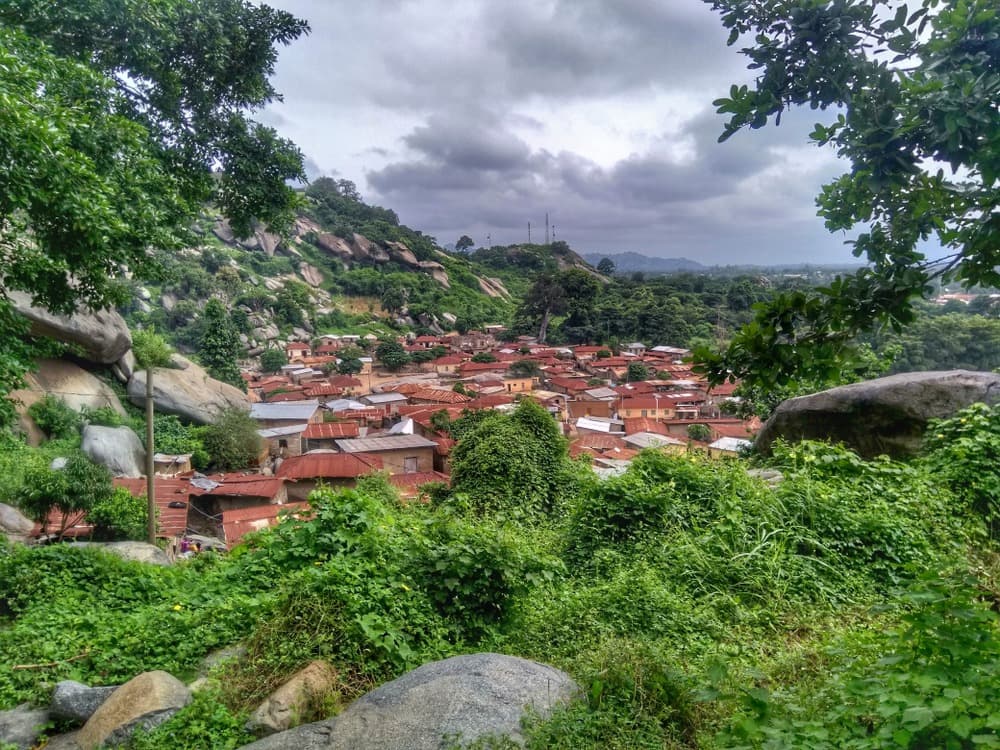
Once we arrive, we immediately continue with an expedition on the slopes of the Dassa mountains topped with small houses.
We will also roam around its 41 Dassa Hills sacred sites and its stone cutters, in the Notre-Dame d'Arigbo Cave, and on the Princes' Hill.
We continue our journey and arrive in the historic city of Dassa where we will stop by to greet the city's mayor.
Bohicon, Abomey, Ouidah: Following the Trails of Eternal Dahomey
Dassa-Zoume → Abomey
The morning is free, then we head towards Abomey.
On the way, we make a brief stop at Bohicon to see what its market looks like. Amulets, animal carcasses, and ingredients for voodoo worship are sold there.
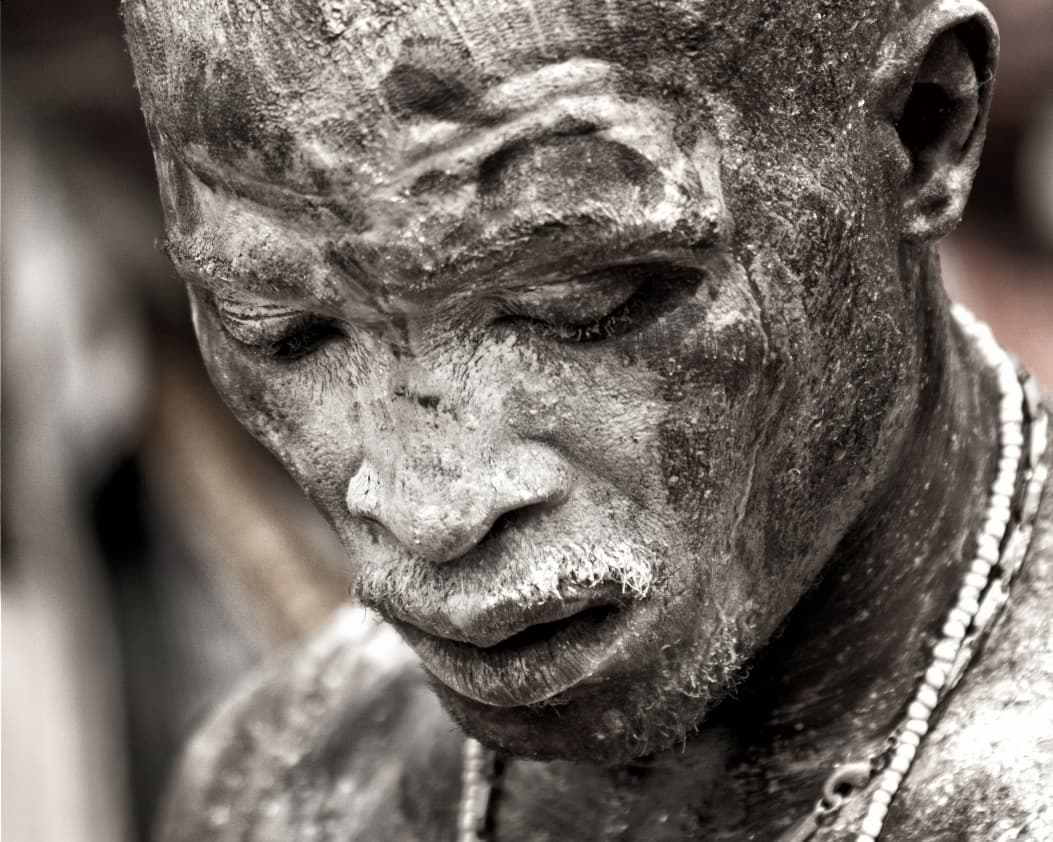
In the Beninese royal capital, Abomey, we enjoy visiting its royal palaces, the place where the sovereigns of the kingdom of Dahomey lived. They abandoned the place following the defeat of King Behanzin to French colonists. Later, these castles were renovated by UNESCO and became history museums.
There are notably the thrones of former monarchs. These are characterized by their craftsmanship: they are made of human skulls and pottery.
On the Slave Route
We reserve our second-to-last day in Bénin for long hours of strolling through the historic city of Ouidah. We have our morning snack and then head towards the Python Temple. This is located opposite the Basilica of the Immaculate Conception, the city's cathedral.
Then, we stretch our legs exploring The sacred forest Kpassè Zoun. It is a wooded area where hundred-year-old trees stand. We enjoy discovering its voodoo temple with its statues of voodoo deities, as well as contemplating the king's iroko tree.
We continue with a walk through the colonial quarter where houses with French, Portuguese and English architecture succeed one another. A visit to the former colonial fort converted into a historical museum completes this tour.
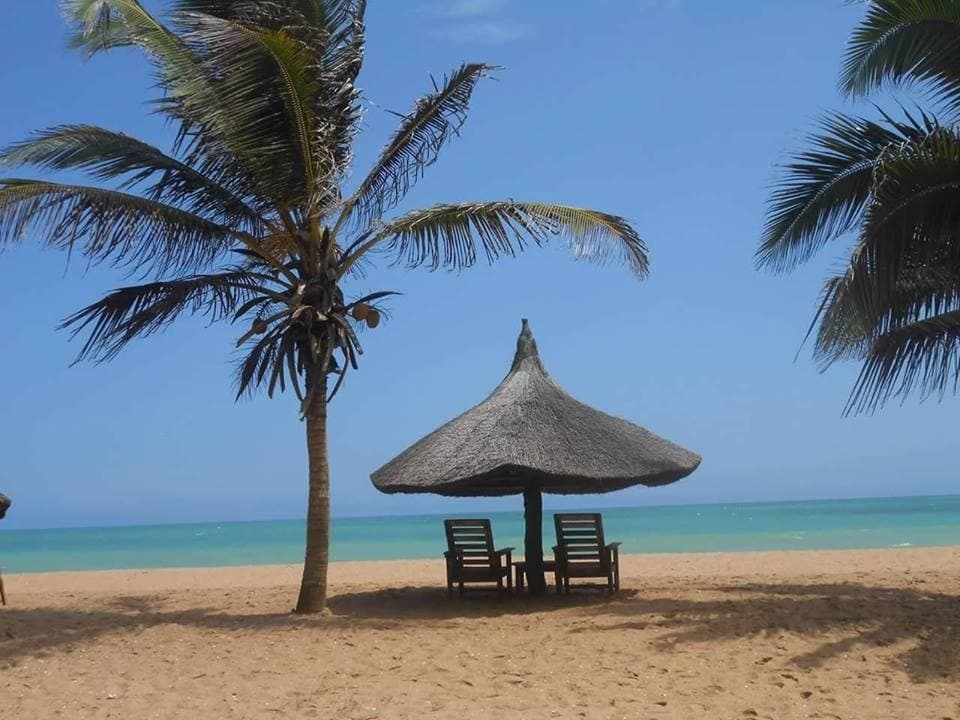
The Slave Route remains an unmissable circuit in Ouidah. We walk several kilometers of beach to retrace one by one the 5 stages of this trail, symbol of the slave trade in Bénin.
We end our visit to the city with a brief stop at the Zinsou Foundation to admire contemporary African art, before heading to our destination for tonight: Grand.
Between Waters and Craftsmanship: An Immersion in Ganvié and Cotonou
Before taking our return flight, we first head to Ganvié.
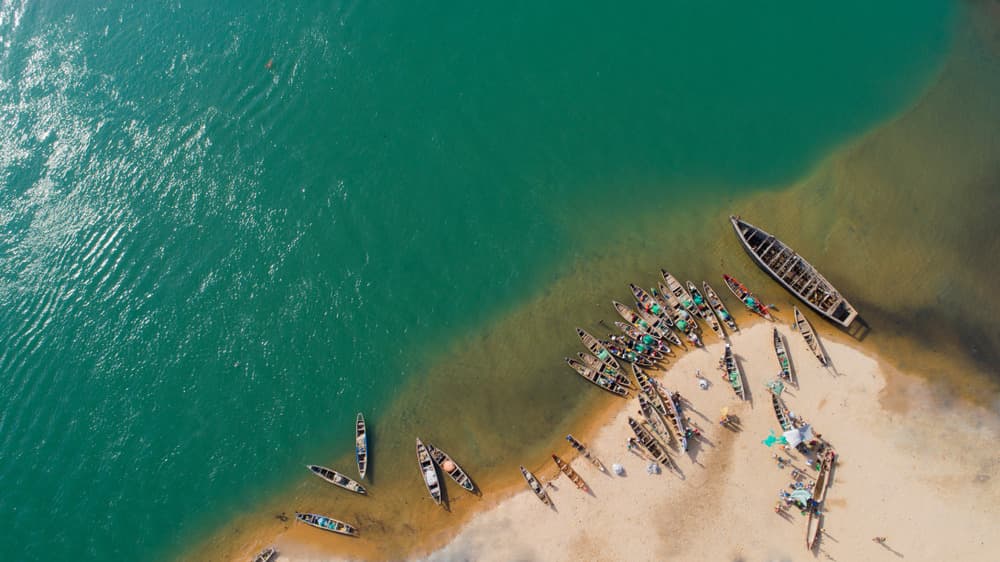
This village is built in the middle of Lake Nokoué and has been inhabited since 1770 by the Toffin, a tribe that fled inter-ethnic conflicts and the evils of slavery.
The spectacle that unfolds before our eyes is exceptional: its floating market with a thousand colors and scents, and its bamboo houses and straw dwellings on stilts.
Arrived in Cotonou, we do our last shopping at the craft center.
You can find objects from local culture such as wooden Egungun, bracelets, wooden sculptures, masks, furniture, fabrics, weapons, musical instruments, silver jewelry, etc.
Our driver then takes us to the airport, which marks the end of our trip.
Price per person
Indicative price per person, based on double room. Each trip is customized according to your preferences.
This trip can be tailored to your preferences
This itinerary provides an excellent foundation for discovery, but it can be fully customized. Our local advisors build each trip tailored to your budget, dates and preferences.
Not included
- Air transport
- Visa fees
- Insurance
- Meals and Drinks
- Tips and personal expenses
- The extras
- Everything not mentioned in "Included"
Included
- Accommodation
- The services of an English-speaking coordinating guide
- Transport throughout your stay (driver and fuel included)
- The activities mentioned
- Site entrance fees
Practical Information
Registration is considered firm and final after payment of a deposit of 30% of the total price and acceptance of the specific terms of sale.
The balance must be paid no later than 45 days before the departure date.
See our specific terms of sale for full details.
In the event of cancellation by the traveller, the following fees apply:
- Plus de 60 jours avant le départ : 40 % du prix total (acompte retenu)
- Entre 60 et 30 jours avant le départ : 50 % du prix total
- Moins de 30 jours avant le départ : 100 % du prix total
We strongly recommend taking out cancellation insurance. See our specific terms of sale for full details.
The information below applies to travelers who are nationals of the European Economic Area (EEA), Switzerland and Canada traveling to Benin for tourism purposes. Entry requirements may change, so we recommend verifying this information with the official authorities before your departure.
Passport
To enter Benin, your passport must be valid for a minimum of six months after your entry date into the country and must have at least two blank pages for immigration stamps.
The document must be in good condition (no damaged, torn or altered pages).
Visa
Nationals of the European Economic Area, Switzerland and Canada must obtain a visa to enter Benin, including for tourism purposes.
Benin has implemented an electronic visa (e-visa) system, which is the recommended entry method. This visa must be requested online before departure, via the official portal of the Beninese authorities. It is issued for a tourism stay of up to 30 days.
It is also possible to obtain a visa on arrival at certain international airports, particularly at Cotonou (Cardinal Bernardin Gantin International Airport), but the e-visa is strongly recommended to avoid any delays or complications upon entry.
The authorities may request:
an exit ticket from the territory (return or onward flight),
proof of sufficient financial resources for the duration of your stay,
a confirmation of accommodation booking.
Health and vaccinations
Yellow fever vaccination is mandatory to enter Benin. The international vaccination certificate (yellow booklet) must be presented upon entry to the country. Without this document, entry may be refused or vaccination on arrival may be required.
It is furthermore strongly recommended to:
take an antimalarial treatment appropriate to the region, as malaria is present throughout the territory,
keep up to date with routine vaccinations (hepatitis A and B, typhoid, meningitis, tetanus, poliomyelitis),
consult a doctor or international vaccination center at least four to six weeks before departure.
Traveling with children
Minors must hold their own valid passport covering the duration of the stay, as well as an individual visa.
In certain European countries, when a minor travels without one of their parents, an exit authorization may be required according to the regulations of their country of residence.
Other nationalities
Entry requirements may vary depending on nationality. Travelers concerned should inquire with the embassy or consulate of Benin in their country of residence.
To participate in our trips, it is strongly recommended to have repatriation assistance and medical expense coverage abroad.
Your local agency encourages you to review the specific policy developed with our partner CHAPKA ASSURANCES and AXA ASSISTANCE.
To subscribe to an insurance plan, learn about coverage and rates, follow the link below.
CAP EXPLORER: The complete insurance solution designed for a worry-free trip!
Choose the plan that best suits you:
Explorer'Multirisque
Explorer'Annulation
Explorer'Assistance
Explorer' Complémentaire Carte Bancaire
Specific to our trips, we strongly recommend subscribing to one.
If you choose to subscribe to one of these plans, the policy detailing all coverage and claims procedures are available on the insurer's website.
Your local agency will be aware of this, but only the participant is responsible for complying with claims declaration procedures. The participant must therefore keep this policy with them throughout their trip.
Chapka — Cap Explorer
Our insurance partnerTravel with peace of mind with our partner Chapka. Cancellation, repatriation, medical expenses, baggage… All the coverage for a worry-free trip.
Travel with peace of mind — I'll handle the insuranceFrequently asked questions
An e-visa is required and must be requested online before departure. Processing takes 48 to 72 hours. Your passport must be valid for at least 6 months after your entry date. A yellow fever vaccination certificate is mandatory. The conditions for obtaining the e-visa (fee, validity period) vary depending on your nationality. We recommend that you verify the rules applicable to your situation with the consular authorities of the destination before booking your trip.
Go to the My Trips section to find all your projects.
You can send a message to your host directly from the Tea Lounge.
For a tailor-made quality trip, plan between 120 and 210 euros per day and per person, including accommodation, meals, internal transport and English-speaking guide. International flights (700-1100 euros return) are additional. Benin is an authentic destination, the birthplace of Voodoo.
Your documents are accessible in the Documents tab of your trip.
Absolutely. We adapt every itinerary to match your travel profile. For families, we prioritize relaxed paces, family-friendly accommodations, educational and entertaining activities, and comfortable private transfers. Our local English-speaking guides know how to captivate children with age-appropriate anecdotes.
It's simple. You exchange with our local team to define your wishes, budget and dates. You receive a detailed itinerary proposal within 48 hours. You refine every detail together until it's perfect. You confirm and travel with peace of mind. Your local agency remains available 7 days a week throughout your trip.
In case of emergency, contact your local agency immediately.
Payment is generally made in two installments.
Our agency is part of the Nomadays network, registered in France. You benefit from APST (Association Professionnelle de Solidarité du Tourisme) guarantee which covers 100% of your funds. Secure payment, repatriation insurance included, and English-speaking assistance 24/7 on the ground throughout your stay.

Let's talk about your adventure — Historic South
Cultural bridge builder across West Africa, based in Bénin
We understand Benin through the colors of a market, the rhythm of a drum, and the warmth of a welcome
— Isaac