World Heritage
On the trail of three jewels of Khmer world heritage, from Angkor to the forgotten temples of Sambor Prei Kuk.
Duration
14 days
From
€1,320/pers.
Ideal seasons
Jan, Feb, Mar, Nov, Dec
Style
Guided tour
Comfort
classique
Travelers
Couple, Solo, senior, With friends
The spirit of travel
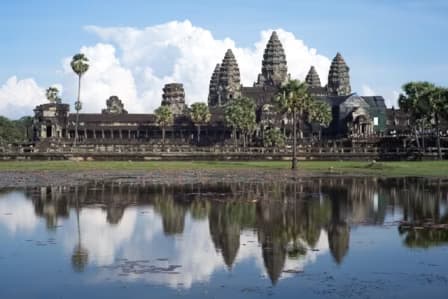
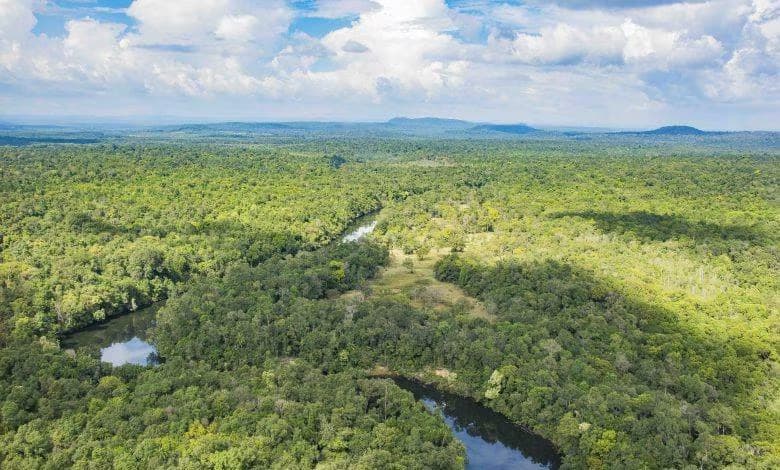
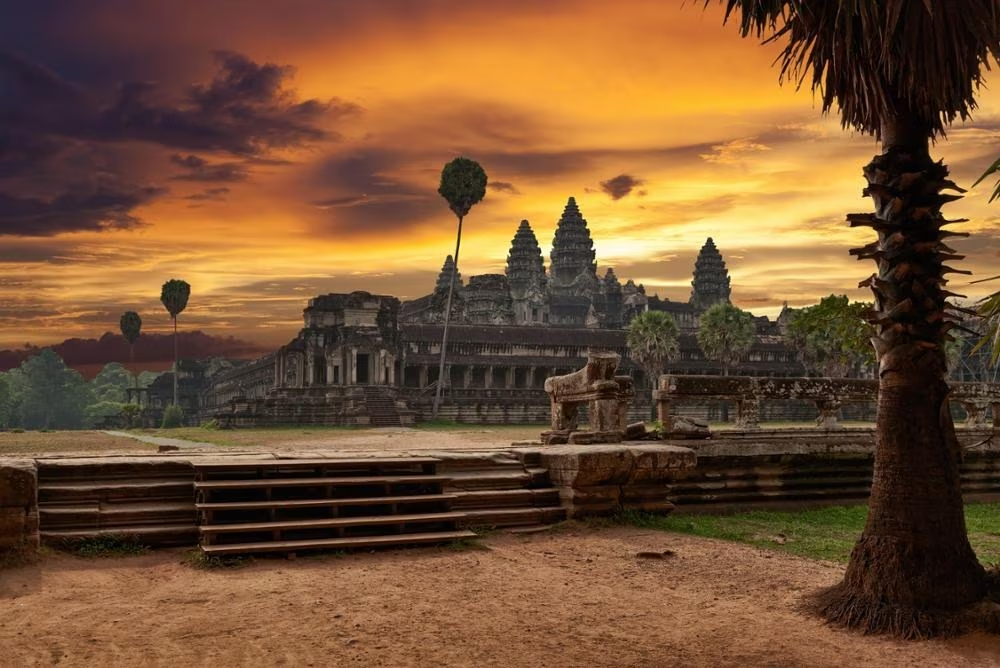
The pink sandstone towers of Banteay Srey emerge from the Cambodian jungle, while the chants of Phnom Kulen monks resound in the distance. This circuit unveils three UNESCO World Heritage sites: the pre-Angkorian temples of Sambor Prei Kuk lost in their lush forests, the majestic sanctuaries of Angkor with their endless galleries of bas-reliefs, and the ancient royal city of Preah Vihear standing on its sacred cliff.
The route winds from Phnom Penh to the shores of the Tonlé Sap, revealing royal palaces with golden roofs, spice markets and floating villages where Cham fishermen perpetuate their traditions. In Kampong Thom, seventh-century red brick sanctuaries bear witness to the first Khmer kingdoms, while Battambang unveils its colonial mansions and goldsmiths' workshops. The pepper plantations of Kampot perfume the sea air, before Kep offers its blue crabs with Indochinese flavors.
These remnants trace a thousand years of Khmer empire, from the kingdom of Chenla to the splendor of Angkor, carried by a hydraulic civilization that mastered the floods of the Mekong. A journey to the heart of the Cambodian soul, between Buddhist fervor and the memory of stones.
The stages of your journey
Highlights
Day-by-day itinerary
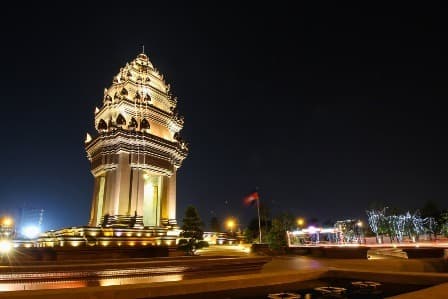
Welcome to Phnom Penh
Welcome by our driver upon your arrival at Phnom Penh International Airport (KTI).
Transfer and check-in at the hotel.
The rest of the day is free.
Rooms available from 2:00 PM. If we arrive a bit early and our room is not yet ready, we can leave our luggage at the reception before going for a walk around town or resting by the pool.
Day without English-speaking guide
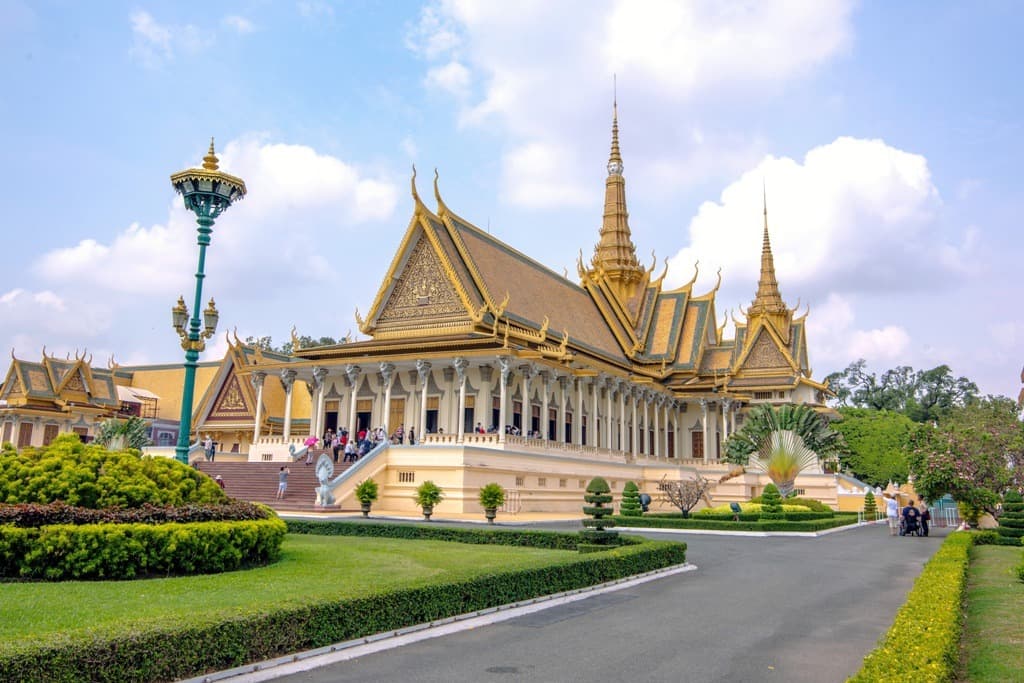
Phnom Penh, vibrant capital
Day trip by tuk-tuk
Let's discover the famous Wat Phnom which gave its name to the capital. The "pagoda of the hill" is the highest point in Phnom Penh.
We then visit the Royal Palace and the Silver Pagoda, true gems of Khmer architecture built in the mid-19th century.
The dress code for the Royal Palace is quite strict: shoulders and knees must be covered.
We then visit the National Museum and discover one of the most important collections of Khmer art: 14,000 sculptures and ethnographic objects, most of which come from the temples of Angkor. This jewel of Khmer architecture was built between 1917 and 1920, and features a magnificent interior courtyard, a truly lush garden surrounded by the museum's unique pieces.
Visit to the Tuol Sleng Genocide Museum (S-21), a former high school in Phnom Penh that the Khmer Rouge transformed into an interrogation, torture and death center. It is the largest detention and torture center under the Pol Pot regime that will reveal to us a very painful chapter in Cambodia's history.
Today converted into a museum, the former S21 Prison reminds every visitor of the atrocities committed in Cambodia during the terrible years of communist dictatorship. No fewer than 17,000 people were inmates of Tuol Sleng prison, and only 7 survived and can today recount the abuse they suffered. A visit to S21 can be a disturbing and poignant experience that some may not be able to endure. However, it is one of the keys to understanding the hell and madness into which Cambodia locked itself during these years of terror.
Depending on remaining time we can visit the central market and/or the Russian market
Day spent with an English-speaking guide.
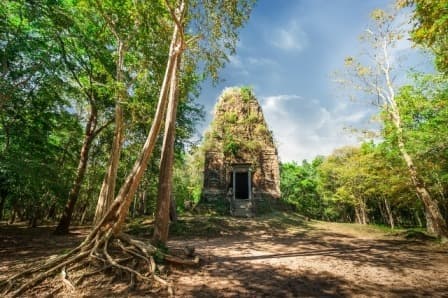
Sambor Prei Kuk, the temples of the lush forest
Early in the morning, transfer by road to Kampong Thom halfway between Siem Reap and Phnom Penh.
On the way, let's be bold and take full advantage of a brief "gastronomic" stop in the city of Skun, famous for its spiders and grilled insects.
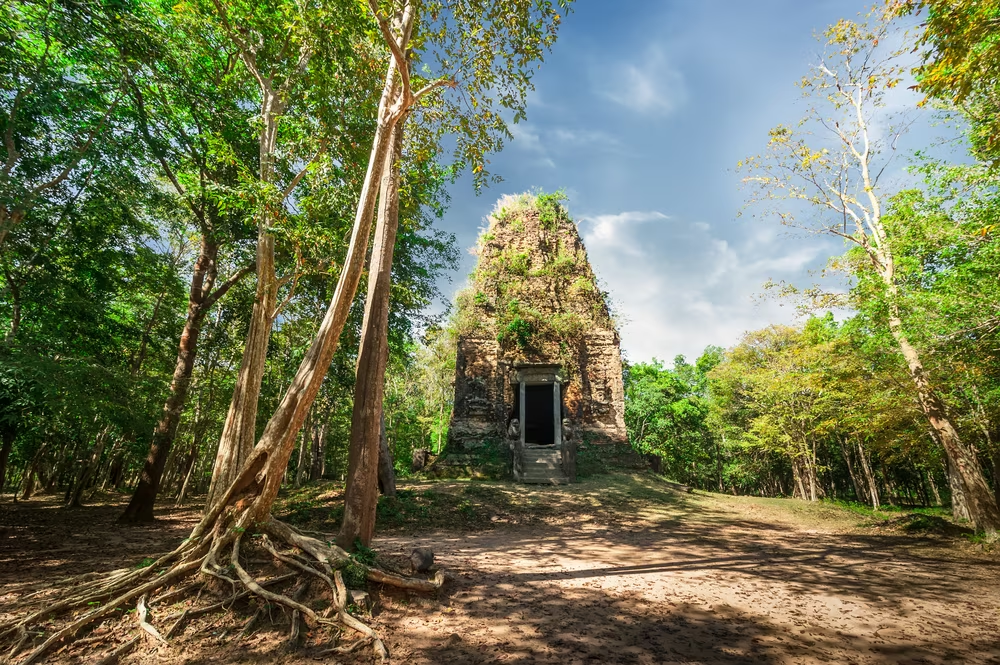
On the outskirts of Kampong Thom, discover the remarkable pre-Angkorian temples of Sambor Prei Kuk. This archaeological site has been inscribed on the UNESCO World Heritage list since July 2017 and owes this status to its role as an ancient capital before the advent of the Khmer empire, which would settle in Angkor a few centuries later. At the crossroads of Buddhist, Hindu, and even Persian and Greek cultures from the 7th century of our era, as we will be able to discover.
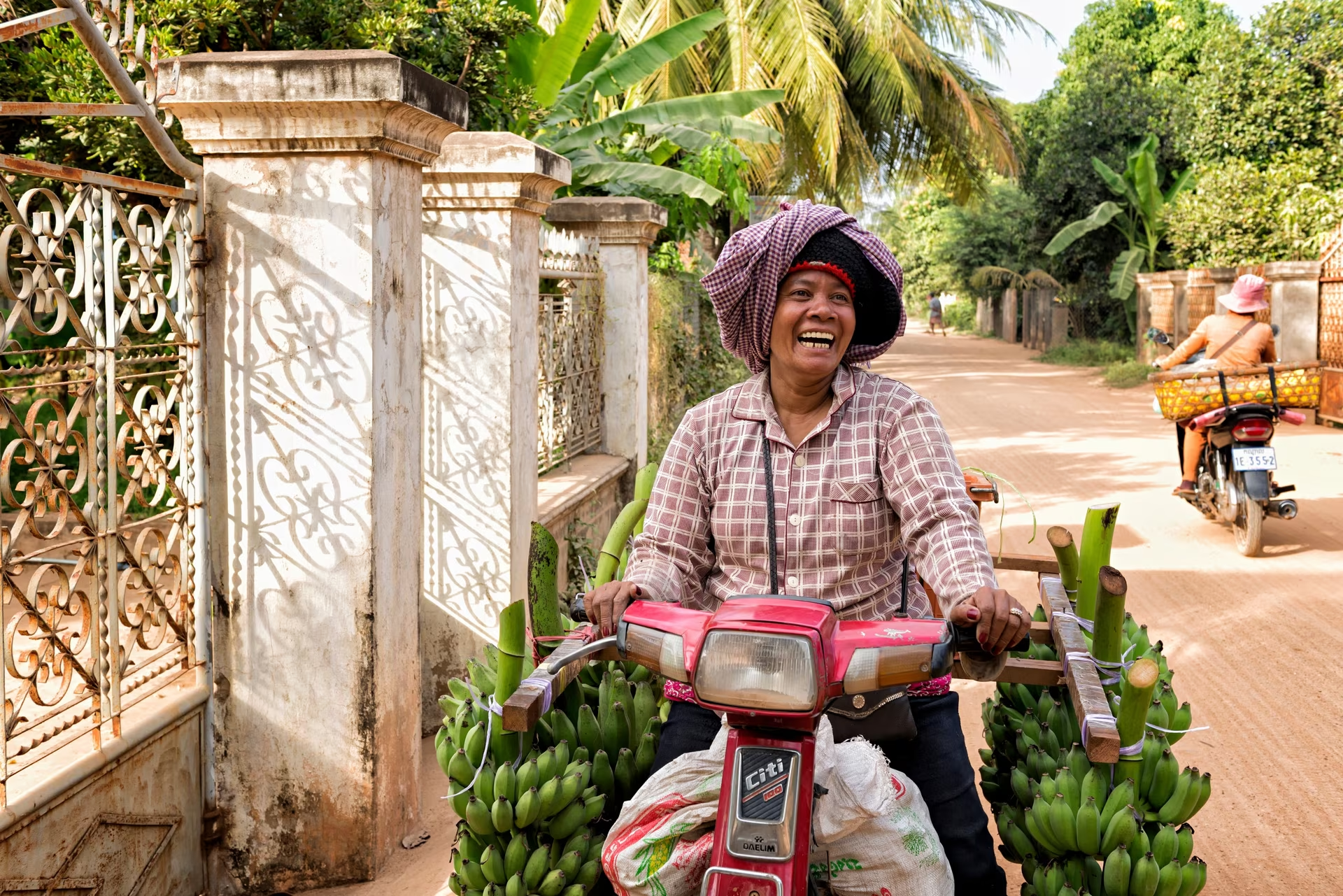
We then set off on a scooter village tour (as passenger) lasting approximately 1 hour to discover the countryside of Kampong Thom and its magnificent rural landscapes and to meet the local farmers, their animals and the smiles of the children. The path is lined with small wooden houses with roofs made of straw or palm leaves. These traditional houses in typical Khmer style are bordered by watercourses. Let's especially take advantage of the superb sunset over the rice fields.
Ride accompanied by a motorbike guide/driver from the Sambor Prei Kuk community. Possibility to replace the motorbike with a tuk-tuk, particularly for children.
Sambor Prei Kuk → Kampong Thom
We then head to Steung Saen, capital of Kampong Thom province, where we spend the night.
Check-in at the hotel. The rest of the day is free.
Day with an English-speaking guide.
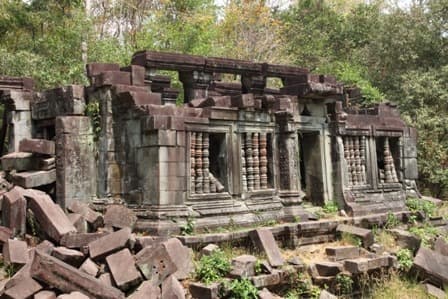
From Kampong Thom to Siem Reap, via the remote temples of Koh Ker and Beng Mealea
Road transfer to Siem Reap via a detour to visit two sites that are well worth it. Discover Koh Ker, capital of Cambodia for a short period in the 10th century. You visit notably the Prasat Thom, a 30 m high temple-mountain.
Visit the Beng Mealea temple devoured by strangler fig roots. It served as the setting for the film "Two Brothers" filmed in 2004 by Jean-Jacques Annaud.
Once you arrive at your destination, we will check you in at the hotel; The rest of the day is free for you to enjoy as you wish.
Day spent with an English-speaking guide.
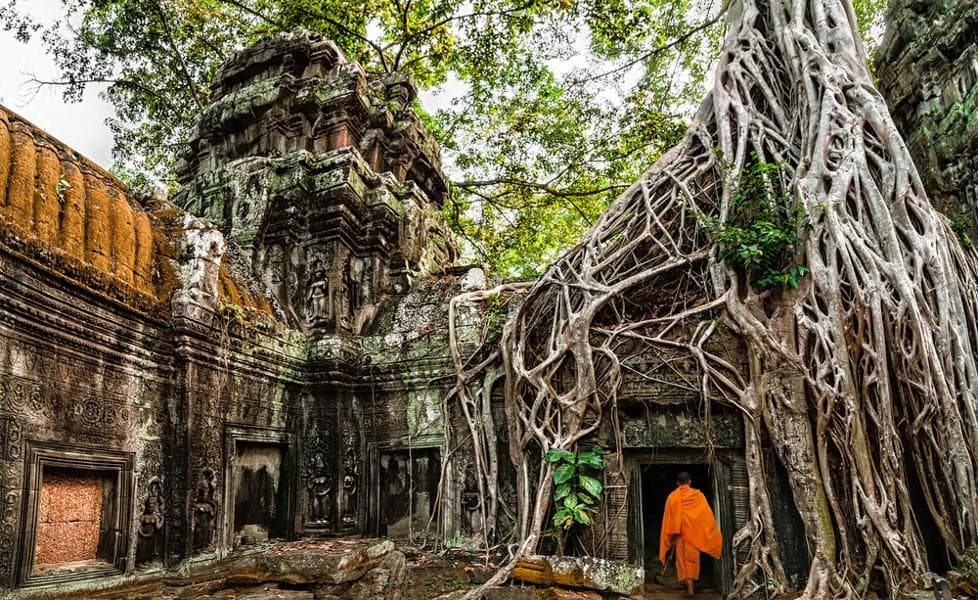
The Majestic Temples of Angkor
Day visit by tuk-tuk of the wonderful temples of Angkor located around and within the grounds of Angkor Thom. We discover in particular Angkor Wat, symbol of the apogee of the Khmer Empire during the Angkorian era.
Within the grounds of Angkor Thom, discover Bayon and its many towers with gigantic faces, Baphuon and its gigantic statue of a 40m reclining Buddha, Phimeanakas, the Elephant Terrace and its great diversity of sculptures as well as the Terrace of the Leper King.
We conclude with Ta Prohm famous for its immense trees with sprawling aerial roots. We can end this day with a sunset either at Srah Srang, or from the heights of Pre Rup or Phnom Bakheng if you are ready to brave the crowds (note: Phnom Bakheng is off-limits to children under 12 years old and authorities limit access to 300 people at sunset, creating a queue)
Due to an already packed schedule, we deliberately skip a few secondary temples of the small circuit such as Banteay Kdei, Thommanon, Chau Say Tevoda or Ta Keo. If you wish to visit these sites, don't hesitate to inform your guide at the beginning of the day so he can arrange the schedule as best as possible.
Possibility to carry out visits in reverse order to avoid crowds. Simply mention it to your guide at the beginning of the day.
Temples are sacred places, avoid short clothing, you must cover your shoulders and wear long pants or a long skirt.
In order to preserve these fragile monuments, it is forbidden to touch the sculptures or to sit on temple elements.
In Cambodian culture, it is offensive to be rowdy inside a sacred place, calm and respect are key.
It is not recommended to buy items or sweets from child vendors, this only encourages begging and truancy, prefer a donation to an association if you feel strongly about it.
If you wish to photograph the monks (called Bonzes), you must obtain their permission beforehand. Moreover, you must not touch them, they have the right to touch you but not the other way around.
Day spent with an English-speaking guide.
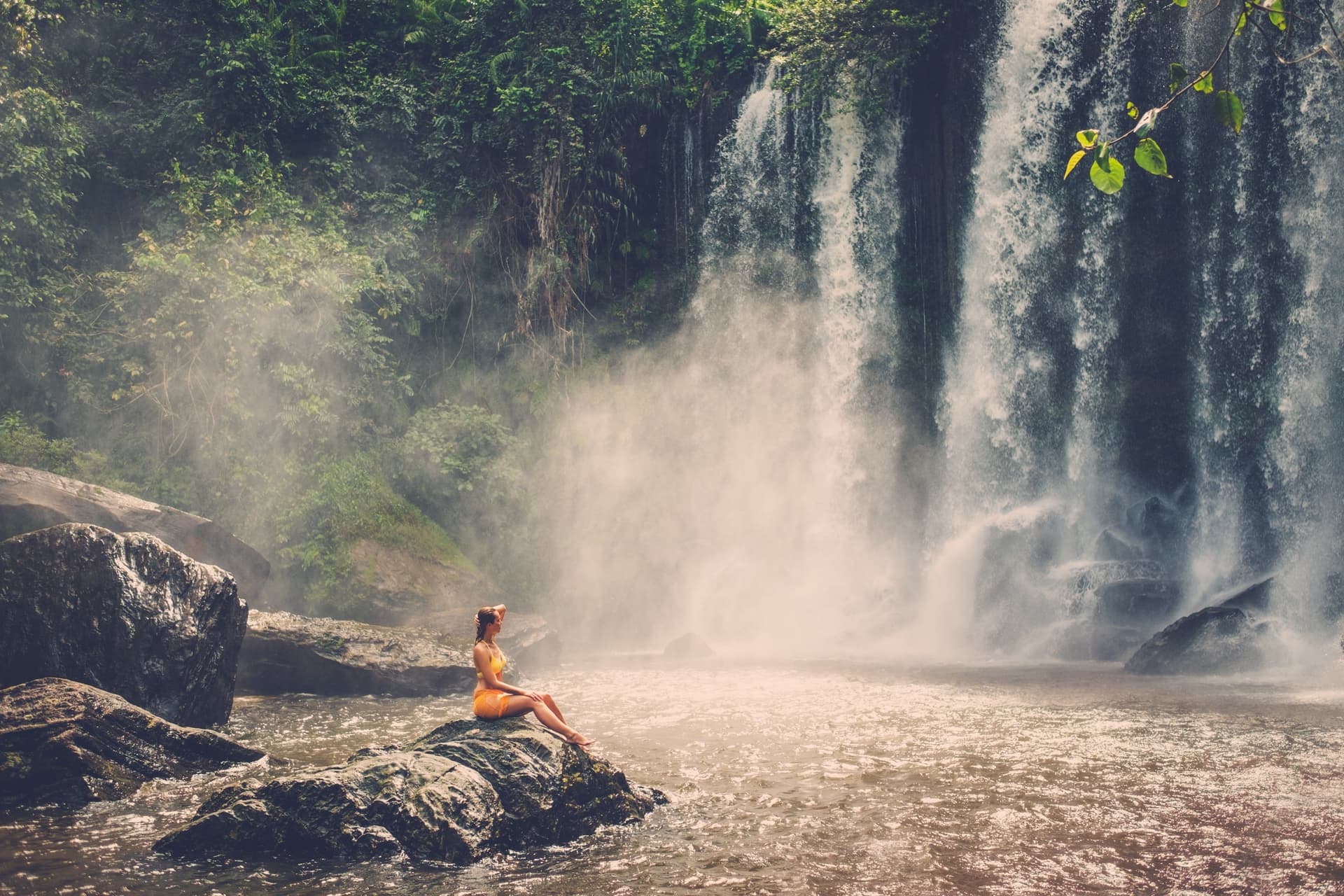
From the Sacred Mountain to the Pink Sandstone Citadel
The rivers that flow through Angkor have their sources in the Phnom Kulen mountain. It is in this vast natural site that the Khmer kingdom was born in 802, proclaimed by King Jayavarman II who made his country independent from Java's control. We therefore invite you to visit the cradle of the Khmer Kingdom. In the morning, we drive up the road to the top of Phnom Kulen or "Mount of Litchis", a pilgrimage site for Cambodians thanks to the presence of a large statue of the Reclining Buddha. A refreshing swim in the natural pool of a beautiful waterfall rewards your effort.
In the afternoon, continue with a visit to Banteay Srey, a temple with human proportions compared to the gigantic Angkor Wat or Bayon. This pink sandstone temple nicknamed "The Citadel of Women" is known for the refinement of the bas-reliefs and sculptures that adorn its walls and columns. Your discovery continues with a visit to the Banteay Samre temple depending on remaining time.
Return to the city and free time for the rest of the day.
Day spent with an English-speaking guide.
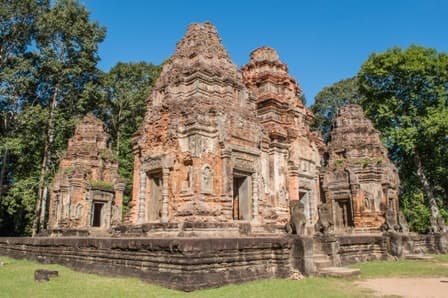
The immensity of Tonle Sap Lake and the Roluos Group
Today we visit the floating village of Mechrey by private boat. Located 25 km from Siem Reap, it is one of the least touristy floating villages. Ideal for getting a glimpse of the locals' lifestyle on the water, you will be able to see all floating structures: Homes, schools, restaurants and even… a pagoda!
Duration of 1.5 to 2 hours
Possibility to extend the visit to Tonlé Sap Lake if the visit to the Roluos group is removed. Additional fee to be expected.
In the afternoon, we return to the Angkor archaeological site, more precisely to the Roluos site, a small Khmer city housing the beginnings of the Angkorian era. Seat of the first capital of the Hariharalaya empire, Roluos marks the beginning of classical Khmer civilization. The buildings are mostly constructed in brick, laterite, or sandstone. Bakong, Lolei, and Preah Ko are the three main temples of the place. All devoted to the cult of Hinduism, the latter two however protect Buddhist pagodas today. We reserve the visit of Bakong temple for the end as we will be able to take advantage of the viewpoint to admire the sunset from the heights of this temple-mountain.
Possibility of extending the visit to Tonlé Sap lake if we remove the visit of the Roluos group. Additional fee to be expected.
Day spent with an English-speaking guide.
Transfer to Battambang
In the morning, transfer to Battambang. Upon arrival, check-in at the hotel and then rest/free time for lunch.
In the afternoon, we visit one of the last traditional Khmer architecture houses in Battambang. Built from three different types of wood, it houses numerous period utensils, trompe-l'œil, and massive furniture. The rich history of this charming building erected in 1920 will be told to us by the great-grandson of its first owner. A passionate history enthusiast.
South of Battambang, a visit to Banon temple perched at the top of a hill offers us, after climbing 358 steps, a lovely panorama of the Cambodian countryside. Passing through traditional villages bordering the road, we can witness the family-made rice cake production and chat with the locals about their daily life.
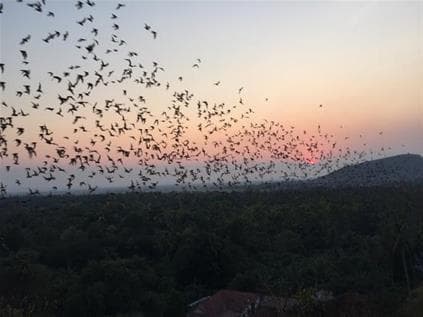
Finally, let's discover the temple of Phnom Sampov, "the ship-hill". We stay there until sunset to observe the flight of bats and their incredible choreography in the sky
Day with an English-speaking guide.
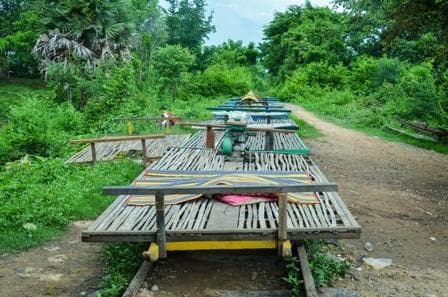
Battambang, a city of post-colonial architecture
We start our day discovering Battambang with a trip on the famous bamboo train. Since it's early morning, this activity is ideal for starting the day. The fresh air will pleasantly brush our faces as our eyes admire the rice fields painted in the landscape.
Next, we head to the ruins of Ek Phnom temple destroyed by the Khmer Rouge and looted at liberation by the Vietnamese. We will also be able to visit a pagoda and a massive statue of Buddha there.
The driver will then take us to discover first the workshop for making rice paper, the kind used to cook spring rolls and fresh rolls. Then a few meters further we will see the makers of sticky rice, this dish, enclosed in a bamboo stick, which is hugely popular in Cambodge. We will then visit, opposite, the pagoda of Wat Samrong Knong which houses killing fields, an area witnessing the atrocities of the Khmer Rouge regime.
The second to last stage of this tour will take place in a banana chips making workshop. Here we will help the cooks cut these fruits to assist them, in exchange for which we can taste this delicious snack.
We will finally head to a larger workshop this time, that of prahok production. This condiment, a fish sauce, is highly sought after in Cambodge despite its off-putting smell.
Day with an English-speaking guide.
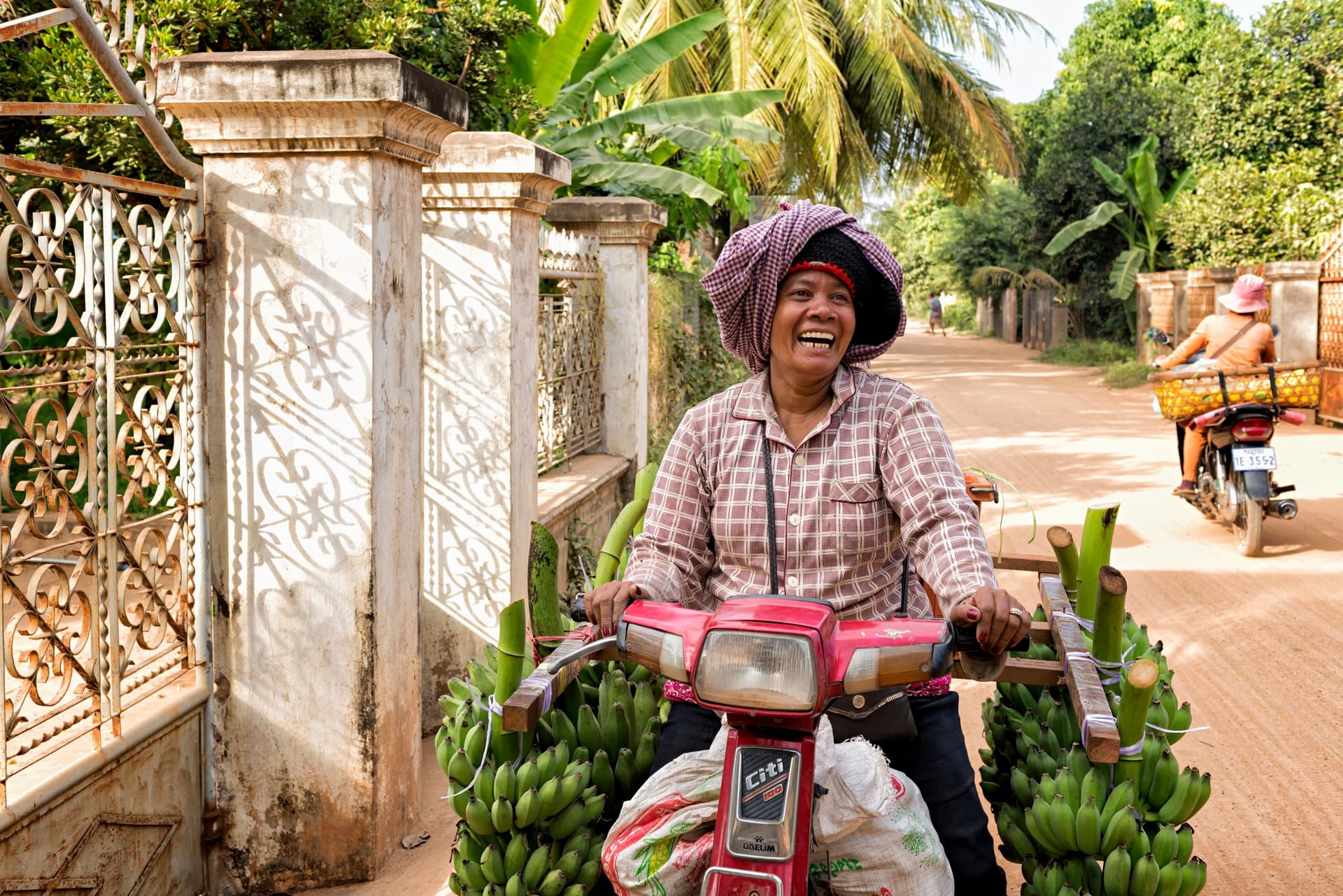
Gentle night on the silk island
In the morning, drive back to Phnom Penh. About ten kilometers from Kampong Chhnang, admire the craftsmanship of pottery artisans. The traditional village has been renowned for centuries for the quality of its clay pots sold throughout the country. While tools have certainly modernized, the craftsmanship and techniques passed down from generation to generation remain.
Upon your arrival in Phnom Penh, you join the meeting point to take the ferry to the silk island Koh Dach. This island of 20,000 inhabitants in the middle of the Mekong is known for its silk weaving craftsmanship.
You discover this pleasant and authentic island on foot or by bike in the heart of nature, between fruit trees, fields and the banks of the Mekong with even a small beach set up for swimming.
Day spent with an English-speaking guide.
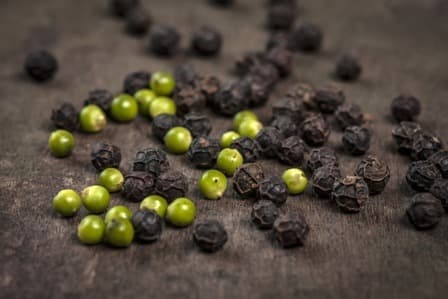
Kampot and its world-renowned pepper
After breakfast, we head to Kampot.
The Kampot region is internationally recognized for its exceptional pepper. It is therefore impossible to visit Kampot without taking a tour of one of the many pepper plantations in the region!
We visit the family-run pepper production farm, La Ferme de Sothy with a plantation guide who will explain the origin and reasons for the fame of this spice. We will learn more about cultivation methods and how to cook this famous pepper.
Once you arrive at your destination, we settle you into the hotel; the rest of the day is yours to enjoy as you wish.
Day without English-speaking tour guide
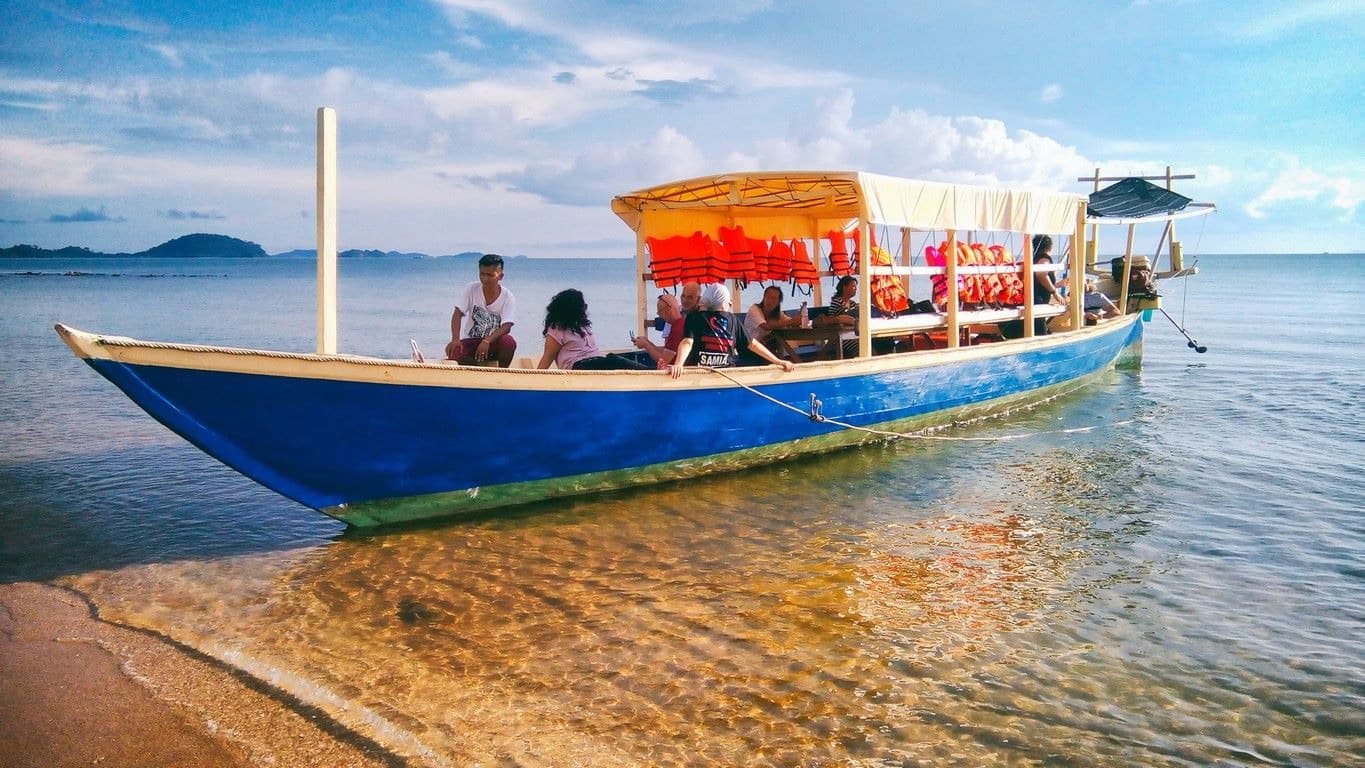
Kep Archipelago
After breakfast, we head to the nearby town of Kep where we board for a full-day eco-tour around the islands of Kep Bay.
Aboard a traditional Khmer fishing boat, we will sail through the Kep archipelago, following the waves and currents, away from any other tourist circuit.
Armed with snorkels and masks, let's discover the seabed and reefs of the Kep archipelago where many species of colorful fish, sea urchins, starfish and corals thrive.
Let's relax in the warm waters perfect for swimming in Snake Island Bay for a barbecue of fish and seafood on the boat. We then visit a traditional fishing village where we can soak in the atmosphere and observe the preparation of nets, crab traps and bait while enjoying an iced coffee. Finally, we set off to explore a charming small, secluded and unique islet.
We may have the rare chance to spot Irrawaddy dolphins in this area… Keep your eyes peeled!
The boat tour is private and starts around 9am with a return around 4pm.
Vegetarian menu available upon request
Day without English-speaking guide
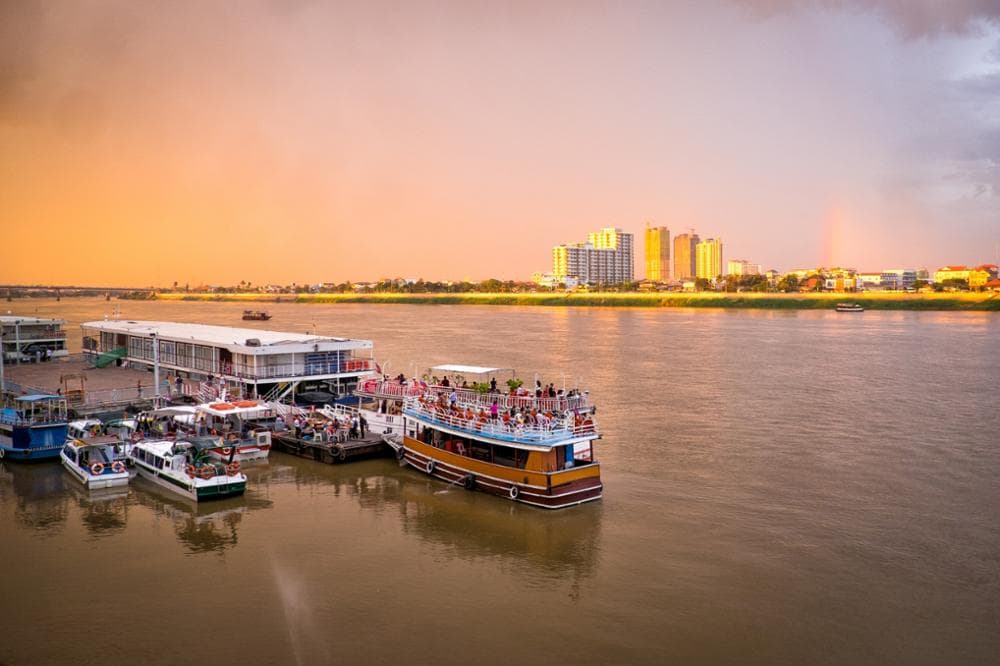
Return to Phnom Penh
In the morning or early afternoon, transfer by road to Phnom Penh. Once we arrive at our destination, we check into the hotel; the rest of the day is free.
Day without English-speaking guide

Good to see you again and see you next time!
Phnom Penh → Phnom Penh Airport
Free time before your transfer to Phnom Penh International Airport. (included; we will arrange the transfer according to your flight schedule). Note: you will need to check out of your room before noon. If your flight is in the evening, you can leave your luggage at the hotel reception to explore the city.
Day without English-speaking guide
Price per person
This trip can be tailored to your preferences
This itinerary provides an excellent foundation for discovery, but it can be fully customized. Our local advisors build each trip tailored to your budget, dates and preferences.
Not included
- International flight
- Visa
- Meals not mentioned in the itinerary
- Beverages (except those mentioned as included)
- Tips
- Personal expenses and purchases
- Any other service not explicitly mentioned
Included
- Transfers to and from the airport
- Transport to activities and program stages
- Double room accommodations with breakfast included
- Some meals (according to detailed daily program)
- English-speaking tour guide
- Entrance fees in tourist sites
- Detailed Activities in the Program
Practical Information
Registration is considered firm and final after payment of a deposit of 30% of the total price and acceptance of the specific terms of sale.
The balance must be paid no later than 45 days before the departure date.
See our specific terms of sale for full details.
In the event of cancellation by the traveller, the following fees apply:
- More than 60 days before departure: 40% of the total price (deposit retained)
- Between 60 and 30 days before departure: 50% of the total price
- Less than 30 days before departure: 100% of the total price
We strongly recommend taking out cancellation insurance. See our specific terms of sale for full details.
The information below concerns travellers entering Cambodia for a tourist stay. Entry requirements may change, and we recommend that you verify the information with the official authorities before your departure.
Passport
To enter Cambodia, your passport must be valid for a minimum of six months after your date of entry into the country and must contain at least two blank pages for immigration stamps.
The document must be in good condition (no damaged, torn or altered pages).
Tourist visa
Entry requirements for Cambodia depend on your nationality. A visa may be required. You should verify the specific conditions with the embassy or consulate of Cambodia in your country of residence, as well as with the authorities of your own country.
The following options are generally available for obtaining a visa:
an electronic visa (e-Visa), which can be requested online before departure through the official Cambodian government portal, valid for 30 days from your date of entry;
a visa on arrival, available at major entry points (international airports in Phnom Penh and Siem Reap, as well as certain land border crossings), also valid for 30 days;
a visa obtained from the Cambodian embassy or consulate in your country of residence before departure.
An extension of an additional 30 days can generally be requested on site with the Cambodian Immigration Department.
The authorities may also request:
an outbound travel ticket (return flight or onward journey),
proof of sufficient financial resources for the duration of your stay.
Arrival form
Travellers may be asked to complete an arrival form provided by the Cambodian authorities, either online before departure or upon arrival depending on the entry point. This form collects information such as:
passport details,
flight or transport details,
the address of your first accommodation in Cambodia.
It is advisable to keep a digital confirmation or printed copy of any document submitted online, which may be requested when passing through immigration.
Health and vaccinations
No vaccinations are officially required to enter Cambodia. However, certain vaccinations are recommended by health authorities:
hepatitis A and hepatitis B,
typhoid,
rabies (in case of prolonged stay or travel to rural areas),
update of routine vaccinations (diphtheria, tetanus, poliomyelitis, measles).
Antimalarial preventive treatment may be advised depending on the regions you plan to visit and the length of your stay. It is recommended that you consult a doctor or international vaccination centre before departure.
Travel with children
Minors must hold their own valid passport covering the duration of the stay, as well as an individual visa.
Depending on your country of residence, a parental authorization for exit from the territory may be required when a minor travels without one of their parents.
Other nationalities
Entry requirements may vary depending on your nationality. You should verify the specific conditions with the embassy or consulate of Cambodia in your country of residence.
To participate in our trips, it is strongly recommended that you have travel assistance and medical expense coverage abroad.
Your local agency encourages you to familiarize yourself with the specific policy developed with our partner CHAPKA ASSURANCES and AXA ASSISTANCE.
To purchase insurance, find out about coverage and rates, please follow the link below.
Choose the plan that best suits you:
Explorer'Multirisque
Explorer'Annulation
Explorer'Assistance
Explorer' Complémentaire Carte Bancaire
Specific to our trips, we strongly recommend subscribing to them.
If you choose to subscribe to one of these plans, the policy detailing all coverage and claim procedures is available on the insurer's website.
Your local agency will be aware of this, but only the participant is responsible for complying with the claim declaration procedures. The participant must therefore keep this policy with them throughout their trip.
Chapka — Cap Explorer
Our insurance partnerTravel with peace of mind with our partner Chapka. Cancellation, repatriation, medical expenses, baggage… All the coverage for a worry-free trip.
Travel with peace of mind — I'll handle the insuranceFrequently asked questions
A tourist visa is required. You can obtain it online (e-visa, approximately 36 USD) before departure or upon arrival at the airport (Visa on Arrival, approximately 30 USD). Your passport must be valid for at least 6 months from your date of entry. The conditions for length of stay and visa extension vary depending on your nationality: we recommend that you check with the consular authorities of your destination for the specific rules that apply to you before booking.
Go to the My Trips section to find all your projects.
You can send a message to your host directly from the Tea Lounge.
For a quality tailor-made trip, budget between 120 and 200 euros per day per person, including accommodation, meals, internal transportation and activities. International flights (700-1000 euros return) are additional. Cambodia offers excellent value for money, often combined with Vietnam or Thailand.
Your documents are accessible in the Documents tab of your trip.
Absolutely. We adapt each itinerary to match your travel profile. For families, we prioritize relaxed pacing, family-friendly accommodations, engaging and educational activities, and comfortable private transfers. Our English-speaking local guides know how to capture children's attention with age-appropriate anecdotes.
It's simple. You exchange with our local team to define your wishes, budget and dates. You receive a detailed itinerary proposal within 48 hours. You adjust every detail together until it's perfect. You confirm and travel with peace of mind. Your local agency remains available 7 days a week throughout your trip.
In case of emergency, contact your local agency immediately.
Payment is generally made in two installments.
Our agency is part of the Nomadays network, registered in France. You benefit from APST (Association Professionnelle de Solidarité du Tourisme) guarantee which covers 100% of your funds. Secure payment, repatriation insurance included, and English-speaking assistance 24/7 on the ground throughout your stay.

Let's talk about your adventure — Angkor Region
Travel Advisor and Cambodia Enthusiast, based in Phnom Penh
The most beautiful journeys are those that resemble the people living them. My role is simply to open the right doors of Cambodia for them.
— Alexandre