The great north/south journey of Bénin
From the royal palaces of Abomey to the stilt villages of Ganvié, following the footsteps of the Dahomey kingdom.
Duration
15 days
From
€2,000/pers.
Ideal seasons
Jan, Feb, Mar, Nov, Dec
Style
Guided tour
Comfort
classique
Travelers
Couple, Solo, With friends, groupe
The spirit of travel
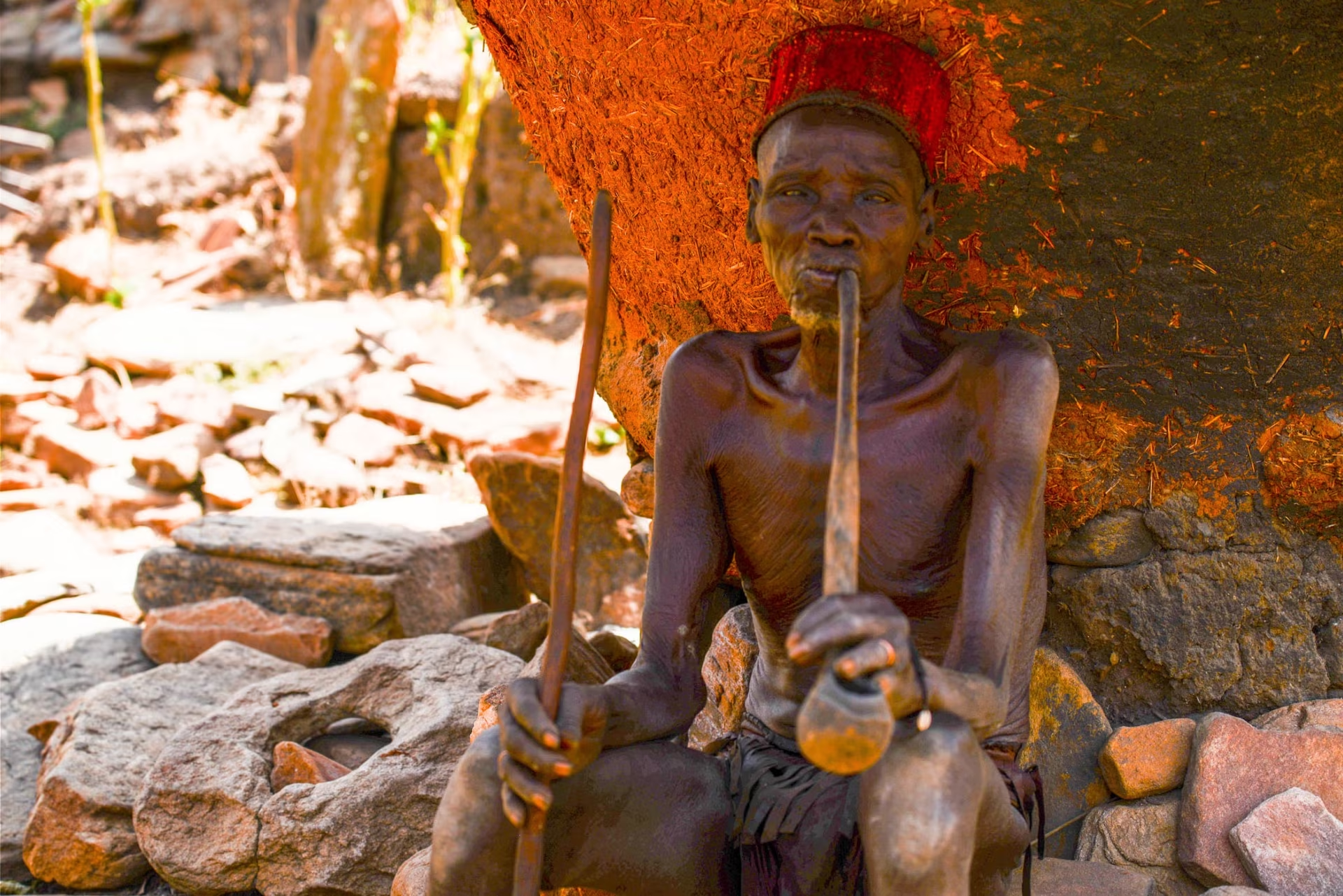
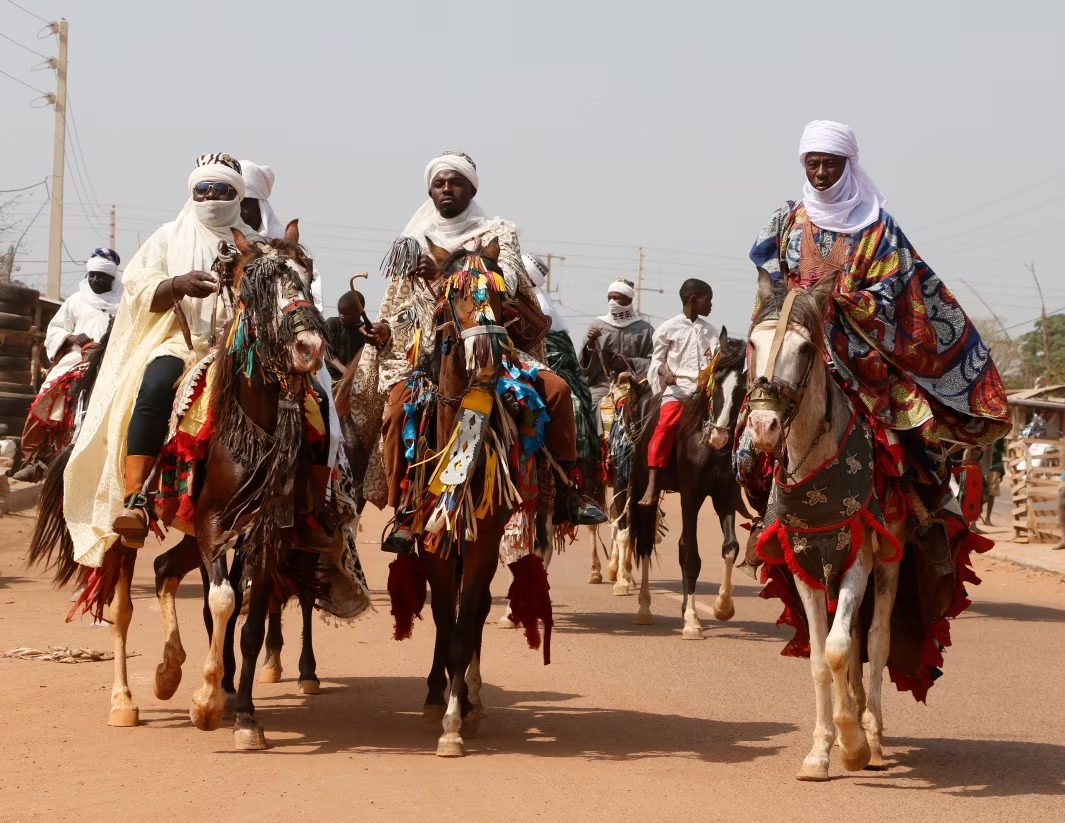
Benin is a country of great ethnic diversity. This is why traditions, culture and the religion of its different communities are appreciated there, as well as their hospitality.
The natural landscape it offers to adventurers of Africa is of unique and exceptional beauty. Each locality has its own "nature": Ouidah with the sacred forest of Kpassé, Grand Popo with its salt island and its bucolic beaches, Parakou and its amazing "mamelles", Natitingou and Akatora, etc.
Furthermore, this country impresses with its historical and cultural sites, some of which are listed as UNESCO World Heritage. Notable examples include the slave route in Ouidah, the royal palaces of Abomey, the "tatas" of Somba country, the underground village of Agongoito, the lakeside village of Ganvie, etc.
This journey from north to south of Benin takes only two weeks, but the memories gathered during this short pilgrimage last forever. It is a circuit full of promises: of dreams, of escape, of magic, of mystery and of activity.
The stages of your journey
Highlights
Day-by-day itinerary
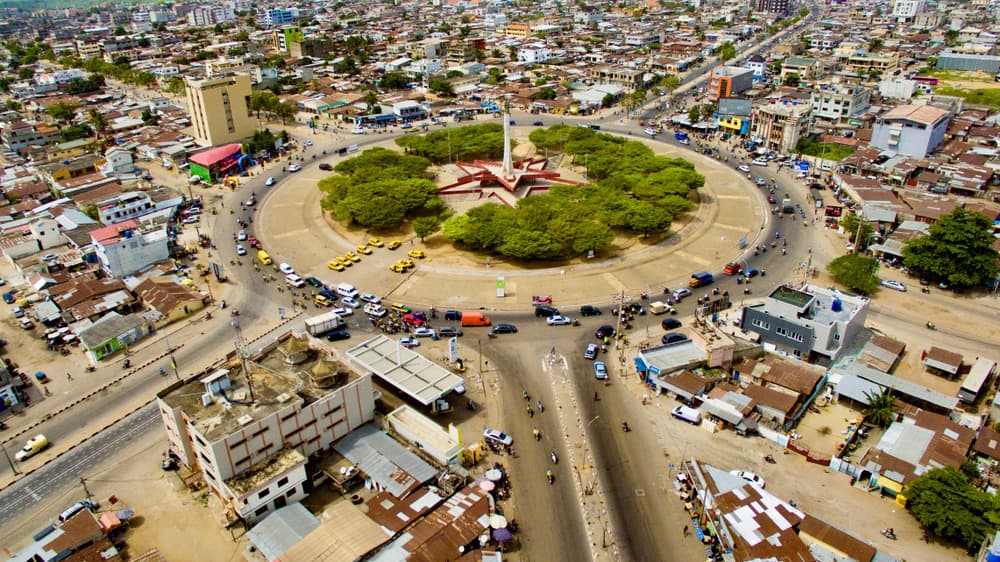
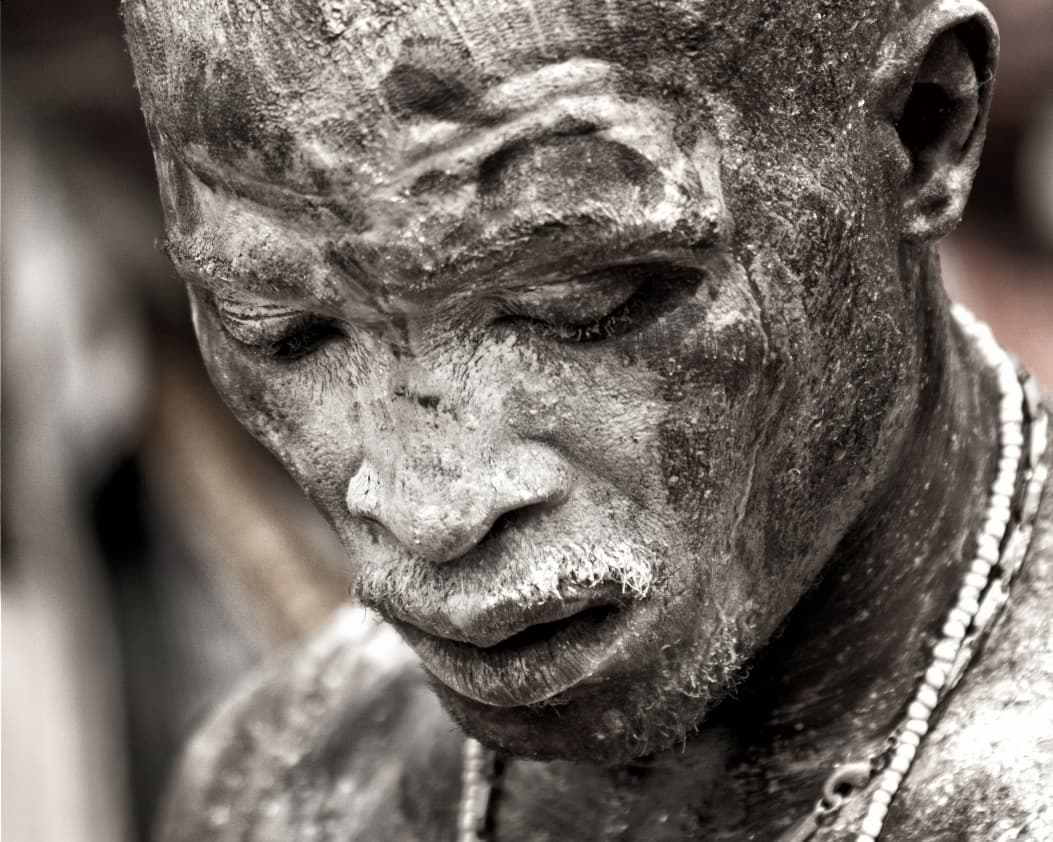
Heading to Ouidah
Our first destination is Ouidah. A city bordering Cotonou, located approximately 40 km from the latter.
Originally, it was a small village named Gléhué and created around the 16th century by a feudal lord of Savé. Later, it was renamed Ajuda in 1721 with the arrival of Portuguese slave traders Huéda and the construction of a fort which served as a slave export point to the Americas, especially to Brazil.
Today we will learn more about this city, about its Vodoun culture, and its people who practice Python scarification.
We take The Slave Route connecting Ouidah with the sea. A long path that passes through Chacha Square (place of selection), the tree of forgetting, the last village, the cemetery and its Zomaï huts, the tree of return and THE GATE OF NO RETURN.
Next, we continue with a visit to the historic center and its colonial houses with Portuguese, English and French architecture.
Then, there is the unavoidable detour: the former slave trade fort which has become the historical museum of the region. We discover several photographs depicting this sad period, as well as images of voodoo and animist rituals.
Our itinerary continues with a tour through The sacred forest Kpassè Zoun. The attractions of this green space are attributed to its imposing centuries-old trees, the iroko tree of the king, its Vodoun temple and its statues representing the voodoo deities.
Drive to Abomey, former capital of the kingdom of Dahomey and discovery of the royal palaces of kings Guèzo and Glélé of the Fon dynasty. The architectural ensemble has been inscribed on the UNESCO World Heritage List since 1985.
At Grand Popo, at the mouth of the Mono
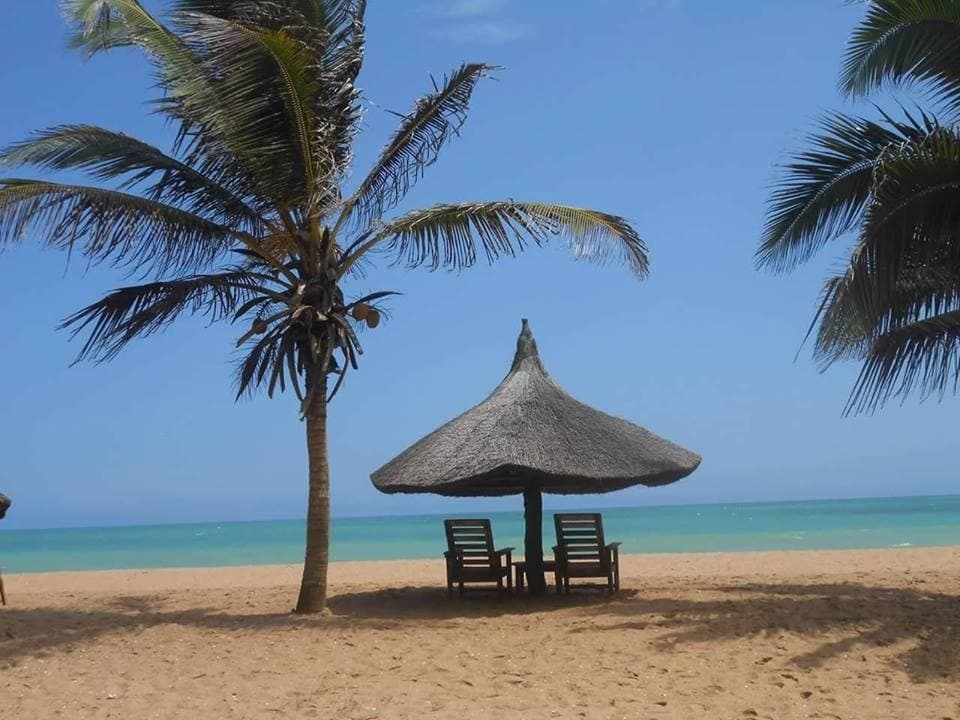
We take the opportunity to discover the fishing village of Grand Popo, not far from Ouidah. This charming town is nestled between the river mentioned above and the Atlantic Ocean.
Our day in this part of Bénin promises to be filled with a walking and/or canoe excursion along the Mono River. Blessed with exceptional natural resources, we navigate towards its salt island and its bird island.
From afar, we catch sight of its idyllic beaches, its blue water, its rows of coconut groves, and the Mouth of the King with its still waters.
Arrival in Abomey
Destination of the day Abomey, former capital of the powerful kingdom of Dahomey. We pass through Lokossa and the village of Sé (town renowned for its remarkable pottery).
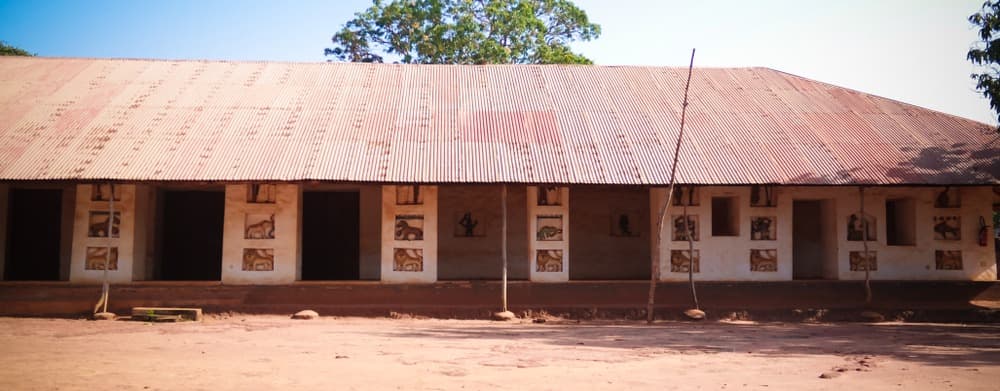
During the day, we finally set foot in the ancient city of the kingdom of Dahomey. We can thus admire its palaces built in earth and wood (iroko, rattan palm).
In the heart of this jumble of royal buildings, a fascinating historical museum opens its doors to us and sparks our curiosity. Since 1943, this gallery has exhibited an astonishing collection of royal objects (photographs, jewelry, weapons, textiles, thrones).
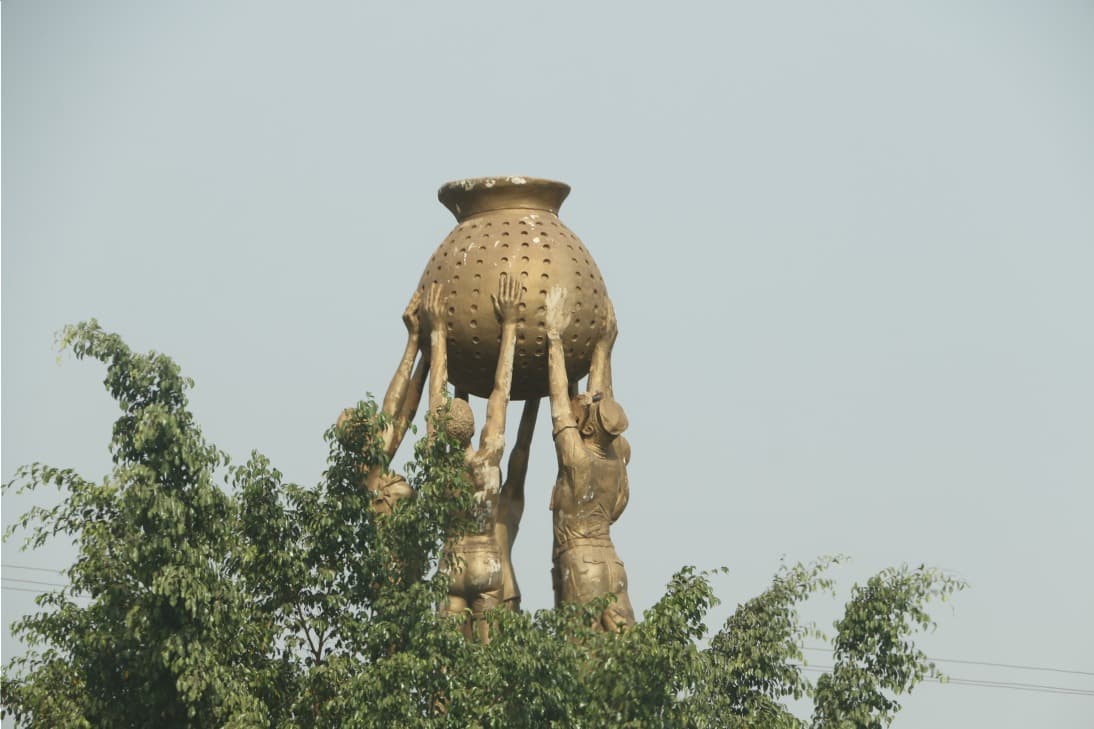
From Abomey to Parakou
Our discovery of Bénin is accelerating. We are leaving Abomey to reach Parakou. To do this, we travel through the city of Savé. A beautiful city surrounded by hills with rounded peaks, called "the breasts". We content ourselves with admiring them from afar.
Once we arrive at The royalty of Parakou, we settle in and gather information about the city.
The latter brings together a large number of ethnic communities including the Fon, the Somba, the Dendi and the Bariba.
It is possible to learn more about these indigenous groups at its ethnographic and open-air museum.
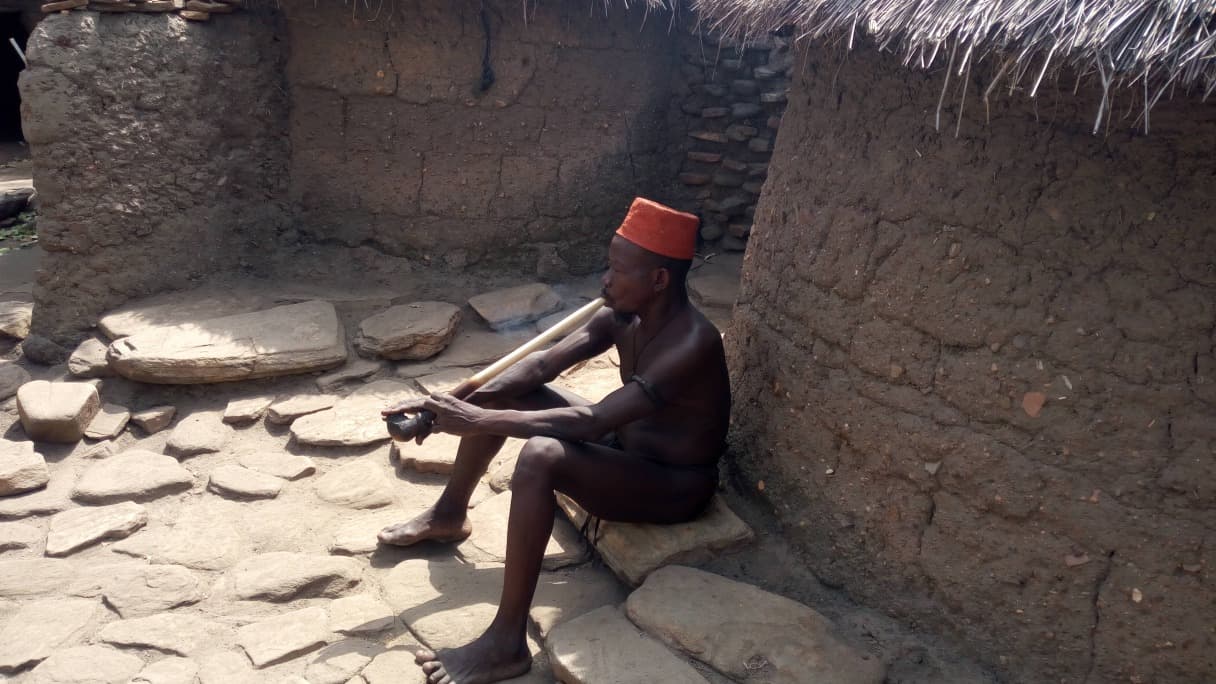
A tour in Djougou
Our program today will be dedicated to Djougou. This bustling commercial crossroads city has a lively market serving as a meeting place for local tribes.
Visitors enjoy exploring its royal palace and its many craft workshops.
A trip to Djougou also includes wanderings through its sacred forests and traditional Tanéka villages. These typically Beninese towns feature houses with very distinctive architecture.
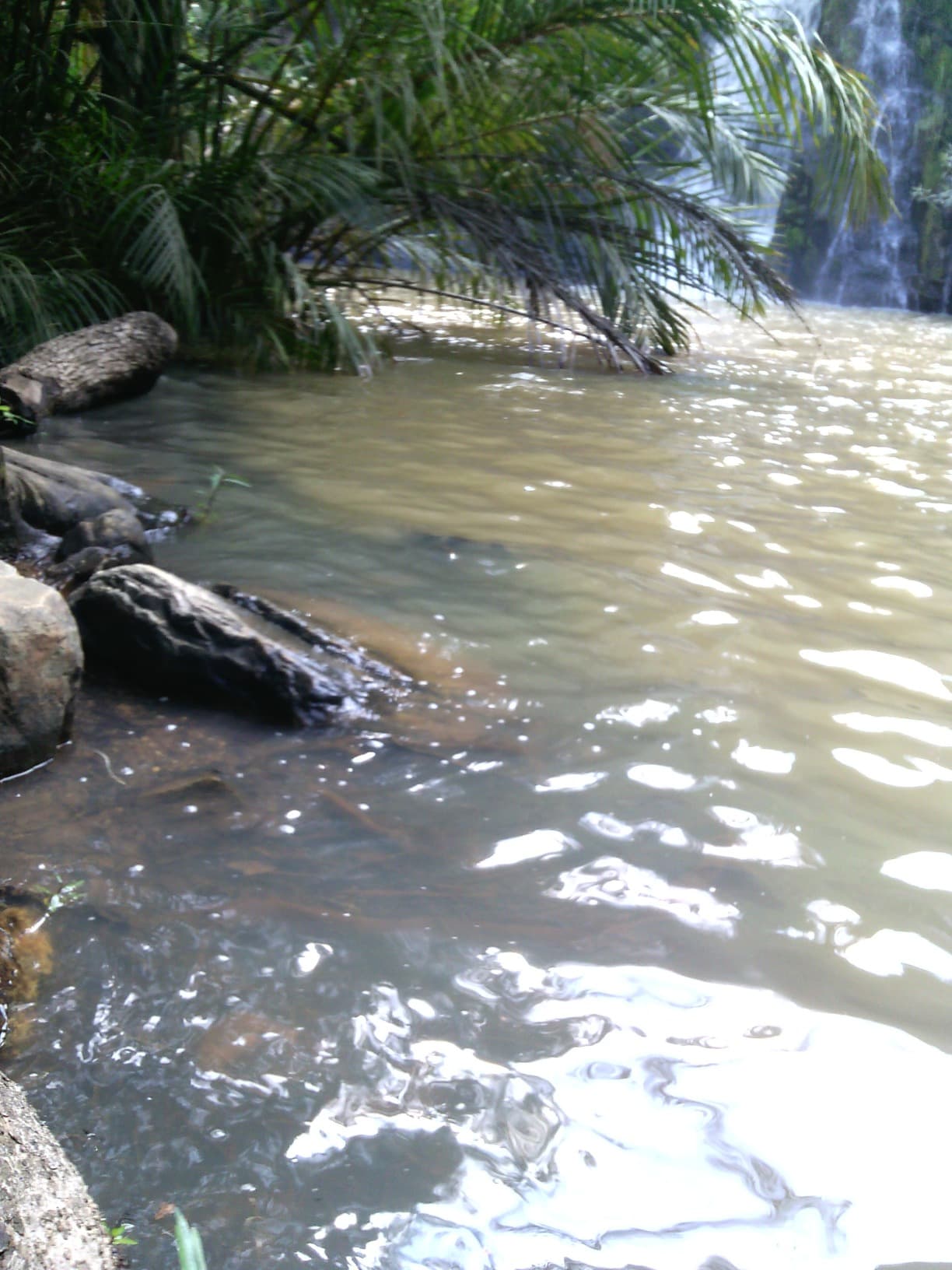
Step towards Natitingou
We are halfway through our north-south circuit.
Midway through, we set off for the timeless Natitingou. The road offers us a breathtaking panorama of the Akatora mountain range.
Upon arrival, we make the most of the rest of our day with a visit to the Museum of Art and Popular Traditions (housed in a colonial building).
You will find a large collection of artworks, photographs, furniture and antique jewelry.
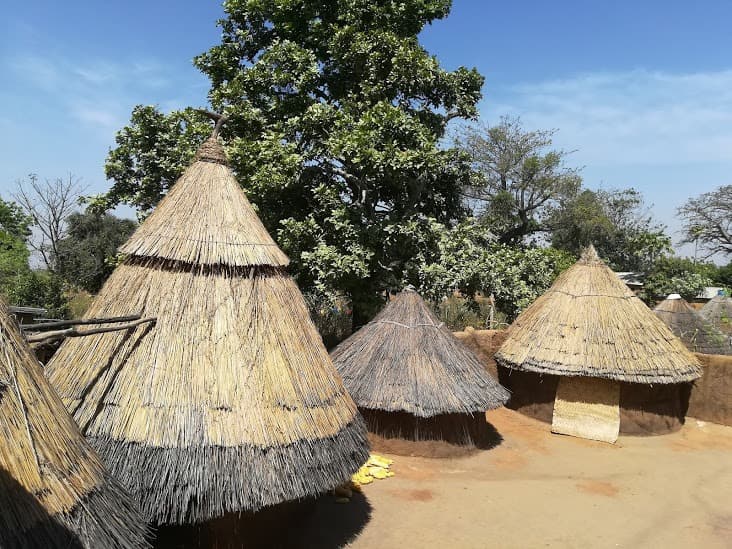
Meeting with the Somba Country
Stationed at Natitingou, we organize our program for today with an getaway to Somba country.
This place is appealing for its traditional villages with atypical features: these are adorned with "tatas" (small single-story fortresses made with local materials). These curious constructions are a heritage of the architecture of the Bétammaribé and Bétiébé minorities.
Meeting with the Peul people, Boukoumbé and Tagaye.
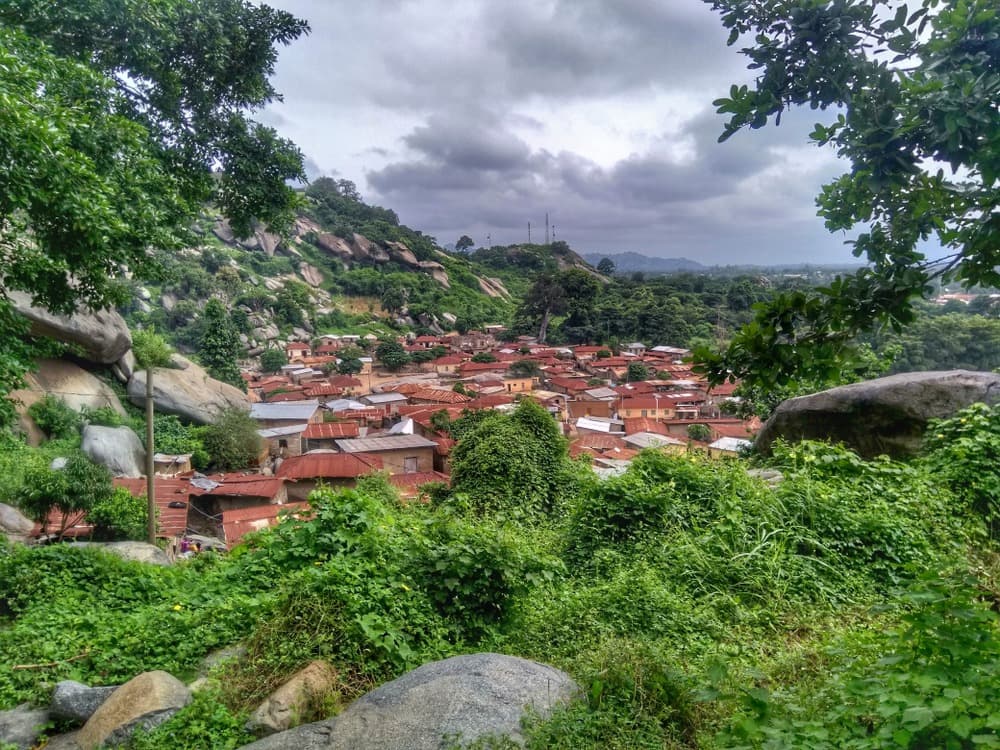
The Dankoli fetish
We continue our journey southwards towards Dassa.
Our crossing is punctuated by a visit to Savalou, a green and wooded area with teak plantations and cashew trees. This region is populated by the famous Mahi, the ethnic group that resisted the kingdom of Dahomey from the 17th to the 19th century.
We take this opportunity to also catch a glimpse of the powerful and venerated fetish of Dankoli, nestled peacefully in its temple.
Next, we head towards the modest farming village of Ouessé.
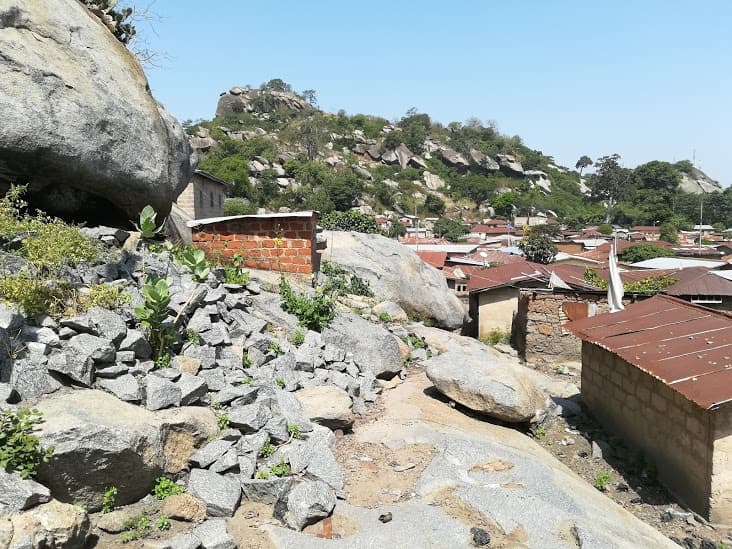
Hippopotamus Observation
Dassa is located in the Zoume region.
We begin the visit with a pirogue cruise on the Ouémé river. It's the ideal attraction to observe hippopotamuses enjoying the freshness of the water.
Next, we head towards the village of Betekoukou, nestled in the heart of high rocky hills.
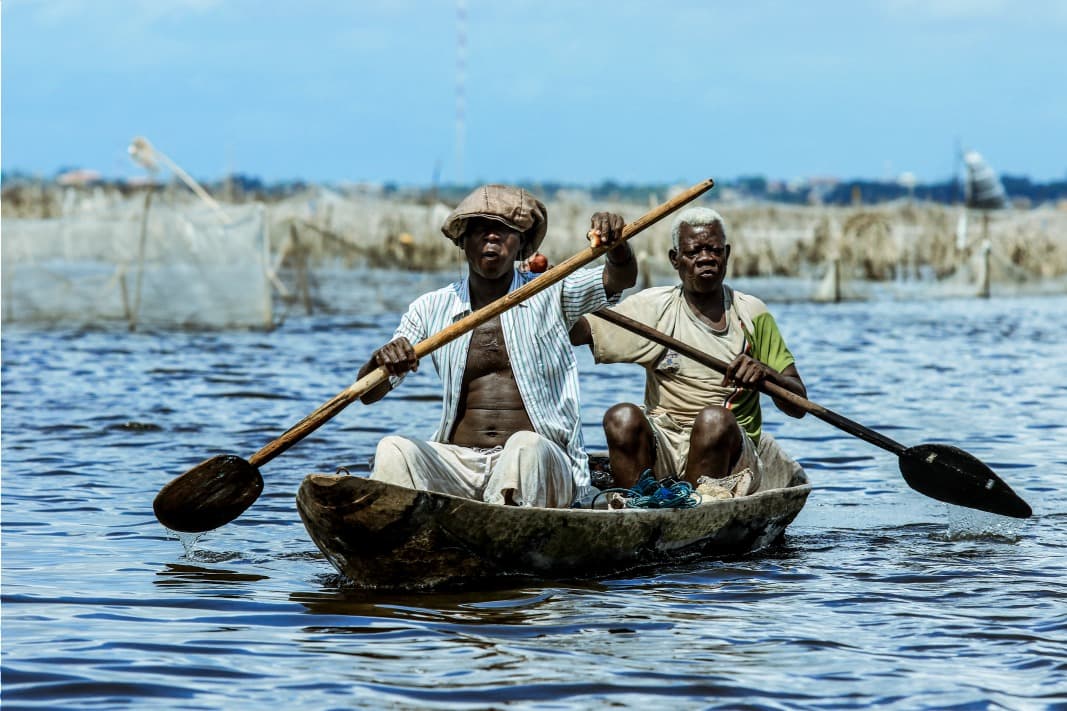
The Venice of Bénin
This other episode begins in Bohicon.
We enjoy wandering through this commercial capital linking the country to Togo and Burkina Faso.
Voodoo Temple, sacred forests, markets, and handicraft products are things not to be missed there.
We set off again for Ganvié. This fishing village is located in the middle of Lake Nokoué. It has been inhabited by the Toffin since the 18th century. A population that hid there to escape the horrors of slavery.
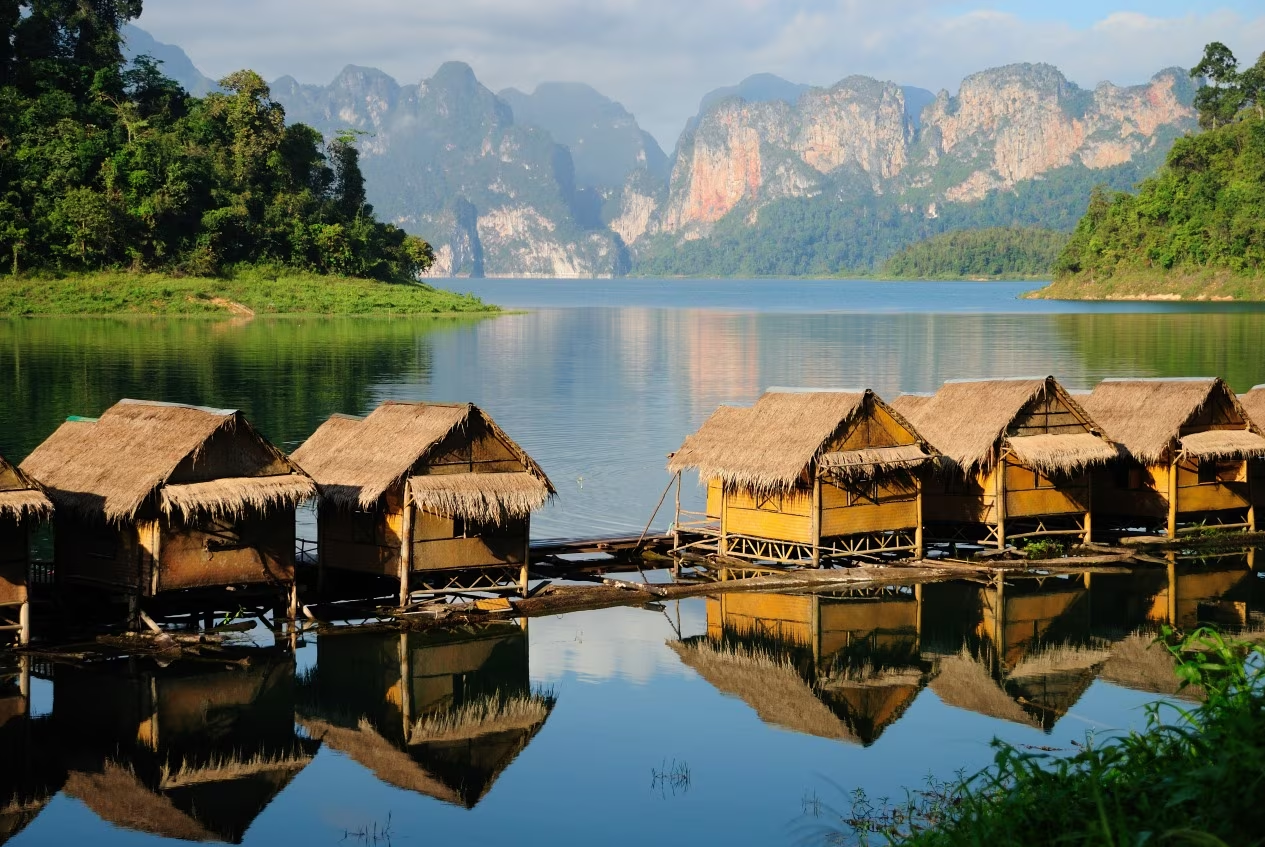
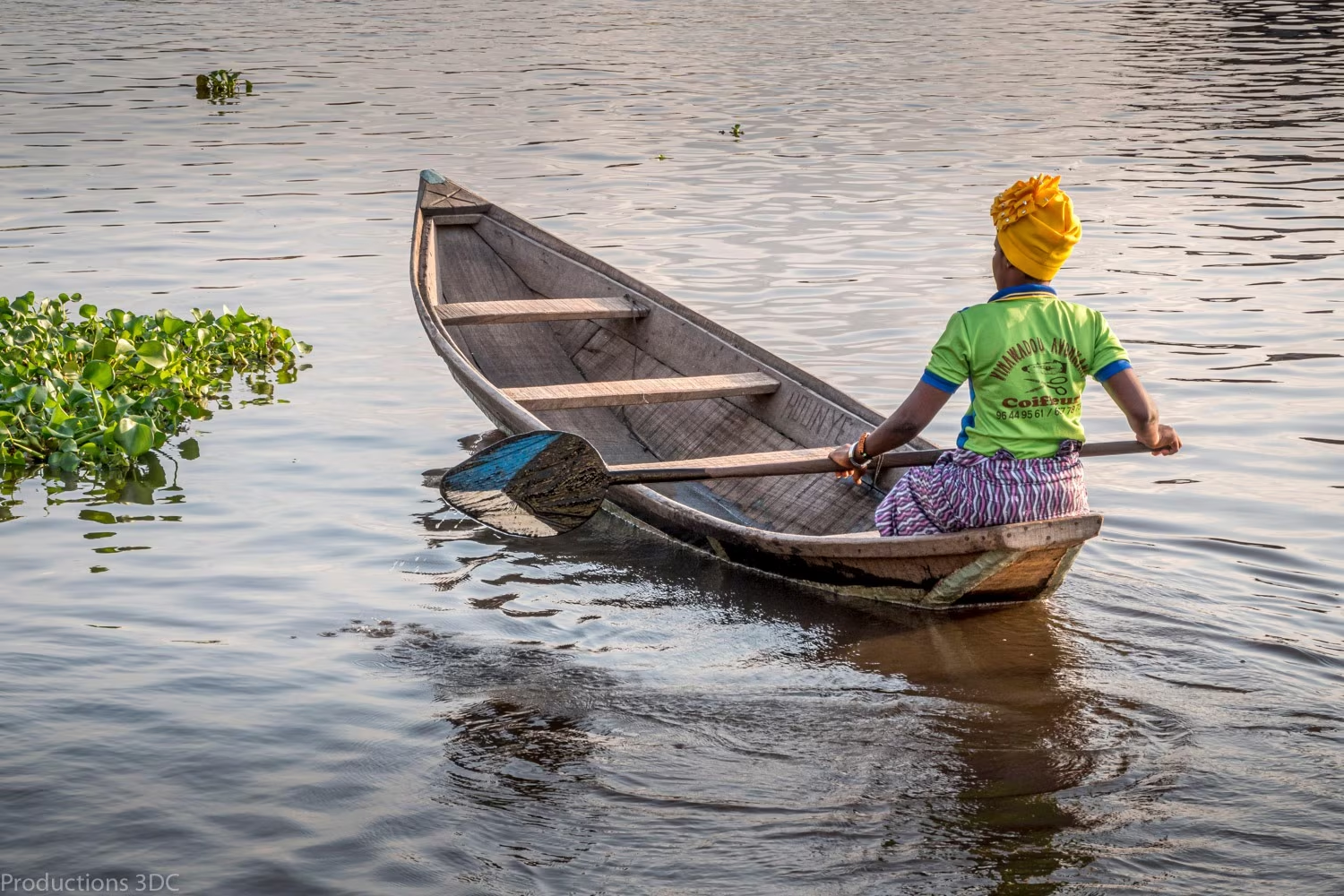
We set out to explore these lakeside lands by canoe. A real highlight, we relish the calm life that prevails there. The bamboo and straw houses on stilts are beautifully arranged in the middle of the lake.
We browse between the lodges and come across its floating markets of fruits, vegetables and fish. A colorful spectacle that would delight many.
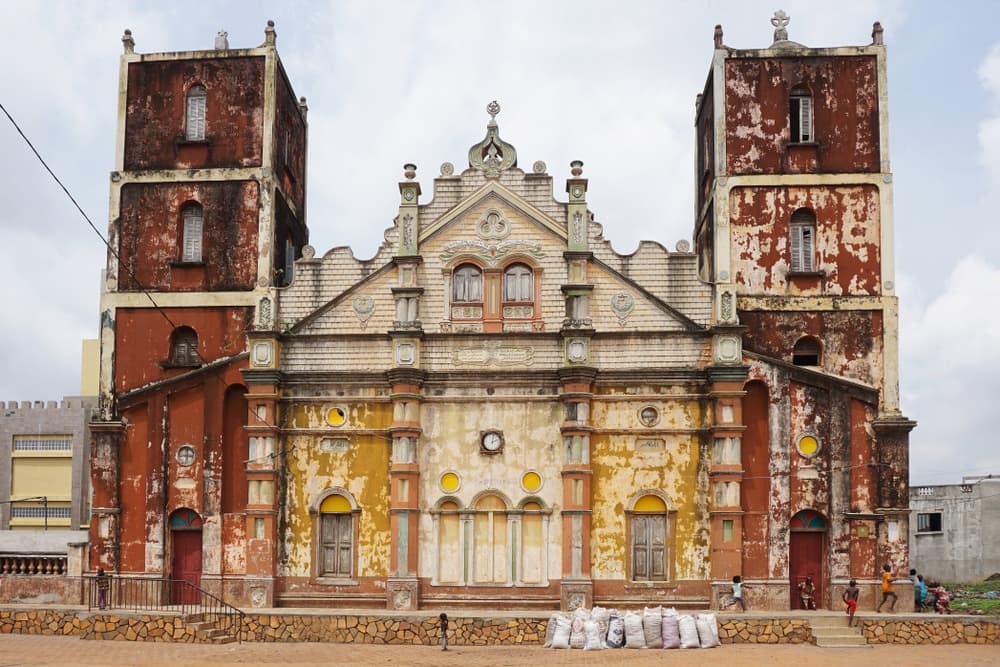
Porto Novo, Last Stop
Route to Porto. We dedicate this day to a journey to this administrative metropolis of Bénin.
It is the capital of the Oueme Department. This beautiful and charming port city stands out for its ethnic diversity and especially for the colonial architecture of its buildings, listed as UNESCO World Heritage (such as its Grand Mosque).
African city as the heart of worship cults of the god Orisha. However, three distinct religions predominate there: Christianity, the Yoruba religion and Voodoo, and Islam.
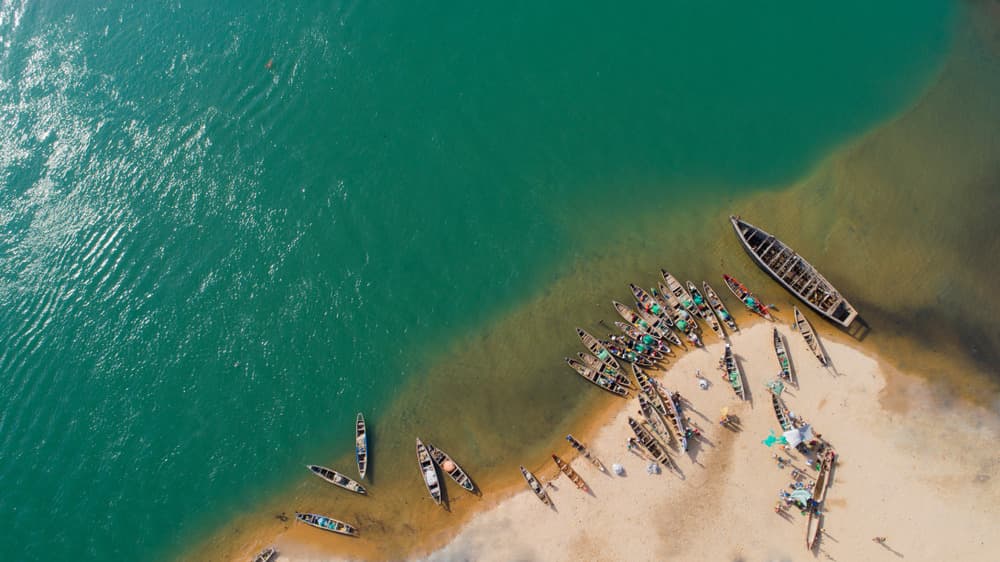
Porto Novo, a city with multiple facets
Visit to Songhai Centre located in the Ouando district. This is a farm established to develop sustainable agriculture in the region
A stroll around the lagoon bordering the "red city", another site listed as UNESCO World Heritage. A city bearing the marks of architecture brought by repatriated Afro-Brazilian slaves.
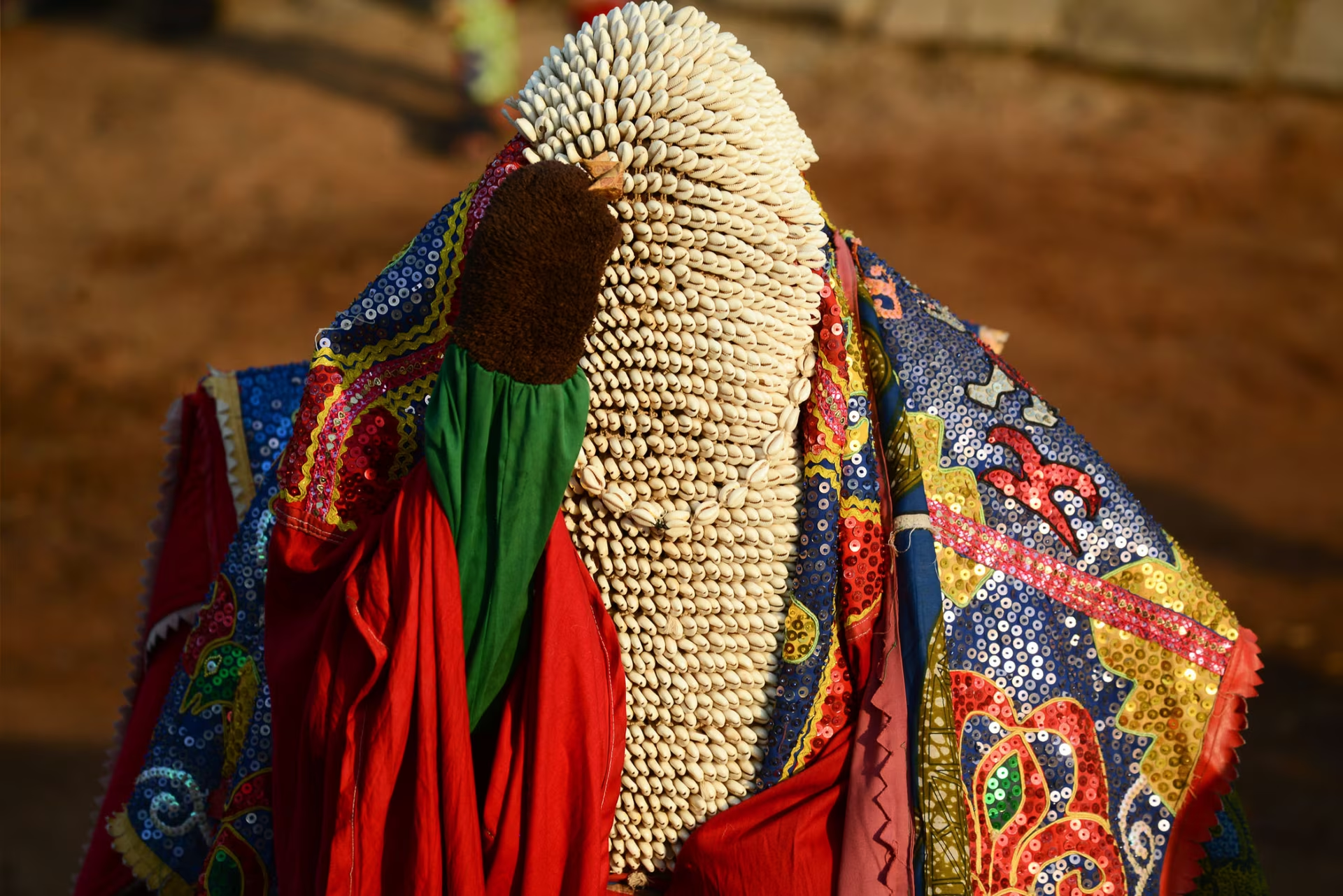
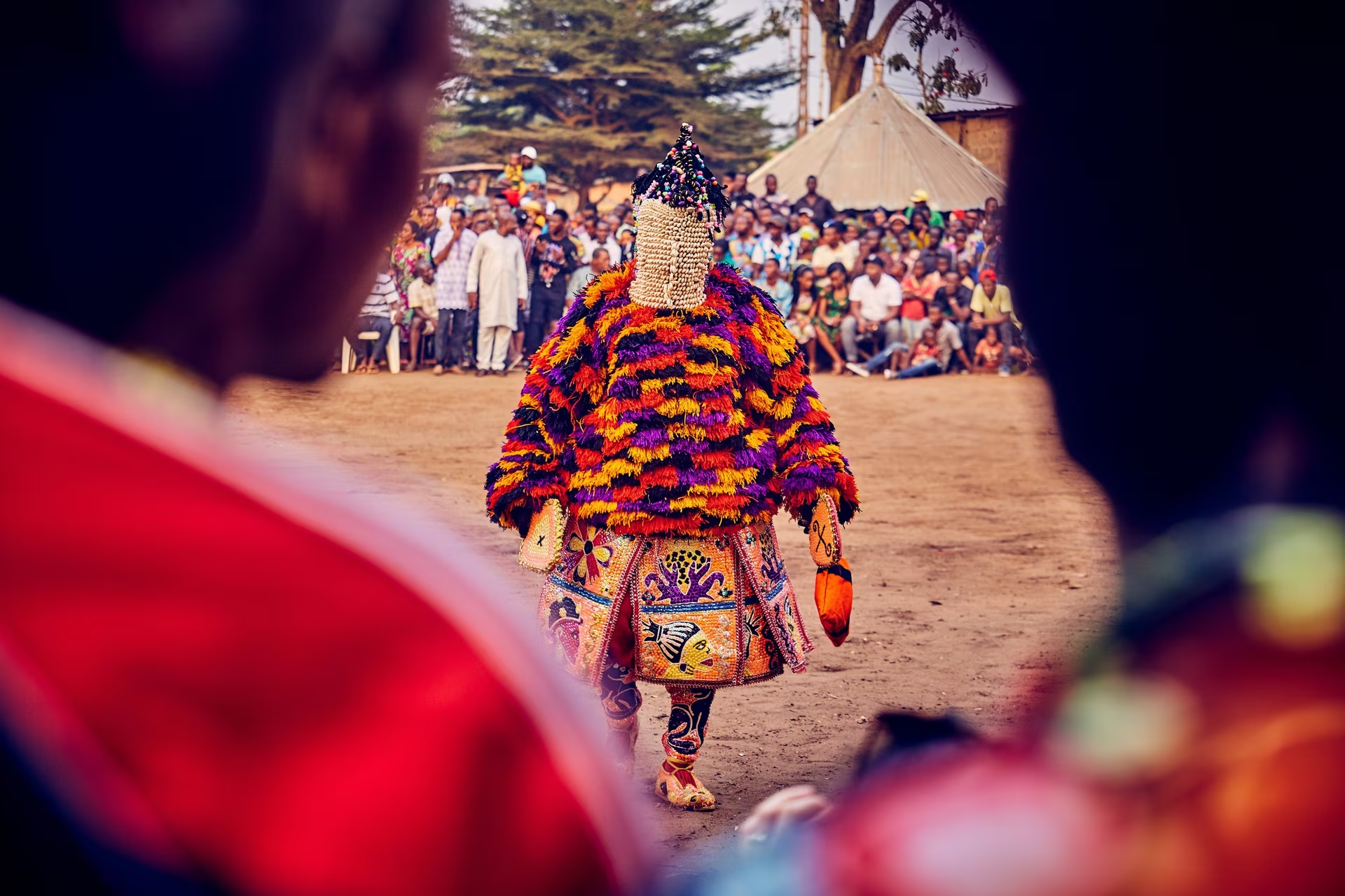
A bit of history and culture with the ethnographic museum. You can admire various indigenous artifacts such as masks of Guelede identity celebration, weapons and musical instruments.
Contemplation of the Great Mosque of Porto. This building is a real treat for the eyes. Its multicolored façades and architectural style are just as beautiful as those of the churches of Salvador da Bahia in Brazil.
The same day, we resume the journey to Cotonou.
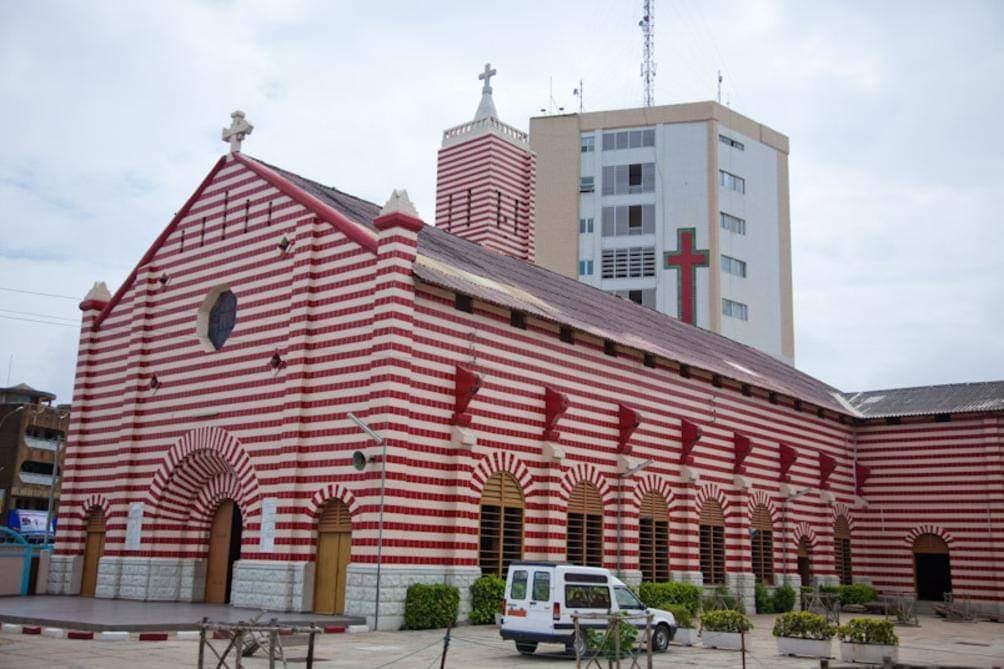
Back in Cotonou
Day of free time. We take advantage of this large metropolis.
Rest and shopping are the order of the day. We stroll through the streets of this capital and through the aisles of its market to find great travel souvenirs.
We spend the rest of our time with delightful walks along the beach.
Price per person
Indicative price per person, based on double room. Each trip is customized according to your preferences.
This trip can be tailored to your preferences
This itinerary provides an excellent foundation for discovery, but it can be fully customized. Our local advisors build each trip tailored to your budget, dates and preferences.
Not included
- Air travel
- Visa fees
- Insurance
- Meals and drinks
- Tips and personal expenses
- The extras
Included
- Accommodation
- The services of an English-speaking coordinator guide
- Transportation throughout the stay (driver and fuel included)
- The activities mentioned
- Site entrances
Practical Information
Registration is considered firm and final after payment of a deposit of 30% of the total price and acceptance of the specific terms of sale.
The balance must be paid no later than 45 days before the departure date.
See our specific terms of sale for full details.
In the event of cancellation by the traveller, the following fees apply:
- Plus de 60 jours avant le départ : 40 % du prix total (acompte retenu)
- Entre 60 et 30 jours avant le départ : 50 % du prix total
- Moins de 30 jours avant le départ : 100 % du prix total
We strongly recommend taking out cancellation insurance. See our specific terms of sale for full details.
The information below applies to travelers who are nationals of the European Economic Area (EEA), Switzerland and Canada traveling to Benin for tourism purposes. Entry requirements may change, so we recommend verifying this information with the official authorities before your departure.
Passport
To enter Benin, your passport must be valid for a minimum of six months after your entry date into the country and must have at least two blank pages for immigration stamps.
The document must be in good condition (no damaged, torn or altered pages).
Visa
Nationals of the European Economic Area, Switzerland and Canada must obtain a visa to enter Benin, including for tourism purposes.
Benin has implemented an electronic visa (e-visa) system, which is the recommended entry method. This visa must be requested online before departure, via the official portal of the Beninese authorities. It is issued for a tourism stay of up to 30 days.
It is also possible to obtain a visa on arrival at certain international airports, particularly at Cotonou (Cardinal Bernardin Gantin International Airport), but the e-visa is strongly recommended to avoid any delays or complications upon entry.
The authorities may request:
an exit ticket from the territory (return or onward flight),
proof of sufficient financial resources for the duration of your stay,
a confirmation of accommodation booking.
Health and vaccinations
Yellow fever vaccination is mandatory to enter Benin. The international vaccination certificate (yellow booklet) must be presented upon entry to the country. Without this document, entry may be refused or vaccination on arrival may be required.
It is furthermore strongly recommended to:
take an antimalarial treatment appropriate to the region, as malaria is present throughout the territory,
keep up to date with routine vaccinations (hepatitis A and B, typhoid, meningitis, tetanus, poliomyelitis),
consult a doctor or international vaccination center at least four to six weeks before departure.
Traveling with children
Minors must hold their own valid passport covering the duration of the stay, as well as an individual visa.
In certain European countries, when a minor travels without one of their parents, an exit authorization may be required according to the regulations of their country of residence.
Other nationalities
Entry requirements may vary depending on nationality. Travelers concerned should inquire with the embassy or consulate of Benin in their country of residence.
To participate in our trips, it is strongly recommended to have repatriation assistance and medical expense coverage abroad.
Your local agency encourages you to review the specific policy developed with our partner CHAPKA ASSURANCES and AXA ASSISTANCE.
To subscribe to an insurance plan, learn about coverage and rates, follow the link below.
CAP EXPLORER: The complete insurance solution designed for a worry-free trip!
Choose the plan that best suits you:
Explorer'Multirisque
Explorer'Annulation
Explorer'Assistance
Explorer' Complémentaire Carte Bancaire
Specific to our trips, we strongly recommend subscribing to one.
If you choose to subscribe to one of these plans, the policy detailing all coverage and claims procedures are available on the insurer's website.
Your local agency will be aware of this, but only the participant is responsible for complying with claims declaration procedures. The participant must therefore keep this policy with them throughout their trip.
Chapka — Cap Explorer
Our insurance partnerTravel with peace of mind with our partner Chapka. Cancellation, repatriation, medical expenses, baggage… All the coverage for a worry-free trip.
Travel with peace of mind — I'll handle the insuranceFrequently asked questions
An e-visa is required and must be requested online before departure. Processing takes 48 to 72 hours. Your passport must be valid for at least 6 months after your entry date. A yellow fever vaccination certificate is mandatory. The conditions for obtaining the e-visa (fee, validity period) vary depending on your nationality. We recommend that you verify the rules applicable to your situation with the consular authorities of the destination before booking your trip.
Go to the My Trips section to find all your projects.
You can send a message to your host directly from the Tea Lounge.
For a tailor-made quality trip, plan between 120 and 210 euros per day and per person, including accommodation, meals, internal transport and English-speaking guide. International flights (700-1100 euros return) are additional. Benin is an authentic destination, the birthplace of Voodoo.
Your documents are accessible in the Documents tab of your trip.
Absolutely. We adapt every itinerary to match your travel profile. For families, we prioritize relaxed paces, family-friendly accommodations, educational and entertaining activities, and comfortable private transfers. Our local English-speaking guides know how to captivate children with age-appropriate anecdotes.
It's simple. You exchange with our local team to define your wishes, budget and dates. You receive a detailed itinerary proposal within 48 hours. You refine every detail together until it's perfect. You confirm and travel with peace of mind. Your local agency remains available 7 days a week throughout your trip.
In case of emergency, contact your local agency immediately.
Payment is generally made in two installments.
Our agency is part of the Nomadays network, registered in France. You benefit from APST (Association Professionnelle de Solidarité du Tourisme) guarantee which covers 100% of your funds. Secure payment, repatriation insurance included, and English-speaking assistance 24/7 on the ground throughout your stay.

Let's talk about your adventure — Historic South
Cultural bridge builder across West Africa, based in Bénin
We understand Benin through the colors of a market, the rhythm of a drum, and the warmth of a welcome
— Isaac