Pamir Trails to the Wakhan
Connect Barchidev to Vrang during a long trek with support across the Sarez basin, the Ghunt valley and the Shakhdara valley. The itinerary combines sections 8 and 9 of the Pamir Trail, taking the Zaroshkul connection rather than the route passing through Chapdarkul.
Duration
25 days
Ideal seasons
Jun, Jul, Aug, Sep
Style
Guided tour
Comfort
rustique
Travelers
groupe
The spirit of travel
Connect Barchidev to Vrang during an extended supported trek across the Sarez basin, the Ghunt valley and the Shakhdara valley. The itinerary combines sections 8 and 9 of the Pamir Trail, taking the Zaroshkul link rather than the route via Chapdarkul. Nights in the villages of Bachor and Rubot alternate with bivouacs before the challenging crossing of the Vrang pass and the descent towards the Wakhan.
The stages of your journey
Highlights
Day-by-day itinerary
Arrival and expedition briefing
Check your personal equipment and the load transport plan for the different valleys. The briefing also covers resupply in villages and places where the itinerary can be adapted. Use the remaining time to rest and make final preparations before traveling on mountain roads.
Douchanbe Airport → Hôtel À Douchanbé
Meet the expedition team and join your hotel.
From Dushanbe to Kalaikhumb
Provisions and spare equipment are checked before the transfer to the more remote Bartang region.
Douchanbé → Kalaikhum
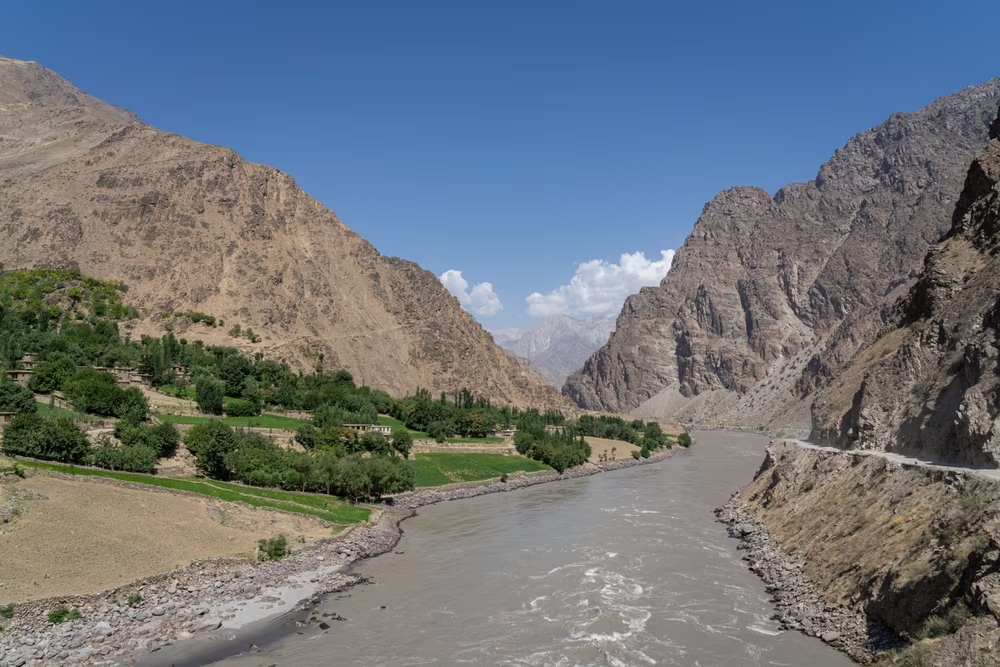
Cross the Kulob corridor heading towards Darvoz and the Panj River. Sightseeing remains secondary to reaching your planned overnight destination, with regular stops along the way. Arrive at Kalaikhumb, dine at the guesthouse and reorganize your trekking baggage.
From Kalaikhumb to Barchidev
The village marks the beginning of the hiking crossing and serves as the last base point for distributing provisions. Meet your hosts and the portering team. A short walk through the village may be possible before dinner, depending on your arrival time.
Kalaikhum → Barchidev
Continue towards Rushan, then follow the Bartang road towards Nisur and Barchidev.
Acclimatization and preparation in Barchidev
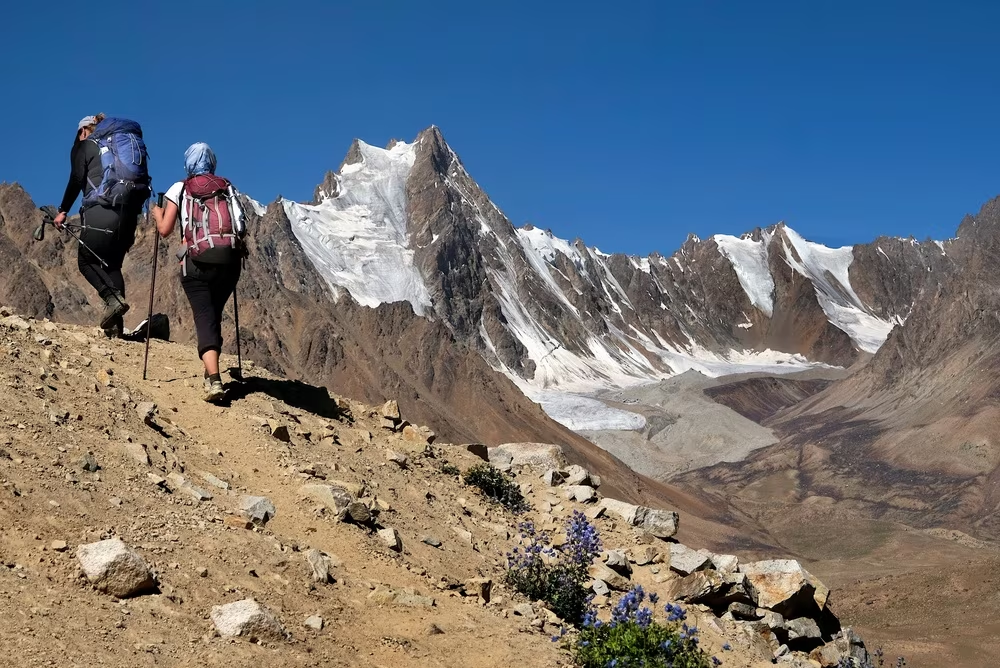
The guide checks the approach trail, permits and campsites, while the team organizes the loads to carry. Take stock of the transfer to Sarez and conditions further along the route. This break allows the group to adapt before several consecutive nights away from the road.
Stay in Barchidev for a walk around the surroundings and final equipment preparations.
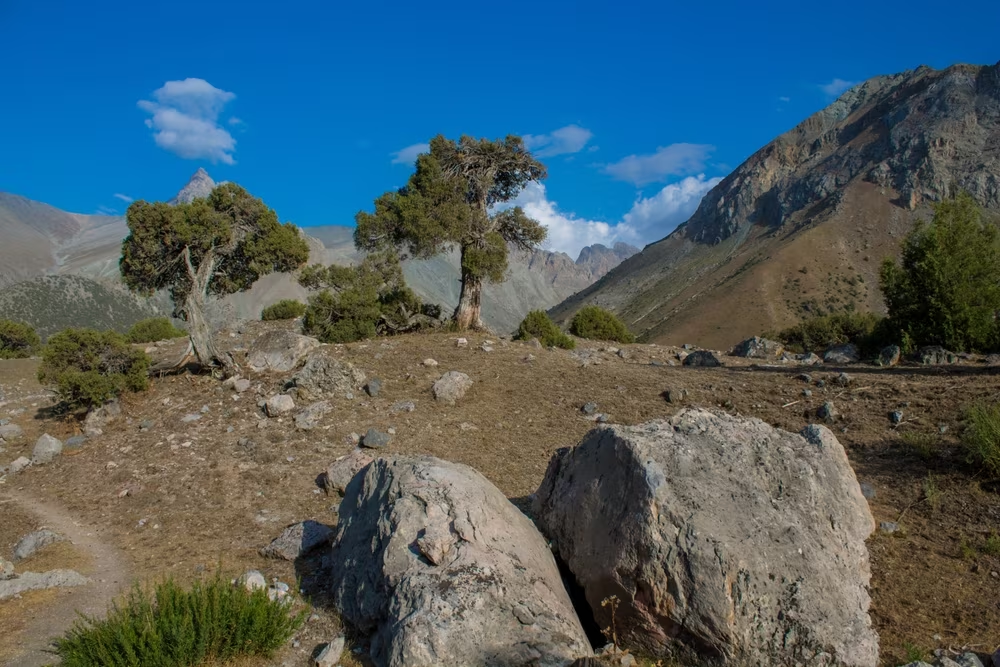
From Barchidev to the intermediate base camp
Supplies are transported to an intermediate camp, which makes it possible to spread out the climb before reaching the lake. The route follows trails whose condition varies, and the guide adapts the pace to exposed or damaged sections. The camp location is chosen based on water availability, terrain, and a sleeping altitude suited to the group.
Barchidev → Sarez
Begin the mountain approach towards Sarez.
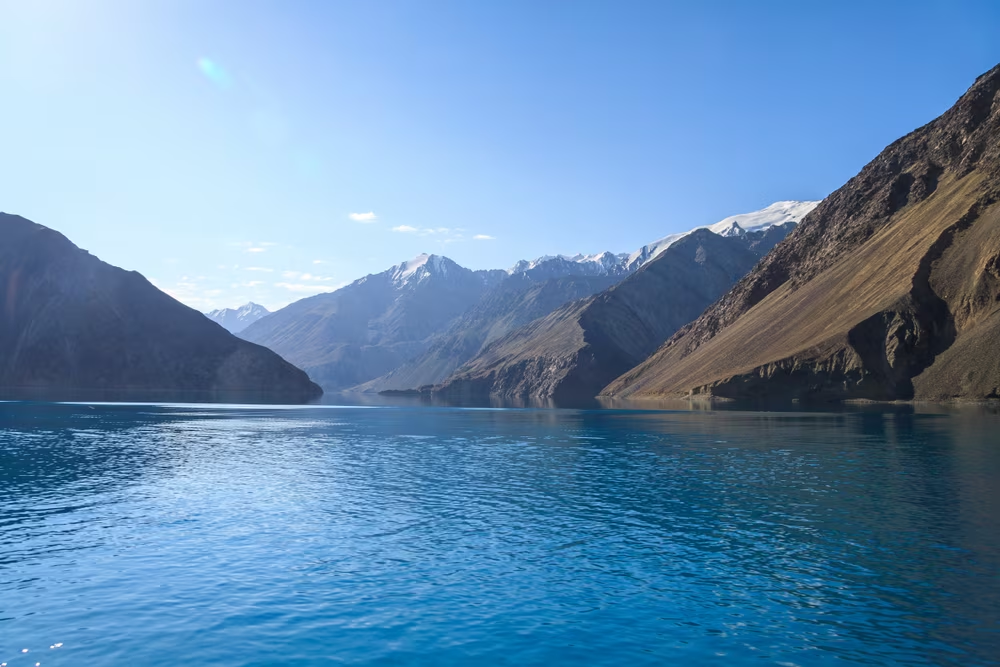
From the Sarez Base Camp
The team confirms again the arrangements with the boat operator and the landing procedures for the next stage.
Camp D’Approche → Sarez
Complete the climb to Sarez and the Usoi area, in accordance with applicable access permits.
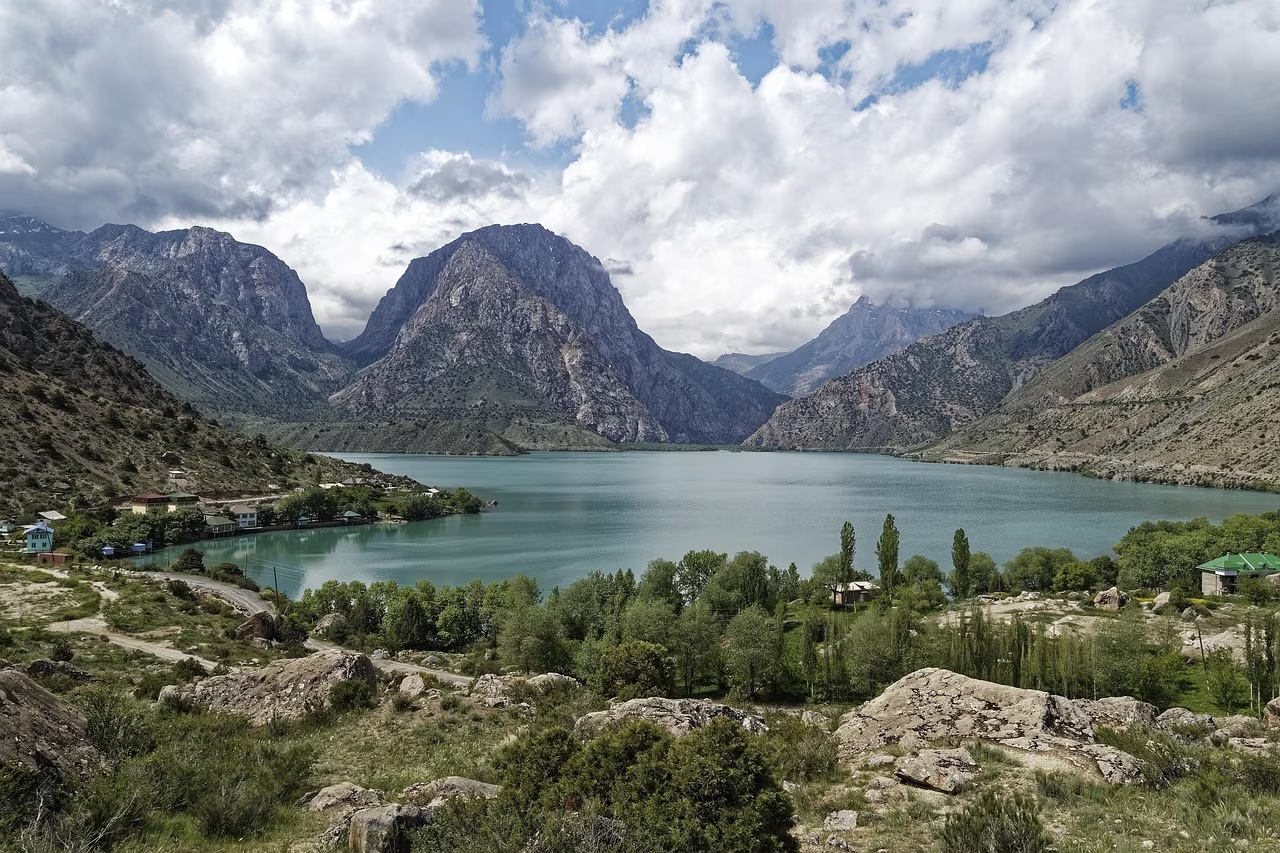
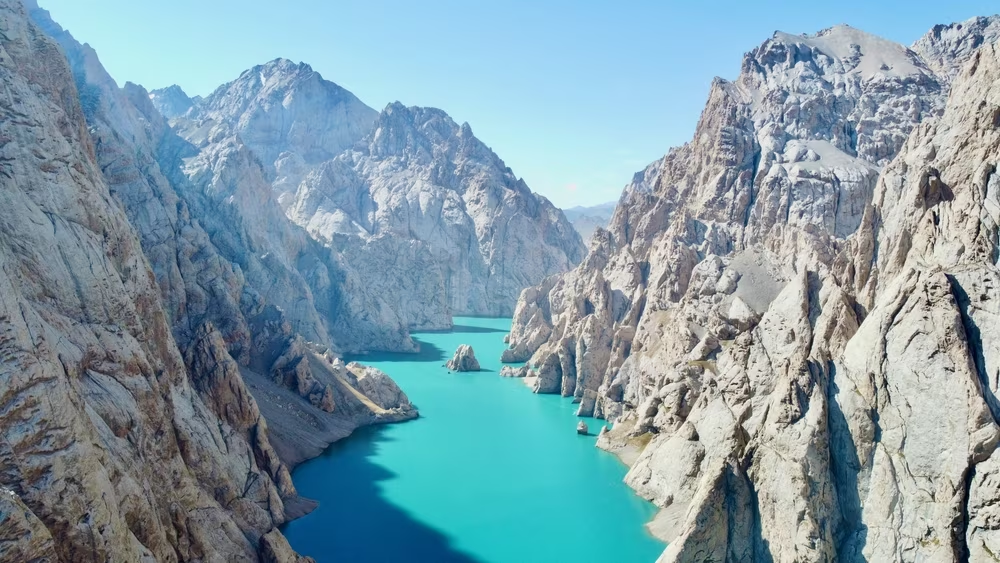
Discover the lake formation and its environment in the valley before settling into camp. Plan quiet activities for the rest of the day, with possibly a walk to a nearby viewpoint if conditions permit.
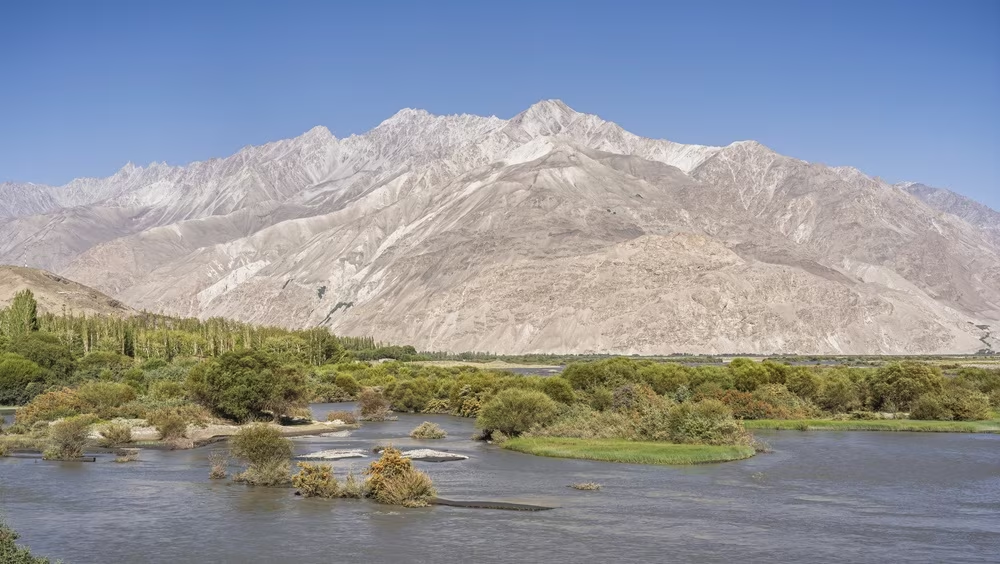
From Sarez to Irkht and Langar Valley
This mountain valley is distinct from the village of Langar, in the Wakhan. Follow your guide's directions regarding walking pace and campsite location. Weather conditions or boat-related restrictions may impose a delay, which will be managed in accordance with the agreed contingency plan.
Sarez → Irkht
Take the authorized boat connection heading to Irkht.
Irkht → Vallée De Langar
Then walk to the Langar valley, located in the Sarez basin.
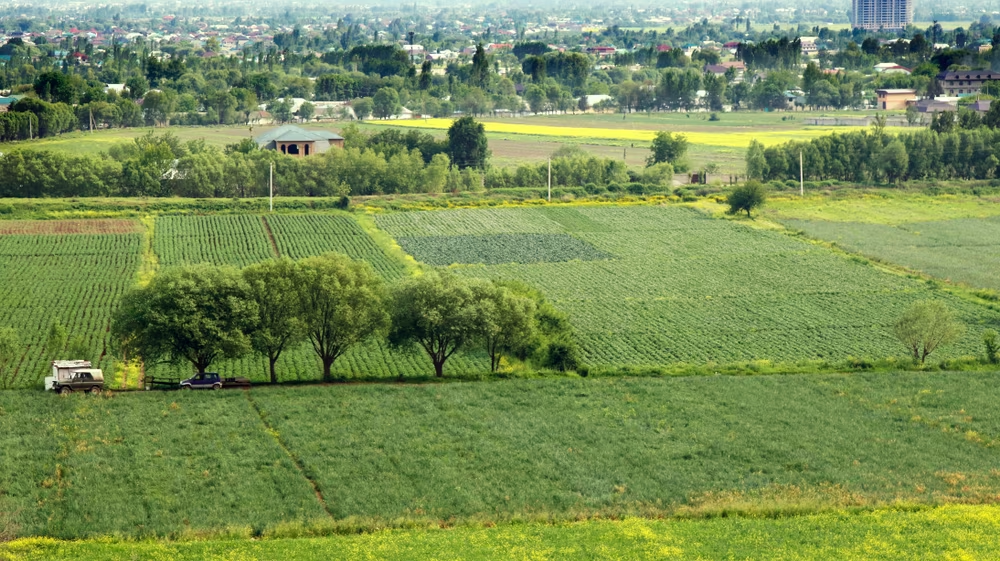
From the Langar valley to the upper pasture camp
The location of the overnight stay is chosen based on the quality of the terrain and the availability of water. Encounters depend on the people present on site. This shorter stage allows you to break up the climb towards the high-altitude lakes. Rest in the afternoon while the guide examines the conditions of the pass planned for tomorrow.
Vallée De Langar → Camp Des Pâturages Supérieurs
Continue towards the seasonal pasture area locally associated with Zaurbek camp.
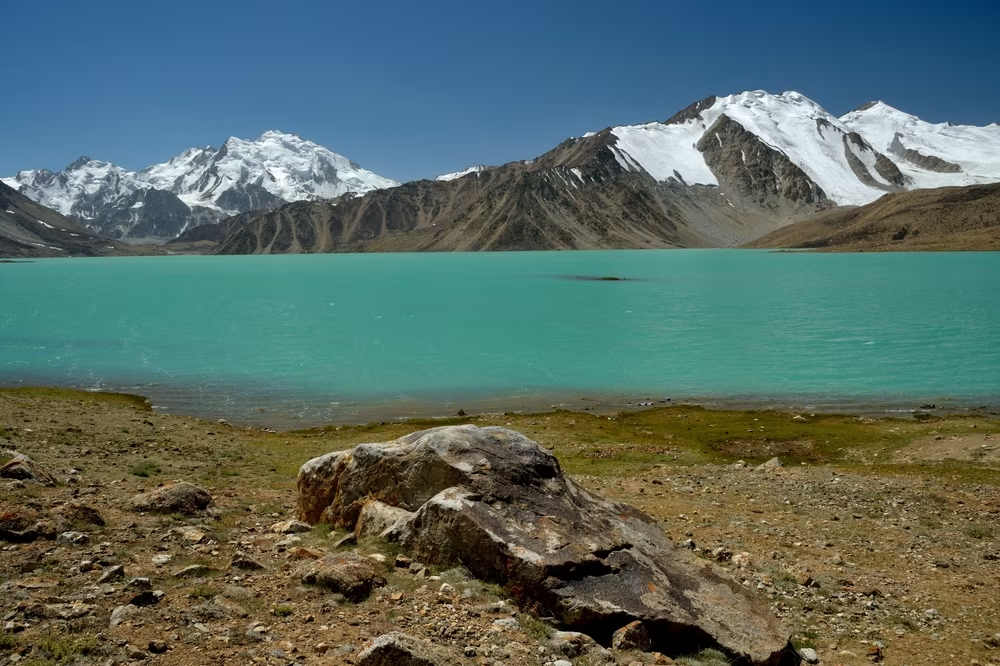
From the Higher Pastures Camp to Zaroshkul
The lake is the destination for the day, while the exact location of the camp depends on water availability and the presence of suitable terrain. The team can modify the approach if snow remains on the connecting pass. Once you arrive in the high-altitude basin, limit activities around the camp to prioritize rest.
Camp Des Pâturages Supérieurs → Zaroshkul
Head up to the Zaroshkul basin following the route chosen by your guide.
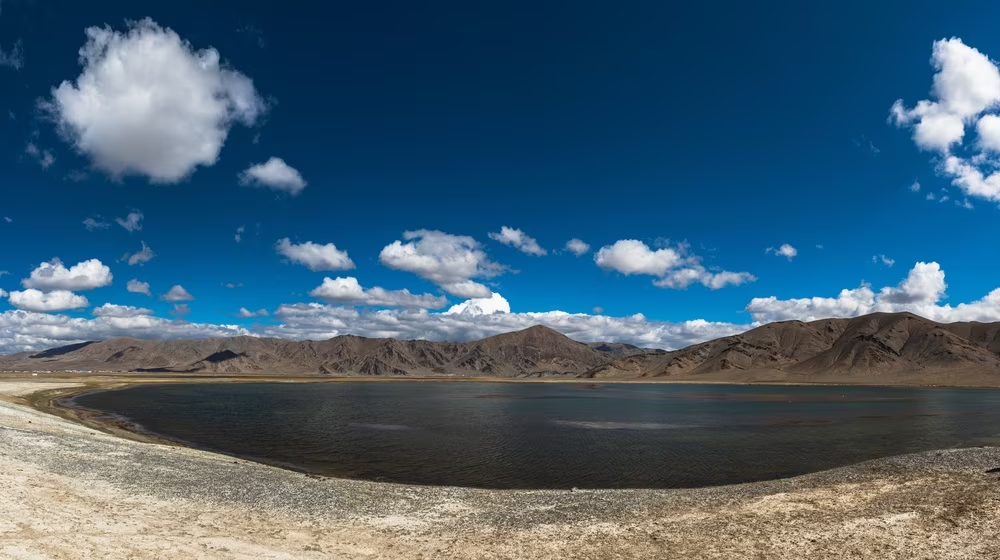
From Zaroshkul to Kafkrud and in the Kavk region
Access to hot springs is a possibility, and not a guarantee of having a bathing facility. The lower camp marks a change after the high-altitude pool.
Zaroshkul → Kavk
Leave Zaroshkul and descend through a series of lakes and valleys heading towards Kafkrud. The route follows the connection of section 8 towards Bachor, with a camp in the Kavk region.
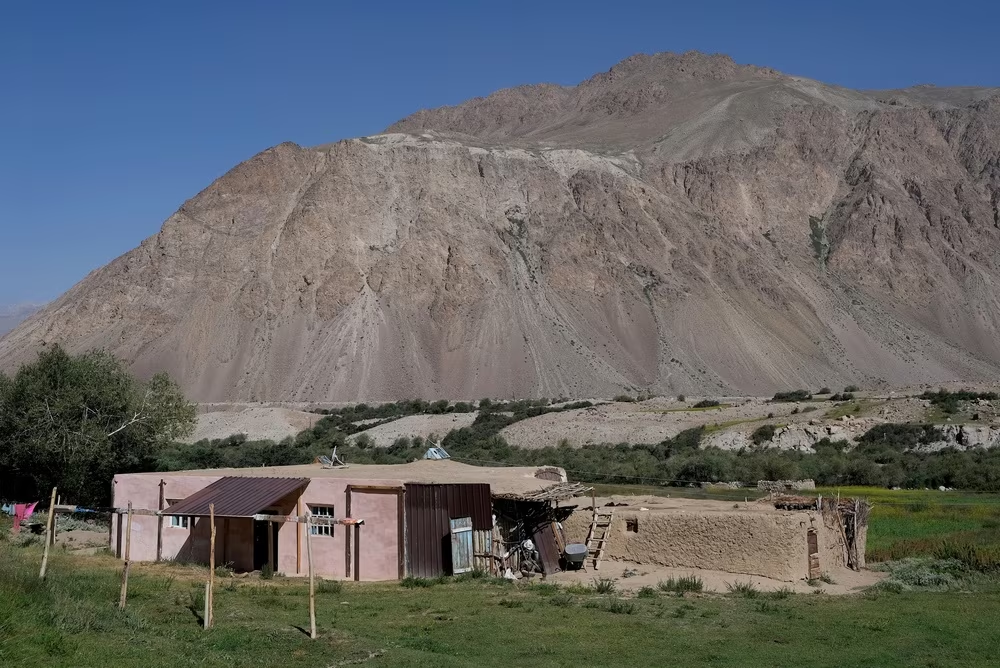
From Kafkrud to Bachor
Stay with a local family and meet up with the team in charge of vehicles for resupply. Spend the afternoon washing and resting before continuing your crossing.
Kafkrud → Bachor
Follow the valley to Bachor, passing from open pastures to a permanent settlement area. This stage marks the end of the Sarez–Zaroshkul section and provides access back to the road.
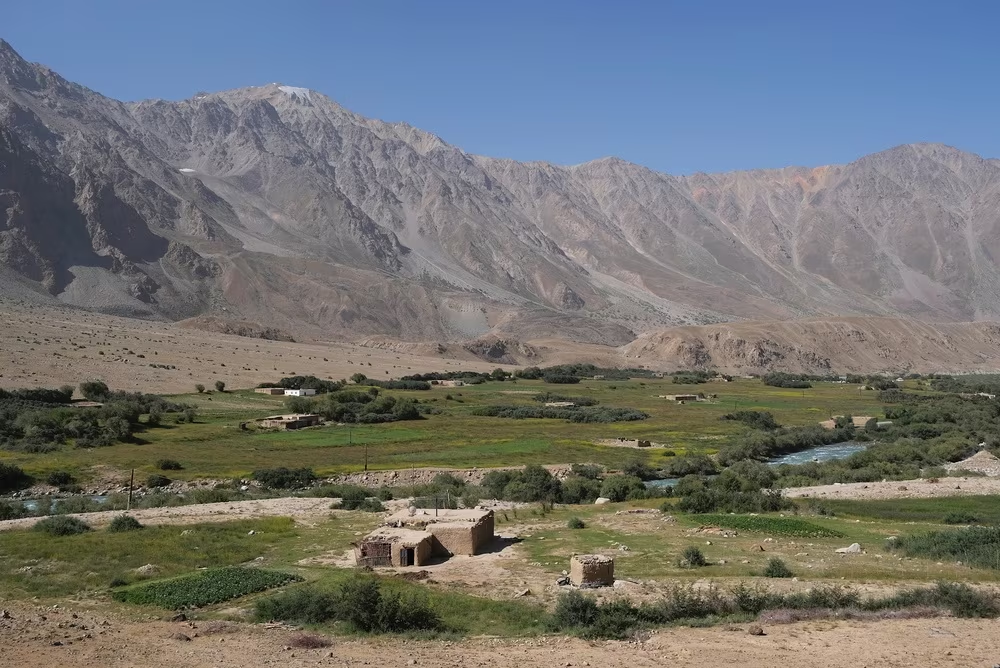
Rest and replenishment at Bachor
Spend a day in Bachor while the team replenishes food supplies, checks equipment, and reorganizes porter support. Recovery remains the main objective. This day can also allow for absorbing any slight delay that may have occurred during the Sarez section, provided this does not compromise the guide's assessment of the rest of the trek.
Take a stroll around Bachor if you wish.
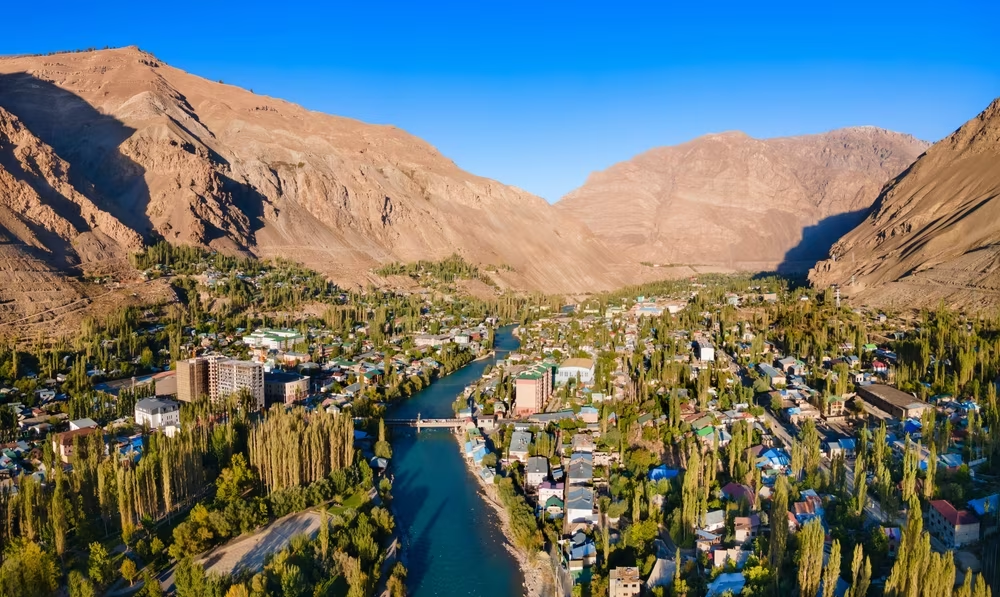
From Bachor to the Duzakhdara Trail Trailhead
Set up camp near the next climb to maintain continuity of the crossing.
Bachor → Duzakhdara
Continue on foot via the Ghunt valley connection towards Duzakhdara. The sections of trail and road make this stage a long day of travel rather than a pass crossing. Support vehicles can transport supplies, and a shortened walking option can be arranged in advance.
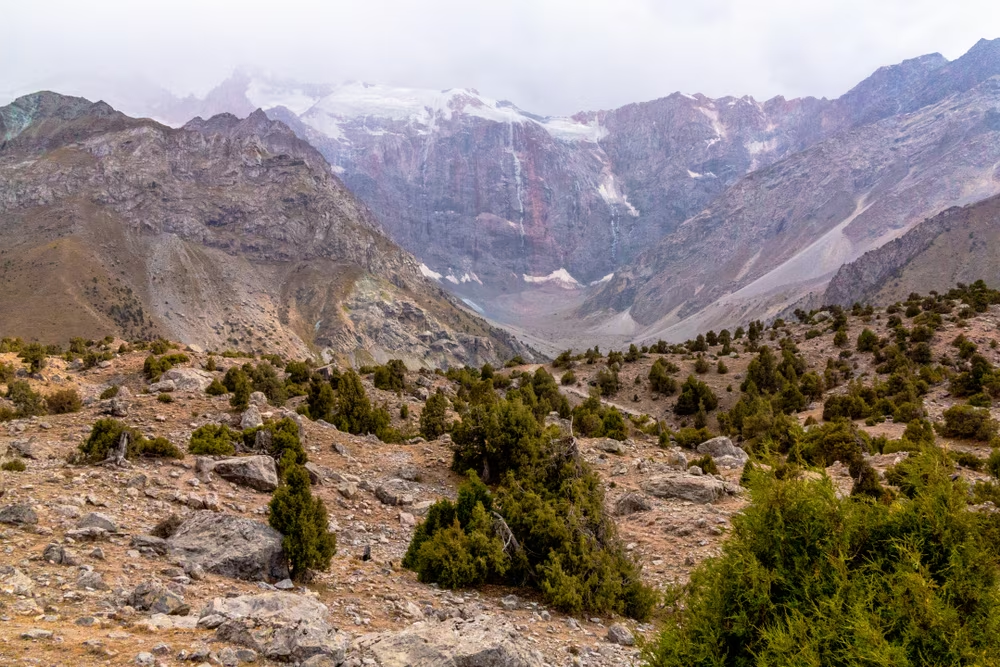
Ascent of Duzakhdara Valley
The guide chooses a campsite on the north slope, adapted to water availability and the next day's crossing. Arrive early enough to examine the rest of the itinerary and prepare for weather changes at altitude.
Duzakhdara → Duzakhdara
Venture into the Duzakhdara valley and climb toward the mountain pass approach. The route leaves the main valley and takes more varied mountain trails.
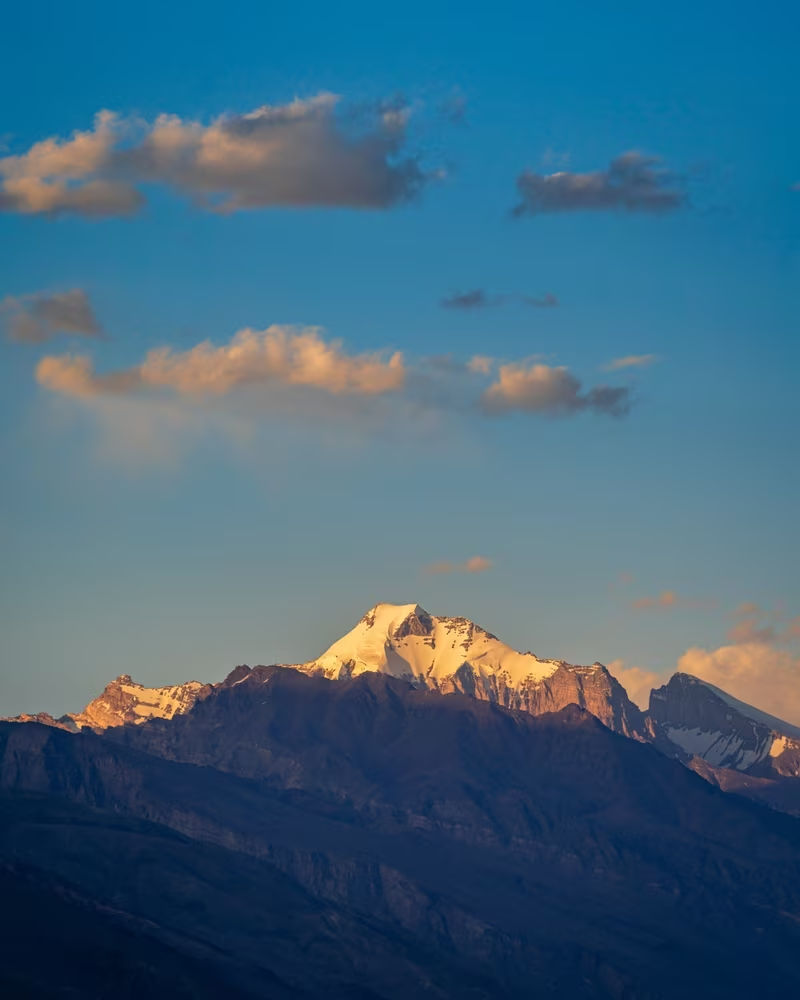
Crossing from Duzakhdara to the South Slope
The guide checks the snow conditions and terrain stability before heading to the pass. Photo stops depend on the weather and the group's pace.
Duzakhdara → Versant Sud
Cross the Duzakhdara watershed divide when conditions permit, moving from the Ghunt slope to the Shakhdara slope. Descend to your chosen campsite on the southern slope, without combining the crossing with an additional stage to a village.
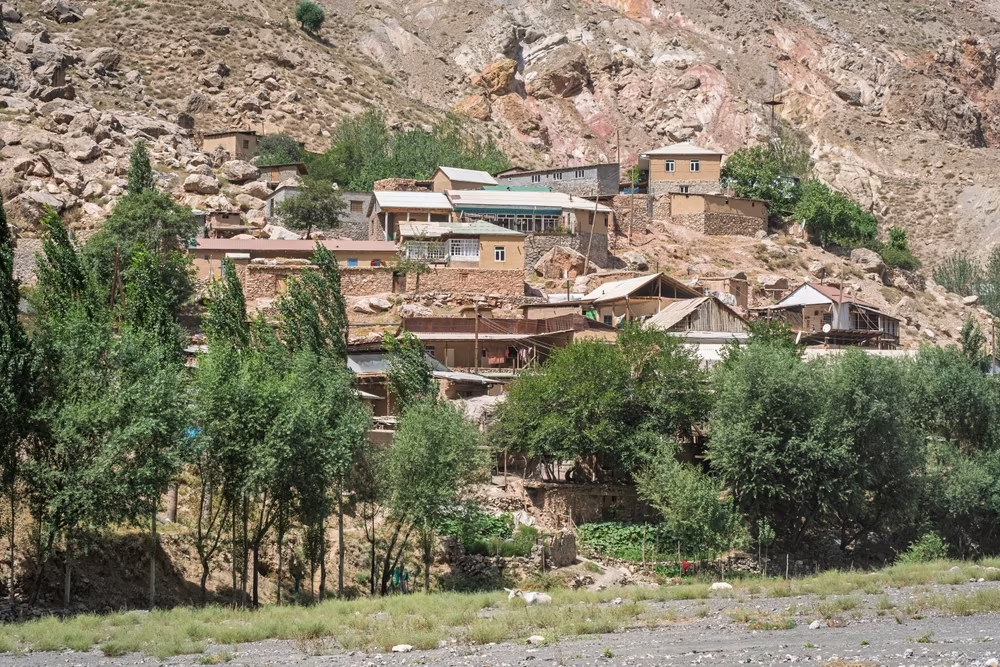
From the south of Duzakhdara to Rubot
Meet your hosts and settle in with local families. This step takes the group to the Shakhdara region and provides local access to supplies. The guide examines the approach to Vrang with local contacts, relying on the most up-to-date information regarding the pass and descent.
Duzakhdara → Rubot
Follow the valley towards Rubot, where dwellings and cultivated plots replace the camping landscapes.
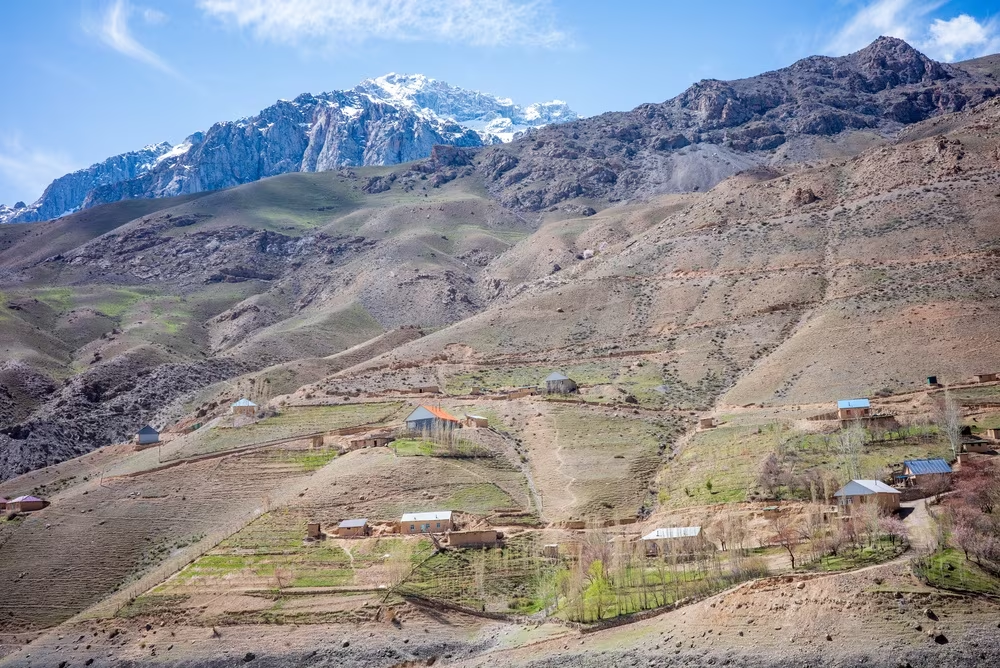
Rest and evaluation of the itinerary in Rubot
Take advantage of Rubot as a recovery stop and decision point. The team checks snow conditions, access possibilities for portaging and the descent of Vrang. A walk around the area is possible, but the day remains flexible to meet logistical needs. If the pass is not passable, the guide organizes an end to the route by road via Khorog rather than continuing with the crossing.
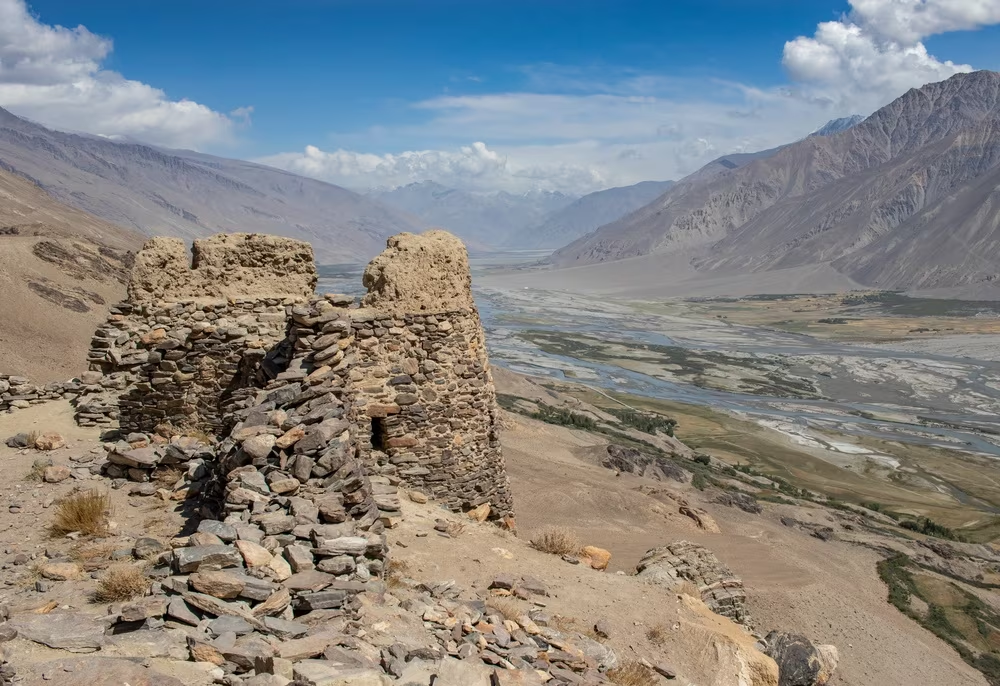
From Rubot to the Vrang River Camp
Spreading the climb over several stages allows you to avoid completing the entire ascent on the day of crossing the pass. Set up camp near a suitable water source and examine the next section with your guide. Access for pack animals may be limited, which may require adjusting portage support.
Rubot → Rivière Vrang
Follow the approach valley towards the Vrang River.
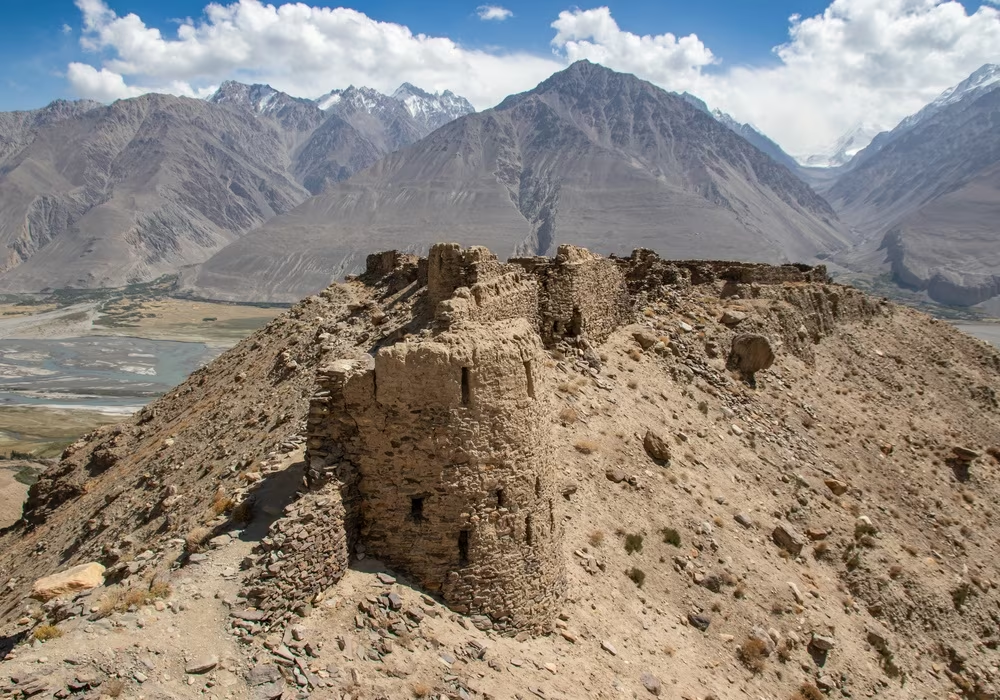
From the Vrang River to the High Altitude Lakes Camp
Rest while the guide checks the crossing conditions and descent route. Exposure, snow and loose terrain can modify the itinerary. Only use this high altitude camp if conditions are favorable and if the team has the necessary support for the next day.
Rivière Vrang → Campement Des Lacs D'Altitude
Progress towards the lakes located below the Vrang Pass by planning a relatively short stage.
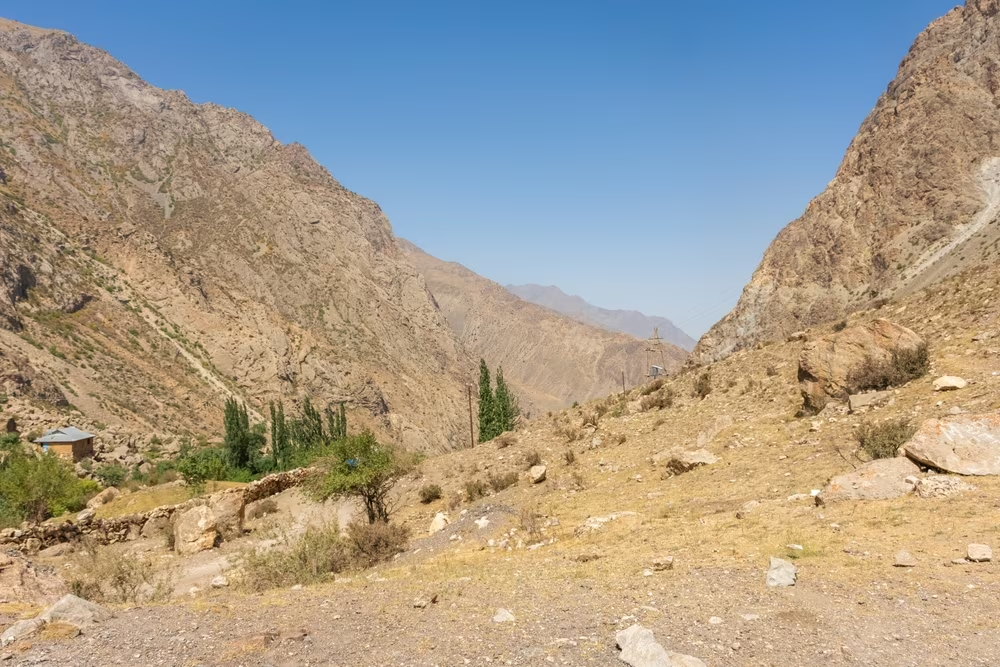
From Vrang Pass to Vnukut Valley
This is the most difficult stage, with the possibility of encountering snow and exposed terrain, with no trail or unstable ground during the descent. The guide may delay or abandon the crossing if the conditions do not match the operational plan.
Col De Vrang → Vallée De Vnukut
Cross the Vrang Pass under the direction of the specialized guide.
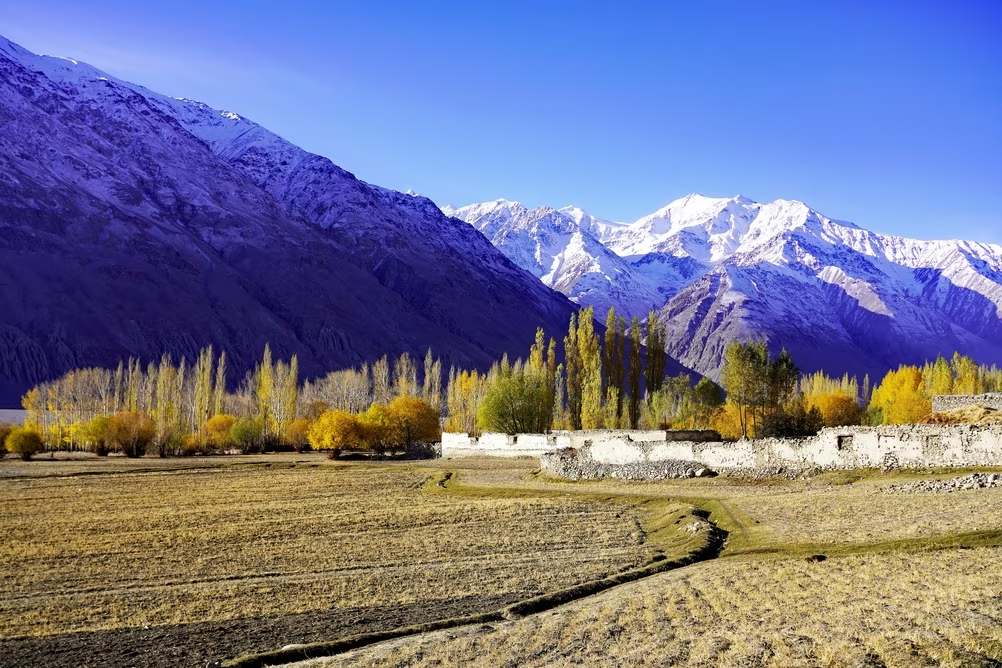
From Vnukut to Vrang, in the Wakhan
Cultivated lands and village trails gradually replace high mountain landscapes. Reunite with your hosts for the first night after completing the crossing. Rest remains a priority; visiting the village's historical site is postponed until the next morning if conditions permit.
Vnukut → Vrang
Head down towards Vrang by controlling your pace on the steep and exposed sections.
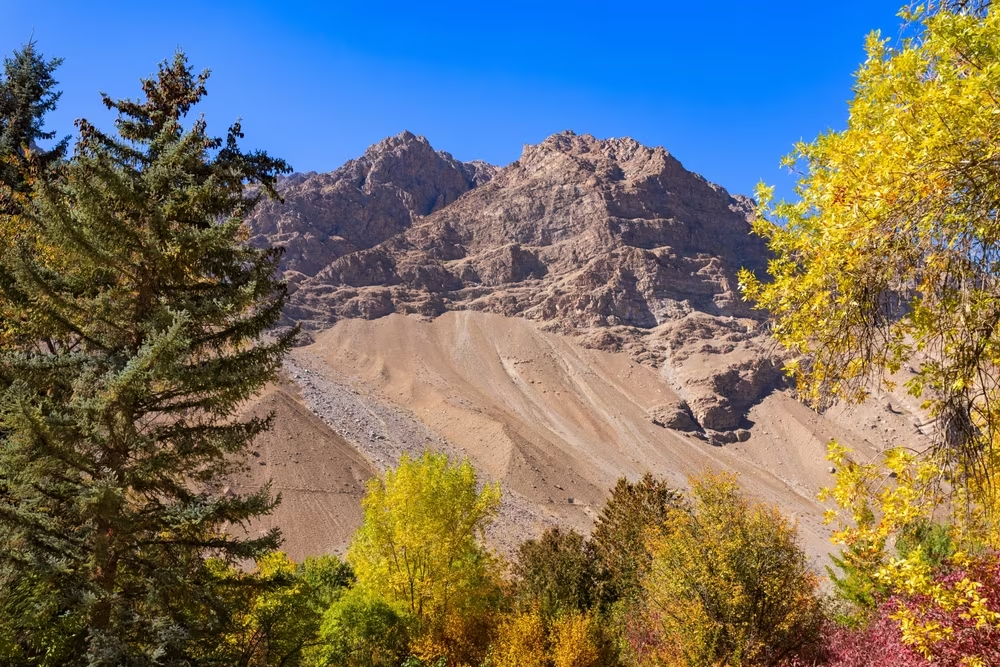
From Vrang to Khorog
Settle into your accommodation and enjoy more comfortable amenities. Freely choose your dinner in town.
Vrang → Khorog
Meet up with the vehicle team and travel west across the Wakhan. Continue to Ishkashim and then to Khorog.
Depending on your recovery and available time, visit the Yamchun viewpoint or the Khakha fortress. Visits remain flexible after the trek.
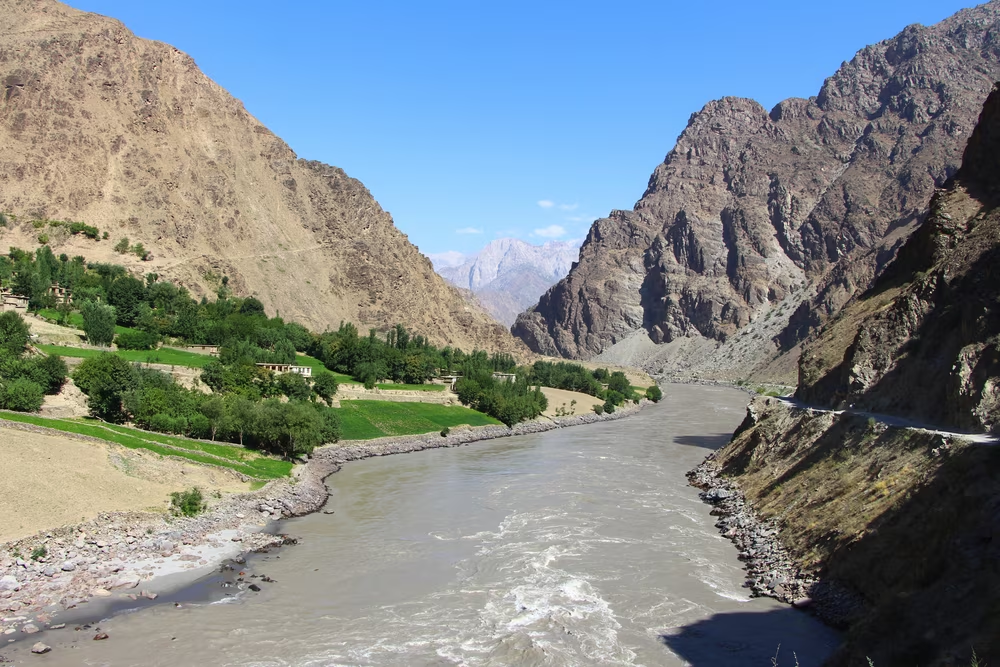
From Khorog to Kalaikhumb
Dine at the guesthouse, then take time to sort your equipment before the final transfer to Douchanbé.
Khorog → Kalaikhum
Begin the return journey in several stages along the Panj River. The route offers a wider view of how the valleys are connected by the main road axis. Make a stop for lunch and make short stops before arriving at Kalaikhumb.
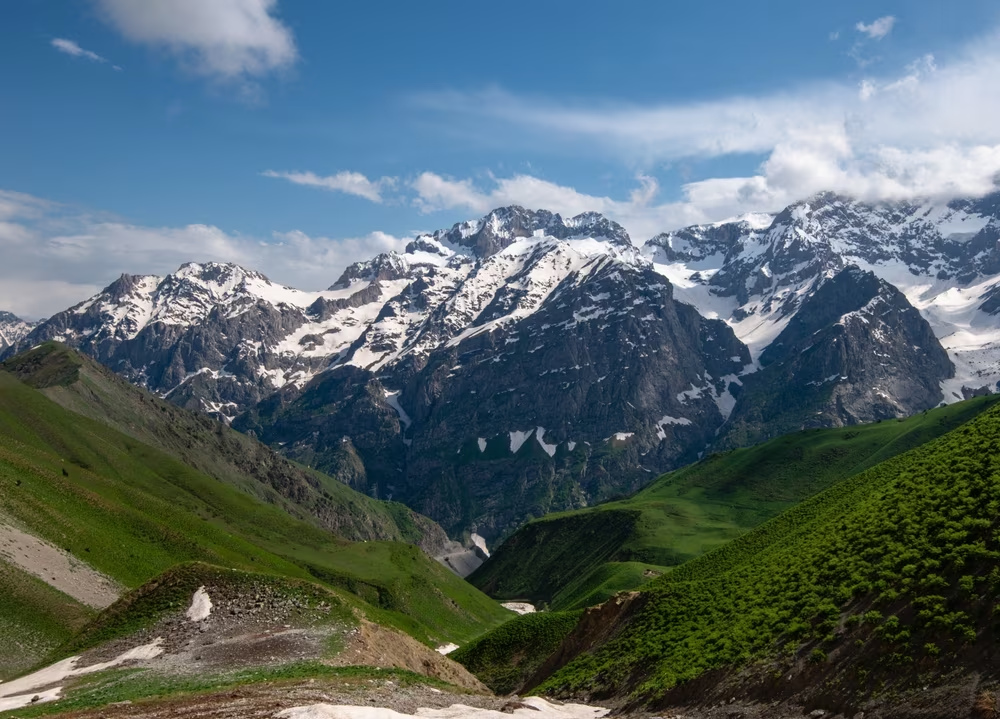
From Kalaikhumb to Dushanbe
The hotel allows you to spend a final night dedicated to rest and preparation of your luggage after the expedition. Choose a restaurant for your farewell dinner, with advice from the team. International flights are scheduled after this overnight stay rather than directly from the mountain road, which allows you to finish the program under better conditions of reliability.
Kalaikhum → Douchanbé
Get back on the road through the Kulob corridor to return to Douchanbe.

Departure from Dushanbe
Check that stored luggage and personal equipment have been returned to you before leaving the hotel. Additional nights can be arranged for later connections. The program ends after a crossing linking Bartang, the Ghunt valley, Shakhdara and the Wakhan.
Douchanbé → Douchanbe Airport
Transfer to the airport at the agreed time.
Practical Information
Registration is considered firm and final after payment of a deposit of 30% of the total price and acceptance of the specific terms of sale.
The balance must be paid no later than 45 days before the departure date.
See our specific terms of sale for full details.
In the event of cancellation by the traveller, the following fees apply:
- Plus de 60 jours avant le départ : 40 % du prix total (acompte retenu)
- Entre 60 et 30 jours avant le départ : 50 % du prix total
- Moins de 30 jours avant le départ : 100 % du prix total
We strongly recommend taking out cancellation insurance. See our specific terms of sale for full details.
Chapka — Cap Explorer
Our insurance partnerTravel with peace of mind with our partner Chapka. Cancellation, repatriation, medical expenses, baggage… All the coverage for a worry-free trip.
Travel with peace of mind — I'll handle the insuranceFrequently asked questions
French nationals can obtain an e-visa online before departure, valid for a tourist stay of up to 45 days. An additional authorization (GBAO permit) is required if you plan to cross the Pamir. Check the exact conditions with the embassy before traveling, as regulations change regularly.
Go to the My Trips section to find all your projects.
You can send a message to your host directly from the Tea Lounge.
For a quality tailor-made trip, budget between 120 and 200 euros per day per person, including accommodation, meals, internal transportation and activities. Tajikistan remains an affordable destination, but its remote location and road conditions require private 4x4 transfers that represent a significant portion of the budget. International flights are additional.
Your documents are accessible in the Documents tab of your trip.
Tajikistan is a demanding destination: long mountain roads, high altitudes on the Pamir, and sometimes basic accommodations. We can design family stays focused on Dushanbe and accessible valleys, prioritizing slow-paced itineraries and comfortable guesthouses, but this destination is better suited for teenagers than young children.
Chat with our local team to define your wishes, budget and dates, then receive a detailed itinerary proposal within 48 hours. You can freely adjust each step before confirming. During your trip, your English-speaking local agency remains available 7 days a week to support you on the ground.
In case of emergency, contact your local agency immediately.
Payment is generally made in two installments.
Our agency is part of the Nomadays network, registered in France. You benefit from APST guarantee which protects 100% of your funds in case of default. Secure payment, English-speaking assistance on site and repatriation covered: you travel to this remote destination with complete peace of mind.
Let's talk about your next trip to Tadjikistan
A Nomadays advisor will get back to you to refine this project — itinerary, dates, budget, wishes — and propose a tailor-made version suited to your trip.