On the trails of Bénin and Togo
From the stilt houses of Ganvié to the fortified tata of Somba country, an immersion into the soul of Beninese and Togolese cultures.
Duration
17 days
From
€1,900/pers.
Ideal seasons
Jan, Feb, Mar, Nov, Dec
Style
Guided tour
Comfort
classique
Travelers
Couple, Solo, With friends, groupe
The spirit of travel
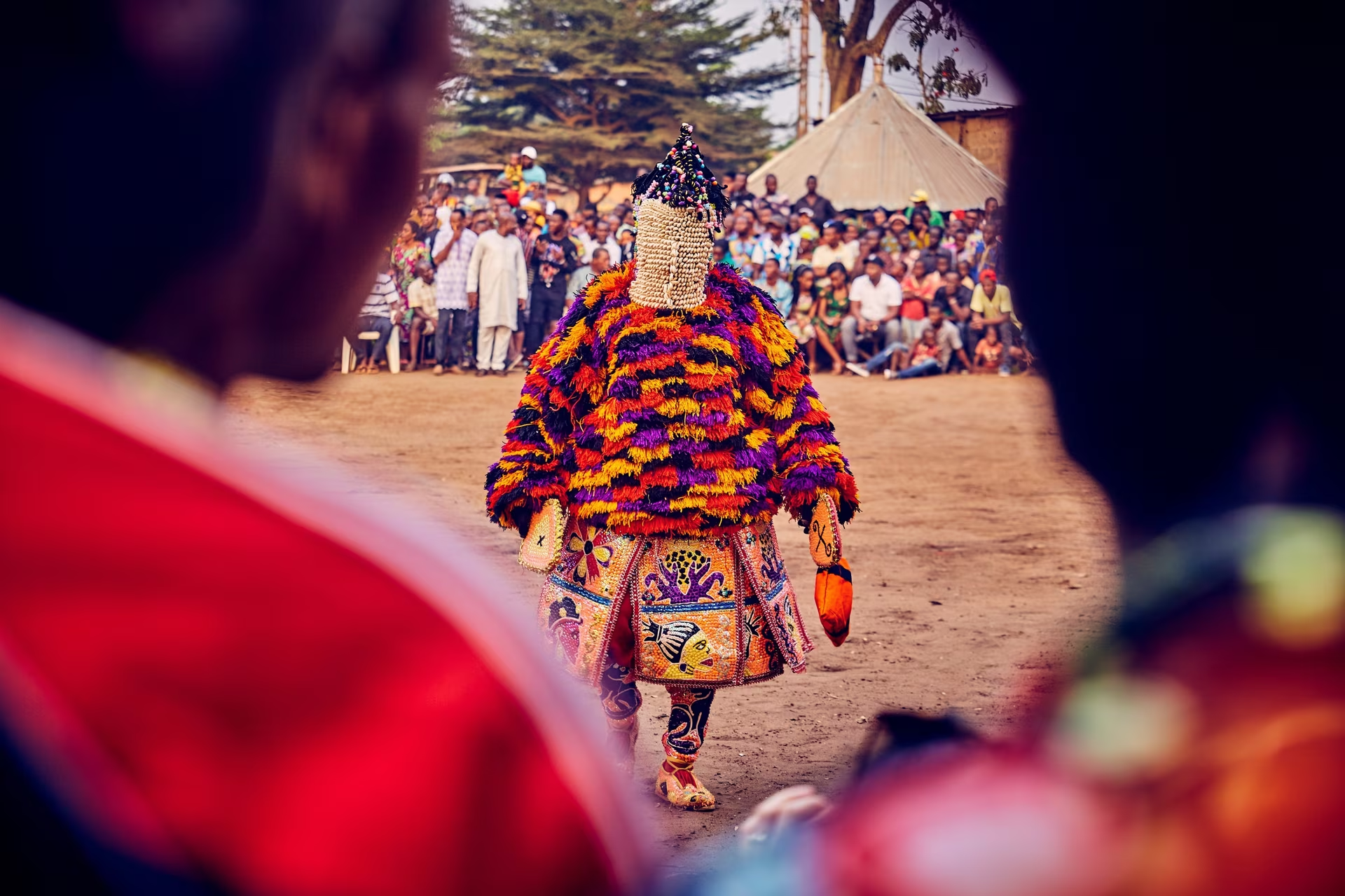
Two countries in a single trip: this 17-day itinerary reveals to travelers the true ethnic and cultural face of Bénin and Togo. It offers a set of discoveries and escapes that takes you to the heart of traditions, cultures and ethnicities of these two countries whose practices are similar and intersect.
Traditional dances, sacred rhythms, remote tribes, rituals and scarifications, night vigils are the main characteristics of this two-week journey in West Africa. An unforgettable trip!
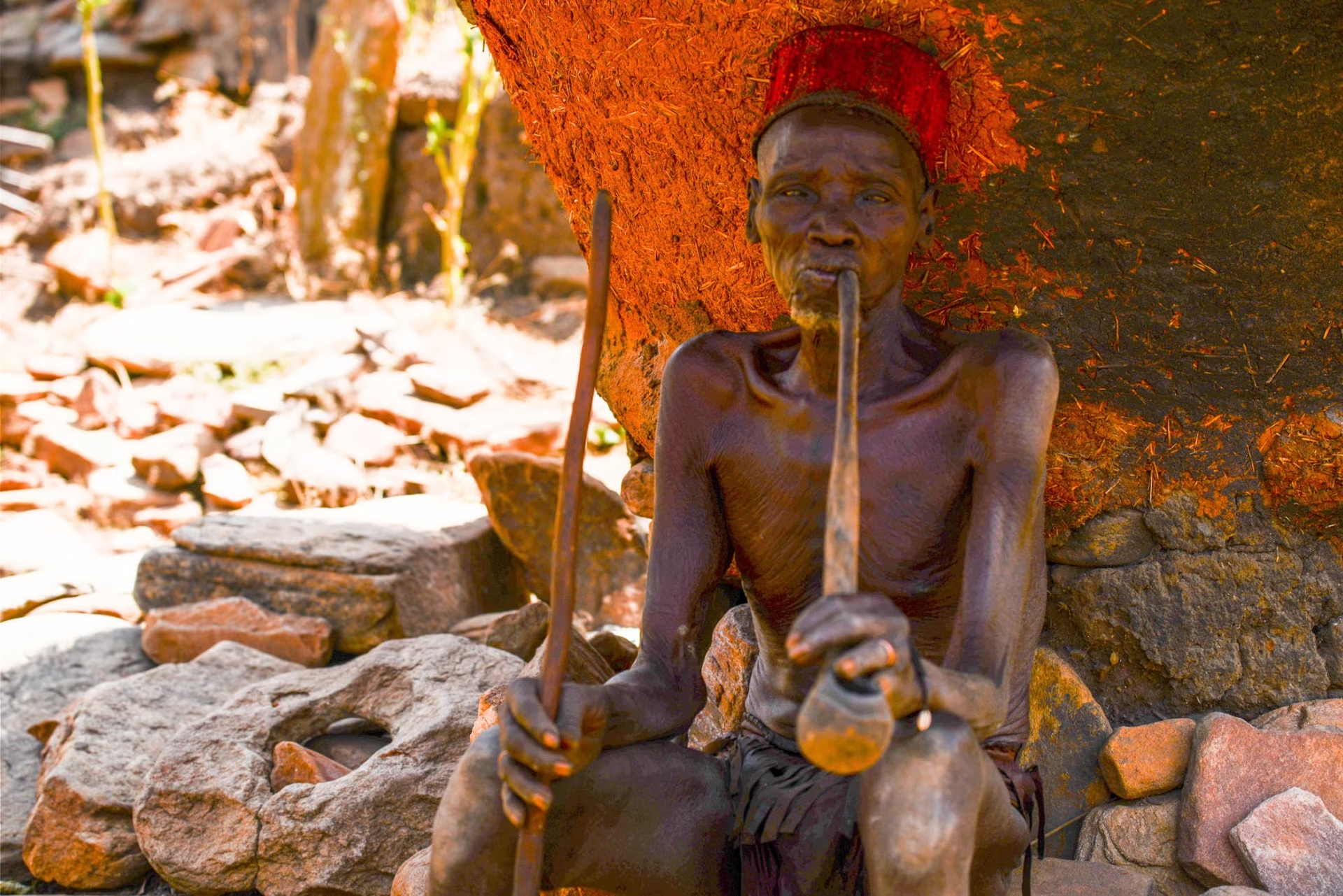
Choosing this journey means being able to visit villages and tribal camps such as those of the Woodabes, the Toffins, or even the Holi. It is also to understand the true meaning of vodoun: the way to the supreme god Mahou, who is a savior, benevolent and protective.
That said, this itinerary offers much more than its ethnicities alone. It allows you to discover the history of these countries in Ouidah, Dassa-Zoume, Porto-Novo, discover the lake city of Ganvié in Bénin but also Atakpamè, Kpalimè, Mount Agou, the fetish market and Lomé in Togo.
Finally, it is the perfect getaway to discover the enchanting landscapes of these two countries.
The stages of your journey
Highlights
Day-by-day itinerary
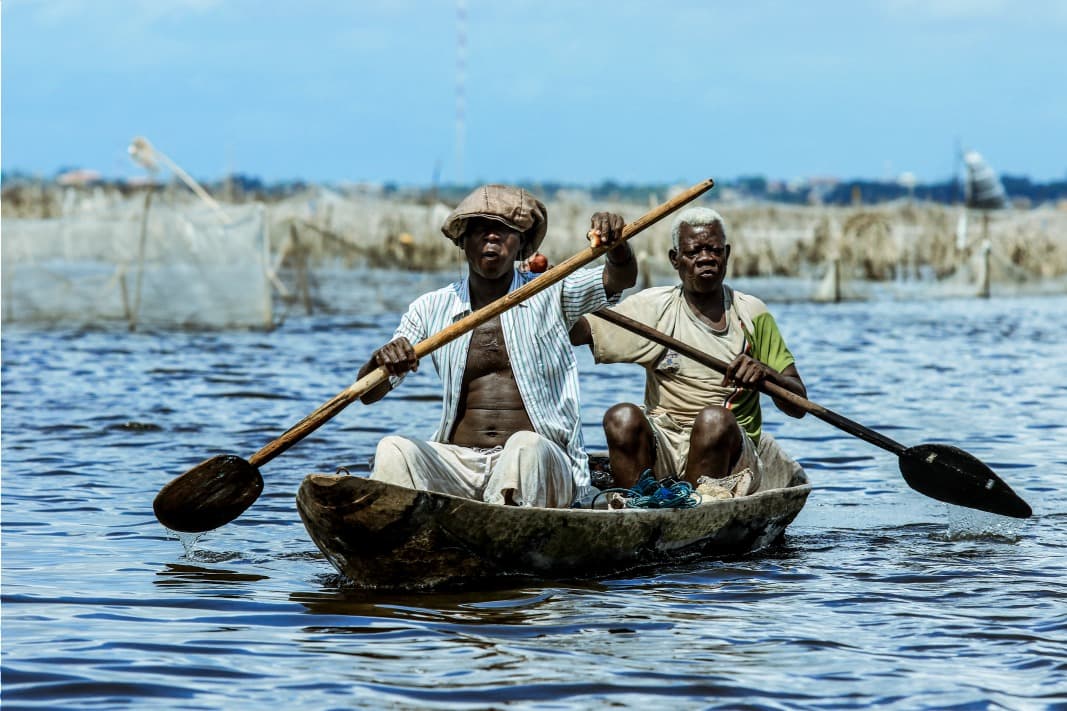
Canoe Trip to Ganvié
Our first ethno-epic adventure will take place in the traditional village of Ganvié. It is nicknamed the "Venice of Africa" because it is located directly in the middle of Lake Nokoué.
Its stilt houses, its floating market where foodstuffs abound (vegetables, fruits, fish) and its atypical shops captivate with the charm of this picturesque fishing village. Visitors appreciate the peaceful life on the water and the hospitality of the Toffins (or Toffinous, meaning "the men of the water"). This is the ethnic community inhabiting the area. They migrated to Ganvié to escape the ravages of slavery and attacks from the kingdom of Dahomey in Togo in the 18th century.
It is said that the king of old, Agbogdobé, transformed himself into a hawk to fly over Nokoué. Thus, he was able to spot a lake island capable of welcoming his people. Then he took the form of a crocodile to lead them to this promised land. The region was named Ganvié which means "we are saved". Quickly, these nomads adapted to this aquatic life through the exploitation of water hyacinths and their brilliant fishing techniques (Akadja).
The best thing to do in this locality is undoubtedly to wander peacefully between the bamboo buildings topped with a thatched roof while observing the daily activities of the inhabitants.
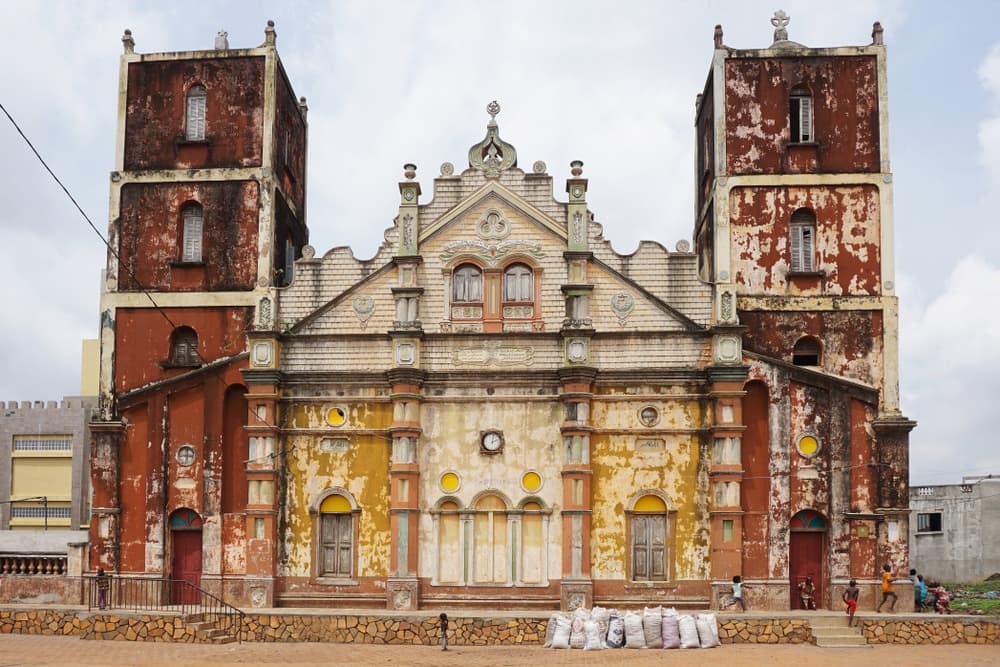
Discovery of Porto-Novo
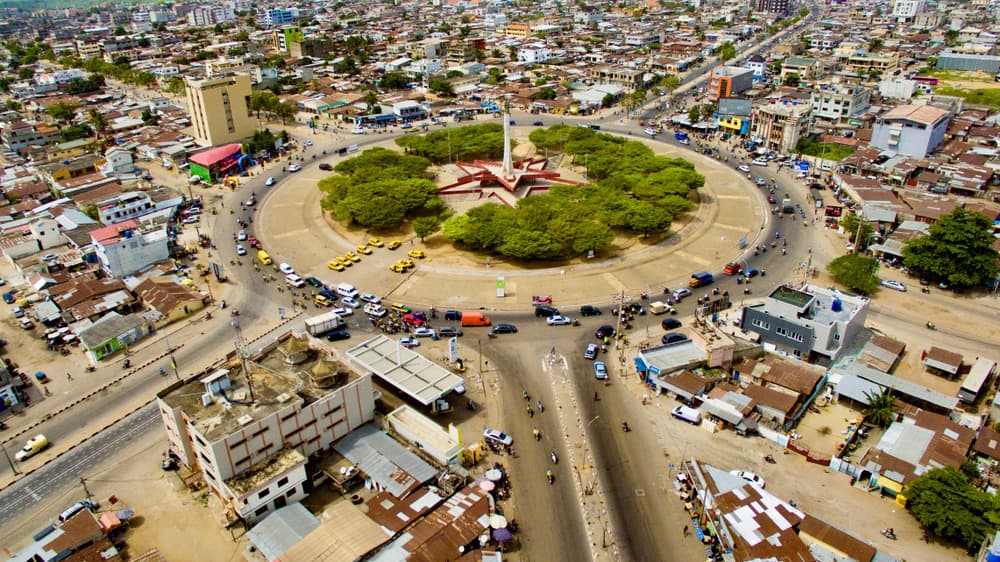
We head towards Bénin's capital and the administrative center of The Oueme Department: Porto. This administrative city is characterized by the architecture of its buildings, a style that earned it a place on the UNESCO World Heritage List. But this city is also well known for its places of worship dedicated to the Orisha gods of the Yoruba religion.
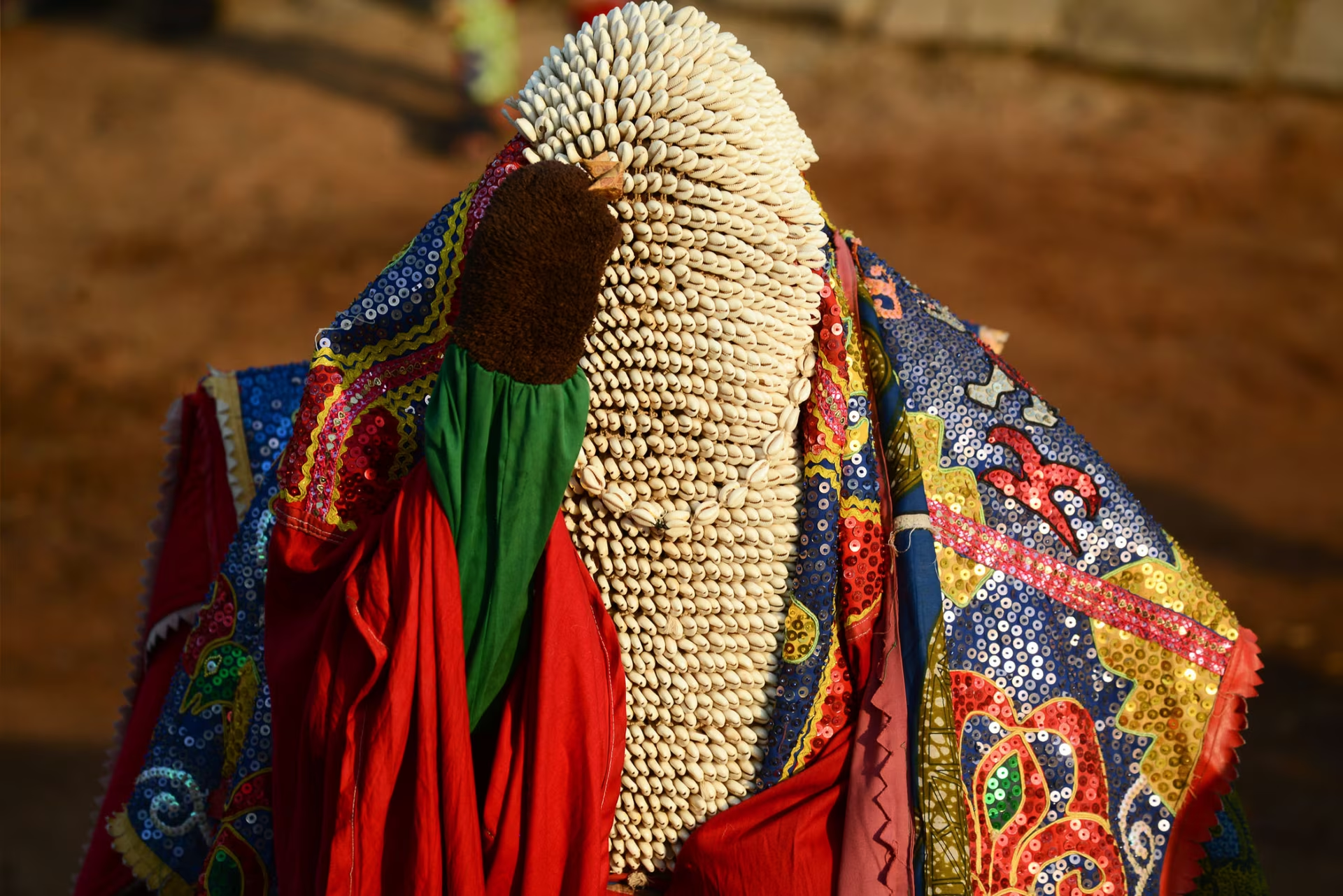
We visit an old colonial building serving as an ethnographic museum. You'll find curious collections of masks Guelede Identity Celebration, musical instruments, and tribal weapons.
Then we pass by its The Great Mosque of Porto. Though dilapidated, it possesses an outdated charm through its architecture and walls with rich, warm colors. It displays a style close to that of the Christian churches of Salvador da Bahia in Brazil.
From Porto-Novo to Pobe and Cové
We end our discovery of the city of Porto after a hearty breakfast.
We take time to admire the beauty of this city with many faces: monuments and vestiges dating from the period of trade between Africa, America and Europe; museums (Honmé, Da Silva, Alexandre Sènou Adandé); etc.
Once our visits are complete, we head towards Pobé.
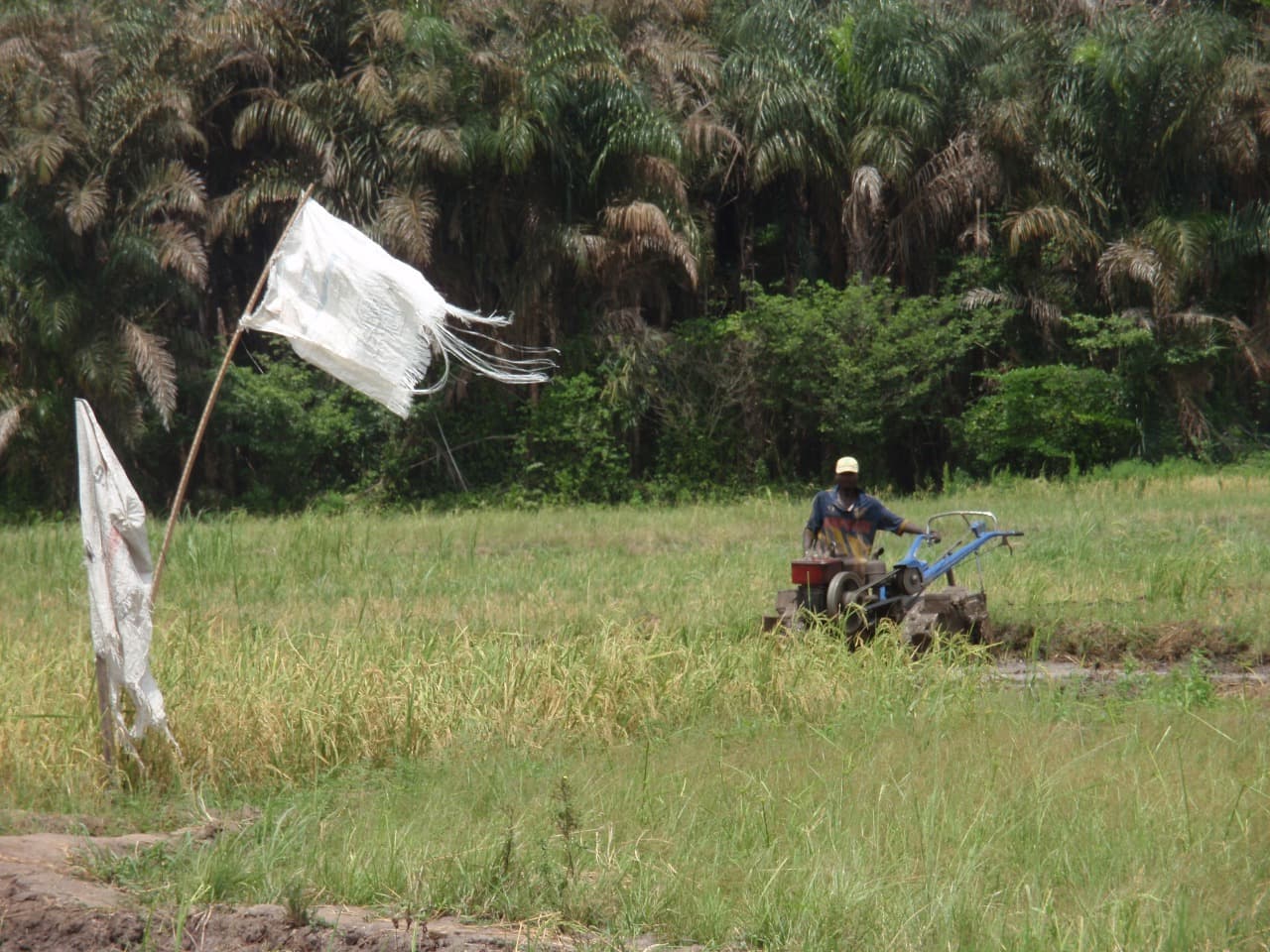
Our itinerary then passes through Onigbolo with its cement factory and through the Agolin region. A journey enhanced by the discovery of various rural markets and the ethnic village of the holi with their different tattoos.
Arrival in Covè and hotel check-in.
Agolin, Wodaabe Camp and Arrival in Dassa-Zoume
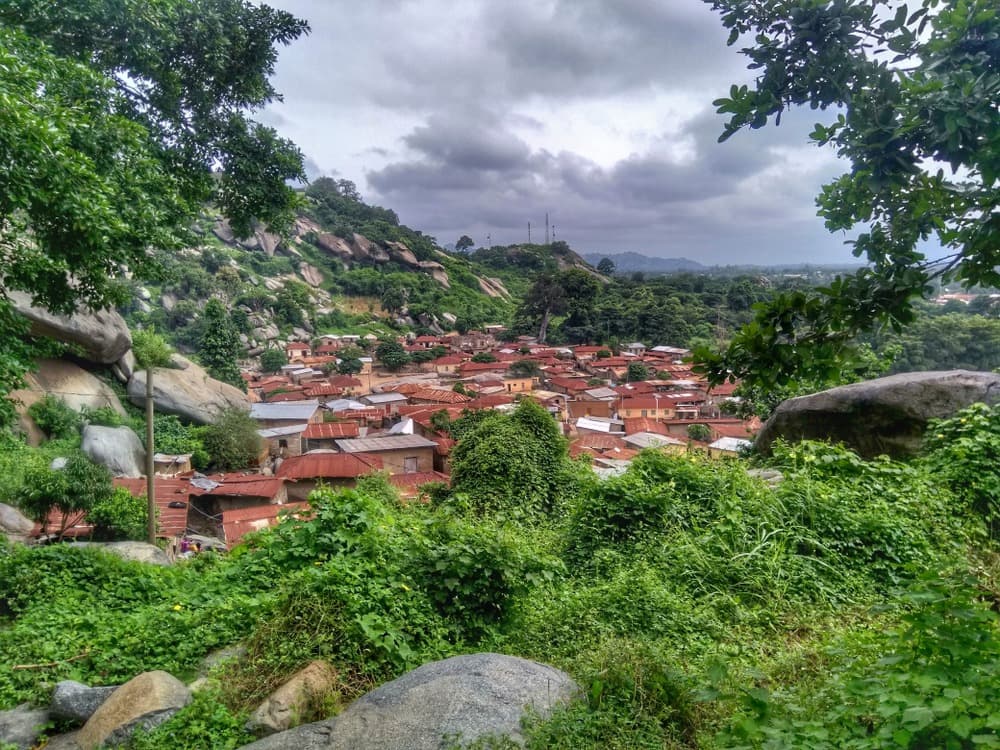
Refreshed by a good breakfast, we set out to meet the people of Agonlin. We discover their way of life based on an ancestral code. These people also live from subsistence agriculture, hunting and the worship of ancestors.
We then take the track towards Gbaname. On the road, we stop at a Wodaabe camp. These nomads come from Nigeria and are distinguished by their Gérewol festival and their seduction competition. We take the time to exchange a few words with them. This lifestyle steeped in simplicity is a change from the modern life of the West.
After the Peul fulani village of Gossoué, we head towards the city of Dassa. Impressive rocky hills surround the city, forming a natural amphitheater of great beauty.
Also called the city of 41 hills, Dassa-Zoumé is a crossroads city. Our explorations begin with a visit to the Arigbo Marian center, a place of prayer and meditation.
Hiking on The Hills of Dassa to see the path of rituals followed by the Omondjagou, the majority ethnic group that formed the former kingdom of Dassa-Zoumé. On the hills, we have the opportunity to see the fetishes and representations of voodoo worship.
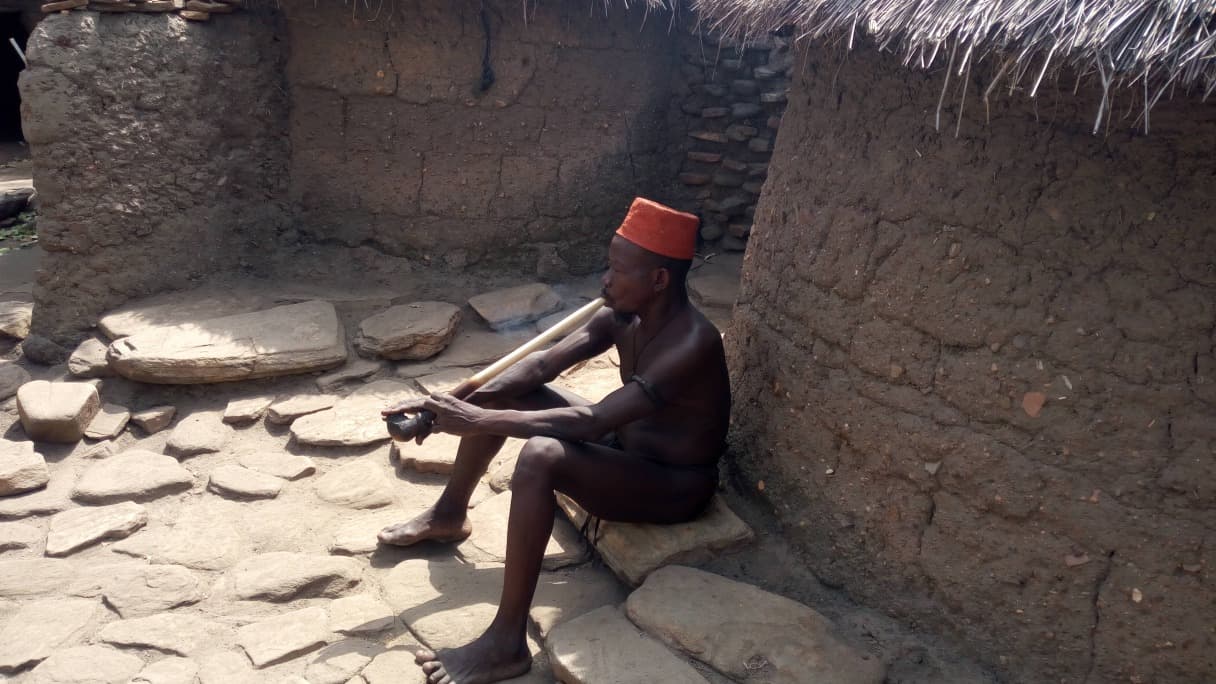
The chivalrous city of Djougou
About forty kilometers northwest of Dassa, we cross the locality of Savalou. The beauty of this region is stunning. You will find magnificent cashew trees and teak plantations.
It is also here that the Mahi people are found, the tribe that rose up to resist the Dahomean kingdom between the 17th and 18th centuries.
From Savalou we join the chivalrous city of Djougou, located just over 200 km to the north.
We set out to visit the Tanéka-Koko region, inhabited by animist hunters who live from millet cultivation. In the Yaka camping site lives an animist ethnic group isolated from the region's wave of Islamization. They undergo spectacular male circumcision initiation rites. We speak with sorcerers who are guardians of tradition to experience and draw closer to their culture based on the cult of the dead.
Night in a guesthouse in Djougou.
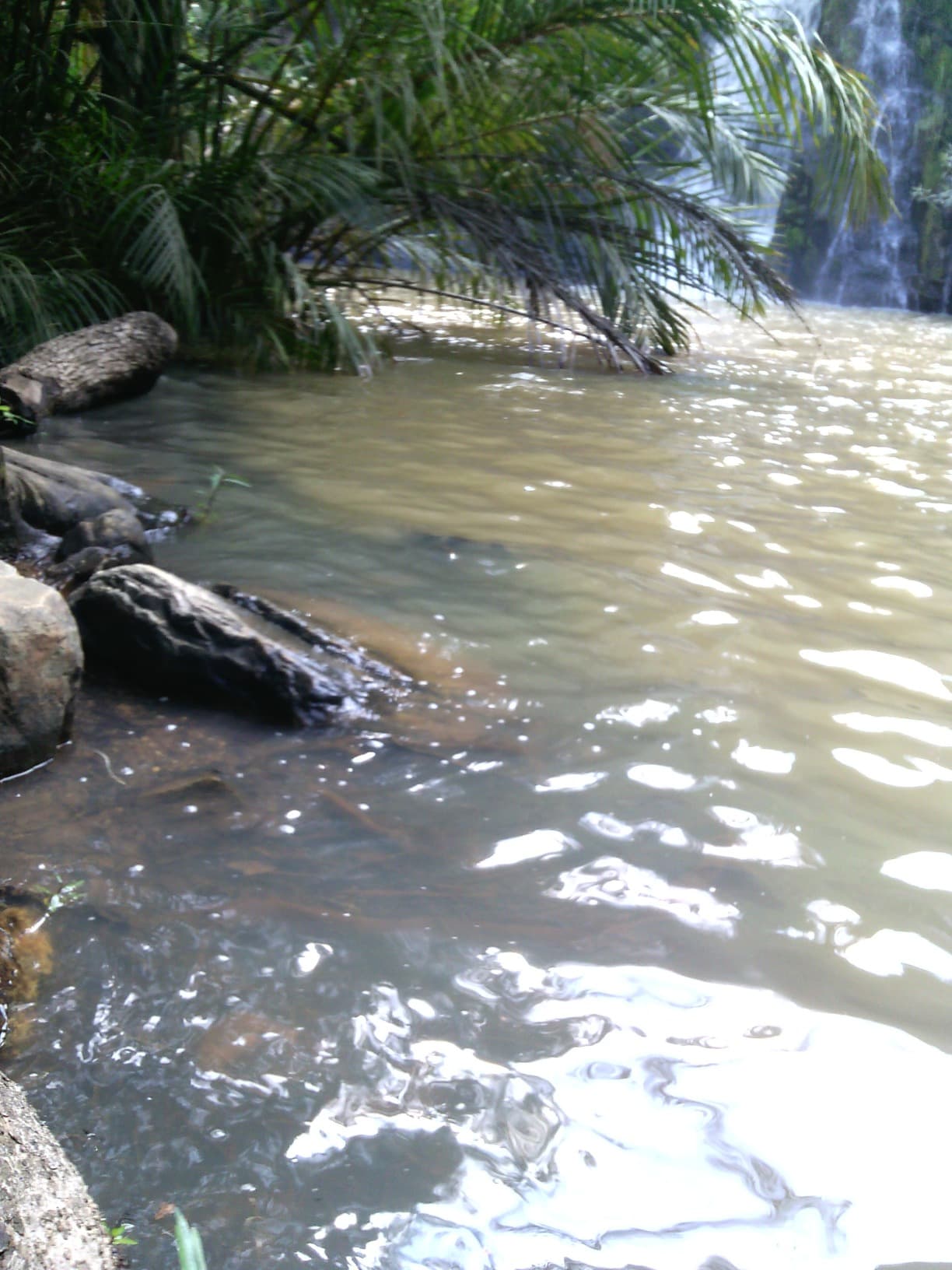
Natitingou
We continue our journey towards Natitingou.
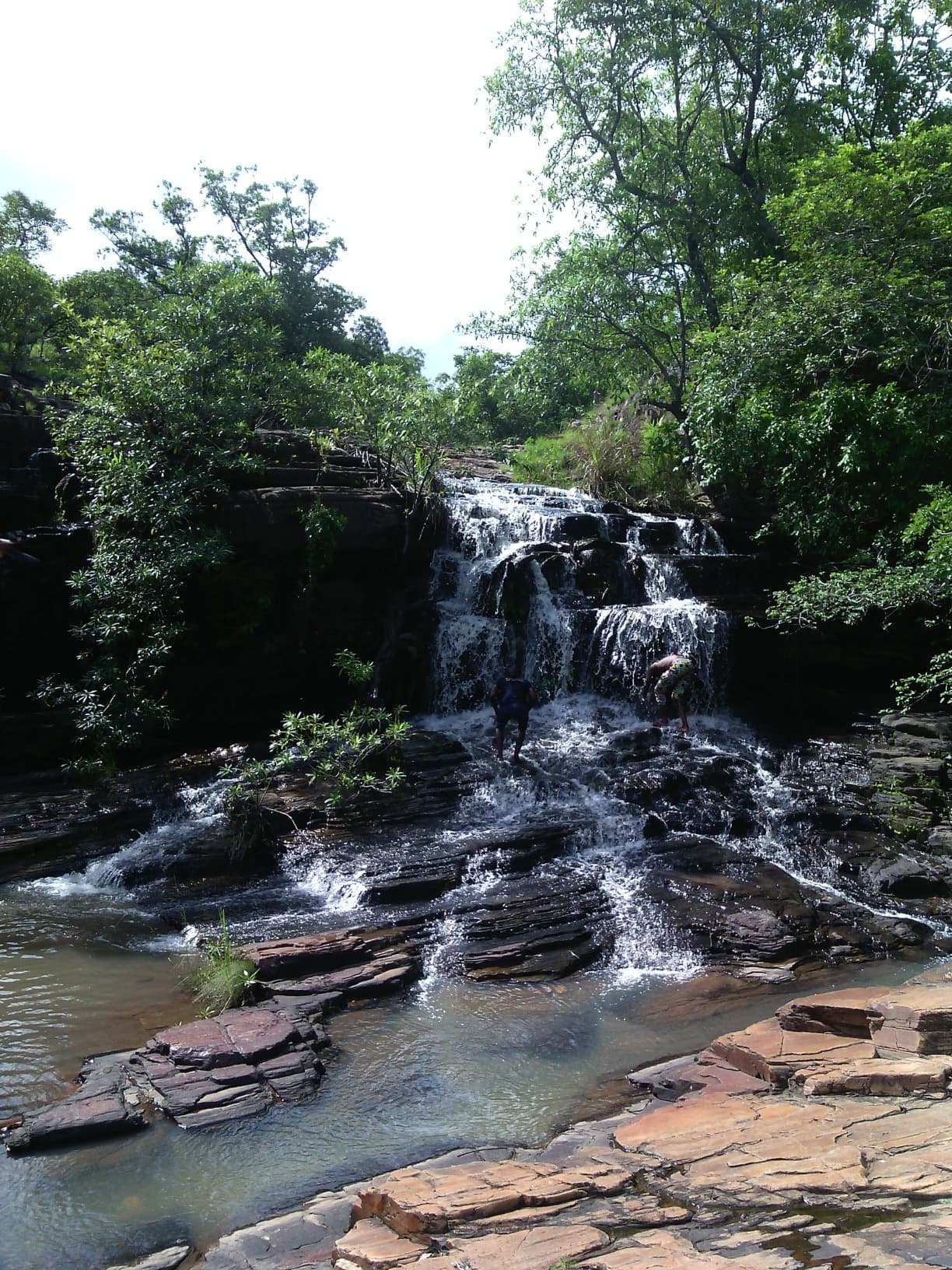
Upon arrival, we visit the popular museum then the city market. You also have the option to take a swim in the natural pool of the Chutes de Kota.
Overnight stay in a hotel located in the heart of the city.
In the Heart of Somba Country
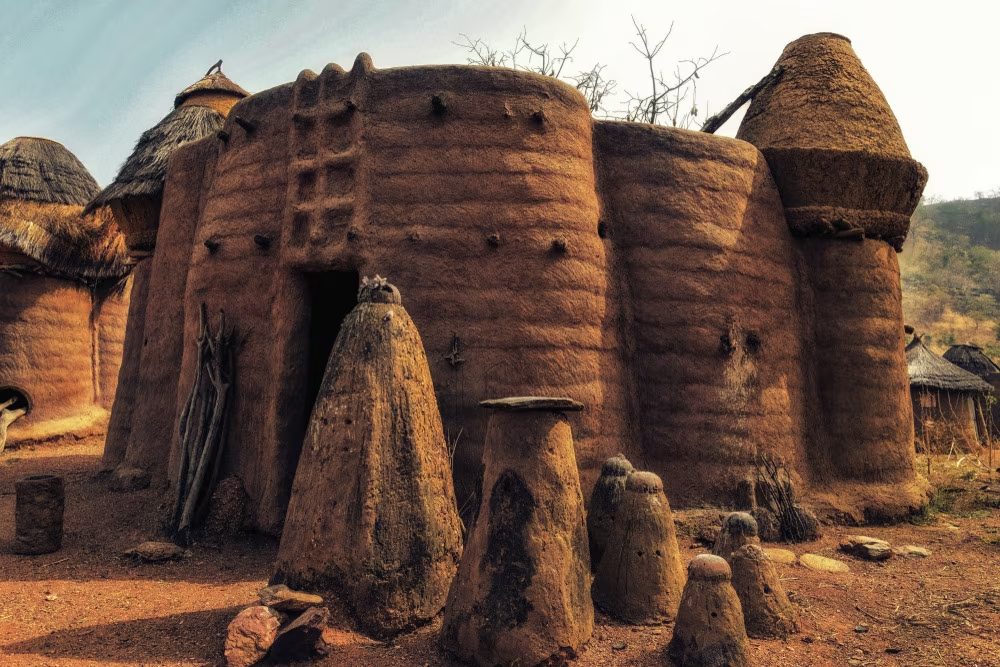
The tata Somba undeniably constitute the major attraction of the Bétamarribés (Sombas) country.
Today's adventure unfolds under the signs of discovering the Somba region around Boukoumbé and its villages endowed with these famous tata. These are fortified buildings blending Togolese and Beninese architecture: a heritage of the Bétiabé and Bétammarribé ethnic groups. We can also admire the Atakora mountains which, in the distance, challenge us…
Subsequently, we will meet the peoples of the region: Peuls, Tagaye and Boukoumbé. We finish with a hike towards the ecovillage of Koussoukoingou.
We end our journey of the day by returning to Natitingou to spend the night there.
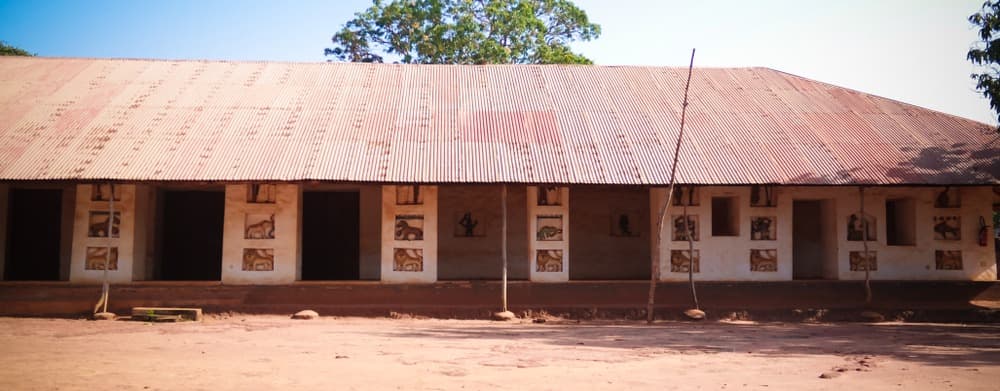
Abomey, former capital of Dahomey
After our breakfast we take the long road south towards Abomey, capital of the former Dahomey kingdom.
The city, founded in the 16th century, houses the royal palaces of former kings as well as the museum which preserves the old royal objects, ornaments and treasures of the former kingdom. The sites were abandoned following the defeat of King Behanzin by French colonists. Later, these castles were renovated by Unesco and became historical museums.
After this enriching getaway, we rest at our guesthouse.

Atakpamé, gateway to Togo in the coffee and cocoa region
We head due west and cross the Togolese border today towards Atakpamé. This town, perched on a hill, marks the boundary of the Togolese coffee and cocoa triangle with its sister towns Badou to the west and Kpalimé to the southwest.
Once a mountain refuge and then an agricultural and administrative center under German rule, it is home to one of the country's most famous traditional dances, the Tchébé dance on stilts, which we may have the pleasure of witnessing.
A short distance from the town, at the Nangbéto Dam, hippopotamuses frolic about, which we have the pleasure of admiring.
In town, around the central square, the market already bustling during the day changes atmosphere again at nightfall with music that enlivens both buyers and sellers.
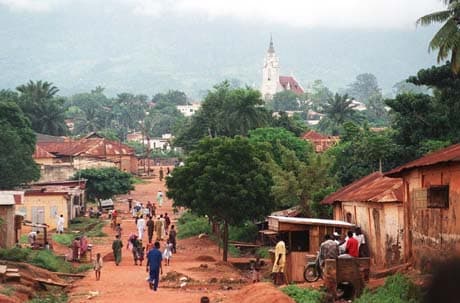
Forests, waterfalls and crafts in Kpalimé
Atakpamé (Togo) → Kpalimé (Togo)
We continue our descent towards southern Togo and arrive in the lovely town of Kpalimé, not far from the Ghanaian border.
Coffee and cocoa plantations, wooded hills, waterfalls, valleys and forests form an enchanting green natural setting.
Kpalimé is also renowned for its artists and craftspeople: wood carving, batik, pottery, weaving, calabash making, … are very lively activities here.
Once there, we will stretch our legs, get some fresh air and especially cool off in the lovely Wome Waterfalls. A short forest walk and we find ourselves at the edge of a deep, cool pool perfect for swimming!
We return to town for a must-see in the area: the Kpalimé market, very lively and colorful.
The end of the day is devoted to a trip to Mont Agou, Togo's highest point. Through avocado trees, banana trees and other orchards, we climb without great difficulty on the slopes of the mountain, where several small villages are scattered. The peak of Agou offers a magnificent panoramic view over the region.
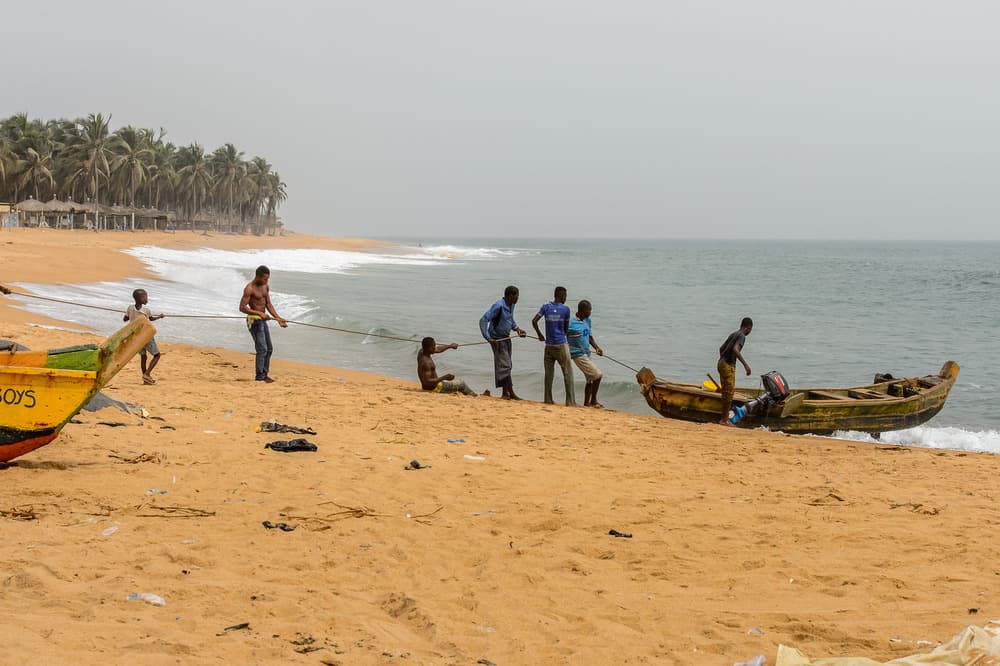
Route to Lomé
We resume our journey this morning through the forest region and arrive in Lomé, the vibrant and bustling capital of the country, located on the shores of the Atlantic Ocean.
Without further ado we launch into exploring the city, starting with its largest market, the Assiganmé market. We discover there the famous Nana Benz, these women sellers of Dutch fabrics who embodied in the recent past a certain class of wealthy women.
For an immersion into the heart of Togolese beliefs and traditions, nothing beats the fetish market which never fails to surprise with its amazing array of traditional pharmacopoeia.
Among the city's main attractions, our wanderings also lead us to Liberty Square and Independence Square.
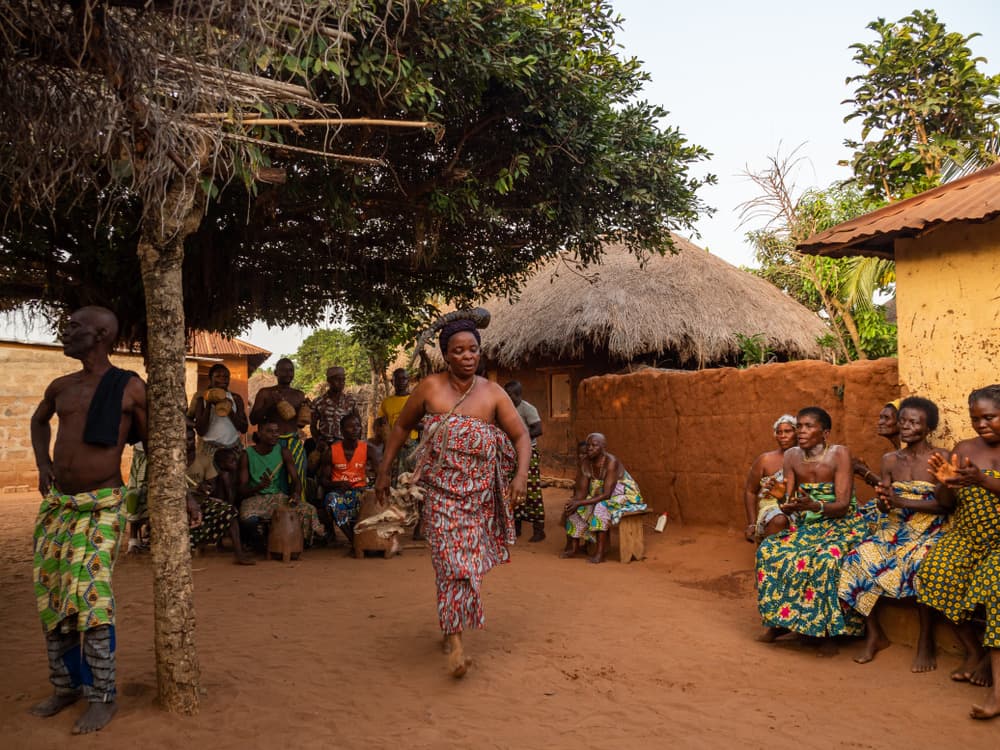
Between lake and ocean
Heading to Togoville, a village located on the banks of the country's largest lake, Lake Togo. An opportunity for a pleasant pirogue ride. Togoville is also renowned for its vibrant traditions, as evidenced by the many fetishes and wooden sculptures in front of the houses.
Historical and cultural afternoon in Agbodranfo to discover the history of slavery which particularly marked the region. The slave house and the well of the chained are two must-see stops on our moving visit.
Night in Aneho, not far from the Benin border.
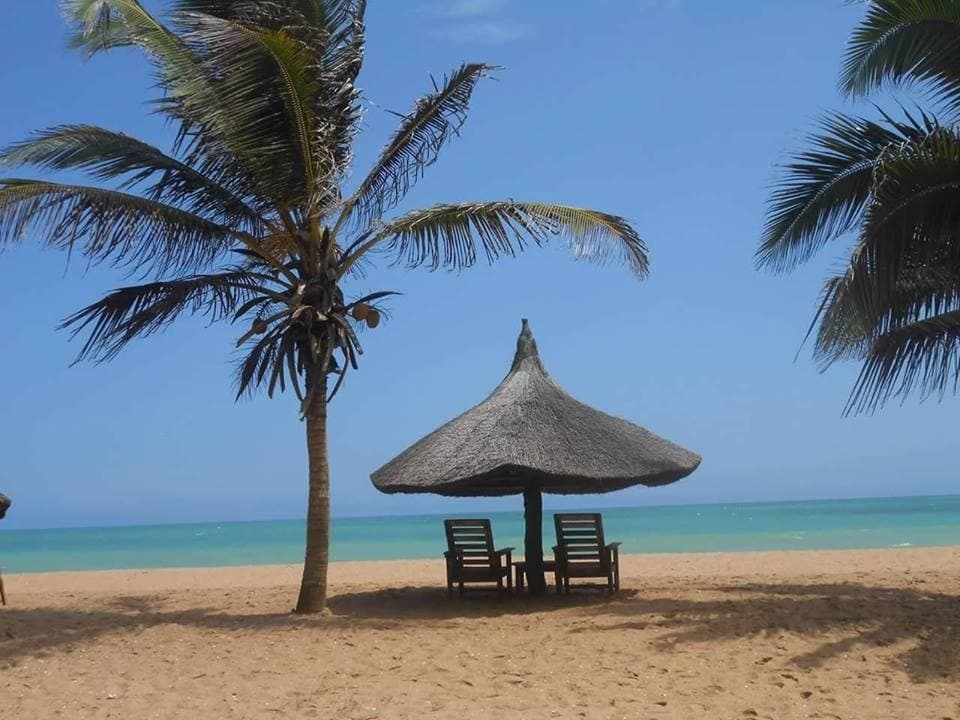
Return to Benin and relaxation by the ocean
Returning to Bénin, we cross the border at Sanvée-Condji and head towards Grand, a coastal town and a paradise for sea and nature lovers.
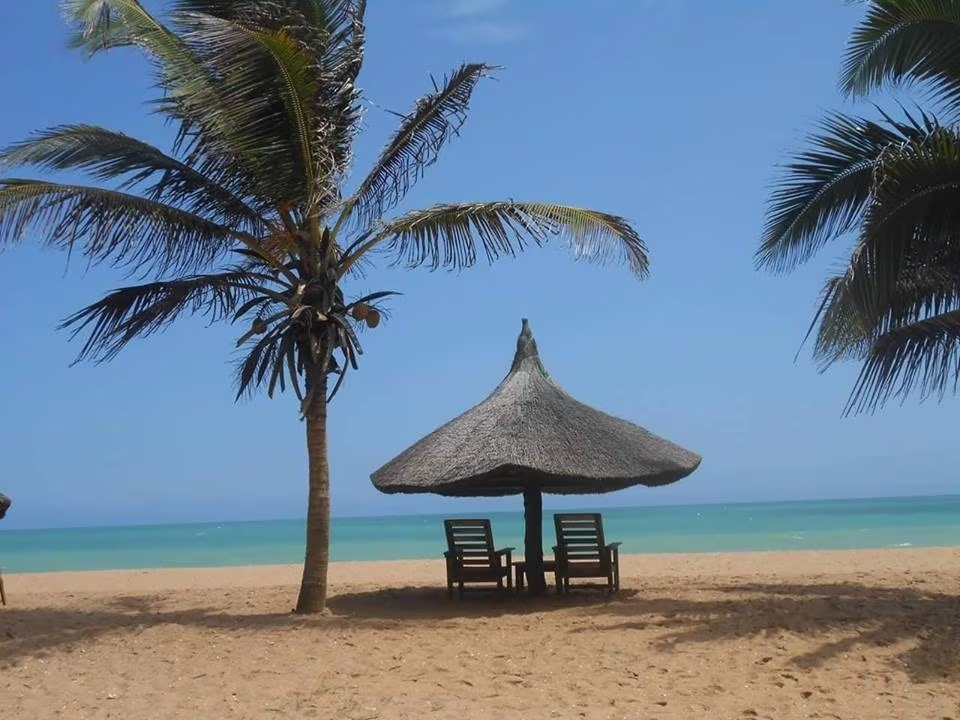
This small town invites relaxation and contemplation. Located at the mouth of the Fleuve Mono, it is a very popular holiday destination with locals. The nature around is simply magical: with its fine sandy beaches and its coconut trees, its crystal-clear lagoon, its birds and its mangroves.
Visitors enjoy walks on foot and canoe trips, and a visit to the mouth of the Mono river known as the "Mouth of the King".
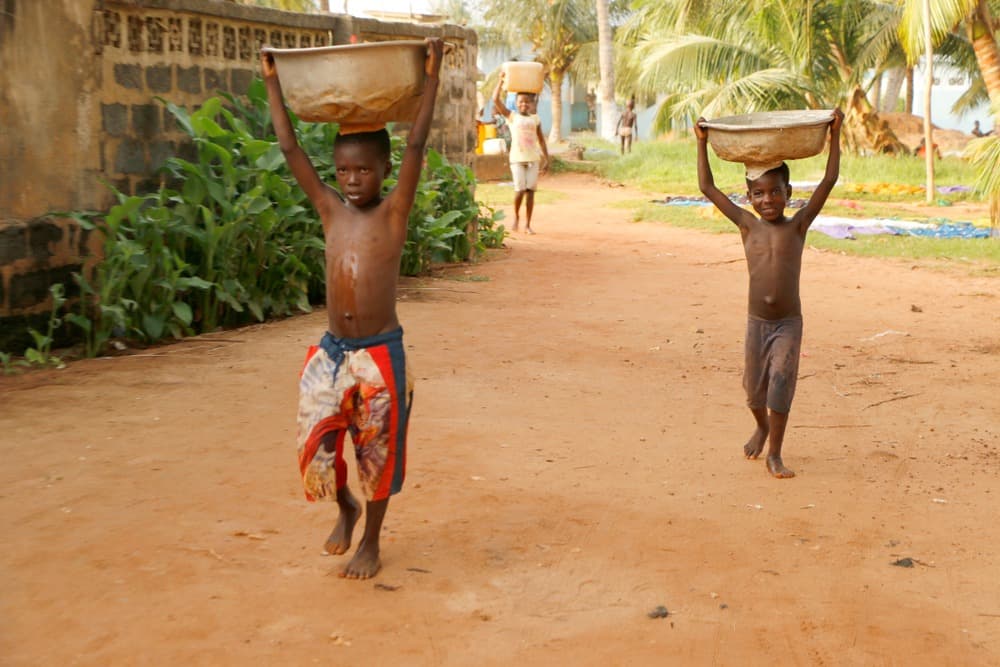
Possotome, Between Nature and Traditions
Completely refreshed, we leave the enchanting Grand-Popo to head towards Possotomé.
This peaceful town on the shores of Lake Ahémé is appealing for its fishing activities, its thermal spring waters, its small beaches lined with coconut trees, its pirogue rides and its opportunities for lake swimming.
That said, this locality goes far beyond wandering in the company of Mother Nature. It is also a haven of life where voodoo traditions dominate. We can see voodoo temples, ceremonies and sacred forests.
Night in a guesthouse on the lakeside.
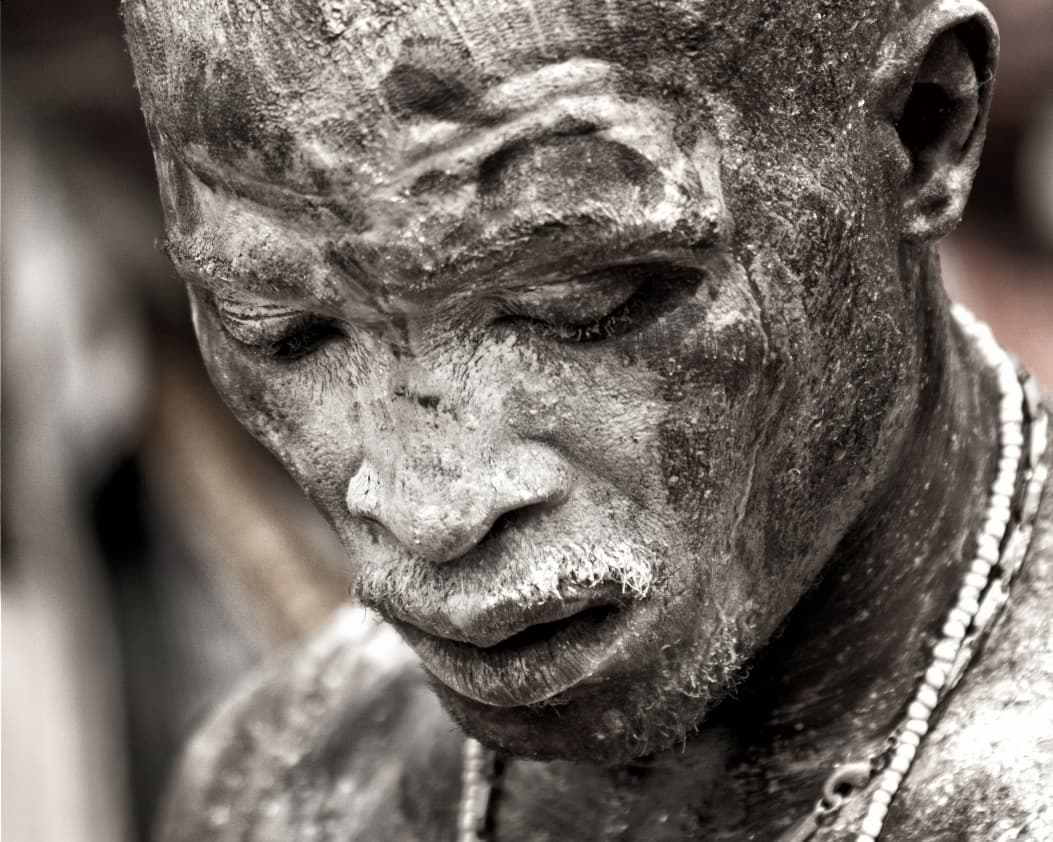
Ouidah and the Remnants of Slavery
After these two days of exoticism, we head to Ouidah. This large city was built by the Houéda people, great devotees of the python scarification (voodoo ritual). It is full of historical sites, remnants of a dark period in its past.
It indeed played a key role during the slave trade to South America, particularly to Brazil. The The Slave Route remains one of the major vestiges of this era. This trail is done in six stages: from Chacha Square to the Gate of No Return.
Following a lengthy overview of this terrible path, we clear our minds with a visit to the historic center of the city. You can see a multitude of colonial houses inspired by English, Portuguese and French architecture. Then, we add to our itinerary the exploration of the old Portuguese fort which is now a historical museum.
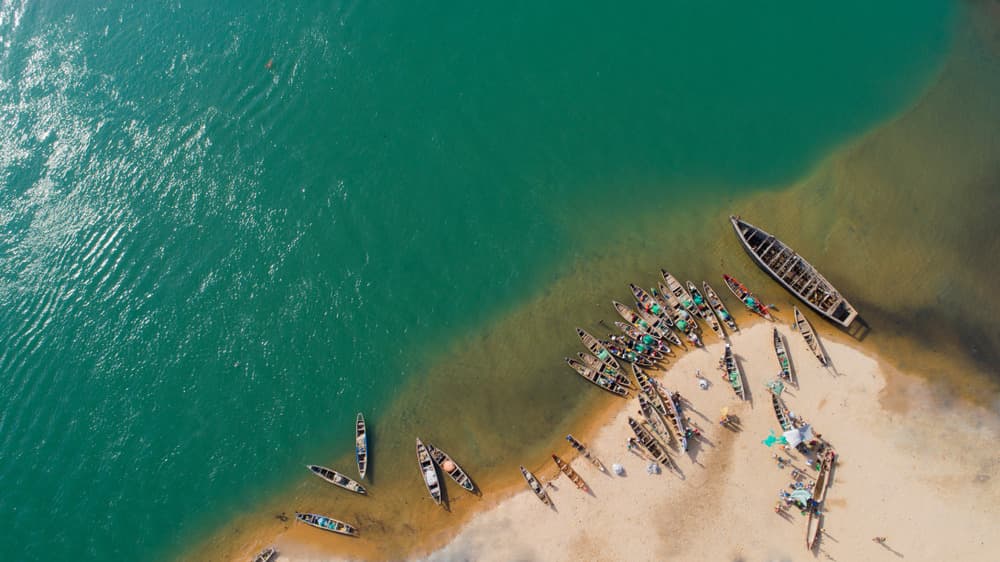
Have a great trip!
For this last day, we have free time in the economic city of Cotonou.
We take this opportunity to experience the fine reputation of its open-air market: Dantokpa. If we have time, we will also visit the Missebo market, the Zinsou foundation, Fidjrosse beach, and the craft center.
Transfer to the airport for our return flight.
Price per person
Indicative price per person, based on double room. Each trip is customized according to your preferences.
This trip can be tailored to your preferences
This itinerary provides an excellent foundation for discovery, but it can be fully customized. Our local advisors build each trip tailored to your budget, dates and preferences.
Not included
- Air transport
- Visa fees
- Insurance
- Meals and drinks
- Tips and personal expenses
- The extras
- Everything that is not mentioned in "Included"
Included
- Accommodation
- The services of an English-speaking coordinator guide
- Transportation throughout your entire stay (driver and fuel included)
- The activities mentioned
- Site entries
Practical Information
Registration is considered firm and final after payment of a deposit of 30% of the total price and acceptance of the specific terms of sale.
The balance must be paid no later than 45 days before the departure date.
See our specific terms of sale for full details.
In the event of cancellation by the traveller, the following fees apply:
- Plus de 60 jours avant le départ : 40 % du prix total (acompte retenu)
- Entre 60 et 30 jours avant le départ : 50 % du prix total
- Moins de 30 jours avant le départ : 100 % du prix total
We strongly recommend taking out cancellation insurance. See our specific terms of sale for full details.
The information below applies to travelers who are nationals of the European Economic Area (EEA), Switzerland and Canada traveling to Benin for tourism purposes. Entry requirements may change, so we recommend verifying this information with the official authorities before your departure.
Passport
To enter Benin, your passport must be valid for a minimum of six months after your entry date into the country and must have at least two blank pages for immigration stamps.
The document must be in good condition (no damaged, torn or altered pages).
Visa
Nationals of the European Economic Area, Switzerland and Canada must obtain a visa to enter Benin, including for tourism purposes.
Benin has implemented an electronic visa (e-visa) system, which is the recommended entry method. This visa must be requested online before departure, via the official portal of the Beninese authorities. It is issued for a tourism stay of up to 30 days.
It is also possible to obtain a visa on arrival at certain international airports, particularly at Cotonou (Cardinal Bernardin Gantin International Airport), but the e-visa is strongly recommended to avoid any delays or complications upon entry.
The authorities may request:
an exit ticket from the territory (return or onward flight),
proof of sufficient financial resources for the duration of your stay,
a confirmation of accommodation booking.
Health and vaccinations
Yellow fever vaccination is mandatory to enter Benin. The international vaccination certificate (yellow booklet) must be presented upon entry to the country. Without this document, entry may be refused or vaccination on arrival may be required.
It is furthermore strongly recommended to:
take an antimalarial treatment appropriate to the region, as malaria is present throughout the territory,
keep up to date with routine vaccinations (hepatitis A and B, typhoid, meningitis, tetanus, poliomyelitis),
consult a doctor or international vaccination center at least four to six weeks before departure.
Traveling with children
Minors must hold their own valid passport covering the duration of the stay, as well as an individual visa.
In certain European countries, when a minor travels without one of their parents, an exit authorization may be required according to the regulations of their country of residence.
Other nationalities
Entry requirements may vary depending on nationality. Travelers concerned should inquire with the embassy or consulate of Benin in their country of residence.
To participate in our trips, it is strongly recommended to have repatriation assistance and medical expense coverage abroad.
Your local agency encourages you to review the specific policy developed with our partner CHAPKA ASSURANCES and AXA ASSISTANCE.
To subscribe to an insurance plan, learn about coverage and rates, follow the link below.
CAP EXPLORER: The complete insurance solution designed for a worry-free trip!
Choose the plan that best suits you:
Explorer'Multirisque
Explorer'Annulation
Explorer'Assistance
Explorer' Complémentaire Carte Bancaire
Specific to our trips, we strongly recommend subscribing to one.
If you choose to subscribe to one of these plans, the policy detailing all coverage and claims procedures are available on the insurer's website.
Your local agency will be aware of this, but only the participant is responsible for complying with claims declaration procedures. The participant must therefore keep this policy with them throughout their trip.
Chapka — Cap Explorer
Our insurance partnerTravel with peace of mind with our partner Chapka. Cancellation, repatriation, medical expenses, baggage… All the coverage for a worry-free trip.
Travel with peace of mind — I'll handle the insuranceFrequently asked questions
An e-visa is required and must be requested online before departure. Processing takes 48 to 72 hours. Your passport must be valid for at least 6 months after your entry date. A yellow fever vaccination certificate is mandatory. The conditions for obtaining the e-visa (fee, validity period) vary depending on your nationality. We recommend that you verify the rules applicable to your situation with the consular authorities of the destination before booking your trip.
Go to the My Trips section to find all your projects.
You can send a message to your host directly from the Tea Lounge.
For a tailor-made quality trip, plan between 120 and 210 euros per day and per person, including accommodation, meals, internal transport and English-speaking guide. International flights (700-1100 euros return) are additional. Benin is an authentic destination, the birthplace of Voodoo.
Your documents are accessible in the Documents tab of your trip.
Absolutely. We adapt every itinerary to match your travel profile. For families, we prioritize relaxed paces, family-friendly accommodations, educational and entertaining activities, and comfortable private transfers. Our local English-speaking guides know how to captivate children with age-appropriate anecdotes.
It's simple. You exchange with our local team to define your wishes, budget and dates. You receive a detailed itinerary proposal within 48 hours. You refine every detail together until it's perfect. You confirm and travel with peace of mind. Your local agency remains available 7 days a week throughout your trip.
In case of emergency, contact your local agency immediately.
Payment is generally made in two installments.
Our agency is part of the Nomadays network, registered in France. You benefit from APST (Association Professionnelle de Solidarité du Tourisme) guarantee which covers 100% of your funds. Secure payment, repatriation insurance included, and English-speaking assistance 24/7 on the ground throughout your stay.

Let's talk about your adventure — Historic South
Cultural bridge builder across West Africa, based in Bénin
We understand Benin through the colors of a market, the rhythm of a drum, and the warmth of a welcome
— Isaac