Cycling Through the Mountain
Cycling through the Himalayas, from the Golden Temple of Amritsar to the Tibetan foothills of McLeod Ganj
Duration
16 days
From
€1,530/pers.
Ideal seasons
Mar, Apr, Oct, Nov
Style
Guided tour
Comfort
classique
Travelers
Solo, With friends, Couple
The spirit of travel
After a traditional welcome in Delhi, we head towards the holy city of Amritsar where the fabulous Golden Temple stands – the spiritual heart of the Sikh faith. From there, we take the road to Pragpur, the only village in Inde to have been declared a World Heritage site. We then mount our bicycles for a ride through the lush and picturesque valley of Kangra, on the foothills of Kullu. Between the verdant pine forests, winding streets and paved paths bordered by towering conifers that rise above the rice fields, we visit remote villages and ancient Buddhist sanctuaries. These stops give us the opportunity to appreciate not only the natural charm of the region but also its rich culture. Next, we reach McLeod Ganj and Dharamsala, a thriving Buddhist centre that is the residence of the Dalai Lama. Riding along roads in the shadow of the magnificent Dhaula Dhar range, we reach the beautiful town of Andretta, then Mandi, an important trading town on the ancient Tibet route. We traverse the Jalori Pass (3,135 m), then descend into the beautiful Tirthan valley, on the edge of the great Himalaya National Park. Our tour ends in Shimla, a hill station dating from the colonial era and summer capital during the British Raj. We spend a day enjoying leisure activities and exploring the town. Early in the morning, we take the narrow-gauge train to Kalka, followed by an overnight train for our return to Delhi.
The stages of your journey
Highlights
Day-by-day itinerary
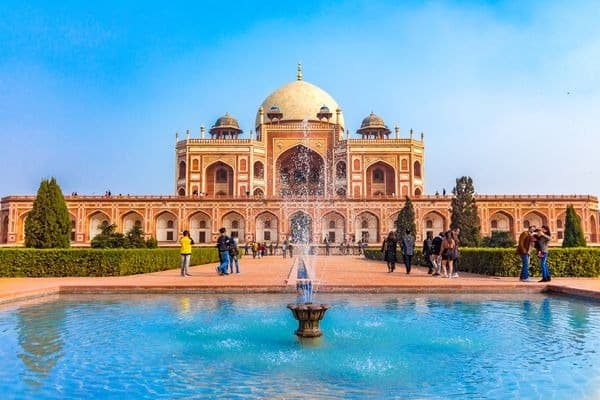
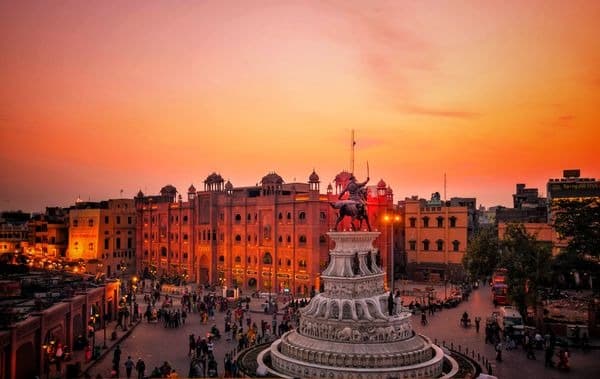
Train journey from Delhi to Amritsar
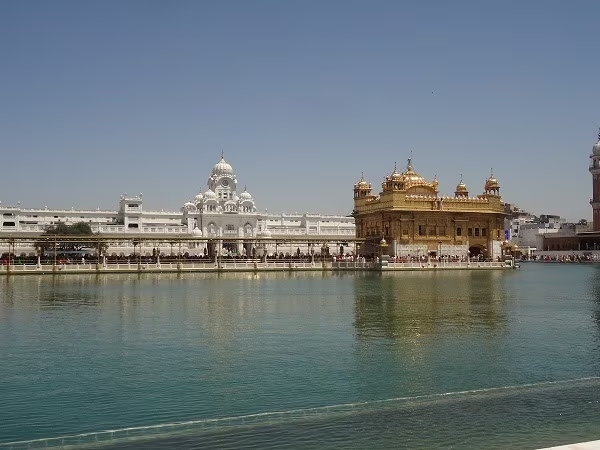
Today, we join the train station to board a train heading to Amritsar. Upon arrival, we are greeted by the driver and then taken to the hotel. Amritsar is the spiritual center of the Sikh religion. Etymologically, its name means "lake of sacred nectar". Late in the afternoon, we plan a guided visit to the fabulous Golden Temple. Night at the hotel.
From Amritsar to Pragpur
We schedule an early morning visit to the Golden Temple before heading to Pragpur. We try to get there early in the morning, when the first light of day reflects in the surrounding pool of the golden central dome. This sight is simply magical. We take time to refresh before heading to Pragpur via the Kangra Valley. Arriving in the town in early evening, we settle into our hotel and take the moment to contemplate the fascinating landscape. The Himachal Pradesh government granted Pragpur the status of heritage village, due to its pleasantly preserved and colorful houses. The village is built around a central courtyard and pool, known as Taal.
Pragpur - Kangra (Cycling - 47kms)
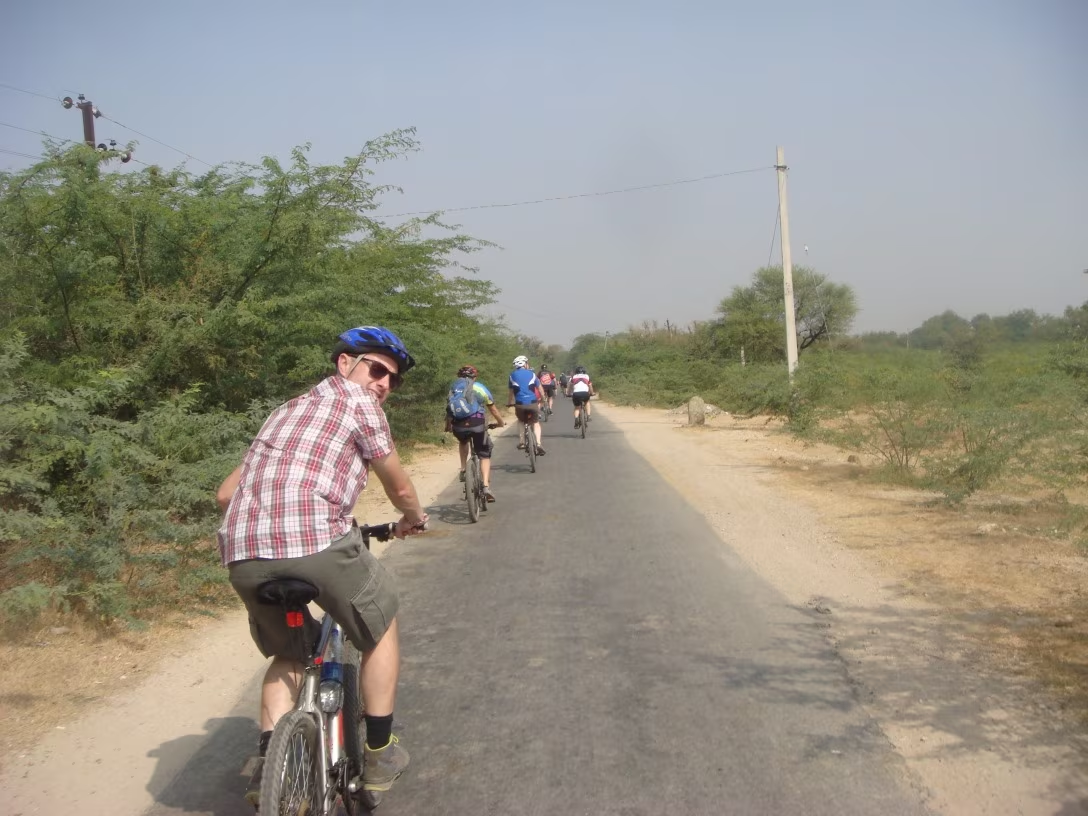
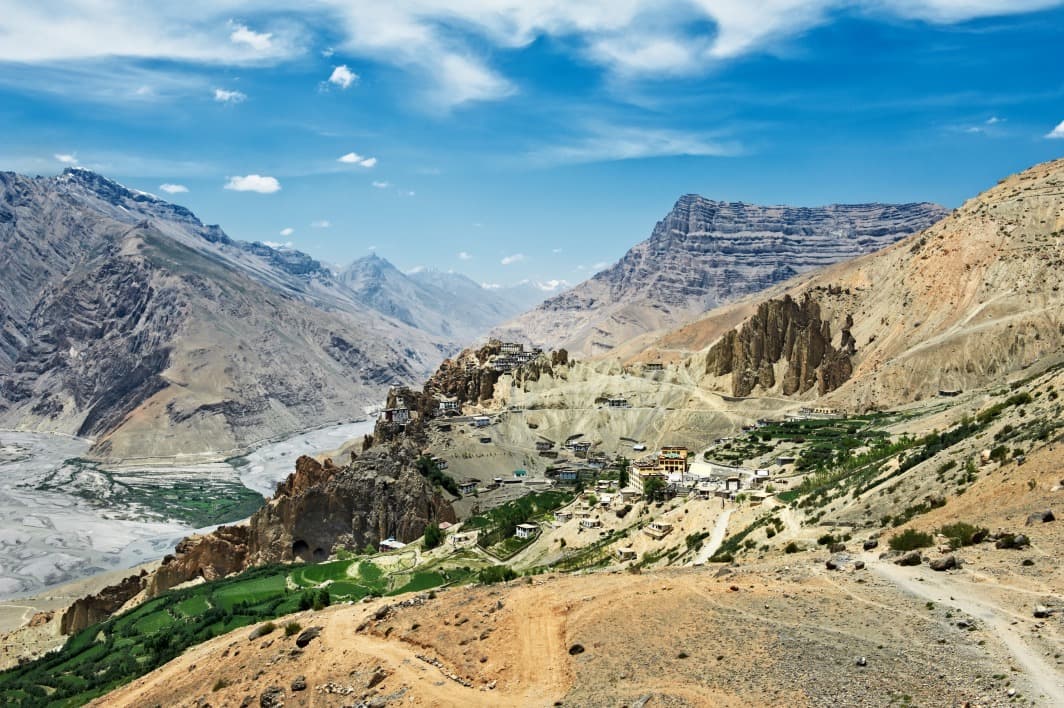
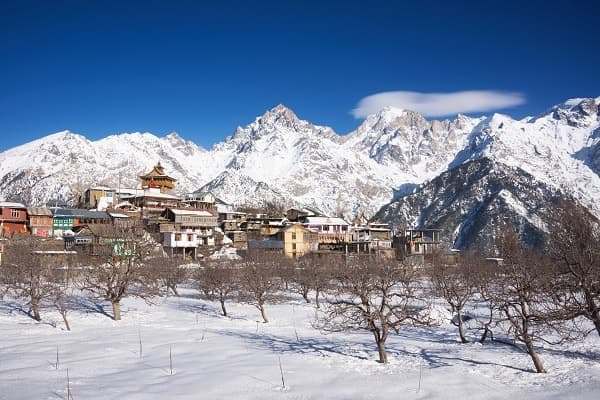
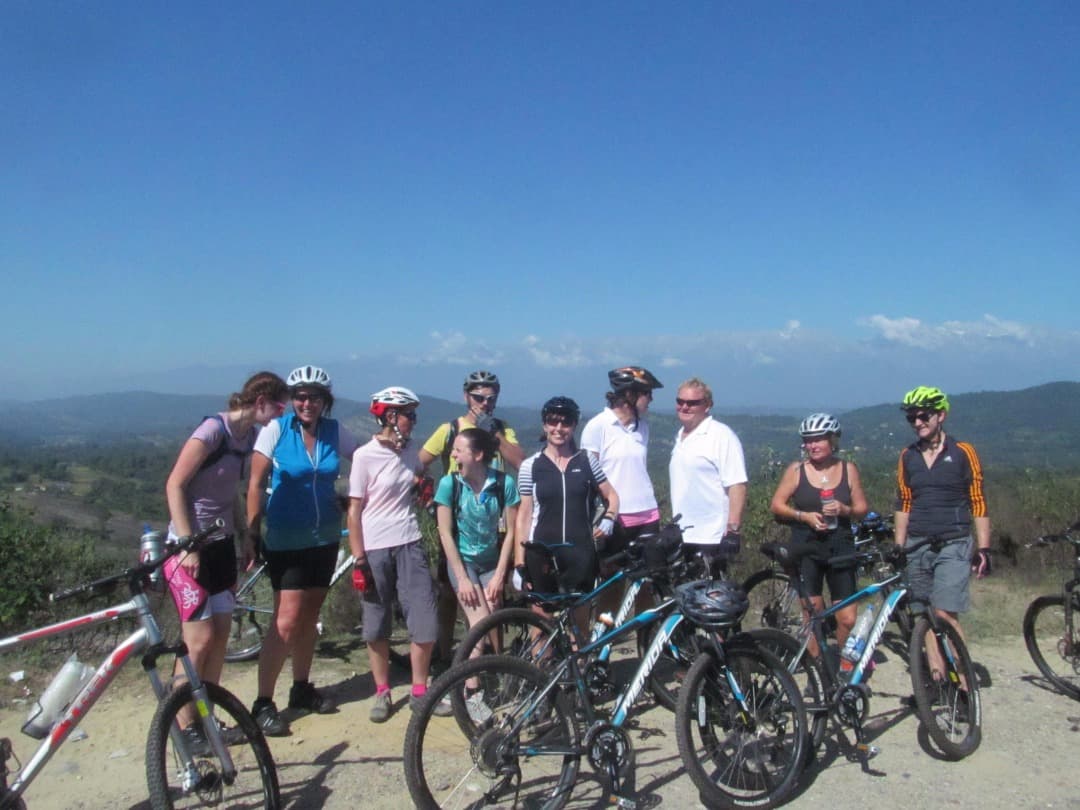
We have breakfast at our hotel before beginning this first day of cycling. We mount our bikes for a ride out of the city Pragpur (600 m), to the bridge that crosses the Beas River. Today's ride is on quiet roads, taking us through fields, mixed forests and several villages in the Kangra Valley. The route is quite comfortable, as there are few steep climbs and descents. We reach Kangra in the afternoon. We explore the surroundings of the city and the Kangra Fort whose origins date back to the time of the Trigarta kingdom, mentioned in the Mahabharata epic. It is the largest fort in the Himalayas and probably the oldest dated fort in Inde.
Kangra - Dharamshala - McLeodganj
We start our adventure quite early, since today's route, although fairly short, involves many climbs. To begin with, we take the road through The upper Kangra valley which proves quite easy to descend. But beyond the junction at Gaggal, a series of hairpin bends to climb requires our efforts. The road is rather quiet and little frequented, which allows us to cycle at our own pace. Those who don't have the heart to pedal can board the support vehicle following the same circuit. We enjoy a panoramic view of Dhuala Dhar (white mountains). Dharamsala appeared on the world map in 1959, with the arrival of the Dalai Lama and the Tibetan exile community.
Currently, it is a very popular retreat among foreigners, backpackers and students of Buddhism. We walk through the main streets of the holy city and continue our climb to McLeod Ganj situated at 2000 m altitude. We have plenty of time to explore the region. The village was named after David McLeod, the English lieutenant-governor of Punjab. He founded it in 1848 as a refuge away from the heat of the plains. McLeod Ganj is first and foremost the home of the Gaddis, a hill tribe.
From Dharamshala to Andretta - 55 kilometers by bike
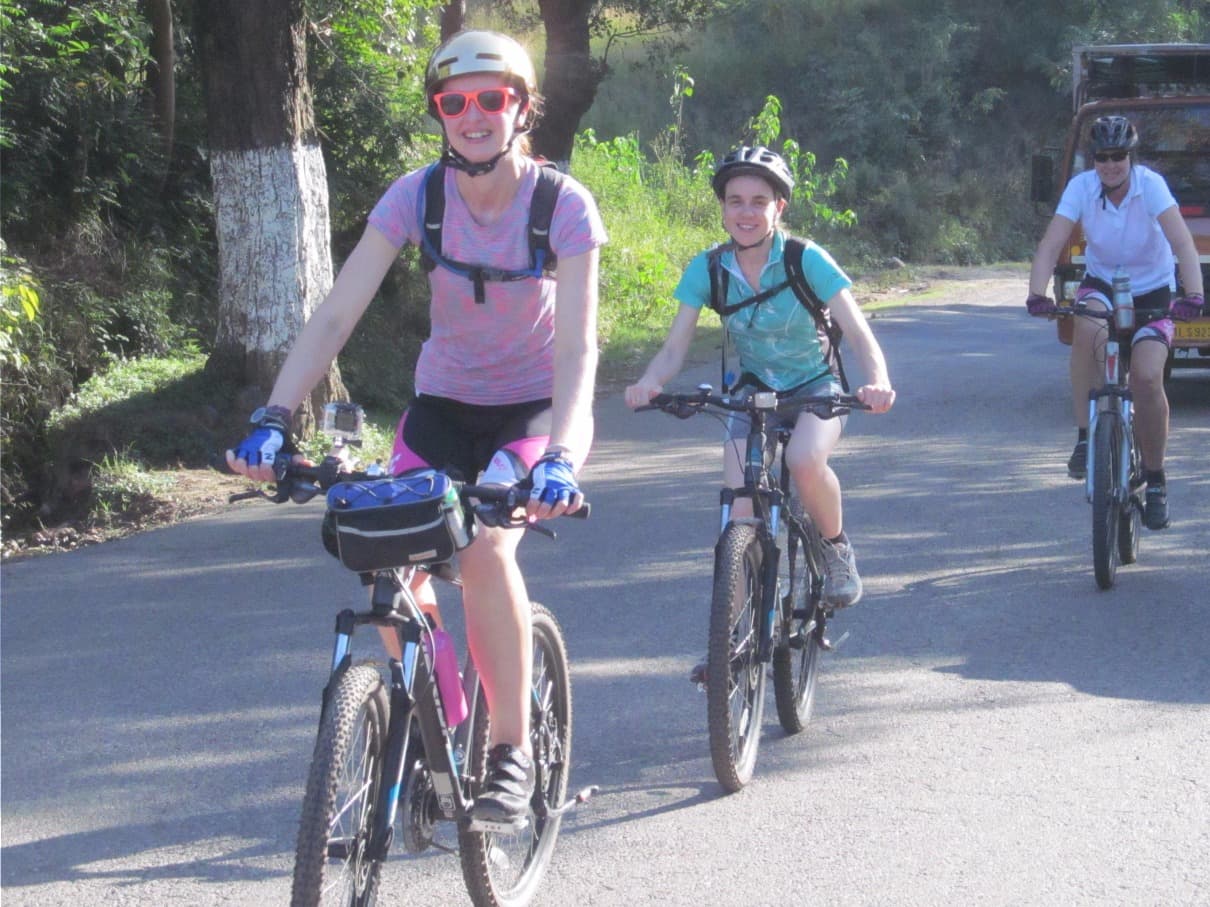
We start the day with an easy descent through Dharamsala, where we follow a network of peaceful roads. The path takes us eastward, just above the valley floor. Passing through tea fields and villages, equipped with basic gear, we make a stop along the way for lunch. After the meal, we get back on our bikes and pedal at our own pace until Andretta where we have booked a room for the night. This ancient village is known for its cultural sites: Norah's Center for Arts, Andretta Pottery and Craft Society, Norah's Mud House and Sir Sobha Singh Art Gallery, etc.
From Andretta to Joginder Nagar - 38 kilometers by bike
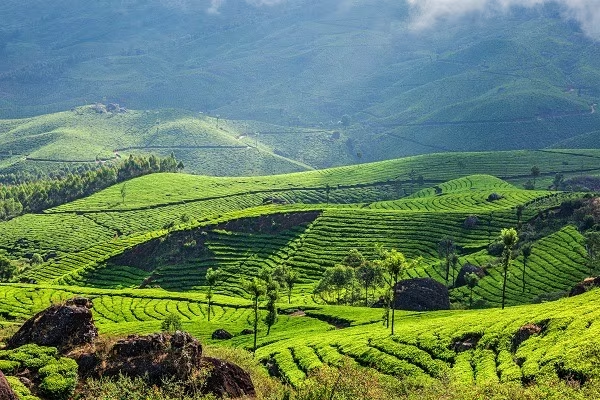
This morning walk offers us a unique travel experience through tea plantations. We contemplate the fields in emerald colors, arranged in orderly rows. In the North, we enjoy the beautiful view of the Himalayan foothills and observe the spectacle of rural Inde. Along the way, we stop at the Baijnath Temple, a monument dating from the 13th century and dedicated to Lord Shiva. We continue our walk on deep roads until Joginder Nagar. Perched at 1220 m altitude, this picturesque place wraps itself in beautiful natural scenery. We spend the night in a guesthouse.
From Joginder Nagar to Mandi – 54 kilometers by bike
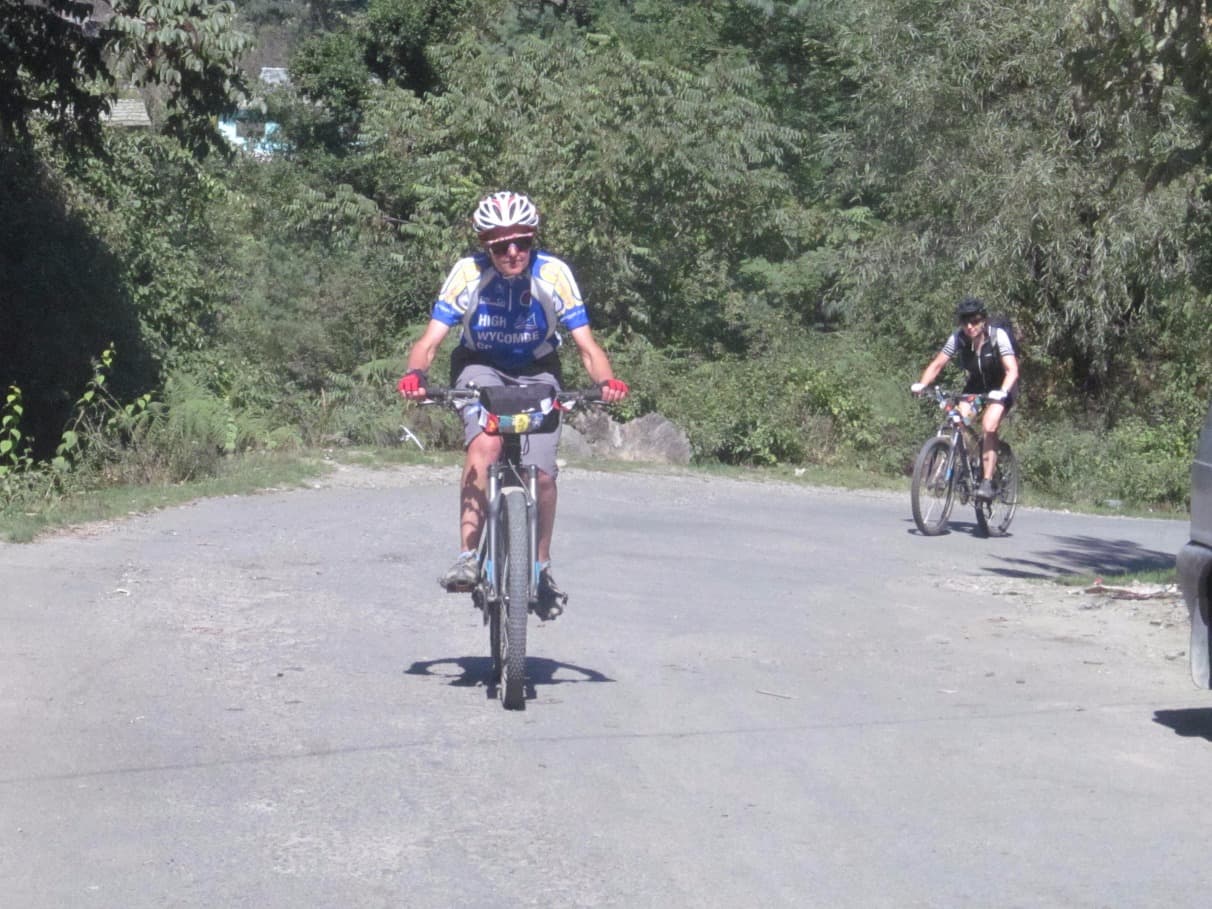
Today's route is quite long, but mostly features descents. Starting from Kangra Valley, we head towards Mandi. We cross a number of hills. The road's level crossings push miners to descend from the main ridge. We follow the path of the Uhl River to the confluence point with the Beas River. We then begin a long descent on a slightly busier section of the walk through the town of Mandi. The comfortable climate, panoramic views of snow-covered mountains and well-developed tourist facilities make Mandi a highly popular destination for tourists. Various religious sites within and around the city of Mandi have made the region sacred to Hindus, Sikhs and Buddhists.
From Mandi to Larji Cycling - 49 kilometers by bike
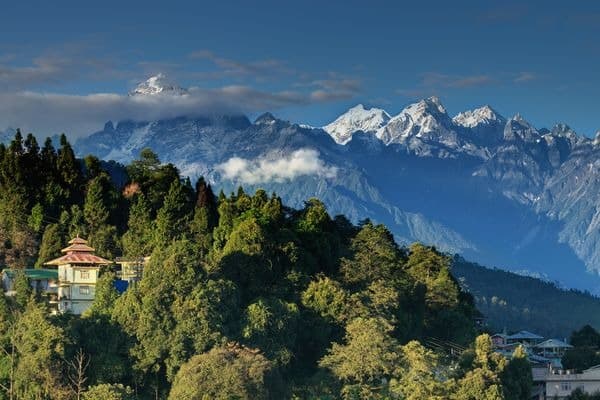
Today, we cross the Beas River which marks the outer beaches of the Himalayas. We travel along a comfortable road to the southern end of the Kullu valley. Although the itinerary is undulating, with fascinating landscapes, the difficulty level remains moderate. The lowest slopes are terraced and covered with apple orchards. Beyond the Pandoh dam and hydroelectric installation, we find ourselves above a vast reservoir. Our overnight stop is in a lodge, in the small hamlet of Larji, at 960 m altitude near the point where the Beas River makes a sharp turn towards the west. We check in at the guesthouse in the afternoon and spend the rest of the day exploring the area.
From Larji to Shoja – 32 kilometres by bike
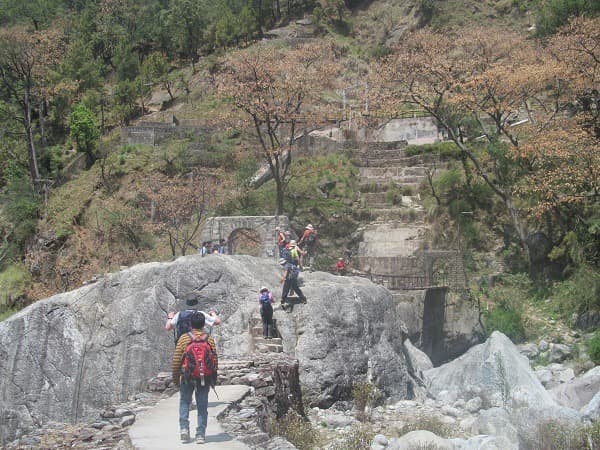
The terrain rises towards the upper Himalayas. The best way to continue our tourist journey is to pass through the foothills, towards the South. It is still a day of climbing. We follow State Highway 11, at the edge of the Tirthan River, a tributary of the Beas. We make regular stops to appreciate the views and to regain our strength. Rarely visited, this wild part of the Indian Himalayas is covered with a forest of pines and oaks. In the village of Banjar, after approximately 10 kilometers of cycling, we walk peacefully down a main street lined with wooden shops to the Murlidhar Pyramid Temple dedicated to Krishna. The last part of the circuit to Shoja(2600 m) is steeper. Nevertheless, the support vehicle is at your disposal if you wish to take a break. Upon arrival, we check in at the guesthouse. Then, we take advantage of the free time to stroll through this charming village and get to know the inhabitants, who, by the way, are not used to seeing many foreign visitors.
From Shoja to Luhri – 60 kilometres by bike
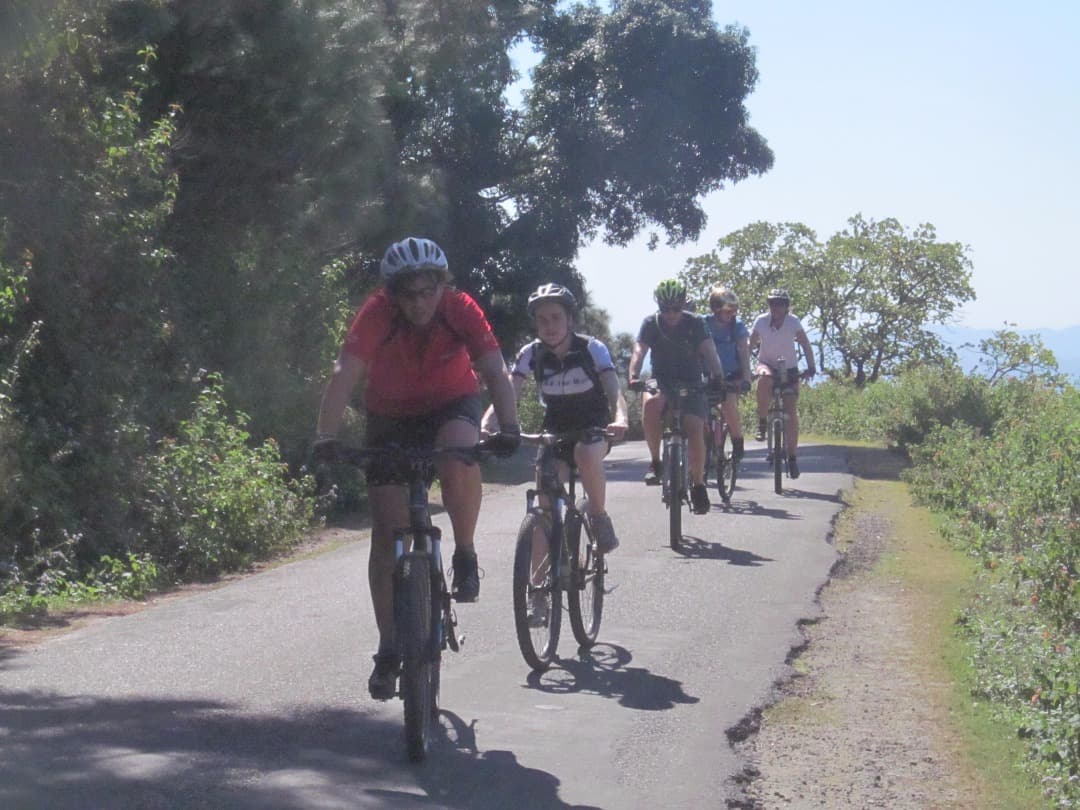
This day promises to be sporty with the numerous climbs and zigzagging paths to traverse. We start our getaway with a steady ascent above Shoja. Leaving the pine forest, we find ourselves in a sub-alpine world dominated by stunted birches and tightly cultivated meadows. The road is winding, often affected by freezing or winter thawing. As we approach Jalori Pass (3135m), the steady climb transforms into a rather steep final ascent. From the heights of the site, we enjoy the view over the ridges of the region, in particular the unbroken ridge of snow-capped peaks of the Pir Panjal. The rest of the route is only descent. We must pedal carefully, controlling our speed, especially on the curves. Finally, we reach the Sutlej river and a little further our accommodation at Luhri(800m).
Luhri - Narkhanda (Cycling - 37 kms)
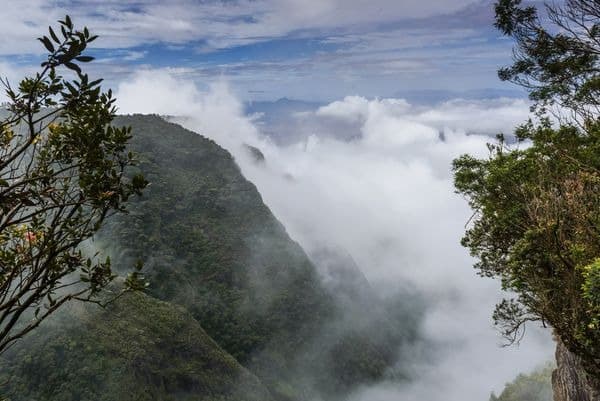
After breakfast at the lodge, we prepare for a long climb in the Sutlej valley. Once again, the support vehicle is made available to those not inclined to make the ascent, for the entire day or en route. For keen hikers, the trail holds plenty of challenges. We trek at our own pace through the heights. We plan a stop every hour to rest. We recharge our energy before resuming the journey. The magnificence of the landscape helps us forget our fatigue and offers us several opportunities to take splendid photographs. Our overnight accommodation is located at Narkhanda (2708 m), on top of the ridge. The place enjoys stunning views of the Pir Panjal and the panoramas to the north of the Ngari province, in Tibet.
From Narkhanda to Shimla – 64 kilometres by bike
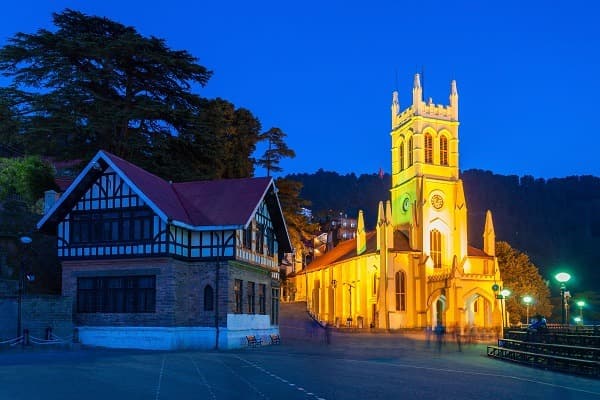
The last cycling day includes a high-level route through the foothills of the Himalaya to Shimla. The itinerary is delicate, full of turns and twists. We are led to go around ridges. Covered with mixed forests of pine and oak on the sides, the valley occasionally offers views to the west, notably the Sutlej valley. After several stops, including a lunch break in a village, we cross a small pass at 2450 m altitude before descending to the sprawl of Shimla, another former hill station founded during the British Raj. We have time to explore the surroundings. In the evening, we are free to stroll along the main pedestrian street called "Mall".
From Shimla to Pinjore – a journey on the Toy Train to Kalka
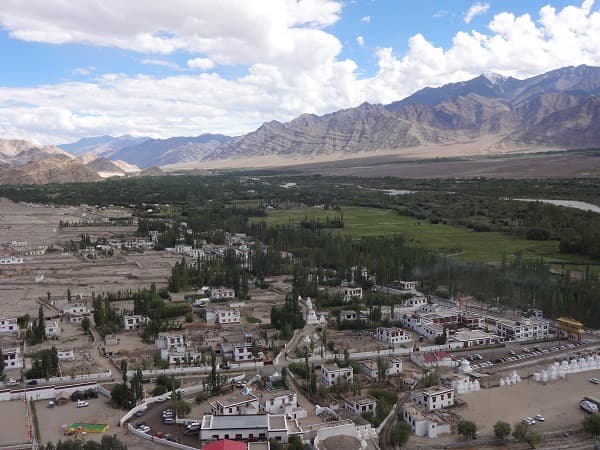
Once the British summer capital, Shimla, nicknamed the "Queen of the Hills", is today the capital of Himachal Praddesh. Established on a series of interconnected ridges, the houses stand on the hillsides, forming a riot of colorful roofs. Dating from the nineteenth century, the old town possesses a unique charm. We visit the place in the morning. After lunch, we take the train and cross the narrow gauge railway to Kalka, where the mountains meet the plains of North India. Among the longest train routes in the world, this 100-kilometer line includes more than 100 tunnels.
Today, we are transferred to the station to board the "Toy Train". This train passes through a series of beautiful landscapes and scenery just waiting to be captured with a camera.
From Kalka, we head to our hotel in Pinjore, on the outskirts of Chandigarh.
From Pinjore to Delhi - A Morning Train Journey from Kalka to Delhi
Departure from Delhi
Hotel check-out and transfer to the international airport to board the return flight.
Price per person
Indicative price per person, based on double room. Each trip is customized according to your preferences.
This trip can be tailored to your preferences
This itinerary provides an excellent foundation for discovery, but it can be fully customized. Our local advisors build each trip tailored to your budget, dates and preferences.
Not included
- International flights
- Travel insurance
- The travel package indicated above is not valid during the period: From December 20, 2026 to January 10, 2027. There will be a surcharge for Christmas and New Year's during this period.
- Indian visa fees
- Lunch and Dinner during the trip except half board in Andretta, Larji, Shoja and Luhri
- Personal expenses, souvenirs and beverages
- Rights of use for a camera or video camera on tourist sites
- Insurance for baggage loss and repatriation, as well as rescue expense insurance
- Tips for the driver and other staff
- Other services not included in the "the price includes" column
Included
- Accommodation for 11 nights in the mentioned hotels or similar in double room with breakfast
- 04 nights half board at the hotel in Andretta, Larji, Shoja and Luhri
- "Toy Train" for the next stage: (Shimla – Kalka)
- Train tickets in Air-conditioned Chair class for the following two legs: (Delhi - Amritsar and Kalka - Delhi)
- The transport of luggage and equipment from one accommodation to another
- All ground transportation included in the program in a private vehicle with air conditioning, with an English-speaking driver
- Entrances to the monuments mentioned in the program
- The English-speaking guide throughout the journey in India
- Government taxes
Practical Information
Registration is considered firm and final after payment of a deposit of 30% of the total price and acceptance of the specific terms of sale.
The balance must be paid no later than 45 days before the departure date.
See our specific terms of sale for full details.
In the event of cancellation by the traveller, the following fees apply:
- Plus de 60 jours avant le départ : 40 % du prix total (acompte retenu)
- Entre 60 et 30 jours avant le départ : 50 % du prix total
- Moins de 30 jours avant le départ : 100 % du prix total
We strongly recommend taking out cancellation insurance. See our specific terms of sale for full details.
The information below applies to travelers who are nationals of the European Economic Area (EEA), Switzerland and Canada traveling to India for a tourist stay. Entry rules may evolve, so we recommend that you verify the information with the official authorities before your departure.
Passport
To enter India, your passport must be valid for at least six months from the date of entry into the country and contain at least two blank pages for immigration stamps.
The document must be in good condition (no damaged, torn or altered pages).
Tourist Visa – e-Visa (Tourist eVisa)
Nationals of the European Economic Area, Switzerland and Canada must be in possession of a valid visa to enter India. There is no visa exemption for a tourist stay.
The most common solution is the Tourist eVisa, available online on the official Indian government portal. It is available for several durations:
Tourist eVisa 30 days (double entry),
Tourist eVisa 1 year (multiple entries, maximum stay of 90 days per visit),
Tourist eVisa 5 years (multiple entries, maximum stay of 90 days per visit).
The application must be submitted online at least 4 days before your arrival date and at most 120 days before. The eVisa is linked to your passport and is available only at certain designated airports and ports of entry.
Arrival and Immigration
When passing through immigration, Indian authorities may ask for:
confirmation of your eVisa (printed document or digital version),
an exit ticket from the territory (return flight or onward journey),
proof of sufficient financial resources for the duration of your stay,
the address of your first accommodation in India.
Health and Vaccinations
No vaccine is officially mandatory to enter India from the EEA, Switzerland or Canada, except in the case of transit through a country at risk of yellow fever (a yellow fever vaccination certificate will then be required).
As a preventive measure, health authorities generally recommend the following vaccinations:
hepatitis A and hepatitis B,
typhoid,
tetanus-poliomyelitis,
rabies (depending on planned activities),
Japanese encephalitis (depending on regions and length of stay).
Antimalarial treatment may be recommended depending on the regions you visit and the time of year. Consult a doctor or international vaccination center before your departure.
Traveling with Children
Minors must be holders of their own valid passport and their own eVisa covering the duration of the stay.
In certain European countries, when a minor travels without one of their parents, an exit authorization from the territory may be required according to the regulations of their country of residence.
Other Nationalities
Entry conditions may vary depending on nationality. Travelers concerned should inquire with the Indian embassy or consulate in their country of residence.
To participate in our trips, it is strongly advised to be insured for repatriation assistance and medical expenses abroad.
Your local agency encourages you to review the specific policy developed with our partner CHAPKA ASSURANCES and AXA ASSISTANCE.
To subscribe to an insurance policy, learn about coverage and rates, follow the link below.
CAP EXPLORER: The comprehensive insurance solution designed for a worry-free trip!
Choose the plan that best suits your needs:
Explorer'Multirisque
Explorer'Annulation
Explorer'Assistance
Explorer' Complémentaire Carte Bancaire
Specific to our trips, we strongly recommend subscribing to them.
If you choose to subscribe to one of these plans, the policy detailing all coverage and claims notification procedures are available on the insurer's website.
Your local agency will be aware of this, but only the participant is responsible for complying with the claims notification procedures. The participant must therefore keep this policy with them throughout their trip.
Chapka — Cap Explorer
Our insurance partnerTravel with peace of mind with our partner Chapka. Cancellation, repatriation, medical expenses, baggage… All the coverage for a worry-free trip.
Travel with peace of mind — I'll handle the insuranceFrequently asked questions
A tourist visa is required. The e-visa can be applied for online before departure (approximately 25 USD). Your passport must be valid for at least 6 months beyond your entry date and you must have two blank pages available. We guide you through the process. Before booking, verify the specific conditions applicable to your nationality with the consular authorities of your destination.
Go to the My Trips section to find all your projects.
You can send a message to your host directly from the Tea Lounge.
For a tailor-made quality trip, expect between 140 and 230 euros per day and per person, including accommodation, meals, internal transportation, and English-speaking guide. International flights (600-900 euros round trip) are additional. India offers incredible diversity of experiences at varying price points.
Your documents are accessible in the Documents tab of your trip.
Absolutely. We tailor each itinerary to suit your travel profile. For families, we prioritize relaxed pacing, family-friendly accommodations, educational and entertaining activities, and comfortable private transfers. Our English-speaking local guides know how to capture children's attention with age-appropriate stories and anecdotes.
It's simple. You exchange with our local team to define your wishes, budget and dates. You receive a detailed itinerary proposal within 48 hours. You refine every detail together until it's perfect. You confirm and travel with peace of mind. Your local agency remains available 7 days a week throughout your trip.
In case of emergency, contact your local agency immediately.
Payment is generally made in two installments.
Our agency is part of the Nomadays network, registered in France. You benefit from APST guarantee (Association Professionnelle de Solidarité du Tourisme) which covers 100% of your funds. Secure payment, repatriation insurance included, and English-speaking assistance 24/7 on the ground throughout your stay.
Let's talk about your adventure — Indian Himalayas
India's Thousand Faces Expert, based in Inde
India can surprise, disorient or amaze you all in one day. My role is to help travelers find their own pace to truly enjoy the country.
— Mandeep