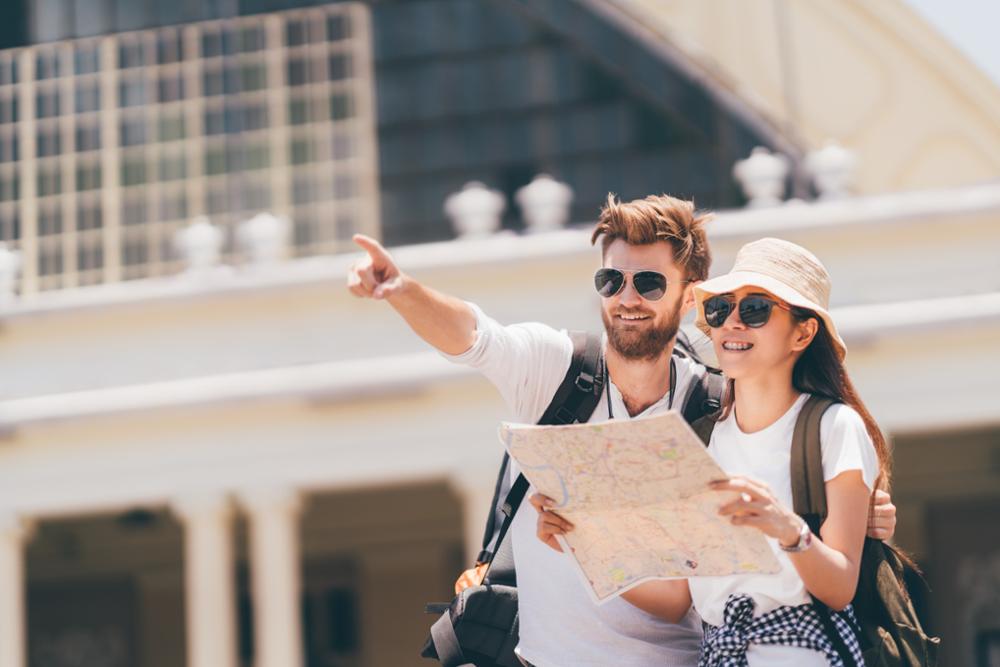
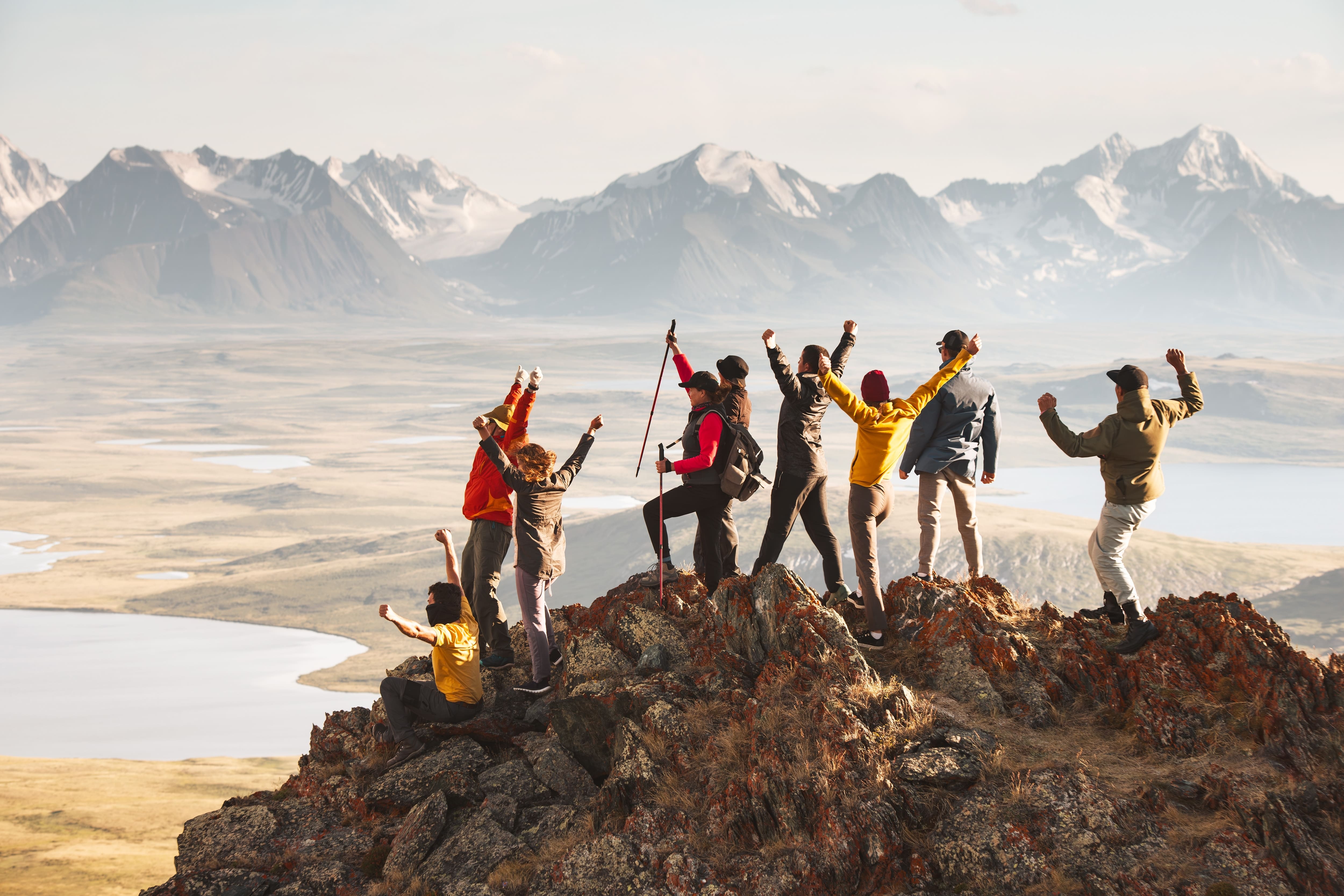

Packed buses, groups of 40 or 50 people, visits following one another at a relentless pace… Mass tourism has ended up standardizing the travel experience. Yet there is a simple alternative to escape this logic, without having to manage all the organization yourself: small group travel (or GIR). A format that is increasingly attracting travelers seeking more authentic, more human, more immersive experiences.
Why choose a small group travel itinerary? How does it really change the way you travel? Charlène and Véronique, Nomadays experts who support and advise travelers on a daily basis, share their perspective and field experience.
Small group travel, what exactly is it?
Small group travel, also called GIR (Groupe d'Individuels Regroupés), refers to a way of traveling together around the same itinerary, without falling into the pitfalls of mass tourism. At Nomadays, these groups are deliberately limited to a maximum of 8 to 12 travelers.
Whether you're traveling solo, as a couple, with family or friends, you share the experience without being lost in an impersonal group. You benefit from smooth support, without constraints, while accessing more exclusive experiences. It's the right balance between freedom and organization.
1. Real encounters, far from the anonymity of large groups
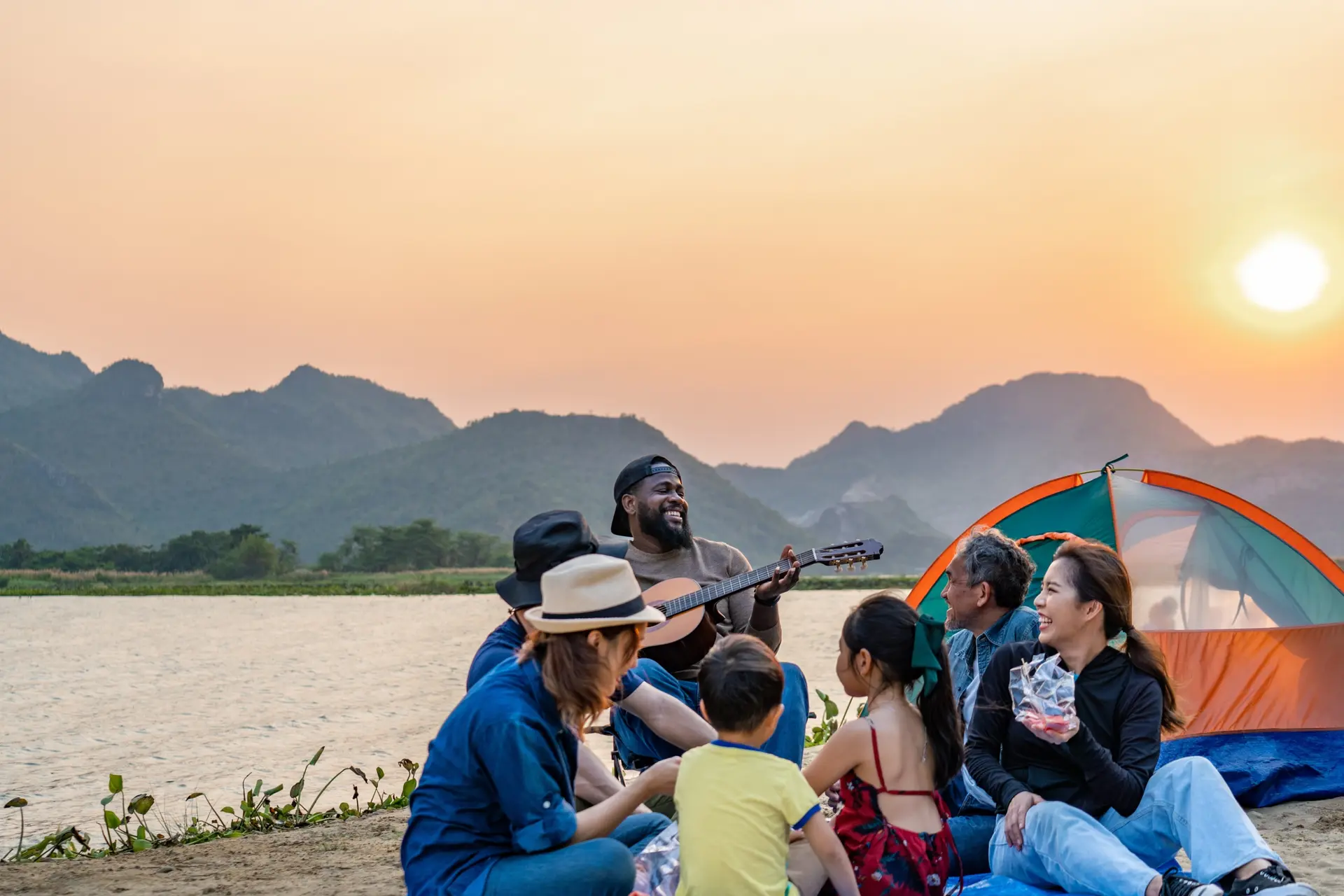
It's often what stays with you once the trip is over. Not just the landscapes, nor even the places visited, but the faces, the moments shared.
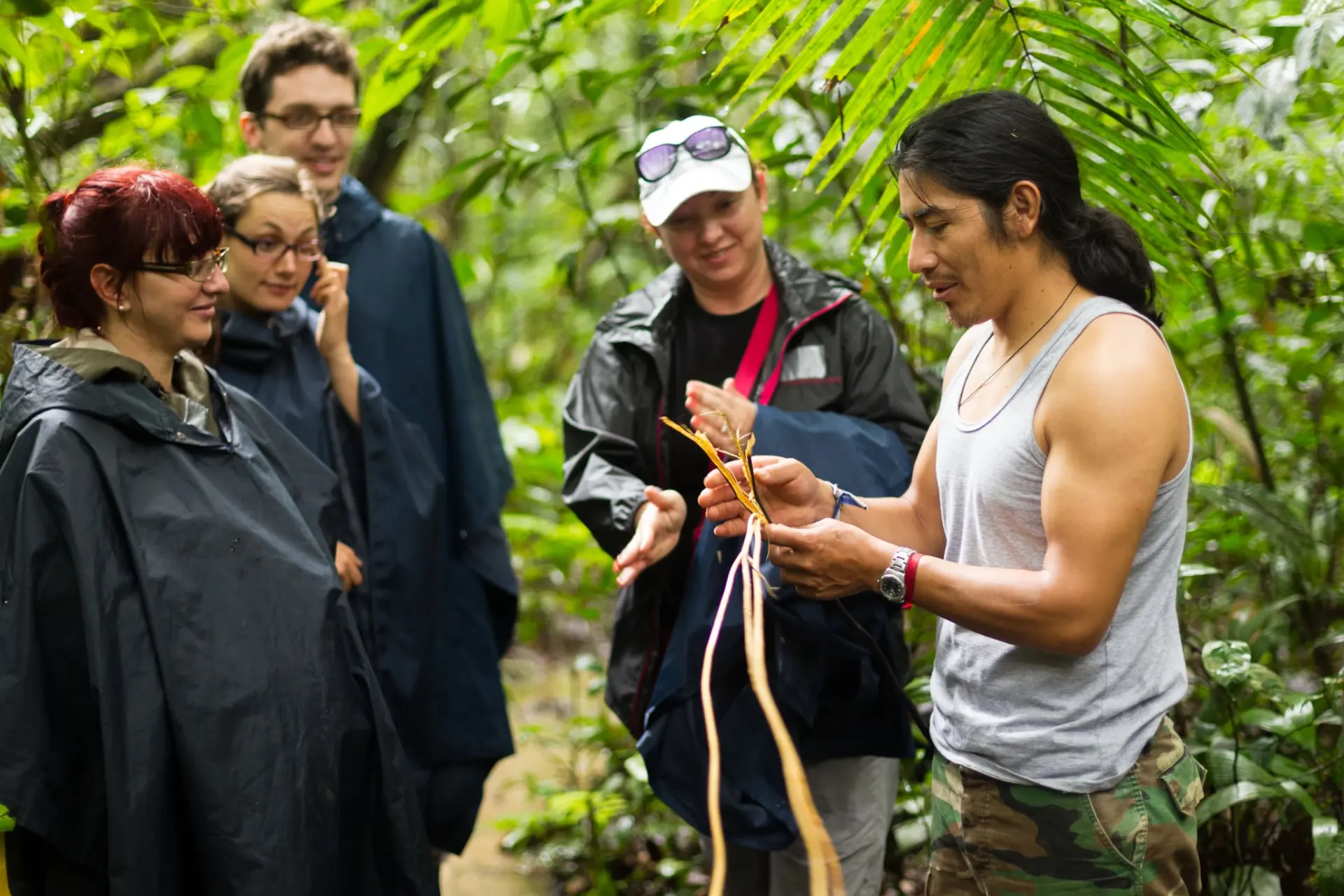
First of all, the meeting with the guide. In a small group, they are no longer a distant voice you follow from a distance. They become a true guide, someone you exchange with, ask questions to, who also adapts to the group's energy. This closeness changes everything because it transforms a visit into a conversation and an explanation into sharing.
And then there are the other travelers. Those you set out with without knowing each other, and with whom you'll experience a moment outside of time. The exchanges are often deeper, because they spring from a shared experience: you share a discovery, a surprise, sometimes tiredness, often laughter. And without really realizing it, the group becomes a real little community.
But it's the encounters with local people that take on an even more special flavor. Where large groups often stay on the surface, the small group allows you to more easily build relationships, without any sense of intrusion. Whether it's a coffee shared in a kitchen, an impromptu meal by the roadside, a conversation that lingers… These moments aren't really planned but happen because the conditions are right.
« With a small group, you can really create connections: share a meal at a local home, participate in a workshop, or simply take time to chat. These are moments impossible to experience with 30 people », explains Charlène.
2. A more fluid, flexible, and supple journey
There is a subtle, but essential, difference between following a program and living a trip.
In a small group trip, everything becomes simpler. You no longer waste time waiting, regrouping, coordinating dozens of people. Travel times are better optimized, visits flow without rushing.
You can linger when a place deserves it, or move quickly if you'd prefer. This relationship with time changes everything: you stop rushing through the stages, you start to really enjoy. A photography enthusiast will take time to stop at the perfect spot, where the light is ideal. A food lover will ask more questions, extend a moment around a dish. Another may simply prefer to enjoy the scenery, in silence.
It's also what allows you to truly let go. Because everything is organized beforehand, you no longer have to carry the mental load of the trip. No reservations to manage, no logistics to anticipate, no stress related to unexpected events.
And yet, you never feel trapped in a rigid framework. This balance is what makes small group travel so powerful: organization solid enough to free your mind, but flexible enough to leave room for the unexpected. You then find a different form of freedom. Less visible, perhaps, than that of independent travel… but often more comfortable, more peaceful.
« A small group allows you to be flexible, responsive, and closer to the ground. You can adapt the pace and seize opportunities that don't come around twice », Véronique tells us.
3. More security, without sacrificing adventure
Traveling far, discovering a new culture, stepping out of your comfort zone… This is precisely what makes travel so precious. But for many, it can also raise questions and hesitations. This is where small group travel truly makes sense.
Because you are accompanied by a local guide, because the itinerary is planned in advance, because you're traveling as a group, you move forward with more confidence. Small unexpected events are easier to handle, unfamiliar situations become less intimidating, and you quickly feel at home, even at the other end of the world.
And this security doesn't diminish the intensity of the trip. It doesn't filter the experience, it doesn't make it artificial. On the contrary, the small group allows you to be bolder, while keeping a safe framework. Taste an unfamiliar dish, strike up a conversation, get off the beaten path… All things you might be less inclined to do alone.
The group reassures without constraining, supports without imposing. Everyone maintains their space, while knowing they can count on others if needed. This is particularly true for solo travelers. The small group circuit thus becomes a way to travel alone without ever truly being alone!
4. Accessing places and experiences off the beaten path
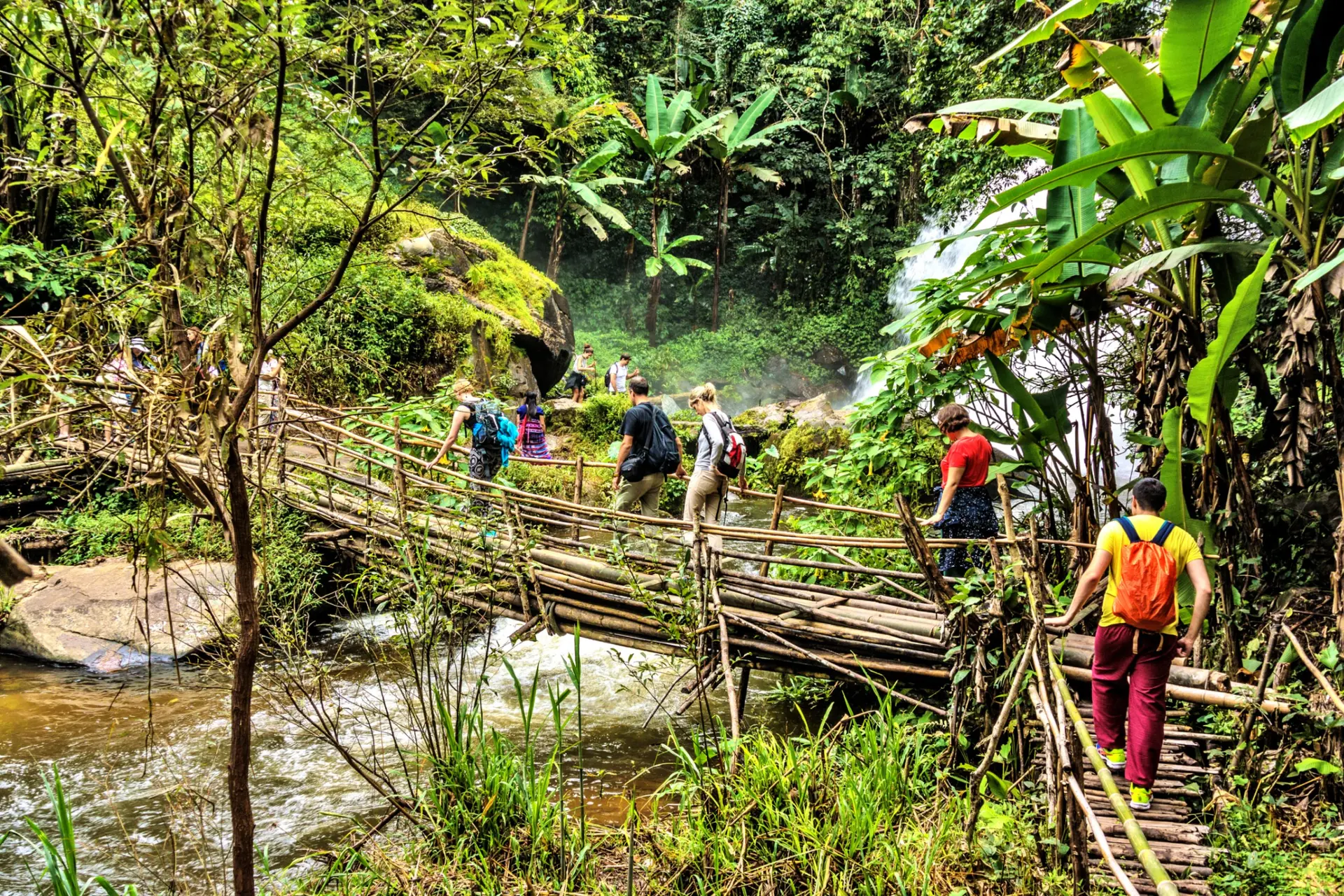
This is often what travelers today are looking for: get away from typical itineraries, see something different. But in reality, it's not so simple. Many places remain inaccessible or lose all meaning as soon as they become crowded.
Small group travel radically changes the situation. First, for a very practical logistics reason. Some paths are too narrow for large vehicles, some villages too small to accommodate large groups. A small group itinerary allows you to get around these constraints.
« We take secondary roads, we travel through less frequented regions, we stop where others pass without stopping. »
Accommodation also plays a key role. Where large groups turn to standardized and impersonal structures, the small group opens the door to accommodations that give true personality to your trip. They allow access to boutique hotels, eco-lodges, guesthouses, or charming accommodations, often impossible to book for groups of 30 or 40 people » details Charlène.
But beyond the places, there are the experiences. Those that don't always appear on an itinerary. « In a small group, you can have very immersive experiences: staying with locals, visiting a local farm or spending several days with a family. In Mongolia for example, some travelers participate in yak herding, meet shamans and contribute to nomadic life. This type of experience is simply impossible in a large group », explains Charlène.
5. Traveling in a small group also means traveling more responsibly
Today, the way you travel matters as much as the destination itself. You're no longer just looking to discover a country, but to do so with greater respect and coherence.
Small group travel naturally fits into this approach. Without making it a manifesto, it allows you to adopt a more discreet pace and presence. Being fewer in number, you integrate more easily into the places you visit. You draw less attention, you disturb local balances less.
There is also an economic dimension, often less visible, but essential. The choice of independent accommodations, local guides, small producers or craftspeople allows for supporting an economy more rooted in the territory. By benefiting those who live there directly, travel becomes a modest but tangible lever for supporting local initiatives.
Finally, the logistics itself become lighter. « Less volume, more local: the small group travels lighter on the territory », as Véronique explains. Without claiming carbon neutrality, this format allows you to travel more sustainably, limiting your impact and supporting local players.
Is small group travel more expensive?
« Not necessarily. It's often the best balance between budget and quality of experience, especially for solo travelers who avoid the single room supplement. Small group travel lets you see the essentials of a country at a good price, without traveling alone. » details Véronique.
It can also be interesting if you're traveling with others. A small group can indeed be composed in part of your loved ones. As Charlène explains, prices are often sliding scale: « For example in Mongolia, some circuits cannot operate with fewer than 4 people. Once the 4 minimum people are registered, we have a guaranteed departure. The more people sign up (up to 12), the lower the price. »
6. Collective memory: a more intense experience through sharing
There are travel moments that mark you and then there are those that stay with you. Not necessarily the most spectacular or the most anticipated, but those you experienced together.
In a small group trip, memories take on a special dimension. Because something particular happens when an experience is shared. A landscape becomes more memorable when multiple eyes meet at the same moment. A silence facing a desert, laughter around a meal, shared exhaustion after an intense day… emotions that take root more deeply. And without even realizing it, each person becomes a little bit part of the others' experience.
This could be called a form of collective memory. A trace left not only by the places, but by the connections that form along the way with fellow travelers.
« Ultimately, a small group trip isn't just a destination. It's a story you write together and each of you takes with you. »
7. The Nomadays extra touch: group trips designed for true immersion
Not all small group trips are created equal. Reducing the number of participants is not enough to create a powerful experience. Everything comes down to how the trip is thought through, built, and experienced on the ground.
At Nomadays, small group travel is first and foremost a tool for immersion. Each itinerary is designed to foster what makes travel truly meaningful: encounters, genuine discovery, connection with the territory. This starts with how the routes are created.
The choice of local partners is equally essential. Guides, drivers, hosts… all are selected for their ability to share far more than just information. They share their culture, their daily lives, their stories. They give depth to immersive travel, far beyond a simple visit.
Finally, there's this attention to detail. An accommodation chosen for its atmosphere, a stop added for its human dimension, a moment deliberately left free to allow for an encounter… all elements that aren't always obvious on paper, but make all the difference once you're there.
Ultimately, the Nomadays version of small group travel doesn't try to tick boxes. It seeks to create meaningful experiences, that leave a mark, and that make you want to travel differently.
« We design each trip so it doesn't feel like a product, but an experience to live. Small groups make this possible. »
Small group travel, so much more than a compromise!
Small group travel is neither a constraint, nor a compromise. It's a different way to travel. A way to go far, without ever feeling disconnected, to live a collective experience, without losing your freedom, to explore a country, without missing what matters.
At Nomadays, these trips are designed by local English-speaking agencies, with a balance between must-sees and immersion, and special attention paid to pace.
« A Nomadays GIR is an accompanied trip… that keeps the spirit of personalization », concludes Véronique.