
Hiking is the promise of a breath of fresh air, a return to the essentials, and often a complete change of scenery. But for the experience to truly succeed, good preparation is essential. Whether it's a day hike or a multi-day trek in self-sufficiency, the same questions always come up: which route should I choose based on my level? What should I put in my backpack? How do I navigate without network coverage, and what should I do in case of emergency? Not to mention the environmental impact, often overlooked but very real.
In this article, we share all our field advice—the kind that makes the difference between a successful trek and a premature return. With practical tips to help you hike lighter, more peacefully, and above all, more free. Here, we speak truthfully, and we speak to those who love nature… without skimming over it.
Table of Contents
- Choosing the right hike: essential criteria
- Equipment: hiking light and safe
- Nutrition and hydration
- Physical and mental preparation
- Hiking without leaving a trace
- Navigation and safety
Choosing the right hike: essential criteria
The secret to a successful hike starts long before the first step. It starts in your living room, with a map, a search engine, or a dedicated app. Choosing an appropriate route means avoiding excess, unpleasant surprises, and premature abandonments.
Assessing real difficulty level
Too many hikers assess their outing based on distance alone. Yet real difficulty goes far beyond the number of kilometers. For example, ten kilometers in the mountains are nothing like ten kilometers on flat ground.
To determine the difficulty level of a hike or trek, several elements must be considered:
🧭 Trek difficulty assessment table
| Criterion | 🟢 Easy | 🟡 Moderate | 🔴 Difficult | ⚫ Very difficult |
|---|---|---|---|---|
| Total elevation gain | 0 to 400 m | 400 to 800 m | 800 to 1,200 m | 1,200 m or more |
| Hiking time / day | 1 to 4 h | 4 to 6 h | 6 to 8 h | 8 h or more |
| Terrain | Regular, stable trail, not technical | Irregular trail, roots, stones, slippery areas | Steep slopes, scree, exposed passages or off-trail | Unstable terrain, technical passages, snow or ice |
| Trail marking / navigation | Very well marked, impossible to get lost | Partial marking, some unclear intersections | Poorly marked, needs app or topographic map | No marking, autonomous navigation (GPS, map, compass) |
| Isolation | Proximity to refuge, network available | Occasional rescue points, limited network | Isolated areas, no rescue nearby, autonomy needed | Complete isolation, total autonomy, difficult evacuation |
| Experience required | Motivated beginner, occasional hiking | Regular hiker, good equipment | Experienced trekker, good endurance, navigation skills | Expert, logistical autonomy, weather/altitude/fatigue management |
| Typical examples | Forest loop, mountain lake walk | GR or marked trail over 1–2 days, mid-mountain | Trek at altitude with nights in refuge or bivouac | GR20, desert / high mountain trek / autonomy (Iceland, Himalayas) |
Total elevation gain (positive and negative):
This is often the most determining element of physical difficulty. For example, a hike with 500 meters of elevation gain over 8 km will be much more demanding than a 12 km walk on flat ground. Similarly, steady climbs are more tiring than climbs interspersed with flat sections.
Estimated time in actual walking time:
Don't rely solely on the stated duration. Depending on your fitness, your load (backpack weight), and the breaks you'll take, the time can easily vary by 20 to 50%. Always plan a bit more time, especially if you're a beginner.
Trail marking:
Is the trail well marked or is the path barely visible? Do I have the necessary navigation skills? Ask yourself these questions before you start, especially if you're not an experienced hiker. Indeed, a well-marked trail is more accessible, unlike a poorly marked or unmarked trail which may require good navigation skills and increase difficulty.
The level of isolation of the route:
Isolation refers to how often you'll encounter other hikers or have access to rescue points (refuges, villages). An isolated route without cell coverage requires more autonomy and preparation.
What hiking level to choose based on your profile?
Our advice: to get an idea, you can check user reviews on hiking apps like AllTrails or Visorando. |
2. Understanding terrain types
Terrain type is a determining factor in choosing a hike. Each environment imposes its own constraints, specific equipment, and physical demands.
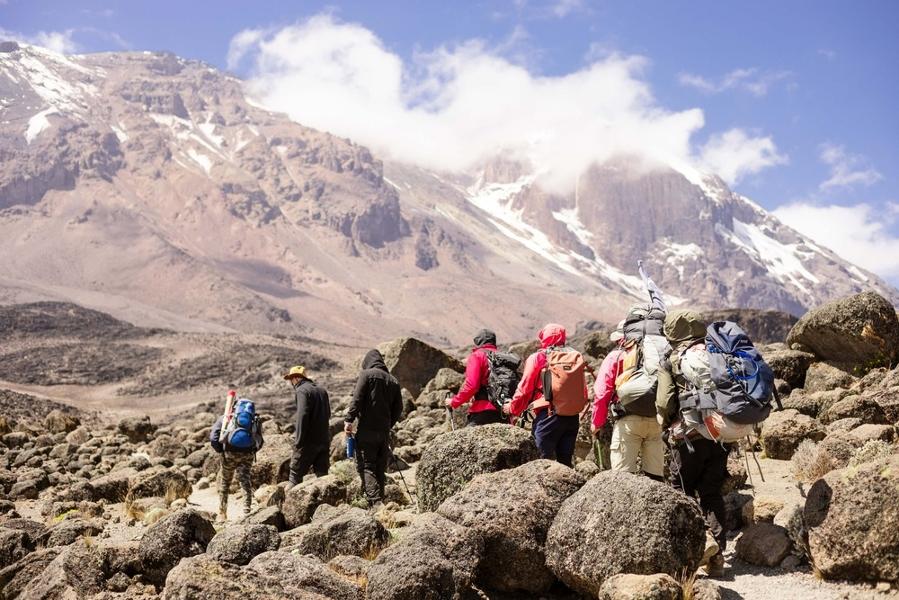
Mountain hiking, characterized by significant elevation, rugged terrain sometimes involving steep passages, and changeable weather conditions, requires good physical fitness. In contrast, forest hikes tend to be more often marked and less technical. In deserts and tropical environments, extreme heat and lack of orientation can make hiking more difficult, just as heat, humidity, and insects can complicate trekking in the jungle or other tropical environments.
💡Good to know IGN maps or apps like Komoot or AllTrails give an idea of terrain relief, but not always of terrain nature. A path can be muddy, slippery, overgrown with vegetation, or exposed to the sun with no shade. It's therefore useful to read recent hiker reviews or consult local forums. Some beautiful-looking trails can be impassable in reality, especially after a storm or in low season. |
3. Choosing the right season and timing based on weather
The best time for a hike depends not only on the region's general climate but also on microclimates. In mountains, summer can mean afternoon thunderstorms. In tropical rainforest, the dry season doesn't exclude torrential rains. And in deserts, nights can be freezing even under a blazing sun. Good preparation therefore includes consulting local weather forecasts, analyzing multi-day trends, and particular vigilance at altitude. In trekking, stable weather can change in hours: It's better to anticipate than to suffer.
4. Being honest with yourself and clear-eyed about your fitness level
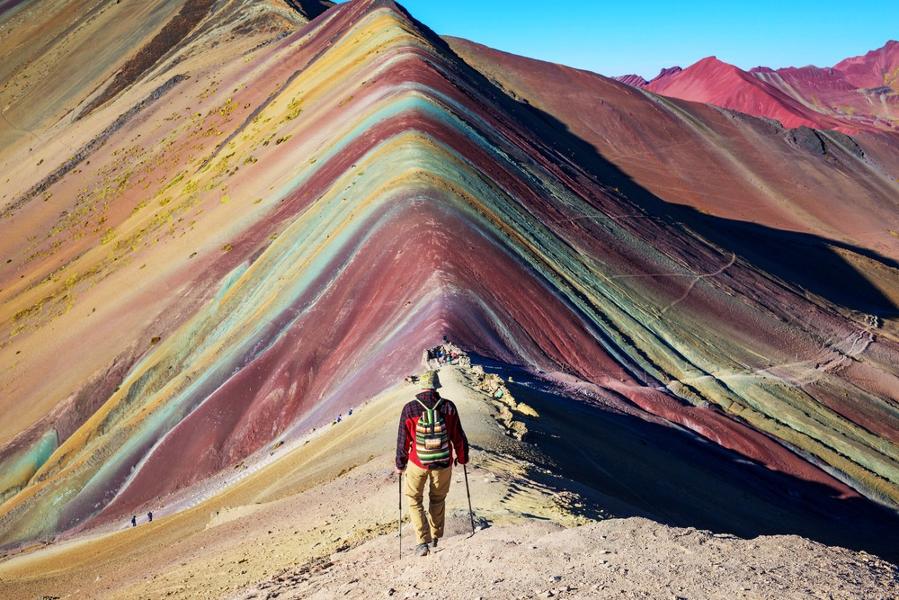
The biggest trap is overestimating your abilities or comparing yourself to others: everyone has their own limits. If you're a beginner and if you don't exercise regularly, opt for a day hike with little elevation gain and fallback options, and avoid long or technical treks. A seasoned hiker knows how to say no to too ambitious an itinerary, even if it means coming back later, better prepared.
Equipment: the essentials for hiking light and in complete safety